Whether a Springer Spaniel Sheds Heavily
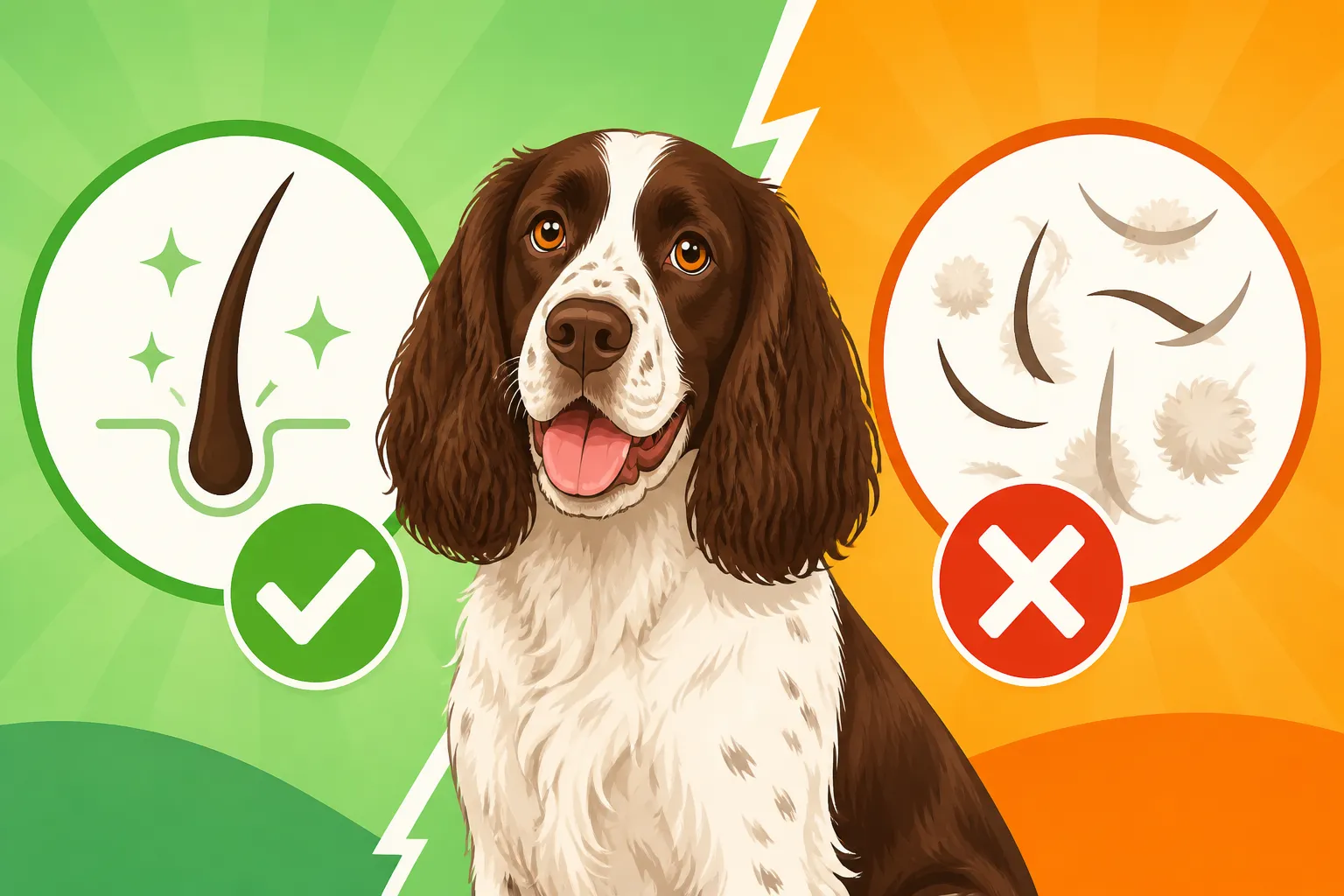
One of the most common worries for prospective English Springer Spaniel owners, or even those already deep in the joys and chaos of living with one, is the sheer amount of hair they might leave behind. You envision your home, perhaps already a cozy sanctuary, suddenly becoming coated in a fine, persistent layer of dog fur. This guide is here to tackle that very real concern head-on, giving you a realistic picture of Springer Spaniel shedding and, more importantly, empowering you with practical strategies to manage it effectively.
Understanding Your Springer Spaniel's Coat and Why They Shed
Let's be honest, all dogs shed. It's a natural process. But with a breed like the English Springer Spaniel, known for their beautiful, flowing coats, the question isn't if they shed, but how much and how often. Understanding their unique coat structure is the first step to truly grasping their shedding habits.
The Double Coat Explained
English Springer Spaniels are equipped with a double coat, a marvelous natural adaptation that served them well in their original role as gundogs. This isn't just one layer of hair; it's two distinct types, each with its own purpose.
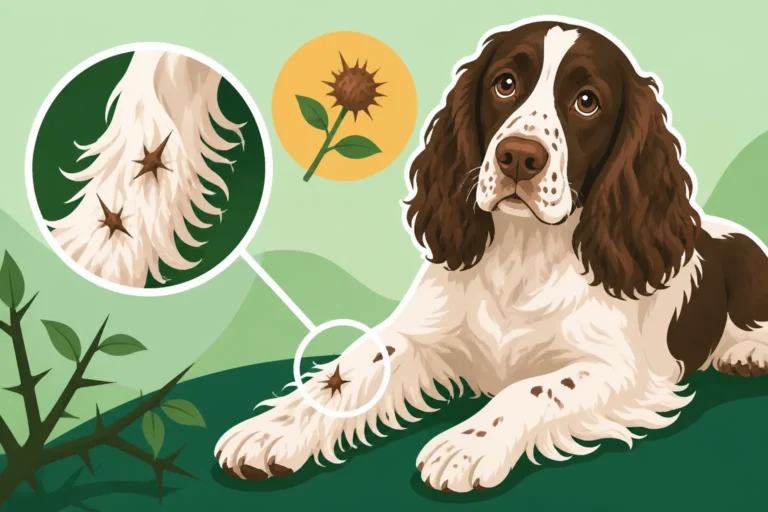
Firstly, you have the outer coat. This consists of coarser, longer, and somewhat water-repellent hairs. Its primary job is to protect the dog from the elements – rain, snow, thorns, and rough underbrush. It’s what gives them their sleek, well-groomed appearance when properly cared for. These hairs are robust and less prone to breaking, but they do shed.
Beneath this protective layer lies the undercoat. This is where things get really interesting, and often, really hairy! The undercoat is soft, dense, and much finer, acting as an insulating layer. It keeps them warm in winter and actually helps regulate their body temperature in summer by trapping cooler air close to the skin. The undercoat sheds much more profusely, especially during seasonal changes, as the dog adapts its insulation needs. When people complain about "all the hair," it's usually this fluffy undercoat they're talking about.
Seasonal Shedding vs. Year-Round Hair Loss
While your Springer Spaniel will shed some hair year-round – just like humans lose strands daily – they definitely have peak shedding seasons. This is largely driven by natural light cycles and temperature changes, mimicking the wild ancestors of all dogs.
You'll notice the heaviest shedding periods typically occur in spring and fall. In the spring, they "blow" their thick winter undercoat to prepare for warmer weather, making way for a lighter, thinner coat. This is often an intense period where you might feel like you're brushing out an entire second dog. Come fall, they shed their lighter summer coat to grow in a denser, warmer one for winter. During these times, the amount of hair coming off your dog can be truly astounding. It can feel relentless, like every brush stroke yields an endless cloud of fur. Between these major seasonal blow-outs, the shedding is usually much lighter and more manageable, but it never truly stops. If you find yourself wondering How Much a Springer Spaniel Sheds Into a House, know that during these peak times, it can feel like a lot.
The Difference Between Field and Show Coats
It's a common misconception that all English Springer Spaniels have the same magnificent coat. In reality, there's a noticeable difference between the field-bred lines and the show-bred lines, and this absolutely impacts their shedding profile.
Field-bred Springers, often referred to as "working lines," typically have a shorter, denser, and somewhat coarser coat. Their feathering – the longer hair on their legs, chest, and belly – is usually less profuse. This type of coat is bred for practicality in the field; it’s less likely to collect burrs and mud, and it dries faster. While they still have a double coat and shed seasonally, the overall volume of hair is generally less than their show-bred counterparts. You'll still see hair, but perhaps not the dramatic tumbleweeds rolling across your floor.
Show-bred Springers, on the other hand, are often bred for a much more luxurious and abundant coat, with extensive feathering and a thicker, silkier texture. This is what judges often look for in the show ring. While beautiful, this coat requires significantly more grooming and, yes, it sheds more noticeably. The sheer length and density mean there's simply more hair to lose. They can truly look magnificent, but that beauty comes with a higher grooming commitment and a greater impact on your vacuum cleaner. Understanding this distinction is key to setting your expectations. For a deeper dive, check out Two Coats, Two Routines: Field and Show Springer Spaniel Grooming.
The Reality of Shedding: What to Expect in Your Home
Living with a shedding dog means adjusting your daily routine and expectations for your home environment. It's not about eradicating hair entirely, which is an impossible dream, but about managing its presence.
Common Areas for Hair Accumulation
You'll quickly discover your Springer Spaniel's favorite spots to deposit their fur. These often include:
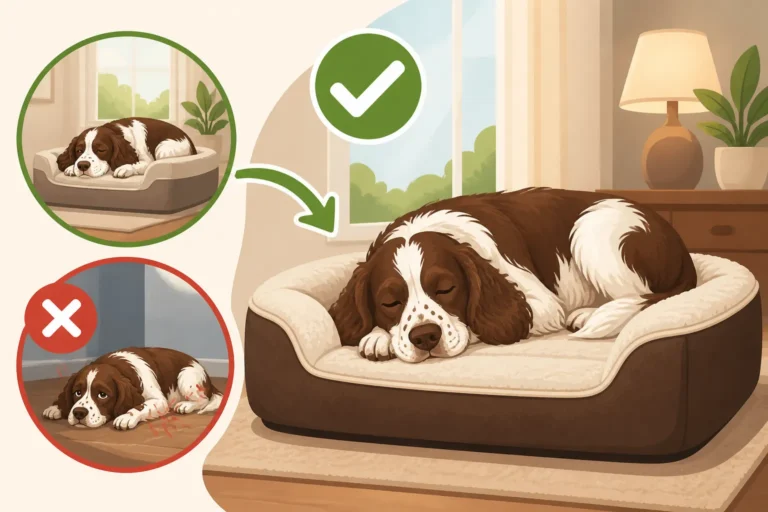
- Their Beds and Resting Spots: Naturally, wherever they snooze, they leave a tribute of fur. If they have a favorite sofa cushion or a specific corner of the rug, expect a visible collection there.
- Doorways and Hallways: As they move through the house, especially during a shedding spurt, loose hair gathers in corners and drifts along baseboards. These can become surprisingly robust "dust bunnies" composed almost entirely of dog hair.
- Under Furniture: Gravity is not your friend when it comes to dog hair. It settles, it drifts, and it forms impressive, sometimes alarming, clumps under couches, chairs, and beds. This is often where those notorious "tumbleweeds" gather.
- Your Clothing: Prepare for a new fashion accessory: Springer Spaniel hair. Dark clothes are particularly susceptible, turning into a furry canvas. Keep lint rollers handy in strategic locations, like by the front door or in your car.
- Your Car: If your Springer loves car rides (and most do!), your vehicle will become a mobile fur factory. Seats, floorboards, and even the dashboard can quickly accumulate a layer of hair, especially if they’ve been out playing or training.
It's not just visible hair either; a fine layer of dander, tiny skin flakes, also contributes to the general "dog-ness" of a home. For owners with allergies, this is often the bigger concern.
The Impact on Furniture and Clothing
Living with a shedding Springer means embracing a certain level of fur as part of your home's decor. If you're a minimalist who craves spotless surfaces, you might find yourself constantly battling a losing war against the hair.
- Furniture Fabrics: Certain fabrics act like magnets for dog hair. Velvets, microfibers, and even some tightly woven upholstery can trap hair, making it difficult to remove. Smooth leather or pleather tends to be easier, as hair doesn't embed itself. Consider throws or dedicated dog blankets for your furniture to mitigate direct contact.
- Clothing Choices: As mentioned, lint rollers will become your best friend. Many Springer owners learn to strategically change into "dog clothes" for playtimes and then change into "going out" clothes just before leaving the house. Owning a good quality clothing brush can also be incredibly helpful.
- Cleaning Frequency: Your vacuum cleaner will get a workout. During peak shedding, daily vacuuming might feel necessary, especially if you prefer a very clean home or have guests coming over. Robotic vacuums can be a game-changer for maintaining sanity between deeper cleans.
Allergy Concerns for Households
For individuals in the household or frequent visitors who suffer from allergies, a shedding Springer Spaniel can indeed present challenges. It's not the hair itself that causes the allergy, but rather proteins found in the dog's dander (dead skin cells), saliva, and urine, which adhere to the hair and become airborne.
A heavily shedding dog means more dander circulating in the environment. This can exacerbate symptoms for allergy sufferers, leading to sneezing, watery eyes, congestion, or even skin rashes. While no dog is truly "hypoallergenic," breeds that shed less might release fewer allergens into the air. Unfortunately, Springers are not typically considered a low-shedding or "hypoallergenic" breed.
If allergies are a concern in your home, consider these additional strategies:
- Air Purifiers: High-efficiency particulate air (HEPA) filters in air purifiers can help capture airborne dander and allergens.
- Designated Pet-Free Zones: Keeping your Springer out of certain rooms, particularly bedrooms where allergy sufferers sleep, can provide a sanctuary from allergens.
- Frequent Washing of Pet Bedding: Regularly washing your dog's beds, blankets, and any removable covers on furniture helps remove accumulated dander.
- Professional Cleaning: Regular professional cleaning of carpets and upholstery can also help reduce allergen buildup.
It's important to weigh these factors seriously before bringing a Springer Spaniel into a home with allergy concerns.
Practical Strategies for Managing Springer Spaniel Shedding
Managing shedding is an ongoing process, not a one-time fix. Consistency is key, and with the right tools and routines, you can significantly reduce the amount of hair floating around your home.
Brushing Techniques and Tools for Maximum Impact
Brushing is your number one weapon against shedding. Regular, thorough brushing removes loose hair before it has a chance to settle on your furniture or clothes. Aim for daily brushing during peak shedding seasons, and at least 2-3 times a week during quieter periods.
Here's how to make your brushing routine effective:
-
Start with the Right Tools:
- Slicker Brush: Excellent for removing loose undercoat and detangling the longer feathering. Use with a gentle hand to avoid "brush burn" on their sensitive skin.
- Undercoat Rake: These tools are specifically designed to penetrate the outer coat and pull out large amounts of loose undercoat, especially during seasonal sheds. Brands like Furminator or similar deshedding tools can be incredibly effective, but use them sparingly and carefully to avoid irritating the skin or damaging the topcoat. You can often find a good selection on Amazon.
- Pin Brush: Great for general grooming, especially for the longer feathering, and for finishing the coat.
- Metal Comb (wide-toothed and fine-toothed): Essential for checking for mats and tangles, particularly behind the ears, in the armpits, and on the feathering.
For more on this, check out Which Brush Suits a Springer Spaniel.
-
Technique Matters:
- Brush in the direction of hair growth.
- Work in sections, ensuring you get down to the skin to remove the undercoat.
- Pay special attention to areas with heavy feathering (legs, chest, belly, tail) and behind the ears, as these are prime spots for mats to form and trap loose hair.
- Make it a positive experience with praise and treats, especially when they are puppies.
-
Consistency is Key: A quick five-minute brush daily is often more effective than an hour-long session once a week, as it prevents hair from accumulating in the first place. This is especially true during the heavy shedding seasons when you might feel like you're constantly removing hair. For show-bred Springers, frequent brushing is non-negotiable to maintain their long coats and manage shedding. Refer to How Often a Show Springer Spaniel Needs Trimming for grooming expectations specific to them.
Bathing and Drying Routines to Reduce Loose Hair
Bathing can also help dislodge loose hair, but it needs to be done correctly to be truly effective.
- Pre-Bath Brush: Always give your Springer a thorough brush before bathing. Water can tighten mats, making them nearly impossible to remove post-bath without significant discomfort to your dog. Removing as much loose hair as possible beforehand also allows the shampoo to work more effectively.
- Use a Quality Shampoo and Conditioner: Look for shampoos designed for shedding control or those that promote healthy skin and coat. A good conditioner can help soften the coat and make it easier for loose hairs to release during rinsing. For those with sensitive skin or allergies, a gentle, hypoallergenic shampoo is a must. Remember their The Skin Under a Springer Spaniel's Coat can be sensitive.
- Thorough Rinsing: Ensure you rinse all shampoo and conditioner out of the coat. Residue can irritate the skin and lead to dryness or even exacerbate shedding.
- Drying: Towel dry thoroughly, then consider using a high-velocity pet dryer if you have one. These dryers are fantastic for "blasting" out remaining loose undercoat while also speeding up drying time and preventing hot spots. If you don't have one, brush while your dog air-dries to help remove more loose hair. For working Springers, drying thoroughly is extra important, as mentioned in How Often a Working Springer Spaniel Needs Washing.
- Frequency: Don't over-bathe, as this can strip natural oils and dry out their skin, potentially leading to more shedding. Generally, bathing every 4-8 weeks, or as needed when they get particularly dirty, is sufficient.
Dietary Considerations for Coat Health
What goes into your Springer Spaniel's body can directly impact the health of their coat and, by extension, their shedding. A healthy coat sheds less simply because the hair follicles are stronger, and the skin is healthier.
- High-Quality Diet: Feed a well-balanced, high-quality dog food. Look for foods with real meat as the first ingredient and a good balance of fats, particularly omega-3 and omega-6 fatty acids. These fatty acids are crucial for skin and coat health. Brands like Ollie or other fresh food options often prioritize these nutrients.
- Omega Fatty Acid Supplements: Many owners find success adding omega-3 fatty acid supplements (like fish oil) to their dog's diet. These can significantly improve coat shine, reduce dryness, and help with shedding. Always consult your vet before adding any supplements. Whether Fish Oil Calms a Springer Spaniel's Skin is a common question, and it can certainly contribute to overall skin health.
- Hydration: Ensure your Springer always has access to fresh, clean water. Good hydration is vital for skin and coat health.
- Avoid Fillers and Allergens: Some dogs react to certain ingredients in their food, which can manifest as skin irritation and excessive shedding. If you suspect food allergies, an elimination diet under veterinary guidance may be necessary. For more on this, see Running an Elimination Diet on a Springer Spaniel.
Here’s a quick comparison of shedding management approaches:
| Strategy | Frequency | Key Benefit | Tools/Considerations |
|---|---|---|---|
| Brushing | Daily (peak), 2-3x/week (off-peak) | Removes loose hair before it falls | Slicker, undercoat rake, pin brush, metal comb |
| Bathing | Every 4-8 weeks, or as needed | Dislodges stubborn loose hair, cleans coat | Quality shampoo/conditioner, high-velocity dryer (optional) |
| Diet & Nutrition | Daily | Promotes strong, healthy hair follicles | High-quality food, Omega supplements (fish oil), ample water |
| Environmental | Daily to Weekly | Contains shed hair, reduces allergens | Vacuum (robot/upright), lint rollers, air purifiers, furniture covers |
When Shedding Might Signal a Problem
While shedding is normal, there are times when it can be a red flag. Knowing the difference between routine hair loss and something more serious is crucial for your Springer Spaniel's health.
Excessive Shedding Beyond Normal Expectations
You know your dog best. If you notice a sudden, dramatic increase in shedding that isn't aligned with seasonal changes, or if the shedding seems disproportionate to what you've experienced before, it's worth investigating.
Signs of potentially abnormal shedding include:
- Patchy Hair Loss: Instead of general thinning, you see distinct bald spots or areas where the fur is very sparse.
- Skin Irritation: Redness, inflammation, scabs, bumps, or flakiness on the skin underneath the shedding coat.
- Dull, Brittle Coat: The remaining hair looks unhealthy, lacks shine, or breaks easily.
- Constant Scratching or Licking: Your dog seems excessively itchy, constantly scratching, licking, or chewing at themselves.
- Changes in Behavior: Lethargy, loss of appetite, or other signs of illness accompanying the shedding.
Normal seasonal shedding typically involves a general thinning of the undercoat, not patchy hair loss or skin issues. Trust your instincts; if something feels "off," it probably is.
Recognizing Skin Issues and Other Health Concerns
Many health problems can manifest through skin and coat changes, including excessive shedding. These issues range from common irritations to more serious underlying conditions.
Common culprits for abnormal shedding or skin problems include:
- Parasites: Fleas, ticks, mites (like sarcoptic or demodectic mange) can cause intense itching, leading to scratching and subsequent hair loss. Regular use of a vet-recommended flea and tick preventative is essential.
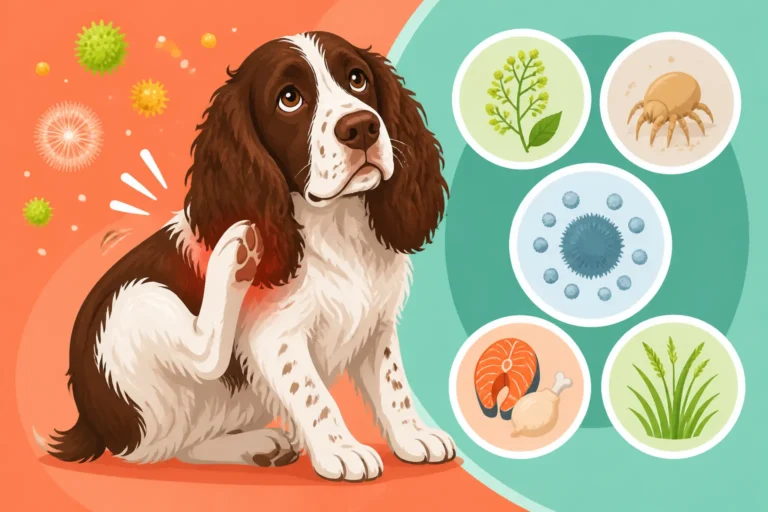
- Allergies: Environmental allergies (pollen, dust mites), food allergies, or contact allergies can all trigger skin inflammation, itching, and hair loss. Your Springer might lick their paws raw or develop "hot spots." For intense itching, your vet might discuss options like Apoquel for a Springer Spaniel's Itch.
- Fungal or Bacterial Infections: Ringworm (a fungal infection) or various bacterial skin infections can cause localized hair loss, redness, and discomfort.
- Hormonal Imbalances: Conditions like hypothyroidism (underactive thyroid) or Cushing's disease can lead to symmetrical hair loss, often accompanied by changes in skin texture or energy levels.
- Stress or Anxiety: Just like humans, dogs can react to stress by shedding more. A significant change in routine, environment, or a stressful event could trigger this.
- Nutritional Deficiencies: While less common with a high-quality diet, a lack of essential nutrients can impact coat health.
The Role of Your Veterinarian in Diagnosing Abnormal Hair Loss
If you suspect your Springer Spaniel's shedding is more than just normal hair turnover, a trip to the vet is absolutely necessary. Don't try to self-diagnose, as many conditions have similar symptoms but require different treatments.
Your veterinarian will likely perform a thorough physical examination, looking closely at your dog's skin and coat. They might recommend diagnostic tests such as:
- Skin Scrapes: To check for mites.
- Fungal Cultures: To identify fungal infections like ringworm.
- Blood Tests: To check for hormonal imbalances (like thyroid issues) or other systemic diseases.
- Allergy Testing: If allergies are suspected, they might discuss specific tests or dietary trials.
Early diagnosis and treatment are crucial for your dog's comfort and to prevent conditions from worsening. Never hesitate to reach out to your vet if you have concerns about your Springer Spaniel's coat or skin health. They are your best resource for keeping your beloved companion happy and healthy.
Living with an English Springer Spaniel means embracing their loving nature, their boundless energy, and yes, their shedding. It's a small price to pay for the joy they bring into our lives. With consistent grooming, a good diet, and a watchful eye for any unusual changes, you can manage their shedding effectively and keep both your home and your Springer looking their best.
Disclaimer
This article is for general informational purposes only and does not constitute professional advice. Laws, prices and regulations vary by location and change over time. Consult a qualified professional for guidance on your specific situation.