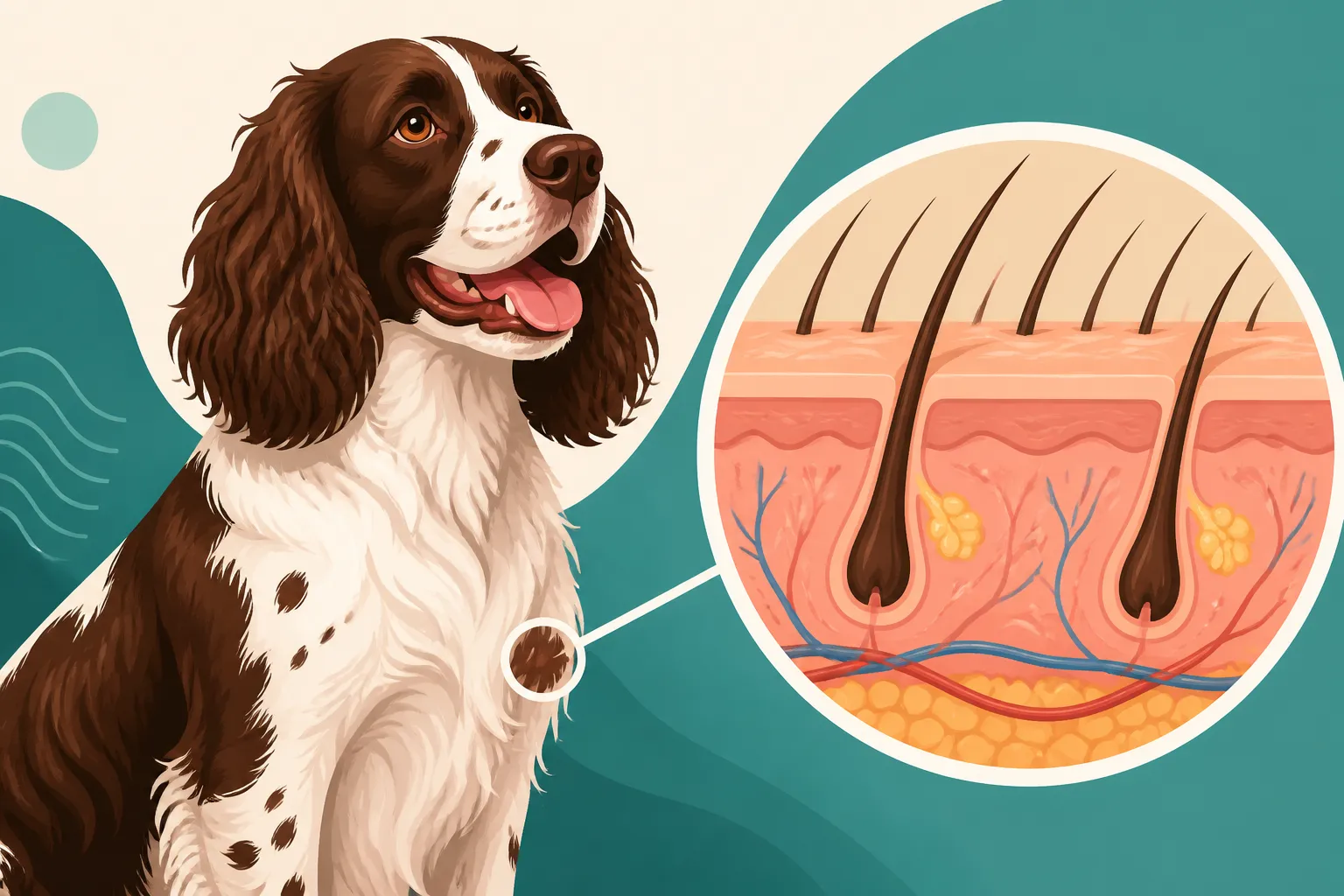
The Skin Under a Springer Spaniel’s Coat
It’s so easy to get caught up in the sheer joy of a Springer Spaniel's vibrant personality, their boundless energy, and that magnificent, flowing coat. But beneath all that beautiful fur lies their skin, a vital organ that often gets overlooked until a problem crops up. If you've ever dealt with a constantly itchy dog, mysterious rashes, or persistent flaky patches, you know the frustration. This guide is here to walk you through understanding, identifying, and proactively caring for your Springer Spaniel's skin, helping you keep them comfortable and healthy from the inside out.
Understanding Your Springer Spaniel's Unique Skin Challenges
Our Springer Spaniels are truly special, but their breed characteristics, particularly their glorious coats, can sometimes set the stage for specific skin challenges. It's not always obvious what's going on under all that fur, and that's where a lot of the frustration for owners can begin.
The Double Coat's Role in Skin Health
A Springer Spaniel's coat is designed for a purpose: to protect them from the elements, whether they're flushing pheasants in a thorny thicket or retrieving from icy water. It’s a magnificent double coat, typically consisting of a dense, soft undercoat for insulation and a longer, coarser outer coat that repels water and debris. While this is fantastic for their working life, it creates a unique environment for the skin underneath.
The density of this coat, especially if not regularly groomed, can become a breeding ground for trouble. Imagine a scenario where your lively Springer, perhaps after a romp through a dewy field, comes back with their undercoat slightly damp. If that moisture gets trapped against the skin by a thick, perhaps even slightly matted, outer coat, it creates a warm, humid pocket. This environment is just perfect for bacteria and yeast to multiply, leading to skin irritation, infections, and that tell-tale "doggy smell" that no amount of superficial bathing seems to fix. Owners often discover these hidden issues only when the problem is advanced, feeling terribly guilty they didn't spot it sooner. Don't worry, it's a common challenge with double-coated breeds; the fur literally hides the evidence.
Breed-Specific Predispositions to Skin Issues
Beyond the structural challenges of their coat, Springer Spaniels, like many breeds, have certain genetic predispositions that can make their skin more sensitive or prone to specific ailments. It's not a guarantee that your Springer will develop these issues, but it's wise to be aware. Allergies, for instance, are a significant concern. Many Springer owners find themselves on a long journey trying to pinpoint the source of their dog's persistent itching, which can manifest as constant licking of paws, rubbing their faces, or recurrent ear infections. This "itch-scratch cycle" can quickly escalate, causing skin inflammation, hair loss, and secondary bacterial or yeast infections.
Another common foe is seborrhea, a condition that affects the skin's oil glands and can lead to either dry, flaky skin (seborrhea sicca) or oily, greasy, often smelly skin (seborrhea oleosa), or even a combination of both. It's a frustrating cycle because the skin's natural barrier function is compromised, making it more vulnerable to other problems. You might notice greasy fur, especially around the ears and armpits, and perhaps a distinctive, somewhat rancid odor that seems to cling to your dog no matter how often you bathe them. It's heartbreaking to see your otherwise happy dog constantly uncomfortable, and it can feel like you're fighting a losing battle sometimes. Understanding these predispositions helps us be more vigilant and proactive in our care.
Common Skin Conditions and How They Present
When a Springer Spaniel starts showing signs of skin irritation, it can be a baffling and upsetting experience for their human companions. It's often difficult to tell what's causing the problem, and these issues can escalate quickly if not addressed.
Allergies: The Itch That Never Quits
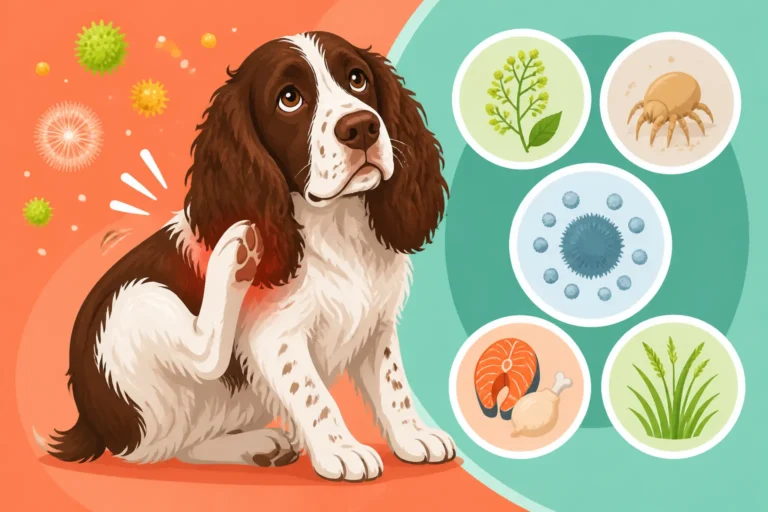
Ah, allergies. If you own a Springer Spaniel, chances are you've either dealt with them or know someone who has. It's one of the most common reasons people bring their dogs to the vet with skin issues. The frustrating thing about allergies is how varied they can be. We're talking about environmental allergies, often called atopic dermatitis, which can be triggered by things like pollen, dust mites, or molds – basically, anything floating around in the air that your dog breathes in. Then there are food allergies, where certain ingredients in their diet can cause an adverse reaction. And of course, the ever-present flea allergy dermatitis, where even a single flea bite can send a sensitive dog into an itching frenzy.
The symptoms are often maddeningly general: your Springer might be constantly licking their paws until they're raw, rubbing their face on the carpet or furniture, scratching behind their ears until the skin is red and inflamed, or developing a generalized itchiness that seems to move all over their body. Sometimes, the only sign might be recurrent ear infections, which are often the tip of the iceberg for an underlying allergy. You might notice hair loss in patches, especially on their flanks or belly, and the skin itself can become thickened, pigmented (darker), and feel somewhat leathery from chronic irritation. Diagnosing allergies can feel like detective work, involving elimination diets, blood tests, or intradermal skin testing, but it's worth the effort to get your beloved companion relief. Trying to figure out whether you're dealing with a food sensitivity or environmental triggers can be a real headache, but there are ways to Telling a Food Itch From a Pollen Itch in a Springer Spaniel.
Hot Spots: Sudden, Painful Outbreaks
Hot spots, medically known as acute moist dermatitis or pyotraumatic dermatitis, are every Springer Spaniel owner's nightmare because they appear suddenly and can spread with alarming speed. One minute, your dog is fine, and the next, you find a weeping, red, painful lesion that seems to have erupted overnight. These are essentially self-inflicted wounds: something causes an itch (an insect bite, a matted patch of fur, an underlying allergy), and your dog licks, chews, or scratches at it incessantly. The moisture from their saliva, combined with the warmth of their body and the density of their coat, creates the perfect breeding ground for bacteria, leading to a superficial skin infection.
Springer Spaniels are particularly prone to hot spots, often due to their thick coats and their love for water. Imagine your Springer comes back from a long swim in the lake, and even after a towel dry, a little dampness remains deep in their undercoat. Perhaps they then pick up a tiny thorn or get an insect bite. They start licking, and within hours, what was a minor irritation has blossomed into a raw, oozing, circular lesion that can be incredibly painful to the touch. These spots often appear on the cheeks, neck, hindquarters, or anywhere the dog can easily reach to lick or chew. They are urgent situations because they cause significant discomfort and can worsen rapidly. Many a Springer owner has discovered one of these nasty surprises hiding Hot Spots Under a Springer Spaniel's Feathering.
Seborrhea: Oily, Flaky, or Both
Seborrhea is a fancy term for a skin condition where the skin's normal process of shedding and producing oils (sebum) goes awry. It can manifest in a couple of different ways, both equally frustrating for the owner and uncomfortable for the dog. Seborrhea sicca, or dry seborrhea, presents as dry, flaky skin, almost like severe dandruff. You might notice white scales on your Springer's coat, and their skin might feel dry and rough. Then there's seborrhea oleosa, or oily seborrhea, which is characterized by greasy, oily skin and hair, often accompanied by a distinct, somewhat musty or rancid odor. In many cases, Springers will experience a combination of both.
This condition occurs when the skin cells either reproduce too quickly or the sebaceous glands produce too much oil, or both. The skin's natural barrier is compromised, making it less effective at protecting against irritants and infections. Dogs with oily seborrhea often develop secondary bacterial or yeast infections because the excess oil creates a hospitable environment for these microorganisms. The result is chronic itching, inflammation, and that greasy feel and unpleasant smell that can permeate your home. It's often a lifelong management challenge for affected dogs, requiring special shampoos and regular care. It's certainly a common frustration when you feel like your Springer Spaniel's coat is always greasy, and you might wonder Whether a Springer Spaniel's Skin Gets Oily.
| Condition | Primary Symptoms | Common Triggers | General Management Strategies |
|---|---|---|---|
| Allergies | Chronic itching, paw licking, ear infections, hair loss, skin redness, hyperpigmentation | Pollen, dust mites, molds, certain food ingredients, flea bites | Identifying allergens, anti-itch medications, medicated shampoos, dietary changes, immunotherapy |
| Hot Spots | Rapidly appearing red, oozing, painful, localized lesions, matting, hair loss | Insect bites, underlying allergies, matted fur, dampness, minor skin irritations | Clipping hair around lesion, cleaning, topical medications (antibiotics/steroids), e-collar to prevent licking |
| Seborrhea | Oily/greasy coat, dry flakes, crusting, musty odor, thickened skin, inflammation | Genetic predisposition, underlying allergies, hormonal imbalances, nutritional deficiencies | Medicated shampoos, dietary supplements, addressing underlying causes, regular grooming |
The Impact of Grooming on Skin Health
Grooming isn't just about making your Springer Spaniel look tidy; it's a critical component of their skin health. Because their coats are so dense and prone to trapping things, a consistent grooming routine can prevent a multitude of issues before they even begin.
The Importance of Regular Brushing and Dematting
Regular brushing is probably the most underrated weapon in your arsenal against skin problems. A Springer Spaniel's double coat, while beautiful, is a magnet for loose hair, dirt, and debris, and it's notoriously prone to matting. When mats form, they pull on the skin, which is uncomfortable, but more importantly, they create tight, impenetrable barriers that prevent air circulation. This lack of airflow, combined with any trapped moisture (from a swim, rain, or even just humidity), turns the skin underneath into a warm, damp environment – a perfect breeding ground for bacteria and yeast.
Brushing regularly, ideally a few times a week and definitely after any outdoor adventures, helps in several ways. It removes dead undercoat, allowing the skin to breathe. It distributes natural skin oils, which are essential for a healthy skin barrier and a shiny coat. And, crucially, it allows you to inspect your dog's skin for any abnormalities, like redness, bumps, or parasites, before they escalate. A good slicker brush and an undercoat rake are essential tools for getting through that thick coat effectively. Neglecting this simple step can lead to painfully tight mats that require shaving, and beneath those mats, you often find angry, inflamed skin or even open sores. It's truly amazing how much loose hair a Springer can shed, and you'll quickly realize How Much a Springer Spaniel Sheds Into a House if you don't stay on top of it!
Bathing Practices: When, How, and With What
Bathing your Springer Spaniel is another key aspect of skin care, but it's important to do it correctly to avoid inadvertently causing problems. The frequency of bathing can vary significantly depending on your dog's lifestyle. A field-bred Springer who spends a lot of time in cover or swimming will naturally need more frequent bathing than a show-bred companion living a more sedate life. However, even pet Springers need regular baths to keep their skin and coat clean. The goal is to remove dirt, allergens, and excess oils without stripping the skin's natural protective barrier.
Choosing the right shampoo is paramount. Avoid harsh human shampoos or those with strong perfumes, which can irritate sensitive canine skin. Look for pH-balanced dog shampoos, ideally those with oatmeal, aloe vera, or specific medicated ingredients if your vet has recommended them for a particular skin condition. Always, always ensure you rinse thoroughly. Any shampoo residue left on the skin can be incredibly irritating and lead to itching and flaking. Finally, drying is critical. Because of their dense double coat and long feathering, Springers can retain moisture deep down, leading to hot spots or yeast infections. Towel dry vigorously, and consider using a dog-specific forced-air dryer, especially for areas like the ears, armpits, and feathering. A damp Springer can easily develop issues, and choosing Which Shampoo Suits a Springer Spaniel's Oily Coat can make a big difference.
Trimming and Clipping for Skin Ventilation
Strategic trimming and clipping can be a godsend for a Springer Spaniel's skin health, especially for those in active homes or those prone to certain issues. While the long, flowing feathering is iconic, it can also be a magnet for burrs, mud, and moisture, leading to matting and skin irritation. Trimming the hair in specific areas can significantly improve ventilation and reduce the likelihood of problems.
Consider areas like the armpits, groin, and sanitary regions. Keeping the hair shorter in these zones helps prevent urine and fecal matter from clinging to the fur, which can cause skin scalding and infections. Similarly, the long hair on their feet (sometimes called "grinch feet") can trap debris and moisture between the pads, contributing to paw licking and infections. A neat trim here makes a big difference. While some owners opt to clip their entire Springer Spaniel's coat short, particularly field dogs or those with severe matting, there's a debate about its impact. A clipped coat can change the texture and regrowth pattern, sometimes making the outer guard hairs softer and the undercoat thicker, which paradoxically can make future matting worse or affect the coat's natural protective qualities. However, in cases of severe skin disease or matting, a full body clip might be necessary for the skin to heal. It’s a discussion to have with your groomer or vet, especially if you're worried about Whether Shaving a Springer Spaniel Ruins the Coat.
Nutritional Support for a Healthy Skin Barrier
We often think of food as fuel for energy, but what your Springer Spaniel eats plays a massive role in the health of their skin and coat. A vibrant, healthy coat is often a direct reflection of a well-nourished dog, and conversely, poor nutrition can manifest as dull coats, dry skin, or even exacerbate existing skin conditions.
Essential Fatty Acids and Skin Health
If there's one nutritional superstar for skin health, it's essential fatty acids, particularly Omega-3s and Omega-6s. These aren't just trendy supplements; they are crucial components that your dog's body can't produce on its own and must get from its diet. Omega-3s, found abundantly in fish oil, are powerful anti-inflammatory agents. They help to calm down systemic inflammation, which is often at the root of allergic skin reactions and general itchiness. Omega-6s, on the other hand, are vital for maintaining the skin's barrier function, keeping moisture in and irritants out, and promoting a healthy, shiny coat. A proper balance between these two is key.
When your Springer Spaniel isn't getting enough of these beneficial fats, their skin can suffer. You might notice a dull, dry, or brittle coat, excessive shedding, or skin that appears flaky and irritated. Incorporating a high-quality fish oil supplement into their daily routine can make a dramatic difference. Many owners report a noticeable improvement in their dog's coat luster and a reduction in scratching within weeks. It's not a magic bullet for all skin issues, but it's a fundamental building block for healthy skin from the inside out. If you've got a Springer Spaniel who's constantly scratching or seems to have a perpetually dull coat, it's worth exploring Whether Fish Oil Calms a Springer Spaniel's Skin.
The Role of a Balanced Diet in Preventing Skin Issues
Beyond specific fatty acids, a complete and balanced diet is the cornerstone of overall health, including robust skin and coat condition. Think of their diet as the foundation for every cell in their body. A dog food that uses high-quality, digestible protein sources, appropriate levels of fat, and essential vitamins and minerals provides the building blocks for healthy skin, strong hair follicles, and a resilient immune system. Conversely, a diet lacking in these crucial nutrients can leave the skin vulnerable, leading to poor coat quality, dryness, and increased susceptibility to infections.
Sometimes, skin issues stem directly from a food intolerance or allergy. Certain protein sources, like chicken or beef, or even common grains, can trigger an immune response that manifests as skin irritation, itching, and inflammation in sensitive dogs. This is where a limited ingredient diet or a novel protein diet comes into play, often guided by your veterinarian. You might explore fresh food options, like those offered by Ollie, which focus on whole, human-grade ingredients and can sometimes make a significant difference for dogs with sensitivities by removing common allergens and providing optimal nutrition. For many owners, switching to a high-quality diet or trying a different protein source can be a game-changer for their Springer's skin. It's a common concern among owners about Whether Fresh Food Changes a Springer Spaniel's Skin.
Hydration's Contribution to Skin Elasticity
Just like in humans, proper hydration is absolutely vital for your Springer Spaniel's skin health. We often focus on what goes in the food bowl, but don't forget the water bowl! Water is essential for maintaining the elasticity and suppleness of the skin, flushing out toxins, and supporting the myriad cellular processes that keep skin cells healthy and functioning correctly. Dehydrated skin can become dry, flaky, and less resilient, making it more prone to irritation and damage.
Think about a hot summer day after a long run in the park. Your Springer will naturally drink copious amounts of water, and that's exactly what their body needs to regulate temperature and maintain cellular function. Even on cooler days, consistent access to fresh, clean water is paramount. If your dog isn't drinking enough, their skin might appear less elastic when gently pinched, their gums might be tacky, and their overall energy levels could suffer. Providing multiple water bowls around the house, ensuring water is fresh, and even adding a little water to their kibble can encourage better hydration. A well-hydrated dog simply has healthier, more resilient skin and a more vibrant coat.
Environmental Factors and Prevention Strategies
Beyond genetics, grooming, and diet, the environment your Springer Spaniel lives in plays a huge role in their skin health. From the tiny pests they might encounter outdoors to the humidity levels in your home, these factors can all contribute to, or alleviate, skin problems.
Protecting Against Parasites and Irritants
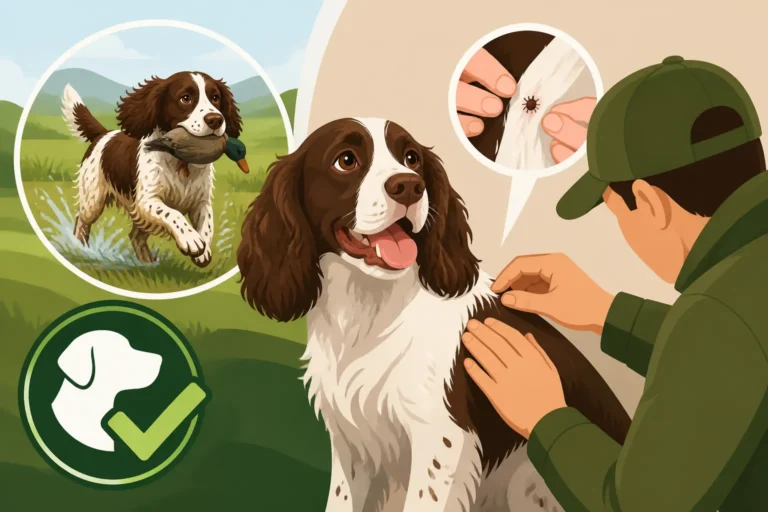
Parasites are notorious culprits behind intense itching and skin irritation in dogs, and Springer Spaniels are certainly no exception. Fleas, ticks, and mites can cause immediate discomfort, and for dogs with flea allergy dermatitis, even a single bite can trigger a severe, widespread allergic reaction that leads to incessant scratching, hot spots, and secondary infections. Ticks can cause localized irritation and transmit diseases, while mites (like those causing sarcoptic mange) can lead to relentless itching, redness, and hair loss. This is why consistent, year-round parasite prevention is not just about avoiding disease, but also crucial for skin health.
There are many excellent preventative options available, from topical treatments to oral medications, and your veterinarian can help you choose the best fit for your Springer's lifestyle and risk factors. Many owners rely on products found on sites like Chewy for their monthly preventatives. Beyond parasites, consider potential irritants in your dog's immediate environment. Harsh cleaning products, certain types of mulch or lawn treatments, or even specific plants in your yard can cause contact dermatitis, leading to redness and itching on paws or belly. Always be mindful of what your Springer is rolling in or walking through, especially if they have sensitive skin. Knowing How to Check a Springer Spaniel for Ticks after an outing is just as important as the preventative itself.
Managing Moisture and Humidity
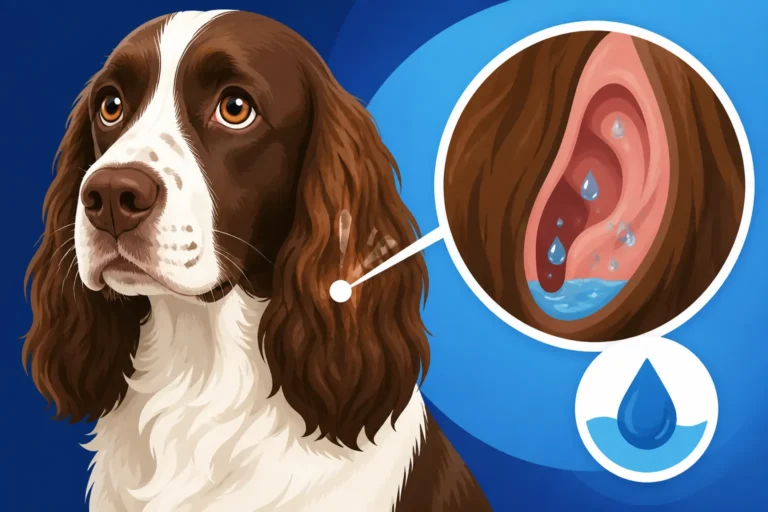
Given their love for water and dense coats, managing moisture is a constant battle for Springer Spaniel owners, but it's vital for preventing skin issues. Prolonged dampness creates the ideal conditions for yeast and bacterial growth, often leading to hot spots, ear infections, and generalized skin irritation. This is particularly true for their drop ears and dense feathering, which can trap moisture for hours after a swim or a rainy walk.
After any exposure to water – be it a swim in the local pond, a splash in the creek, or even a thorough bath – you need to be diligent about drying your Springer Spaniel. Use absorbent towels, and consider a dog-specific forced-air dryer to ensure their undercoat and those tricky areas (like behind the ears, armpits, and groin) are completely dry. If you live in a naturally humid climate, you might even consider using a dehumidifier indoors to reduce overall moisture levels. For Springers who love the water, taking extra steps like Drying a Springer Spaniel's Ears After Swimming can prevent a lot of discomfort down the line. It's a small effort that pays big dividends in preventing those uncomfortable, smelly skin issues.
Seasonal Skin Care Adjustments
Just like our own skin changes with the seasons, your Springer Spaniel's skin care needs can shift throughout the year. Being aware of these seasonal changes allows you to proactively adjust their routine and prevent common problems. In the dry, cold winter months, for instance, the air inside our homes (especially with heating systems running) can become incredibly dehydrating. This can lead to dry, flaky, itchy skin for your Springer, much like how our hands get chapped. During these times, you might need to increase the frequency of moisturizing rinses or add skin-supportive supplements to their diet.
Conversely, spring and summer bring higher humidity, blooming plants, and increased outdoor activity. This is prime time for environmental allergies (pollen, grass), insect bites, and hot spots due to trapped moisture after swims or humid walks. During these warmer months, you'll want to be extra vigilant about rinsing off pollen after walks, drying thoroughly, and staying on top of flea and tick prevention. Regular bathing with an appropriate shampoo might be more frequent to wash away allergens. The key is to be adaptable; what works perfectly for your Springer's skin in January might not be sufficient in July.
When to Seek Professional Veterinary Help
It's easy to try and manage minor skin irritations at home, but there are definite times when you need to call in the professionals. Ignoring persistent or worsening skin issues can lead to prolonged discomfort for your Springer Spaniel and make the problem much harder to resolve down the line.
Recognizing Red Flags and Persistent Problems
As a Springer Spaniel owner, you know your dog best. You're the first line of defense when something seems off. When it comes to skin, don't hesitate to seek veterinary advice if you notice certain red flags. These include severe or unrelenting itching that interferes with your dog's sleep or daily activities, rapid onset of redness, swelling, or pain, especially if it's spreading. Any discharge, pus, or foul odor emanating from the skin is also a serious warning sign. If you see open sores, scabs that aren't healing, or areas of significant hair loss, it's time for a trip to the vet.
Persistent problems, even if seemingly mild, also warrant professional attention. For example, if your Springer Spaniel continually gets ear infections despite your best efforts at cleaning, or if they have chronic paw licking that just won't stop, there's likely an underlying cause that needs to be diagnosed and addressed. Don't feel like you're overreacting; chronic discomfort significantly impacts a dog's quality of life. Owners often feel like they're failing their dog when issues persist, but sometimes, you just need that expert eye. It's important to know the Signs a Springer Spaniel's Ear Has Gone Wrong and address them promptly.
Diagnostic Approaches to Skin Ailments
When you bring your Springer Spaniel to the veterinarian with a skin problem, they won't just guess what's going on. A good vet will take a systematic approach to diagnosis, which might involve a few different tests. First, they'll likely perform a thorough physical exam and gather a detailed history from you about when the problem started, what you've observed, and what you've tried. Then, they might recommend some common diagnostic tools.
These often include a skin scrape, where a small sample of skin is gently scraped off and examined under a microscope to look for mites (like demodex or sarcoptes). A cytology (sometimes called an impression smear) involves pressing a slide onto the affected skin or ear canal to collect cells, which are then stained and examined to identify bacteria or yeast, helping guide antibiotic or antifungal choices. Fungal cultures might be done to rule out ringworm. For more complex or persistent issues, blood tests can check for underlying systemic diseases (like thyroid imbalances) or for specific environmental allergens. In rare cases, a skin biopsy might be recommended, where a small piece of skin is removed and sent to a lab for histological examination. It can feel like a lot of testing, but each step provides crucial clues to pinpoint the exact problem and formulate an effective treatment plan. For persistent ear issues, for instance, a What a Springer Spaniel's Ear Cytology Costs is a worthwhile investment.
Treatment Options and Long-Term Management
Once a diagnosis is made, your veterinarian will discuss a tailored treatment plan for your Springer Spaniel. This might involve a combination of approaches. For bacterial or yeast infections, oral antibiotics or antifungals might be prescribed, often alongside medicated shampoos or topical ointments. Anti-inflammatory medications, such as steroids, might be used short-term to quickly alleviate severe itching and inflammation, providing immediate relief for your dog. For chronic allergies, the long-term management can be more complex, involving antihistamines, immune-modulating drugs like Apoquel, or even allergy injections (immunotherapy) specifically formulated for your dog's triggers. You can often find specialized dog products and medications, once vet-approved, on sites like Amazon.
The key to successful treatment and long-term management is often a multi-modal approach and consistent follow-through. It’s rarely a quick fix, especially with chronic conditions like allergies or seborrhea. This might mean regular medicated baths, daily medication, dietary adjustments, and diligent environmental control (like parasite prevention). Your vet might recommend a dermatology referral if the case is particularly stubborn or unusual, as a veterinary dermatologist has specialized expertise in these complex cases. The goal is not just to clear up the immediate symptoms, but to manage the underlying cause to prevent recurrence and keep your beloved Springer Spaniel comfortable and itch-free for the long haul. Many owners find relief for their chronically itchy dogs with options like Apoquel for a Springer Spaniel's Itch.
Disclaimer
This article is for general informational purposes only and does not constitute professional advice. Laws, prices and regulations vary by location and change over time. Consult a qualified professional for guidance on your specific situation.