The Allergens Behind a Springer Spaniel’s Itch
Oh, the constant scratching, the relentless licking, the endless ear infections! If you're a Springer Spaniel owner, you know the heartbreaking frustration of watching your beloved companion suffer from an itch that just won't quit. It’s not just annoying; it’s a sign of underlying discomfort that can severely impact their quality of life. This guide is here to shed light on the common culprits behind your Springer Spaniel's incessant itching and help you understand how to approach finding relief.
Environmental Allergens The Invisible Irritants
Environmental allergies, often called atopy, are incredibly common in dogs, and our Springers are certainly no exception. Just like people can get hay fever or react to dust, dogs can develop hypersensitivities to common substances in their surroundings. It's a cruel twist when the very air they breathe or the ground they walk on causes them misery. These allergens trigger an immune response that manifests primarily as skin irritation, leading to that maddening itch.
Pollen, Dust Mites, and Mold Ubiquitous Triggers
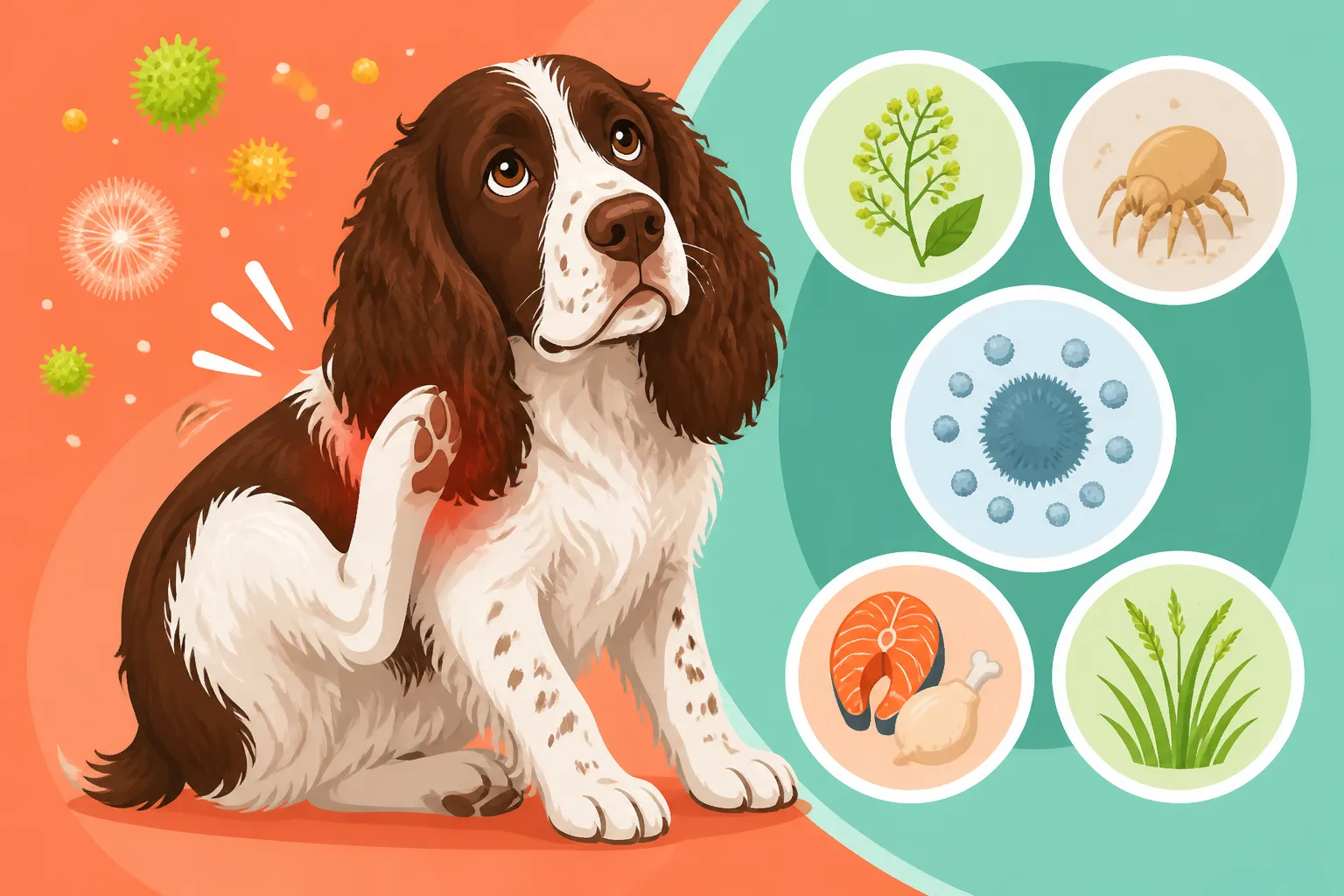
Think about how much time your Springer spends sniffing every blade of grass, rolling in leaves, or just being a happy, curious dog exploring the world with their nose. That means they're constantly exposed to a myriad of airborne particles. Pollen, from trees, grasses, and weeds, is a huge offender, particularly when seasons change. You might notice your dog's itching flares up dramatically in spring or fall, right when you're also reaching for your allergy meds. It's a cycle many of us are familiar with.
Beyond the great outdoors, indoor allergens pose a significant, year-round challenge. Dust mites, those microscopic creatures thriving in bedding, carpets, and upholstery, are a prime example. Your Springer might spend hours snoozing on the sofa or curled up in their bed, unknowingly exposing themselves to these tiny triggers. Mold spores, which can lurk in damp corners of your home or even outdoors in humid conditions, are another common irritant. It's not about cleanliness, necessarily; these are just facts of life, and our sensitive Springers unfortunately bear the brunt of it. Imagine always feeling a little prickly or having an insistent itch you can't quite get rid of – that's what many of them experience daily.
Seasonal vs. Year-Round Allergies Tracking the Pattern
Understanding whether your Springer's allergies are seasonal or year-round is a crucial first step in trying to get a handle on them. If the itching coincides with specific times of the year, like spring bloom or autumn leaf fall, you're likely dealing with seasonal environmental allergies. This pattern can be a helpful clue for your vet. You might see them chewing their paws raw after a walk in a freshly mowed field, or rubbing their face incessantly when certain trees are blossoming. This type of allergy often requires proactive management to minimize discomfort during peak seasons.
On the other hand, if your Springer Spaniel seems to itch consistently throughout the entire year, regardless of what's blooming outside, it points more towards year-round environmental allergens. This could be dust mites, mold, or perhaps even something in your home environment, like certain cleaning products or fabrics. Whether a Springer Spaniel's Ear Infection Is Allergy Driven is a common question, and yes, persistent ear trouble often falls into this year-round category, as their floppy ears create the perfect warm, moist environment for secondary issues to take hold when allergies weaken their defenses. Keeping a detailed log of when the itching starts, how severe it is, and what activities precede it can provide invaluable information to your veterinarian.
Food Sensitivities What's on Their Plate?
While environmental allergies often get a lot of attention, we absolutely cannot overlook food sensitivities. It’s easy to assume that if your dog has been eating the same kibble for years, it can’t possibly be the cause of new itching, but that’s not always true. Dogs can develop sensitivities over time, and what was once fine might now be causing them significant discomfort. This isn't usually a true allergy with an immediate, life-threatening reaction, but rather an intolerance that manifests as chronic skin issues or gastrointestinal upset.
Common Protein Suspects Chicken, Beef, Dairy
When it comes to food sensitivities in dogs, certain ingredients are far more common culprits than others. The top offenders often include protein sources that are widely used in commercial dog foods: chicken, beef, and dairy. Wheat and soy can also be issues, but proteins are usually the primary suspects for itchy skin. Many owners are surprised to learn that their dog's daily chicken-based kibble, which they've eaten happily for years, could be the very thing making them miserable.
Consider a scenario where your Springer has always had a shiny coat and healthy skin, but suddenly, around age three or four, they start developing patches of itchy skin, or their ears seem perpetually waxy and irritated. You might think it's environmental, but often, a gradual build-up of sensitivity to a common protein is at play. It's not that these ingredients are inherently bad; it's just that some dogs' immune systems decide, seemingly out of the blue, that they don't agree with them. This is where an owner's careful observation, and sometimes a bit of detective work, really comes into play. Chicken Allergy in a Springer Spaniel is a more common issue than many realize, often disguised as other problems.
Navigating Elimination Diets The Diagnostic Journey
If your vet suspects a food sensitivity, the gold standard for diagnosis is an elimination diet. This isn't a quick fix, and it requires dedication, but it's truly the most reliable way to pinpoint specific food triggers. The process involves feeding your Springer a novel protein (one they've never eaten before, like venison, duck, or kangaroo) and a novel carbohydrate for a period of usually 8 to 12 weeks. During this time, absolutely no other foods, treats, or flavored medications are allowed. It can feel like being a food detective, reading every label and being hyper-vigilant about what your dog ingests.
After the elimination period, if your Springer's itching has significantly improved or disappeared, you then begin a "challenge" phase. This means reintroducing suspected allergens one by one and carefully monitoring for a return of symptoms. For instance, you might offer a small amount of chicken and wait a few days to see if the itch comes back. If it does, you've found a culprit! If not, you move on to the next suspected ingredient. It's a meticulous process, but it’s the best way to get definitive answers and tailor a diet that genuinely helps your dog. Brands like Ollie and others offering limited ingredient or novel protein formulas can be incredibly helpful during this stage, as they simplify knowing exactly what your dog is eating. Running an Elimination Diet on a Springer Spaniel is detailed and can be a significant undertaking, but the results are often worth it.
Contact Dermatitis When Their World Bites Back
Sometimes, the itch isn't coming from something in the air or in their food, but from direct contact with an irritant. This is called contact dermatitis, and it can be just as uncomfortable, if not more so, because the reaction is often localized and intense. Our Springers, with their low-slung bodies and keen noses, are constantly exploring, putting them at higher risk for coming into contact with things that can make them itch.
Irritating Plants and Chemicals Everyday Hazards
Think about where your Springer loves to roam. Tall grasses, bushes, and even common garden plants can contain sap or oils that cause a localized allergic reaction when they brush against your dog's skin. Poison ivy or certain types of weeds might be obvious, but even some ornamental plants can be irritating. Often, these reactions appear on less hairy areas like the belly, groin, or paws, which are more exposed to direct contact. You might notice distinct red, inflamed patches that correspond to where they brushed against something specific. Grass Allergy in a Working Springer Spaniel is a classic example of this, especially for those working in the field.
Beyond natural irritants, household chemicals are another common source of contact dermatitis. Floor cleaners, laundry detergents used on their bedding, carpet fresheners, or even certain lawn treatments can cause severe skin irritation. If your Springer starts scratching frantically after you've cleaned the floors or if their bed always seems to make them itchy, these could be strong clues. It's all about observing patterns and trying to connect the dots between exposure and reaction. Sometimes, simply switching to pet-safe, unscented cleaning products can make a world of difference.
Reactions to Flea Bites More Than Just a Nuisance
While fleas are tiny pests that can make any dog itchy, some Springers develop a hypersensitivity to flea saliva, leading to what's known as flea allergy dermatitis (FAD). For these dogs, even a single flea bite can trigger an intense, widespread allergic reaction that far outweighs the irritation a non-allergic dog would experience from a few bites. The itch is maddeningly intense, often leading to raw, inflamed skin and secondary infections.
You might not even see fleas on your dog, especially if they're meticulously grooming, but if you find "flea dirt" (tiny black specks that look like pepper, which turn reddish-brown when wet) on their skin, it's a strong indicator. The classic areas for FAD reactions are the base of the tail, hindquarters, and inner thighs. Prevention is absolutely key here, as even the best treatments for the itch won't work if the underlying cause — the flea bites — isn't addressed. Consistent, year-round flea prevention is non-negotiable for a Springer Spaniel prone to FAD.
Secondary Infections The Itch's Unwanted Companions
When a Springer Spaniel is constantly scratching, licking, or chewing due to an underlying allergy, they inevitably break the skin barrier. This creates an open invitation for opportunistic organisms like yeast and bacteria to move in and set up shop. These secondary infections don't just happen; they actively compound the itch, turning a manageable irritation into a painful, relentless cycle. It's a bit like picking a mosquito bite until it becomes an angry, infected sore – except your dog doesn't understand why they can't stop.
Yeast and Bacterial Overgrowth Fueling the Fire
Yeast (most commonly Malassezia pachydermatis) is a natural resident on your dog's skin and in their ears. However, when allergies compromise the skin's natural defenses and create a moist, inflamed environment, yeast can overgrow. This leads to a distinct yeasty smell, often described as like corn chips or stale bread, along with greasy, reddened, and intensely itchy skin. You might see a dark, waxy discharge in their ears or discolored fur around their paws from constant licking.
Bacterial infections, typically staph (Staphylococcus species), are another very common secondary problem. When your Springer scratches or licks excessively, they introduce bacteria from their mouth and environment directly into irritated skin, leading to pustules, crusts, hair loss, and "hot spots" – those rapidly appearing, red, moist, and painful lesions. These infections are incredibly itchy themselves, creating a vicious cycle where the dog scratches more, causes more damage, and perpetuates the infection. Hot Spots Under a Springer Spaniel's Feathering can appear almost overnight and are extremely uncomfortable.
Impact on Ears and Paws Hotspots and Chronic Issues
For Springers, their beautiful, floppy ears are a common battleground for secondary infections driven by allergies. The ear canal is warm, dark, and often moist, especially if they enjoy swimming or wading through damp cover. Allergies cause inflammation within the ear canal, leading to swelling and increased cerumen (earwax) production, which creates the perfect breeding ground for yeast and bacteria. This results in painful, itchy ear infections that can recur tirelessly if the underlying allergy isn't managed. Why a Springer Spaniel's Ears Are Never Quite Healthy is a sentiment many owners feel, and often, allergies are at the root of the problem.
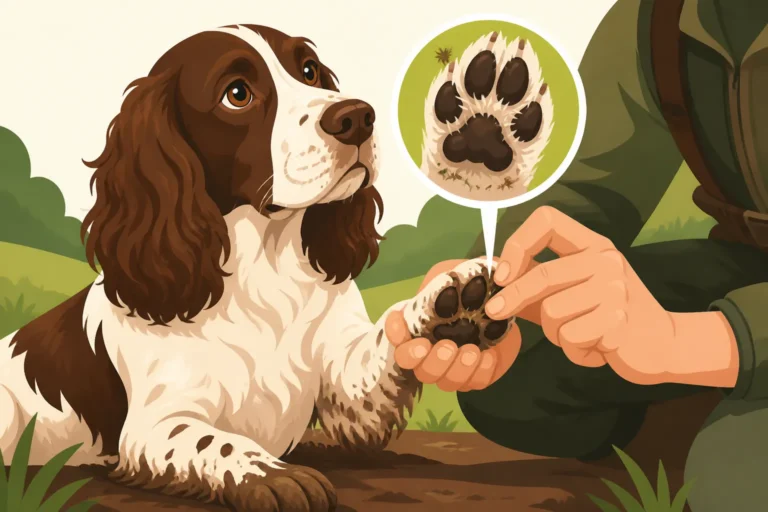
Paws are another hotspot (pun intended!) for chronic itching and infection. When environmental allergens settle on the paws or contact dermatitis occurs, Springers often lick and chew their feet relentlessly. This constant moisture and trauma break down the skin barrier, allowing yeast and bacteria to flourish between their toes and on the pads. The fur around their paws might become stained reddish-brown from saliva, and the skin can appear inflamed, swollen, and greasy. It’s a tell-tale sign that their immune system is working overtime, trying to cope with an allergen while simultaneously battling an infection. Why a Springer Spaniel Licks Its Paws Raw is a common symptom of both primary allergies and secondary infections.
Managing the Itch A Multi-Faceted Approach
Dealing with an itchy Springer Spaniel is rarely about finding one magic bullet. It’s usually a comprehensive, multi-faceted approach that involves working closely with your veterinarian. The goal isn't just to stop the scratching temporarily, but to identify and manage the underlying causes, providing lasting comfort and improving your dog's overall quality of life. It’s a journey of patience, observation, and consistency, but seeing your Springer finally relaxed and comfortable is worth every effort.
Veterinary Diagnosis Getting to the Root Cause
The very first step in managing your Springer's itch is a thorough veterinary examination. Your vet will rule out other potential causes of itching, like parasites (fleas, mites), fungal infections (ringworm), or even underlying systemic diseases. They'll ask detailed questions about the onset of symptoms, their seasonality, your dog's diet, and any known exposures. They might perform skin scrapings, cytology (examining skin cells under a microscope for yeast or bacteria), or blood tests.
If allergies are suspected, your vet might recommend further diagnostic tests. For environmental allergies, intradermal skin testing (where small amounts of allergens are injected under the skin to see which ones cause a reaction) or blood tests (measuring IgE antibodies to various allergens) can help identify specific triggers. While these tests can be helpful, they aren't always definitive, and the results need to be interpreted in conjunction with your dog's clinical signs and history. The key is to start with a professional diagnosis rather than guessing, as misdiagnosis can prolong your Springer's discomfort.
Holistic Approaches and Symptom Management
Once the primary allergens are identified or strongly suspected, management often involves a combination of strategies. For environmental allergies, avoidance is ideal but often impossible. Instead, your vet might recommend antihistamines, corticosteroids for severe flare-ups, or newer medications like Apoquel or Cytopoint injections. These can provide significant relief from the itch itself, giving the skin a chance to heal. Apoquel for a Springer Spaniel's Itch has been a game-changer for many dogs, offering targeted relief.
Beyond medication, there are many supportive care options. Regular bathing with medicated shampoos (e.g., those containing chlorhexidine for bacteria or miconazole for yeast) can help manage secondary infections and soothe irritated skin. Omega-3 fatty acid supplements can improve skin barrier function and reduce inflammation. For topical relief, soothing sprays or creams might be recommended. Some owners explore alternative therapies, but always discuss these with your vet to ensure they're safe and won't interfere with other treatments. You can find a wide range of these grooming and supplemental products on sites like Chewy or Amazon.
The Role of Diet and Supplements
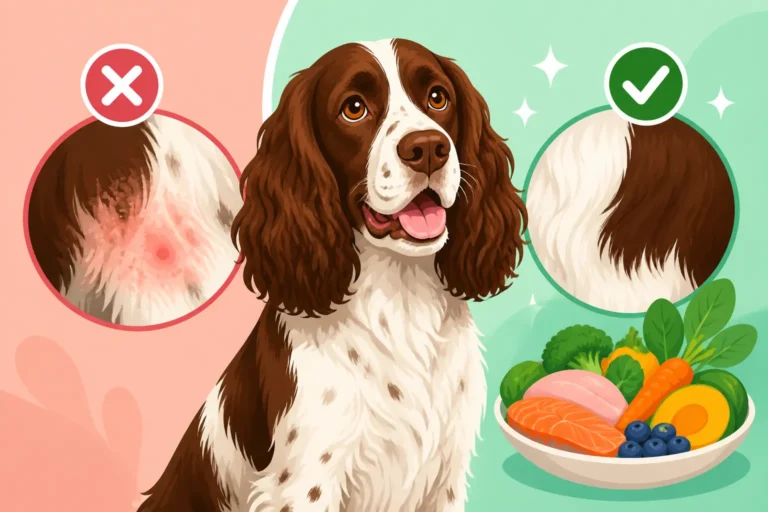
Diet plays a pivotal role, especially if food sensitivities are involved. As discussed with elimination diets, finding a suitable diet free of triggers is paramount. For dogs with environmental allergies, even without a specific food sensitivity, a high-quality, balanced diet rich in omega fatty acids can support overall skin health and help strengthen the skin barrier against irritants. Whether Fresh Food Changes a Springer Spaniel's Skin is a topic many owners explore, as some dogs seem to thrive on less processed options.
Supplements, like probiotics, can support gut health, which some theories suggest can indirectly influence immune responses and skin health. Whether a Springer Spaniel Needs a Probiotic is a question worth discussing with your vet. Antioxidants and certain vitamins can also play a role in reducing inflammation. Always introduce any new diet or supplement gradually and monitor your Springer for any changes, positive or negative. Remember, the goal is to create a healthy internal environment that gives your Springer the best chance to fight off allergens and feel comfortable in their own skin.
| Allergen Type | Common Triggers | Common Signs | Management Strategies (General) |
|---|---|---|---|
| Environmental (Atopy) | Pollen (trees, grasses, weeds), dust mites, mold spores, dander | Licking paws, rubbing face, ear infections, generalized itch, body scratching | Antihistamines, Apoquel/Cytopoint, medicated baths, immunotherapy, air purifiers, frequent dusting |
| Food Sensitivity | Common proteins (chicken, beef, dairy), wheat, soy, corn | Itching (often year-round), ear infections, GI upset (vomiting/diarrhea), paw chewing | Elimination diet with novel protein/hydrolyzed diet, gradual reintroduction of ingredients |
| Contact Dermatitis | Certain plants (poison ivy), cleaning chemicals, fertilizers, flea saliva | Localized rash, redness, itching where contact occurred, intense scratching at base of tail (FAD) | Avoidance of irritant, flea prevention, topical soothing treatments, corticosteroids for severe cases |
| Secondary Infections | Yeast (Malassezia), Bacteria (Staphylococcus) | Greasy skin, yeasty smell, pustules, crusts, red inflamed skin, waxy/smelly ears, hot spots | Antifungal/antibacterial medications (oral/topical), medicated shampoos, ear cleaners |
Disclaimer
This article is for general informational purposes only and does not constitute professional advice. Laws, prices and regulations vary by location and change over time. Consult a qualified professional for guidance on your specific situation.