Running an Elimination Diet on a Springer Spaniel
It’s heartbreaking to watch your beloved English Springer Spaniel constantly scratching, chewing at their paws, or dealing with persistent tummy troubles, and feeling utterly helpless. You’ve probably tried different shampoos, various medications, and countless theories, only to find the problem keeps coming back. This guide is here to walk you through the often-challenging but potentially life-changing process of an elimination diet, giving you a clear path to uncover if food is indeed the culprit behind your Springer’s discomfort and find relief.
Understanding Why Your Springer Spaniel Might Need an Elimination Diet
Dealing with an itchy, uncomfortable Springer Spaniel can feel like an endless cycle of frustration, vet visits, and fleeting relief. We all want our dogs to be happy, healthy, and free from persistent irritations, and it’s natural to feel disheartened when solutions seem temporary or don’t quite hit the mark. Often, when external treatments only offer a brief respite, it’s time to look inward, particularly at what your furry friend is eating every single day.
The Frustration of Persistent Itch and Unexplained Symptoms
Picture this: your Springer Spaniel, a breed known for its boundless energy and joyful spirit, is instead spending significant parts of their day gnawing at their paws until they're raw, rubbing their face on the carpet, or constantly shaking their head. Their beautiful coat might be dull or greasy, perhaps accompanied by an unpleasant odor, despite your best efforts at grooming. These aren't just minor annoyances; they're signs of deep discomfort and can lead to secondary infections that make everything even worse. Many owners also report chronic ear infections, a common bane for our drop-eared friends, and some Springers will show gastrointestinal upset like loose stools, frequent gas, or vomiting alongside their skin issues. It's an exhausting scenario for both you and your dog, and you're not alone in feeling exasperated by the persistent nature of these problems.
The frustration often stems from the hit-or-miss approach many of us take initially. We might try different flea preventatives, switch to a "sensitive skin" shampoo, or even explore environmental allergy medications, only to see the symptoms return once the treatment stops. This cycle can be incredibly draining, both emotionally and financially. It’s a common misconception that these recurring issues are just part of owning a breed prone to certain problems, but more often than not, they are clear indicators that something deeper is amiss and needs to be identified. When your Springer Spaniel is consistently uncomfortable, it’s not just bad luck; it’s a puzzle waiting to be solved.
When Diet is the Suspect in Springer Spaniel Allergies
So, how do we narrow down the potential culprits when our Springers are showing such varied symptoms? Generally, allergies in dogs fall into two broad categories: environmental and food. Environmental allergies, often called atopy, are reactions to things like pollen, dust mites, or molds, much like hay fever in humans. Food allergies, on the other hand, are an adverse immune response to a specific protein source in their diet. The tricky part is that the symptoms often overlap significantly, making it incredibly difficult to tell them apart without a structured approach. You might find our article Telling a Food Itch From a Pollen Itch in a Springer Spaniel helpful in understanding the nuances.
While environmental allergies tend to be seasonal or respond to changes in the environment, food allergies can cause year-round misery. If your Springer Spaniel's itching, licking, and ear troubles seem to be a constant companion, regardless of the time of year or where you've been, food is a strong contender. Furthermore, if these skin issues are coupled with digestive problems such as chronic diarrhea, soft stools, excessive gas, or regular vomiting, the likelihood of a food allergy or sensitivity significantly increases. These gastrointestinal symptoms are less common with environmental allergies alone and can be a major clue that the issue lies within their food bowl. It's in these persistent, multifaceted cases that an elimination diet becomes not just an option, but often the most reliable diagnostic tool. How Often Allergies Drive a Springer Spaniel's Ear Disease also sheds light on this frustrating connection.
Preparing for the Elimination Diet Journey with Your Springer Spaniel
Embarking on an elimination diet with your Springer Spaniel isn't a decision to take lightly. It requires careful planning, unwavering commitment, and a lot of patience. Before you even think about changing your dog’s food, there are crucial steps to take to ensure you’re setting yourself up for success and that the diet will truly provide meaningful answers. This isn't just about picking a new bag of kibble; it's a diagnostic process that demands strict adherence.
Consulting Your Vet and Setting Expectations
The very first step, and arguably the most important, is to schedule a comprehensive visit with your veterinarian. An elimination diet is a powerful diagnostic tool, but it's not a standalone treatment for every itchy or upset dog. Your vet needs to rule out other potential causes for your Springer Spaniel's symptoms first. This might involve skin scrapes to check for mites, cytology to identify yeast or bacterial infections, or blood tests to look for other underlying conditions like thyroid issues. Addressing any secondary infections before starting the diet is critical, as these can mask the true dietary effects and lead to confusing results. You want to start the diet with as clean a slate as possible.
Your vet will also help you set realistic expectations for the process. They can advise on the best approach, discuss potential food options, and prepare you for the commitment involved. An elimination diet typically lasts for a minimum of 8 to 12 weeks, and during this time, absolute strictness is paramount. This isn't a quick fix, and there may be times when you feel discouraged, especially if improvements are slow or subtle. Your vet can provide encouragement, monitor progress, and adjust the plan if necessary. They are your invaluable partner on this journey, helping you navigate the complexities and ensuring your Springer Spaniel's health and well-being remain the top priority.
Choosing the Right Novel Protein and Carbohydrate Source
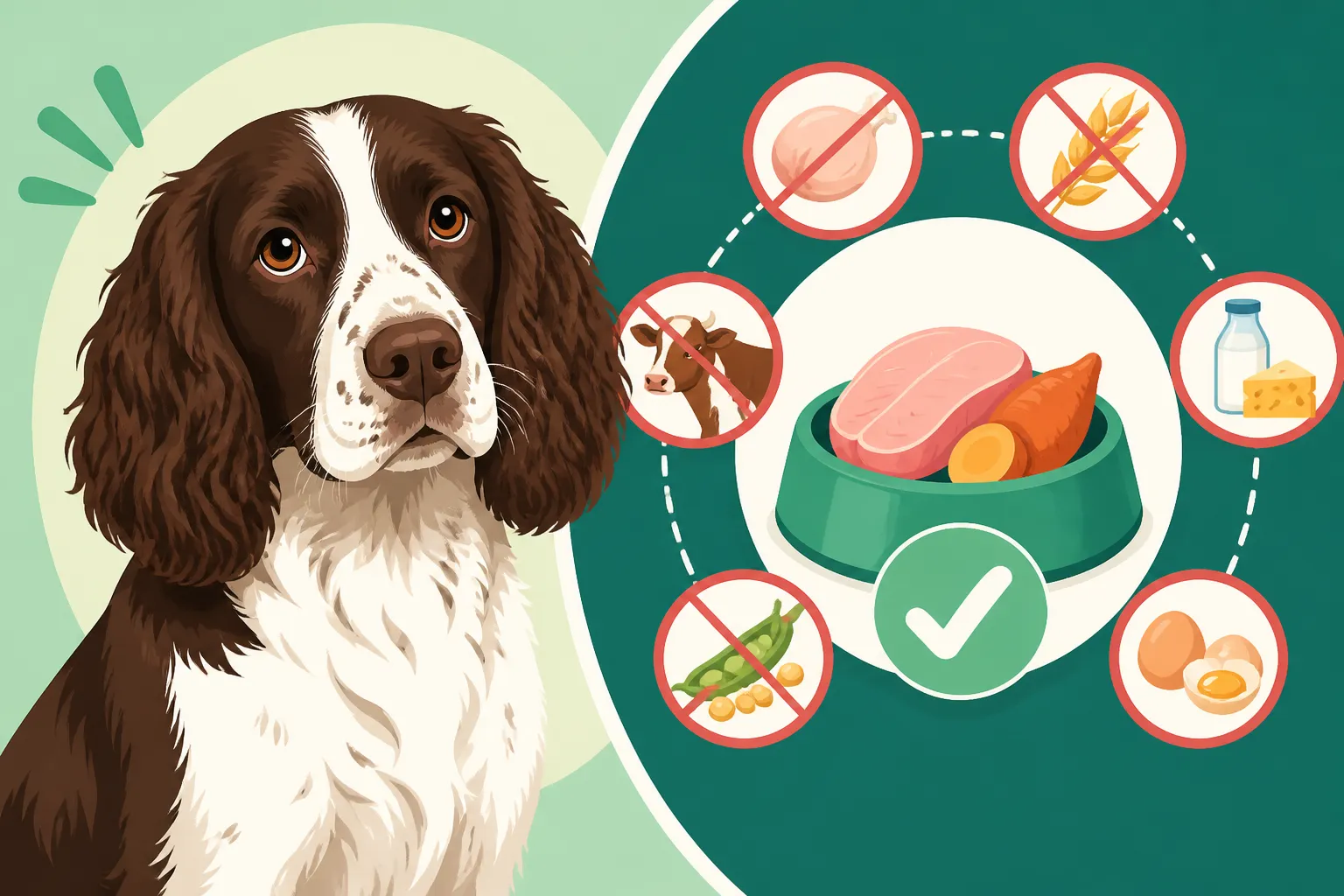
The core principle of an elimination diet is to feed your Springer Spaniel ingredients they have never encountered before, thereby "eliminating" common allergens. This means selecting a "novel protein" and a "novel carbohydrate." For many dogs, common protein sources like chicken, beef, dairy, and eggs are frequent culprits, alongside carbohydrates like wheat and corn. So, you'll need to look for something entirely new. Examples of novel proteins might include duck, venison, rabbit, kangaroo, alligator, or even less common fish like cod or salmon (if not previously fed). For carbohydrates, options often include sweet potato, potato, tapioca, or peas.
Alternatively, your vet might recommend a hydrolyzed protein diet. These specialized diets feature proteins that have been broken down into such tiny molecules that your dog's immune system can't recognize them as allergens. This bypasses the need to find a truly novel protein, which can be challenging for dogs with a varied dietary history. Whether you go with a truly novel protein or a hydrolyzed diet, consistency is key. You might find these specialized diets through your vet's office or readily available from large online pet retailers like Chewy or Amazon. If you're exploring fresh food options for very specific, single-protein, limited-ingredient formulations, some companies like Ollie might offer tailored solutions, but always double-check the ingredient list and discuss with your vet. Remember, the goal is zero exposure to any previous allergens.
Clearing the Decks: Removing All Other Food Sources
This is where the rubber meets the road, and it’s often the hardest part for us doting Springer Spaniel owners. For the elimination diet to be effective, your dog's diet must be absolutely, unequivocally strict. This means no exceptions. Every crumb, every lick, every forbidden delight must be eliminated. This includes all treats, rawhides, flavored chews, table scraps (even the smallest piece of dropped food), and any flavored medications like heartworm pills or supplements that might contain hidden proteins or allergens. Even flavored toys or toothpaste can contain ingredients that could skew the results.
Imagine this scenario: you've been diligently feeding your Springer Spaniel their special duck and potato diet for three weeks, and their itching is finally starting to subside. Then, a well-meaning family member accidentally drops a tiny piece of cheese while making a sandwich, and your quick-witted Springer snatches it up before you can react. That single, seemingly harmless piece of cheese, a common dairy allergen, can set back your progress by days or even weeks, re-triggering symptoms and making it incredibly difficult to tell if the diet is actually working. You literally have to become a food detective and ensure that your Springer Spaniel's environment is entirely free of unauthorized snacks. This level of strictness is tough, but it's the only way to get accurate answers and truly identify what's making your dog miserable.
Implementing and Monitoring the Elimination Diet
Once you’ve got your plan and your chosen novel diet, it’s time to embark on the actual feeding phase. This period is a test of patience and observation, but every small improvement or insight gained brings you closer to understanding your Springer Spaniel’s needs. Keep that meticulous record-keeping going!
The Strict Feeding Phase: What to Expect
The initial strict feeding phase typically lasts for a minimum of 8 to 12 weeks. This timeframe is crucial because it takes time for old allergens to completely clear out of your Springer Spaniel's system and for their body to heal from the chronic inflammation. During the first few weeks, you might not see dramatic improvements, and it's even possible that symptoms could seem to worsen temporarily before they get better. This "flare-up" can be discouraging, but it's sometimes a sign that the body is purging irritants. Don't lose hope!
Throughout this period, a detailed journal is your best friend. Record everything: the exact food given, the date you started, daily observations of scratching, licking, ear health, skin condition (is it still greasy? are there hot spots? Hot Spots Under a Springer Spaniel's Feathering can be a concern), paw chewing (Why a Springer Spaniel Licks Its Paws Raw), and stool quality. Document any accidental ingestions, even tiny ones, as these can derail progress. What does "improvement" look like? It could be less frequent scratching, a reduction in paw licking, clearer eyes, less redness in the ears, or more consistent, well-formed stools. Celebrate even the small victories, as they indicate you're on the right track toward uncovering the truth about your Springer's sensitivities. The Allergens Behind a Springer Spaniel's Itch might give you more ideas on what to look for.
The Challenging Phase: Reintroducing Foods (if symptoms improve)
If, after the strict elimination period, your Springer Spaniel's symptoms have significantly improved or completely resolved, congratulations! You've likely identified that food was indeed a major part of the problem. Now comes the challenging phase: reintroducing single ingredients to pinpoint the exact culprits. This phase needs to be as meticulously executed as the elimination phase. You'll introduce one new ingredient at a time, typically a common allergen like chicken or beef, and feed it for several days while closely monitoring for any return of symptoms.
For example, after a successful duck and sweet potato diet, your vet might suggest introducing cooked chicken breast. You'd feed the chicken in addition to their novel diet for 3-7 days. During this time, you watch your Springer like a hawk. Does the scratching return? Do the ears get red? Is their stool soft? If a reaction occurs, you immediately remove that ingredient and return your Springer to their successful novel diet until all symptoms clear up again. Once they are back to normal, you can then try introducing a different ingredient, perhaps beef or wheat. This systematic process, though slow and sometimes frustrating, is the only way to build a clear picture of what your individual Springer Spaniel can and cannot tolerate, helping you to identify a Chicken Allergy in a Springer Spaniel if present, or other sensitivities.
Life After the Elimination Diet: Long-Term Management
Once you’ve successfully navigated the elimination and reintroduction phases, you should have a much clearer understanding of your Springer Spaniel's dietary triggers. The goal now is to establish a long-term diet that keeps them healthy and symptom-free. This might mean sticking to the novel protein and carbohydrate combination that proved successful, or it could involve a diet composed of all the "safe" ingredients you identified during the challenge phase. For some dogs, a hydrolyzed protein diet remains the best long-term solution, especially if they react to multiple common proteins.
The table below summarizes common allergens and alternative ingredients you might explore:
| Category | Common Potential Allergens (Avoid) | Novel Alternatives (Consider) |
|---|---|---|
| Proteins | Chicken, Beef, Dairy, Egg, Soy, Lamb | Duck, Venison, Rabbit, Kangaroo, Alligator, Cod |
| Carbohydrates | Wheat, Corn, Rice | Sweet Potato, Potato, Tapioca, Peas, Quinoa |
| Fats/Oils | Chicken Fat, Beef Fat | Salmon Oil, Canola Oil, Sunflower Oil |
Going forward, becoming a meticulous label reader will be essential. Even treats, dental chews, and supplements need to be scrutinized to ensure they don't contain any of your Springer's identified allergens. This often means looking for single-ingredient treats or baking your own simple treats from their safe food list. While the initial investment in a specialized diet can seem daunting, knowing that you're preventing discomfort and costly vet visits for recurring issues is invaluable. You might find that Whether a Limited Ingredient Diet Costs a Springer Spaniel Owner More is a useful read in this context. Some Springers may also benefit from supplements like fish oil for skin health (Whether Fish Oil Calms a Springer Spaniel's Skin) or probiotics for gut health (Whether a Springer Spaniel Needs a Probiotic), but these should always be introduced cautiously and with vet approval after the elimination diet, to ensure they don't contain hidden triggers.
Disclaimer
This article is for general informational purposes only and does not constitute professional advice. Laws, prices and regulations vary by location and change over time. Consult a qualified professional for guidance on your specific situation.