How Often a Working Springer Spaniel Needs Washing
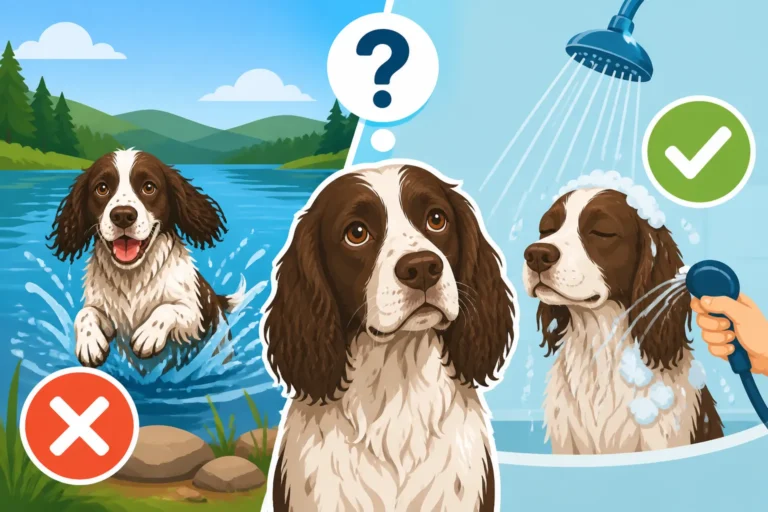
One of the biggest conundrums for any English Springer Spaniel owner, especially those with working dogs, is figuring out the bathing routine. You want your adventurous companion to be clean, smell fresh, and be free of the mud, burrs, and general grime they inevitably collect, but you also worry about stripping their coat of its natural oils or causing skin irritation. It’s a fine line to walk, and this guide aims to help you navigate how often a working Springer Spaniel truly needs a wash without compromising their health or your sanity.
The Reality of a Working Springer's Coat
Let’s be honest, a working English Springer Spaniel is not a pristine creature of leisure. These dogs are built for action, for pushing through dense cover, for retrieving game from marshy areas, and for generally embracing whatever the great outdoors throws at them. Their coat, while beautiful, is a practical tool designed to protect them, and that means it's often a magnet for dirt.
The Mud, Muck, and Miry Truth
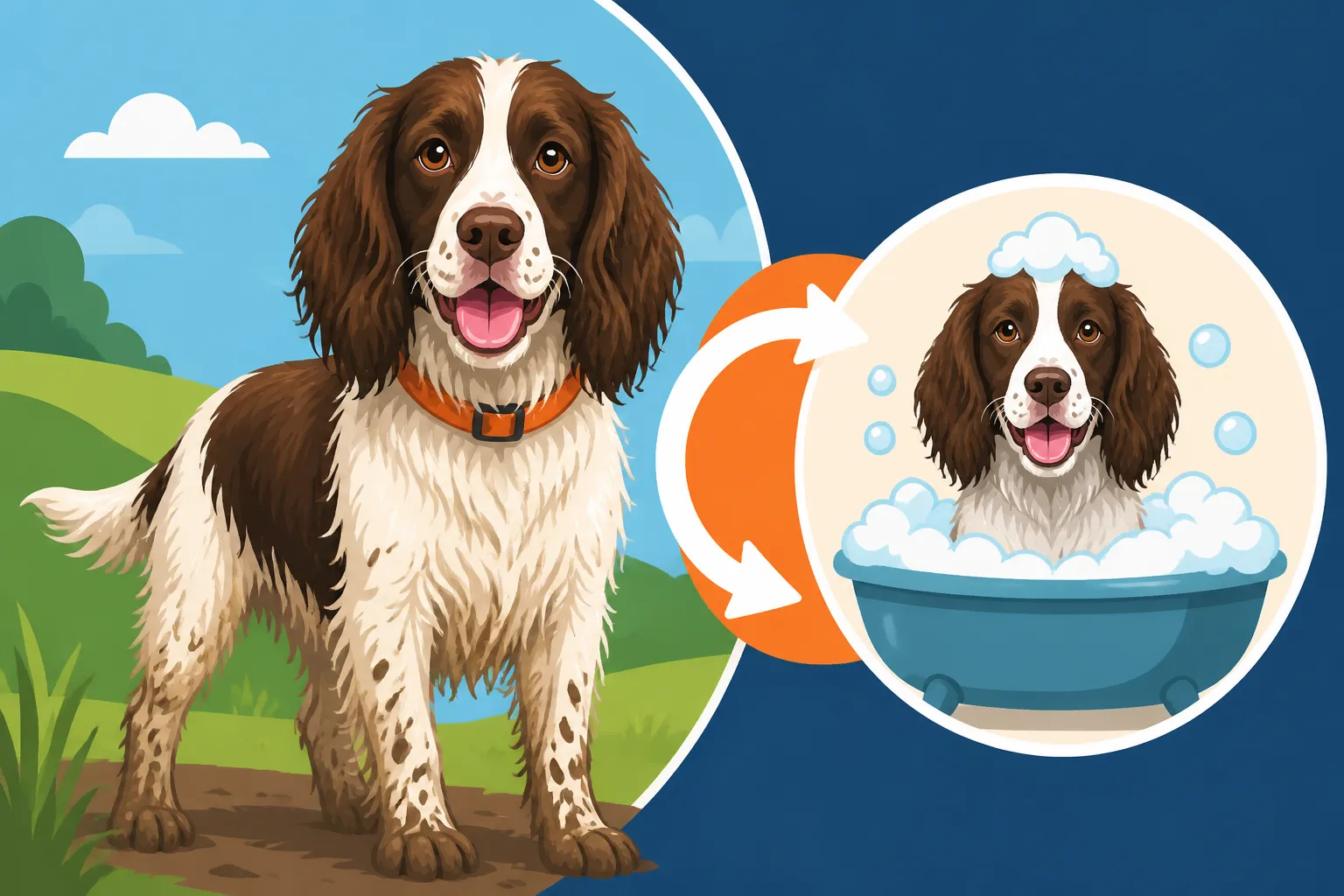
If you own a working Springer, you're intimately familiar with mud. It's not just a surface-level annoyance; it gets everywhere. Think about the way their long ears drag through puddles and damp earth, or how their feathered legs become caked after a good romp in a wet field. This isn't just cosmetic; mud, coupled with moisture, can create an environment ripe for skin issues and unpleasant odors. They might come back from a training session looking like a creature sculpted from the earth itself. It's a testament to their dedication to their job, but it certainly doesn't make for a pristine household pet. After a day in the field, you're not just wiping paws; you're often contemplating a full-body de-muddification process just to let them back inside.
Natural Oils and Coat Health
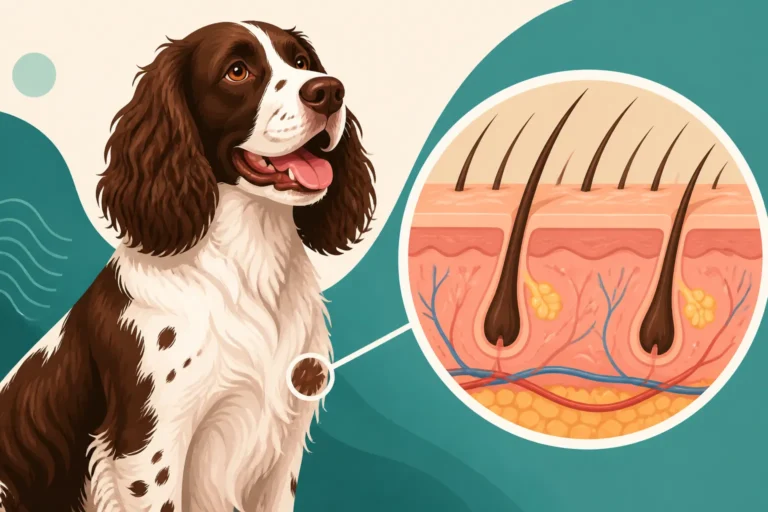
A Springer Spaniel's coat isn't just hair; it's a protective barrier. It possesses natural oils that repel water, keep them warm, and maintain skin health. Over-washing, especially with harsh shampoos, can strip these vital oils away. When the coat's natural oil balance is disturbed, you might notice the fur becoming dry, brittle, or losing its natural sheen. More importantly, the skin underneath can become dry, flaky, and itchy. This is a common frustration, as you're trying to do good by cleaning them, but inadvertently causing another problem. The goal isn't just a clean dog, but a healthy dog, and sometimes less is more when it comes to detergents and frequent scrubbing.
The Practicalities of Daily Dirt
Even if your Springer isn't actively working birds every single day, their natural instincts mean they're going to explore, dig, and roll in interesting smells. A daily walk through tall grass, a dip in a murky pond, or simply rolling around on damp leaves can leave them less than fresh. The practical reality is that a working Springer is rarely truly "clean" in the way a pampered house pet might be. You'll find yourself reaching for a towel or a hose more often than you might imagine, trying to manage the constant influx of outdoor debris. This constant accumulation means you need strategies that go beyond just a full bath. Ignoring the dirt isn't an option, as it can lead to matting, skin irritation, and even embed ticks and Burrs, Ticks and Grass Awns in a Working Springer Spaniel.
Factors Influencing Wash Frequency
Determining how often to wash your working Springer isn't a one-size-fits-all answer. Several factors play a significant role in finding that sweet spot between clean and healthy. It's about tailoring the routine to your individual dog and your unique circumstances.
Type of Work and Environment
A Springer that spends its days plunging into icy rivers and pushing through dense brambles in a wet climate will undoubtedly need more attention than one primarily working in dry, open fields. Consider the type of cover they're navigating. Are they running through sandy plains, muddy bogs, or thick thorny bushes? Each environment presents its own challenges. Waterfowl retrieval in freezing temperatures means their coat needs to be in top condition, and regular rinsing or careful washing might be necessary to prevent buildup of pond scum or irritants. Conversely, a dog working primarily in dry stubble might only need a thorough brushing and a spot clean for burrs. The frequency of actual hunting or training sessions also plays a huge part. A dog that's out several times a week is going to require a more diligent grooming schedule than one that works once or twice a month.
Skin Sensitivities and Allergies
Just like people, some dogs have more sensitive skin than others. A Springer Spaniel prone to The Skin Under a Springer Spaniel's Coat issues, hot spots, or allergies might react poorly to frequent bathing, even with mild shampoos. For these dogs, every bath is a delicate balance. You might need to use specific medicated shampoos or consult with your vet about appropriate bathing schedules. Conversely, some skin conditions might require more frequent therapeutic baths. For example, if your Springer struggles with yeast infections or seborrhea, a vet might recommend bathing every few days with a specialized shampoo. It’s crucial to know your dog's individual skin needs and observe how they react to different products and frequencies. What works for one robust, healthy-skinned Springer might cause misery for another with a predisposition to dermatological challenges.
Owner's Tolerance and Lifestyle
Let's be real: your personal tolerance for a slightly dirty, "doggy-smelling" house plays a huge role. If you have a busy lifestyle and your Springer spends a lot of time indoors as a beloved family member, you might opt for more frequent cleaning simply for your own comfort. Living in a smaller home or apartment might also necessitate more frequent baths to keep the dog (and thus the living space) smelling fresh. If your Springer shares the couch or bed with you, a quicker turnaround on cleanliness might be important. On the other hand, if your dog primarily lives in a kennel or is an outdoor working companion, a slightly less frequent bathing schedule might be perfectly acceptable. It's about finding a rhythm that works for both you and your canine partner, ensuring their well-being without making your life harder.
The Risks of Too Much or Too Little Washing
When it comes to bathing your working Springer Spaniel, it's truly a Goldilocks situation: you need to find what's "just right." Both too much and too little washing can lead to their own set of problems, impacting not only their coat and skin but their overall health and comfort.
Over-Washing and Skin Irritation
The biggest concern with over-washing is stripping the coat of its natural protective oils, which are essential for a healthy skin barrier. These oils act as a natural conditioner and a first line of defense against environmental irritants. When they're gone, the skin can become dry, flaky, and itchy. Imagine your own skin after using harsh soap too often – it feels tight, uncomfortable, and might even break out. Dogs experience something similar. This dryness can lead to excessive scratching, which in turn can cause skin abrasions, hot spots, and secondary bacterial or yeast infections. It’s a vicious cycle where the very act of trying to make your dog clean can lead to more significant dermatological issues. Even seemingly gentle shampoos, if used too frequently, can disrupt the delicate pH balance of a dog's skin, which is different from ours. This is particularly true for Springers, whose working coats rely on these natural defenses.
Under-Washing and Odor/Infections
On the flip side, not washing your working Springer often enough also carries substantial risks. The mud, debris, and environmental allergens that accumulate on their coat can become a breeding ground for bacteria and yeast, especially in damp areas like their long ears and dense feathering. This leads to that distinct "doggy odor" that can become quite potent. More seriously, prolonged dampness and embedded dirt can cause skin infections, matting that pulls at the skin, and even harbor parasites. Their signature long ears, which are fantastic at sweeping scent, are also notorious for trapping moisture and debris, leading to frequent ear infections if not regularly cleaned and dried. Why a Springer Spaniel's Ear Traps Moisture is a constant battle, and neglecting cleaning can exacerbate this. Imagine the irritation of having matted, dirty fur constantly rubbing against sensitive skin, or the discomfort of an untreated fungal infection. It's not just about smell; it's about preventing discomfort and potential health complications.
Striking the Right Balance
So, what's the sweet spot? For most working Springer Spaniels who are out in the field regularly, a full bath every 2-4 weeks is often sufficient, provided you are diligent with intermediate care. This frequency allows the natural oils to replenish while still removing accumulated dirt and allergens. However, this is a general guideline. If your dog has been particularly mucky, submerged in stagnant water, or has rolled in something truly offensive (and Springers excel at finding offensive things!), an immediate bath is absolutely warranted regardless of the schedule. If your dog has a specific skin condition, your veterinarian might prescribe a different bathing frequency, sometimes as often as once a week or more. The key is observation: watch your dog's skin and coat. Does it look healthy and shiny? Is there any flakiness, redness, or excessive scratching? Does it smell pleasant, or is that distinct 'wet dog' odor clinging to them even when dry? Adjust your routine based on these cues, remembering that your working Springer's needs are likely different from a couch potato's.
| Factor | Recommended Action | Frequency Suggestion |
|---|---|---|
| Heavy Field Work/Mud | Rinse thoroughly, spot clean. Full bath as needed for deep grime. | Every 1-2 weeks or immediately post-major mess |
| Light Field Work/Dry | Brush out debris. Minimal rinsing. | Every 3-4 weeks, or as coat dictates |
| Swimming/Water Work | Thorough rinse, dry ears immediately and completely. Full bath less often. | Full bath every 3-4 weeks, rinses as needed after water |
| Skin Allergies/Issues | Follow vet's advice for medicated baths. Use hypoallergenic products. | As prescribed by veterinarian (could be weekly) |
| No Visible Dirt/Odor | Brush well, check ears. Maintain natural oils. | Every 4-6 weeks (minimal activity) |
Beyond the Full Bath: Daily and Weekly Care
The truth is, a full-on bath with shampoo and conditioner every time your working Springer gets dirty isn't practical or even advisable. The real secret to managing a working Springer's coat lies in diligent care between those deeper cleaning sessions. This intermediate care is what keeps them healthy, comfortable, and keeps the house smelling a little bit fresher.
Brushing and Rinsing Routines
This is your first line of defense! A thorough daily or every-other-day brushing is paramount. For working Springers, a good quality slicker brush or an undercoat rake can remove loose hair, shed dander, and most importantly, extricate any burrs, seeds, or fine debris picked up in the field. Pay special attention to the longer feathering on their legs, belly, and ears, which are notorious mat magnets. After a particularly mucky outing, a simple rinse with plain water using a hose nozzle or even a sprayer in the laundry sink can do wonders. You don't need shampoo for this; just get the visible mud and grit off. Follow up with a good towel dry, especially paying attention to the ears, which are prone to moisture retention. Drying a Springer Spaniel's Ears After Swimming is vital to prevent infections. This routine maintains cleanliness without stripping those crucial natural oils.
Specialized Products for Spot Cleaning
Sometimes, only a specific area is truly filthy, or your dog has rolled in something truly heinous. That's where spot cleaning products become invaluable. Waterless shampoos, dry shampoo powders, or even pet-safe cleansing wipes can target localized grime, strong odors, or minor accidents. For instance, if your Springer has a muddy chest and front legs but a relatively clean back, a waterless shampoo sprayed on and then brushed out can refresh the area without the hassle of a full bath. These products are readily available from retailers like Chewy and Amazon, and many are formulated with gentle ingredients specifically for dogs. They can be a lifesaver for those "just-came-in-from-the-field-and-I-have-guests" moments, allowing you to quickly tackle the immediate problem areas.
Post-Work Check-Overs
Every time your working Springer comes in from the field, no matter how short the outing, a full body check-over should become second nature. This isn't just about cleaning; it's about preventative health and comfort.
Start with their feet: check between the paw pads for thorns, grass awns, or ice balls in winter. Their pads can also get cracked or cut, especially after a long day on rough terrain.
Move up their legs, feeling for any lumps, bumps, or tender spots. Look through the feathering for burrs or ticks. Remember how easily Burrs, Ticks and Grass Awns in a Working Springer Spaniel can embed themselves.
Examine their ears thoroughly. Lift the ear flap, check for redness, discharge, or any unpleasant odor. Give them a quick swipe with an ear wipe. How Often a Drop Eared Springer Spaniel Needs Cleaning is something you'll become very familiar with.
Run your hands over their entire body, checking for cuts, scrapes, or areas where their coat might be matting. This routine not only helps keep them clean but also strengthens your bond and allows you to catch any potential issues early before they become bigger problems. It's a fundamental part of caring for a truly working dog.
Choosing the Right Products for a Working Springer
When you do opt for a full bath, the products you choose make a significant difference. A working Springer Spaniel's coat and skin have specific needs, and grabbing just any shampoo off the shelf might do more harm than good. Investing in quality, appropriate grooming supplies is crucial for their long-term health.
Gentle, Hypoallergenic Shampoos
Given the potential for frequent exposure to dirt and water, and the need to preserve those natural oils, a gentle, pH-balanced, and ideally hypoallergenic shampoo is your best friend. Look for products specifically formulated for dogs with sensitive skin, often containing soothing ingredients like oatmeal, aloe vera, or essential fatty acids. Avoid human shampoos, as their pH levels are different and can irritate canine skin. Harsh detergents, artificial fragrances, and dyes can strip the coat and cause allergic reactions or dryness. Many reputable brands offer excellent options; you can find a wide selection of these specialized shampoos on sites like Chewy or Amazon. Don't be swayed by strong perfumes; a truly clean dog smells neutral, not like a bouquet of roses. The goal is to clean effectively without causing irritation or undermining the coat's natural defenses.
Conditioners and Detanglers
While often overlooked, a good conditioner is incredibly beneficial for a working Springer's coat, especially the long feathering. After shampooing, a conditioner helps to restore moisture, smooth the cuticle of the hair, and make brushing much easier. This is particularly important for preventing mats and tangles that can occur after a day in heavy cover. A detangling spray can also be a godsend for tackling stubborn knots before or after bathing, reducing pulling and discomfort for your dog. Look for leave-in conditioners or rinse-out formulas that are lightweight and won't weigh down the coat or make it greasy. These products contribute to the overall health and manageability of the coat, ensuring it remains soft, pliable, and less prone to breakage – all important factors for a dog constantly pushing through brush.
Drying Solutions for Ears and Coat
Proper drying is just as important as washing, if not more so, especially for a working Springer Spaniel. Their dense double coat can take a long time to air dry, and prolonged dampness can lead to skin issues, unpleasant odors, and hot spots. A high-velocity pet dryer can dramatically speed up the drying process, blowing water out of the coat rather than just heating it. This is a worthwhile investment for any Springer owner. For their ears, dedicated ear drying solutions or powders are critical after any bath or swim. Water Work and What It Does to a Springer Spaniel's Ears is a significant concern. These products help to quickly evaporate moisture from the ear canal, greatly reducing the risk of bacterial or yeast infections. You can typically find these specialized drying solutions at your local pet store or online through retailers like Amazon. Remember, a damp coat is an invitation for trouble, and thoroughly drying your Springer is a non-negotiable step in their grooming routine.
Developing a Washing Schedule That Works for You and Your Dog
Finding the perfect bathing rhythm for your working Springer Spaniel is an ongoing process. It's not about adhering to a rigid calendar date, but rather observing your dog, understanding their needs, and adapting your routine as circumstances change.
Assessing Your Dog's Needs
Start by truly observing your dog. How quickly does their coat get dirty? Does it seem excessively greasy or dry? Are they scratching more than usual? Does that characteristic "wet dog" smell linger long after they've dried from a romp in the rain? Pay attention to the condition of their skin – lift their coat in several places and look for any redness, flakiness, or irritation. If your Springer is prone to Whether a Springer Spaniel Gets Skin Allergies, a more tailored approach might be necessary, perhaps involving specific medicated washes prescribed by your vet, or even considering their diet if a brand like Ollie offers formulations that support skin and coat health. Some dogs simply have healthier, more resilient skin and coats, while others require more careful management. Keep a mental note, or even a literal log, of when you wash them and how their skin and coat respond. This personalized approach is far more effective than a generic recommendation.
Seasonal Adjustments
A working Springer's bathing needs will almost certainly change with the seasons. In spring and summer, when there's more mud, pollen, and opportunities for swimming, you might find yourself rinsing them off more frequently. The higher humidity can also contribute to dampness and skin issues. This is when regular ear checks and drying solutions become critically important. In autumn, with falling leaves and damp ground, burrs and ticks are prevalent, and their coat might accumulate more debris. In winter, especially if your dog is working in snow or icy conditions, careful drying is essential to prevent chapping and discomfort, but fewer full baths might be needed if they are mostly dry. The goal isn't necessarily more baths in summer, but more diligent spot cleaning and brushing to manage the seasonal challenges. For example, How Often a Working Springer Spaniel Needs Washing in winter might be less, but drying after snow exposure is still key.
When to Seek Professional Grooming Help
While you can manage most of your Springer's grooming at home, there are times when professional help is invaluable. If your dog's coat becomes severely matted, especially in sensitive areas like the armpits or behind the ears, a professional groomer has the tools and expertise to safely remove them without causing pain or skin damage. They can also offer services like thorough ear cleaning, nail trims, and sanitary trims that can be challenging for owners to perform at home. If your Springer Spaniel has a persistent skin issue, unusual odor, or recurring ear infections despite your best efforts, it's time to consult your veterinarian. They can diagnose underlying health problems, prescribe medicated treatments, and provide tailored advice on bathing frequency and products. Sometimes, a professional groomer can work in conjunction with your vet to implement a specific grooming plan. Don't hesitate to seek expert advice; it's an investment in your dog's health and comfort.
Disclaimer
This article is for general informational purposes only and does not constitute professional advice. Laws, prices and regulations vary by location and change over time. Consult a qualified professional for guidance on your specific situation.