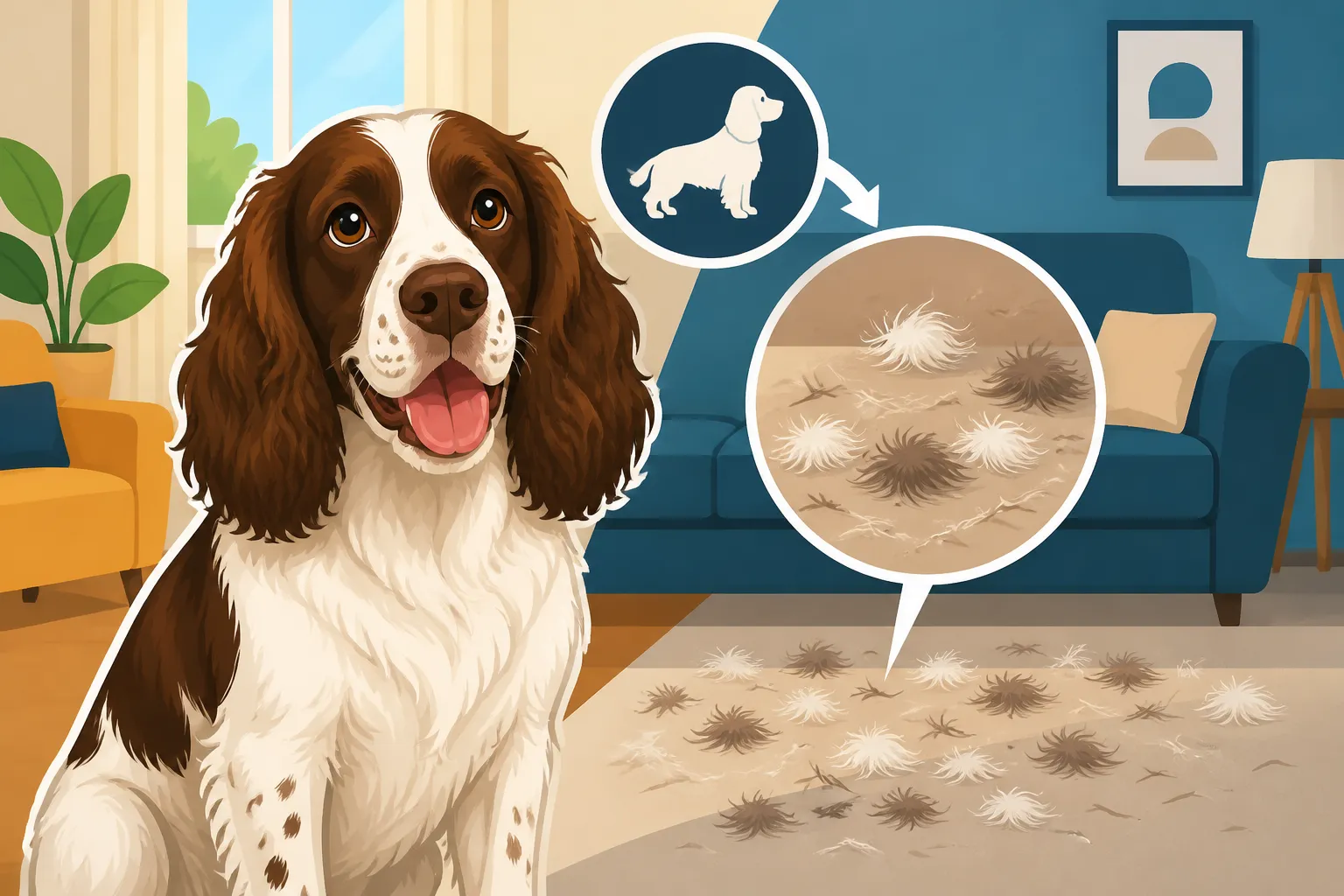
How Much a Springer Spaniel Sheds Into a House
If you live with an English Springer Spaniel, you've probably wondered if your vacuum cleaner has a secret addiction to dog hair, or if your clothes are permanently seasoned with a fine layer of spaniel fluff. It's a common frustration, and one that often leads new owners to ask just how much a Springer Spaniel sheds into a house, and more importantly, how to keep the furry tumbleweeds from taking over their lives. This guide will walk you through the realities of living with a shedding spaniel and offer actionable advice to keep your home, and your dog, looking their best.
The Truth About Springer Spaniel Shedding: It's More Than Just a Little Hair
Let's be real: all dogs with hair shed to some extent, but a Springer Spaniel, with its glorious double coat, certainly isn't a low-shedding breed. You're not alone in feeling like you're constantly finding little bits of your beloved companion everywhere. It's simply part of the package when you invite one of these wonderful, energetic dogs into your home. The key is understanding why they shed the way they do and how to manage it, rather than trying to eliminate it entirely, which simply isn't possible.
Deconstructing the Springer Spaniel's Double Coat
The English Springer Spaniel is equipped with a functional double coat, perfectly designed for their original purpose as gundogs working in dense cover and varied weather conditions. This coat consists of two distinct layers:
- The Outer Coat: This layer is coarser, longer, and water-repellent. It's the protective shield, keeping your Springer dry and guarding against thorns and brambles. It's often straight or slightly wavy. This is the hair you typically see floating around, especially the longer feathering.
- The Undercoat: This layer is soft, dense, and insulating. It's what keeps your Springer warm in winter and helps regulate their body temperature in summer by trapping air. This is the part that "blows" out in large clumps during seasonal shedding, creating those infamous dog hair tumbleweeds.
Because they have this protective undercoat, Springers are moderate to heavy shedders. It's not just a few stray hairs; it's a constant process of renewal. Understanding that this coat is a functional marvel, rather than just a source of household fuzz, can help shift your perspective. It's a testament to their heritage and resilience.
The Rhythms of Shedding: Seasonal Blasts and Daily Drifts
Springer Spaniels tend to shed year-round, but it definitely ramps up during certain times of the year. You'll notice a distinct difference between the everyday "drift" of hair and the seasonal "blast."
- Year-Round Daily Shedding: This is the constant, low-level release of dead hairs from both the outer coat and undercoat. You'll find a steady accumulation on furniture, floors, and your clothes. This daily shedding is why regular brushing is so crucial, as it helps capture these hairs before they become airborne or settle onto every surface in your home. Even with diligent effort, you'll still encounter hair daily. It's just the reality of living with a double-coated breed.
- Seasonal "Coat Blows": Twice a year, typically in spring and fall, your Springer Spaniel will experience a more intense shedding period. This is often referred to as "blowing their coat." In the spring, they shed their heavy winter undercoat to make way for a lighter summer coat. In the fall, they shed their lighter summer coat to grow in a denser winter undercoat. During these periods, the amount of hair coming off your dog can be truly astounding. It can feel overwhelming, like you're constantly fighting a losing battle against a furry snowstorm. This is when you'll truly appreciate tools designed to remove large amounts of loose undercoat, and you might consider increasing the frequency of your grooming routine. Whether a Springer Spaniel Sheds Heavily is a common question, and these seasonal changes are a big part of the answer.
What Influences How Much Hair Lands on Your Floor?
The amount of hair you find around your home isn't just about the dog's natural shedding cycle; several factors can amplify or reduce the issue. Understanding these can help you pinpoint areas where you might make a difference. It's not always about having "more" hair, but rather how effectively that hair is managed before it becomes part of your home's decor.
The Impact of Field Versus Show Lines on Coat Volume
This is a really important distinction for Springer Spaniel owners, as the two types have diverged significantly in their physical appearance, particularly their coats. Two Breeds Registered as One: the Field and Show Springer Spaniel means their genetic predispositions for coat length and density are quite different.
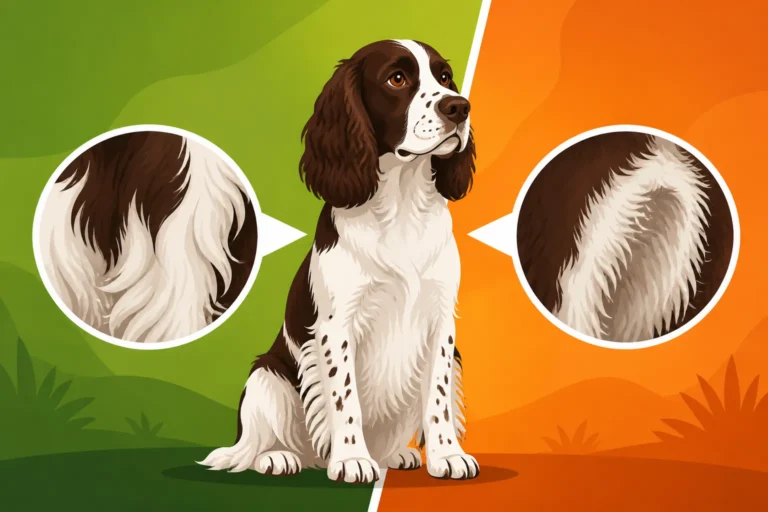
- Field-Bred Springer Spaniels: These dogs are bred primarily for their working ability, and their coats reflect that. They typically have a shorter, denser, and less heavily feathered coat. This minimalist coat is practical for tearing through brambles and working in dense cover, as it's less likely to collect burrs or snag on brush. While they still have a double coat and shed, the volume of hair they shed might seem less simply because there's less of it to begin with. You'll still find hair, of course, but perhaps fewer dramatic clumps of long feathering. How Short a Field Springer Spaniel's Coat Runs directly impacts the amount of hair you'll see.
- Show-Bred Springer Spaniels: Bred for conformation to a breed standard that emphasizes a more elegant, flowing appearance, show Springers often boast a much longer, silkier, and more heavily feathered coat, especially on their legs, chest, and belly. While absolutely stunning, this increased coat length and density means there's simply more hair to shed. You'll likely experience more noticeable hair around the house, and those long strands of feathering can easily detach and become entangled in carpets and upholstery. How a Show Springer Spaniel's Coat Differs is a good read if you're curious about this. This type of coat definitely requires more intensive grooming to manage shedding effectively.
So, while both types shed, the sheer quantity and visibility of the shed hair can differ quite a bit depending on whether your Springer comes from field or show lines.
Diet, Health, and Lifestyle: Underlying Factors in Shedding
Beyond genetics and seasonal changes, a dog's overall health plays a massive role in the condition of their coat and, by extension, how much they shed.
- Nutrition: A high-quality diet is fundamental for a healthy coat. Think about it: hair, skin, and nails are all indicators of internal health. A diet lacking in essential fatty acids (like Omega-3 and Omega-6), vitamins, and minerals can lead to a dull, brittle coat and excessive shedding. If your dog isn't getting adequate nutrition, their body will prioritize vital organs over luxurious fur, leading to increased hair loss. Consider reputable brands that focus on whole ingredients. Some owners explore options like fresh food diets, from services like Ollie, which can contribute to a shinier coat and potentially less shedding by providing highly digestible nutrients. You can often find a wide array of high-quality foods on platforms like Chewy or Amazon. How Much a Working Springer Spaniel Should Eat or even a pet Springer is important, as proper calorie intake also affects coat health.
- Hydration: Just like humans, dogs need plenty of water for healthy skin and hair. Dehydration can lead to dry, flaky skin and a brittle coat that sheds more easily. Always ensure your Springer has access to fresh, clean water.
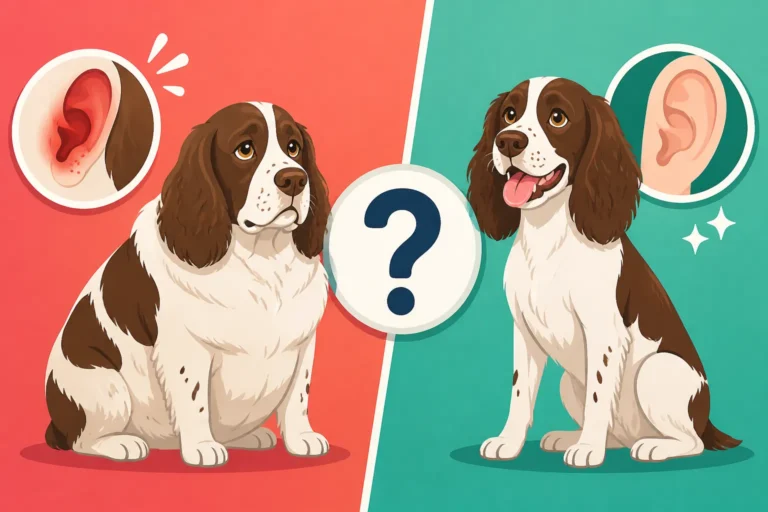
- Allergies and Skin Conditions: If your Springer is shedding excessively, especially with patchy hair loss, redness, itching, or skin irritation, allergies or a skin condition could be the culprit. Environmental allergies (pollen, dust mites), food allergies, or even parasites like fleas and mites can cause intense itching, leading to scratching and licking that damages the hair follicles and results in more shedding. The Skin Under a Springer Spaniel's Coat is something to pay close attention to. If you suspect an underlying health issue, a vet visit is definitely in order.
- Stress and Anxiety: Believe it or not, stress can impact shedding. A dog experiencing chronic anxiety might shed more than usual. This is often an acute response, but prolonged stress can affect overall health.
- Age and Hormones: Older dogs, like those mentioned in What Changes in an Old Springer Spaniel's Care, may experience changes in coat texture and shedding patterns due to aging or hormonal shifts. Unspayed or unneutered dogs can also experience cyclical shedding related to their heat cycles or hormonal fluctuations.
Battling the Tumbleweeds: Effective Shedding Management Strategies
Accepting that your Springer Spaniel will shed is step one. Step two is putting effective management strategies into place. It’s all about consistency and using the right tools for the job. You can significantly reduce the amount of hair that ends up on your furniture and floors with a proactive approach.
Your Arsenal of Brushes and Grooming Tools
Brushing is your number one defense against indoor hair accumulation. It removes dead and loose hair before it falls out naturally, making a huge difference in your home. Consistency is key – short, frequent brushing sessions are far more effective than infrequent, marathon grooming endeavors. How often a field Springer needs brushing (How Often a Field Springer Spaniel Needs Brushing) and how often a show Springer does might differ, but both benefit immensely from regular attention.
Here's a breakdown of essential tools:
- Slicker Brush: This brush has fine, short wires packed closely together on a flat surface. It’s excellent for removing loose hair from the top coat and untangling minor mats, especially in the feathering of show-bred Springers. Use it gently to avoid irritating the skin.
- Undercoat Rake/De-shedding Tool: For the dense undercoat, an undercoat rake (like a rake-style brush with longer, widely spaced teeth) or a de-shedding tool (such as those from Furminator or similar brands found on Amazon or Chewy) is indispensable. These tools are designed to reach through the topcoat and effectively remove large quantities of loose undercoat. Use these especially during seasonal coat blows. Be careful not to press too hard, as they can cause skin irritation if misused.
- Pin Brush: This brush has widely spaced wire pins with protective caps. It’s good for longer coats and feathering, helping to gently detangle and lift loose hair without pulling. It's also great for general daily brushing and finishing.
- Wide-toothed Comb: Essential for checking for mats, particularly behind the ears, in the armpits, and in the longer feathering. Always comb through these areas after brushing to ensure no tangles have been missed.
| Tool Type | Best For | Frequency | Benefits | Caveats |
|---|---|---|---|---|
| Slicker Brush | Topcoat, minor tangles, show-type feathering | Daily to every other day | Removes surface hair, smooths coat | Can scratch skin if used too harshly |
| Undercoat Rake/Deshed | Dense undercoat, seasonal shedding | 1-3 times per week, more during 'blows' | Removes large volumes of loose undercoat | Overuse can damage topcoat or irritate skin |
| Pin Brush | Longer feathering, daily maintenance | Daily | Gentle detangling, overall coat health | Less effective on dense undercoat or heavy shedding |
| Wide-toothed Comb | Checking for mats, feathering | Daily | Ensures no hidden tangles, gentle finishing | Not a primary shedding tool, but important for health |
The Importance of Regular Bathing and Professional Trims
Brushing is vital, but don't underestimate the power of a good bath and, for some Springers, professional grooming.
- Bathing: Regular bathing (every 4-8 weeks, or as needed if your dog gets dirty frequently) helps loosen dead hair and remove dander. Use a good quality dog shampoo and conditioner. During the bath, thoroughly rub your hands through the coat to help dislodge shedding hair. A high-velocity dog dryer after a bath can also blast out an incredible amount of loose hair, often more effectively than brushing alone. This also ensures your Springer's double coat dries completely, which is crucial for skin health.
- Professional Grooming: For show-bred Springers especially, professional grooming is invaluable. Groomers are equipped with specialized tools and techniques (like force dryers and specific stripping methods) that can remove shedding hair much more efficiently than you might at home. They can also provide trims to keep feathering manageable, which, while not reducing shedding per se, can reduce the amount of long hair that detaches and lands on your floor. For field-bred Springers, a professional groomer can still offer a tidy-up that minimizes burr collection and makes home grooming easier. The Feathering a Show Springer Spaniel Drags Through Everything can be a real pain point, and professional trimming can help keep it under control.
Keeping Your Home as Hair-Free as Possible
Even with the best grooming routine, you'll still find hair. That's where your housekeeping hacks come in.
- Vacuuming: Invest in a good quality vacuum cleaner, ideally one designed for pet hair, with strong suction and attachments for upholstery. Make vacuuming a daily or every-other-day ritual, especially during peak shedding seasons. Pay attention to corners, under furniture, and anywhere your Springer likes to nap.
- Lint Rollers and Rubber Gloves: Keep lint rollers handy near doors, in your car, and in your laundry room. For furniture, a damp rubber glove or a squeegee can be surprisingly effective at gathering hair from upholstery and carpets. Just wipe it across the surface, and the hair will ball up, ready for you to pick up.
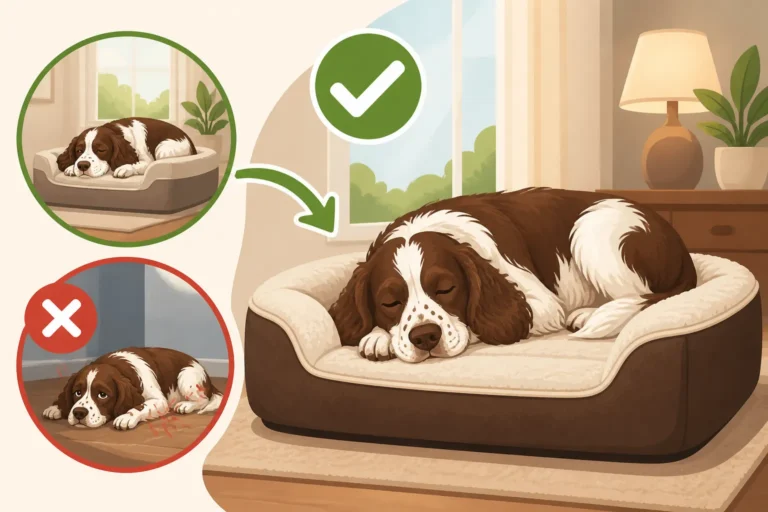
- Furniture Covers: Consider washable slipcovers for your sofas and chairs, or dedicated pet blankets that can be easily tossed in the washing machine. This creates a barrier between the hair and your furniture, making cleanup much simpler.
- Hard Floors: If you have hard floors, a robot vacuum cleaner can be a lifesaver, running daily to keep the daily dust bunnies (or should I say, hair bunnies) at bay. A microfiber mop or electrostatic sweeper can also pick up a surprising amount of loose hair.
- Laundry: Wash your dog's bedding, blankets, and your own clothes regularly. Add a cup of white vinegar to the rinse cycle to help loosen hair from fabrics before drying. Cleaning your dryer's lint trap after every load is paramount.
When Shedding Rings Alarm Bells: Signs of a Deeper Issue
While shedding is normal for a Springer Spaniel, there's a difference between a healthy amount of hair loss and something more concerning. It's important to be observant and know when to consult your vet. After all, a healthy coat usually means a healthy dog, and vice-versa.
Differentiating Normal Shedding from Concerning Hair Loss
Normal shedding typically involves uniform hair loss across the body, with new hair growing in to replace it. The skin underneath should look healthy – no redness, flakiness, bumps, or sores. If you notice any of the following, it might indicate a problem:
- Patchy Hair Loss or Bald Spots: If your Springer is losing hair in specific areas, creating bald patches, this is not normal shedding. It could be due to parasites (fleas, mites, ringworm), bacterial or fungal infections, or underlying skin conditions.
- Excessive Itching, Licking, or Chewing: While some dogs scratch, constant, intense itching that leads to raw skin, scabs, or hot spots is a major red flag. This can cause self-inflicted hair loss.
- Dull, Brittle Coat: A coat that looks unhealthy, dry, and easily breaks off, even with good grooming, can signal nutritional deficiencies or internal health issues.
- Changes in Skin Appearance: Redness, inflammation, rashes, scales, dandruff, or an oily/greasy texture to the skin beneath the coat are all signs that something is amiss.
- Odor: An unusual or strong odor coming from your dog's skin, despite regular bathing, can indicate a bacterial or yeast infection.
- Sudden Increase in Shedding: If your dog suddenly starts shedding dramatically more than their typical pattern, especially outside of the usual seasonal changes, it warrants attention.
Sometimes, excessive shedding can even be a symptom of a systemic illness, like thyroid issues (see Signs a Springer Spaniel's Thyroid Has Failed), Cushing's disease, or even autoimmune conditions. It's always better to err on the side of caution.
When to Seek Veterinary Advice
If you notice any of the concerning signs listed above, or if you simply feel that your Springer's shedding is truly excessive and accompanied by other symptoms, it’s time to schedule an appointment with your veterinarian. Don't try to self-diagnose or treat severe skin issues, as you could delay proper treatment or worsen the condition.
Your vet will conduct a thorough physical examination, ask about your dog's diet, lifestyle, and any recent changes. They might recommend diagnostic tests such as:
- Skin Scrapes or Biopsies: To check for mites, fungi, or other skin conditions.
- Blood Tests: To evaluate for underlying hormonal imbalances (like hypothyroidism) or other systemic diseases.
- Allergy Testing: To identify environmental or food allergens.
- Dietary Trials: If food allergies are suspected, your vet might recommend a novel protein or hydrolyzed protein diet.
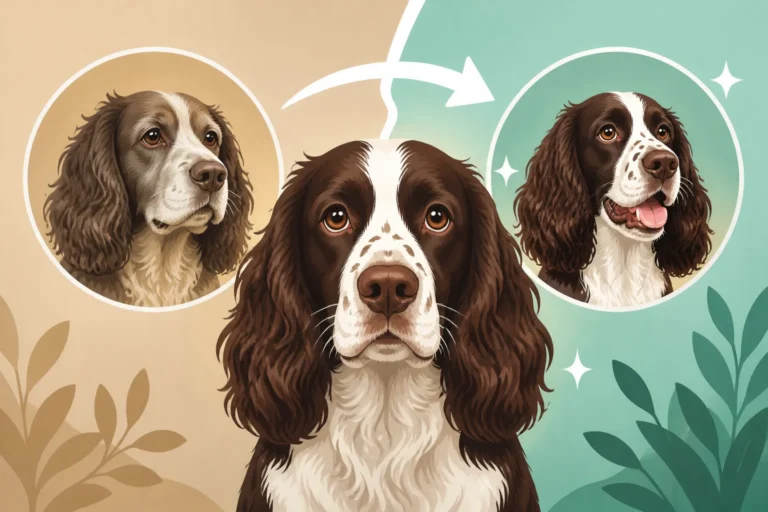
Remember, your vet is your best partner in ensuring your Springer Spaniel's overall health, which directly impacts the health and manageability of their coat. A healthy Springer sheds a normal amount for their breed; an unhealthy one might shed excessively, giving you even more hair to clean up. Proactive care, consistent grooming, and attentive observation are your best tools in managing your Springer Spaniel's shedding into your house, ensuring a happy home for both of you.
Disclaimer
This article is for general informational purposes only and does not constitute professional advice. Laws, prices and regulations vary by location and change over time. Consult a qualified professional for guidance on your specific situation.