How Often a Show Springer Spaniel Needs Trimming
The magnificent, flowing coat of a show English Springer Spaniel is truly a sight to behold, but anyone who lives with one knows it doesn't just magically appear that way. Managing that glorious feathering and ensuring your dog always looks its best for the ring, or even just for your living room, can feel like a never-ending task. This guide will walk you through exactly how often a show Springer Spaniel typically needs trimming, what areas demand the most attention, and how to keep that coat in pristine condition between professional appointments or home grooming sessions.
Understanding the Show Springer Coat
The English Springer Spaniel, particularly those bred for the show ring, boasts a double coat that is both protective and aesthetically pleasing. This isn't just a pretty layer; it serves a purpose, originally to protect the dog from elements and brush while working in the field. However, in the show lines, this coat has been selectively bred to be longer, denser, and more profuse, especially the "feathering" on the legs, chest, and belly.
The Double Coat and Feathering
Let's break down what we're talking about when we say "double coat." Your show Springer has two distinct layers: a soft, dense undercoat that provides insulation, and a longer, coarser outer coat, also known as guard hairs, which offers protection from water and dirt. The feathering refers to the longer hair that grows on the ears, chest, belly, and backs of the legs. This is the hair that gives the show Springer its characteristic elegant silhouette and movement. It's beautiful, yes, but it's also a magnet for burrs, dirt, and mats. You might find yourself constantly dealing with The Feathering a Show Springer Spaniel Drags Through Everything. This combination of coat type and length is what makes regular, structured trimming absolutely essential for a show Springer Spaniel. It's not just about looking good; it's about comfort and hygiene for your dog.
Why It Needs Regular Maintenance
Unlike a field-bred Springer, whose coat is typically shorter and coarser to be more practical for heavy cover, the show Springer's coat demands a significant investment of time and effort. Without consistent attention, that lovely feathering can quickly become a matted mess, leading to skin irritation, discomfort, and even infections. Mats pull on the skin, causing pain and restricting movement. Beyond the physical discomfort, a neglected coat simply won't meet the breed standard in the show ring, where presentation is key. Regular maintenance isn't a luxury; it's a fundamental part of caring for a show Springer Spaniel, ensuring their well-being and keeping them ready for any occasion, whether it's a walk in the park or a strut on the green carpet. You're trying to maintain a specific look, which means you're constantly fighting against natural growth patterns and the elements.
Factors Influencing Trimming Frequency
The "how often" question isn't a one-size-fits-all answer for show Springers. Several variables come into play that can influence your trimming schedule. It’s not just about following a strict calendar, but understanding your individual dog, your goals, and your lifestyle.
Lifestyle and Activity Level
Even a show-bred Springer Spaniel has energy, and if your dog is an active companion, frequently enjoying outdoor adventures, swimming, or running through tall grass, their coat will inevitably get dirtier and more prone to tangles and matting. A dog that spends most of its time indoors, enjoying leisurely walks on pavement, might get away with slightly less frequent trims than one that's constantly out exploring fields and streams. Think about how much your dog is actually "using" its coat. Mud, burrs, and water all contribute to faster matting and general wear and tear on the pristine lines of a show coat. If you’re regularly taking your Springer to the beach or for swims, you’ll also be battling dampness in those long ears, which impacts health as well as aesthetics.
Aesthetic Goals and Show Ring Requirements
This is perhaps the biggest driver for the show Springer. If your goal is to regularly compete in conformation shows, then your trimming schedule will be dictated by the specific requirements of the breed standard and the frequency of shows. You'll need to maintain a polished, impeccable look that highlights the dog's structure and movement. This often means very precise trims to shape the feathering, clean up the topline, and ensure the ears and feet are tidy. A show coat is a work of art, sculpted to enhance the dog's natural beauty and adherence to the standard. This isn't just a quick clip; it involves careful blending and scissoring to achieve that seamless, elegant flow. The standard calls for a coat that is "moderately long," "straight or slightly wavy," and "dense." Achieving this requires dedication to a consistent trimming regimen that might involve touch-ups every week or two, in addition to full trims.
Individual Coat Growth Rate
Just like human hair, every dog's coat grows at a different speed. Some show Springers have incredibly fast-growing feathering, while others might have a slower growth rate. Age also plays a role; puppies often have softer, faster-growing coats that change as they mature. You'll get to know your dog's individual coat characteristics over time. Observe how quickly their feathering starts to look shaggy, how often mats appear, and how long it takes for a freshly trimmed area to grow out. This personal observation will be your best guide for fine-tuning the exact frequency. It's not unusual for two Springers from the same litter to have slightly different coat needs based on their genetic variations for coat texture and growth.
The Regular Trimming Schedule
When it comes to a show Springer, "regular" means consistent and frequent. You can't just let that coat go for months on end and expect it to magically fall into place for a show. It’s an ongoing commitment.
General Guidelines: Monthly or Bi-Monthly?
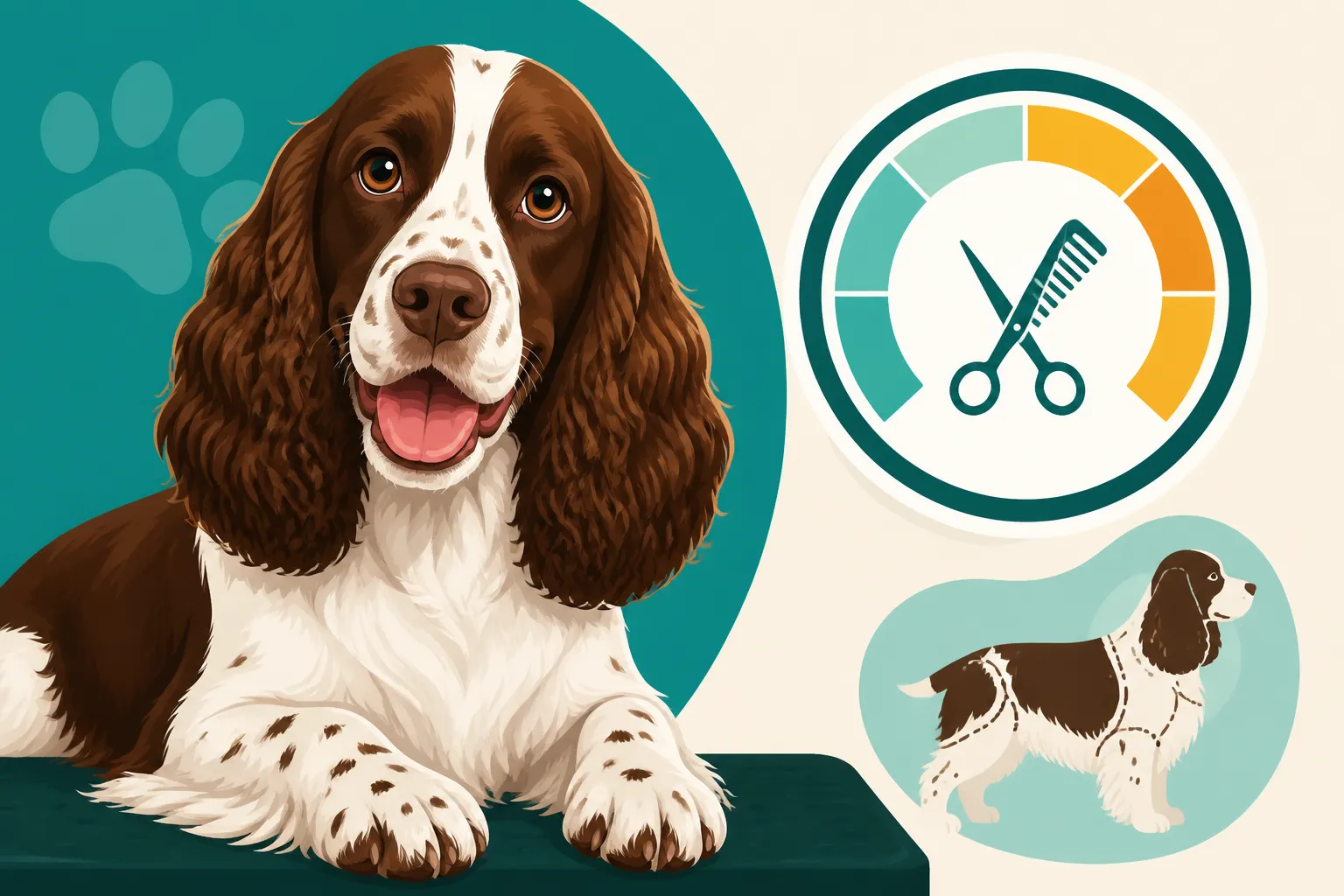
For most show English Springer Spaniels, a comprehensive trimming and grooming session is typically needed every 4 to 6 weeks. This could be a full professional groom or a dedicated home session. This timeframe allows you to maintain the desired length and shape of the feathering, keep the ears clean and airy, and prevent excessive matting. If your dog is actively being shown, you might find yourself doing touch-ups every week or two to keep them in peak condition. These aren't full trims, but rather tidying up stray hairs, feathering, and paw pads to ensure a consistently polished appearance. For a casual pet owner who still wants that show-quality look without the intense competition schedule, sticking to a monthly professional groom or a thorough home session every four to five weeks is a good baseline.
Here's a general table outlining trimming frequency for different aspects of a show Springer's coat:
| Area of Coat | Typical Trimming Frequency for Show Look | What it Involves |
|---|---|---|
| Overall Coat / Body | Every 4-6 weeks (full trim) | Shaping, tidying, blending, maintaining length |
| Feet & Paw Pads | Every 2-4 weeks (touch-up) | Scissoring around pads and foot to keep neat and prevent slipping |
| Ears (outer & inner) | Every 2-4 weeks (touch-up) | Thinning, stripping, trimming for cleanliness and ear health |
| Feathering (legs/belly) | Every 4-6 weeks (full trim), touch-up weekly | Scissoring to desired length, blending, removing stray hairs |
| Topline | Every 4-6 weeks (full trim) | Hand stripping or very careful thinning/clipping to lie flat |
| Face/Muzzle | Every 4-6 weeks (full trim) | Tidying around eyes and muzzle for cleanliness and expression |
Key Areas for Attention: Ears, Feet, Feathering
These three areas are the high-maintenance zones on a show Springer Spaniel.
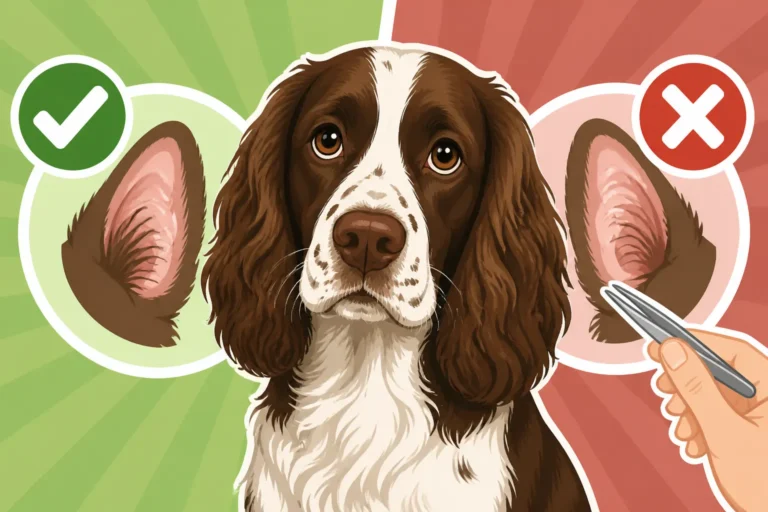
- Ears: The long, pendulous ears are iconic for the breed, but they are also highly susceptible to matting, especially behind the ear leather where the hair is finer and rubs against the neck. More importantly, the dense hair around the ear canal can trap moisture and debris, leading to frequent ear infections. Trimming and thinning the hair on the underside and around the canal is crucial for airflow and hygiene. You'll want to address Why a Springer Spaniel's Ears Are Never Quite Healthy proactively. This isn't just about looks; it's vital for your dog's health and comfort.
- Feet: The hair between the paw pads and around the foot can grow quite long, collecting dirt, burrs, and moisture. This not only looks untidy but can also make your dog slip on smooth surfaces, or cause discomfort from foreign objects wedged in the pads. Keeping the feet trimmed neatly, scissored around the paw to create a compact, round appearance, is part of the show standard and practical for your dog's daily comfort.
- Feathering: This is the hallmark of the show Springer coat. The long hair on the chest, belly, and backs of the legs needs constant attention. It requires careful scissoring to maintain a pleasing length that flows with the dog's movement, without dragging on the ground or looking unruly. Blending these areas seamlessly into the shorter body coat is key to achieving that smooth, elegant silhouette. Over-trimming or uneven feathering can ruin the entire look, so precision is paramount. Trimming a Springer Spaniel's Feathering is an art form.
Seasonal Considerations
While the core trimming schedule remains fairly consistent for a show Springer, the seasons can sometimes influence minor adjustments. In warmer months, you might consider slightly shorter trims on the belly feathering to help your dog stay a bit cooler, although you'll still want to maintain the overall look for shows. Some owners find that their Springer's coat grows a little thicker in preparation for winter, requiring more diligent brushing and perhaps slightly more frequent thinning, particularly around the ears, to prevent matting from heavier undercoat. However, drastically shaving down a show Springer's coat is generally discouraged, as it can damage the texture and growth pattern, potentially making it harder to return to show quality. The double coat actually helps insulate in both hot and cold weather, so maintaining its integrity is important year-round.
Tools and Techniques
Achieving that perfectly sculpted show Springer look requires more than just enthusiasm; it demands the right tools and a solid understanding of proper techniques. Whether you're a seasoned home groomer or relying on a professional, knowing what goes into the process is beneficial.
Essential Grooming Tools
You don't need a professional grooming salon's worth of equipment for home maintenance, but a few key tools are indispensable.
- Slicker Brush: Essential for removing loose undercoat and preventing mats. Use it gently, as it can be harsh on sensitive skin if used too aggressively.
- Pin Brush: Great for working through longer feathering without pulling or damaging the topcoat.
- Metal Comb: A must-have for checking for mats after brushing and for precise detangling. A greyhound comb with both wide and fine teeth is ideal.
- Thinning Shears: These are your best friend for blending lines, reducing bulk, and creating a natural, soft look, especially on the ears and feathering. They remove less hair with each cut, preventing blunt, choppy lines.
- Straight Shears (Scissors): For precise shaping, tidying feet, and trimming stubborn lengths. Look for good quality, sharp shears designed for dog grooming.
- Clippers (with various blades): While show Springers are often hand-stripped on the topline, clippers are invaluable for hygienic areas, paw pads, and if you opt for a less traditional method for areas like the throat.
- Ear Cleaner: A good quality ear cleaner, often recommended by your vet, is vital for keeping those long, drop ears healthy. You'll find many suitable options available on platforms like Chewy or Amazon.
- Nail Clippers/Grinder: Keeping nails short is not only healthier for your dog's feet but also contributes to better movement and a neater overall appearance.
Having the right tools makes the job easier and more effective, ensuring you don't inadvertently damage the coat or cause discomfort to your dog.
Hand Stripping vs. Clipping
This is a fundamental distinction in grooming a show Springer.
- Hand Stripping: This traditional technique involves manually pulling out dead outer coat hairs with your fingers or a stripping knife. It encourages the growth of a new, healthy, harsh outer coat, maintaining the correct texture and color. For many show Springers, the topline (over the back and neck) is hand-stripped to keep it flat, tight, and natural-looking, while preserving the vibrant color often lost with clipping. It's labor-intensive and requires skill and patience, but it produces the most authentic show-ring coat. It also allows the coat to "roll," meaning new hairs are always coming in, keeping the coat in prime condition. You may wonder Whether a Springer Spaniel Should Be Hand Stripped – for a show dog, the answer is often yes, at least on specific parts of the body.
- Clipping: Using electric clippers, this method cuts the hair rather than removing the dead follicle. While quicker and easier, clipping can soften the coat texture, dull the color, and make the coat grow back thicker and woollier. For a show Springer, clipping is generally reserved for specific areas like the throat, cheeks, and possibly hygienic areas, where a very neat, close trim is desired and coat texture isn't as critical for the breed standard. It's also often used for pet Springers whose owners prefer a lower-maintenance coat. However, a clipped topline on a show dog can result in a soft, fluffy texture that is considered incorrect. The key is knowing where and when to clip versus strip.
The Professional Groomer's Touch
For many show Springer Spaniel owners, especially those actively competing, a professional groomer specializing in spaniels or sporting breeds is an invaluable asset. A skilled groomer understands the breed standard intimately and possesses the experience and tools to achieve that picture-perfect look consistently. They can perform intricate hand-stripping, perfectly blend feathering, and advise on ongoing coat maintenance. Even if you do much of the daily brushing yourself, a regular professional groom (every 4-6 weeks) ensures the coat's structure and health are maintained. A professional can also spot potential skin or ear issues that you might miss. Consider What Grooming a Show Bred Springer Spaniel Costs – it's an investment, but for a show dog, it's often a necessity to ensure they look their very best. They are essentially your partner in maintaining your dog's show ring presentation.
Maintaining the Coat Between Trims
While regular trimming is essential, what you do between those grooming sessions is equally important. Consistent daily care will prevent major problems and make trimming much easier. Think of it as preventative maintenance for that gorgeous coat.
Daily Brushing Routine
A show Springer's coat needs daily attention, no two ways about it. This isn't just a quick once-over; it's a thorough session that targets all the key areas. Start with a slicker brush to work through the main body, carefully lifting out dead undercoat. Then, move to a pin brush for the longer feathering on the legs, chest, and belly, ensuring you reach down to the skin to prevent mats from forming at the base of the hair. Finish with a metal comb, systematically combing through all the feathering and behind the ears, checking for any missed tangles or budding mats. Pay particular attention to friction points like armpits, behind the ears, and the "pantaloons" on the back legs. Which Brush Suits a Springer Spaniel often depends on the specific area and individual coat texture, but having a variety is key. This daily ritual not only keeps your dog looking neat but also helps distribute natural oils, promoting a healthy, shiny coat and building a bond between you and your Springer.
Bathing Practices for a Show Coat
Bathing a show Springer isn't just about getting them clean; it's about maintaining coat health without stripping essential oils or creating more tangles. Aim for bathing as needed, typically every 2-4 weeks, or when visibly dirty. Using a high-quality shampoo and conditioner specifically formulated for dogs with double coats can make a world of difference.
- Preparation is Key: Before bathing, always thoroughly brush and comb your Springer to remove all mats and tangles. Water tightens mats, making them nearly impossible to remove without cutting or causing pain.
- Lather and Rinse Thoroughly: Work the shampoo gently into the coat, ensuring you reach the skin. Rinse even more thoroughly, as shampoo residue can irritate the skin and dull the coat.
- Condition: Follow with a good conditioner, focusing on the feathering, to help prevent tangles and keep the coat soft and manageable.
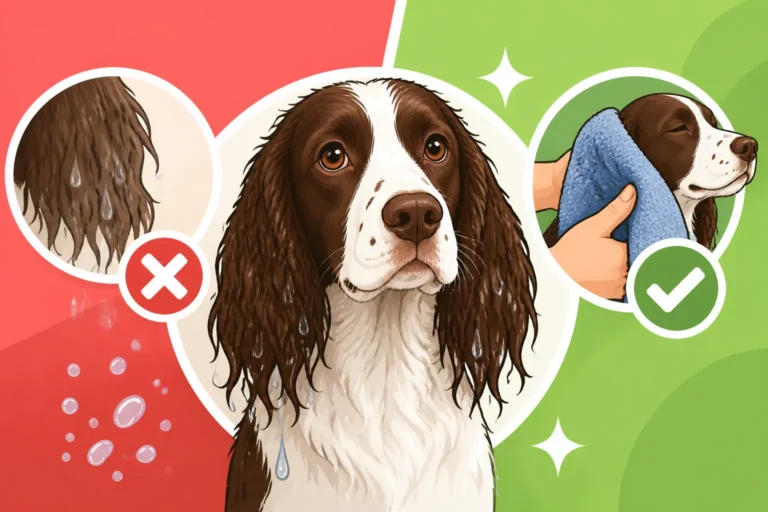
- Drying: This is perhaps the most critical step. Towel dry thoroughly, then use a dog-specific forced-air dryer (if you have one) or a hairdryer on a cool setting. Brush the coat as you dry to ensure it dries straight and smooth, preventing waves and tangles. Never let a show coat air dry if you want to avoid a frizzy, matted mess.
Regular, proper bathing, coupled with meticulous drying, contributes significantly to maintaining the pristine condition of your Springer's show coat.
Tackling Minor Mats and Tangles
Despite your best efforts, your show Springer will occasionally pick up a mat or tangle. The key is to address them immediately, before they become larger, painful problems.
- Don't Pull: Never try to rip or pull a mat out. This is painful for your dog and can cause skin irritation.
- Isolate and Lubricate: Use your fingers to separate the mat from the surrounding hair. Apply a detangling spray or a small amount of cornstarch directly to the mat.
- Work from the Outside In: Using a metal comb, gently pick at the edges of the mat, working your way inwards. Hold the hair closest to the skin to minimize pulling on your dog's skin.
- Mat Breakers/Splitters: For stubborn mats, a mat breaker tool can be used with extreme caution to slice through the mat, making it easier to comb out. If you're unsure, it's always better to gently cut the mat out with blunt-nosed scissors, getting under the mat and cutting upwards, close to the skin. Be incredibly careful to avoid nicking the skin, especially in delicate areas like behind the ears or in the armpits.
- Prevention: The best cure for mats is prevention through daily brushing and timely trimming. Remember, a matted coat is not just unsightly; it can be a source of significant discomfort and even skin infections for your beloved Springer. Ignoring a small tangle can quickly lead to a large, painful problem, sometimes requiring professional intervention or even shaving. You might even want to consider Whether a Harness Mats a Springer Spaniel if your dog wears one frequently, as collars and harnesses can be notorious for causing friction and matting.
Common Trimming Mistakes and How to Avoid Them
Grooming a show Springer Spaniel's coat is an art form, and it's easy to make mistakes, especially if you're new to it. Understanding what to avoid can save you a lot of heartache and your dog a lot of discomfort.
The Dreaded "Chopped" Look
One of the most common pitfalls, particularly for novice home groomers, is creating a "chopped" or uneven appearance. This often happens when straight shears are used too aggressively on feathering or when blending lines are not properly managed. A show Springer's coat should flow seamlessly, with feathering gradually tapering. Harsh lines, noticeable scissor marks, or areas that are drastically shorter than others completely disrupt the elegance of the coat.
To avoid this:
- Use Thinning Shears: For blending and reducing bulk, thinning shears are your best friend. They remove only a portion of the hair with each snip, creating a much softer, more natural transition.
- Brush and Comb Frequently: As you trim, constantly brush and comb the hair to see how it lays naturally. This helps you gauge your progress and identify uneven areas.
- Step Back: Periodically step back and view your Springer from different angles. This wider perspective allows you to spot imbalances that might not be obvious up close.
- Less is More: You can always take off more hair, but you can't put it back on. Start with subtle trims and gradually remove more hair until you achieve the desired shape. This is especially true when you are How Long a Springer Spaniel Groom Takes — patience is key.
Neglecting the Undercoat
While the outer coat and feathering get most of the attention, neglecting the dense undercoat is a major error. A packed, unraked undercoat can lead to several problems:
- Matting: The undercoat, if not properly shed and brushed out, can become incredibly dense and mat against the skin, especially when wet. This is where those painful, tightly bound mats often start.
- Skin Issues: A thick, unventilated undercoat can trap moisture, heat, and dirt against the skin, creating a perfect breeding ground for bacterial and fungal infections, hot spots, and general irritation.
- Dull Coat: An unhealthy undercoat impacts the overall health and shine of the entire coat.
- Incorrect Texture: The breed standard calls for a coat that's dense but not woolly. A neglected undercoat can make the overall coat feel thick and soft, rather than the desired smooth, weather-resistant texture.
Ensure your daily brushing routine includes deep brushing with a slicker brush and a good metal comb to effectively remove dead undercoat. Regular professional grooms will often include "raking" or "carding" the undercoat, which is a technique for safely removing excess undercoat without damaging the topcoat. You might be surprised at How Much a Springer Spaniel Sheds Into a House if that undercoat isn't regularly managed.
When to Seek Professional Help
There are definitely times when admitting you need a professional's expertise is the smartest move for both you and your Springer.
- First-Time Show Groom: If you're completely new to show grooming, having a professional do the initial trim can set a fantastic foundation. You can then maintain their work with touch-ups. A professional groomer understands the nuances of the breed standard for the show ring, which is crucial for a competitive appearance.
- Major Matting: If your Springer has developed severe, widespread matting that you can't safely or comfortably remove yourself, a professional groomer or veterinarian is the best option. Trying to tackle large mats on your own can be painful for your dog and lead to injury.
- Skipping to the Show Ring: For serious competitors, relying on a professional groomer to get your Springer ready for a show is often non-negotiable. They have the skill, eye, and experience to ensure your dog is presented perfectly.
- Time Constraints: Life gets busy. If you simply don't have the several hours a week needed for consistent grooming, a professional can step in to keep your Springer looking and feeling great.
- Unusual Coat Changes or Skin Issues: If you notice significant changes in your dog's coat texture, excessive shedding, or recurring skin irritations, a professional groomer might spot something you've missed, or recommend a vet visit. Often, How Often Allergies Drive a Springer Spaniel's Ear Disease means a groomer is often the first to see skin issues.
Investing in a professional groomer for a show Springer Spaniel isn't just about convenience; it's about ensuring the dog's comfort, health, and adherence to the high standards of the breed. It also often becomes a significant part of What a Springer Spaniel Costs to Keep.
Disclaimer
This article is for general informational purposes only and does not constitute professional advice. Laws, prices and regulations vary by location and change over time. Consult a qualified professional for guidance on your specific situation.