Two Coats, Two Routines: Field and Show Springer Spaniel Grooming
Bringing home an English Springer Spaniel is an absolute joy, but many new owners quickly realize that the picture-perfect dog they envision, or the rugged working companion they admire, often comes with a very specific grooming routine. It's not a one-size-fits-all situation, and the frustration of dealing with tangles, burrs, or a coat that just doesn't look "right" can be overwhelming. This comprehensive guide will walk you through the distinct grooming needs of both field-bred and show-bred Springer Spaniels, ensuring you have the knowledge and tools to keep your beloved companion comfortable, healthy, and looking their best.
Understanding the Fundamental Difference: Field vs. Show Coat
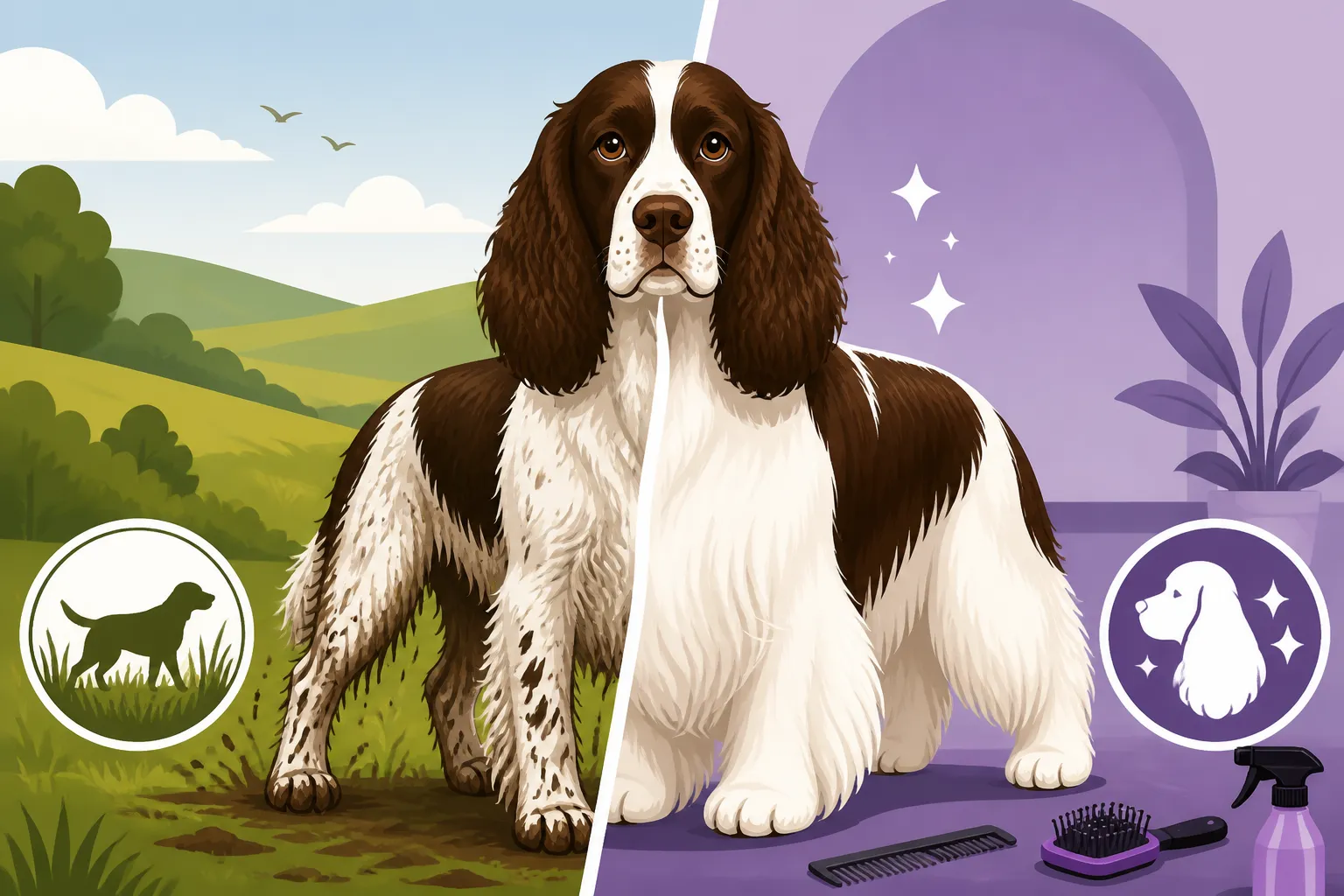
It’s easy to think a Springer is a Springer, but the truth is, decades of selective breeding have created two very distinct types, and their coats are one of the most visible differences. This isn't just about aesthetics; it profoundly impacts their daily care and grooming requirements. Understanding this fundamental divide is the first step to a happier, healthier Springer Spaniel.
The Purpose-Bred Coat: Field Springer Functionality
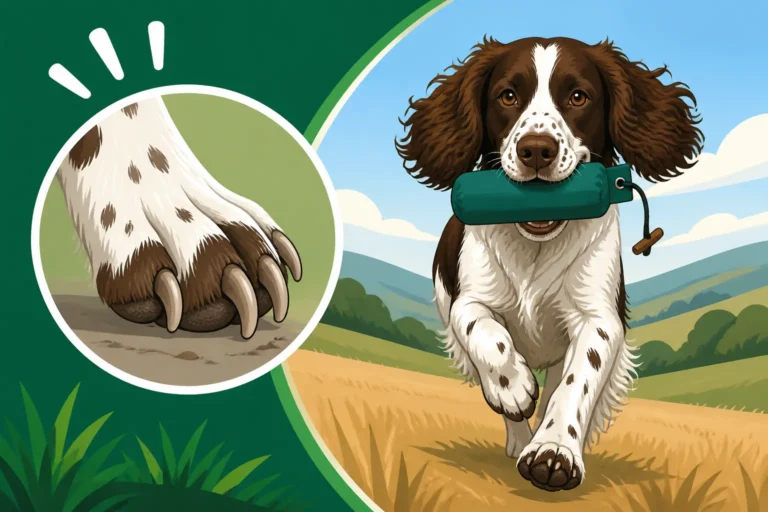
The field-bred Springer Spaniel, often referred to as a "working" or "hunting" Springer, has a coat designed for function above all else. These dogs are bred to crash through dense cover, retrieve game from thorny bushes, and plunge into icy waters without getting bogged down or injured. Their coat is typically shorter, coarser, and less profusely feathered than their show-bred cousins.
Imagine your field Springer busting through a thick bramble patch. A heavy, flowing coat would quickly become a tangled mess, collecting burrs, thorns, and mud, not to mention hindering their movement and causing immense discomfort. For this reason, field Springers possess a more streamlined coat, still double-layered to provide protection from the elements, but designed to shed debris and dry relatively quickly. The feathering on their legs, belly, and ears is significantly less abundant, reducing the surface area for snags and streamlining their profile. This practical coat is a testament to their heritage as agile, hardworking gundogs.
The Aesthetic Coat: Show Springer Elegance
On the other side of the spectrum is the show-bred Springer Spaniel, whose coat is cultivated for its striking beauty and adherence to breed standards that emphasize elegance and flowing lines. These dogs are meant to impress in the show ring, where a profuse, silky coat with abundant feathering is highly prized.
Picture a show Springer trotting gracefully around the ring, its long ear fringes, chest, and leg feathering flowing behind it. This look requires a much longer, softer, and denser coat, often with a significant undercoat. The feathering, in particular, is grown out to create a dramatic silhouette, showcasing the breed's classic lines. While undeniably beautiful, this magnificent coat is a full-time job to maintain. It's prone to matting, collects dirt and debris like a magnet, and demands constant attention to keep it pristine. The trade-off for that show-stopping appearance is a much higher grooming commitment, and often, less practicality for true field work. You can read more about The Feathering a Show Springer Spaniel Drags Through Everything and the challenges it presents.
Why the Divide Matters for Your Grooming Routine
Ignoring the differences between these two coat types is a recipe for frustration and potential health issues for your Springer Spaniel. Trying to maintain a field Springer's coat like a show dog's will lead to unnecessary trimming and potentially compromise its protective qualities. Conversely, neglecting a show Springer's coat with a minimal field-dog routine will inevitably result in severe matting, skin problems, and discomfort.
For instance, a field Springer owner might opt for regular, close trims on the feathering to prevent burrs and foxtails from embedding after every outing. Their grooming might involve a quick brush-down after a hunt and a functional bath. A show Springer owner, however, will be spending hours weekly brushing, dematting, and carefully scissoring to maintain length and shape without compromising texture. They might also enlist professional groomers for regular sculpting and tidying. Your dog's lifestyle and coat type must dictate your grooming approach. Understanding How a Field Bred Springer Spaniel Differs in Drive is just as important for grooming as it is for training, as an active dog's coat takes more abuse.
Grooming Essentials for Every Springer Spaniel Owner
Regardless of whether your Springer is a field champion or a show ring star, there are certain grooming practices that are non-negotiable for all English Springer Spaniels. These are the foundational elements of good canine hygiene and play a crucial role in your dog's overall health and well-being. Skipping these steps can lead to painful matting, infections, and discomfort.
Daily Brushing: More Than Just Untangling
Daily brushing isn't just about making your Springer look neat; it's a vital part of maintaining their skin and coat health, and it builds a strong bond between you and your dog. Even field Springers with shorter coats benefit immensely from regular brushing. For show Springers, it's absolutely paramount to prevent mats from forming.
Brushing helps to distribute natural oils throughout the coat, keeping the fur healthy and shiny. It also removes loose hair, dirt, and debris that can irritate the skin or lead to matting. For dogs with longer feathering, a slicker brush followed by a metal comb is essential to reach down to the skin and ensure no hidden tangles are lurking. Imagine trying to run a comb through a thick head of hair that hasn't seen a brush in days—it's painful! The same goes for your Springer. Daily brushing prevents these small tangles from becoming impenetrable mats that require shaving. Regular brushing also gives you an opportunity to perform a quick health check, feeling for any new lumps, bumps, or skin irritations that might need veterinary attention. This routine becomes even more critical for a show Springer, whose expansive coat can quickly become a tangled nightmare.
Bathing Basics: Keeping Clean Without Stripping
Bathing your Springer Spaniel needs to be done correctly to avoid drying out their skin or irritating their coat. The frequency will depend on your dog's lifestyle – a working field dog might need baths more often than a pampered house pet – but the principles remain the same.
Always use a dog-specific shampoo and conditioner. Human products have a different pH balance and can strip your dog's skin of essential oils, leading to dryness, itchiness, and irritation. Before bathing, always brush your dog thoroughly to remove any loose hair and tangles. Water will only tighten mats, making them nearly impossible to remove. When shampooing, focus on getting down to the skin, and make sure to rinse, rinse, rinse! Any shampoo residue left on the coat can cause skin irritation. After bathing, gently towel dry, then use a dog-specific hairdryer on a cool or low setting while brushing to ensure the coat dries completely, especially the undercoat and feathering, to prevent mildew and hot spots. For many owners, sourcing good quality shampoos from places like Chewy or Amazon is a regular affair. You can also explore How Often a Working Springer Spaniel Needs Washing depending on their activity level.
Nail Trimming and Paw Care: Often Overlooked but Crucial
Trimming your Springer Spaniel's nails is often the least favorite part of grooming for both owner and dog, but it's incredibly important for their comfort and long-term joint health. Overgrown nails can cause pain, deform their paw structure, and even lead to serious injuries.
When nails are too long, they push up into the nail bed, making it uncomfortable for your dog to walk. Over time, this can lead to splayed toes, arthritis, and gait changes. Imagine walking in shoes that are too small all the time – that's what long nails feel like. Aim to trim your Springer's nails every 2-4 weeks, or whenever you hear them clicking on hard floors. Use sharp, good quality clippers and only take off the very tip, being careful to avoid the quick (the blood vessel and nerve inside the nail). If you're unsure, ask your vet or groomer for a demonstration. Don't forget to check their paw pads for cuts, cracks, or embedded debris, especially after walks on rough terrain. For working dogs, this is critical; Checking a Springer Spaniel's Feet After Working should be a mandatory routine. Keep the hair between their paw pads trimmed short to prevent matting and trapping dirt, which can lead to discomfort and infections.
The Field Springer Spaniel: Practicality Over Perfection
For the field-bred Springer Spaniel, grooming isn't about looking pristine; it's about functionality, comfort, and preventing potential injuries or health issues that could sideline a working dog. Their grooming routine is designed to keep them efficient and protected in the field, not to win beauty contests. This means a more utilitarian approach, often favoring shorter cuts in key areas.
Keeping it Short: Managing Feathering for Work
While field Springers naturally have less feathering than their show counterparts, they still grow some longer hair on their legs, belly, and ears. For a working dog, this feathering can become a major liability. Burrs, thorns, mud, and even ice can easily get caught in longer hair, creating painful mats and potentially leading to skin infections or injuries.
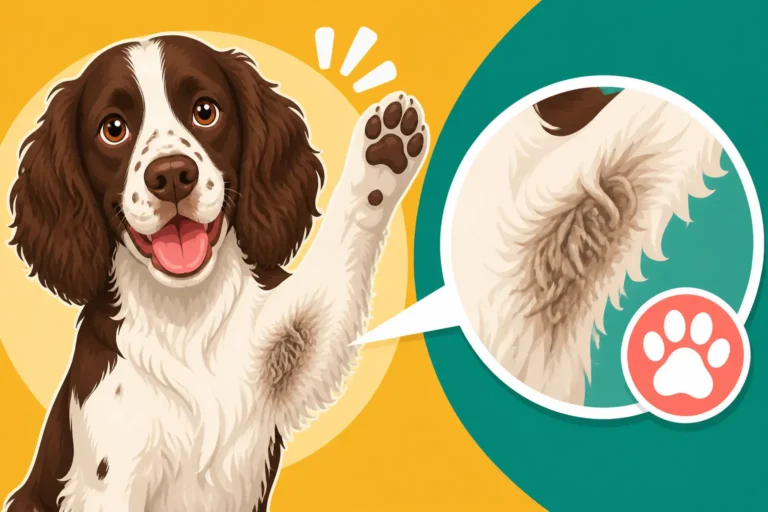
Therefore, many field Springer owners choose to keep this feathering trimmed short. This isn't about shaving them bald, but rather using thinning shears and clippers to reduce the length and bulk, especially around the "armpits," groin, and the backs of the legs. Some even trim the ear leather quite short to prevent ear infections, as Why a Springer Spaniel's Ears Are Never Quite Healthy is a common concern. A field dog with cleanly trimmed feathering moves more freely, is less likely to pick up debris, and is much easier to clean after a day in the brush. This practical approach ensures the dog's comfort and prevents distractions or discomfort that could impact their performance or well-being.
Post-Hunt Checks: Beyond the Surface
After every single outing, especially those involving dense cover or water, a thorough "nose to tail" check is absolutely vital for a field Springer. This isn't just about brushing; it's a critical preventative health measure.
This inspection involves carefully running your hands over every inch of your dog, paying close attention to their ears, paws, armpits, and groin. You're looking for embedded burrs, ticks, thorns, or dreaded grass awns, which can burrow into the skin and cause serious infections. Check their eyes for irritation or foreign objects, and gently examine their ears for any debris or signs of moisture and redness. Feel along their legs for any nicks or scrapes, and gently flex their joints to check for soreness. A field Springer is a canine athlete, and just like any athlete, a proper post-workout inspection helps catch minor issues before they become major problems. After the Hunt: Checking a Springer Spaniel Over Nose to Tail is a critical ritual for any dedicated owner.
Minimizing Snags and Mats in Active Dogs
Despite having less coat, field Springers are not entirely immune to mats and snags, particularly if their feathering isn't maintained or if they've been working in particularly challenging terrain. Prevention is always better than cure, and for active dogs, this means a consistent approach.
Regular brushing, even if brief, helps keep the coat free of loose undercoat and minor tangles. For dogs that frequently swim, ensuring their coat (especially around the ears and belly) is completely dry after each dip is essential to prevent matting and skin issues. Using a dog-specific leave-in conditioner or detangling spray can also help the coat shed debris more easily and make brushing quicker. If you anticipate a day in very heavy cover, some owners even use a dog vest to protect the chest and belly from thorns and snags. Keeping the coat in good, healthy condition, not too dry or brittle, makes it more resilient to the rigors of field work.
The Show Springer Spaniel: Artistry and Attention to Detail
Grooming a show-bred English Springer Spaniel is truly an art form, requiring patience, skill, and a deep understanding of the breed standard. The goal is to enhance their natural beauty, emphasize their elegant lines, and present them in a way that showcases their quality in the show ring. This isn't just about neatness; it's about sculpting the coat to perfection.
Shaping the Silhouette: Strategic Trimming
For a show Springer, trimming is not just about cutting hair; it's about strategically shaping the coat to create the desired silhouette defined by the breed standard. This involves a combination of hand-stripping, thinning, and scissoring to achieve a natural, yet refined, appearance.
The top of the head, back, and sides are typically hand-stripped or thinned to lie flat and reveal the dog's musculature and bone structure. This removes dead undercoat and promotes the growth of a harsh, protective topcoat. The long, flowing feathering on the ears, chest, legs, and belly, however, is carefully groomed to maintain its length and lushness, but also meticulously shaped and tidied. Any stray hairs that break the clean lines of the dog, or any unevenness in the feathering, are painstakingly addressed. This intricate process ensures the dog's outline is clean, balanced, and visually appealing from every angle, making them stand out in the conformation ring.
Maintaining the Flow: Preserving Length and Texture
The hallmark of a well-groomed show Springer is the abundant, yet well-maintained, flowing feathering. Preserving this length and texture while keeping it free of mats and damage is a constant endeavor that requires dedication.
Daily brushing with a pin brush and metal comb is non-negotiable to prevent tangles from forming in the long feathering. Special attention must be paid to areas prone to matting, such as behind the ears, in the "armpits," and along the belly and legs. Using a good quality detangling spray can help with this process. Regular conditioning treatments are also important to keep the coat soft, pliable, and less prone to breakage, especially in dryer climates. The goal is a coat that is lush and full, yet healthy and manageable, without feeling brittle or sparse. This commitment to maintaining the coat's natural beauty and flow is what truly sets a show Springer apart.
Regular Professional Touch-Ups
While diligent home grooming is essential, most serious show Springer Spaniel owners rely on regular professional grooming appointments. Professional groomers, especially those experienced with show dogs, possess the specialized skills and tools required to achieve and maintain the intricate grooming standards.
A professional groomer can perform specialized tasks like hand-stripping, which can be time-consuming and requires a trained eye to do correctly. They also have access to high-quality clippers, thinning shears, and drying equipment that can achieve a much more polished finish than most home groomers. These regular appointments, often every 4-6 weeks, ensure that the coat's shape is maintained, any developing mats are addressed, and the dog is kept in optimal condition for showing. It's an investment in the dog's appearance and comfort, ensuring they always look their best. To give you an idea, What a Full Groom on a Show Springer Spaniel Costs reflects the skill and time involved in this type of intricate work.
Tackling Common Grooming Challenges
Even with the best intentions and a solid routine, Springer Spaniel owners will inevitably face some common grooming challenges. These challenges are often magnified by the breed's coat type and active nature, but with the right approach and a bit of persistence, they are entirely manageable.
Dealing with Mats and Tangles: Prevention is Key
Mats and tangles are arguably the most frustrating and painful grooming challenge for Springer Spaniel owners, especially those with show-bred dogs. A small tangle can quickly escalate into a dense, painful mat that pulls on the skin and can even cut off circulation.
The absolute best way to deal with mats is to prevent them from forming in the first place. This circles back to the importance of daily, thorough brushing, getting all the way down to the skin, especially in friction areas like behind the ears, armpits, flanks, and where a harness might sit. If you do encounter a small tangle, don't just pull at it. Instead, apply a detangling spray or a small amount of cornstarch, then gently tease it apart with your fingers or the wide teeth of a comb, working from the outside edges inwards. For larger, stubborn mats, you might need a mat splitter or even carefully use blunt-nosed scissors to cut into the mat (never across the skin!). If a mat is very tight and close to the skin, it's often best to seek professional help from a groomer or vet, as attempting to remove it yourself can accidentally cut the dog's skin.
Managing Shedding: A Seasonal Battle
Springer Spaniels, both field and show types, are double-coated dogs, meaning they have a soft, dense undercoat beneath a coarser topcoat. This beautiful double coat provides insulation and protection, but it also means they are prone to shedding, especially seasonally. Many owners wonder How Much a Springer Spaniel Sheds Into a House – and the answer is, quite a bit if not managed!
You'll typically notice heavier shedding in spring as they blow their winter coat, and again in the fall as they prepare for colder weather. During these periods, increasing your brushing frequency to daily, or even twice daily, is crucial. Using a good quality deshedding tool or an undercoat rake can effectively remove the loose undercoat before it ends up all over your furniture. A warm bath followed by a thorough blow-dry can also help loosen and remove shedding hair. While you can't stop shedding entirely, consistent proactive grooming can dramatically reduce the amount of hair floating around your home.
Addressing Skin Irritations and Hot Spots
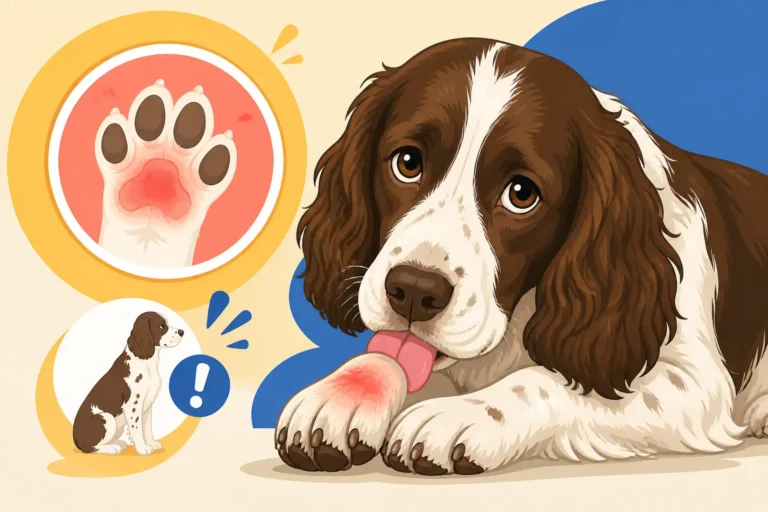
Given their floppy ears and often dense coats, Springer Spaniels can be susceptible to various skin irritations, including hot spots. Hot spots are acute moist dermatitis, rapidly developing, red, inflamed, and often painful skin lesions that can appear seemingly overnight.
The most common causes include allergies (flea, food, or environmental), insect bites, ear infections (dogs will often scratch and irritate the skin around their ears), or excessive licking/chewing due to anxiety or boredom. If you notice your Springer constantly licking a particular area, or if you part their fur and find a red, oozing lesion, it's likely a hot spot. The first step is to clean the area gently and trim the surrounding fur to allow air to reach it. This is often an area where a vet visit is needed, as they may prescribe topical treatments or antibiotics. Prevention often involves addressing the underlying cause, whether it's consistent flea prevention, managing allergies (discussing options with your vet, potentially involving special diets from places like Ollie or prescription medication), or ensuring proper ear hygiene. Regularly checking your dog's skin during brushing can help you catch these issues early. Also, be aware that Whether a Springer Spaniel's Skin Gets Oily can be a factor contributing to skin issues.
Maintaining Healthy Skin and Coat Beyond the Brush
Grooming isn't just about what you do with brushes and scissors; it's also deeply connected to your Springer Spaniel's overall health and lifestyle. A dull coat, flaky skin, or recurring skin issues can often be indicators of underlying health problems or deficiencies that require more than just a good bath. A truly healthy coat radiates from within.
Nutrition's Role in Coat Health
What you feed your Springer Spaniel has a profound impact on the quality of their skin and coat. A diet lacking essential nutrients can lead to a dry, brittle coat, excessive shedding, and flaky or irritated skin.
Look for high-quality dog foods that list a named meat source as the first ingredient and contain a good balance of protein, fats, and carbohydrates. Omega-3 and omega-6 fatty acids, often found in fish oils (like salmon oil) or flaxseed, are particularly beneficial for skin and coat health, helping to reduce inflammation and promote a shiny, healthy coat. Some owners explore fresh food diets from companies like Ollie, believing the higher quality, less processed ingredients contribute to better skin and coat condition. If your Springer is experiencing persistent skin or coat problems, discussing their diet with your veterinarian is a crucial step. They might suggest a prescription diet or specific supplements to address any nutritional deficiencies or sensitivities.
Parasite Prevention: A Hidden Grooming Helper
It might not feel like traditional grooming, but diligent parasite prevention is absolutely essential for a healthy coat and comfortable Springer Spaniel. Fleas, ticks, and mites can wreak havoc on a dog's skin, leading to intense itching, inflammation, hair loss, and secondary infections.
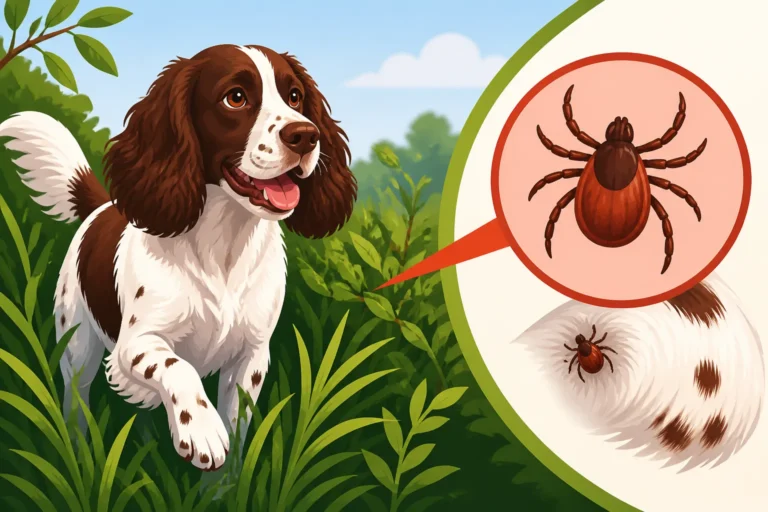
Even if you don't see them, fleas can be present and cause significant allergic reactions in sensitive dogs, leading to constant scratching and hot spots. Ticks can embed in the skin, causing local irritation and transmitting diseases. Regular, year-round use of veterinary-recommended flea and tick preventatives is your best defense. These come in various forms, including oral medications, topical treatments, and collars. Discussing the best option for your Springer's lifestyle (especially if they spend a lot of time outdoors in tall grass or wooded areas) with your vet is important. A dog free from parasitic irritation is a dog with a much happier, healthier coat, and you can learn more about How to Check a Springer Spaniel for Ticks to ensure you're vigilant.
Ear Care: A Constant Vigil for Springer Owners
Springer Spaniels are famous for their beautiful, long, pendulous ears, but these very ears are also a common source of health problems. Their drop ears trap moisture and reduce air circulation, creating a warm, dark, humid environment that is perfect for yeast and bacteria to flourish, leading to recurrent ear infections. This is why How Often a Drop Eared Springer Spaniel Needs Cleaning is such a common question.
Regular ear cleaning is not just grooming; it's a vital preventative health measure. Aim to check your Springer's ears weekly. Look for redness, swelling, discharge, or an unpleasant odor. Clean them gently with a vet-approved ear cleaning solution, using a cotton ball or gauze, never cotton swabs, which can push debris further into the ear canal. After swimming or bathing, ensure their ears are thoroughly dried. If your dog frequently gets ear infections, your vet might recommend a specific drying solution or an allergy workup, as allergies are a common underlying cause of chronic ear issues. Whether Every Springer Spaniel Gets Ear Trouble is a strong possibility, making proactive care indispensable.
Grooming Tools and Products: What You Really Need
Stepping into an animal supply store or browsing online for grooming tools can be overwhelming. There's a gadget for everything! But when it comes to grooming your Springer Spaniel, a few key tools are genuinely indispensable, and investing in good quality ones will save you money and frustration in the long run.
Brushes and Combs: Matching Tools to Coat Type
Having the right brushes and combs is foundational to effective Springer Spaniel grooming. You can't just use any old brush and expect good results, especially with their unique coat.
- Slicker Brush: This is your workhorse for removing loose hair and small tangles. It has fine, closely spaced wire pins with bent ends. It's excellent for both field and show coats, helping to get through the topcoat and into the undercoat.
- Pin Brush: Ideal for longer feathering on show Springers, it helps to detangle without pulling too much hair. It has widely spaced metal pins with rounded tips.
- Metal Comb (Coarse/Fine): Essential for checking your work after brushing. The coarse end helps with initial detangling, and the fine end ensures there are no hidden mats. It should be able to glide through the coat from root to tip.
- Undercoat Rake: Particularly useful during shedding seasons for double-coated breeds, this tool helps remove dead undercoat efficiently.
- Dematting Tool/Mat Splitter: A necessary evil for those occasional stubborn mats. These tools have sharp, angled blades designed to cut through mats with minimal damage to the surrounding healthy coat.
You can find a wide variety of these tools on platforms like Amazon or Chewy. Consider Which Brush Suits a Springer Spaniel based on your specific dog's coat type and density.
Shampoos and Conditioners: Choosing Wisely
Just like for human hair, not all dog shampoos and conditioners are created equal. Choosing the right products can make a significant difference in your Springer's coat health, smell, and manageability.
Always opt for dog-specific formulations, as their skin pH is different from ours. Look for shampoos that are gentle, tearless (especially for facial areas), and free from harsh chemicals or artificial fragrances that can irritate sensitive skin. For dogs with dry or flaky skin, an oatmeal-based or moisturizing shampoo can be beneficial. If your Springer has allergies or greasy skin, your vet might recommend a medicated shampoo. Follow up with a good quality conditioner, particularly for show Springers with longer feathering, to help detangle, add moisture, and reduce static. Rinsing thoroughly is critical to prevent residue buildup, which can cause itching and dullness.
Clippers and Shears: DIY vs. Professional Grade
While some owners prefer to leave all trimming to professionals, many Springer Spaniel owners, especially those with field dogs, find it useful to have a basic set of clippers and shears for maintenance.
- Clippers: A good set of dog clippers with various blade sizes can be invaluable for sanitary trims, tidying paw pads, and shortening feathering on field dogs. Invest in a quiet, reputable brand with a powerful motor to avoid pulling hair. Make sure to use appropriate blade coolants during extended clipping sessions to prevent "clipper burn."
- Thinning Shears: These shears have one serrated blade and one straight blade, allowing you to remove bulk and blend lines without leaving harsh cut marks. They are indispensable for shaping the feathering on show Springers and softening the look of clipped areas on field dogs.
- Straight Shears (Blunt-Nosed): Useful for precise trimming around sensitive areas like paws and ears. Always opt for blunt-nosed shears to minimize the risk of accidental cuts.
Remember, proper technique is key. If you're unsure, ask a professional groomer for guidance or watch instructional videos. Whether a Springer Spaniel Owner Can Groom at Home depends on your confidence and your dog's needs, but even basic tidying can save money and keep your dog comfortable.
When to Call in the Professionals (and why)
While home grooming is essential for daily maintenance and bonding, there are times when calling in a professional groomer or even your veterinarian is not just helpful, but necessary. Recognizing these situations can save you stress, prevent pain for your dog, and ensure they receive the best possible care.
The Benefits of a Professional Groomer
Professional groomers offer a level of skill, experience, and access to specialized equipment that most pet owners simply don't have at home. For Springer Spaniels, this can be particularly beneficial, especially for show coats or dogs with complex grooming needs.
A professional groomer can perform intricate tasks like hand-stripping, precise scissor work to maintain breed standard lines, and thorough dematting that you might not feel confident tackling. They also have industrial-grade drying equipment that can get thick coats dry much faster and more thoroughly than a home hairdryer, reducing the risk of skin issues. Beyond the aesthetic benefits, professional groomers are trained to spot skin conditions, ear infections, lumps, and other health concerns that an owner might miss, providing an early warning system for potential problems. They also know how to handle dogs that might be nervous or uncooperative during grooming, using techniques to make the experience as positive as possible.
Finding a Groomer Experienced with Spaniels
Not all groomers are created equal, and finding one with specific experience grooming Springer Spaniels is a huge advantage. These dogs have unique coat textures and breed-specific cuts that require a skilled hand.
Look for a groomer who understands the difference between a field and a show cut, and who can discuss your goals for your dog's appearance and lifestyle. Ask for recommendations from other Springer Spaniel owners, your breeder, or your local breed club. Don't hesitate to interview groomers, ask about their experience with the breed, and even ask to see their portfolio of work. A good groomer will also be able to advise you on home care, recommend products, and help you maintain your dog's coat between visits. Establishing a long-term relationship with a knowledgeable groomer can be invaluable for your Springer's well-being and appearance.
Knowing When a Vet's Opinion is Needed
Sometimes, grooming challenges aren't just about hair; they're about health. It's crucial to know when a grooming issue warrants a trip to the veterinarian.
If you discover persistent skin irritation, hair loss, recurring hot spots, deep wounds, or signs of severe ear infection (such as strong odor, excessive discharge, swelling, or pain when touched), a vet visit is in order. Groomers can tidy up and manage external issues, but they cannot diagnose or treat underlying medical conditions. Similarly, if your dog has severe matting that is causing pain or restricting movement, your vet might need to sedate them for safe and humane removal. Any sudden change in coat texture or quality, excessive licking or scratching that doesn't resolve with basic care, or anything that seems out of the ordinary, should prompt a call to your veterinarian. Early intervention can prevent minor issues from escalating into serious health problems.
| Grooming Aspect | Field Springer Spaniel | Show Springer Spaniel |
|---|---|---|
| Primary Goal | Functionality, protection from elements, ease of movement | Adherence to breed standard, elegant appearance |
| Coat Length | Generally shorter, especially feathering | Profuse, long, flowing feathering is desired |
| Feathering Care | Trimmed short on legs, belly, ears to prevent snags/debris | Carefully maintained for length, shape, and flow |
| Back/Body Coat | Stripped or thinned if coarse; often kept shorter | Hand-stripped/thinned to lie flat, reveal body lines |
| Grooming Frequency | Daily quick brush, thorough after outings, functional baths | Daily thorough brushing, regular professional shaping |
| Key Tools | Slicker brush, metal comb, clippers, thinning shears | Pin brush, metal comb, thinning shears, stripping knife |
| Common Challenges | Burrs, grass awns, thorns, mud | Matting (ears, armpits), maintaining length/texture |
| Professional Role | Occasional tidy-ups, severe mat removal | Regular intricate shaping, hand-stripping, show prep |
Disclaimer
This article is for general informational purposes only and does not constitute professional advice. Laws, prices and regulations vary by location and change over time. Consult a qualified professional for guidance on your specific situation.