Whether a Springer Spaniel Gets Thorns in Its Feathering
If you've ever owned a Springer Spaniel, you know that their glorious, flowing feathering isn't just for show – it's a magnet for every burr, twig, and, yes, thorn, that the great outdoors has to offer. It’s a common frustration for owners, especially those whose Springers delight in plunging headfirst into thick cover or romping through overgrown fields. This guide is here to help you navigate the thorny reality of living with a Springer, from understanding why their coat is such a snag risk to proactive prevention and safe removal techniques.
The Inevitable Entanglement: Why Thorns and Feathering Are a Springer Spaniel's Reality
Let's face it, our Springers were bred to be out in the thick of it. They're built for pushing through dense undergrowth, flushing game, and retrieving from all sorts of challenging terrain. That beautiful, flowing coat, while stunning to look at, is also perfectly designed to pick up every single bit of nature it encounters. It's a double-edged sword: functional for its original purpose, but a true headache for modern pet owners trying to keep their beloved companion comfortable and clean.
The Anatomy of a Feathered Friend: Understanding the Springer Spaniel Coat
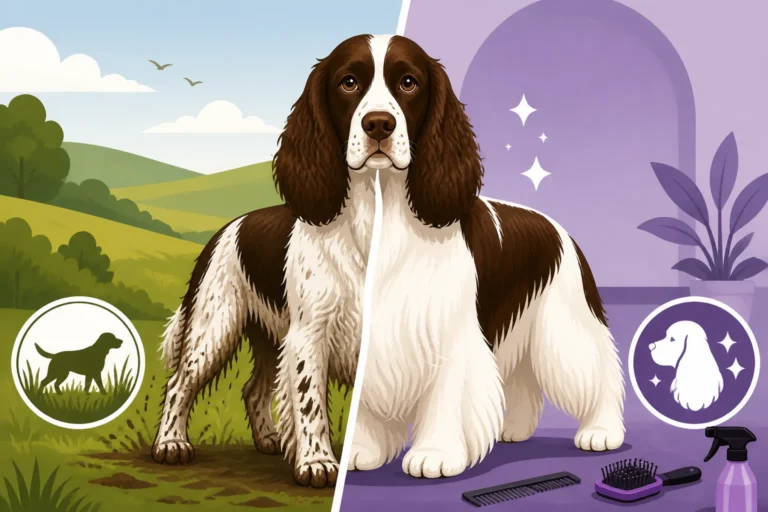
A Springer Spaniel's coat is a marvel of nature, featuring a dense undercoat for warmth and a longer, softer outer coat, especially visible in the "feathering" on their ears, chest, belly, and legs. This feathering is what gives them their classic, elegant look, but it's also incredibly efficient at gathering debris. Imagine walking through a brush with a long, flowing skirt – that's essentially what your Springer's legs and belly fur are doing. The fine, silky texture of this longer hair makes it particularly prone to tangling and knotting, creating perfect little pockets for thorns and burrs to latch onto.
For a field-bred Springer Spaniel, this coat is often a bit shorter and coarser, designed to offer some protection while being less likely to mat quite as severely as the denser, silkier coat of a show-bred Springer. However, even with a slightly shorter coat, the fundamental issue of dense undergrowth means debris is inevitable. The ears, in particular, are a constant source of worry, as their long, pendulous nature means they sweep the ground, collecting everything in their path. Whether you have a working dog or a couch potato, those distinctive long hairs are a fantastic net for all things pokey. You can learn more about how the two types differ in Two Breeds Registered as One: the Field and Show Springer Spaniel.
Common Culprits: Types of Thorns and Burrs Your Springer Will Encounter
The world is full of plants just waiting to snag your Springer's beautiful coat. From the innocent-looking but insidious burdock burr to the sharp, woody thorns of a blackberry bush, these botanical hazards are everywhere your Springer loves to explore. Think about where your dog naturally wants to investigate – the edge of the woods, dense hedgerows, tall grasses, neglected corners of a park. These are precisely the environments where thorny plants thrive.
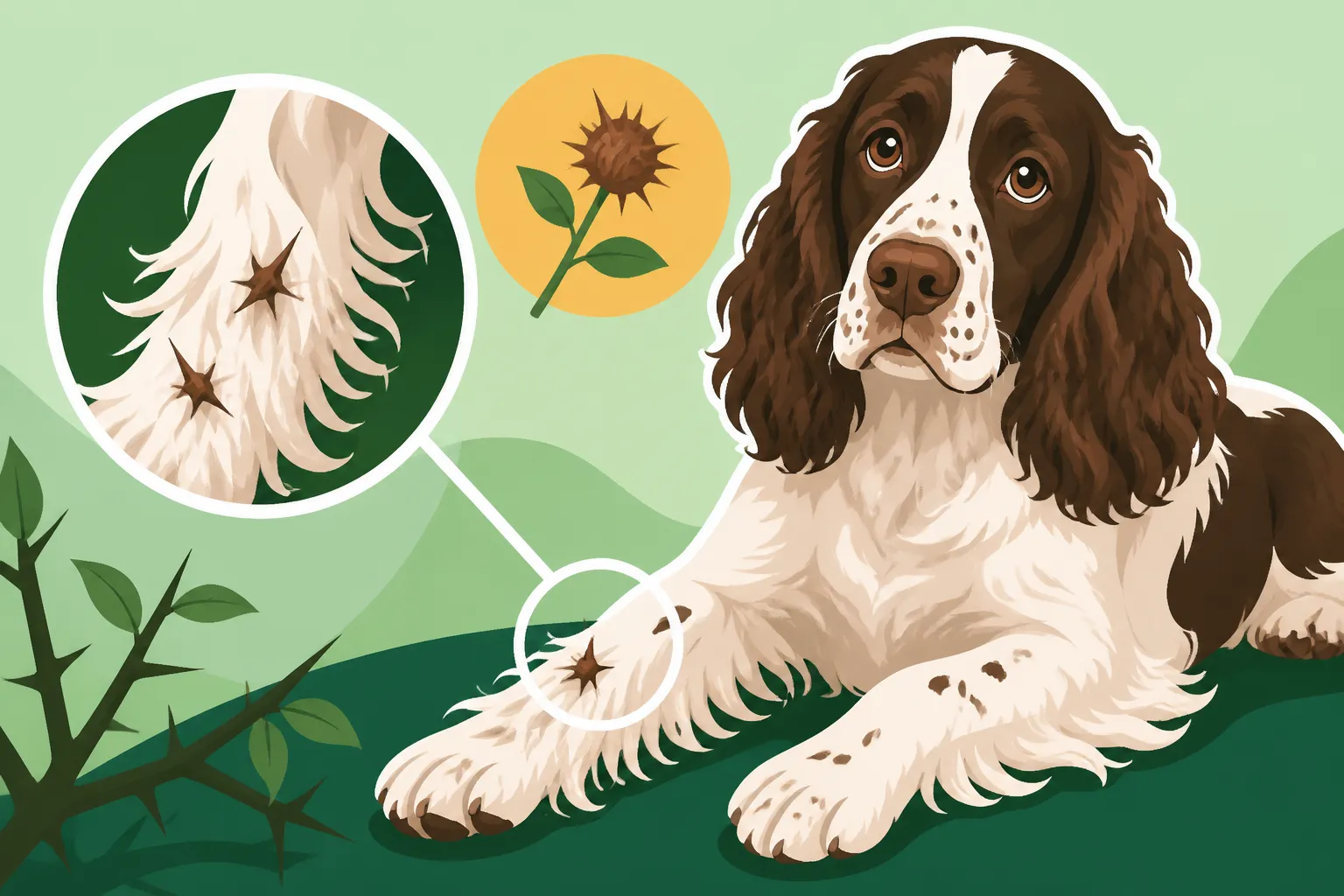
Burdock burrs, with their tiny, hooked barbs, are masters of entanglement. They seem almost designed to stick to fur, forming tight, stubborn clusters that can be incredibly difficult and painful to remove. Then there are the true thorns: the sharp, woody defenses of plants like roses, hawthorn, and especially those wild blackberry bushes that grow so vigorously in many areas. These can pierce the skin, causing immediate pain and potential injury. Thistle plants, with their spiky leaves and flower heads, are another common foe, easily breaking off and embedding in fur or skin. It's not just about the pain of the prick, but the way these items cling, twist, and pull on the delicate feathering, setting the stage for bigger problems down the line.
The Dangers Beyond a Prick: What Thorns Can Do to Your Springer Spaniel
A simple thorn might seem like a minor annoyance, but for a Springer Spaniel, especially one with extensive feathering, it can quickly escalate into a more serious issue. It's not just about that initial "ouch" moment; the consequences can range from localized irritation to significant skin problems and even lameness. Ignoring a thorn or burr in your Springer's coat is a bit like ignoring a small crack in a dam – it might seem insignificant now, but given time and pressure, it can lead to a flood of complications.
Skin Irritation and Infections: When a Thorn Goes Deeper
When a thorn or burr gets lodged in the feathering, it doesn't just sit there politely. It can scratch the skin underneath, creating tiny abrasions that are ripe for bacterial infection. If the thorn breaks off and becomes embedded, it acts like a foreign body, potentially leading to localized swelling, redness, and considerable pain. This can develop into an abscess, a painful pocket of pus that requires veterinary attention to drain and treat with antibiotics. You might notice your Springer constantly licking, chewing, or even guarding a particular spot, which are all red flags.
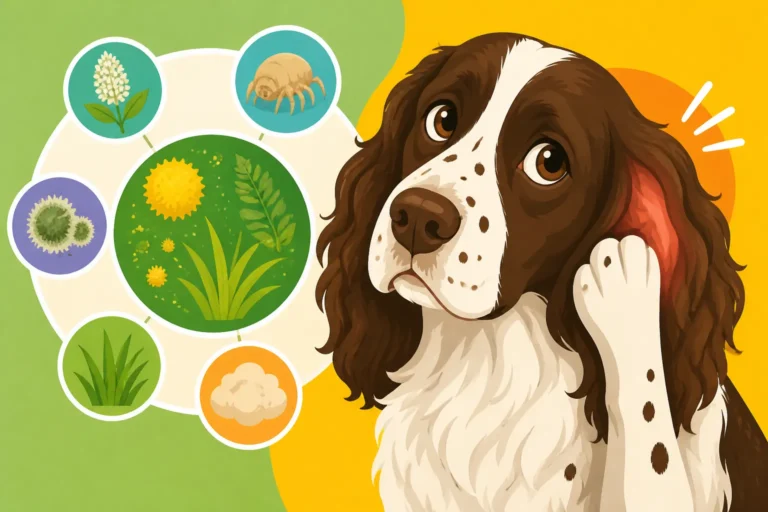
Furthermore, the continuous irritation from a thorn can trigger your dog to lick and chew excessively at the area. This self-trauma, in turn, can lead to what we commonly call a "hot spot" – a rapidly spreading, raw, weeping lesion that is incredibly itchy and painful. Hot spots can appear seemingly overnight, often starting from a tiny irritant like an embedded thorn or even an insect bite. They require immediate attention, as they can quickly grow and deepen, necessitating veterinary care, including cleaning, medication, and sometimes even a cone to prevent further licking. Issues like Whether a Springer Spaniel Gets Skin Allergies can exacerbate these problems, as their skin might already be predisposed to irritation.
Matting and Discomfort: The Tangled Mess
The presence of thorns and burrs in a Springer Spaniel's feathering is a fast track to severe matting. Those sharp, sticky objects act as anchors, drawing the fine hair together into tight, painful knots. Imagine a tiny knot forming, and then every movement, every shake, every roll in the grass makes it tighter, pulling on the skin. These mats are not just unsightly; they are incredibly uncomfortable and can restrict your dog's movement, especially around joints like the elbows, hocks, and armpits.
Areas like the chest, belly, behind the ears, and the "pantaloons" on the back legs are particularly vulnerable. Feathering mats (Whether a Springer Spaniel's Feathering Mats) quickly when foreign objects are introduced. As the mats tighten, they can pull on the skin so severely that it becomes inflamed, sore, and even bruised. In extreme cases, severe matting can cut off circulation to the skin, leading to skin necrosis in very rare instances, though this is usually only with hugely neglected coats. For any dog, especially an active Springer, freedom of movement is crucial, and mats make that impossible. They trap moisture and dirt against the skin, creating a breeding ground for yeast and bacteria, further contributing to skin problems and unpleasant odors. Sometimes, the only solution for severe matting is to shave the affected areas, which can be a difficult decision for owners who love their Springer's flowing coat.
Prevention and Protection: Keeping Your Springer Spaniel Thorn-Free
While it might seem like an uphill battle, there are definitely proactive steps you can take to minimize the number of thorns and burrs your Springer Spaniel collects. Prevention is always better than cure, especially when it comes to keeping your furry friend comfortable and happy. It's about being strategic in your outings and diligent in your daily care.
Proactive Grooming: Your First Line of Defense
Regular grooming is not just about aesthetics; it's a vital part of preventative health for a Springer Spaniel. Daily brushing, especially after any outdoor adventures, is your absolute best friend. Don't just skim the surface; you need to get deep into that feathering with a good quality slicker brush and then follow up with a metal comb to ensure you're catching any tiny burrs or nascent tangles before they escalate. Pay extra attention to the ears, armpits, and the long hair on the legs and belly. These are prime zones for entanglement. Which Brush Suits a Springer Spaniel is an important consideration here, as the right tool makes all the difference.
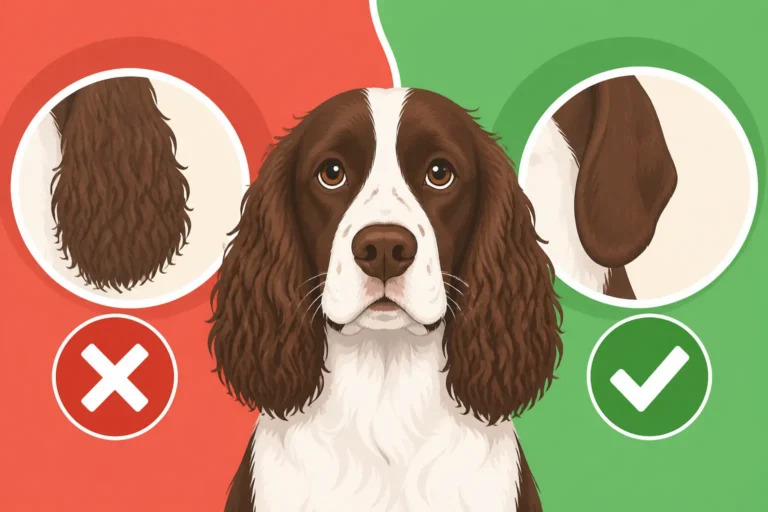
For many Springer owners, especially those with dogs that spend a lot of time in rough cover, strategic trimming of the feathering is an absolute game-changer. Keeping the longer hair on the legs, belly, and even the ears trimmed to a manageable length can drastically reduce the number of thorns and burrs that get picked up. This doesn't mean you have to sacrifice the Springer look entirely; it's about tidying up the areas most prone to trouble. Many owners opt for a "working clip" that shortens the hair in these high-traffic zones. You can find excellent clippers and thinning shears on sites like Amazon or Chewy, making it easier to maintain your dog's coat at home. For specific guidance on managing the show-type coat, you might find How Often a Show Springer Spaniel Needs Trimming helpful, even if you don't show your dog.
Protective Gear and Route Selection: Smart Strategies for Outdoor Adventures
Sometimes, avoiding thorny terrain isn't an option, especially if you have a working Springer Spaniel who lives for the hunt. In these scenarios, protective gear becomes incredibly valuable. A good quality protective vest can shield your dog's chest and belly from thorns, brambles, and other sharp debris. These vests are often made from durable, tear-resistant materials and are designed to allow full range of motion. For dogs working in heavy cover, this kind of protection is indispensable. Whether a Working Springer Spaniel Needs a Vest in Heavy Cover delves deeper into this topic.
Beyond gear, consider your walking routes. If you know there's a particularly thorny patch, can you go around it? Are there alternative paths that offer less dense undergrowth? It's about being mindful of the environment you're exposing your Springer to. Even if your dog isn't actively hunting, a casual stroll through an overgrown field can quickly turn into a burr-and-thorn collection mission. Sometimes, choosing paved paths or well-maintained parks for daily exercise can save you a lot of grooming time and your dog a lot of discomfort. Always do a quick visual check of the area before letting your Springer off-leash to romp.
Dealing with the Inevitable: Removing Thorns Safely
No matter how diligent you are with prevention, the reality is that if your Springer Spaniel spends any time outdoors, they're likely to pick up a thorn or two eventually. The key is to be prepared and know how to remove them safely and effectively, minimizing discomfort for your dog and preventing further complications. Think of it as a small, regular maintenance task, much like After the Hunt: Checking a Springer Spaniel Over Nose to Tail after a long day in the field.
The Post-Adventure Check-Up: A Head-to-Tail Inspection
This is arguably the most critical step. Every single time your Springer Spaniel comes in from an area where thorns or burrs might be present, you need to perform a thorough, head-to-tail inspection. This isn't just a quick pat; it's a methodical examination. Start at their head, gently feeling and parting the fur on their ears – both inside and out – then move down their neck, chest, and front legs, paying close attention to the armpits. Work your way along their back, down their belly, and especially through the dense feathering on their hind legs and tail.
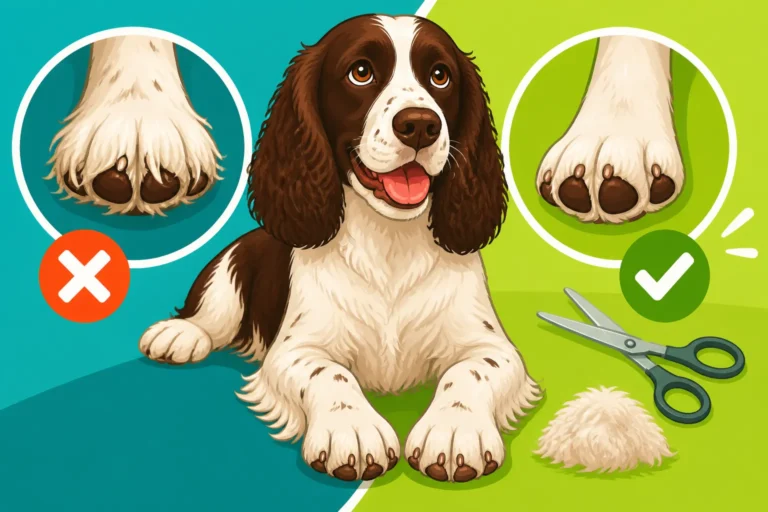
Don't forget their paws! Thorns can easily lodge between their paw pads or in the hair growing between the toes. Checking a Springer Spaniel's Feet After Working is crucial to prevent lameness or painful infections. When you find something, resist the urge to yank it out quickly. Instead, gently part the surrounding hair to get a clear view. Having a bright light, like a headlamp or a strong flashlight, can be incredibly helpful in spotting hidden culprits, especially on liver-and-white or black-and-white coats where contrast might hide them.
Gentle Removal Techniques and When to Seek Vet Help
Once you've located a thorn or burr, gather your tools: a pair of blunt-nosed tweezers, a fine-toothed comb, and maybe a small pair of blunt-tipped scissors if you need to carefully cut away matted hair around the object, rather than cutting the object itself. Always approach your dog calmly and gently. If they're prone to squirming, it might be a two-person job, with one person gently holding and reassuring your Springer, maybe distracting them with a delicious, high-value treat from a brand like Ollie.
For burrs, often a comb can help tease them out, starting from the tip of the feathering and working towards the skin, loosening the burr as you go. For thorns, if you can see the entire object, use the tweezers to grasp it firmly at its base, as close to the skin as possible, and pull it out slowly and steadily in the direction it went in. Once removed, check the area to ensure no part of the thorn broke off and remains embedded. Clean the area with a gentle antiseptic wash. Keep an eye on it for the next day or two for any signs of redness or swelling.
It's important to know when to call in the professionals. If a thorn is deeply embedded, if your dog is in significant pain and won't let you touch the area, if you suspect a piece of the thorn has broken off and remains under the skin, or if you notice any signs of infection (pus, persistent swelling, lameness, or a spreading hot spot) after removal, it's time for a vet visit. Don't try to dig for embedded thorns yourself, as you could push them deeper or cause more damage. Your veterinarian has the tools and expertise to safely remove foreign bodies and address any resulting infections. You can read more about dealing with similar issues in Burrs, Ticks and Grass Awns in a Working Springer Spaniel.
| Hazard Type | Common Locations | Risk to Springer Spaniel | Removal Method | When to See a Vet |
|---|---|---|---|---|
| Burdock Burrs | Feathering (ears, legs, belly), tail, undercoat | Matting, skin irritation from pulling | Comb, fingers, gentle detangling spray | If severely matted, causing pain, or skin irritation |
| Thorns (e.g., Blackberry, Rose) | Feathering, skin, paw pads | Puncture wounds, cuts, embedded fragments, infection, abscess | Tweezers (grasp base, pull straight out) | If deeply embedded, bleeding heavily, signs of infection, lameness, or won't allow removal |
| Thistle Spikes | Feathering, skin | Puncture wounds, embedded tiny spikes, irritation | Tweezers, careful combing | If numerous, embedded, or causing persistent irritation/infection |
| Grass Awns (Foxtails) | Between paw pads, ears, nose, eyes, under feathering | Migrate under skin, serious infection, abscess, internal damage | Immediate vet attention often required if migrating | Always for suspected migration or deep embedding |
Disclaimer
This article is for general informational purposes only and does not constitute professional advice. Laws, prices and regulations vary by location and change over time. Consult a qualified professional for guidance on your specific situation.