Whether Fish Oil Calms a Springer Spaniel’s Skin
Few things are quite as heartbreaking for a Springer Spaniel owner as watching your beloved dog constantly scratch, lick, and chew at their skin. That endless irritation isn't just annoying; it's a clear sign of discomfort, and it often leaves you feeling helpless, frantically searching for anything that might offer relief. This guide is dedicated to exploring whether fish oil, a supplement many people swear by for themselves, can genuinely calm your Springer Spaniel's irritated skin and bring back some much-needed peace to their itchy existence.
The Frustration of Itchy Springer Spaniel Skin
If you've got a Springer Spaniel, you've likely encountered some kind of skin or coat issue. Their beautiful, often dense coats and those lovely, long drop ears, while quintessential to the breed's charm, can also be a magnet for trouble. From persistent scratching to hot spots that seemingly appear overnight, the challenges of maintaining healthy skin and a comfortable coat for our Springers are very real. It’s not just an aesthetic problem; chronic itching can truly diminish their quality of life, leading to secondary infections, hair loss, and even behavioral changes due to discomfort.
Why Springer Spaniels Are Prone to Skin Woes
Our Springers, bless their energetic souls, seem particularly susceptible to a range of skin issues. It's often a combination of genetics, their active lifestyles, and specific environmental factors that all conspire to create a perfect storm for skin irritation. You might find yourself constantly battling issues that other breeds seem to shrug off with ease.
First off, their dense double coat, while fantastic for keeping them warm and protected in the field, can also trap moisture, allergens, and parasites close to the skin. This creates a warm, humid environment that's just begging for bacterial or yeast overgrowth. Then there are those iconic floppy ears. Their long ear leathers restrict airflow, making the ear canals another prime spot for moisture and warmth to build up, leading to recurrent ear infections that often manifest with skin irritation around the ear flap and incessant scratching. If you've ever had a Springer whose ears seem to constantly be a problem, you're not alone. We've talked extensively about Why a Springer Spaniel's Ears Are Never Quite Healthy and how to manage those ongoing battles.
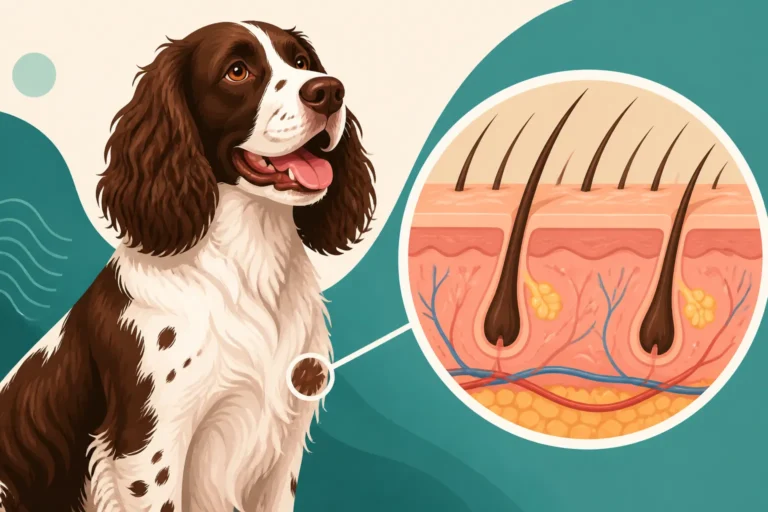
Beyond these structural predispositions, Springer Spaniels, like many purebred dogs, can inherit sensitivities. Allergies, whether environmental (pollen, dust mites, grass) or food-related, are incredibly common. Trying to pinpoint the exact trigger can feel like detective work worthy of a private investigator, complete with endless vet visits and dietary changes. You might notice your dog licking their paws incessantly, rubbing their face, or developing red, inflamed patches on their belly or inner thighs. These are all common signs that something beneath The Skin Under a Springer Spaniel's Coat is causing a ruckus.
The Misery of Chronic Itching
Watching your Springer scratch until their skin is raw, or lick their paws until they're stained dark with saliva, is truly distressing. It’s not just a passing itch; it can be an all-consuming discomfort that affects their mood, their sleep, and their willingness to engage. A dog that's constantly scratching isn't a happy dog. This chronic irritation can lead to secondary problems, like bacterial skin infections (pyoderma) or yeast infections, which then compound the problem, creating a vicious cycle of itching, scratching, and infection.
The signs can be varied and sometimes sneaky. Of course, there's the obvious scratching and licking. But also look for redness, flaking skin, a greasy or dull coat, a peculiar odor, or even aggression if they're touched in a sensitive, itchy spot. Sometimes, the first sign you notice is the sound of them chewing their feet under the bed at 3 AM. Hot spots, those rapidly growing, oozing lesions, are another common manifestation, often triggered by intense licking or scratching at a particularly itchy area. These can be incredibly painful and require immediate veterinary attention. We've certainly shared our experiences with Hot Spots Under a Springer Spaniel's Feathering and how quickly they can take hold.
It’s crucial to remember that your Springer isn't doing this to annoy you. They're genuinely uncomfortable, and it's our job to try and alleviate their suffering. This often means exploring various avenues, and for many owners, fish oil emerges as a potential source of relief.
The Power of Omega-3s: How Fish Oil Supports Skin Health
When we talk about fish oil for skin health, we're really focusing on the incredible benefits of Omega-3 fatty acids, specifically EPA (eicosapentaenoic acid) and DHA (docosahexaenoic acid). These aren't just trendy supplements; they're essential nutrients that play a fundamental role in reducing inflammation throughout the body, including the skin.
Omega-3s: Nature's Anti-Inflammatories
Think of Omega-3s as tiny, diligent workers within your Springer's body, helping to calm down the inflammatory responses that lead to itchy, irritated skin. When your dog has allergies or other skin sensitivities, their immune system can overreact, releasing inflammatory chemicals that cause redness, swelling, and that persistent itching. EPA and DHA work by modulating this immune response, essentially telling the body to "turn down the volume" on inflammation.
These fatty acids are incorporated into cell membranes, where they influence the production of signaling molecules called eicosanoids. The eicosanoids derived from Omega-3s are generally less inflammatory than those derived from Omega-6 fatty acids (which are often abundant in typical pet diets). By shifting the balance, fish oil helps create a more anti-inflammatory environment in the skin, reducing the intensity of allergic reactions and other irritations. This doesn't just mask the symptoms; it actively works at a cellular level to promote healthier skin from the inside out.
The Source Matters: Quality and Purity
Not all fish oils are created equal, and this is a really important point when you're looking to help your beloved Springer. The quality and purity of the fish oil supplement can significantly impact its effectiveness and safety. You want a product that's high in EPA and DHA, and crucially, free from contaminants.
- Source: Look for fish oils derived from cold-water, fatty fish like salmon, mackerel, sardines, and anchovies. These fish naturally have higher concentrations of EPA and DHA. Some brands, readily available on platforms like Amazon or Chewy, will clearly state their sourcing.
- Purity: Fish can accumulate toxins like heavy metals (mercury) and PCBs (polychlorinated biphenyls) from the environment. Reputable manufacturers will put their products through molecular distillation to remove these impurities. Always look for certifications or statements on the label indicating third-party testing for contaminants.
- Concentration: Check the label for the actual amounts of EPA and DHA per serving, not just the total fish oil amount. A higher concentration means you're getting more of the active ingredients without having to give your dog a huge volume of oil, which can lead to digestive upset.
- Formulation: Fish oil comes in liquid form or capsules. Liquid can be easier to administer by drizzling it over food, but capsules might offer better protection against oxidation, which can degrade the oil and make it less effective. If using liquid, store it in an opaque, airtight container in the refrigerator to keep it fresh.
When choosing a supplement, consider brands that specifically formulate for pets, as they often have appropriate concentrations and safety standards. However, many human-grade fish oil supplements are also perfectly safe for dogs, provided they meet the purity and concentration criteria and don't contain other ingredients harmful to dogs. Always, always check the label.
Integrating Fish Oil into Your Springer's Care Routine
Adding a new supplement to your Springer's diet should always be a thoughtful process, ideally in consultation with your veterinarian. While fish oil is generally safe, getting the dosage right and understanding what to expect is key to seeing positive results.
Determining the Right Dosage
This is where your vet comes in. There isn't a one-size-fits-all dosage for fish oil, as it depends on your dog's size, weight, and the severity of their skin condition. Too little, and you might not see any benefit; too much, and you could encounter side effects. Your vet can provide guidance based on the specific EPA and DHA content of the product you choose. They might recommend starting with a lower dose and gradually increasing it to allow your Springer's system to adjust.
It's tempting to eyeball it or just follow generic package instructions, but remember, every dog is an individual. What works for one Springer might not be ideal for another. Moreover, if your Springer is on any other medications, particularly blood thinners, your vet will need to confirm there are no potential interactions.
Patience is a Virtue: Setting Realistic Expectations
Fish oil isn't a quick fix. It works by gradually building up in your dog's system and reducing inflammation over time. You're unlikely to see dramatic changes overnight, or even within a week. Most owners report noticing improvements in their Springer's skin and coat quality after several weeks, or even a couple of months, of consistent supplementation.
What should you look for?
- Reduced scratching and licking: This is often the first and most welcome sign.
- Less redness and inflammation: The skin might appear less irritated.
- Improved coat quality: A shinier, softer coat, and potentially less shedding.
- Fewer dry flakes: Indications of healthier, more hydrated skin.
- Decreased ear irritation: If allergies are contributing to ear issues, you might see some improvement. This links directly to topics like Whether a Springer Spaniel's Ear Infection Recurs.
Keep a journal or use a simple chart to track your observations. Note how often your dog scratches, the appearance of their skin, and any changes in their coat. This objective tracking can help you and your vet assess the effectiveness of the fish oil.
A Holistic Approach to Skin Health
While fish oil can be a powerful ally, it's most effective when integrated into a comprehensive approach to managing your Springer's skin health. Think of it as one crucial piece of a larger puzzle.
- Dietary Considerations: Beyond fish oil, a high-quality, balanced diet is fundamental. Some Springers respond well to novel protein diets or limited ingredient diets if food allergies are suspected. Brands like Ollie, which offer fresh, human-grade food, might provide an inherently better Omega-3 to Omega-6 balance than some commercial kibbles, contributing to overall skin health. We've certainly seen positive changes in Whether Fresh Food Changes a Springer Spaniel's Skin. If you're exploring food allergies, understanding Telling a Food Itch From a Pollen Itch in a Springer Spaniel is crucial, and your vet might suggest Running an Elimination Diet on a Springer Spaniel.
- Grooming and Hygiene: Regular bathing with a gentle, moisturizing shampoo can help remove allergens and soothe irritated skin. For Springers, consistent grooming, especially of their feathering and ears, is non-negotiable. Keeping them free of mats helps air circulate to the skin and prevents skin problems from festering.
- Allergy Management: If environmental allergies are the main culprit, fish oil can help, but other strategies might also be necessary, such as allergy medications, immunotherapy, or simply reducing exposure to known allergens where possible. Understanding Whether a Springer Spaniel Gets Skin Allergies can guide these discussions with your vet.
- Parasite Control: Fleas, ticks, and mites can all cause intense itching. Ensure your Springer is on an effective, year-round parasite prevention program. Even one flea can trigger a massive allergic reaction in a sensitive dog.
- Environmental Control: Regular vacuuming, washing bedding, and using air purifiers can help reduce indoor allergens like dust mites and dander, which might be irritating your dog's skin.
Potential Downsides and Important Considerations
As wonderful as fish oil can be, it's not without its potential drawbacks or situations where extra caution is warranted. Being informed about these can help you use it safely and effectively.
Possible Side Effects
While generally safe, giving too much fish oil or introducing it too quickly can lead to a few issues:
- Gastrointestinal Upset: The most common side effect is mild digestive upset, such as loose stools, diarrhea, or an oily coat (which is often related to the digestive system not processing the excess oil efficiently). Starting with a lower dose and gradually increasing it can help prevent this.
- "Fishy Breath": Not exactly a side effect, but certainly a common observation! Your Springer might have fishy-smelling breath, or their burps might smell fishy. This is usually harmless but might require a little extra teeth brushing or a different form of supplement.
- Weight Gain: Fish oil is calorie-dense. If you're adding it to your Springer's diet without adjusting their food intake, they could gain weight. This is especially important for breeds like Springers who can sometimes struggle to maintain an ideal weight, particularly as they age or if their activity levels drop. Keep an eye on their waistline, and remember that coat changes (Whether an Old Springer Spaniel's Coat Changes) might also mean their metabolism is slowing down.
- Blood Thinning: At very high doses, Omega-3s can have a mild blood-thinning effect. This is usually not a concern for healthy dogs but could be problematic for Springers undergoing surgery or those on other anticoagulant medications. This is another critical reason to consult your vet about dosage.
- Vitamin E Depletion: Omega-3 fatty acids are polyunsaturated, making them susceptible to oxidation. Some veterinarians recommend supplementing with Vitamin E when giving fish oil to prevent potential depletion of this important antioxidant, especially with long-term use. Again, your vet can advise if this is necessary for your particular Springer.
Interactions with Medications
It's vital to inform your veterinarian about all supplements and medications your Springer Spaniel is taking. Fish oil, as mentioned, can have a mild blood-thinning effect, which could theoretically interact with other medications that affect blood clotting. If your dog has a known bleeding disorder, or is on drugs like NSAIDs (non-steroidal anti-inflammatory drugs) or corticosteroids for their skin condition, discussing fish oil supplementation with your vet is non-negotiable. They can help you navigate these interactions and ensure your Springer's safety.
For many Springer Spaniel owners, fish oil can be a valuable tool in the battle against itchy, irritated skin. It's not a miracle cure, but its anti-inflammatory properties can genuinely contribute to a calmer, healthier coat and happier dog. Remember to prioritize quality, consult your vet for personalized dosage advice, and integrate it into a holistic approach to your Springer's overall well-being. Your diligent efforts will be rewarded with a less itchy, more comfortable companion.
| Omega-3 Source | Key Benefits for Springer Spaniels | Considerations |
|---|---|---|
| Fish Oil | High EPA/DHA, anti-inflammatory, supports coat health. Reduces dryness and itching. | Purity concerns (heavy metals). Potential for fishy breath/burps. Calorie-dense. |
| Krill Oil | Good EPA/DHA, often absorbed well due to phospholipid form. Contains astaxanthin (antioxidant). | Typically more expensive than fish oil. Sustainably sourced important. |
| Algae Oil | Vegan source of DHA (some contain EPA). No fish allergens, sustainable. | Usually lower in EPA unless specifically formulated. May be more expensive. |
| Flaxseed Oil | Contains ALA (alpha-linolenic acid), which dogs must convert to EPA/DHA. | Conversion rate to active EPA/DHA is very low in dogs, so less effective for inflammation. |
Disclaimer
This article is for general informational purposes only and does not constitute professional advice. Laws, prices and regulations vary by location and change over time. Consult a qualified professional for guidance on your specific situation.