Whether a Springer Spaniel’s Coat Is Waterproof
Many Springer Spaniel owners, especially those new to the breed or those who love seeing their dogs dive headfirst into every puddle and pond, often wonder if their beloved companion's beautiful coat truly offers a waterproof shield. It's a common frustration to have a dog emerge from a swim looking like a drowned rat, or to spend ages towel-drying only to find them still damp to the touch hours later. This guide will delve into the realities of a Springer Spaniel's coat, explaining its unique properties, how it interacts with water, and what you can do to keep your active dog comfortable and healthy, even after the muddiest and wettest adventures.
The Design of a Springer Spaniel's Coat
A Springer Spaniel's coat isn't just for show; it's a marvel of natural engineering, specifically designed to protect them in the demanding environments they were bred to work in. Understanding its structure is key to appreciating its water-shedding capabilities.
The Double Coat Advantage
Like many sporting breeds, Springer Spaniels are equipped with a dual-layer coat. This isn't a fashion statement; it's a functional design that serves multiple purposes. The outer layer consists of coarser, slightly wavy guard hairs. These hairs are robust and somewhat water-repellent, acting as the first line of defense against rain, snow, and surface water. Think of it like a natural rain jacket, designed to shed moisture off the body. This protective layer also helps deflect thorns, burrs, and other debris they encounter while "springing" game in thick cover.
Beneath this resilient outer coat lies the dense, soft undercoat. This fluffy layer is designed primarily for insulation. It traps air close to the dog's body, providing warmth in cold weather, and surprisingly, also helps regulate body temperature in warmer conditions. When wet, this undercoat can become saturated, but its primary function is not water repellency itself, but rather thermal regulation. It's a crucial component for a dog that might be working in icy water or snowy fields for extended periods.
Natural Oils and Their Function
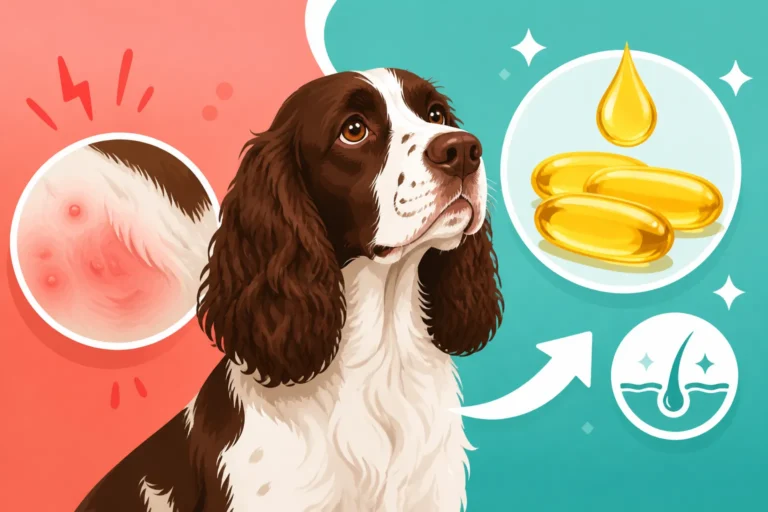
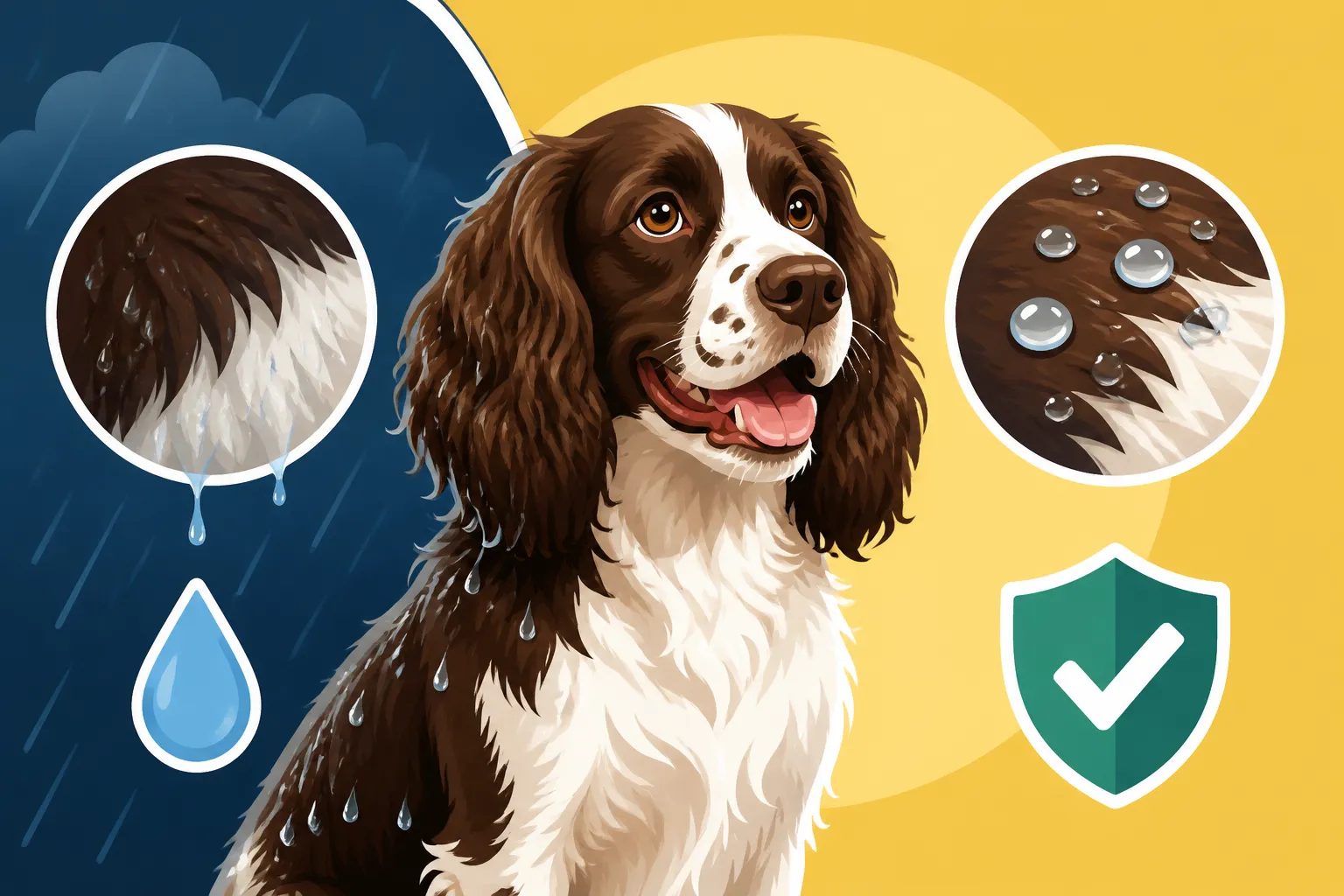
The effectiveness of a Springer Spaniel's coat isn't solely about its physical structure; it's also heavily dependent on the natural oils produced by their skin. These sebaceous oils coat both the guard hairs and the undercoat, enhancing their water-resistant properties. The oils create a natural barrier, causing water to bead up and roll off the coat rather than soaking through to the skin. This is why a healthy, well-maintained coat will often look like it's shedding water right off the dog's back.
These oils are essential for keeping the skin healthy and moisturized, preventing dryness and irritation. However, they can also pick up dirt and odors, which means a balance must be struck when it comes to bathing. Over-bathing with harsh shampoos can strip these vital oils, diminishing the coat's natural water resistance and potentially leading to skin problems. Regularly checking your dog's skin and coat, especially around the ears and belly, can help you monitor their health. The Skin Under a Springer Spaniel's Coat offers more insights into this important aspect of their care.
How "Waterproof" a Springer Spaniel's Coat Really Is
It's tempting to think of a working dog's coat as completely waterproof, but it's more accurate to describe it as highly water-resistant. There's a significant difference that impacts how you care for your dog.
Water Resistance vs. Waterproofing
True waterproofing, like that found in modern synthetic materials, means no water can penetrate, regardless of pressure or duration. A Springer Spaniel's coat, while exceptional, doesn't quite meet this standard. It excels at repelling water, especially light rain or quick dips. The guard hairs and natural oils work together to prevent most surface moisture from reaching the skin. You'll often see water beading on their coat, much like rain on a waxed car.
However, prolonged exposure to water, particularly submersion or intense swimming, will eventually saturate the undercoat. Once the undercoat gets wet, it can take a considerable amount of time to dry, as the dense hairs hold onto moisture. This is especially true for the "feathering" on their legs, chest, and belly, which can become heavy and waterlogged. So, while their coat provides excellent protection for short bursts in wet conditions, it's not designed to keep them completely dry after an hour-long swim in a lake.
Factors Affecting Coat Performance
Several factors can influence how well your Springer Spaniel's coat repels water. Understanding these can help you better manage their coat health.
- Coat Condition: A healthy, clean, and unmatted coat will always perform better than a neglected one. Mats can pull hair, create pockets where water can get trapped, and prevent the natural oils from distributing effectively. Regular brushing helps distribute these oils and remove dead hair.
- Genetics and Type: While both field and show-bred Springer Spaniels have double coats, there can be subtle differences. Field-bred dogs often have a slightly coarser, less profuse coat, which can be more efficient at shedding water and debris, making them quite hardy in the field. Show-bred Springers, with their typically longer and heavier feathering, might accumulate more water and take longer to dry in those areas, even if their main body coat is effective. For more on these differences, check out How a Field Bred Springer Spaniel Differs in Drive.
- Grooming Practices: As mentioned, harsh shampoos strip oils. Over-clipping the guard hairs can also reduce their protective qualities. Keeping the coat in good condition through appropriate grooming is paramount.
- Environmental Factors: The type of water matters. Swimming in a muddy pond or lake can introduce more debris and organic matter that clings to the coat, potentially making it harder for water to shed and extending drying times. Whether a Springer Spaniel Should Be Rinsed After a Lake covers this topic in more detail.
Managing a Wet Springer Spaniel
Even with their amazing water-resistant coats, Springers will get wet. Knowing how to properly dry and care for them afterward is crucial for their health and comfort.
Drying Your Springer Effectively
After a swim or a rainy walk, getting your Springer Spaniel dry quickly and thoroughly is essential. Leaving them damp can lead to skin irritations, hotspots, and even exacerbate ear infections due to trapped moisture.
Start by rough-towel drying, pressing and squeezing out as much water as possible from the feathering and main body coat. Don't rub vigorously, as this can tangle the coat. For a deeper dry, especially after a full swim, a high-velocity dog dryer can be a game-changer. These dryers blast water out of the coat rather than just blowing hot air, significantly reducing drying time. If you don't have a dedicated dog dryer, a regular hairdryer on a cool or low-heat setting can work, but always keep it moving to avoid overheating any one spot. Pay particular attention to the dense undercoat and the feathering. Products like super-absorbent towels, often found on Chewy or Amazon, can also make a big difference in the initial drying phase.
Preventing Related Issues
The joy of a wet Springer can quickly turn into concern if you're not diligent about preventing common issues.
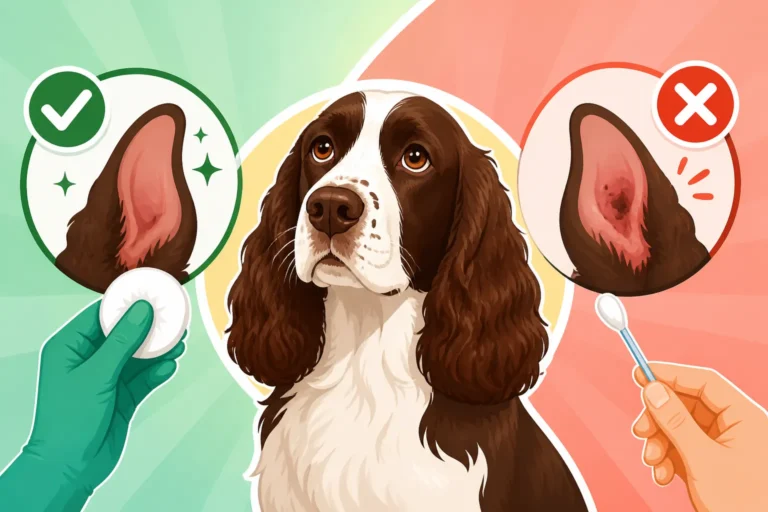
One of the biggest concerns for a breed with drop ears is ear infections. Their long, floppy ears trap moisture and create a warm, dark environment perfect for yeast and bacteria to thrive. Always dry your Springer's ears thoroughly after any water exposure. Use cotton balls or a soft cloth to gently wipe the visible parts of the ear canal and the underside of the ear flap. An ear-drying solution, sometimes available on Amazon or through your vet, can be helpful. For more comprehensive advice, see Drying a Springer Spaniel's Ears After Swimming and Why a Springer Spaniel's Ear Traps Moisture.
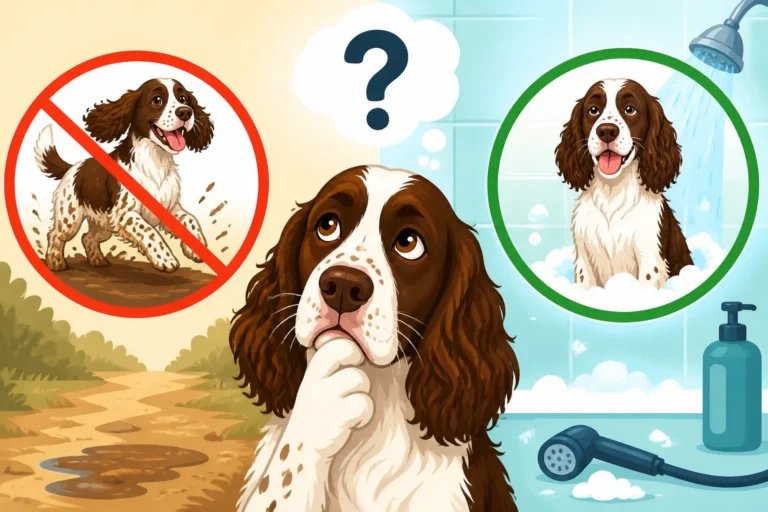
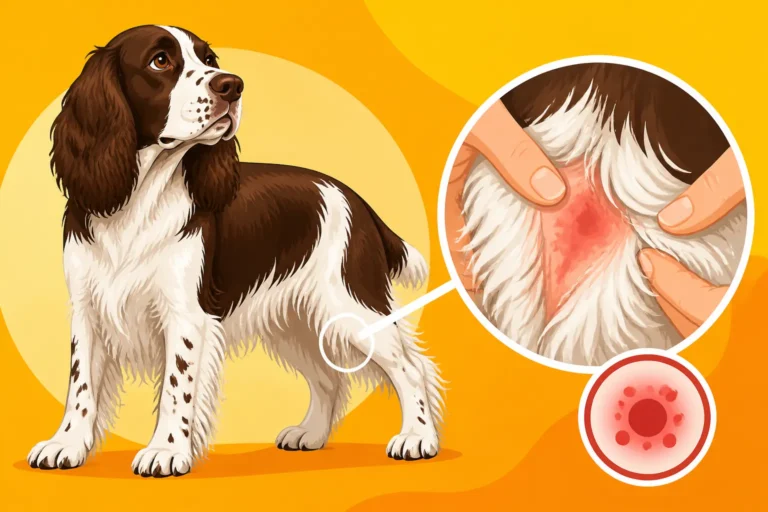
Beyond ears, dampness can lead to skin issues. Hot spots, bacterial skin infections, and fungal problems can all arise from prolonged moisture against the skin, especially in dense areas or where mats occur. Ensure their bedding is dry, and if they've been in dirty water, a quick rinse-off with clean water before drying is always a good idea. For field dogs, a thorough check for Burrs, Ticks and Grass Awns in a Working Springer Spaniel is also vital.
Gear for Water Work
For Springers who love water, a few pieces of gear can make managing their adventures easier and safer. A good quality neoprene vest can provide extra warmth in cold water, prevent chilling, and offer some protection from abrasions in thick cover. These are particularly useful for working dogs or those who swim in cooler climates. Whether a Springer Spaniel Needs a Neoprene Vest for Water dives into this further.
After the water, specialized drying towels or even a dog robe can help absorb moisture rapidly and contain some of the initial wetness and shaking before they come into the house or vehicle. Consider keeping a dedicated "wet dog kit" in your car or by the back door, including towels, ear cleaner, and a brush for quick post-adventure clean-ups.
The Role of Grooming in Coat Health and Water Resistance
Grooming isn't just about making your Springer Spaniel look tidy; it's fundamental to maintaining the functional integrity of their coat, including its water-resistant qualities.
Brushing and Maintenance
Regular brushing is paramount for a Springer Spaniel's coat. It removes loose hair, prevents mats and tangles, and helps distribute the natural oils that contribute to water resistance. For a field-bred Springer, daily brushing, especially after outdoor excursions, will keep their coat in top condition. For a show-bred Springer with more feathering, even more diligent brushing is required to prevent tangles from forming and turning into painful mats.
A slicker brush and a metal comb are indispensable tools. The slicker brush helps remove dead undercoat, while the comb is excellent for working through feathering and checking for any developing mats. Mats not only trap water but also reduce air circulation, which can lead to skin problems. Brushing also stimulates the skin, promoting healthy oil production. Which Brush Suits a Springer Spaniel can help you choose the right tools for your dog.
Bathing Practices
While those natural oils are fantastic for water resistance, they can also pick up dirt and odors. So, bathing is necessary, but it needs to be done thoughtfully. The goal is to clean the coat without stripping away those essential oils. Use a gentle, dog-specific shampoo. If your dog has a particularly oily coat or is prone to skin issues, a specialized shampoo might be recommended by your vet or groomer.
The frequency of bathing depends on your dog's lifestyle. A working Springer Spaniel might need bathing more often than a pet Springer who primarily enjoys walks in the park. How Often a Working Springer Spaniel Needs Washing explores this topic. Always rinse thoroughly to ensure no shampoo residue is left behind, as this can irritate the skin and dull the coat. After bathing, follow the effective drying methods discussed earlier to prevent issues.
When to Seek Professional Grooming Advice
Sometimes, despite your best efforts, you might encounter coat challenges that require professional help. If your Springer Spaniel's coat seems to be losing its water-repellent qualities, becoming excessively greasy, or developing persistent mats, a professional groomer can offer valuable advice. They can assess the coat condition, suggest appropriate products, and demonstrate proper grooming techniques.
For instance, understanding how to properly trim a Springer Spaniel's feathering can make a huge difference in managing their coat and preventing it from becoming a magnet for mud and debris. A professional groomer can also advise on appropriate trimming schedules for different coat types and lifestyles. When looking for products like specific conditioners or detangling sprays, reputable online pet stores like Chewy or Amazon often carry a wide range based on professional recommendations. Ollie, while primarily a fresh food service, emphasizes overall canine health, which includes skin and coat quality, so a discussion with them about nutrition's role in coat health could also be beneficial.
Here's a quick overview of how different coat aspects interact with water:
| Coat Characteristic | Water Interaction | Typical Impact | Care Tip |
|---|---|---|---|
| Outer Coat (Guard Hairs) | Repels light rain & surface water efficiently | Keeps inner layers drier initially | Regular brushing to maintain integrity; avoid harsh clipping. |
| Undercoat (Dense, Soft) | Insulates by trapping air; absorbs water when saturated | Provides warmth; becomes heavy & takes time to dry when wet | Thorough drying with high-velocity dryer after deep wets. |
| Natural Oils | Creates a hydrophobic barrier, causes water to bead | Enhances water resistance & skin health | Use gentle shampoos; avoid over-bathing to preserve oils. |
| Feathering (Legs, Chest) | Collects water & mud easily; can wick moisture to skin | Gets heavy, cold, and prone to matting | Trim feathering to a manageable length; always dry thoroughly. |
| Mats & Tangles | Traps water against the skin; hinders natural shedding | Leads to skin irritation, hot spots, prolonged dampness | Daily brushing, especially after outdoor activities. |
Your Springer Spaniel's coat is a fantastic, functional asset, but it requires understanding and consistent care to perform at its best. By appreciating its structure and maintaining it properly, you can ensure your adventurous companion stays comfortable, healthy, and ready for their next splash.
Disclaimer
This article is for general informational purposes only and does not constitute professional advice. Laws, prices and regulations vary by location and change over time. Consult a qualified professional for guidance on your specific situation.