Whether a Springer Spaniel’s Nails Wear Down Working
One common misconception among English Springer Spaniel owners, especially those with active or working dogs, is that constant running and scrambling through various terrains will naturally keep their dog's nails perfectly trim. It’s a lovely thought, isn't it? The reality, however, is often quite different, and relying solely on activity to manage nail length can lead to painful problems for your eager companion. This guide will walk you through why working might not be enough and what you really need to do to keep your Springer's paws healthy and happy.
The Misconception: Why Working Isn't Always Enough for Springer Spaniel Nails
It's easy to assume that a dog that spends hours each day bounding through fields, navigating dense cover, or hitting the pavement on walks would file down their nails naturally. After all, that's how wild canids manage their nail length, right? They're constantly on the move, digging, running over rough ground. For a Springer Spaniel, a breed known for its tireless energy and desire to work, this assumption feels even more logical. You see them cover miles in a day, flushing game or retrieving dummies, and think, "Surely their nails are getting a workout too!"
The Truth About Terrain and Nail Wear
The effectiveness of terrain in wearing down nails largely depends on the type of terrain and the consistency of exposure to it. Think about your own fingernails – walking on carpet isn't going to file them down, but scrubbing a rough surface might. It's the same for your Springer. Soft ground, like grassy fields, mud, or even packed dirt found in many hunting covers, does very little to abrade a dog's nails. These surfaces allow the nails to sink in or simply glide over without much friction.
Even hard surfaces aren't a guaranteed fix. While a brisk walk on concrete sidewalks or asphalt can certainly help, how often is your working Springer truly pounding the pavement for long stretches? Most working dogs spend their time in natural environments – forests, marshes, fields – where the ground is softer and more forgiving on paws, but less effective on nails. Even if they occasionally cross a gravel path or a short stretch of road, it's rarely enough to counteract the natural growth rate of their nails. Without that consistent, abrasive contact, those nails keep growing, curling, and eventually causing issues. This is why even the most dedicated Working Springer Spaniel Wears Out Its Joints but still needs nail care.
The Role of Genetics and Nail Growth
Just like humans, individual dogs can have different nail growth rates and nail textures. Some Springer Spaniels might naturally have harder, faster-growing nails, while others might have softer nails that wear a bit more easily. These genetic predispositions play a significant role. Even if two Springers have identical activity levels and terrain exposure, one might still develop overgrown nails faster than the other. This individual variability means you can't rely on a "one size fits all" approach or simply hope their activity will do the job. Each dog requires individual attention to their nail health, which is a crucial part of The Daily Routine a Springer Spaniel Actually Needs.
The Hidden Dangers of Overgrown Nails for an Active Springer
Long nails aren't just an aesthetic issue; they can significantly impact your Springer Spaniel's health, comfort, and performance, especially for a dog that's built for movement and agility. The problems can range from immediate discomfort to long-term orthopedic issues.
Impact on Gait and Joint Health
Imagine trying to walk or run with shoes that are several sizes too small, or constantly stubbing your toes. That's a bit like what a Springer Spaniel experiences with overgrown nails. As the nails grow longer, they push the toes upwards and back, forcing the foot into an unnatural position. This shift in posture changes the way the dog stands and distributes its weight. Over time, this constant pressure and abnormal alignment can lead to significant discomfort and strain on the toe joints, pasterns (the equivalent of a dog's wrist/ankle), and even higher up in the legs, contributing to problems like Hip Dysplasia in a Springer Spaniel or exacerbating existing joint issues.
A Springer that's supposed to be light-footed and agile in the field will become hesitant, awkward, and potentially painful with long nails. Their natural "spring" in their step diminishes, making them less efficient and more prone to injuries when jumping or traversing uneven ground. This can be particularly detrimental to a working dog whose job relies on speed and endurance. Over time, this chronic strain can contribute to the early onset or worsening of conditions like Arthritis in an Older Springer Spaniel, significantly impacting their quality of life as they age.
Increased Risk of Injury and Infection
Long nails are inherently more vulnerable to injury. Picture your Springer tearing through thick brush or jumping over obstacles in the field. Those extra-long nails are far more likely to get caught, snagged, or torn. A torn nail is incredibly painful, often bleeding profusely, and can easily become infected. Imagine the dirt and debris from the field getting into an open wound at the base of the nail – it's a recipe for bacterial infection, which can be difficult to treat and might even require veterinary intervention, including antibiotics or even surgical removal of the damaged nail.
Dewclaws, if present, are particularly susceptible. These nails don't make contact with the ground, so they never wear down naturally, regardless of activity level. If left untrimmed, they can grow in a full circle and eventually embed themselves into the dog's own leg, causing excruciating pain and infection. Regular checks after a day in the field, as part of After the Hunt: Checking a Springer Spaniel Over Nose to Tail, should always include inspecting dewclaws.
| Nail Condition | Potential Problem | Impact on Springer Spaniel |
|---|---|---|
| Overgrown Nails | Altered gait, joint strain, pain | Reduced agility, reluctance to move, orthopedic issues |
| Torn/Split Nails | Acute pain, bleeding, secondary infection | Hinders working ability, requires veterinary treatment |
| Ingrown Dewclaws | Pain, infection, difficulty walking | Severe discomfort, potential for serious infection |
| Quick Exposure | Pain, fear of nail trims, bleeding | Makes future grooming difficult, discomfort |
| Environmental Damage | Damage from rough terrain, thorns, ice, chemicals | Paw pad injuries, cracking, skin irritation |
Proactive Nail Care: A Must for Every Working Springer Spaniel
Given the limitations of natural wear and the significant risks of overgrown nails, proactive and consistent nail care is not just recommended, it's essential for any Springer Spaniel, especially those that lead active lives.
Establishing a Regular Trimming Routine
The golden rule is "little and often." It's far better to trim a small amount from the nails every week or two than to let them get long and then try to take off a lot at once. Regular trims encourage the quick (the blood vessel and nerve supply within the nail) to recede, making future trims easier and safer. If your Springer's nails are already too long and the quick has advanced, don't despair. With consistent, frequent, tiny trims, you can gradually encourage the quick to retract over time.
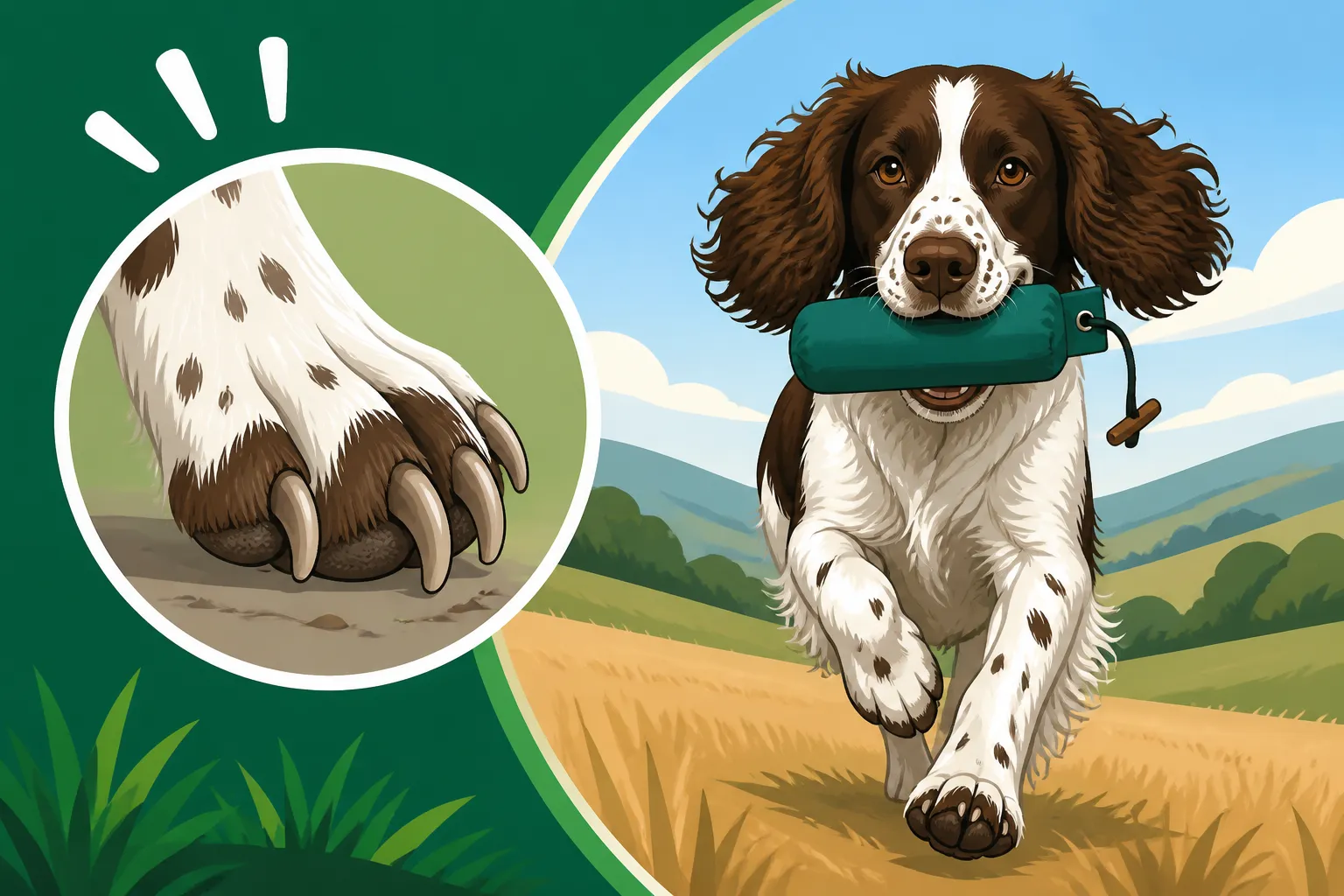
For a working dog, aim for nails that are just off the ground when they are standing naturally. You shouldn't hear their nails clicking on hard floors. If you do, it's definitely time for a trim! Integrating this into your weekly routine, perhaps after their bath or a particularly mucky walk when they are calmer, can make it less of a chore for both of you. Many owners find that Keeping a Working Springer Spaniel's Nails Short is a continuous effort, not a one-off task.
Tools of the Trade: Clippers vs. Grinders
When it comes to tools, you have a couple of main options:
- Nail Clippers: These come in two main styles: scissor-style (often preferred for smaller to medium dogs) and guillotine-style (popular for larger, thicker nails). Good quality clippers, like those you can find on Amazon or Chewy, are sharp and make a clean cut, reducing the risk of crushing the nail. Always ensure your clippers are sharp; dull clippers can cause pain and split nails.
- Nail Grinders: These battery-operated tools use a rotating abrasive surface to file the nail down. Grinders are excellent for gradually shortening nails, smoothing rough edges, and are often less intimidating for dogs who dislike the "snip" of clippers. They also make it easier to avoid cutting the quick. However, they can generate heat and require a bit more time. Many pet supply retailers, including Chewy and Amazon, offer a variety of quiet, low-vibration grinders that work well for anxious dogs.
Whichever tool you choose, make sure your Springer is comfortable with it. Introduce it slowly, with lots of praise and treats. Start by simply letting them sniff the tool, then touch it to their paw, then lightly touch a nail, building up to a full trim.
Positive Reinforcement for Nail Trims
For many dogs, nail trims can be a source of anxiety. Building a positive association is key. Always use a calm, reassuring tone. Offer high-value treats (like small pieces of cooked chicken or a dab of peanut butter on a lick mat) throughout the process, especially after each nail is done. If your dog gets stressed, take a break. You don't have to do all four paws at once, especially when starting out. Even just one or two nails a day can make a difference if it keeps the experience positive.
Consistency and patience are vital. Never punish your Springer for being fearful during a nail trim, as this will only worsen their anxiety. Instead, try to make it a pleasant experience they associate with good things. If you're really struggling, consider consulting a professional groomer or your vet, who can demonstrate proper technique and help build your dog's confidence.
Integrating Nail Health into Your Springer's Overall Care Routine
Nail care isn't an isolated task; it's an integral part of your Springer Spaniel's overall health and well-being. Thinking about it holistically will ensure your dog remains in top condition for all their adventures.
Beyond the Trim: Comprehensive Paw Health
Regular nail trims are fundamental, but don't stop there. Your Springer's paws take a beating, especially if they're a working dog. After every outing, particularly in rough or varied terrain, make it a habit to inspect their paws thoroughly. Look for:
- Cuts, scrapes, or punctures: These can happen easily, especially in thorny cover or on sharp rocks.
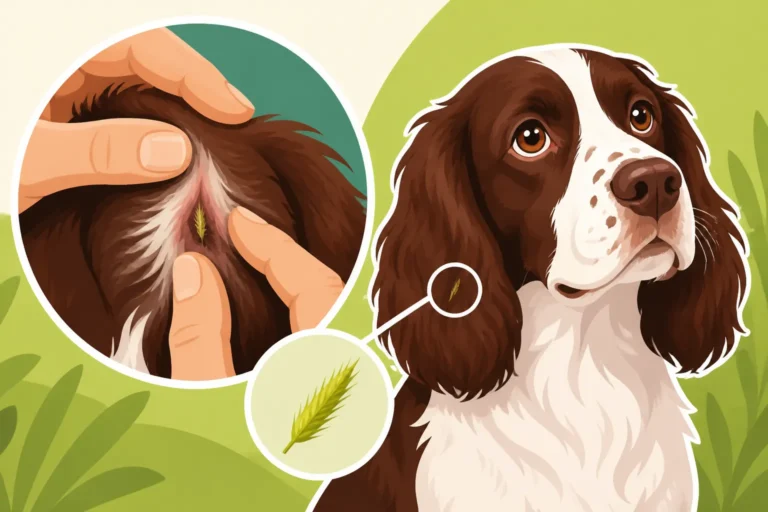
- Grass awns or burrs: These sneaky plant materials can embed themselves between toes or in paw pads, causing irritation, infection, or even migrating deeper into the paw. Checking a Springer Spaniel's Feet After Working is critical for this.
- Cracked or dry paw pads: While Springer pads are tough, extreme weather or abrasive surfaces can cause dryness and cracking. Consider a paw balm or moisturizer, available from brands like Chewy, to keep them supple.
- Swelling or redness: These could indicate an injury, infection, or allergic reaction.
A quick wipe down of their paws with a damp cloth after each walk or work session can also help remove dirt and potential irritants.
The Connection to Longevity and Quality of Life
When you commit to consistent, proactive nail care, you're not just preventing immediate pain; you're investing in your Springer Spaniel's long-term health and comfort. A dog with well-maintained nails can move freely, without compensatory gaits that strain their joints. They're less prone to painful injuries that might sideline them from the activities they love. This commitment directly contributes to their ability to enjoy a full and active life, whether that means chasing birds in the field, going for long hikes, or simply playing in the backyard with their family.
Proper foot care is a cornerstone of responsible dog ownership, ensuring that your Springer can keep doing what they do best: springing through life with enthusiasm and joy. Even as they get older, good foot care can help prevent mobility issues associated with Arthritis in an Older Springer Spaniel, allowing them to remain comfortable and active into their senior years. While you might consider high-quality food options like Ollie to support overall health, the hands-on act of keeping those nails trimmed is irreplaceable.
Disclaimer
This article is for general informational purposes only and does not constitute professional advice. Laws, prices and regulations vary by location and change over time. Consult a qualified professional for guidance on your specific situation.