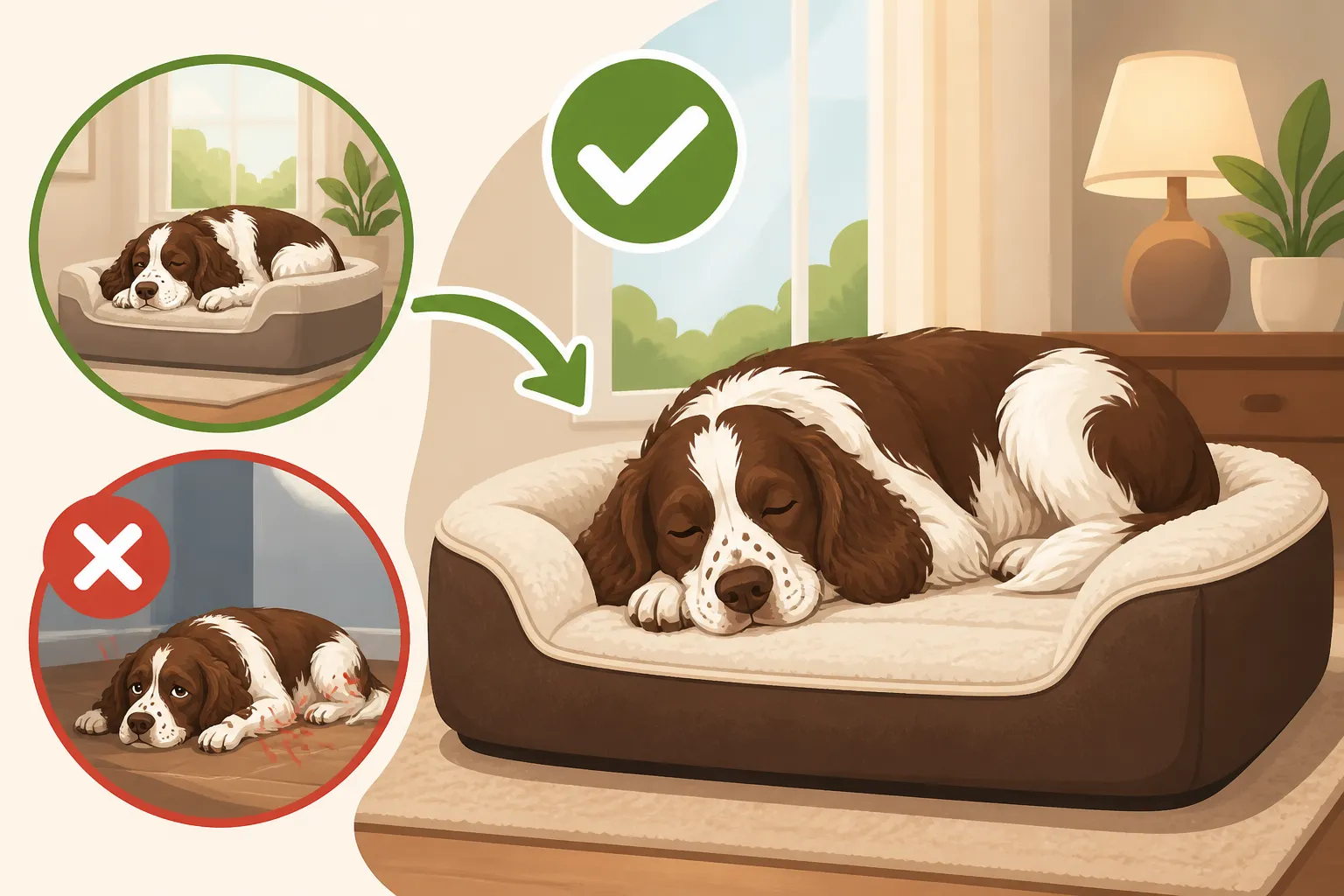
Where an Arthritic Springer Spaniel Should Sleep
Finding the perfect spot for your beloved English Springer Spaniel to rest their weary bones can become a real challenge as they get older, especially when arthritis starts to creep in. It's heartbreaking to see them struggle to get up after a nap, or shift uncomfortably through the night, but this guide is here to walk you through exactly how to create a truly supportive and soothing sleep environment for your arthritic Springer, making their golden years as comfortable as possible.
Understanding Arthritis in Springer Spaniels
Arthritis, or osteoarthritis, is an insidious condition that many of our beloved dogs face as they age. It’s essentially the progressive and permanent deterioration of the cartilage around their joints, leading to bone-on-bone friction, inflammation, and a whole lot of pain. For an active breed like the Springer Spaniel, who loves to run, jump, and explore, this can be particularly devastating, changing their entire world and yours.
The Telltale Signs of Canine Arthritis
Recognizing arthritis early in your Springer Spaniel is crucial because it allows you to start management sooner and significantly improve their quality of life. Sometimes the signs are subtle, especially with a breed as stoic and eager-to-please as a Springer. You might initially notice a slight stiffness after they've been lying down for a while, particularly on cold mornings. They might be slower to greet you at the door, or perhaps they hesitate before jumping into the car or onto the couch – activities they once did with effortless grace.
Limping, especially after exercise, is a more obvious indicator, but even a decreased willingness to play or go for long walks can be a red flag. Pay attention to how they settle down to sleep; if they circle multiple times, grunt, or groan before finding a comfortable position, it’s a strong signal that their joints are bothering them. They might also start licking or chewing at specific joints, a sign of localized pain or discomfort. Any change in their usual gait, such as a slight head bob or an altered weight distribution, warrants a visit to your vet. You can learn more about how this condition impacts older dogs in Arthritis in an Older Springer Spaniel.
Why Springer Spaniels Are Prone to Joint Issues
Unfortunately, Springer Spaniels, despite their generally robust nature, are somewhat predisposed to certain joint conditions that can lead to arthritis later in life. This isn't a reflection on your care; it's often a genetic lottery combined with the demands of their active lifestyle. Hip dysplasia, for instance, is a common culprit. This is where the hip joint doesn't form correctly, leading to a loose fit and eventual degeneration. You might want to check out How Common Hip Dysplasia Is in Springer Spaniels for more context. Similarly, elbow dysplasia, another developmental disorder, can also pave the way for early onset arthritis.
Even without these specific conditions, the sheer athleticism and boundless energy of a Springer Spaniel can take a toll on their joints over a lifetime. All those leaps, dives into cover, and vigorous retrieves, particularly if they've been a working dog, mean constant impact and stress on their cartilage. This is why it’s so important to manage their exercise wisely throughout their lives and consider early joint support, as discussed in Whether a Working Springer Spaniel Wears Out Its Joints. While we can't completely prevent arthritis, understanding these predispositions helps us be proactive in our care, especially when it comes to their comfort at rest.
Creating the Ideal Sleep Environment
Once you suspect or confirm arthritis, making changes to their sleeping arrangement becomes a top priority. A comfortable, supportive sleep environment isn't just a luxury; it's a critical component of pain management and overall well-being for an arthritic Springer Spaniel.
Orthopedic Beds: A Non-Negotiable Comfort
Let’s be honest, that plush, donut-style bed they adored as a puppy just won’t cut it anymore. For an arthritic Springer, an orthopedic bed is no longer a nice-to-have, it’s an absolute necessity. These beds are specifically designed to provide superior support, cradling their joints and distributing their weight evenly. This reduces pressure points that can exacerbate pain, allowing for deeper, more restorative sleep.
Look for beds with high-density memory foam or a combination of orthopedic foams. The key is thickness and firmness – you want a bed that doesn't flatten completely under their weight, offering a solid barrier between their aching joints and the hard floor. There are many excellent options available, from brands like Chewy which offers a wide selection, to specialized pet bed manufacturers. Consider features like a removable, washable cover, as accidents can sometimes happen with older dogs, and a non-skid bottom to prevent the bed from sliding around when they try to get up. Investing in a good quality orthopedic bed is one of the best things you can do to ease their discomfort and ensure they get the rest they truly need. You might also want to explore options on Amazon, where many brands offer different firmness levels and styles to suit your dog's specific needs.
Location, Location, Location: Choosing the Right Spot
It’s not just what they sleep on, but where they sleep that truly matters for an arthritic Springer. Think about convenience and accessibility. An older dog with stiff joints will struggle with stairs, so if their favorite sleep spot used to be upstairs, it might be time to move it to a more accessible ground-floor location. Their bed should be in a quiet, low-traffic area where they won't be constantly disturbed. Being jostled or startled can make getting up even more difficult and painful.
Consider also the type of flooring. Hardwood, tile, or linoleum can be slippery and challenging for unsteady paws. Placing their orthopedic bed on a carpeted area, or adding non-slip rugs around their sleeping zone, can provide much-needed traction. Also, avoid drafty areas near doors or windows. Cold, damp air can make joint pain worse. A warm, consistent temperature is ideal. If they’ve always loved to be near you, consider a dog bed right next to your own, perhaps even at a height that allows them to feel close without having to jump onto your bed. This ensures they feel secure and loved, which is just as important for their mental well-being as physical comfort.
Temperature and Drafts: Keeping the Joints Warm
Just like us, older dogs with arthritis often feel the cold more acutely. Chilly temperatures and drafts can stiffen joints, increase pain, and make it harder for them to relax and sleep soundly. This is especially true for our Springers, who might be used to robust outdoor activity, but whose older bodies now need more protection.
Ensure their sleeping area is consistently warm and free from drafts. If your home tends to get cool, especially overnight, consider providing a soft, warm blanket they can snuggle into. Some pet parents even use pet-safe heated beds or mats, particularly in colder climates or during winter months. These can provide gentle, soothing warmth directly to their aching joints. Just be sure to choose one specifically designed for pets, with low voltage and safety features, and always place it on a timer or supervise its use to prevent overheating. A good quality blanket or a designated heated pad can make a world of difference in keeping their muscles relaxed and their joints limber, allowing them to drift off into a peaceful sleep.
Beyond the Bed: Holistic Support for Sleep
While the right bed is paramount, ensuring your arthritic Springer Spaniel sleeps well involves a more holistic approach that considers their daily life, mobility, and overall health.
Accessibility in the Home: Making Movement Easier
Arthritis doesn't just affect their ability to sleep comfortably; it impacts their entire daily movement. Making your home more accessible can significantly reduce strain on their joints throughout the day, which in turn helps them settle better at night. Think about eliminating obstacles. If they have trouble with stairs, block them off or use a ramp. Ramps or pet steps can also be invaluable for helping them get onto furniture like the couch or your bed, if that's where they prefer to spend their daytime hours, without painful jumps.
Consider their food and water bowls too. Bending down low can be uncomfortable. Elevated feeders can relieve pressure on their neck and front joints. Non-slip runners or rugs on slippery floors, especially in high-traffic areas, can give them confidence and prevent slips and falls that could worsen their condition. Every small adjustment that makes their daily life easier contributes to less pain and stress, paving the way for more peaceful rest when evening comes. This kind of thoughtful care extends their comfort far beyond bedtime, reflecting the comprehensive approach outlined in Caring for a Springer Spaniel Past Nine.
Routine and Comfort: The Power of Predictability
Dogs, especially as they age, thrive on routine and predictability. A consistent daily schedule can provide comfort and security, which is incredibly beneficial for an arthritic Springer Spaniel. Knowing when to expect meals, walks, and bedtime helps reduce anxiety and allows their body to anticipate rest. Try to keep their pre-sleep routine calm and predictable. A gentle massage around their aching joints, a quiet cuddle, or a low-key potty break right before bed can signal that it's time to unwind.
Avoid strenuous exercise or overly exciting play too close to bedtime. While exercise is still important, ensuring it's appropriate for their condition and well-timed is key. A leisurely stroll or some gentle sniffing around the yard is much better than a high-intensity game of fetch late in the evening. Comfort isn't just physical; it's emotional too. Providing a sense of security and a loving, calm environment helps an arthritic dog relax deeply, allowing their body to heal and rejuvenate during sleep. This holistic view of their senior years is also covered in What Changes in an Old Springer Spaniel's Care.
Integrating Joint Support into Daily Life
While comfort is key, managing the underlying inflammation and pain of arthritis is paramount. Beyond the bed, joint supplements play a significant role in supporting joint health. Many excellent supplements contain ingredients like glucosamine, chondroitin, MSM, and Omega-3 fatty acids, all of which aim to reduce inflammation and support cartilage health. Brands like those found on Chewy or specialty pet stores offer a range of options, from chews to powders you can add to their food. It's always best to discuss these with your vet to determine the most appropriate type and dosage for your individual Springer Spaniel. You can find more information on this in Joint Supplements for a Springer Spaniel.
Furthermore, maintaining a healthy weight is absolutely critical. Extra pounds put immense stress on already compromised joints, amplifying pain and accelerating degeneration. If your Springer is carrying extra weight, even a few pounds, consult your vet about a weight management plan. This might involve adjusting their diet to a senior-specific formula or a weight-control kibble. Some specialized fresh food brands, like Ollie, offer tailored meal plans that can help with weight management and overall nutrition, ensuring they get the right balance of nutrients without excess calories. Every effort to support their joints through diet and supplements during the day will contribute to better sleep quality at night.
Special Considerations for Severely Arthritic Springer Spaniels
For Springers whose arthritis is advanced, the challenges can be even greater, and their needs become more specialized. These situations require extra attention and often a team approach with your veterinarian.
Managing Nighttime Pain and Discomfort
When arthritis becomes severe, pain can disrupt sleep significantly. Your Springer might pace, whine, or frequently change positions, unable to find comfort. In these cases, it's essential to work closely with your veterinarian to develop a pain management strategy. This often involves medication, such as NSAIDs (non-steroidal anti-inflammatory drugs), which can dramatically reduce pain and inflammation. Other options might include gabapentin for neuropathic pain, or even newer injectables that target nerve growth factor, offering longer-lasting relief.
The timing of medication can be crucial. Sometimes, giving their pain medication closer to bedtime can help ensure its effects are peaking when they need it most, promoting a more restful night. Your vet might also suggest cold laser therapy, acupuncture, or physical therapy to complement medication and further alleviate discomfort. Keeping a pain journal can be helpful; note when the pain seems worst, how long it lasts, and what helps, so you can provide detailed information to your vet. This collaborative approach ensures your Springer isn't suffering through the night and can achieve the comfortable sleep they deserve.
Assistive Devices and Mobility Aids
As arthritis progresses, even getting up from a prone position can become a Herculean task. This is where assistive devices become invaluable, not just for daytime mobility but also for facilitating easier transitions to and from their bed. Lift harnesses, for example, can be used to gently support their hindquarters (or full body) as they stand up or lie down. These can be particularly helpful for older Springers who may be losing strength in their hind legs.
Booties with traction can help them navigate slippery surfaces, preventing falls. For dogs with severe hind limb weakness, a dog wheelchair can offer incredible freedom and allow them to continue enjoying walks, reducing the overall impact on their joints. While these might seem drastic, they are tools that can vastly improve an arthritic dog's quality of life, extending their active years and ensuring they don't struggle unnecessarily with basic movements. Even a simple, low-to-the-ground bed frame for their orthopedic mattress can make it easier for them to step on and off without a big "plop" that jars their joints.
The Role of Your Veterinarian in Sleep Management
Your veterinarian is your most important partner in managing your arthritic Springer Spaniel’s comfort, especially when it comes to sleep. They can officially diagnose arthritis through physical examination and X-rays, helping you understand the severity and location of the joint disease. More importantly, they can prescribe appropriate pain medication, monitor its effectiveness, and adjust dosages or switch medications as needed. Remember, what works for one dog might not work for another, and medication protocols often need to evolve as the disease progresses.
Beyond medication, your vet can advise on the best joint supplements, weight management strategies, and even recommend alternative therapies like physical therapy, acupuncture, or hydrotherapy. These therapies can strengthen muscles supporting the joints, improve range of motion, and reduce pain, all contributing to better sleep. Don’t hesitate to reach out to them if you notice any changes in your Springer’s sleep patterns or increased discomfort. Regular check-ups become even more vital as your Springer enters their senior years, ensuring their care plan is always optimized for their comfort and well-being. Knowing The Age a Springer Spaniel Counts as a Senior can help you proactively discuss these issues with your vet.
Disclaimer
This article is for general informational purposes only and does not constitute professional advice. Laws, prices and regulations vary by location and change over time. Consult a qualified professional for guidance on your specific situation.