Whether an Untested Springer Spaniel Litter Is Worth Buying
It's incredibly exciting to think about bringing a new Springer Spaniel puppy home, but the journey to finding the right companion can be fraught with difficult choices. One common dilemma many prospective owners face is the temptation of an "untested" litter – puppies that seem more affordable or readily available, but whose parents haven't undergone crucial health screenings. This guide aims to peel back the layers of that decision, exploring the real risks and eventual costs associated with foregoing proper health testing, so you can make a truly informed choice for your future furry family member.
The Allure of the Untested Litter: Why the Temptation?
When you’re eagerly searching for a Springer Spaniel puppy, it’s easy to get swept up in the excitement. You might scroll through endless listings, see adorable photos, and dream of that wagging tail greeting you at the door. Amidst all this, "untested" litters can pop up, often looking just as cute as any other, but with a few key differences that can make them seem incredibly appealing on the surface. It’s important to understand why these litters draw people in, before we dive into the potential pitfalls.
Lower Upfront Cost
Let's be honest, getting a purebred dog can be a significant financial investment, and the initial price tag of a puppy from an untested litter is often the biggest draw. These puppies might be advertised for hundreds, sometimes even thousands, less than those from reputable breeders who meticulously screen their breeding stock. For many families, especially those on a tight budget or first-time dog owners who are still learning about all the associated costs, that lower price point can feel like a huge win. It looks like an opportunity to save some money upfront, perhaps to spend on toys, a nice bed, or even a fancy collar.
However, this lower price isn't a magical discount; it reflects a significant difference in the breeder's investment. Reputable breeders spend considerable time and money on health testing their breeding dogs, providing optimal nutrition, ensuring proper veterinary care for the mother and puppies, and often investing in early socialization. When a breeder skips these steps, they save money, and that saving is passed on to you as a lower puppy price. What seems like a bargain in the beginning can quickly become a financial nightmare down the line, as the true costs of owning a dog stretch far beyond the initial purchase.
Availability and Convenience
Another compelling factor is often sheer availability and convenience. Finding a puppy from a responsible, health-tested breeder can sometimes feel like searching for a needle in a haystack. These breeders usually have long waiting lists, with some families waiting for a year or more for the right puppy. If you've decided you want a Springer Spaniel now, or you're simply tired of waiting, an untested litter that's "ready to go" can seem like a godsend. You might see an advertisement, make a call, and potentially pick up a puppy within days or weeks.
This immediate gratification can be very tempting, especially if you're not fully aware of what comprehensive health testing entails or why it’s so critical. Many prospective owners might not understand the nuances of genetic screening or how to verify health clearances, making the path of least resistance — the readily available, seemingly healthy puppy — incredibly appealing. It’s a situation where convenience often trumps due diligence, and in the long run, this can lead to heartache for both the owner and the dog. Rushing into a decision, without verifying the health background of the parents, is a gamble that rarely pays off for a breed as prone to certain genetic conditions as the Springer Spaniel.
The Hidden Dangers: What Untested Means for a Springer Spaniel
The appeal of an untested litter quickly fades when you consider the potential health and behavioral time bombs that can be ticking beneath the surface. For a breed like the English Springer Spaniel, known for its zest for life and often enduring genetic predispositions, skipping health testing is not just a gamble; it's a significant risk that can lead to immense suffering and staggering financial burdens.
Genetic Diseases Lurking Beneath the Surface
The most critical danger of an untested Springer Spaniel litter lies in the realm of genetic diseases. Springer Spaniels, like many purebred dogs, are susceptible to certain inherited conditions that can severely impact their quality of life, and in some cases, be fatal. Two of the most devastating are Fucosidosis and PFK Deficiency. Both are recessive genetic disorders, meaning a puppy needs to inherit a copy of the faulty gene from both parents to be affected. A dog can be a "carrier" – meaning it has one copy of the gene but shows no symptoms – and still pass the gene on. Without proper testing, you simply have no way of knowing if the parents are carriers.
Imagine the horror of watching your vibrant puppy begin to decline. Fucosidosis Kills a Springer Spaniel Within Weeks of the First Sign with neurological symptoms that worsen rapidly. It's a heartbreaking, progressive disease with no cure, leading to inevitable euthanasia. Similarly, PFK Deficiency and the Springer Spaniel That Collapses After Exercise causes muscle weakness, exercise intolerance, and often anemia, making a normally active breed unable to enjoy its natural instincts. These conditions are entirely preventable through responsible breeding practices, specifically by using The DNA Test That Should Precede Every Springer Spaniel Purchase to ensure that at least one parent is clear of the gene, if not both. Buying from an untested litter is like playing Russian roulette with your puppy's future health.
Other Health Concerns Without Proper Screening
Beyond the well-known genetic DNA-tested diseases, ethical breeders also screen for a host of other health concerns that, while not always directly linked to a single gene test, are crucial for long-term well-being. This includes orthopedic issues like Hip Dysplasia in a Springer Spaniel, where malformed hip joints can lead to debilitating arthritis and pain. Screening for hip dysplasia involves X-rays, typically evaluated by organizations like the Orthopedic Foundation for Animals (OFA), to assess joint quality. Without this screening, you could unknowingly bring home a puppy predisposed to a lifetime of limping and pain, requiring expensive treatments.
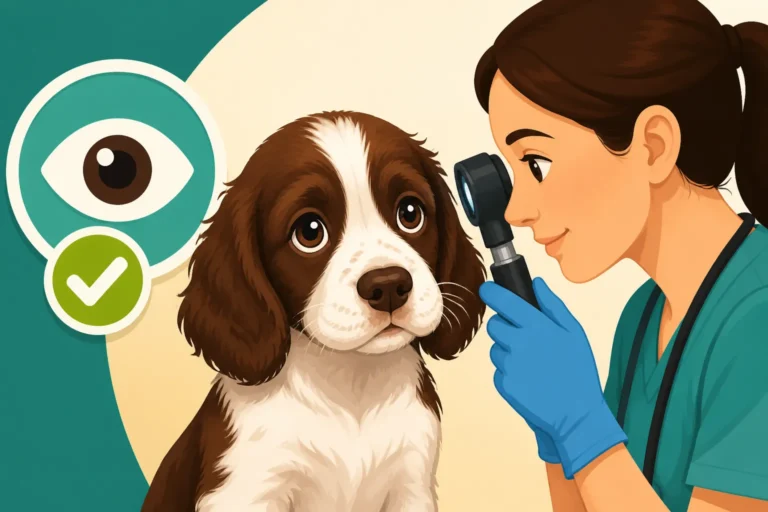
Then there are eye conditions. Springer Spaniels are susceptible to The Four Eye Diseases a Springer Spaniel Breeder Screens For, including Progressive Retinal Atrophy in a Springer Spaniel, which leads to blindness; Retinal Dysplasia in a Springer Spaniel, an abnormal development of the retina; Entropion in a Springer Spaniel, where eyelids roll inward, causing irritation; and Primary Glaucoma and the Springer Spaniel That Loses an Eye, a painful condition that often results in vision loss. Responsible breeders have their dogs' eyes examined annually by a board-certified veterinary ophthalmologist. An untested litter means that any of these devastating conditions could be passed down, costing you thousands in vet bills for diagnosis, medication, and potentially surgery. While pet insurance providers like Healthy Paws can be a lifesaver for unexpected illnesses and accidents, they generally do not cover pre-existing conditions, highlighting why proactive health testing from a breeder is paramount.
Temperament and Behavioral Unknowns
Beyond physical health, an untested litter also introduces significant unknowns regarding temperament and behavior. A good breeder doesn't just look at physical health; they also evaluate the parents' temperaments to ensure they are stable, friendly, and good representatives of the breed. Some behavioral issues, like Rage Syndrome in an English Springer Spaniel (sudden, unprovoked aggression), are believed to have a genetic component. Without understanding the parents' dispositions, you're taking a huge risk on what kind of personality your puppy will develop.
Furthermore, responsible breeders are crucial in providing puppies with appropriate early socialization during their critical developmental window. They expose puppies to various sights, sounds, textures, and gentle handling, which builds confidence and resilience. Puppies from untested litters often come from environments that lack this crucial early stimulation, or worse, are raised in neglectful conditions. This can lead to a host of behavioral problems later in life, such as extreme shyness, fear aggression, or even Separation Anxiety in a Springer Spaniel. These issues can make living with the dog incredibly challenging, requiring extensive behavioral training, which can be both costly and emotionally draining. Sadly, this is a common reason Why Springer Spaniels Reach Rescue at Two – owners simply can't cope with unexpected health or behavioral issues that could have been avoided with better breeding practices.
The True Cost: Beyond the Puppy Price Tag
The initial savings on an untested Springer Spaniel puppy can feel substantial, but it's a classic example of "penny wise, pound foolish." The real financial and emotional burden often starts after you bring that seemingly inexpensive puppy home, quickly dwarfing any upfront savings. When you choose an untested litter, you're not just buying a puppy; you're often unknowingly inheriting a host of potential problems that can truly test your resources and your heart.
Financial Burden of Undiagnosed Illness
Let's talk about the cold, hard cash. If your untested Springer Spaniel develops a genetic disease or a structural problem that could have been screened for, the veterinary bills can skyrocket. For example, if your dog is diagnosed with PFK Deficiency, Managing a Springer Spaniel With PFK Deficiency often involves ongoing vet visits, specialized diets, and medications to support their health. For conditions like hip dysplasia, the diagnostics alone can be costly (X-rays, specialist consultations), and treatment can range from lifelong anti-inflammatory medications to expensive surgeries, such as total hip replacements.
Even less severe issues, like chronic ear infections or allergies (which often have a genetic predisposition in Springers), can lead to repeated vet visits, ear cleanings, medicated drops, and potentially allergy testing or specialized diets, all adding up over the years. An emergency vet visit for an unexpected complication could run into thousands of dollars. While pet insurance, such as a plan from Healthy Paws, can certainly help cushion the blow of unexpected illnesses and accidents, it’s crucial to remember that it generally won't cover pre-existing conditions. If your puppy is diagnosed with a genetic condition that was already present or developing when you enrolled them, those costs will likely fall squarely on your shoulders. The small amount you saved on the puppy price will seem insignificant compared to the stack of veterinary bills for preventable conditions.
Emotional Toll and Ethical Considerations
Beyond the financial strain, there's the profound emotional toll that comes with owning a sick dog. Watching your beloved companion suffer from a condition that could have been avoided is truly heartbreaking. The endless worry, the sleepless nights, the difficult decisions about treatment versus quality of life – these are burdens no pet owner wants to face, especially when they stem from a preventable cause. Your dream of a happy, healthy companion can quickly turn into a nightmare of constant care and profound sadness.
There's also an ethical dimension to consider. By supporting breeders who don't conduct proper health testing, you are inadvertently contributing to the perpetuation of genetic diseases within the Springer Spaniel breed. You might save some money upfront, but you're also playing a part in a cycle that leads to more suffering dogs and more heartbroken owners. Responsible breeding is about protecting the future of the breed, ensuring that genetic conditions are systematically reduced and eventually eliminated. Choosing an untested litter undermines these efforts and reflects a lack of concern for the animals involved. It’s a responsibility that extends beyond just your own dog, impacting the broader welfare of the breed.
The Lifespan Impact
Ultimately, the lack of health testing can have a direct and devastating impact on The Twelve to Fourteen Years a Springer Spaniel Lives. While no breeder can guarantee a dog will never get sick, responsible breeding significantly increases the odds of a long, healthy life. Puppies from untested parents are at a much higher risk of developing debilitating conditions early in life, potentially shortening their lifespan or severely compromising their quality of life. Instead of enjoying the golden years of Caring for a Springer Spaniel Past Nine, you might be dealing with chronic pain, expensive medical interventions, or even facing the impossible decision of euthanasia far too soon.
The goal for any dog owner is to share a full, happy life with their companion. An untested litter, while initially cheaper, places a dark cloud of uncertainty over that future. The joy of puppyhood can be overshadowed by the anxiety of impending health problems, and the bond you form with your dog can be tainted by preventable suffering. It’s a stark reminder that some things are truly priceless, and a healthy, happy life for your Springer Spaniel is one of them.
Making an Informed Choice: What to Look For
Choosing a Springer Spaniel puppy is a significant decision, one that impacts the next decade or more of your life. While the temptation of an untested litter might be strong, understanding what to look for in a responsible breeder is your best defense against future heartache and financial strain. It’s about being proactive and prioritizing the long-term well-being of your future companion.
Understanding the Essential Health Tests
When evaluating potential breeders, the first and most non-negotiable step is to understand and verify the essential health tests performed on the parent dogs. For English Springer Spaniels, there are several key screenings that responsible breeders must conduct and be transparent about. These include:
- DNA Tests for Fucosidosis: This test identifies carriers of the Fucosidosis gene. Breeders should provide proof that both parents are clear, or that at least one parent is clear if the other is a carrier, to prevent affected puppies. You should look for results for The DNA Test That Finds Fucosidosis in a Springer Spaniel.
- DNA Tests for Phosphofructokinase (PFK) Deficiency: Similar to Fucosidosis, this test identifies carriers of the PFK gene. Again, clear results for both parents, or one clear and one carrier, are essential.
- Orthopedic Evaluations (Hips and Elbows): Look for certifications from organizations like the Orthopedic Foundation for Animals (OFA) or PennHIP. These evaluations assess the structural integrity of the hip and elbow joints, reducing the risk of passing on conditions like hip and elbow dysplasia.
- Eye Examinations: Annual eye exams by a board-certified veterinary ophthalmologist (recorded by the Canine Eye Registry Foundation, or CERF, now part of OFA) are crucial to screen for inherited eye diseases. This covers conditions like Progressive Retinal Atrophy, Retinal Dysplasia, Entropion, and Primary Glaucoma.
- Thyroid Panel: Some breeders also screen for thyroid issues, as hypothyroidism can sometimes be inherited and impact overall health and temperament.
A reputable breeder will not only perform these tests but will be eager to show you the official documentation for both parent dogs. They should be able to explain what each test means and why it's important. Be wary of breeders who offer vague assurances or say their vet "checked everything out" without providing verifiable results.
Evaluating the Breeder, Not Just the Puppy
Choosing a puppy isn't just about picking the cutest face; it's about choosing the breeder. A responsible breeder will demonstrate a deep commitment to the health, temperament, and welfare of their dogs. Here's what else to look for:
- Transparency and Communication: They should welcome questions, be willing to discuss their breeding philosophy, and allow you to visit their facility to see the puppies and their mother (and ideally, the father if he lives on-site). Be suspicious if a breeder insists on meeting you in a neutral location or won't let you see where the puppies are raised.
- Clean and Stimulating Environment: The puppies should be raised in a clean, safe, and stimulating environment, exposed to typical household sounds and interactions. This early socialization is vital for developing a well-adjusted dog. During The First Year With a Springer Spaniel Puppy, these early experiences lay a critical foundation.
- Temperament of Parents: Observe the parent dogs (especially the mother). Are they friendly, calm, and confident? A good breeder will prioritize breeding dogs with sound temperaments that align with the breed standard.
- Health Guarantees and Contracts: A responsible breeder will typically offer a health guarantee, outlining their responsibilities if a genetic health issue arises. They will also often have a contract that specifies conditions for returning the dog if necessary and requires spaying or neutering of pet-quality puppies.
- Limited Litters: Quality breeders focus on a few well-planned litters, not mass production. They should prioritize placing puppies in appropriate homes and often have a waiting list.
- Lifelong Support: A good breeder will be a resource for you throughout your dog's life, available to answer questions and offer advice. They genuinely care about where their puppies end up.
The Role of Pet Insurance in Responsible Ownership
Even with the most meticulously health-tested parents and the most reputable breeder, life happens. Accidents occur, and unexpected illnesses can strike any dog. This is where pet insurance, like a comprehensive plan from Healthy Paws, steps in as a crucial safety net for responsible dog ownership. While health testing significantly reduces the risk of inheritable diseases, it doesn't make your dog immune to all potential health problems.
Think of pet insurance as peace of mind. If your Springer Spaniel suddenly ingests something toxic, breaks a leg, or develops an allergy later in life, having insurance can alleviate the financial stress of emergency vet visits, surgeries, and ongoing treatments. It empowers you to make medical decisions based on what's best for your dog, rather than being limited by your budget. It's wise to research and enroll your puppy in a pet insurance plan as early as possible, typically before any health issues might arise, to ensure the broadest coverage. This way, if something unexpected comes up, you'll be prepared to provide the best care for your beloved companion, without the added worry of exorbitant bills.
Untested vs. Health-Tested Litter Comparison
To help you visualize the key differences and considerations when choosing a Springer Spaniel puppy, here's a direct comparison between an untested litter and one from health-tested parents. This table highlights not just the immediate costs but also the long-term implications for your dog's health and your peace of mind.
| Feature | Untested Litter | Health-Tested Litter |
|---|---|---|
| Initial Puppy Price | Generally lower | Generally higher (reflects breeder investment) |
| Availability | Often readily available, shorter wait times | May have waiting lists, planned litters |
| Risk of Genetic Disease | High (e.g., Fucosidosis, PFK Deficiency, hip/eye issues) | Significantly lower (risks actively screened for) |
| Future Vet Bills | Potentially very high for preventable conditions | Lower risk of bills for preventable conditions |
| Emotional Strain | High, due to potential suffering and difficult decisions | Lower, greater peace of mind about genetic health |
| Temperament Predictability | Unknown, less emphasis on parent temperament and socialization | More predictable, parents screened for stable temperament |
| Breeder Support | Often minimal or non-existent after sale | Ongoing support and guidance |
| Health Guarantee | Unlikely or very limited | Standard practice for reputable breeders |
| Impact on Lifespan/QoL | Higher risk of shortened life or compromised quality of life | Higher potential for a long, healthy, active life |
Ultimately, while the initial price tag of an untested Springer Spaniel litter might seem like a tempting bargain, it's a decision fraught with potential peril. The true cost extends far beyond the puppy price, encompassing staggering veterinary bills, immense emotional distress, and a compromised quality of life for your beloved companion. By prioritizing ethical breeders who perform thorough health testing, you are investing in a healthier, happier future for your Springer Spaniel, and ensuring that you embark on a relationship built on joy, not preventable suffering.
Disclaimer
This article is for general informational purposes only and does not constitute professional advice. Laws, prices and regulations vary by location and change over time. Consult a qualified professional for guidance on your specific situation.