Knowing When an Old Springer Spaniel Has Had Enough
Watching your beloved English Springer Spaniel grow older is a journey filled with bittersweet moments. One day, your once energetic companion, who chased pheasants with boundless enthusiasm or bounded through fields, is struggling to get up, perhaps looking a little lost. It’s an incredibly tough moment for any dog owner, and the question eventually looms: how do you truly know when it's time to say goodbye? This guide isn't about giving you easy answers, because there aren't any, but it aims to provide a compassionate framework for assessing your senior Springer Spaniel's quality of life and making the most loving, albeit heartbreaking, decisions.
Understanding the Signs of Decline in Your Senior Springer
When a Springer Spaniel enters their golden years – typically around the age of nine or ten, though some remain spry for longer – you start noticing subtle shifts. These changes gradually become more pronounced, and it’s important to observe them closely without minimizing their impact. What might seem like "just old age" can often be indicators of discomfort or a waning quality of life.
Physical Changes and Discomfort
Your Springer Spaniel's body works hard throughout its life, especially if they've been an active working dog or a keen adventurer. As they age, wear and tear take their toll, often manifesting as chronic pain or mobility challenges. It's a stark contrast to the springy gait they once possessed.
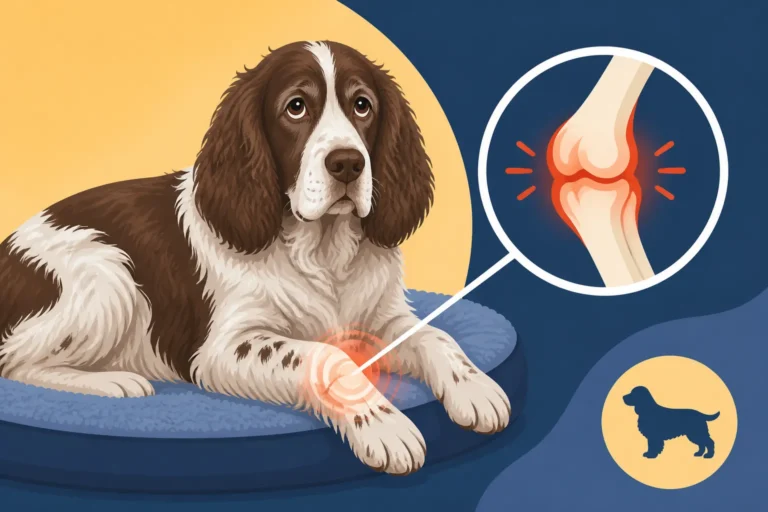
Perhaps you’ve noticed that your dog, who used to jump onto the sofa with ease, now hesitates, tries a few times, and then gives up with a sigh, choosing to lie on the floor instead. Or maybe their morning greeting isn't the usual full-body wiggle, but a slow, stiff stretch followed by a careful shuffle. These are often signs of conditions like arthritis, common in older dogs, which can make even simple movements painful. This pain can range from a dull ache to sharp, debilitating discomfort, and it's not always obvious, as dogs are masters at hiding their suffering. For more on specific joint issues, you might find insight in our piece on Arthritis in an Older Springer Spaniel.
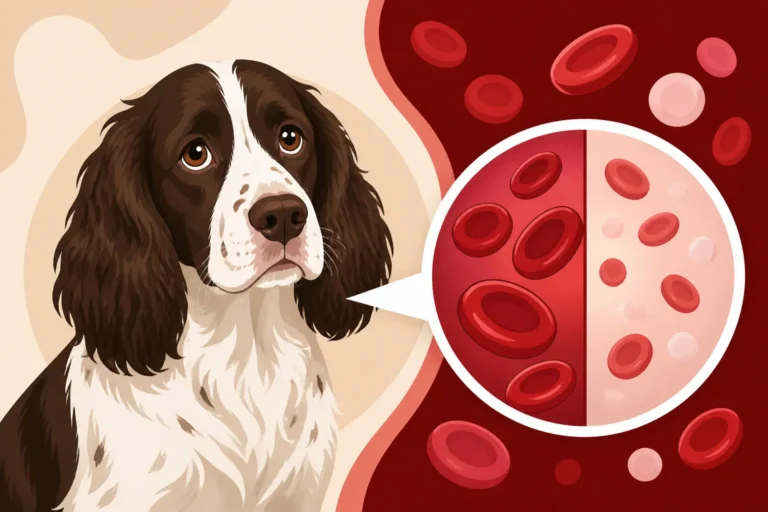
Beyond mobility, other physical changes can signal a decline. Is your Springer eating less, or showing less enthusiasm for their food, even their favorite treats? Are they drinking more water than usual, or perhaps having accidents in the house, which can indicate kidney issues or other medical problems? Vision and hearing loss are also common. An older Springer might start bumping into furniture, especially in unfamiliar surroundings, or might not respond to their name or the whistle commands they once knew instantly. A once meticulously clean dog might become incontinent, unable to hold their bladder or bowels, leading to distress for both them and you. These aren't just inconveniences; they can significantly impact your dog's dignity and comfort.
Behavioral Shifts and Loss of Joy
Beyond the physical, your Springer Spaniel’s personality and enthusiasm for life can also change profoundly as they age. This is often one of the hardest aspects for owners to grapple with, because it feels like the very "essence" of their dog is fading. The vibrant, joyful spirit that makes Springer Spaniels so captivating can dim, leaving behind a shadow of their former selves.
Has your Springer, once the life of the party, started retreating to a quiet corner of the house, showing less interest in family activities? They might sleep more, yes, which is normal for older dogs, but are they also ignoring their favorite toys, refusing walks, or no longer greeting you at the door with the same vigor? A Springer who once lived to retrieve might just watch the ball sail by, or pick it up half-heartedly only to drop it a few feet away. These behavioral shifts, such as decreased engagement, loss of interest in once-loved activities, or changes in sleep patterns (like pacing at night or sleeping through the day), can be indicators of cognitive dysfunction, pain, or simply a deep-seated unhappiness. For more on age-related cognitive changes, read about Whether an Old Springer Spaniel Gets Confused.
It’s about evaluating their "sparkle." Does their tail still wag with genuine happiness, or is it a hesitant flick? Do their eyes still hold that intelligent, mischievous glint, or do they appear dull and distant? Sometimes, you might notice increased anxiety or confusion, especially in new situations or even familiar ones. A Springer who used to love car rides might now tremble, or one who adored visitors might hide. These aren't always signs of being "stubborn" or "grumpy," but rather distress or pain that they cannot communicate in any other way.
Assessing Quality of Life – The Hard Questions
Making decisions about an older dog's future is never easy. It’s a space filled with love, grief, and often, guilt. But having tools and honest conversations can help you navigate this period with a clearer perspective, ensuring your decisions are rooted in compassion for your pet.
The HHHHHMM Scale and Other Evaluation Tools
One valuable framework for objectively assessing your Springer Spaniel's quality of life is the "HHHHHMM Scale." It’s a tool that veterinarians often recommend to help owners monitor key areas of their dog’s well-being. By considering each aspect, you can gain a more comprehensive picture beyond just one or two symptoms.
Let's break it down:
- Hurt: Is your Springer in pain? Can it be managed with medication? Are they panting excessively, restless, reluctant to move, or crying out? Constant pain, even if low-grade, significantly impacts their happiness.
- Hunger: Is your dog eating? Are they willing to eat on their own, or do you have to coax them constantly? Are they maintaining a healthy weight? A loss of appetite can be a major red flag.
- Hydration: Is your Springer drinking enough? Are they able to reach their water bowl easily? Dehydration can quickly compound other health issues.
- Happiness: Does your dog still enjoy life? Do they engage with you, respond to toys, or show interest in their surroundings? Do they still have "good days" where their personality shines through, even briefly? This is perhaps the most subjective but crucial aspect.
- Mobility: Can your Springer get up and move around comfortably? Can they go outside to relieve themselves without falling? Are they able to shift positions to avoid pressure sores? Severe mobility loss can trap a dog in their own body.
- More Good Days Than Bad: This is the overarching principle. When you look back over a week or a month, do the good days truly outweigh the bad ones? Are those good days actually good, or just "less bad"?
Here’s a simple checklist you can use:
| Indicator | Always / Mostly Good | Sometimes Good / Neutral | Rarely / Mostly Bad | Notes |
|---|---|---|---|---|
| Pain Level | Seems comfortable | Mild discomfort | Constant pain | Are they on pain meds? Do they still hurt? |
| Appetite | Eats willingly | Picky / Needs coaxing | Refuses food | Is their weight stable? |
| Thirst | Drinks normally | Needs encouragement | Little interest | Are they hydrating adequately? |
| Joy/Engagement | Enthusiastic | Intermittently interested | Withdrawn / Apathetic | Do they respond to attention? Do they still enjoy favorite things? |
| Mobility | Moves easily | Struggles, but can move | Unable to stand/walk | Can they get up and lie down? Go outside? |
| Overall Mood | Happy & Content | Variable | Depressed / Anxious | Are they alert and responsive? |
| Hygiene | Clean | Occasional accidents | Frequent accidents | Can they control bladder/bowels? |
| Respiratory | Normal breathing | Occasional labored breath | Constant struggle | Is their breathing comfortable, especially at rest? |
This table isn't a score card; it's a tool for honest reflection. It helps you recognize patterns and prevents you from focusing solely on one good moment while overlooking weeks of struggle. For a deeper dive into care for senior dogs, consider reading Caring for a Springer Spaniel Past Nine.
Consulting Your Veterinarian and Support Systems
You are not alone in this difficult process. Your veterinarian is your most valuable ally. They can offer an objective perspective, conduct diagnostic tests to pinpoint underlying issues, and suggest palliative care options that could significantly improve your Springer’s comfort. Don't be afraid to have an open, honest conversation with them. Ask direct questions: "If this were your dog, what would you do?" or "What does a good quality of life look like for my dog at this stage?"
Your vet can help you understand whether pain management, dietary changes, or other interventions might still offer a period of comfort and enjoyment. They might discuss joint supplements for a Springer Spaniel to ease discomfort or medication for cognitive decline. Sometimes, managing chronic conditions can be costly, and this is where having pet insurance like Healthy Paws can truly make a difference. Knowing that a significant portion of diagnostic tests, medications, or even some palliative care treatments might be covered can remove a huge financial burden, allowing you to focus purely on your dog's well-being without added stress. They can help you explore every avenue for comfort, not just the cheapest ones.
Beyond your vet, lean on your support system. Talk to family members, close friends who understand your bond with your dog, or even online communities dedicated to Springer Spaniels. Sharing your feelings and hearing others' experiences can be incredibly validating. Remember, grief for a pet is real, and it’s okay to feel overwhelmed.
Navigating the Decision and Finding Peace
The decision to say goodbye is arguably the hardest act of love a pet owner will ever perform. It’s an ultimate sacrifice, choosing to take on their pain so they no longer have to suffer. There’s no right or wrong time that applies to every dog, but there are crucial considerations that can guide you.
When Treatment Becomes a Burden, Not a Solution
Modern veterinary medicine offers incredible advancements, and sometimes it feels like there’s always "one more thing" you could try. But there comes a point when aggressive treatments, frequent vet visits, or powerful medications begin to cause more stress, anxiety, or discomfort for your Springer than the relief they provide. Imagine your Springer, who used to love car rides, now trembling with fear every time you approach the vehicle, knowing it means another trip to the clinic for an injection or a painful procedure.
You have to consider your dog's perspective. Are they spending more time recovering from treatments than enjoying life? Are the side effects of medications making them feel worse, even if the primary condition is being managed? This is a deeply personal and difficult assessment. It’s about understanding the line where extending life at all costs becomes extending suffering. Your veterinarian can offer guidance here, but ultimately, you, as their constant companion, are the best judge of your Springer’s overall demeanor and resilience. If a once-proud Springer is no longer able to engage in even the simplest of their core activities, like smelling the roses or having a gentle potter in the garden, it’s worth asking if the treatments are truly serving their best interests. Healthy Paws, or similar pet insurance plans, might cover things like advanced diagnostics or specialized palliative care, which can extend their comfort, but even with financial support, the ultimate decision rests on balancing comfort with intrusion.
It's natural to feel immense guilt at this stage. You might feel like you're giving up, or that you haven't tried absolutely everything. But remember, the goal isn't just to keep them alive; it's to keep them living with dignity and comfort. Sometimes, the most courageous and loving act is to prevent further pain, even if it means enduring your own.
Creating a Peaceful Farewell
Once the decision is made, focus on making your Springer’s final moments as peaceful and loving as possible. Many veterinary practices now offer in-home euthanasia, which can be a profound gift. Being in their familiar environment, surrounded by the people they love, can significantly reduce their stress. You can cuddle them on their favorite bed, give them a special treat (a burger, ice cream, whatever their heart desires!), and whisper your love and gratitude.
The process itself is typically very gentle. First, a sedative is usually given, allowing your Springer to relax and drift off to sleep. Then, the final injection is administered, which swiftly and painlessly stops their heart. They won't feel pain, only the quiet drift into sleep. It's an act of profound mercy.
Afterward, allow yourself to grieve. There are many ways to memorialize your beloved companion – a paw print impression, a lock of their hair, a special spot in the garden, or a photo album. You might consider donating to a Springer Spaniel rescue in their name or supporting a cause related to canine health. The bond you share with your Springer Spaniel is unique and powerful, and it leaves an indelible mark on your heart. Knowing when an old Springer Spaniel has had enough isn't about deciding for them, but about listening to their silent pleas for comfort and peace. It’s the ultimate act of love, ensuring their last moments are filled with warmth, not struggle.
Disclaimer
This article is for general informational purposes only and does not constitute professional advice. Laws, prices and regulations vary by location and change over time. Consult a qualified professional for guidance on your specific situation.