The Health Tests Both Springer Spaniel Parents Should Have
One of the biggest heartbreaks for any dog owner is facing a serious, often preventable, health issue in their beloved companion. For prospective English Springer Spaniel owners, the worry is amplified by certain genetic conditions known to affect the breed. This guide is here to walk you through the essential health tests that both Springer Spaniel parents absolutely should have undergone before any breeding takes place, offering peace of mind and significantly improving the chances of bringing home a truly healthy puppy.
Why Health Testing Isn't Just a "Nice to Have" for Springer Spaniel Parents
When you're looking for a Springer Spaniel puppy, it's easy to get swept away by cute photos and charming personalities. But beneath the surface, responsible breeding practices are the bedrock of a healthy, long-lived companion. Without proper health testing of the parent dogs, you're essentially rolling the dice on your puppy's future health, and that's a gamble no loving owner wants to take. Understanding why these tests are so critical can help you identify a truly reputable breeder who prioritizes the well-being of their dogs and the future of the breed.
Understanding Genetic Predispositions in English Springer Spaniels
Every breed, including our wonderful English Springer Spaniels, carries a genetic blueprint that can unfortunately include predispositions to certain health conditions. These aren't always immediately obvious in a puppy or even a young adult dog, but they can manifest later in life, leading to significant suffering for the dog and substantial financial and emotional strain for the owner. Imagine falling head over heels for a puppy, only to discover a year or two later that they are battling a debilitating condition that could have been screened for in their parents. It's a truly devastating scenario that responsible breeders strive to prevent.
Some of these conditions are inherited in a recessive manner, meaning a dog can be a "carrier" without showing any symptoms themselves. If two carriers are bred together, each puppy in the litter has a 25% chance of inheriting two copies of the faulty gene and being "affected." This is precisely why testing both parents is paramount. Even if one parent is clear, knowing the status of the other is vital. Reputable breeders invest in these tests not because their dogs are visibly unwell, but because they are committed to eliminating these risks from their lines, safeguarding the breed's future.
The Ethical Imperative of Responsible Breeding
For a breeder, health testing isn't merely a checklist item; it's a profound ethical commitment. It’s about more than just producing puppies; it’s about improving the breed, ensuring the health and vitality of each generation. A breeder who proudly shares health clearances for both parents, even going so far as to include them in their puppy contracts or on their website, is demonstrating this ethical responsibility. They understand the heartache that genetic diseases can cause and are actively working to prevent it.
Contrast this with a breeder who dismisses health testing, claiming their dogs are "healthy" because they look fine, or that the tests are too expensive. This is a red flag. The costs associated with health testing are a necessary part of responsible breeding and are a small investment compared to the potential veterinary bills and emotional toll of a genetically compromised dog. When you choose a puppy from parents with full health clearances, you are not just buying a dog; you are supporting a future where these beautiful Springers can live their full, active The Twelve to Fourteen Years a Springer Spaniel Lives.
Essential Orthopedic Screenings for Springer Parents
Orthopedic issues are unfortunately common in many medium to large breeds, and English Springer Spaniels are no exception. These conditions can severely impact a dog's mobility and quality of life. Thankfully, there are well-established screening protocols that can help breeders assess and mitigate these risks.
Hip and Elbow Dysplasia: Common Concerns
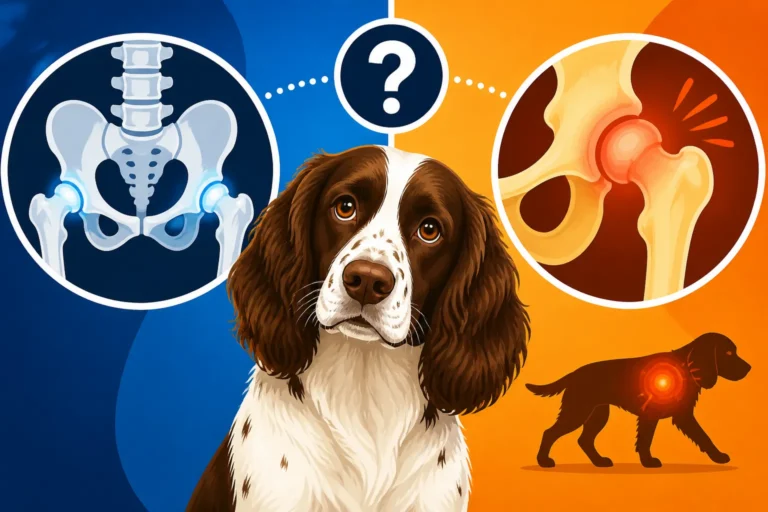
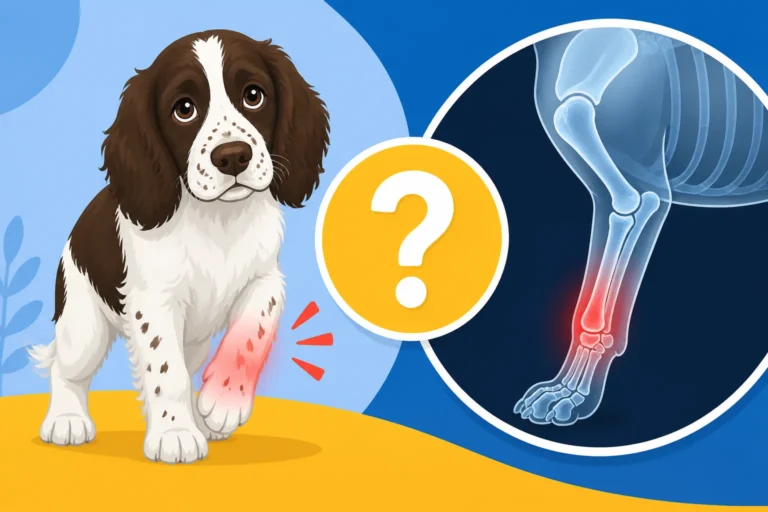
Hip and elbow dysplasia are complex, multifactorial conditions that involve abnormal development of the hip and elbow joints, respectively. They can range from mild laxity to severe malformation, leading to pain, arthritis, and lameness. In a highly active breed like the Springer Spaniel, sound joints are absolutely critical for their ability to run, jump, and work. Seeing a Springer Spaniel struggle with lameness due to these conditions is truly heartbreaking, especially knowing that careful screening could have reduced the risk.
The primary method for screening for hip and elbow dysplasia involves specialized X-rays taken after the dog reaches a certain age, typically 24 months. These X-rays are then submitted to a veterinary orthopedic organization for evaluation. In the United States, the Orthopedic Foundation for Animals (OFA) is the leading registry, while in the UK, the British Veterinary Association (BVA) operates a similar scheme. These evaluations provide a score or grade for the joints, indicating their quality and the likelihood of developing problems. Breeders should be able to provide clear documentation of these scores for both parents, indicating a good or excellent rating. It's worth noting that even with excellent scores, no breeder can guarantee a dog won't develop these conditions, as environmental factors also play a role, but it significantly reduces the genetic predisposition. This is part of how Whether a Springer Spaniel's Hip Score Predicts Arthritis is considered by breeders.
How Certification Bodies Work OFA/BVA
The OFA and BVA aren't just sending back a "pass" or "fail" mark; they provide a detailed evaluation. For hips, the OFA assigns ratings like Excellent, Good, Fair (all considered passing), Borderline, or Dysplastic (Mild, Moderate, Severe). The BVA hip scoring system, on the other hand, assigns a numerical score to each hip, with a lower total score indicating better hips. For elbows, both systems provide a grade, with 0 being normal and higher numbers indicating increasing degrees of dysplasia.
Breeders should be transparent about these scores, allowing prospective owners to view the official certificates. It’s not just about getting a certificate; it’s about understanding what those numbers mean. A breeder should be able to explain the scores and why they chose to breed those particular dogs. A dog with a "Fair" hip rating might still be considered breedable if paired with a dog with an "Excellent" rating, as long as the overall goal is to improve the breed average. However, breeding two dogs with borderline or dysplastic ratings is highly irresponsible. Always ask to see the physical certificates, not just take a breeder's word for it. This diligence is essential for predicting the future health of your Springer Spaniel puppy.
Crucial Eye Health Examinations
The eyes are the window to the soul, and for a Springer Spaniel, they are also critical tools for their work and play. Several hereditary eye conditions can plague the breed, ranging from those that impair vision slightly to those that cause blindness and excruciating pain. Regular eye examinations by a board-certified veterinary ophthalmologist are therefore non-negotiable for breeding stock.
Screening for Progressive Retinal Atrophy and Retinal Dysplasia
Progressive Retinal Atrophy (PRA) is a group of genetic diseases that cause the degeneration of the retina, eventually leading to blindness. In English Springer Spaniels, there are specific forms of PRA that can be identified through DNA testing or by regular eye exams. Progressive Retinal Atrophy in a Springer Spaniel can be truly devastating, slowly robbing a dog of its sight. Retinal Dysplasia, on the other hand, involves abnormal development of the retina. This condition can manifest as small folds or geographic lesions within the retina. While mild folds might not significantly impact vision, more severe forms can lead to blindness.
Both PRA and Retinal Dysplasia are typically screened for by a board-certified veterinary ophthalmologist, who will perform a comprehensive eye exam, often annually. They will dilate the pupils and examine the back of the eye with specialized equipment. This examination can identify structural abnormalities or early signs of retinal degeneration. In addition to clinical exams, DNA tests are available for specific forms of PRA, providing an even more definitive assessment of a dog's genetic status regarding this disease. A reputable breeder will have documentation from these eye specialists, often registered with organizations like the OFA's Eye Certification Registry (CAER) or the BVA/KC/ISDS Eye Scheme. This ensures that The Four Eye Diseases a Springer Spaniel Breeder Screens For are actively monitored.
Gonioscopy for Glaucoma Risk Assessment
Glaucoma is another serious eye condition that can affect English Springer Spaniels, leading to increased pressure within the eye, severe pain, and ultimately, blindness, sometimes quite rapidly. Primary Glaucoma, specifically, is a hereditary condition where the drainage angle of the eye is malformed, preventing proper fluid outflow. When this happens, the pressure inside the eye builds up, damaging the optic nerve and retina. Understanding How Primary Glaucoma Blinds a Springer Spaniel is crucial.
A gonioscopy is a specialized examination that allows a veterinary ophthalmologist to visualize the drainage angle of the eye. It involves placing a special contact lens on the eye to get a clear view of this critical structure. This procedure is vital for identifying dogs with narrow or abnormal drainage angles, which puts them at a higher risk for developing primary glaucoma. Breeders should have their breeding dogs undergo gonioscopy, especially if there's any history of glaucoma in their lines. This test helps breeders make informed decisions to avoid passing on this painful and blinding condition. While it doesn't predict with 100% certainty that a dog will get glaucoma, it certainly flags those at higher risk, allowing for more responsible breeding choices and careful monitoring of any offspring. This is also why Why a Springer Spaniel Needs a Gonioscopy is part of the comprehensive testing panel.
DNA-Based Tests You Absolutely Cannot Skip
Beyond orthopedic and eye screenings, specific DNA tests are paramount for English Springer Spaniels due to devastating genetic diseases that can be prevalent in the breed. These tests offer clear "clear," "carrier," or "affected" results, empowering breeders to make informed decisions and prevent the birth of affected puppies.
The Fucosidosis Factor: A Devastating Neurological Disease
Fucosidosis is a truly horrific, progressive neurological disorder unique to English Springer Spaniels. It’s an inherited lysosomal storage disease, meaning affected dogs lack a specific enzyme necessary to break down certain complex sugars. These sugars then accumulate in the cells, particularly in the brain and nervous system, leading to severe and irreversible damage. Imagine watching your vibrant, intelligent Springer slowly lose coordination, develop behavioral changes, and suffer from seizures, all culminating in a greatly diminished quality of life. This is What Fucosidosis Does to a Springer Spaniel.
Symptoms typically appear between 18 months and four years of age, often starting subtly with changes in balance, hearing loss, or difficulty swallowing. It progresses relentlessly, leading to total disability. There is no cure, and affected dogs rarely live past four or five years old. Thankfully, there is a DNA test that can definitively identify clear, carrier, and affected dogs. The DNA Test That Finds Fucosidosis in a Springer Spaniel is an absolute must for any Springer Spaniel intended for breeding. A responsible breeder will test both parents, ensuring that at least one parent is clear, preventing any affected puppies from being born. For example, a clear dog bred to a carrier will produce only clear or carrier puppies, but no affected ones. This is a powerful tool to eradicate this terrible disease from the breed. We strongly encourage owners to research Fucosidosis Kills a Springer Spaniel Within Weeks of the First Sign if they want to understand the grim reality of this disease.
PFK Deficiency: Understanding Exercise Intolerance
Another crucial DNA test for English Springer Spaniels is for Phosphofructokinase (PFK) Deficiency. This is a metabolic disorder that affects the breakdown of glucose for energy, specifically in red blood cells and muscle cells. Dogs affected by PFK Deficiency cannot properly utilize glucose during periods of high activity or stress, leading to a breakdown of red blood cells and muscle tissue. The symptoms can be quite alarming, often triggered by strenuous exercise, excitement, or even extreme temperatures.
An affected dog might experience severe muscle cramping, weakness, and collapse after even moderate exercise. Owners often report their dogs passing dark, reddish-brown urine, which is a sign of red blood cell destruction (hemolysis). While some dogs might live relatively normal lives if their activity is carefully managed, severe episodes can be life-threatening. PFK Deficiency and the Springer Spaniel That Collapses After Exercise is a reality that owners of untested dogs might face. Like Fucosidosis, PFK Deficiency is inherited in a recessive pattern, making DNA testing of breeding parents absolutely essential. Breeders should use a DNA test to ensure that at least one parent is clear of the mutation, thus preventing the possibility of producing affected puppies. This test is a cornerstone of responsible breeding, allowing dogs to live healthy, active lives without the constant threat of a PFK episode.
Additional Health Considerations and Tests
While the core orthopedic, eye, and DNA tests cover some of the most critical hereditary issues, a truly comprehensive health screening for Springer Spaniel parents extends to other areas, ensuring overall wellness and addressing other potential breed predispositions. These aren't always definitive "pass/fail" genetic tests but are important parts of a thorough veterinary examination.
Thyroid Function and Its Impact
Hypothyroidism, an underactive thyroid gland, is a condition that can affect many dog breeds, including the English Springer Spaniel. While not always directly genetic in a simple recessive pattern, there can be a hereditary component, and it's certainly prevalent enough to warrant screening in breeding stock. The thyroid gland produces hormones that regulate metabolism, so when it's not functioning correctly, it can lead to a wide range of symptoms.
An affected dog might show signs like lethargy, weight gain despite no change in diet, a dull or thinning coat, skin problems, and even behavioral changes such as increased anxiety or aggression. Diagnosing hypothyroidism involves blood tests to measure thyroid hormone levels. While it is treatable with daily medication, a responsible breeder will want to know the thyroid status of their breeding dogs to make informed decisions about their breeding program and to disclose this information to prospective puppy owners. It's another layer of transparency and care that distinguishes a top-tier breeder. Whether a Springer Spaniel Gets Hypothyroidism is an important question, and testing can provide answers.
Cardiac Health and General Physical Examinations
Beyond specific genetic tests, a thorough general physical examination and cardiac screening are vital for any dog entering a breeding program. A veterinarian will listen to the heart for murmurs or arrhythmias that could indicate underlying cardiac issues. While congenital heart defects aren't as common in Springers as some other breeds, a pre-breeding cardiac check provides a baseline and can flag any potential concerns. It's about ensuring the overall health and vigor of the breeding dog, not just avoiding specific genetic diseases.
This general health check also encompasses a full work-up from nose to tail, checking for any other physical abnormalities, assessing dental health, and ensuring the dog is in peak physical condition. It's a holistic approach to health that contributes to the robustness of the litter. When combined with all the specific genetic and orthopedic screenings, a comprehensive general health check paints a full picture of the parent dog's wellness. A proactive approach to health can also mean setting aside funds for unexpected vet visits; having pet insurance from a provider like Healthy Paws can certainly help manage these costs should an unforeseen issue arise, even in well-bred dogs.
Ensuring a Healthy Future: A Table of Essential Tests
To summarize, here's a quick overview of the key health tests every English Springer Spaniel parent should undergo:
| Condition | Type of Test | What it Screens For | When it's Performed (Minimum Age) | Importance |
|---|---|---|---|---|
| Hip Dysplasia | X-ray & Orthopedic Evaluation (OFA/BVA) | Abnormal development of the hip joints | 24 months | Prevents severe pain, arthritis, and lameness, crucial for an active breed. |
| Elbow Dysplasia | X-ray & Orthopedic Evaluation (OFA/BVA) | Abnormal development of the elbow joints | 24 months | Prevents pain, lameness, and reduced mobility. |
| Progressive Retinal Atrophy (PRA) | Ophthalmic Exam & DNA Test | Degeneration of the retina, leading to blindness | Annually (for exam), any age (DNA) | Prevents a devastating, untreatable cause of blindness. |
| Retinal Dysplasia | Ophthalmic Exam | Abnormal development of the retina | Annually | Identifies structural abnormalities that can impair vision or cause blindness. |
| Primary Glaucoma | Gonioscopy | Malformed drainage angle of the eye | Once (often around 12-24 months) | Identifies risk for painful, blinding eye pressure. |
| Fucosidosis | DNA Test | Lysosomal storage disease causing neurological damage | Any age | Prevents a fatal, progressive neurological disorder unique to Springers. The DNA Test That Should Precede Every Springer Spaniel Purchase is vital. |
| PFK Deficiency | DNA Test | Metabolic disorder causing exercise intolerance/collapse | Any age | Prevents debilitating episodes of muscle weakness, collapse, and red blood cell destruction. |
| Hypothyroidism | Blood Test (Thyroid Panel) | Underactive thyroid gland | Annually | Screens for a treatable condition affecting metabolism, coat, and behavior. |
| Cardiac Health | Veterinary Auscultation (Stethoscope) | Heart murmurs or arrhythmias | Annually | Ensures overall cardiovascular health. |
| General Physical Exam | Hands-on Veterinary Exam | Overall health, dental, structural soundness | Annually | Confirms overall wellness and identifies any non-specific issues. |
When you connect with a breeder, don't be shy about asking to see proof of these clearances. A responsible breeder will be proud to share them and discuss their health program. It speaks volumes about their dedication to the breed and the puppies they produce. Ensuring that your potential puppy's parents have been thoroughly health tested is the best possible start you can give your new family member, setting them up for a long, happy, and active life. And even with the best genetic health, unforeseen accidents or illnesses can occur, which is where having good pet insurance, like a plan from Healthy Paws, can provide significant peace of mind.
Disclaimer
This article is for general informational purposes only and does not constitute professional advice. Laws, prices and regulations vary by location and change over time. Consult a qualified professional for guidance on your specific situation.