Separation Anxiety in a Springer Spaniel
One of the most heart-wrenching things to witness as a Springer Spaniel owner is the sheer panic your dog experiences when left alone. It's not just a little whining; it's a full-blown emotional crisis that often manifests in destruction, incessant barking, or even self-harm, leaving you feeling helpless and heartbroken. This comprehensive guide will walk you through understanding, recognizing, managing, and preventing separation anxiety in your beloved Springer Spaniel, offering practical strategies and a compassionate approach.
Understanding Springer Spaniel Separation Anxiety
It's easy to dismiss destructive behavior or house soiling as a dog "getting back at you" for leaving them, but with a Springer Spaniel, especially when it's tied to your absence, it's almost certainly a cry for help. Understanding what separation anxiety truly is, and how it differs from simple boredom, is the crucial first step towards helping your dog.
What is Separation Anxiety, Really?
At its core, separation anxiety is a panic disorder. Your Springer Spaniel isn't deliberately misbehaving; they are experiencing profound distress and fear when left alone. Imagine being truly terrified, feeling utterly abandoned, and not knowing if your safe person will ever return. That's the emotional landscape of a dog with separation anxiety. Their behaviors – the frantic barking, the chewing through doors, the inappropriate urination – are coping mechanisms, desperate attempts to either alleviate their stress, escape the situation, or signal their distress to you. It's a physiological response to extreme anxiety, where their body floods with stress hormones, and their ability to think calmly is completely overridden by panic.
For a Springer, a breed known for its intense bond with its human companions, this can be particularly devastating. They are bred to work alongside us, to be our partners, and this inherent connection makes isolation feel profoundly unnatural and terrifying. It's not just about missing you; it's about a complete breakdown of their sense of security.
Differentiating From Boredom and Lack of Training
This is a really important distinction, because the solutions for boredom are very different from those for true anxiety. If your Springer Spaniel is simply bored or hasn't been properly house-trained or crate-trained, their behaviors might look similar on the surface, but the underlying motivation is different.
Boredom-induced destruction or mischief often happens because a dog has excess energy, lacks mental stimulation, or hasn't learned appropriate boundaries. They might chew on your favorite shoe because it's available and interesting, not because they're panicking. They might counter-surf because they're hungry and opportunistic. These behaviors usually don't involve the intense vocalizations (howling, constant barking) or physiological signs (excessive drooling, frantic pacing, self-mutilation) that accompany true separation anxiety. A bored dog might eventually settle down, whereas an anxious dog's distress often escalates until you return.
Lack of house training or crate training can also lead to accidents indoors or resistance to being confined. A puppy who hasn't learned bladder control will have accidents regardless of whether you're home or not, though they might hold it longer when supervised. A dog not properly introduced to a crate might bark and scratch because they don't like being enclosed, but it's not the same as the panic of separation.
The key differentiator is the trigger: if the problematic behavior only, or predominantly, occurs when you leave, and especially within minutes of your departure, it strongly points to separation anxiety. If it happens sometimes when you're home, or if the dog can settle after a bit of protest, it might be boredom or training gaps. Often, owners record their dog while they're out, and this footage can be incredibly telling. The Springer Spaniel That Cannot Be Left Alone touches on some of these core behavioral issues.
Recognizing the Signs of Separation Anxiety
Observing your Springer Spaniel's behavior when you're gone is critical. Since you're not there, it can be tricky, but video cameras have become an invaluable tool for countless owners trying to understand what their furry friends do when left to their own devices.
Common Destructive Behaviors
When a Springer Spaniel is in the throes of separation anxiety, they often turn their distress into destructive energy. This isn't out of spite; it's a desperate attempt to cope or escape.
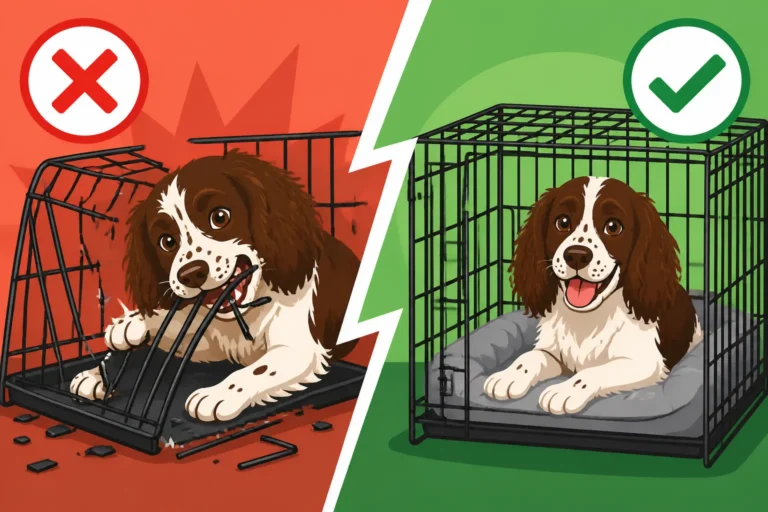
- Chewing: You might come home to gnawed furniture, shredded pillows, or even damaged door frames. This chewing is often intense and focused on exit points or objects heavily scented with your presence. A dog might chew through a wooden crate, ruin a bed, or even tear up the carpet near the door. This isn't just a casual chew; it's often frantic and driven by immense stress, sometimes even causing injury to their teeth or gums.
- Digging: Some Springers will try to dig their way out of a confined space, like a crate or a room. They might scratch at doors, window sills, or even dig at the floor, leaving deep gouges or worn areas. This behavior is rooted in an instinctual drive to escape what feels like a trap.
- Scratching: Similar to digging, scratching at doors, walls, or crates is another common sign. You might find claw marks around entryways, indicating their frantic efforts to follow you or break free from their confinement. This can lead to damaged property and sore paws for your dog.
These behaviors are often accompanied by other signs of distress, confirming it's not just naughty chewing but a deeper anxiety issue.
Vocalizations and Pacing
The sounds and movements your Springer makes when you're gone can be incredibly telling.
- Barking and Howling: Many dogs with separation anxiety vocalize excessively. This isn't just a few barks at the mailman. It's often sustained, high-pitched barking, howling, or whining that can go on for hours. Neighbors often become the first to alert owners to this problem. A surveillance camera will show the relentless nature of these vocalizations, starting almost immediately after you leave and sometimes only stopping when they're utterly exhausted.
- Whining: Constant, mournful whining, often accompanying pacing or attempts to escape, is another strong indicator. This is a sound of distress, not just attention-seeking.
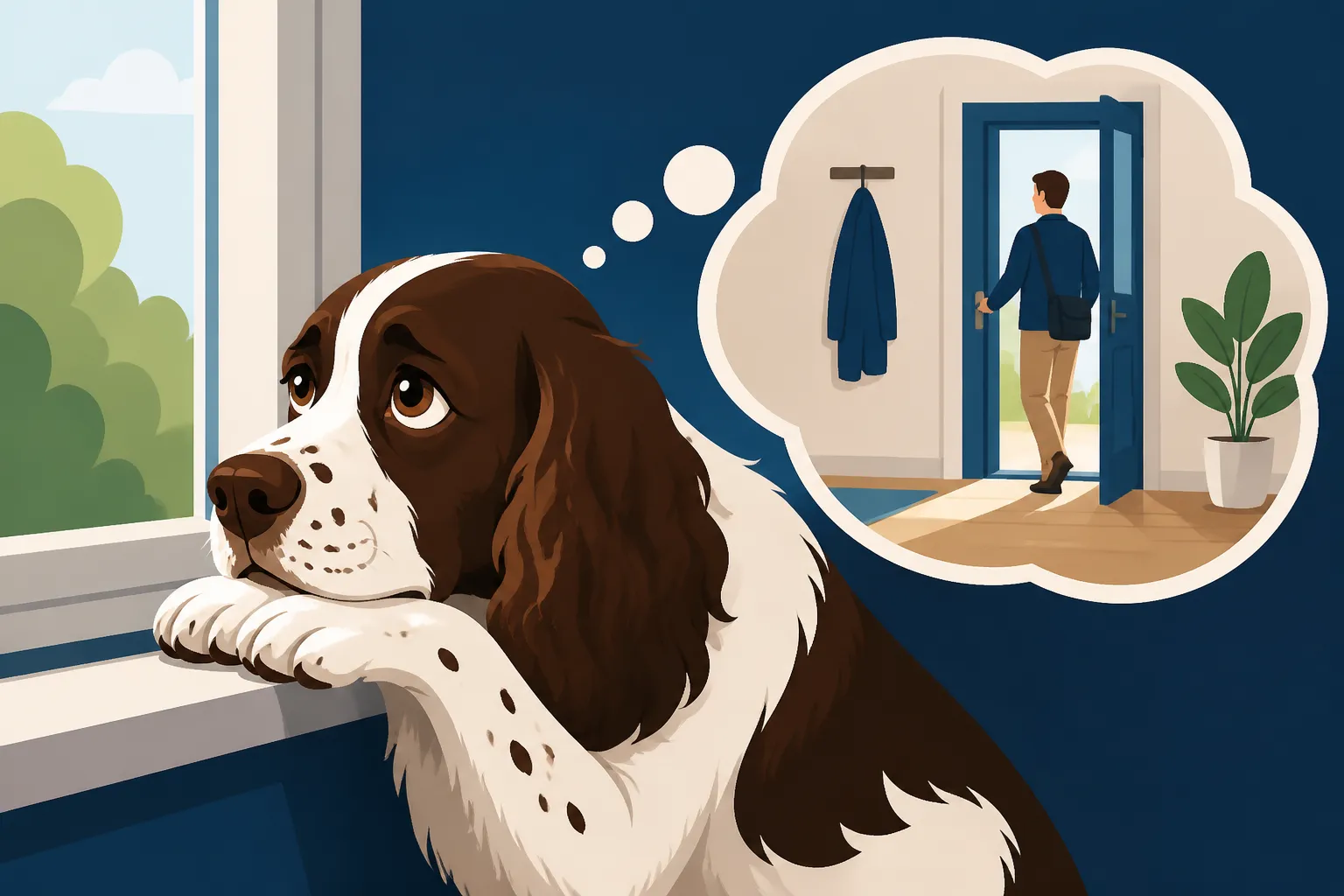
- Pacing: An anxious Springer will often pace restlessly, particularly near the doors or windows through which you exited. They might walk in circles, back and forth, or be unable to settle down for any length of time. This restless movement reflects their internal agitation and inability to relax. This pacing can be relentless, wearing paths into carpets or leading to raw paw pads if left unchecked.
- Trembling or Shaking: Some dogs may visibly tremble or shake when left alone, even when the room temperature is comfortable. This is a clear physical manifestation of their fear and anxiety.
Understanding How Long a Springer Spaniel Can Be Left Alone can give you perspective on why these vocalizations might start.
House Soiling and Other Physical Symptoms
Beyond the more obvious destructive acts, separation anxiety can trigger less obvious, but equally distressing, physical symptoms.
- Urinating and Defecating Indoors: This is not a lack of house training. A dog with separation anxiety might relieve themselves indoors even if they are perfectly house-trained when you are home, and even if they've just been outside. The act is involuntary, a physiological response to extreme stress, much like a person might feel nauseous or have an upset stomach during intense fear. The accidents usually occur shortly after you leave and are not typically related to holding it too long.
- Excessive Drooling (Hypersalivation): Some Springers will drool profusely when anxious, leaving puddles of saliva on the floor, their bed, or themselves. This is another physical manifestation of extreme stress and fear, much like how humans might sweat or have a dry mouth under duress.
- Self-Harm: In severe cases, an anxious Springer Spaniel might engage in self-mutilation. This can include licking or chewing at their paws until they are raw, or even pulling out their fur. This is a desperate attempt to self-soothe or to redirect their intense internal stress, and it's a clear sign of profound psychological distress requiring immediate intervention.
- Vomiting or Diarrhea: The intense stress of separation anxiety can also upset a dog's digestive system, leading to vomiting or diarrhea. These are serious symptoms that can quickly lead to dehydration and other health issues.
It's vital to rule out any underlying medical conditions with your vet first, as some physical symptoms like house soiling or vomiting could be indicative of other health problems rather than purely anxiety.
Why Springer Spaniels Are Prone to Separation Anxiety
Understanding the "why" behind your Springer's anxiety can empower you to approach the problem with more empathy and targeted solutions. Our beloved Springers, for all their wonderful qualities, often come with certain predispositions that make them more vulnerable to this particular struggle.
The Breed's Innate Clinginess
Let's face it, Springer Spaniels are often called "Velcro dogs" for a reason. They thrive on companionship and have a historical role as working partners, bred to be constantly by their human's side in the field. This deep-seated need for connection and collaboration is a beautiful trait, but it also means they can struggle profoundly when that connection is abruptly severed.
- Working Breed History: Springers were developed to "spring" game, work within gun range, and retrieve fallen birds, always in close communication with their handler. Their entire purpose revolved around human partnership. This isn't a breed that was typically left alone for long stretches; their instincts are to be part of the action, part of the pack, with you at the center of their world.
- Intense Bonding: They bond very strongly with their families, often forming particularly strong attachments to one or two primary caregivers. This intense loyalty is what makes them such devoted companions, but it can also make your absence feel like a profound loss or a threat to their security. Why a Springer Spaniel Follows You Everywhere illustrates this deep bond.
- Lack of Independence Training: Because they are so naturally inclined to be with us, sometimes we inadvertently reinforce this clinginess by rarely leaving them alone, or by always giving them attention when they demand it. This can prevent them from developing a healthy sense of independence and the ability to self-soothe when solitary.
High Energy and Mental Stimulation Needs
A tired Springer is a good Springer, and a bored Springer is often a destructive Springer. This breed is packed with energy and intelligence, and if these needs aren't met, anxiety can easily creep in.
- Physical Exercise: A field-bred Springer Spaniel, in particular, requires a significant amount of strenuous physical activity. Two short walks around the block simply won't cut it. They need to run, sniff, and explore. If they're not adequately exercised before being left alone, they'll have a build-up of physical energy with no outlet, which can manifest as restless pacing, destructive chewing, or frantic vocalizations. Imagine trying to sit still and calm when you're buzzing with unspent energy – it's incredibly difficult. How Many Hours a Field Springer Spaniel Needs Daily explores these needs in depth.
- Mental Engagement: Beyond physical exercise, Springers are highly intelligent and need their brains challenged. They love to problem-solve, use their incredible noses, and learn new things. A lack of mental stimulation can lead to boredom, frustration, and ultimately, anxiety. A dog with an under-stimulated mind will seek its own entertainment, which can quickly turn destructive.
- Impact on Anxiety: When a Springer is both physically and mentally under-stimulated, their ability to cope with stress is severely diminished. They might have a lower threshold for anxiety, and the absence of their human, combined with their pent-up energy, can quickly push them over the edge into a full-blown panic attack. Whether a Bored Springer Spaniel Destroys Things highlights this connection.
Early Experiences and Trauma
A dog's past experiences, especially during critical developmental periods, can significantly influence their susceptibility to separation anxiety.
- Rescue Dogs and Rehoming: Many rescue Springers come with unknown histories. They may have experienced abandonment, neglect, or multiple rehomings. Each of these events can deeply traumatize a dog and instill a profound fear of being left alone again. A dog who has been in a shelter or moved between several homes might develop separation anxiety as a coping mechanism against further perceived abandonment. They've learned that humans sometimes leave and don't come back, making every departure a terrifying unknown.
- Sudden Changes in Routine: Even Springers who have been with their families since puppyhood can develop separation anxiety due to sudden changes. This could be a change in your work schedule (e.g., suddenly working in the office after a long period of working from home), a move to a new house, the loss of another pet, or a significant illness in the household. These disruptions can destabilize a dog's sense of security and trigger anxiety they never had before.
- Lack of Early Socialization and Independence: Puppies who are constantly coddled and never taught to be comfortable alone, even for short periods, can be more prone to developing separation anxiety. Early experiences where they learn that being alone is safe and temporary are crucial. The First Year With a Springer Spaniel Puppy emphasizes the importance of these early lessons.
These factors can combine to create a perfect storm for separation anxiety in a Springer Spaniel. It's a complex issue, rarely caused by a single factor, and often requires a multi-faceted approach to resolve.
Strategies for Managing Mild Separation Anxiety
If your Springer Spaniel is showing milder signs of separation anxiety – perhaps a little whining, some minor destructive chewing, or pacing but eventually settling – there's a lot you can do at home to help them. The key is gradual exposure and building their confidence in your return.
Building Independence Gradually
The goal here is to slowly increase your Springer's comfort level with being alone, demonstrating that your absence is temporary and safe.
- Practice Short Absences: Start small, really small. Leave for literally 30 seconds, then return. Don't make a big fuss when you leave or return. The idea is to make your departure and arrival as unremarkable as possible. Gradually increase the duration: 1 minute, 2 minutes, 5 minutes, 10 minutes. The critical point is to return before your dog starts to show significant anxiety. If you come back to full-blown panic, you've gone too far, too fast, and need to reduce the time next session. This might mean simply stepping out of sight into another room, closing the door, and immediately opening it again.
- Crate Training for Security, Not Punishment: A crate can be a den of security, not a jail. If properly introduced, it offers a safe, predictable space. Never use the crate as punishment, or your Springer will associate it with negative feelings. The crate should be a positive place, associated with comfort items, treats, and quiet time. Whether a Springer Spaniel Puppy Should Be Crated is an excellent resource for proper crate introduction.
- Designated Safe Spaces: If your Springer isn't comfortable in a crate, or you prefer not to use one, establish a safe, dog-proofed room or area. This space should be comfortable, perhaps with their bed, some favorite toys, and water. Again, the idea is to create a predictable and secure environment where they feel safe when you're not there. You can use baby gates to help define this space.
Pre-Departure Routine Changes
Many dogs with separation anxiety pick up on "pre-departure cues" – the jingle of your keys, putting on your shoes, grabbing your purse. These cues can trigger anxiety before you even leave. The trick is to desensitize them to these triggers.
- Minimize Departure Cues: Practice doing your departure routine without actually leaving. Pick up your keys, put them back down. Put on your coat, then take it off and sit on the couch. This helps to break the association between these actions and your impending departure, making them less anxiety-inducing.
- Calm Departures and Arrivals: Make your goodbyes and hellos incredibly low-key. No dramatic farewell speeches or excited greetings. When you leave, simply walk out. When you return, ignore your dog for the first few minutes until they are calm, then offer a calm pet or greeting. This teaches them that your departure isn't a big deal, and your return isn't a cause for frantic celebration, which can escalate anxiety over future departures.
- Provide a Distraction: Just before you leave, give your Springer a high-value, long-lasting chew toy or a puzzle toy stuffed with treats. The idea is to associate your departure with something positive and engaging. By the time they finish the treat, they might be more settled, or at least have had a positive diversion during the initial moments of your absence. Many great options can be found on platforms like Amazon.
Enriching the Environment
A mentally and physically satisfied Springer Spaniel is much better equipped to handle alone time.
- Adequate Exercise Before You Leave: This is paramount for Springers. A long walk, a vigorous game of fetch, or a training session before you leave can help burn off excess energy and promote a calm state. A physically tired dog is more likely to rest and less likely to pace or destroy. How Much Exercise a Field Bred Springer Spaniel Needs will give you ideas for activities.
- Interactive Puzzle Toys and Chews: Provide plenty of mental stimulation. Kongs stuffed with frozen peanut butter or cream cheese, snuffle mats, and other puzzle toys can keep your Springer engaged and focused on a positive task while you're gone. Brands like West Paw or Kong offer excellent durable options that can be found on Amazon. Long-lasting chews (like bully sticks or dental chews) can also be helpful.
- Background Noise: A TV, radio, or white noise machine can provide a sense of presence and mask outside noises that might trigger barking. Classical music or talk radio can be particularly soothing. Some dogs even respond well to specialized dog-calming music.
- Scent Familiarity: Leaving an item of your clothing that smells like you (like an old t-shirt) in their safe space can provide comfort. The familiar scent can be reassuring in your absence.
By implementing these strategies consistently and patiently, you can help your Springer Spaniel gradually build confidence and learn that being alone isn't something to fear.
Addressing Severe Separation Anxiety in Your Springer
When your Springer's anxiety is severe – think self-harm, constant destructive behavior that causes injury or significant property damage, or incessant vocalizations that disrupt neighbors for hours – it's time to bring in the cavalry. This level of distress requires professional intervention and a more structured, intensive approach.
Professional Help and Assessment
You are not alone in this, and professionals can offer invaluable guidance.
- Veterinary Check-up: The absolute first step is a thorough veterinary examination. Some medical conditions can mimic separation anxiety symptoms, such as urinary tract infections causing accidents, or dental pain exacerbating chewing. Your vet can rule out health issues and also discuss anti-anxiety medications if appropriate. They can also offer referrals to specialized behaviorists.
- Certified Veterinary Behaviorist or Professional Dog Trainer: This is crucial. A certified veterinary behaviorist (DVM, DACVB) is a veterinarian who has specialized in animal behavior, much like a human psychiatrist. They can diagnose the specific type of anxiety, consider medication, and design a comprehensive behavior modification plan. A certified professional dog trainer (CPDT-KA, CDBC) specializing in separation anxiety can also be incredibly helpful, working under the guidance of your vet if medication is involved. These professionals use science-based, positive reinforcement methods and understand the nuances of anxiety. They often begin with a detailed history and may ask you to video your dog when you leave. What a Behaviorist Costs a Springer Spaniel Owner can help you understand the investment in this critical resource.
- Developing a Tailored Plan: A professional will create a step-by-step plan unique to your Springer's needs. This isn't a one-size-fits-all solution; it will be highly individualized, taking into account your dog's specific triggers, severity of anxiety, and your lifestyle. The plan will likely involve desensitization, counter-conditioning, and management strategies.
Desensitization and Counter-Conditioning
These are the core techniques used to change your dog's emotional response to your departure. They are often slow and require immense patience.
- Gradual Desensitization to Departure Cues: As mentioned for mild anxiety, you'll systematically desensitize your Springer to your departure cues (keys, coat, shoes, etc.). You'll perform these actions repeatedly without leaving, until they no longer trigger an anxious response. This might involve hundreds of repetitions over weeks or months. The key is to keep your dog under their anxiety threshold.
- Systematic Desensitization to Absence: This involves the highly controlled, gradual increase of alone time, always staying below the point where your dog becomes anxious. A behaviorist might recommend starting by just closing the door to a room for a few seconds, then gradually extending that time. You literally work in seconds, not minutes, ensuring your dog never experiences full-blown panic. This process can be incredibly slow, sometimes taking months to build up to even 30 minutes of comfortable alone time.
- Counter-Conditioning: This means changing your dog's emotional association with being alone from negative to positive. Every time you perform a departure cue or leave, you pair it with something wonderful, like a special, high-value treat that they only get when you're preparing to leave. This could be a Kong stuffed with their favorite food, a puzzle feeder, or a long-lasting chew. The goal is for them to eventually associate your departure with a positive experience.
- Practice, Practice, Practice: Consistency is vital. These exercises need to be practiced daily, sometimes multiple times a day. It’s like physical therapy for anxiety; regular, gentle sessions build strength and resilience.
The Role of Medication
For severe cases, medication can be a lifeline, making it possible for behavior modification to even begin.
- When Medication is Considered: Your vet or veterinary behaviorist might suggest medication if your Springer's anxiety is so severe that they cannot learn or cope, even with a careful desensitization plan. If their panic response is so overwhelming that they injure themselves, or if the training is impossible because their anxiety threshold is too low, medication can help to lower that baseline anxiety.
- How Medication Helps: Anti-anxiety medications are not a "cure-all" or a sedative to simply knock your dog out. Instead, they work to adjust brain chemistry, reducing the intensity of the anxiety response. This creates a "window of opportunity" where your Springer is calmer and more receptive to learning through behavior modification techniques. It makes the desensitization and counter-conditioning more effective.
- Working with Your Vet: Medication should always be prescribed and monitored by a veterinarian or veterinary behaviorist. They will determine the appropriate type and dosage, and closely track your dog's response. It can take several weeks for medications to reach full effectiveness, and adjustments may be needed. Whether Medication Helps a Springer Spaniel's Separation Anxiety offers further insights.
It's important to remember that medication is rarely a standalone solution; it works best in conjunction with a comprehensive behavior modification program overseen by a professional.
Preventing Separation Anxiety in Puppies and Rescues
The best way to deal with separation anxiety is to prevent it from developing in the first place. This is especially true for Springer Spaniel puppies, given their predisposition to clinginess, and for rescue dogs, who may carry the baggage of past abandonment.
Early Independence Training
Starting early is key. Teaching a young Springer that being alone is normal and safe can lay a strong foundation for their emotional well-being.
- Structured Alone Time from Day One: Even with an adorable new puppy, it's vital to begin practicing alone time immediately. This doesn't mean leaving them for hours on end, but rather short, controlled periods. Start by leaving them in their crate or a puppy-proofed playpen with a high-value chew toy or puzzle toy while you're in another room for 5-10 minutes. Gradually increase this time.
- No Constant Cuddling: While it's tempting to constantly hold and interact with your Springer puppy, resist the urge to always have them on your lap or right next to you. Encourage them to settle independently in their bed or crate while you're still in the room. This teaches them that they can be calm and content without direct physical contact.
- "Go To Your Place" Training: Teach your Springer a "place" command, sending them to their bed or mat and rewarding them for staying there calmly while you move around the house. This builds their ability to settle away from you on command.
- Puppy Training Programs: Enroll your Springer puppy in a good puppy class or consider an online program like BAXTER & Bella. These programs often include exercises that promote independent thought and build confidence, which are critical for preventing separation anxiety. They also provide valuable socialization opportunities.
- Positive Crate Introduction: If you plan to use a crate, make it a positive experience from the start. Feed meals in the crate, offer special toys only in the crate, and make it a cozy den. Never use it for punishment. Whether a Springer Spaniel Puppy Should Be Crated is a must-read for this.
Establishing a Secure Attachment
A secure attachment means your Springer trusts that you will return, rather than fearing you won't. This isn't about being aloof, but about fostering a healthy, balanced relationship.
- Predictable Routine: Dogs thrive on routine. A consistent schedule for feeding, walks, playtime, and training helps your Springer feel secure and understand what to expect. Predictability reduces uncertainty, which is a major component of anxiety.
- Avoid Over-Attachment and Constant Reassurance: While it’s natural to want to comfort your dog, constantly fussing over them, especially when they’re showing mild anxiety, can inadvertently reinforce the anxious behavior. If they whine and you immediately pick them up, they learn that whining gets your attention. Instead, encourage calm independence and reward it.
- Empowerment Through Training: Training, especially positive reinforcement training, builds confidence and a sense of mastery in your Springer. When they learn they can influence their environment through their actions, it reduces feelings of helplessness that can fuel anxiety. Whether a Springer Spaniel Needs a Job speaks to their need for purpose.
Consistent Routines and Predictability
Consistency is the bedrock of a confident, well-adjusted dog.
- Maintain a Schedule: As much as possible, keep feeding times, walk times, and training sessions consistent. This helps your Springer develop an internal clock and a sense of what to expect throughout the day, which is deeply comforting.
- Practice Departures Even When Not Leaving: Regularly perform your departure cues (grab keys, put on coat) without actually leaving the house. This desensitizes your dog to these actions, making them less impactful when you do leave.
- Provide Engaging Activities: Ensure your Springer gets plenty of appropriate exercise and mental stimulation daily. A tired dog is a happy dog, and a dog whose brain has been engaged is less likely to become anxious from boredom or pent-up energy. This can be structured play, training, or interactive toys.
By being proactive and mindful of these prevention strategies, you can significantly reduce the likelihood of your Springer Spaniel developing the debilitating condition of separation anxiety, fostering a confident and happy companion.
| Separation Anxiety Symptom | Possible Underlying Cause | Severity Level | Common Solutions (Mild) | When to Seek Professional Help (Severe) |
|---|---|---|---|---|
| Destructive Chewing/Digging | Panic, Escape Attempt, Boredom | Mild to Severe | Puzzle toys, high-value chews, crate training | Injury to dog, significant property damage |
| Excessive Vocalization | Panic, Distress, Boredom | Mild to Severe | Background noise, short absences, ignoring until calm | Complaints from neighbors, continuous howling |
| Pacing/Restlessness | Anxiety, Excess Energy | Mild to Severe | Increased exercise, calming treats, structured alone time | Relentless pacing, inability to settle at all |
| House Soiling | Stress, Fear | Moderate to Severe | Rule out medical, short absences, calm departures | Consistent accidents, even after recent potty break |
| Excessive Drooling | Extreme Stress | Moderate to Severe | Calm environment, gradual desensitization | Profuse drooling, visible discomfort |
| Self-Harm (licking, chewing) | Intense Panic, Self-Soothing | Severe | N/A | Any instance of self-mutilation or injury |
Disclaimer
This article is for general informational purposes only and does not constitute professional advice. Laws, prices and regulations vary by location and change over time. Consult a qualified professional for guidance on your specific situation.