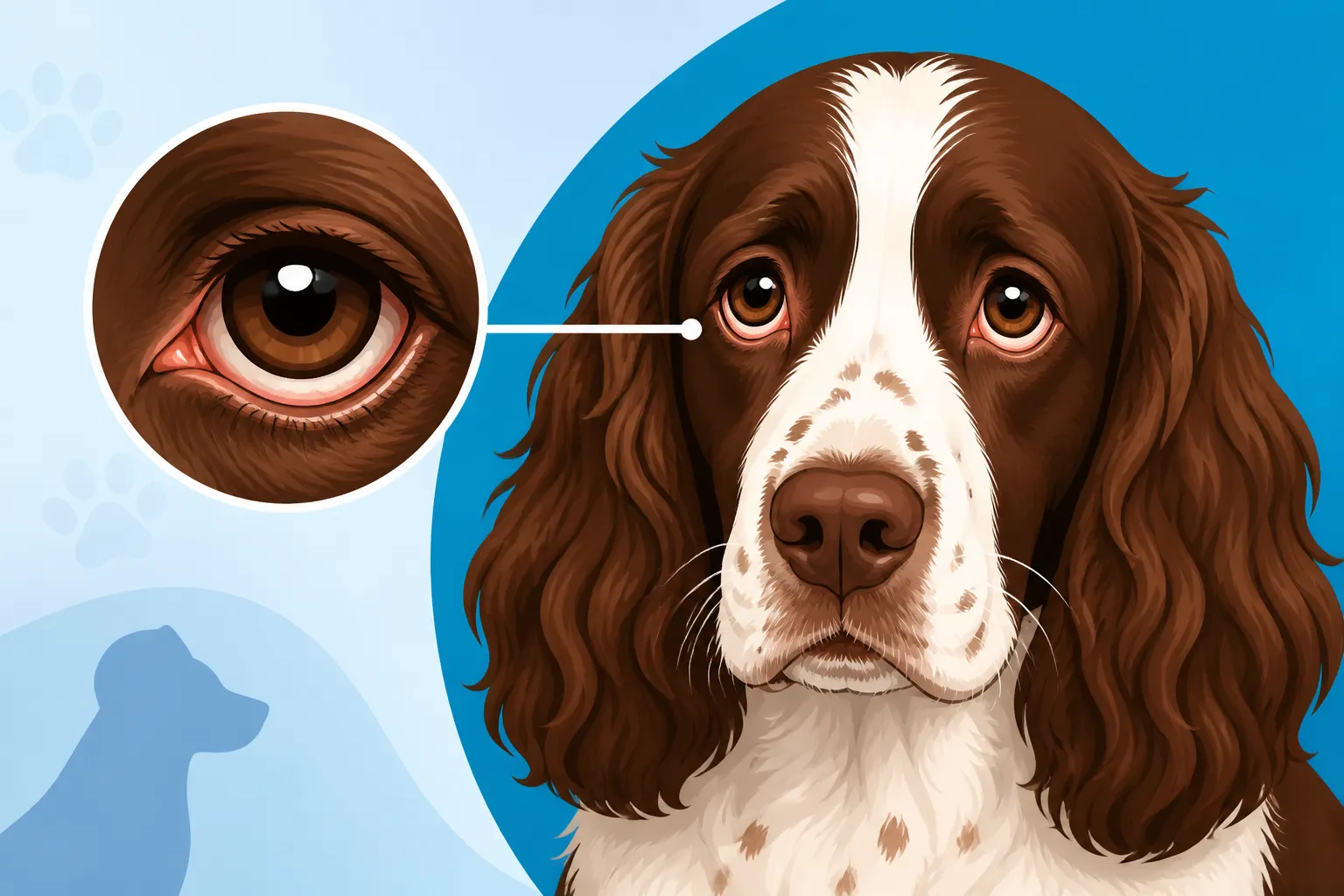
Entropion in a Springer Spaniel
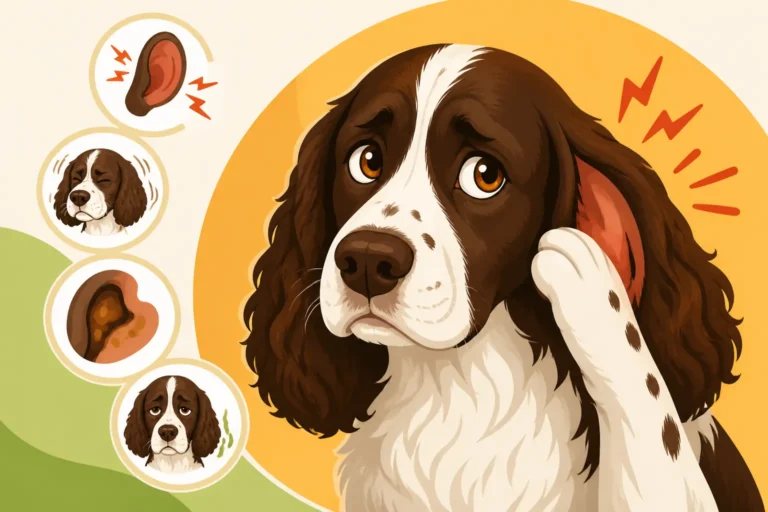
It’s a heartbreaking sight, isn't it? Waking up to find your beloved English Springer Spaniel squinting, tearing up, or constantly rubbing at their eye, as if something is perpetually irritating them. Your heart sinks because you know something isn't quite right, and the worry about their precious eyesight begins to creep in. This isn't just a temporary itch or a stray eyelash; for many Springer Spaniels, these symptoms can point to a genetic condition called entropion, where their eyelid rolls inward, causing constant pain and damage. This guide will delve deep into what entropion is, why our Springers are particularly susceptible, how it's diagnosed, and the various treatment paths available to bring your furry friend comfort and clear vision.
Understanding Entropion in English Springer Spaniels
Entropion isn't just a fancy vet word; it's a genuine problem that causes significant discomfort and can lead to serious long-term eye damage if left unaddressed. Imagine having a rough piece of sandpaper constantly rubbing against your eyeball – that's essentially what your Springer Spaniel experiences when their eyelid margin turns inward. It's not something they can simply "shake off" or ignore; it’s a persistent source of irritation that can severely impact their quality of life.
The Anatomy Behind the Issue
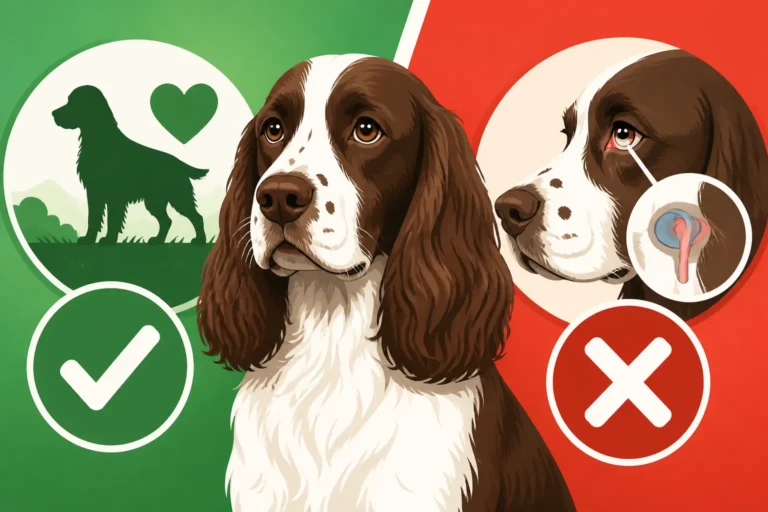
To truly grasp entropion, we need to understand a bit about the eyelid itself. The eyelids are designed to protect the eye, sweeping away debris and spreading tears to keep the surface moist and healthy. In a healthy eye, the eyelid margins curve outwards, allowing the lashes to point away from the cornea – the clear, sensitive outer layer of the eye. With entropion, this delicate balance is disrupted. The eyelid, usually the lower one, rolls inward, bringing the skin and sometimes even the eyelashes into direct contact with the cornea. This constant friction is the root of the pain and potential damage.
For a Springer Spaniel, their facial conformation can play a significant role here. They often have deep-set eyes and sometimes a more generous amount of facial skin, especially around the eyes, which can predispose them to this condition. It's not a flaw in their personality, but rather an unfortunate structural characteristic that can make them more vulnerable. It’s critical for owners to be aware of this breed-specific tendency so they can recognize the signs early.
Common Symptoms You Might See
Spotting entropion isn't always obvious at first, as some symptoms can mimic other common eye irritations. However, if you see a combination of these signs, it's definitely time for a vet visit. The most common indicators include excessive tearing, which often stains the fur below the eye, especially on lighter-colored Springers. You might notice your dog squinting frequently, trying to alleviate the irritation by partially closing their eye. This isn't just cute; it's a sign of pain.
Redness and inflammation of the eye (conjunctivitis) are also very common, as the constant rubbing can irritate the delicate pink tissues around the eye. In more severe cases, or if the condition has been present for a while, you might notice cloudiness on the cornea, or even a visible ulcer, which looks like a divot or hazy spot on the clear surface of the eye. This is a serious complication that requires immediate veterinary attention, as it can lead to vision loss if not treated promptly. Don't wait for things to get worse; early intervention can prevent much suffering and more complex treatments down the line.
Why Springer Spaniels Are Prone to Entropion
It’s disheartening to discover your beloved breed has a predisposition to certain health issues, and entropion is one that regrettably surfaces in English Springer Spaniels. This isn't just bad luck; it's often rooted in generations of selective breeding that, while aiming for certain aesthetic or working traits, can sometimes inadvertently amplify structural vulnerabilities. Understanding this genetic component is crucial for both prospective puppy owners and current Springer families.
The Role of Breed-Specific Conformation
English Springer Spaniels, both field and show types, share certain facial characteristics that contribute to their charm and, unfortunately, their propensity for entropion. Their often expressive, slightly droopy lower eyelids, combined with a tendency for looser facial skin around the eyes, can mean there's simply too much tissue for the eyelid to sit correctly. When this extra skin or laxity in the muscle causes the eyelid margin to roll inward, the problem begins. It's less about the 'look' and more about the functional mechanics of the eyelid.
Furthermore, some lines of Springer Spaniels might have deeper-set eyes, or a slightly different skull shape that pulls the surrounding skin in a way that encourages the eyelid to invert. It's a complex interplay of genetics and physical structure. This is why a reputable breeder will carefully screen their breeding stock for such conformational issues, aiming to reduce the incidence of entropion in future generations. This diligence helps ensure puppies are born with the best possible start. It’s also why understanding The Four Eye Diseases a Springer Spaniel Breeder Screens For is so important when choosing a puppy.
When Entropion Typically Appears
Entropion isn't necessarily something your Springer Spaniel is born with in its full-blown state. While the genetic predisposition is there from day one, the actual physical manifestation can vary. Often, it begins to show up in puppies as they grow, typically between a few weeks to six months of age. At this stage, it might be intermittent, only noticeable when the puppy is tired, stressed, or rubbing their eyes. This is known as "spastic entropion" and can sometimes resolve as the puppy's facial muscles and skull develop.
However, in some cases, entropion may not become evident until a Springer Spaniel is older, sometimes triggered by a sudden weight loss that makes facial skin looser, or even severe eye pain from another issue, causing the dog to squint so much that the eyelid rolls inward. It's a condition that demands vigilance throughout your dog's life, not just in puppyhood. If you've just welcomed a new pup, knowing Whether a Springer Spaniel Puppy's Eyes Are Checked at Eight Weeks is a good question to ask your breeder and vet.
Diagnosing Entropion and Understanding the Severity
When you notice your Springer Spaniel exhibiting any of the tell-tale signs of eye discomfort – persistent squinting, excessive tearing, or redness – your first and best course of action is always a trip to the veterinarian. Early diagnosis is key not only to alleviating your dog's pain but also to preventing more severe, irreversible damage to their eyes. It’s a moment for careful observation and an expert eye, which your vet can provide.
What Your Vet Will Look For
During the examination, your veterinarian will conduct a thorough ophthalmic assessment. They’ll first simply observe your Springer's eyes, looking for the characteristic inward roll of the eyelid margin. They might gently manipulate the eyelids to see if the entropion is constant or if it's spastic, meaning it only occurs under certain conditions like pain or muscle spasm. This distinction is important for determining the best treatment approach.
Beyond visual inspection, your vet will likely perform several tests. A fluorescein stain test is standard; a special orange dye is dropped into the eye, and if there are any corneal abrasions or ulcers caused by the rubbing eyelid, the dye will stick to the damaged areas and glow bright green under a blue light. This quickly reveals the extent of the damage. They might also check tear production, as sometimes dry eye can exacerbate irritation. A full eye exam will also rule out other eye conditions that can affect the breed, such as Primary Glaucoma and the Springer Spaniel That Loses an Eye or Progressive Retinal Atrophy in a Springer Spaniel. This comprehensive approach ensures that the diagnosis is accurate and that all contributing factors are identified.
Differentiating From Other Eye Issues
It’s easy for an owner to confuse entropion symptoms with other common eye problems, which is why veterinary expertise is so important. For example, seasonal allergies can cause redness and discharge, but typically don’t involve the inward rolling of the eyelid. A foreign body, like a piece of grass or a burr, can cause acute pain and squinting, but usually only affects one eye and will resolve once the irritant is removed. Conditions like conjunctivitis, or "pink eye," also present with redness and discharge, but the underlying cause is inflammation, not a structural defect of the eyelid.
Here's a quick comparison of symptoms to help illustrate the differences:
| Symptom / Condition | Entropion | Allergies | Foreign Body | Conjunctivitis |
|---|---|---|---|---|
| Squinting | Often severe & persistent | Mild to moderate | Often severe & sudden onset | Mild to moderate |
| Excessive Tearing | Yes | Yes | Yes | Yes |
| Eyelid Inversion | Yes | No | No | No |
| Redness (Conjunctivitis) | Common | Common | Localized | Common |
| Corneal Damage | Common (abrasions/ulcers) | Rare | Possible (scratch) | Rare |
| Discharge | Watery (often clear) | Watery/mucus | Watery/mucus | Watery/mucus/pus |
| Pain | Moderate to severe | Mild itchiness | Acute severe | Mild discomfort |
| Onset | Gradual (puppyhood) or acute | Seasonal/Environmental | Sudden | Gradual |
Your vet will be looking specifically for the eyelid turning inward, as this is the defining characteristic of entropion that sets it apart from these other ailments. They might even recommend Whether a Springer Spaniel Needs a Yearly Eye Exam as a preventative measure.
Treatment Options for Entropion in Your Springer Spaniel
Once entropion has been definitively diagnosed in your Springer Spaniel, the good news is that there are effective treatment options available. The approach taken will largely depend on the severity of the condition, your dog's age, and whether any corneal damage has occurred. The primary goal is always to relieve the discomfort and protect your dog’s precious eyesight.
Non-Surgical Management for Mild Cases
For very mild cases, especially in young puppies where the entropion is spastic or intermittent, a "wait and see" approach with supportive care might be recommended. This often involves using lubricating eye drops or ointments to minimize the friction between the inward-rolling eyelid and the cornea. These provide a temporary barrier, making your pup more comfortable and protecting the corneal surface. Sometimes, gentle massage of the eyelids can also be suggested, though this is less common.
Another temporary measure, often used in puppies, is eyelid tacking. This involves placing a few temporary sutures or staples in the skin of the eyelid to pull it outward, away from the eye. This procedure is usually done under light sedation and aims to temporarily evert the eyelid, giving the puppy's facial structures a chance to grow and mature into a more normal position. The sutures are typically left in for a few weeks, and sometimes, this temporary correction is enough to resolve the issue as the puppy grows. However, it's not a permanent solution for more severe or persistent cases.
Surgical Correction: The Permanent Solution
For most adult Springer Spaniels with persistent entropion, or those puppies whose condition doesn't resolve with temporary measures, surgical correction is the most effective and often the only permanent solution. The most common procedure is called the Hotz-Celsus technique. This surgery involves removing a small, crescent-shaped piece of skin and underlying muscle from just below the affected eyelid. When the incision is closed, it causes the eyelid to evert (turn outward) and remain in a normal position, preventing the skin and lashes from rubbing against the cornea.
The surgery is typically performed by a general veterinarian, though complex or recurrent cases might warrant a referral to a veterinary ophthalmologist, a specialist in eye care. The goal is to achieve a natural, functional eyelid position without over-correcting, which could lead to ectropion (the eyelid rolling outward excessively). The precision required means that an experienced surgeon is invaluable. Surgical intervention is often the best choice for ensuring your Springer Spaniel lives a pain-free life with good vision, especially since chronic irritation can lead to significant problems down the line. It's a proactive step that many owners find brings immense relief.
Post-Operative Care and Recovery
After surgery, your Springer Spaniel will need careful post-operative care to ensure a smooth recovery and successful outcome. This typically involves a course of oral antibiotics to prevent infection and anti-inflammatory medication to manage pain and swelling. You will also likely be given eye drops or ointment to apply directly to the surgical site and eye, helping with healing and comfort.
The most crucial part of post-operative care is preventing your dog from rubbing or scratching at their eyes and surgical incisions. This usually means your Springer will be sporting a fashionable Elizabethan collar (the "cone of shame") for 10-14 days until the stitches are removed. It can be a challenging time, as no dog enjoys wearing a cone, but it's absolutely essential for preventing complications like wound dehiscence (stitches coming apart) or self-inflicted damage. Regular follow-up appointments with your vet will monitor the healing process and ensure the correction is holding properly. While the thought of surgery can be daunting, the relief your dog experiences from the constant pain makes it a truly worthwhile procedure. Many pet insurance providers, such as Healthy Paws, often cover such necessary surgical interventions, which can significantly ease the financial burden of managing conditions like entropion. It's definitely something to consider if your Springer is prone to health issues.
Living with a Springer Spaniel Prone to Entropion
Bringing a Springer Spaniel into your home means embracing their boundless energy, their affectionate nature, and also, sometimes, their breed-specific health predispositions. While entropion can be successfully treated, living with a dog that has a history of the condition requires ongoing awareness and proactive care to ensure their long-term comfort and eye health. It's about being prepared and knowing what to look out for.
Monitoring for Recurrence and Complications
Even after successful surgical correction, it's important to remain vigilant. While surgery is usually permanent, there's always a slight chance of recurrence, especially if the initial entropion was severe or if your dog’s facial structure changes due to aging. Regularly inspect your Springer's eyes. Look for any renewed signs of squinting, excessive tearing, redness, or discharge. If you notice any of these symptoms reappearing, contact your vet immediately. Early detection of recurrence means quicker intervention and less discomfort for your dog.
Beyond recurrence, chronic irritation from untreated or recurrent entropion can lead to a host of complications. This includes corneal scarring, which can impair vision, and chronic eye infections. In severe, untreated cases, corneal ulcers can deepen and even rupture, leading to permanent blindness or the need for eye removal. This is why addressing entropion promptly is so vital. It’s not just about comfort; it's about preserving their sight. Understanding Whether a Springer Spaniel Gets Cataracts or Retinal Dysplasia in a Springer Spaniel will also equip you with broader knowledge about common eye ailments in the breed. Having a good pet insurance plan from a provider like Healthy Paws can be a real lifesaver when dealing with unexpected medical issues or potential recurrences.
The Importance of Breeder Diligence
When considering adding an English Springer Spaniel to your family, researching reputable breeders cannot be overstated, especially concerning health clearances. A responsible breeder will be transparent about the health history of their breeding stock, including any incidence of entropion in their lines. They should be actively working to minimize genetic predispositions to such conditions through careful selection. Don't be shy about asking questions regarding eye health, and request to see certificates of health clearances for the parents.
Choosing a puppy from parents that have been screened for hereditary eye conditions, including those that can predispose to entropion, is one of the best ways to protect your future dog from this painful condition. While no breeder can guarantee a puppy will be entirely free of health issues, a diligent breeder significantly reduces the risk. This commitment to health, combined with a comprehensive health guarantee, demonstrates a breeder's dedication to the well-being of the breed. Ultimately, responsible breeding practices are the cornerstone of a healthier future for all Springer Spaniels, and can save owners from the stress and cost associated with conditions like this. Understanding The DNA Test That Should Precede Every Springer Spaniel Purchase is another critical step in ensuring you bring home a healthy puppy. It's worth remembering that What a Springer Spaniel's Vet Bills Look Like can be substantial over their lifetime, making careful selection and perhaps insurance a wise investment.
Disclaimer
This article is intended for informational purposes only and does not constitute medical advice. Always consult with a qualified veterinarian for any health concerns or before making any decisions about your pet's medical care.