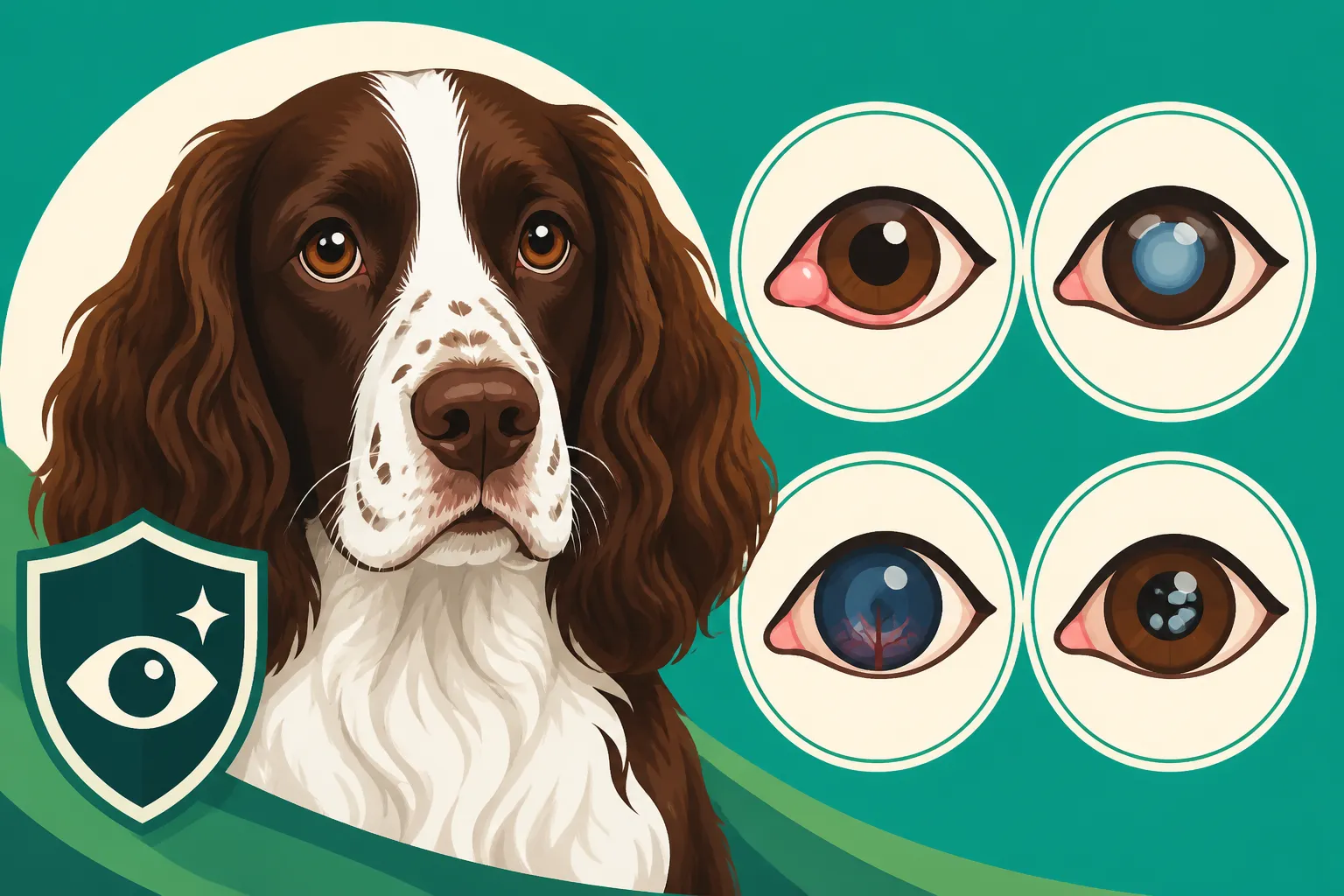
The Four Eye Diseases a Springer Spaniel Breeder Screens For
Bringing a new Springer Spaniel into your home is an incredibly exciting time, full of dreams of adventures and loyal companionship. But for many prospective owners, there’s a quiet worry in the back of their minds: what if my beloved puppy inherits a debilitating health issue? Eye diseases, in particular, can be devastating, leading to pain, blindness, and significant veterinary bills. This comprehensive guide is here to shed light on the four primary eye conditions that responsible Springer Spaniel breeders meticulously screen for, empowering you with the knowledge to make informed decisions and safeguard your future furry family member's vision.
Understanding the Importance of Eye Screening in Springer Spaniels
When you’re looking for a Springer Spaniel, whether it’s a boisterous field-bred pup or a more sedate show line companion, their health is paramount. Inherited conditions, especially those affecting the eyes, can turn joy into heartbreak and necessitate expensive, ongoing care. This isn't just about avoiding a financial burden; it's about ensuring your dog lives a comfortable, full life free from preventable suffering.
The Silent Threat of Inherited Eye Conditions
Many inherited eye diseases in dogs are sneaky. They might not show obvious signs in a young puppy, or their symptoms could progress so slowly that by the time you notice something is wrong, significant damage has already occurred. Imagine your energetic Springer Spaniel slowly losing their ability to track a thrown dummy or navigate familiar furniture, all while you're left wondering why their personality is changing. This gradual decline can be incredibly distressing for both dog and owner. Without proper screening, these conditions can pass down through generations, unwittingly perpetuated by breeders who aren't aware of the risks in their lines.
Why Breeder Screening is Your First Line of Defense
A reputable Springer Spaniel breeder understands their breed's unique genetic predispositions. They don't just breed for looks or temperament; they breed for health, actively working to eliminate inherited diseases from their lines. This commitment is evidenced by their participation in comprehensive health screening programs. When a breeder screens their breeding stock for eye conditions, they're not just doing it for their own peace of mind; they're safeguarding the future health of every puppy they produce and the happiness of every family that welcomes one of their dogs home. It’s a vital step in responsible breeding, giving you a much greater chance of bringing home a healthy puppy. Before purchasing any Springer Spaniel, it's wise to understand The DNA Test That Should Precede Every Springer Spaniel Purchase.
Progressive Retinal Atrophy PRA: A Gradual Loss of Sight
Progressive Retinal Atrophy, often simply called PRA, is one of the more talked-about inherited eye conditions in many breeds, including our beloved Springer Spaniels. It’s a group of genetic diseases that all lead to the degeneration of the retina, the light-sensitive tissue at the back of the eye. Think of the retina as the film in a camera; when it degrades, vision suffers, eventually leading to blindness.
What is PRA and How It Affects Vision
PRA isn't just one disease, but several different genetic mutations that cause the photoreceptor cells in the retina (rods and cones) to malfunction and eventually die off. These cells are responsible for detecting light and sending signals to the brain, allowing your dog to see. Rods handle low-light vision, while cones are for bright light and color perception. In most forms of PRA, the rods are affected first, meaning your Springer Spaniel might initially struggle with night vision, bumping into furniture in dim light or being hesitant to go outside after dusk. As the disease progresses, the cones also degenerate, leading to complete blindness in all lighting conditions.
This degeneration is unfortunately irreversible. There's no cure for PRA, which makes early detection and responsible breeding practices so critical. It's a condition that truly highlights the importance of genetic testing and informed choices in breeding pairs. The exact age at which a Springer Spaniel's PRA Shows Up can vary, but it's crucial to be aware of the possibilities.
Identifying the Signs and Progression of PRA
The onset of PRA can be quite insidious, often starting with subtle changes that an owner might not immediately attribute to vision loss. One of the earliest and most common signs is "night blindness." You might notice your Springer Spaniel becoming more clumsy in dimly lit rooms, reluctant to go down stairs in the evening, or having trouble finding toys in the dark. Their pupils might also appear more dilated than usual, especially in normal lighting, as their eyes try to gather more light to compensate for the failing retina.
As PRA progresses, the dog's daylight vision will also begin to deteriorate. They might start bumping into objects even in well-lit areas, become more hesitant in unfamiliar environments, or show anxiety when moved to a new place. Eventually, they will become completely blind. While this sounds heartbreaking, many dogs adapt remarkably well to blindness in a familiar home environment, relying heavily on their other senses, especially their incredible sense of smell and hearing. Understanding Whether a Springer Spaniel Goes Fully Blind From PRA can help owners prepare and adapt.
Genetic Testing for PRA: A Breeder's Responsibility
Thankfully, advancements in veterinary genetics mean that responsible breeders don't have to wait for a dog to go blind to know if it carries the genes for PRA. There are specific DNA tests available that can identify carriers and affected individuals for common forms of PRA found in Springer Spaniels. These tests are simple, usually requiring just a cheek swab. A breeder committed to health will test all their breeding stock, ensuring they don't unwittingly pass on the faulty gene.
When you're speaking with a potential breeder, always ask about their PRA testing protocols and request to see the results for both parents. Look for certifications from reputable organizations like the Orthopedic Foundation for Animals (OFA) or similar breed club health databases. These certifications indicate that the parents have been tested and are clear of the known PRA mutations. This proactive approach by breeders is crucial in reducing the incidence of this devastating disease within the breed. Knowing Whether Springer Spaniel PRA Has a DNA Test is empowering for potential owners.
Retinal Dysplasia RD: When Retina Development Goes Awry
Retinal Dysplasia (RD) is another inherited eye condition that can affect Springer Spaniels, but it manifests differently from PRA. Instead of a gradual degeneration, RD involves an abnormal development of the retina itself. This developmental anomaly can range from mild, almost unnoticeable folds in the retina to severe, widespread detachments that cause significant vision impairment or even blindness.
The Different Forms of Retinal Dysplasia and Their Severity
Retinal Dysplasia comes in three main forms, each with varying degrees of severity. The mildest form is retinal folds, where the retinal tissue doesn't lie perfectly flat and forms small wrinkles. Often, this has no discernible impact on vision, and many dogs live perfectly normal lives without any visual impairment. It's usually found incidentally during a routine eye exam.
The second, more severe form is geographic retinal dysplasia, where larger, irregular areas of retinal tissue are poorly developed. This can lead to blind spots and more noticeable visual deficits. The most severe form is total retinal detachment, where the retina completely separates from the back of the eye. This is a very serious condition that typically results in complete and irreversible blindness in the affected eye. The prognosis for vision largely depends on the extent of the dysplasia, with folds being benign and detachments being devastating.
How Retinal Dysplasia is Diagnosed in Puppies
Unlike PRA, which often manifests later in life, severe forms of retinal dysplasia can sometimes be detected in puppies at a very young age. Veterinary ophthalmologists perform specialized eye examinations, often at 6-8 weeks of age, known as "CERF" or "OFA Eye Certification" exams. During this exam, the ophthalmologist uses an ophthalmoscope to carefully examine the retina for any abnormalities, including folds, rosettes, or detachments.
These puppy exams are particularly important for breeders to identify affected individuals before they are sold to new homes. A diagnosis of retinal folds might not disqualify a puppy as a pet, but it's essential for the breeder to understand the genetic implications for future breeding decisions. More severe forms would, of course, necessitate that the puppy be placed in a pet-only home with clear communication about their visual impairment. It's an essential part of The Health Tests Both Springer Spaniel Parents Should Have to prevent passing on these traits.
Living with a Springer Spaniel Affected by RD
If your Springer Spaniel has been diagnosed with mild retinal folds, you might never notice any impact on their daily life. They can run, play, and navigate the world just like any other dog. However, if they have a more severe form, such as geographic dysplasia or a partial detachment, they might have some visual impairment. In these cases, much like with PRA, dogs are incredibly adaptable. They learn to rely more on their senses of smell and hearing, and within a familiar environment, they often do exceptionally well.
For owners, this might mean keeping furniture in consistent locations, using scent markers for important areas, and providing consistent verbal cues. While heartbreaking, a visually impaired Springer Spaniel can still live a very happy and fulfilling life, especially with a supportive and understanding family. It’s important to research Whether Retinal Dysplasia Blinds a Springer Spaniel to understand the potential outcomes.
Entropion: The Inward-Rolling Eyelid Problem
Entropion is an eye condition that, while not degenerative like PRA or developmental like RD, is still inherited and can cause significant discomfort and damage to a Springer Spaniel's eyes. It occurs when a section of the eyelid, usually the lower one, rolls inward towards the eyeball. This might sound minor, but the constant rubbing of eyelashes and eyelid hair against the cornea can be incredibly painful and lead to serious secondary issues.
What Causes Entropion in Springer Spaniels
Entropion in Springer Spaniels is primarily a genetic condition, meaning certain lines are more predisposed to it. It's often related to the conformation (structure) of the dog's head and eyelids. Breeds with loose facial skin, deep-set eyes, or particularly heavy brows can be more prone to the condition. In Springer Spaniels, it’s believed to be a polygenic trait, meaning multiple genes contribute to its inheritance, making it a challenge to completely breed out. However, responsible breeders will avoid breeding affected dogs.
Beyond genetics, sometimes secondary factors can exacerbate or even temporarily cause entropion. Severe dehydration, significant weight loss, or painful eye conditions like corneal ulcers can cause temporary entropion in some dogs. However, in the context of breeding, we are primarily concerned with the congenital, inherited form. Knowing Whether a Springer Spaniel's Eyelashes Grow Inward is key to recognizing this condition early.
Recognizing the Discomfort and Damage of Entropion
Imagine having an eyelash constantly poking your eye – that’s essentially what a dog with entropion experiences. The constant friction of hair against the delicate surface of the cornea (the clear outer layer of the eye) can lead to a host of painful problems. Common signs you might notice include excessive tearing, squinting, holding the affected eye partially or fully closed, and redness or inflammation around the eye. Your dog might rub their face frequently or even appear withdrawn due to the discomfort.
If left untreated, this chronic irritation can cause serious damage. It can lead to corneal ulcers, which are open sores on the cornea that are extremely painful and prone to infection. Repeated ulcers can result in scarring of the cornea, which can impair vision, or in severe cases, even lead to rupture of the eyeball. This is why early detection and intervention are crucial.
Surgical Solutions and Post-Operative Care
The good news about entropion is that it's usually correctable through surgery. The procedure, called blepharoplasty, involves removing a small, crescent-shaped piece of skin and muscle from the affected eyelid, allowing it to roll outward into its correct position. The goal is to relieve the irritation and prevent further damage to the eye. In some severe cases, more than one surgery might be required, particularly if the initial correction isn't quite sufficient.
After surgery, your Springer Spaniel will likely need to wear an Elizabethan collar (the "cone of shame") to prevent them from rubbing or scratching at the surgical site. Pain medication and eye drops will also be prescribed to aid healing and manage any discomfort. The prognosis after surgery is generally excellent, with most dogs experiencing complete relief from their symptoms and a much-improved quality of life. It’s reassuring to know Whether Entropion Surgery Is Common in Springer Spaniels as it indicates a well-established and effective treatment. While Healthy Paws pet insurance might cover surgical costs for such a condition, always check policy specifics.
Primary Glaucoma: A Painful Pressure on the Eye
Primary Glaucoma is arguably one of the most devastating and urgent eye conditions a Springer Spaniel can face. It's characterized by an increase in intraocular pressure (IOP) within the eye, which, if left untreated, rapidly leads to irreparable damage to the optic nerve and subsequent blindness. What makes primary glaucoma so frightening is its often acute and painful onset, and its strong inherited component in breeds like the Springer Spaniel.
The Mechanics of Primary Glaucoma and Its Rapid Onset
The eye produces a fluid called aqueous humor, which constantly circulates and drains from the eye, maintaining a healthy internal pressure. In primary glaucoma, there's a genetic defect in the eye's drainage angle, the structure responsible for allowing this fluid to exit. When the fluid can't drain properly, it builds up, causing the pressure inside the eye to skyrocket. This elevated pressure compresses the delicate optic nerve, which transmits visual information from the retina to the brain, leading to its irreversible damage.
The onset can be incredibly sudden. One day your Springer Spaniel's eyes look perfectly normal, and the next, one eye might appear red, cloudy, and swollen, with your dog in obvious pain. This rapid progression means that primary glaucoma is a true veterinary emergency. Every hour counts in trying to save the affected eye's vision, making prompt recognition and immediate veterinary attention absolutely critical. Understanding How Primary Glaucoma Blinds a Springer Spaniel can emphasize the urgency.
Why a Springer Spaniel Needs a Gonioscopy
Given the inherited nature of primary glaucoma in Springer Spaniels, a specialized diagnostic procedure called a gonioscopy is essential for screening breeding stock. A gonioscopy allows a veterinary ophthalmologist to directly visualize the eye's drainage angle. It's a non-invasive procedure where a special contact lens with mirrors is placed on the eye after local anesthetic eye drops have been applied. The mirrors allow the vet to see the angle structures that are normally hidden.
Through this examination, the ophthalmologist can assess the width and health of the drainage angle. If the angle is found to be narrow or abnormal, it indicates a predisposition to primary glaucoma. This information is invaluable for breeders, allowing them to make responsible breeding choices to avoid passing on the genetic risk. It’s a key step in preventing heartbreak for future puppy owners. For more detailed insights, reading Why a Springer Spaniel Needs a Gonioscopy is highly recommended.
Managing Primary Glaucoma: Emergency and Long-Term Care
When a Springer Spaniel presents with an acute glaucoma attack, it is a medical emergency requiring immediate attention from a veterinary ophthalmologist or emergency vet. Treatment focuses on rapidly reducing the intraocular pressure to prevent further optic nerve damage. This often involves a combination of topical eye drops and sometimes oral medications. These medications work by either decreasing fluid production or increasing fluid drainage.
Even with aggressive treatment, vision loss in the acutely affected eye can often be irreversible. The grim reality is that primary glaucoma often affects both eyes, though typically one after the other, not simultaneously. If one eye has been diagnosed, the other eye is at a very high risk of developing the condition within a few months to a few years. Long-term management involves daily eye drops to prevent or manage pressure spikes in the remaining eye. In cases of intractable pain or permanent blindness, surgical removal of the eye (enucleation) might be considered for the dog's comfort. Breeders should also be aware of Whether a Springer Spaniel With Narrow Drainage Angles Should Be Bred. Healthy Paws or similar pet insurance policies can be a lifesaver when facing the high costs of emergency glaucoma treatment and ongoing medication.
The CHIC Program and OFA Eye Clearances
When you're delving into the world of responsible dog breeding, you'll inevitably encounter acronyms like OFA and CHIC. These aren't just fancy letters; they represent rigorous health testing protocols designed to improve the genetic health of purebred dogs. For Springer Spaniel eye diseases, these programs are fundamental in providing transparency and accountability for breeders.
What is the Canine Health Information Center (CHIC)?
The Canine Health Information Center (CHIC) is a health database sponsored by the Orthopedic Foundation for Animals (OFA) that works with parent clubs (like the English Springer Spaniel Field Trial Association or the English Springer Spaniel Club of America) to establish a recommended set of health screenings for each breed. For a dog to receive a CHIC number, it must undergo all of the health tests recommended by its parent club, and the results must be publicly available in the OFA database. This doesn't mean the dog must "pass" every test with flying colors; rather, it signifies that the dog has been tested and the results are transparent.
For Springer Spaniels, the CHIC program typically recommends eye examinations by a board-certified veterinary ophthalmologist (CAER exam), hip and elbow evaluations, and DNA tests for conditions like PFK Deficiency and Fucosidosis. By choosing a breeder who strives for CHIC certification, you're choosing someone who is committed to a comprehensive approach to health testing, not just cherry-picking a few tests.
Understanding OFA Eye Certifications
The OFA (Orthopedic Foundation for Animals) is a non-profit organization that's a cornerstone of canine health screening. While best known for hip and elbow certifications, they also maintain a robust Eye Certification Registry (ECR), formerly known as CERF (Canine Eye Registration Foundation). This registry contains the results of eye examinations performed by board-certified veterinary ophthalmologists.
For a Springer Spaniel, an ophthalmologist will perform a thorough eye exam, checking for any signs of the four diseases we've discussed: Progressive Retinal Atrophy (PRA), Retinal Dysplasia (RD), Entropion, and Primary Glaucoma, along with other potential issues like cataracts or distichiasis. The ophthalmologist then submits their findings to the OFA. The OFA database will list the dog's eye status as "Normal," "Affected," or "Breeder Option" (for conditions like mild retinal folds that may not impact quality of life but are still noted). These certifications typically need to be renewed annually to ensure ongoing eye health, as some conditions can develop later in life.
Interpreting Breeder Health Certificates
When a breeder shows you health certificates, it's not enough to just see "OFA" or "CHIC" on a piece of paper. You need to understand what those results actually mean. For eye conditions, look for documentation specifically from a board-certified veterinary ophthalmologist. The report should clearly state the dog's name, registration numbers, date of examination, and the ophthalmologist's findings for each eye.
Ideally, both parents of your prospective puppy should have "Normal" or "Clear" results for PRA DNA tests, and their annual OFA Eye Certifications should state "Normal" with no noted conditions like retinal dysplasia or glaucoma risk factors. If you see a "Carrier" status for a PRA DNA test, ensure the other parent is "Clear," as this genetic pairing will produce unaffected puppies, but 50% will be carriers themselves. Don't be afraid to ask for explanations of any unfamiliar terms on the certificates. A good breeder will be happy to walk you through all the documentation.
What to Ask Your Breeder About Eye Health
Engaging with a breeder is a critical step in finding your Springer Spaniel puppy. It's not just about picking out the cutest one; it's about asking informed questions and ensuring you're working with someone who prioritizes health and responsible breeding. Don't feel shy about being thorough – a good breeder will appreciate your diligence.
Essential Questions Before Bringing a Puppy Home
Before you commit to a puppy, have a candid conversation with the breeder about their health screening practices, especially concerning eye health. Here are some key questions:
- "Do you perform annual eye exams by a board-certified veterinary ophthalmologist on both parents of this litter? Can I see their current OFA Eye Certification reports?"
- "What are the results of the PRA DNA tests for both sire and dam? Are they clear, carriers, or affected for any known PRA mutations?"
- "Have you had any history of glaucoma or severe retinal dysplasia in your lines, particularly in close relatives of these parents?"
- "What is your health guarantee regarding inherited eye diseases?" (Many breeders will offer a guarantee against debilitating inherited conditions.)
- "At what age do you have the puppies' eyes checked, and by whom?" (Some breeders will have puppies screened at 6-8 weeks for conditions like RD.)
Remember, you're not just buying a dog; you're investing in a family member's health and longevity. Asking these questions demonstrates your seriousness and commitment to responsible pet ownership.
Verifying Health Clearances and Records
Don't just take a breeder's word for it; politely request to see the actual documentation for all health clearances. Reputable breeders will be proud to share these records with you. For eye certifications, look for the official OFA certificates or similar documentation from a recognized national eye registry. These documents should clearly state the registered names and numbers of the parent dogs, the date of the examination, and the findings of the board-certified ophthalmologist.
You can often verify OFA results directly on their public database by searching the dog's registered name or OFA number. This level of transparency is a hallmark of an ethical breeder. If a breeder is hesitant, evasive, or claims tests aren't necessary, consider it a significant red flag. You want a breeder who is open and honest about their dogs' health history, good and bad, as part of their commitment to the breed. It's also worth asking Whether a Springer Spaniel Needs a Yearly Eye Exam as part of ongoing care.
The Value of Ongoing Veterinary Eye Care
Even with impeccable breeding and health clearances, regular veterinary care is crucial throughout your Springer Spaniel's life. An annual wellness exam should always include a thorough check of their eyes. Your general veterinarian can often spot early signs of issues that might require a specialist. If any concerns arise, don't hesitate to seek a referral to a board-certified veterinary ophthalmologist.
Early detection and intervention are key for many eye conditions, even those not directly inherited. For instance, sometimes a traumatic injury or an infection can mimic inherited conditions. Regular check-ups, especially as your Springer Spaniel ages, can help catch issues like age-related cataracts or late-onset glaucoma. Investing in a good pet insurance plan, like one from Healthy Paws, can also provide peace of mind, knowing you're financially prepared for any unexpected eye care needs or emergencies that might arise. Caring for a senior dog, which includes their eye health, is covered in more detail in Caring for a Springer Spaniel Past Nine.
Summary of Springer Spaniel Eye Diseases and Screening
To give you a quick overview, here's a table summarizing the four main eye diseases we've discussed and how breeders address them through screening.
| Eye Condition | Description | Primary Symptoms | Breeder Screening Method | Prognosis if Affected |
|---|---|---|---|---|
| Progressive Retinal Atrophy (PRA) | Genetic degeneration of the retina, leading to eventual blindness. | Night blindness progressing to full blindness; dilated pupils. | DNA Test (on parents) | Irreversible blindness; dogs adapt well in familiar settings. |
| Retinal Dysplasia (RD) | Abnormal development of the retina; can range from benign folds to severe detachment. | Varies from no symptoms (folds) to blind spots or full blindness (detachment). | OFA/ECR Eye Exam (by ophthalmologist) | Varies; folds often benign, detachment leads to blindness. |
| Entropion | Eyelid rolls inward, causing eyelashes/hair to rub against the cornea. | Squinting, excessive tearing, redness, pain, corneal ulcers. | Visual Exam (by breeder/vet) | Surgically correctable; excellent prognosis post-op. |
| Primary Glaucoma | Genetic defect in drainage angle leads to increased eye pressure, damaging optic nerve. | Sudden onset pain, redness, cloudy eye, dilated pupil; rapid vision loss. | Gonioscopy (on parents by ophthalmologist) | Urgent medical emergency; often leads to blindness; affects both eyes. |
Disclaimer
The information provided in this article is for general informational purposes only and is not a substitute for professional veterinary advice. Always consult with a qualified veterinarian or veterinary ophthalmologist for any health concerns or before making any decisions related to your dog's care and treatment. Specific health conditions, diagnoses, and treatments should only be managed by a licensed professional.