Whether a Springer Spaniel Should Be Tested Before It Is Bred
The decision to breed a beloved English Springer Spaniel is never one to take lightly. It’s a huge responsibility, not just for the potential puppies, but for the future of the breed itself. Many aspiring breeders wonder what steps are truly necessary to ensure healthy offspring, and frankly, the landscape of health testing can feel overwhelming. This guide is here to walk you through why health testing before breeding isn't just a good idea, but an absolute must, and what specific tests you should be considering for your Springer Spaniel.
Why Pre-Breeding Health Testing Is Absolutely Crucial for Springer Spaniels
Let's be honest, everyone wants cute, healthy puppies. But behind every adorable wagging tail and playful nip lies a genetic blueprint that can carry hidden risks. For English Springer Spaniels, like many purebred dogs, certain genetic conditions are more prevalent within the breed. Ignoring these potential issues before breeding is not only irresponsible but can lead to heartbreaking outcomes for future owners and a significant financial burden.
Protecting the Health of Future Generations
Think about it: every puppy you bring into the world carries a blend of its parents' genes. If both parents carry a recessive gene for a debilitating disease, there's a real chance their puppies could inherit two copies of that gene and actually suffer from the condition. Imagine the devastation for a new family who brings home a puppy, only to discover a few months or years down the line that it's afflicted with a painful or life-limiting illness that could have been avoided. This isn't just about avoiding a sad story; it's about making a profound, positive impact on the health and well-being of dogs for years to come. By testing, you’re actively contributing to the overall health of the English Springer Spaniel breed, slowly weeding out these inherited conditions.
For instance, conditions like Fucosidosis Kills a Springer Spaniel Within Weeks of the First Sign are absolutely devastating. This neurodegenerative disease can manifest with a variety of neurological symptoms, progressing rapidly. Without proper testing of the parent dogs, a breeder could unknowingly produce an entire litter of affected puppies, leading to immense sorrow and difficult decisions for their new families. It's a prime example of why being proactive with health screenings is so critical.
Upholding Ethical Breeding Standards
Being an ethical breeder goes far beyond simply having two purebred dogs. It involves a deep commitment to the welfare of animals and the preservation of breed health. Reputable breeders invest time, money, and emotional energy into ensuring they're producing the healthiest, most well-adjusted puppies possible. This includes meticulous record-keeping, careful selection of breeding pairs, and, yes, comprehensive health testing.
When you present potential puppy buyers with verifiable health clearances for both parents, you're not just offering peace of mind; you're demonstrating integrity and a true dedication to the breed. It shows that you've done your due diligence and aren't just in it for profit. Buyers are increasingly educated and will seek out breeders who prioritize health. A breeder who skips these tests is not only risking the health of their puppies but also damaging their own reputation and the perception of the breed as a whole. It’s about building trust and ensuring that the puppy placement is a joyous, long-term commitment.
Avoiding Significant Future Costs and Heartache
Let's talk about the practical side for a moment – the financial and emotional toll of dealing with a sick dog. If you breed untested dogs and produce a puppy with a severe genetic condition, the new owners could face astronomical veterinary bills. Treatments for conditions like severe Hip Dysplasia in a Springer Spaniel or advanced eye diseases can run into thousands of dollars, involving surgeries, medications, and ongoing care.
While many caring owners will go to great lengths to help their beloved pet, it's an unfair burden that could often be prevented. Furthermore, even with the best pet insurance plans, like those offered by Healthy Paws, pre-existing conditions (which genetic diseases often are, even if latent at purchase) are usually not covered. This means families are on their own financially. Beyond the money, imagine the emotional anguish of watching a pet suffer, knowing that its condition might have been preventable. Pre-breeding health testing is an upfront investment that saves a world of heartache and expense down the road for everyone involved.
What Tests Are Essential for a Springer Spaniel Before Breeding
Okay, so you're convinced that health testing is non-negotiable – great! Now, let's dive into the specifics. English Springer Spaniels have a few key areas where genetic predispositions are known, and responsible breeders focus their efforts on screening for these conditions.
Genetic DNA Panels for Inherited Diseases
Thanks to incredible advancements in veterinary science, we now have DNA tests that can pinpoint whether a dog carries genes for specific diseases. For Springer Spaniels, there are two major inherited diseases that absolutely must be screened for:
- Fucosidosis (FU): This is a terrible neurological disorder unique to English Springer Spaniels. It affects the dog's metabolism, leading to a build-up of certain sugars in the cells, particularly in the nervous system. Early signs might include loss of coordination, changes in temperament, and difficulty eating. It's progressive and ultimately fatal, often leading to a decision about Whether a Fucosidosis Springer Spaniel Is Euthanized. Fortunately, there's a reliable DNA test that can identify if a dog is clear, a carrier, or affected. A carrier dog will not show symptoms but can pass the gene to its offspring. Therefore, breeding two carriers together is a huge risk, as a quarter of their puppies could be affected. The DNA Test That Finds Fucosidosis in a Springer Spaniel is readily available from specialized labs.
- Phosphofructokinase (PFK) Deficiency: This is another serious inherited metabolic disorder that impacts a dog's red blood cells and muscle function. Dogs with PFK deficiency may experience exercise intolerance, muscle weakness, and anemia, often resulting in "PFK Deficiency and the Springer Spaniel That Collapses After Exercise". Their urine might even appear dark due to the breakdown of red blood cells. Just like Fucosidosis, a simple DNA test can determine a dog's status (clear, carrier, or affected). Even a carrier dog, while not showing clinical signs itself, can pass the gene on. Understanding Whether a PFK Carrier Springer Spaniel Shows Signs is important for prospective breeders.
It's vital that The DNA Test That Should Precede Every Springer Spaniel Purchase covers these conditions. These genetic tests are usually done once in a dog's lifetime and provide definitive results, allowing breeders to make informed decisions and ensure that no affected puppies are produced.
Orthopedic Clearances: Hips and Elbows
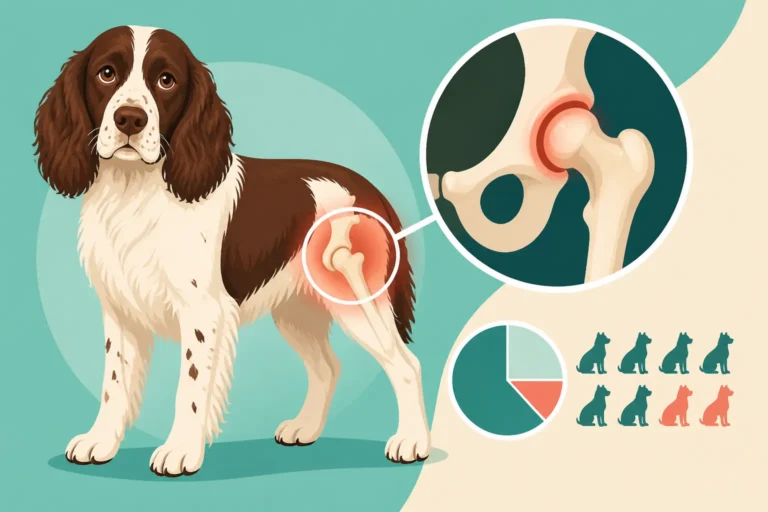
While not solely a Springer Spaniel issue, canine hip and elbow dysplasia are unfortunately common in many medium to large breeds. These are developmental abnormalities of the hip and elbow joints, respectively, which can lead to arthritis, pain, and lameness.
- Hip Dysplasia: This condition involves a malformation of the hip joint, where the ball and socket don't fit together properly. Over time, this leads to wear and tear, and eventually, painful arthritis. Screening for hip dysplasia involves radiographs (X-rays) of the hips, typically performed after the dog is two years old, to ensure skeletal maturity. These X-rays are then submitted to a veterinary orthopedic foundation, such as the Orthopedic Foundation for Animals (OFA) or the British Veterinary Association (BVA) in the UK, for evaluation and grading. While a perfect score doesn't guarantee a puppy will never have issues, it significantly reduces the risk. Understanding Whether a Springer Spaniel's Hip Score Predicts Arthritis can guide breeding choices.
- Elbow Dysplasia: Similar to hip dysplasia, elbow dysplasia is a complex condition involving multiple growth abnormalities in the elbow joint. It can cause significant lameness and pain. Elbows are also evaluated via X-rays after two years of age by organizations like OFA.
Responsible breeders understand that even if their dog feels fine, these conditions can be quietly developing or genetically passed on. Using resources like Healthy Paws for future puppy owners to consider is great, but preventative action through breeder testing is paramount.
Eye Examinations by a Certified Ophthalmologist
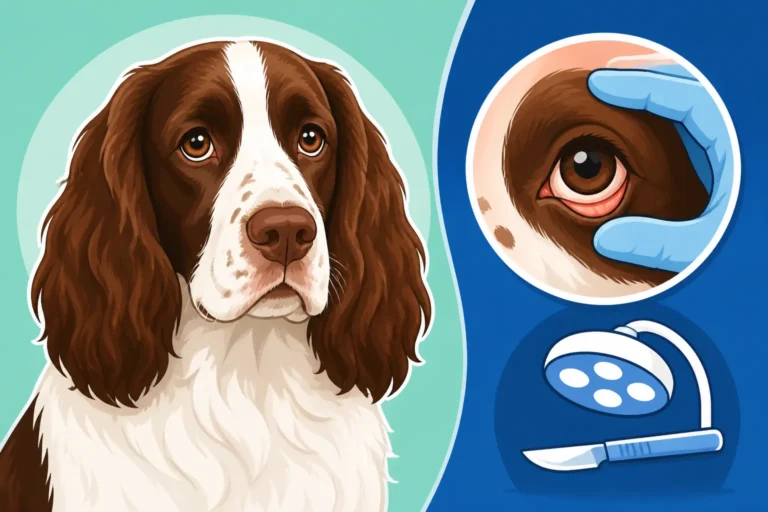
Springer Spaniels are unfortunately prone to several inherited eye conditions. Regular eye exams by a board-certified veterinary ophthalmologist are absolutely essential for breeding dogs. These aren't just routine vet checks; they are specialized examinations that can detect subtle abnormalities.
- Progressive Retinal Atrophy (PRA): This is a group of degenerative diseases that affect the retina, eventually leading to blindness. There are different forms of PRA, and some may have DNA tests available, but an eye exam can detect early changes.
- Retinal Dysplasia: This refers to an abnormal development of the retina. It can range from small, benign folds to more severe, blinding forms.
- Primary Glaucoma: This is a painful condition where fluid pressure builds up inside the eye, leading to damage to the optic nerve and eventual blindness. A specific test called a gonioscopy can assess the drainage angles of the eye, helping to identify dogs at higher risk for Primary Glaucoma and the Springer Spaniel That Loses an Eye. This test is crucial for early detection and prevention.
- Entropion: This is a condition where the eyelid rolls inward, causing eyelashes to rub against the cornea, leading to irritation, pain, and potentially ulcers. While often surgically correctable, it's undesirable in breeding.
The Four Eye Diseases a Springer Spaniel Breeder Screens For cover these and other potential issues. These eye certifications need to be performed annually for breeding dogs because some conditions can develop or progress with age.
Cardiac Screening
While not as prevalent as some other issues in Springer Spaniels, certain cardiac conditions can exist. A physical examination by a cardiologist, sometimes including an echocardiogram, can screen for murmurs or other indicators of heart disease. It's another layer of due diligence that a truly comprehensive breeder considers.
Here's a quick summary table of the core health tests:
| Condition | Type of Test | Age for Testing (Minimum) | Frequency | What it Screens For |
|---|---|---|---|---|
| Fucosidosis | DNA Test (cheek swab) | Any age | Once in lifetime | Genetic marker for neurological disorder |
| PFK Deficiency | DNA Test (cheek swab) | Any age | Once in lifetime | Genetic marker for metabolic disorder (anemia, muscle) |
| Hip Dysplasia | X-rays (sedated) | 24 months | Once (for certification) | Quality of hip joints, risk of arthritis |
| Elbow Dysplasia | X-rays (sedated) | 24 months | Once (for certification) | Quality of elbow joints, risk of arthritis |
| Inherited Eye Diseases | Ophthalmologist Exam | Varies by condition | Annually | PRA, Retinal Dysplasia, Glaucoma, Entropion, etc. |
| Cardiac Health | Physical Exam / Echo | Varies | As advised by vet | Heart murmurs, structural abnormalities |
Understanding the Results: What to Do With the Information
So you've put in the work, gathered all the health test results – now what? Understanding these results and knowing how to apply them responsibly is the final, and arguably most important, step in ethical breeding. The paperwork alone isn't enough; it's about the intelligence and integrity behind how you use that information.
Interpreting Genetic DNA Test Results
For diseases like Fucosidosis and PFK Deficiency, DNA test results typically come back in one of three categories:
- Clear: This means your Springer Spaniel does not have the gene mutation for the disease and cannot pass it on to its offspring. This is the ideal result.
- Carrier: This means your dog carries one copy of the mutated gene but does not typically show symptoms of the disease itself. They can, however, pass this gene on to approximately 50% of their puppies.
- Affected: This means your dog has two copies of the mutated gene and will likely develop or already has the disease. These dogs should absolutely never be bred.
The cardinal rule of breeding, especially with recessive genetic conditions, is "Never breed two carriers together." If you have a carrier, you can still responsibly breed them, but only to a dog that is certified "Clear" for that specific condition. This ensures that none of the puppies will be affected, although approximately 50% will be carriers. By doing this, you're slowly working towards eliminating the gene from the breed pool without losing valuable genetic diversity from otherwise excellent dogs. This is a topic thoroughly covered in The Health Tests Both Springer Spaniel Parents Should Have.
Deciphering Orthopedic Scores and Eye Certifications
Orthopedic foundations like OFA assign grades to hip and elbow X-rays. For hips, the grades range from Excellent to Dysplastic. For elbows, they're typically graded as Normal or Dysplastic (Grade 1, 2, or 3). The goal is always to breed dogs with "Normal" or "Good/Excellent" ratings. A dog with hip or elbow dysplasia should not be bred, as the genetic component is strong.
Eye certifications from a board-certified ophthalmologist will detail any findings. A dog should ideally have a "clear" certification, meaning no observable inherited eye disease. If minor, non-hereditary issues are found, the ophthalmologist will advise on the breeding suitability. Any dog found with a known inherited eye disease should be removed from a breeding program. This often requires careful consideration, as outlined in The Four Eye Diseases a Springer Spaniel Breeder Screens For.
Ethical Implications of Questionable Results
What happens if one of your potential breeding dogs comes back with less-than-perfect results? This is where ethical breeding truly comes into play. It's tempting to overlook minor issues or rationalize away a carrier status if the dog is otherwise exceptional. However, this is precisely where the long-term health of the breed is compromised.
A responsible breeder makes the difficult decision to remove dogs with serious hereditary conditions from their breeding program, even if it means foregoing a litter from a beloved pet. It's about prioritizing the health of the puppies over personal preferences or perceived benefits. Remember, you're creating a life, and with that comes a profound responsibility. Cutting corners on health testing not only perpetuates health issues but can lead to significant problems down the line, affecting the new families and potentially incurring substantial vet bills that even the most comprehensive pet insurance, like that from Healthy Paws, might not cover if the condition is pre-existing or genetic. This is why many prospective buyers will also ask Whether an Untested Springer Spaniel Litter Is Worth Buying.
The Ethical and Practical Responsibilities of Breeding
Breeding isn't just about combining two dogs; it's a careful, thoughtful process that demands a deep understanding of genetics, breed standards, and a commitment to lifelong responsibility. It extends far beyond the initial health tests.
Maintaining Breed Standards and Temperament
Beyond physical health, ethical breeding also focuses on temperament and adhering to the breed standard. A Springer Spaniel should possess a joyful, eager-to-please, and friendly disposition. They are known for being enthusiastic and intelligent companions. Breeding dogs with unstable temperaments, excessive shyness, or aggression does a disservice to the breed and can create challenging situations for new owners.
Moreover, good breeding ensures that the physical characteristics align with the established breed standard. This isn't just about looks; it's about preserving the functional attributes that make a Springer Spaniel what it is – from its sturdy build suited for navigating dense cover to its well-set ears that protect against debris. It's easy to get caught up in finding "perfect" looking dogs, but true breed integrity requires attention to the whole package: health, temperament, and conformation.
The Financial and Time Commitment
Let’s be realistic: ethical breeding is expensive and time-consuming. The health tests alone, like What the Springer Spaniel Fucosidosis Test Costs and What the Springer Spaniel PFK Test Costs, represent a significant upfront investment. Then there are stud fees (if applicable), prenatal care, potential C-sections, puppy rearing expenses (food, vaccinations, vet checks, microchipping), and the constant vigilance required to ensure the puppies thrive. Many people underestimate this.
Beyond the money, there's the immense time commitment. From researching pedigrees and studying genetic lines to whelping the litter, sleepless nights monitoring newborns, and socializing puppies before they go to their new homes – it's a full-time job for several months. Any breeder who rushes this process or skimps on these investments is likely cutting corners elsewhere, potentially at the expense of the puppies' health and well-being. This is why proper vetting of breeders is so crucial for prospective owners.
Lifelong Responsibility and Support for Puppy Owners
An ethical breeder's responsibility doesn't end when the puppies leave for their new homes. They remain a resource and a source of support for the lifetime of the dog. This means being available to answer questions, offer advice, and, importantly, being willing to take a dog back if its owners can no longer care for it, regardless of age. This commitment ensures that no Springer Spaniel bred by them ever ends up in a shelter.
Providing a health guarantee, offering ongoing support, and encouraging new owners to also be proactive with their dog's health (including considering pet insurance like Healthy Paws for unexpected illnesses) are hallmarks of a truly dedicated breeder. It's about building a community and fostering a lasting relationship based on mutual care for the breed. Breeding is a privilege, not a right, and it comes with an unwavering commitment to the lives you bring into the world.
Disclaimer
This article is for general informational purposes only and does not constitute professional advice. Laws, prices and regulations vary by location and change over time. Consult a qualified professional for guidance on your specific situation.