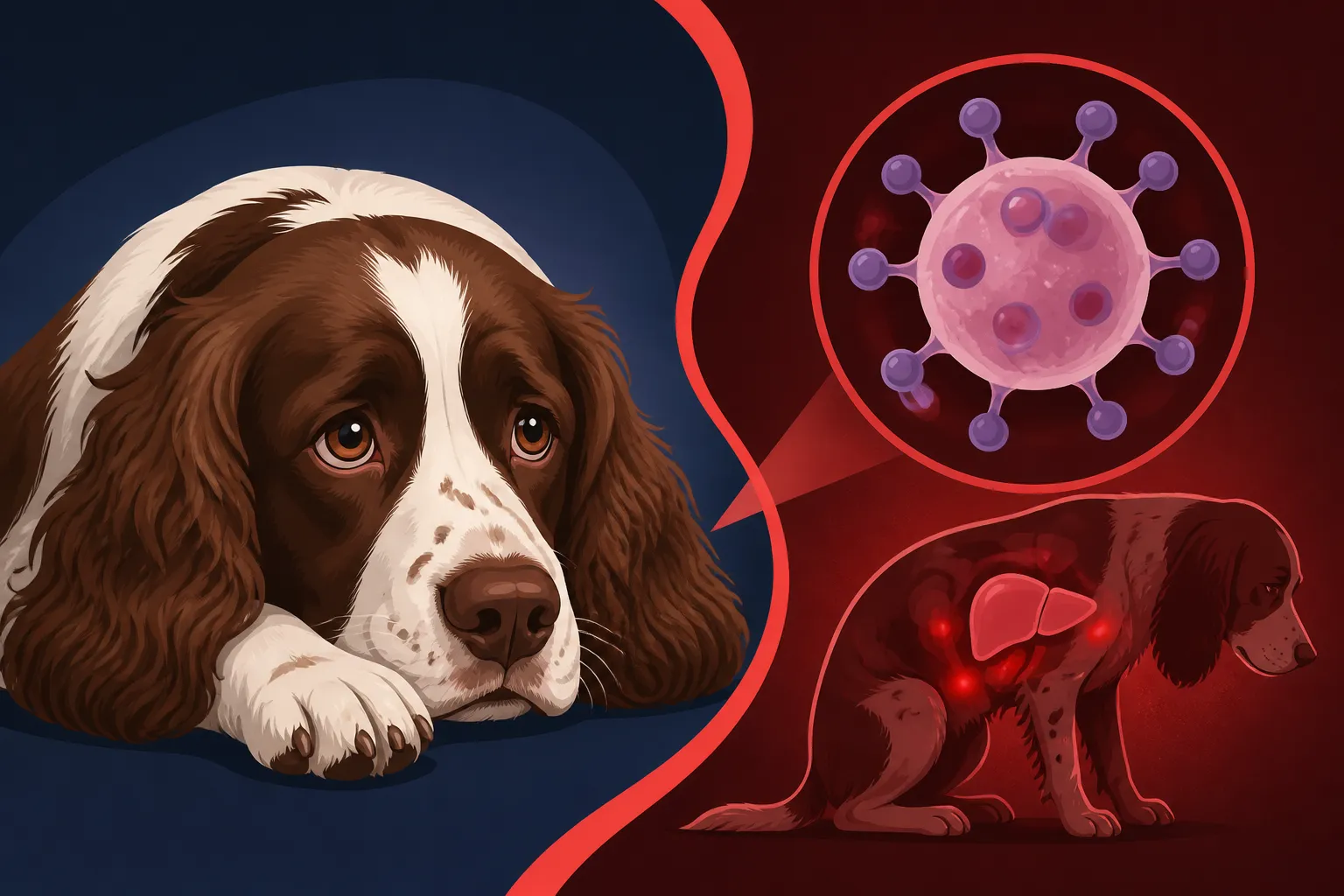
Fucosidosis Kills a Springer Spaniel Within Weeks of the First Sign
Finding out your beloved English Springer Spaniel is suffering from Fucosidosis is a heartbreaking blow, and the cruel reality is that once the first noticeable symptoms appear, this devastating neurological disease progresses with an alarming, rapid pace. It's a shocking decline that often leaves owners feeling helpless and reeling, as their vibrant, energetic companion can transform significantly within a matter of weeks. This guide aims to shed light on this swift progression, help owners recognize the subtle early signs, understand the diagnostic path, and prepare for the difficult journey ahead.
Understanding Fucosidosis: A Genetic Scourge for Springer Spaniels
Fucosidosis isn't just "a disease"; it's a specific, inherited metabolic disorder that acts like a ticking time bomb in some Springer Spaniel lines. It's truly one of the most devastating conditions that can affect this wonderful breed, turning a joyful, active dog into one facing severe neurological challenges in a distressingly short timeframe. For families who pour their hearts into their dogs, witnessing this decline is nothing short of gut-wrenching.
What Fucosidosis Actually Is
At its core, Fucosidosis is a lysosomal storage disease. Now, that might sound like a mouthful, but think of it this way: your dog's body, like ours, has tiny "recycling centers" within its cells called lysosomes. These lysosomes contain enzymes that break down waste products. In a Springer Spaniel with Fucosidosis, there's a critical enzyme missing or severely deficient – alpha-L-fucosidase. Without this specific enzyme, a particular type of sugar molecule, called fucose-containing glycolipids and glycoproteins, can't be properly broken down. Instead, these molecules build up in various cells throughout the body, but most critically, they accumulate in the brain and nervous system.
This accumulation acts like a toxic sludge, progressively damaging nerve cells and disrupting their normal function. Over time, this damage leads to a cascade of neurological symptoms that worsen relentlessly. It’s not just a minor glitch; it’s a systemic failure to process waste, leading to widespread cellular dysfunction, particularly impacting the intricate workings of the brain and spinal cord. If you want to dive deeper into What Fucosidosis Does to a Springer Spaniel, it's a truly humbling lesson in genetics and health.
The Genetic Basis: Why It Targets Springer Spaniels
The reason Fucosidosis so specifically affects English Springer Spaniels lies in its genetic inheritance pattern. It's an autosomal recessive disorder, which means a dog must inherit two copies of the defective gene – one from each parent – to actually develop the disease. If a dog inherits only one copy, they are considered a "carrier" and won't show symptoms themselves, but they can pass the gene on to their offspring. This carrier status is often why the disease can lurk unseen in breeding lines for generations.
The presence of this gene in the Springer Spaniel population is believed to stem from a specific lineage, meaning that certain family trees within the breed unfortunately carry this predisposition. Responsible breeders are hyper-aware of this, which is why The DNA Test That Should Precede Every Springer Spaniel Purchase is so vital for preventing the spread of such conditions. Understanding Which Springer Spaniel Lines Carry Fucosidosis is crucial for anyone considering a Springer puppy, as it's a testament to the importance of genetic screening in safeguarding the breed's future health.
Early Signs: Often Mistaken for Other Issues
One of the most insidious aspects of Fucosidosis is how subtly it begins, often mimicking far less serious conditions. Owners might notice their normally agile Springer becoming a little clumsy, perhaps bumping into furniture or misjudging steps. There might be a slight change in their gait, a tremor, or an uncharacteristic lack of coordination. These initial signs are easily dismissed as just "getting old," a minor injury, or even just a temporary off day.
What makes it even harder is that these early symptoms can wax and wane, or present in such a vague manner that a veterinarian might initially struggle to pinpoint a definitive cause. It's not uncommon for these early behavioral and motor changes to be attributed to anything from minor arthritis to simple anxiety. This ambiguity in the nascent stages often delays a specific diagnosis, costing precious time before the disease inevitably picks up speed. For many, these strange behaviors are the first clue, as a Why a Fucosidosis Springer Spaniel Behaves Strangely First often catches owners off guard.
The Alarming Progression of Fucosidosis Symptoms
Once the initial, often subtle, signs begin to appear, the disease doesn't just sit still; it accelerates with a frightening rapidity. This progression is what truly distinguishes Fucosidosis from many other chronic conditions and what makes it so heartbreaking for families. It’s not a slow, gentle decline over years, but often a steep dive over weeks.
Initial Neurological Changes: The Subtle Start
The very first neurological changes are typically motor-related. You might observe a slight ataxia, which is just a fancy word for a lack of muscle coordination. Your dog might seem a bit "drunk" or wobbly on their feet, particularly after exercise or when navigating stairs. They might start dragging a paw, or their legs might cross more frequently when walking. Tremors, especially in the head or limbs, can also manifest, initially only when the dog is excited or focused, but gradually becoming more persistent.
Beyond movement, cognitive and behavioral shifts can also begin to surface. Owners might report their dog seeming a bit confused, perhaps staring blankly, or responding slower to commands. They might become more anxious or, conversely, lethargic. These changes are often so mild at first that they're easily brushed off, but in hindsight, they're the critical early whispers of a storm brewing. The cruel part is that The Age Fucosidosis Appears in a Springer Spaniel often catches dogs in their prime, making these changes even more distressing.
Worsening Motor Skills and Coordination
As the disease progresses, these initial wobbles rapidly intensify. The ataxia becomes pronounced, affecting all four limbs. Walking becomes a struggle, with wider stances and frequent stumbling or falling. The dog might develop a goose-stepping gait or struggle significantly to stand up after lying down. Muscle weakness becomes evident, and their ability to jump, climb, or even navigate uneven terrain diminishes quickly.
The fine motor skills that Springers use for retrieving or interacting with toys also degrade. They might struggle to pick up their favorite ball or might drop it frequently. The tremors become more severe, affecting their ability to eat or drink without difficulty. Their once-agile bodies, built for covering ground, now fight against them with every step, turning simple movements into monumental efforts.
Sensory Decline: Vision and Hearing Loss
Beyond motor function, Fucosidosis also relentlessly attacks sensory organs, leading to progressive vision and hearing loss. This makes an already disorienting existence even more isolating and frightening for the affected dog. Vision impairment can manifest as difficulty navigating familiar environments, bumping into walls, or reluctance to move in dim light. The eyes might also develop nystagmus (involuntary eye movements) or strabismus (misalignment), indicating direct neurological impact.
Hearing loss can be harder to spot initially, especially in a dog already showing other neurological issues, but owners might notice their dog no longer responds to their name, the sound of the treat bag, or familiar outdoor noises. This loss of senses, combined with motor deficits, profoundly impacts the dog's quality of life, further accelerating their decline into helplessness. Imagine being unable to see or hear clearly, and then struggling just to stand – it’s a truly awful reality for these dogs.
The Rapid Timeline: Weeks from First Sign to Severe Impact
This is perhaps the most difficult aspect of Fucosidosis for owners to grasp and endure. Unlike some other chronic diseases that allow for months or even years of gradual adjustment, Fucosidosis often compresses a devastating decline into a matter of mere weeks. The transition from a seemingly healthy dog to one profoundly impacted can be breathtakingly quick.
The Cruel Reality of Symptom Acceleration
It's common for owners to report that once the "lightbulb moment" happens – when they realize something is seriously wrong and it's not just an isolated incident – the decline feels like it's happening in fast forward. What started as a slight wobble one week might become undeniable clumsiness the next, followed by significant difficulty walking or standing within another few weeks. The disease doesn't just progress; it rapidly intensifies, often presenting new and more severe symptoms almost daily.
This acceleration is due to the relentless accumulation of the fucose-containing waste products. As more and more nerve cells become overwhelmed and damaged, the nervous system's ability to function deteriorates exponentially. It's a cruel feedback loop where cellular damage leads to more severe symptoms, which in turn reflects further, widespread cellular breakdown. This rapid onset and escalation of symptoms mean that families are often left with little time to process the diagnosis before facing incredibly tough decisions. This rapid decline is why How Fast Fucosidosis Takes a Springer Spaniel is such a critical piece of information for owners.
Case Studies and Real-World Examples
Across the globe, numerous heartbreaking cases attest to this rapid timeline. One owner shared how their previously energetic two-year-old Springer began to stumble slightly in the field. Within three weeks, the dog could no longer manage stairs, and by six weeks, it struggled significantly to stand unassisted, often falling over. Another described their dog developing tremors that progressed from intermittent to constant within a month, coupled with a noticeable loss of vision that turned a once confident dog into a hesitant, bumping shadow.
Veterinary neurologists who encounter Fucosidosis cases consistently confirm this pattern. They often counsel owners that while the exact timeline can vary slightly, the window from obvious clinical signs to severe incapacitation or profound quality of life issues is typically measured in weeks, not months or years. This compressed timeline means that the "early" stage, where symptoms are mild and easily missed, is very short, and once identified, the disease is already making swift, undeniable progress.
Why Early Detection is Critical, Yet So Difficult
Given the rapid progression, early detection should be paramount. However, as we've discussed, the early signs are frustratingly vague and often overlap with numerous other conditions. This makes diagnosis incredibly challenging in the very stages where it might offer the most insight. Owners, understandably, hope it's something fixable, like an injury or a treatable illness, rather than a devastating genetic condition.
By the time symptoms become pronounced enough to trigger a focused neurological workup, the disease has often already established a firm hold. While a DNA test can definitively confirm Fucosidosis, the clinical journey to even suspect it is often protracted by the non-specific nature of its onset. This gap between initial subtle changes and a definitive diagnosis is where crucial time is lost, leaving families with an even shorter period to cope with and manage their dog's deteriorating health.
Differentiating Fucosidosis from Other Springer Spaniel Ailments
Because Fucosidosis initially presents with such non-specific neurological and behavioral changes, it's frequently mistaken for other conditions common in Springer Spaniels. This diagnostic labyrinth adds to the frustration and delay, as vets often rule out more common ailments first. Understanding these distinctions is vital for advocating for your dog.
Mistaken for Rage Syndrome or Epilepsy
One of the most concerning misdiagnoses, especially given the behavioral changes Fucosidosis can induce, is confusing it with Rage Syndrome in an English Springer Spaniel or other seizure disorders. Rage Syndrome, also known as sudden onset aggression, is a complex behavioral issue that can be episodic and might have an underlying neurological component, leading to extreme and uncharacteristic aggression. A Fucosidosis dog experiencing cognitive decline and disorientation might act out of character, becoming irritable or confused, which could be misinterpreted as rage.
Similarly, the tremors and coordination issues of Fucosidosis might be mistaken for partial seizures or the after-effects of an epileptic event. Owners might report their dog "spacing out" or having episodes of uncoordinated movement that could superficially resemble seizure activity. However, true Fucosidosis tremors and ataxia are usually more persistent and progressively worsening, rather than episodic like most seizures. This diagnostic overlap highlights Whether Springer Spaniel Fucosidosis Is Mistaken for Rage and the need for thorough investigation.
Confusion with Other Neurological Conditions
Beyond Rage Syndrome and epilepsy, Fucosidosis symptoms can also mimic other neurological conditions. Degenerative myelopathy, an age-related spinal cord disease, can cause hind limb weakness and incoordination, though it typically has a slower onset. Vestibular disease, often an inner ear or brainstem issue, causes head tilts, loss of balance, and nystagmus, symptoms that can appear in Fucosidosis. Even certain nutritional deficiencies or toxicities can cause neurological signs similar to the early stages of Fucosidosis.
The challenge lies in the fact that many of these conditions share a common neurological presentation in their early stages. A veterinarian must systematically rule out possibilities, often starting with the most common or treatable, before arriving at a rare and devastating diagnosis like Fucosidosis. This methodical approach, while medically sound, inadvertently prolongs the time until a definitive answer is reached for Fucosidosis.
The Importance of a Definitive Diagnosis
Given the rapid and irreversible nature of Fucosidosis, achieving a definitive diagnosis as quickly as possible is incredibly important for several reasons. Firstly, it allows owners to understand what they are truly facing and to cease expensive, invasive, and ultimately futile treatments for other suspected conditions. Secondly, it provides clarity, enabling families to focus on palliative care and maximizing their dog's comfort for the time they have left.
Without a firm diagnosis, the emotional and financial toll can be immense, as owners pursue endless tests and treatments for a phantom illness. A definitive diagnosis, while devastating, empowers owners to make informed decisions about their dog's care, quality of life, and ultimately, humane end-of-life planning. It shifts the focus from "what is wrong?" to "how can we best support our dog now?"
The Diagnostic Journey: Confirming Fucosidosis
Navigating the diagnostic process for Fucosidosis can feel like a maze, filled with uncertainty and escalating concerns. When your Springer Spaniel starts showing those worrying signs, the immediate question is always "Why?" Getting a conclusive answer, especially for a rare genetic disease, requires specific steps.
The Essential DNA Test
The cornerstone of diagnosing Fucosidosis is a specific DNA test. This test is a game-changer because it directly identifies the defective gene responsible for the enzyme deficiency. Unlike other diagnostic tools that only pick up on the effects of the disease (like changes in the brain), the DNA test gets to the root cause. This means it can confirm Fucosidosis even in its very early, subtle stages, or even identify carriers who will never show symptoms but could pass the gene to their puppies.
Many veterinary diagnostic labs, such as those associated with university veterinary schools or specialized genetic testing companies like Embark and Wisdom Panel, offer this test. A simple cheek swab or blood sample is usually all that's required. The results typically come back within a few weeks and will indicate if your dog is clear, a carrier, or affected. This is also The DNA Test That Finds Fucosidosis in a Springer Spaniel that breeders rely on heavily.
Supporting Clinical Assessments
While the DNA test provides the definitive "yes" or "no" for Fucosidosis, it's often complemented by other clinical assessments that help evaluate the extent of neurological damage and rule out other conditions. A thorough neurological exam performed by a veterinarian, ideally a veterinary neurologist, will assess gait, reflexes, coordination, balance, and cranial nerve function. These exams help map out which parts of the nervous system are most affected.
Advanced imaging, such as an MRI (Magnetic Resonance Imaging) of the brain and spinal cord, might also be recommended. While an MRI won't directly diagnose Fucosidosis, it can show structural changes consistent with a storage disease, such as atrophy or accumulation of abnormal substances, and help exclude other causes like tumors, strokes, or inflammatory diseases. Cerebrospinal fluid (CSF) analysis, where fluid is collected from around the brain and spinal cord, might also be performed to look for inflammation or other abnormalities, further aiding in ruling out other neurological conditions.
What a Diagnosis Means for Your Dog and Family
Receiving a positive Fucosidosis diagnosis is absolutely devastating. There's no sugarcoating it – it means that your beloved Springer Spaniel has an incurable, progressive, and fatal genetic disease. The news often comes with a wave of grief, shock, and a profound sense of unfairness. For many families, it's a desperate scramble to come to terms with the reality and adjust their expectations for their dog's future.
Beyond the emotional impact, a diagnosis means shifting from curative treatment to compassionate, palliative care focused entirely on comfort and managing symptoms. It means preparing for a period of rapid decline and making incredibly difficult decisions about your dog's quality of life. For family members, it can also bring feelings of guilt, especially if they weren't aware of genetic testing when they acquired their puppy. It's a heavy burden to carry, and it's essential for families to lean on their veterinary team and support networks during this challenging time.
Living with a Fucosidosis Diagnosis: Managing the Inevitable
Once the diagnosis is confirmed, the focus shifts from finding a cure (because there isn't one) to managing the progression and ensuring your Springer Spaniel's remaining time is as comfortable and dignified as possible. This stage is less about fighting the disease and more about embracing compassionate care.
Palliative Care and Comfort Measures
Palliative care for a Springer Spaniel with Fucosidosis is all about alleviating symptoms and maximizing their comfort. This might involve a multi-faceted approach. For tremors and seizures, anti-seizure medications might be prescribed to reduce their frequency or severity. Pain management, especially as mobility declines and joints are stressed, becomes crucial; non-steroidal anti-inflammatory drugs (NSAIDs) or other pain relievers can help.
Physical therapy, while not reversing the disease, can help maintain muscle mass, improve mobility for a short time, and prevent pressure sores. Soft bedding, ramps to help with stairs, and assistive devices like slings or harnesses can make daily life easier for a dog losing coordination. Adjustments to feeding, such as raised bowls or hand-feeding, can help when eating becomes difficult. Even simply having a familiar, safe environment where they don't have to navigate too many obstacles contributes immensely to their sense of well-being.
Emotional Toll on Owners
The emotional toll on owners facing Fucosidosis is immense and often underestimated. You're not just watching your dog get sick; you're witnessing a rapid and irreversible decline of a cherished family member. Feelings of sadness, helplessness, anger, and grief are entirely normal. Many owners feel immense guilt, wondering if they could have done anything differently, even when the disease is genetic and unavoidable.
The constant care, the progressive loss of the dog's former self, and the knowledge of the inevitable outcome create a unique and profound stress. It's important for owners to recognize these feelings and seek support. Talking to friends, family, or even a pet bereavement counselor can be incredibly helpful. Online communities of Springer Spaniel owners who have faced similar challenges can also provide a safe space for sharing and understanding. Remember, your feelings are valid, and it’s okay to grieve for the future you imagined with your dog.
Making Difficult Decisions
As Fucosidosis relentlessly progresses, there will come a point where quality of life becomes severely compromised. This is where the truly agonizing decisions must be made. Watching your once-vibrant Springer Spaniel struggle to stand, lose their sight and hearing, or become profoundly disoriented is agonizing. The decision to euthanize is one of the hardest an owner will ever face, but it's often the most compassionate choice to prevent prolonged suffering.
It's helpful to establish a "quality of life checklist" with your veterinarian. This might include assessing their ability to eat and drink, manage pain, enjoy interactions, and maintain basic bodily functions. When the "bad days" consistently outnumber the "good days," and palliative care can no longer ensure comfort, it's time to consider a peaceful farewell. This decision is a profound act of love, ensuring your dog's dignity in their final moments.
Prevention is Key: Responsible Breeding Practices
While living with and managing Fucosidosis is challenging, the true power lies in preventing its occurrence in the first place. This responsibility falls heavily on breeders, but also on prospective puppy buyers to ask the right questions and demand transparency.
The Role of DNA Testing in Breeding
For English Springer Spaniels, DNA testing for Fucosidosis is not just recommended; it's absolutely essential for any responsible breeding program. Breeders should routinely test all their breeding stock to determine if they are clear, carriers, or affected. A dog that tests as "affected" should, without question, never be bred.
The challenge lies with carriers. While carriers themselves are healthy and do not develop the disease, they can pass the defective gene to 50% of their offspring. Therefore, a responsible breeding strategy involves never breeding two carriers together. If a carrier must be bred (perhaps due to exceptional conformation or working ability), it must only be bred with a dog that has tested "clear." This ensures that no puppies in the litter will inherit two copies of the defective gene and develop Fucosidosis. This diligence helps to ensure that Whether a Carrier Springer Spaniel Can Be Bred is handled ethically.
Understanding Carrier Status
Understanding carrier status is crucial for both breeders and puppy buyers. A carrier dog for Fucosidosis is healthy; they will live a normal life and will not develop the disease. The only significance of their carrier status is their potential to pass the gene on. This is important to emphasize because sometimes people misunderstand and think a carrier is a "sick" dog, which is not true.
However, if a carrier is bred to another carrier, there's a 25% chance with each puppy in the litter that it will be affected, a 50% chance it will be a carrier, and a 25% chance it will be clear. This is basic Mendelian genetics. By understanding this, breeders can make informed decisions to eliminate the risk of producing affected puppies. This knowledge also helps when considering Whether Both Springer Spaniel Parents Must Be Carriers for a puppy to develop Fucosidosis, which is indeed the case.
Choosing a Reputable Breeder
For prospective puppy owners, choosing a reputable breeder is the most powerful preventative measure you can take against Fucosidosis. A reputable breeder will be transparent about their health testing protocols and should be able to provide verifiable DNA test results for both parents of any litter, showing they are clear or, at minimum, that one parent is clear and the other a known carrier. They will often present results from organizations like the Orthopedic Foundation for Animals (OFA) or direct laboratory reports.
Beware of breeders who claim their dogs are "vet checked" instead of DNA tested for genetic diseases, or those who dismiss the importance of genetic screening. A truly dedicated breeder prioritizes the long-term health and well-being of their puppies and the breed as a whole. They will be happy to discuss genetic health, answer all your questions, and potentially even have information on Whether a Springer Spaniel Litter Is Tested Before Breeding if there were any doubts about parental status. Investing time in finding the right breeder is an investment in your puppy's future health.
Support and Resources for Affected Families
Coping with a Fucosidosis diagnosis is an isolating experience, but you don't have to go through it alone. There are resources and communities dedicated to helping families navigate this incredibly tough journey.
Connecting with Other Springer Spaniel Owners
One of the most valuable resources for families facing Fucosidosis is the network of other Springer Spaniel owners who have either gone through or are currently going through similar challenges. Online forums, breed-specific social media groups, and even local Springer Spaniel clubs can offer immense emotional support, practical advice, and a sense of shared understanding. These communities can provide a space to vent frustrations, ask sensitive questions without judgment, and learn from others' experiences with palliative care and difficult decisions.
Connecting with someone who truly understands the specific nuances of Fucosidosis in a Springer Spaniel can be incredibly validating. They might offer tips on managing specific symptoms, recommendations for adaptive equipment, or simply a listening ear during a particularly tough day. These bonds forged in shared experience can be a lifeline during a time of immense emotional strain.
Veterinary Support and Specialist Referrals
Your primary care veterinarian is your first and most crucial partner in managing Fucosidosis. They will help guide you through the diagnosis, recommend palliative care strategies, and provide ongoing support. However, for complex neurological cases like Fucosidosis, a referral to a board-certified veterinary neurologist can be incredibly beneficial. These specialists have advanced training and equipment to provide a more nuanced understanding of the disease's progression and can offer specialized advice on symptom management and pain control.
They can help you understand subtle changes in your dog's condition and adjust care plans accordingly. Don't hesitate to ask your regular vet for a referral if you feel the need for more specialized expertise. A collaborative approach between your general practitioner and a specialist ensures your Springer Spaniel receives the most comprehensive and informed care possible.
Pet Insurance Considerations
Dealing with a severe, progressive illness like Fucosidosis often comes with significant financial strain, especially as the need for palliative care, medications, and assistive devices increases. This is where pet insurance can play a critical role, offering some peace of mind amidst the emotional turmoil. Policies from providers like Healthy Paws, for example, often cover accidents and illnesses, which can include the diagnostic tests, medications, and specialized veterinary care associated with Fucosidosis.
It's important to understand the specifics of your policy, including deductibles, reimbursement percentages, and any exclusions for pre-existing conditions. For Fucosidosis, ideally, insurance would be in place before any symptoms appear, as conditions already noted by a vet before policy enrollment are typically excluded. If you're considering a Springer Spaniel, researching What Insuring a Springer Spaniel Runs and getting coverage early is a smart move, as it can make a world of difference if an unforeseen illness like Fucosidosis strikes, helping you focus on your dog's care rather than solely on the mounting bills.
| Symptom Category | Early Signs (Weeks 1-4) | Mid-Stage Progression (Weeks 4-8) | Advanced Stage (Weeks 8+) |
|---|---|---|---|
| Motor & Coordination | Slight clumsiness, occasional stumble, mild head tremors, hesitant gait. | Noticeable ataxia, frequent stumbling/falling, difficulty with stairs, muscle weakness, persistent tremors. | Profound inability to walk, struggles to stand, constant tremors, loss of balance, muscle atrophy. |
| Cognitive & Behavioral | Mild confusion, slower responses, slight anxiety or lethargy. | Increased disorientation, blank staring, reduced interaction, uncharacteristic irritability. | Severe disorientation, minimal response to stimuli, withdrawn, potential aggression from fear/confusion. |
| Sensory | Subtly bumping into objects in low light, delayed response to sounds. | Obvious vision impairment (bumping into walls), some hearing loss, nystagmus. | Significant to complete blindness, profound deafness, loss of other senses, isolation. |
| Overall Impact | Noticeable but often dismissed as minor issues, still mostly functional. | Significant impact on daily activities, requires assistance, reduced quality of life. | Incapacitated, high level of care needed, severe impact on quality of life, often prompting euthanasia. |
Disclaimer
The information provided in this article is for educational and informational purposes only and does not constitute veterinary medical advice. Always consult with a qualified veterinarian for any health concerns or before making any decisions about your pet's health or treatment plan.