Primary Glaucoma and the Springer Spaniel That Loses an Eye
One of the most heart-wrenching realities for any Springer Spaniel owner is the sudden, terrifying onset of primary glaucoma, a condition that can escalate rapidly from a seemingly minor irritation to a devastating crisis where your beloved dog might lose an eye. It’s a gut-punch moment when you realize the subtle changes you might have dismissed were actually the early warnings of a silent thief stealing your dog's vision, often accompanied by intense pain. This guide is here to walk you through understanding this relentless disease, recognizing its signs, navigating the difficult treatment decisions, and ultimately, coping with the outcome, whether that means managing long-term vision impairment or supporting a dog who has had to lose an eye.
Understanding Primary Glaucoma in Springer Spaniels
Primary glaucoma is a truly insidious disease, particularly in breeds like our beloved Springer Spaniels. It’s not just a minor eye issue; it's a severe, often painful condition that attacks the very essence of vision. Understanding what it is and why it's so prevalent in Springers is the first step toward proactive care.
The Mechanics of Glaucoma: Pressure and Damage
At its core, glaucoma is characterized by an increase in intraocular pressure (IOP) – essentially, too much pressure inside the eye. Think of your Springer's eye as a delicate balloon filled with fluid, called aqueous humor. This fluid is constantly produced and drained away, maintaining a healthy, stable pressure. In glaucoma, there's a breakdown in this delicate balance, usually because the drainage system, called the drainage angle, isn't working correctly. When the fluid can't drain out as fast as it's produced, pressure builds up inside the eye.
This sustained high pressure is catastrophic. It presses against the optic nerve, which is like the cable connecting the eye to the brain, carrying all visual information. It also affects the retina, the light-sensitive tissue at the back of the eye. Over time, this pressure starves the optic nerve and retina of blood and oxygen, causing irreversible damage. The result? Vision loss, which can progress to complete blindness in the affected eye, and intense pain for your dog. It's a race against time, as every hour of elevated pressure can mean more irreparable damage.
Why Springer Spaniels Are Prone to This Condition
Sadly, our sweet-natured Springer Spaniels are genetically predisposed to primary glaucoma. This isn't just bad luck; it's a known hereditary condition, specifically a form called primary closed-angle glaucoma (PCAG) or primary open-angle glaucoma (POAG) depending on the specific genetic mutation and how the drainage angle is affected. For Springers, it's often an issue where the drainage angle, located between the iris and the cornea, is abnormally narrow or malformed from birth. This structural abnormality means that, eventually, the fluid drainage system clogs up or collapses, leading to the pressure spike.
Because it's a genetic predisposition, it often affects both eyes, though not always at the same time. You might deal with one eye first, only to face the same challenge with the other eye months or even years down the line. This is why understanding the familial history of your Springer is so vital, and why responsible breeders undertake specific health screenings. Learning about topics like The DNA Test That Should Precede Every Springer Spaniel Purchase can provide invaluable insight into preventing or at least preparing for such conditions.
Distinguishing Primary from Secondary Glaucoma
It's important to understand that not all glaucoma is the same. There are two main types: primary and secondary. Primary glaucoma, as we've discussed, is inherited and occurs due to structural abnormalities in the eye's drainage system, without any other underlying eye disease causing it. It's the eye itself that's predisposed to failure. This is the type that specifically targets breeds like Springer Spaniels.
Secondary glaucoma, on the other hand, is a consequence of another eye condition. This could be due to advanced cataracts, uveitis (inflammation inside the eye), a tumor, trauma, or even lens luxation (where the lens dislocates). In these cases, the primary problem is the underlying disease, which then causes the fluid drainage to become blocked or impaired, leading to increased pressure. While the treatment for the high pressure might be similar, the long-term prognosis and management will often involve addressing that root cause. For Springer owners, the distinction matters because primary glaucoma means constant vigilance for both eyes and a recognition that the disease is intrinsic to the breed's genetic makeup.
Recognizing the Early Warning Signs of Glaucoma
Glaucoma, especially the primary form, can progress incredibly quickly. What might seem like a minor discomfort one moment can become an emergency the next. Being able to spot the early warning signs is crucial for potentially saving your Springer Spaniel's sight and alleviating their pain. Owners often feel immense guilt if they miss these subtle cues, but sometimes they are truly hard to detect until it's too late.
Subtle Changes That Owners Often Miss
It's easy to overlook the initial, quiet signs of glaucoma, especially in a dog as stoic and eager to please as a Springer Spaniel. One of the earliest indicators can be a slight cloudiness in the eye, sometimes described as a "blue haze" over the cornea. This isn't just a cataract; it's caused by corneal edema, where fluid builds up in the clear outer layer of the eye due to the increased pressure. You might also notice a subtle dilation of the pupil in the affected eye, or that the pupil just doesn't respond to light as quickly as the other.
Your Springer might also start blinking more frequently, rubbing their eye with a paw, or pressing their head against furniture or your leg. They might seem a little more withdrawn or less interested in their usual games. These are all subtle signs of discomfort, which can be easily attributed to allergies, a foreign object in the eye, or just a bad day. However, in the context of a breed prone to glaucoma, these seemingly small shifts warrant immediate veterinary attention. The sooner you pick up on these, the better the chances of effective intervention.
Acute Pain and Behavioral Indicators
When glaucoma takes hold, it can be incredibly painful. The pressure build-up isn't just causing damage; it's causing a throbbing, aching pain that can be severe. This is often when owners truly realize something is seriously wrong. You might notice your Springer Spaniel suddenly becoming lethargic, refusing to eat, or being unusually quiet. They might squint constantly, indicating intense discomfort, and the eye might appear red and inflamed. This redness is due to engorged blood vessels in the white of the eye.
A sudden change in temperament, such as snapping or becoming withdrawn when approached, can also be a significant indicator of pain. Imagine a persistent, splitting headache that never goes away, concentrated right in your eye – that's what your Springer could be experiencing. They might avoid bright lights or hesitate to go into familiar spaces, indicating that their vision is already compromised. This acute phase, often described as a sudden onset event, means you need to get to an emergency vet immediately. As discussed in Whether a Springer Spaniel's Glaucoma Comes On Suddenly, rapid action is critical.
Visual Cues of a Developing Problem
Beyond the subtle and painful signs, there are more overt visual changes that scream "glaucoma!" One of the most obvious is the affected eye looking noticeably larger or "bulging" compared to the other. This is due to the sustained high pressure stretching the eye globe. The cornea's cloudiness can progress from a slight haze to a milky, opaque appearance, severely obscuring vision. You might also see blood vessels becoming more prominent on the surface of the eye, looking like angry red lines.
In advanced stages, the pupil might become fixed and dilated, no longer reacting to light. This is a very concerning sign, often indicating severe optic nerve damage and potential blindness. Sometimes, the lens of the eye can even luxate (dislocate) due to the pressure, appearing as a hazy shift within the eye. Any of these visual cues should send you straight to your veterinarian, especially an ophthalmologist if possible. Don't wait; every minute truly counts when it comes to preserving sight in an eye affected by glaucoma.
| Symptom Category | Acute Glaucoma | Chronic Glaucoma |
|---|---|---|
| Pain Level | Severe, sudden | Mild to moderate, persistent |
| Eye Appearance | Redness, intense cloudiness, bulging, dilated pupil | Subtle cloudiness, possible slight enlargement, dilated pupil, prominent blood vessels |
| Behavior | Lethargy, withdrawal, loss of appetite, head rubbing, squinting | Reluctance to play, bumping into objects, general subdued demeanor |
| Vision Loss | Rapid, often complete in hours to days | Gradual, often unnoticed until severe |
| Urgency | Veterinary Emergency | Urgent veterinary consultation needed |
The Critical Role of Early Diagnosis and Veterinary Intervention
When it comes to glaucoma in Springer Spaniels, time is literally vision. The window for effective treatment, especially in an acute attack, is incredibly narrow. This means that quick, accurate diagnosis and immediate intervention are not just helpful, they are absolutely vital.
The Importance of Regular Eye Exams
For breeds like the Springer Spaniel, known for their predisposition to eye conditions, regular eye examinations are non-negotiable. This isn't just about a quick glance at the eyes during a routine physical. It means scheduling specific appointments with your general veterinarian for thorough eye checks, and ideally, periodic visits to a board-certified veterinary ophthalmologist. These specialists have the advanced equipment and expertise to detect the most subtle changes.
During an eye exam, the vet will use an ophthalmoscope to examine the internal structures of the eye and often measure the intraocular pressure using a tonometer. This device gently touches the surface of the eye (after numbing drops) and gives a reading of the pressure. Early detection of elevated pressure, even before overt signs appear, can make all the difference. Many breeders will encourage potential owners to learn about The Four Eye Diseases a Springer Spaniel Breeder Screens For to understand the importance of proactive screening. Don't wait for your dog to show obvious signs of pain or vision loss; by then, significant damage may have already occurred.
What a Gonioscopy Reveals for Your Springer
A gonioscopy is a specialized diagnostic procedure that is incredibly important for Springer Spaniels. This is where an ophthalmologist uses a special contact lens with mirrors (called a goniolens) placed on the surface of the eye to directly visualize the eye's drainage angle. Why is this so crucial? Because in primary glaucoma, the problem lies within the structure of this drainage angle.
For a Springer Spaniel, a gonioscopy can reveal if the drainage angle is abnormally narrow, malformed, or has structures (like pectinate ligaments) that are predisposing the dog to glaucoma. This allows the vet to assess the risk of your dog developing the condition in the unaffected eye or to better understand the type of glaucoma present. It's not just a diagnostic tool; it's a predictive one. As highlighted in Why a Springer Spaniel Needs a Gonioscopy, this test is key to early risk assessment and proactive management, potentially allowing for preventative measures if one eye is already affected.
Emergency Protocols for Acute Glaucoma Attacks
If your Springer Spaniel experiences a sudden, acute glaucoma attack – meaning intense pain, a red, cloudy, or bulging eye, and rapid vision loss – this is a true veterinary emergency. You cannot wait for your regular vet to open; you need to get to an emergency animal hospital immediately. Every hour that the intraocular pressure remains high increases the likelihood of irreversible blindness.
Upon arrival, the emergency vet or ophthalmologist will swiftly measure the eye pressure. If it's elevated, they will immediately begin aggressive medical treatment. This typically involves a combination of eye drops and oral medications designed to rapidly lower the pressure. These drugs work by either decreasing the production of aqueous humor or increasing its drainage. The goal is to reduce the pressure as quickly and safely as possible to minimize damage to the optic nerve. Sometimes, an emergency surgical procedure might be considered, though medical management is usually the first line of defense in an acute crisis. This quick action can literally be the difference between saving some vision and losing the eye completely.
Treatment Options to Manage Glaucoma and Preserve Vision
Navigating glaucoma treatment can feel like walking a tightrope. The aim is always to preserve vision and alleviate pain, but the reality is that primary glaucoma is often progressive and challenging to control. It requires a multi-faceted approach, combining medication and sometimes surgery, with a strong understanding that sometimes, the best outcome focuses on comfort.
Medical Management: Eye Drops and Medications
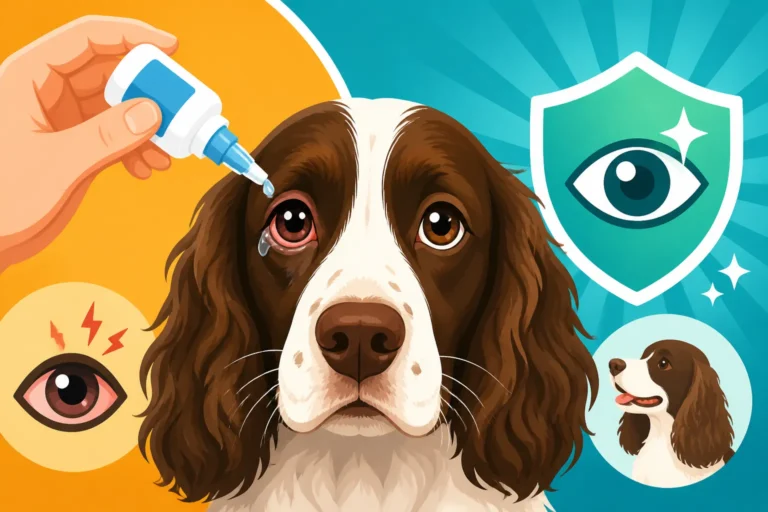
For many Springer Spaniels diagnosed with glaucoma, especially in the early stages or during an acute attack, medical management is the first line of defense. This primarily involves a regimen of eye drops and sometimes oral medications. These medications work in different ways to lower the intraocular pressure. Some, like prostaglandin analogs (e.g., latanoprost), enhance the outflow of aqueous humor, while others, like carbonic anhydrase inhibitors (e.g., dorzolamide) and beta-blockers (e.g., timolol), reduce the production of fluid.
Administering eye drops to a dog can be a challenge, especially when they're in pain, but consistency is absolutely vital. You might need to give drops multiple times a day, every day, for the rest of your dog's life. This becomes part of your daily routine, a testament to your dedication. The cost of these medications can also add up significantly over time, making it important to factor this into your budget or consider pet insurance like Healthy Paws. As explored in Whether Eye Drops Save a Springer Spaniel's Sight, while drops can be effective in controlling pressure and preserving vision for a time, they often aren't a permanent cure for primary glaucoma, and dosage adjustments or additional medications may be necessary as the disease progresses.
Surgical Interventions to Reduce Pressure
When medical management alone isn't enough to control the intraocular pressure, or if the disease is progressing rapidly, surgical interventions may be considered. There are several surgical options, each with its own goals and success rates. One common procedure is a gonioimplantation, where a tiny shunt (a small tube) is implanted to help drain the aqueous humor from the eye. Another is cyclophotocoagulation, which uses a laser to selectively destroy cells in the ciliary body that produce aqueous humor, thereby reducing fluid production.
These surgeries aim to create a more effective drainage pathway or reduce fluid production, thereby maintaining a healthy pressure. They can be complex and are typically performed by a veterinary ophthalmologist. While surgery can offer a longer period of pressure control than drops alone, it's not always a guaranteed fix. Glaucoma can be stubborn, and even after surgery, your Springer Spaniel will likely still require ongoing medical management with eye drops to keep the pressure stable. The decision for surgery is often a difficult one, weighing the potential benefits against the risks and the significant cost involved.
When Treatment Aims for Comfort, Not Sight
Sometimes, despite all efforts, the glaucoma becomes intractable. The pressure cannot be controlled, the pain is relentless, and the eye is already irreversibly blind. In these heartbreaking situations, the focus of treatment shifts from preserving vision to simply providing comfort and improving your Springer Spaniel's quality of life. This is a tough conversation to have with your vet, but it's an important one.
Options in this scenario include enucleation (surgical removal of the eye), which eliminates the source of pain entirely. Another alternative is an evisceration with an intraocular prosthesis, where the diseased internal contents of the eye are removed and replaced with a silicone ball to maintain the eye's shape, while the outside of the eye remains. This can be more aesthetically pleasing for some owners, but it doesn't always eliminate the pain as effectively as full removal, and there's still a risk of future complications. For dogs suffering severe pain, Whether a Springer Spaniel's Glaucoma Is Painful provides insight into the immense discomfort they endure, making comfort-focused decisions paramount. Making this difficult choice is about putting your dog's well-being above all else.
The Painful Reality: When a Springer Spaniel Loses an Eye to Glaucoma
For many Springer Spaniel owners, the devastating reality of glaucoma leads to the loss of an eye. This is a profoundly difficult journey, filled with tough decisions, emotional strain, and practical adjustments. But it's also a path that many dogs navigate with incredible resilience.
Deciding on Enucleation: A Difficult Choice
The decision to have your beloved Springer Spaniel's eye removed (enucleation) is one of the hardest you will ever face as a pet parent. It comes after all other treatments have failed, or when the eye is irreversibly blind and causing constant, unbearable pain. The thought of your dog losing an eye is devastating, and it’s natural to feel grief, guilt, and fear. You might question if you did enough, or if it's the right decision for them. But often, enucleation is the kindest option, freeing your dog from chronic, debilitating pain.
Your veterinary ophthalmologist will guide you through this process, explaining that removing the eye completely removes the source of the pressure and the pain. It's not a decision made lightly, but when an eye is blind and constantly hurting, it serves no positive purpose for your dog. For more information on the progression of this disease, consider reading How Primary Glaucoma Blinds a Springer Spaniel, which details the irreversible damage. Remember, your Springer lives by scent and sound more than sight, and a pain-free life, even with one eye, is far superior to a life of constant suffering with two.
Post-Operative Care and Recovery
After enucleation, your Springer Spaniel will need careful post-operative care. This typically involves pain management medication, antibiotics to prevent infection, and sometimes anti-inflammatory drugs. The surgical site will have sutures, and it's absolutely crucial to prevent your dog from rubbing or scratching the area, as this could lead to serious complications. An Elizabethan collar (the "cone of shame") will be your best friend for several weeks, however much your Springer might grumble about it.
Keep the area clean and dry, and monitor for any signs of swelling, discharge, or redness that could indicate infection. Your vet will schedule follow-up appointments to check on healing and remove sutures. Most Springer Spaniels recover remarkably well from enucleation. While the initial days might be a bit disorienting for them, their incredible adaptability shines through. Within a few weeks, many dogs are back to their usual selves, just with a new perspective on the world.
Supporting a One-Eyed Springer Spaniel
Living with a one-eyed Springer Spaniel will require some adjustments, but trust me, they adapt far better than we humans imagine they will. Their remaining eye will compensate, and their other senses – particularly their phenomenal sense of smell and hearing – will step up to fill the gap. The biggest initial challenge for them will be depth perception on the side of the missing eye. They might misjudge distances, bump into things, or be a little hesitant going down stairs or jumping off furniture.
You'll need to be their extra set of "eyes" on that blind side, especially when walking them near traffic or other dogs. Maintain a consistent home environment by keeping furniture in the same places to help them navigate confidently. Speak to them often to give them auditory cues. Many dogs who have lost one eye due to glaucoma go on to live full, joyful lives. It's a testament to their spirit and resilience. And remember, the battle isn't over if they've lost one eye; primary glaucoma often affects both eyes, so constant vigilance and preventive care for the remaining eye are paramount. Understanding Whether a Springer Spaniel Loses Both Eyes to Glaucoma is a harsh but necessary reality for many owners.
Living with a Springer Spaniel Affected by Glaucoma
Life with a Springer Spaniel dealing with glaucoma, whether they still have both eyes or are now one-eyed, requires ongoing commitment, adaptation, and unwavering support. It’s not a one-time fix; it’s a marathon of care and attention.
Adapting Your Home Environment
Making small, thoughtful changes to your home can dramatically improve your Springer Spaniel's quality of life if they are experiencing vision impairment. Consistency is key. Try to keep furniture, dog beds, and food/water bowls in the same locations. Avoid rearranging things frequently, as this creates a confusing and potentially anxiety-inducing environment for a dog relying on memory and remaining vision.
For dogs with significant vision loss, consider adding tactile markers or scents near important areas, like their food bowl or the door to the yard. Ensure clear pathways, free from clutter or tripping hazards. For dogs that might struggle with stairs, consider ramps or restricting access to certain areas of the house. Good lighting can also help, especially if they have some remaining vision. If your Springer often navigates in the dark, night lights can prevent bumps and falls. These small considerations allow them to move around their familiar territory with confidence and less stress.
Ongoing Management and Monitoring
Even after initial treatments or surgery, managing glaucoma is an ongoing commitment. Your Springer Spaniel will likely need daily eye drops for the rest of their life, even if one eye has been removed, to protect the remaining eye. This means consistent administration, keeping track of medication schedules, and ensuring you always have refills on hand. Regular check-ups with your veterinary ophthalmologist are crucial. These appointments will involve pressure checks, examinations of the optic nerve, and assessments of any changes in the drainage angle.
These routine visits are not just about reacting to problems; they are about proactively managing the disease and catching any recurrences or new issues in the remaining eye before they become emergencies. This sustained effort can be tiring, both emotionally and financially, but it's essential for your Springer's comfort and quality of life. Be honest with your vet about any struggles you're having, whether it's administering drops or financial concerns; they can offer strategies and support.
The Emotional Toll on Owners
Let's be real: living with a dog facing a chronic, sight-threatening condition like glaucoma takes a massive emotional toll on owners. The worry, the guilt, the constant vigilance, the grief over potential or actual vision loss, and the financial stress can be overwhelming. You might feel isolated, like no one truly understands the heartbreak of seeing your active, joyful Springer struggle with something so fundamental.
It's okay to feel all of these emotions. Acknowledging them is the first step toward coping. Find a support system, whether it's other dog owners, online communities, or even talking to a counselor. Remember that you are doing your absolute best for your dog, and your love and dedication are making a huge difference in their life. Focus on the joy they still bring, the wag of their tail, the comfort of their presence. Your Springer Spaniel still thrives on your love and connection, regardless of how much they can see. If you are struggling with their adjustment, reading about Whether a Blind Springer Spaniel Copes at Home might offer some reassurance and practical tips.
Prevention and Proactive Measures
While primary glaucoma is largely genetic and can feel like an unavoidable fate for some Springer Spaniels, there are certainly steps owners and breeders can take to minimize risk, detect early, and prepare for its potential impact. Proactive measures are the best defense against this devastating disease.
Breeding Responsibly: Genetic Testing and Screening
One of the most powerful tools in preventing primary glaucoma is responsible breeding. Because this condition is inherited, breeders have a critical role to play in reducing its prevalence in the Springer Spaniel gene pool. This involves rigorous genetic testing and comprehensive eye screening of all breeding stock. Reputable breeders will not only screen their dogs for known genetic markers associated with glaucoma but will also have their dogs undergo regular gonioscopy examinations by a board-certified veterinary ophthalmologist.
Breeders should be transparent about their dogs' health histories and test results. When looking for a Springer Spaniel puppy, always ask to see the health clearances for both parents, including eye certifications. A responsible breeder will be eager to share this information and explain what they are doing to mitigate genetic health risks. Choosing a puppy from parents with clear eye certifications and no history of glaucoma in their lineage is one of the most significant steps you can take to protect your future Springer.
Routines for Eye Health Maintenance
Beyond choosing a well-bred puppy, maintaining excellent general eye health for your Springer Spaniel throughout their life is vital. While it won't prevent primary glaucoma, it can help you spot issues early and differentiate from other eye problems. Make it a habit to check your dog's eyes daily. Look for clarity, brightness, and ensure there's no excessive redness, discharge, or squinting. Their pupils should be equal in size and react to light.
Keep the hair around their eyes trimmed to prevent irritation, especially for show-bred Springers with longer feathering. If you notice any changes, even subtle ones, contact your vet. Don't wait for it to get worse. This routine vigilance, combined with regular veterinary check-ups (including pressure checks for at-risk breeds), creates a strong defense. Discuss with your vet about the frequency of specific eye exams, especially if your Springer has a family history of eye issues.
Preparing for Potential Future Costs
Let's not sugarcoat it: treating glaucoma can be incredibly expensive. Diagnostic tests like tonometry and gonioscopy, ongoing prescription eye drops, potential surgeries, and emergency vet visits can quickly add up to thousands of dollars over your Springer Spaniel's lifetime. This financial burden can be a huge source of stress for owners who simply want to provide the best care for their beloved companion.
This is where planning ahead comes into play. Setting aside an emergency fund specifically for veterinary care is always a good idea. Another increasingly popular and practical option is pet insurance. Providers like Healthy Paws offer comprehensive coverage that can help offset the significant costs associated with chronic conditions like glaucoma, provided the condition isn't pre-existing when you enroll. Researching What Insuring a Springer Spaniel Runs can give you an idea of premiums and coverage options. Having a good pet insurance plan in place can offer immense peace of mind, allowing you to focus on your Springer Spaniel's health and well-being rather than being paralyzed by the cost of necessary treatments.
Disclaimer
Please remember that the information provided in this guide is for informational purposes only and does not substitute for professional veterinary advice. Always consult with a qualified veterinarian or veterinary ophthalmologist for any health concerns or before making any decisions regarding your Springer Spaniel's care.