Hip Dysplasia in a Springer Spaniel
It's absolutely heartbreaking to watch your beloved English Springer Spaniel struggle with pain, especially when it affects their joyful, energetic spirit. Many of us have experienced that sickening feeling when a dog, who should be bounding through fields, starts to limp, hesitate, or just seems "off." Hip dysplasia is a diagnosis no owner wants to hear, but it's a reality for too many Springer Spaniels. This guide aims to demystify hip dysplasia, helping you understand what it is, how to spot it, and most importantly, how to manage it, so your Springer can live the fullest, happiest life possible.
Understanding Canine Hip Dysplasia in Springer Spaniels
Hip dysplasia is one of those terms that gets thrown around a lot in dog circles, often with a sigh or a shake of the head. It's a developmental orthopedic disease, meaning it's something that typically starts to manifest during a dog's growth phase. For Springer Spaniel owners, understanding the basics of this condition is crucial, not just for treatment but for potential prevention.
The Anatomy of a Healthy Springer Hip
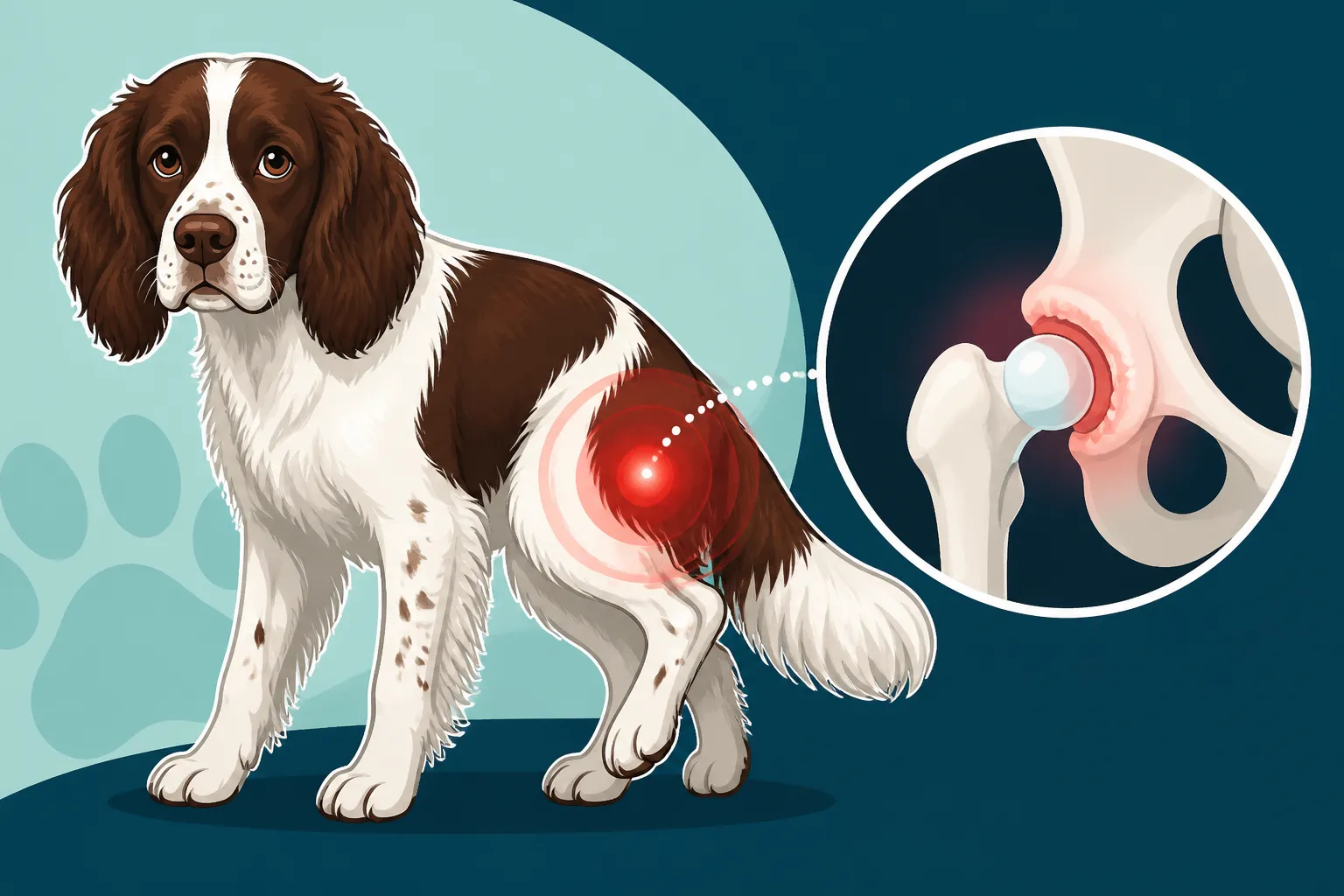
To truly grasp what goes wrong with hip dysplasia, it helps to first visualize a healthy hip. Imagine a perfectly smooth, deep cup (the acetabulum, part of the pelvis) that cradles a perfectly round, polished ball (the femoral head, at the top of the thigh bone). This is what we call a ball-and-socket joint. These two surfaces are covered in a thin layer of resilient cartilage, allowing them to glide effortlessly against each other. The entire joint is encased within a strong joint capsule, which produces lubricating synovial fluid, and is held firmly in place by robust ligaments and surrounding muscles.
For an English Springer Spaniel, this intricate design is paramount. Their lives are built around movement – running, jumping, twisting, and "springing" through cover. A healthy hip allows for a wide range of motion without pain or instability, absorbing the shocks of their active lifestyle and enabling the powerful propulsion needed for their work or play. Without this smooth, stable articulation, their natural zest for life quickly diminishes.
What Goes Wrong in Hip Dysplasia
In a dog with hip dysplasia, this ideal ball-and-socket relationship is compromised. The most common issue is joint laxity, meaning the ligaments and joint capsule that are supposed to hold the ball tightly in the socket are too loose. Think of that perfect marble-in-a-bowl analogy, but now the bowl is too shallow, or the marble is a bit misshapen, and the "glue" holding it in place isn't quite strong enough. This laxity allows the femoral head to move too freely, sometimes even partially slipping out of the socket.
This abnormal movement, over time, causes wear and tear. The cartilage, instead of gliding smoothly, begins to rub and erode. The body tries to compensate, leading to inflammation and the development of bony spurs, known as osteophytes, around the joint edges. This degenerative process is essentially arthritis, and it’s the primary source of chronic pain and stiffness. The joint becomes less stable, less mobile, and increasingly painful, ultimately hindering the Springer Spaniel's ability to move freely and comfortably.
Why Springer Spaniels Are Particularly Susceptible
English Springer Spaniels, like many medium to large, active breeds, carry a genetic predisposition for hip dysplasia. Their genetics are the primary factor, often dictating the quality of their hip joint structure. While no breed is entirely immune, the selective breeding over generations for traits like strong hunting drive and endurance in the field, sometimes without an equal focus on orthopedic soundness, has contributed to its prevalence.
Their very nature works against them if they have compromised hips. A Springer Spaniel isn't content to lie around all day; they thrive on vigorous exercise and mental stimulation. This constant demand for activity places significant stress on their joints. A Labrador Retriever or a Golden Retriever might also be susceptible, but a Springer's explosive energy and agility can magnify the impact of poor joint conformation. This combination of genetic predisposition and an incredibly active lifestyle makes hip dysplasia a particular concern for anyone sharing their life with an English Springer Spaniel.
Recognizing the Signs and Symptoms of Hip Dysplasia
Spotting hip dysplasia can be tricky, especially in the early stages, because our Springers are often stoic and will try to push through discomfort. Knowing what to look for, both as subtle hints in puppies and more obvious signs in adults, can make a huge difference in early diagnosis and management.
Early Indicators in Springer Spaniel Puppies
It's heartbreaking to think of a puppy in pain, but hip dysplasia can begin to show signs even before their first birthday. One classic indicator is a "bunny hopping" gait, where the puppy uses both hind legs simultaneously to propel themselves forward, rather than alternating them. This is an attempt to reduce weight-bearing and discomfort in one hip. You might also notice a reluctance to engage in typical puppy activities, such as extended play sessions, running with other dogs, or climbing stairs or jumping onto furniture. They might sit or lie down in unusual positions, or struggle to get up after a nap.
For instance, a Springer Spaniel puppy, usually bursting with energy to retrieve a thrown bumper, might suddenly show less enthusiasm, or even stop mid-run, whimpering slightly. If you gently touch or manipulate their hindquarters, especially around the hip joint, they might yelp, flinch, or pull away. Stiffness after a period of rest, especially first thing in the morning, is another tell-tale sign. These seemingly small changes can be big clues that something is amiss in their developing joints.
Subtle Clues in Adult Springer Spaniels
As Springers mature, the signs of hip dysplasia can become more pronounced, but also sometimes more nuanced, especially if the condition has been developing gradually. Many owners report a general decrease in activity level – their dog, who once eagerly joined every hike or game of fetch, now prefers shorter walks or seems to tire more quickly. You might observe lameness, often intermittent at first, which worsens after exercise. This can sometimes be confused with other issues, making it difficult to pinpoint immediately.
One of the most common signs in an adult dog is difficulty getting up from a lying position, or a noticeable struggle when attempting to jump into a car or onto a bed. They might shift their weight forward, reducing the load on their hindquarters, which can lead to muscle loss (atrophy) in their hind legs and an increase in muscle bulk in their shoulders as they compensate. Chronic pain can also lead to changes in temperament; a once outgoing and friendly Springer might become withdrawn, irritable, or even snap if touched in a sensitive area. It's a quiet suffering that many devoted owners instinctively pick up on.
When to Seek Veterinary Consultation
Any persistent lameness, stiffness, or noticeable change in your Springer Spaniel's gait or activity level warrants a trip to the vet. Don't fall into the trap of thinking it's "just old age" or a temporary strain. While many minor aches and pains resolve on their own, joint issues like hip dysplasia only progress. Early diagnosis is absolutely key to effective management and can significantly improve your dog's quality of life, potentially delaying the onset of severe arthritis.
During your visit, be prepared to describe your observations in detail: when the symptoms started, what makes them worse, and what (if anything) seems to help. Your vet will perform a thorough physical examination, including palpating the hips, checking range of motion, and observing your dog's movement. It's an opportunity to discuss all your concerns, no matter how small they may seem, and get a professional opinion on the next steps, which will likely involve diagnostic imaging to get a clearer picture of what's happening internally.
Unpacking the Causes and Risk Factors
Hip dysplasia isn't a simple "cause and effect" condition. While genetics play a starring role, a complex interplay of environmental factors, nutrition, and even the dog's activity level can significantly influence its development and severity. Understanding these elements is vital for both preventing and managing the condition.
The Predominant Role of Genetics
Without a doubt, genetics are the primary driver behind hip dysplasia. It's considered a polygenic trait, meaning multiple genes are involved in its inheritance, rather than a single gene. This complexity makes breeding for hip health challenging but not impossible. If a Springer Spaniel's parents or grandparents had poor hip conformation, the puppy has a higher likelihood of developing the condition, even if they themselves don't display signs until later. This is why responsible breeding practices are paramount, emphasizing the health clearances of both sire and dam.
Organizations like the Orthopedic Foundation for Animals (OFA) and the University of Pennsylvania Hip Improvement Program (PennHIP) offer standardized screening methods to evaluate hip conformation in breeding dogs. Reputable breeders will meticulously screen their breeding stock and openly share the results. Ignoring genetic predispositions is like playing Russian roulette with a puppy's future health. A solid breeding program for Springer Spaniels will always prioritize these tests, aiming to produce puppies with the best possible genetic foundation for strong, healthy hips. This is why you should always ask to see the hip clearances for both parents, which is a fundamental part of responsible breeding and should be a prerequisite for any purchase, just like ensuring The DNA Test That Should Precede Every Springer Spaniel Purchase is performed for other genetic conditions. Thorough checks like The Health Tests Both Springer Spaniel Parents Should Have go a long way.
Environmental and Nutritional Contributions
While genetics load the gun, environmental factors can pull the trigger, or at least exacerbate the condition. Rapid growth, often fueled by overfeeding high-calorie, "growth-formula" diets to puppies, places undue stress on rapidly developing joints. The old adage "a fat puppy is a happy puppy" is completely wrong when it comes to joint health; a lean, steady growth rate is ideal. Similarly, excessive, high-impact exercise in young puppies whose growth plates haven't yet closed (typically around 12-18 months) can damage delicate joint structures. Think of forced runs, repetitive jumping, or intense agility training too early.
Additionally, factors like slippery floor surfaces can contribute to hip laxity by causing puppies to splay out their legs, putting unnatural strain on their hips. Jumping off high places like beds or couches can also cause micro-traumas over time. Even an imbalance in calcium and phosphorus in their diet, especially with home-prepared meals without veterinary guidance, can hinder proper bone development. It's a delicate balance to nurture a growing Springer Spaniel, and every choice can impact their long-term orthopedic health.
Other Influencing Factors
Beyond genetics and early environmental impacts, several other factors can influence the onset and severity of hip dysplasia. Weight management is critically important throughout a Springer Spaniel's life. Obesity places an enormous additional load on already compromised hip joints, accelerating the progression of arthritis and increasing pain. Keeping your Springer at a lean, healthy weight is one of the most impactful things you can do to protect their joints.
Some studies have also explored the timing of spaying or neutering. Research suggests that spaying or neutering too early, before a dog has fully matured and their growth plates have closed, might increase the risk of orthopedic issues, including hip dysplasia, by altering hormone levels critical for bone development. This is a topic to discuss thoroughly with your veterinarian, weighing the pros and cons of early versus delayed procedures for your specific dog. While it's not a direct cause, it's an influencing factor worth considering in the overall picture of joint health.
Diagnosing Hip Dysplasia in Your Springer Spaniel
When your Springer Spaniel shows signs of discomfort or lameness, getting an accurate diagnosis is the first crucial step. It helps confirm hip dysplasia and rule out other conditions that might present similarly. This diagnostic journey typically involves a thorough physical exam followed by specialized imaging.
The Initial Veterinary Examination and Gait Analysis
Your veterinarian will start with a comprehensive physical examination. This isn't just a quick check; it involves carefully palpating your dog's hips, feeling for any grinding, clicking, or instability in the joint. They'll assess your Springer's range of motion, noting any stiffness, pain responses, or limitations when moving the hind legs. This often requires extending and flexing the legs in various positions.
Beyond the hands-on exam, observing your Springer Spaniel's gait is incredibly informative. Your vet will watch how your dog walks, trots, sits, and stands. They'll look for that "bunny hopping" motion, a sway in the hindquarters, reluctance to bear weight, or any signs of discomfort that manifest during movement. In some cases, to truly assess joint laxity, particularly in younger dogs, your vet might recommend a specific maneuver called the Ortolani sign or Bardens test, which involves manipulating the hip under light sedation to feel for a "clunk" as the femoral head slips in and out of the socket. This test is critical as it helps identify laxity that might not be visible in a standard X-ray.
Advanced Imaging: X-rays and Beyond
Once the physical exam suggests hip issues, X-rays are the gold standard for diagnosis. Your vet will likely recommend taking specific views of your Springer's hips, usually under sedation. Sedation is important because it allows the muscles to relax completely, preventing your dog from tensing up due to pain or anxiety, which could obscure the true joint conformation on the images. The most common X-ray view is the "hip-extended" view, where the dog lies on its back with hind legs extended straight back. These images are then often sent to veterinary radiologists for official interpretation and grading, particularly if pursuing OFA certification.
Beyond standard X-rays, specialized techniques like PennHIP (University of Pennsylvania Hip Improvement Program) offer an even more precise assessment of hip laxity, even in puppies as young as 16 weeks. PennHIP involves three specific X-ray views, including a "distraction view" that uses a device to gently push the femoral heads out of the sockets, measuring the degree of laxity with a "distraction index." This method is considered a more accurate predictor of future hip arthritis. In very complex cases, or if other soft tissue injuries are suspected, your vet might recommend advanced imaging techniques like CT scans or MRI, though these are less common for primary hip dysplasia diagnosis.
Understanding Hip Scoring and What It Means
For breeders and owners concerned about genetic predisposition, understanding hip scoring is key. The Orthopedic Foundation for Animals (OFA) uses a seven-point subjective grading scale for hip conformation, ranging from Excellent to Severe. A board-certified veterinary radiologist evaluates the X-rays and assigns a grade based on criteria like joint congruity, femoral head and acetabular depth, and the absence of degenerative changes. Dogs graded "Fair," "Good," or "Excellent" are considered free of hip dysplasia and suitable for breeding, though "Good" and "Excellent" are generally preferred.
PennHIP provides a quantitative measure called the distraction index (DI). This numerical score (ranging from 0 to 1) directly measures the amount of hip laxity, with lower numbers indicating tighter hips. Dogs with a DI closer to 0 are less likely to develop hip dysplasia, while those closer to 1 have more laxity and a higher risk. This objective measurement is highly valuable for making informed breeding decisions and can help predict the likelihood of arthritis development. Understanding these scores is critical for anyone considering a Springer Spaniel puppy, as it's a window into their potential long-term joint health. This scoring is also why it's so important to ask Whether a Springer Spaniel's Hip Score Predicts Arthritis later in life.
| Hip Scoring Method | Primary Focus | Age for Evaluation | Scoring System | Pros | Cons |
|---|---|---|---|---|---|
| OFA (Orthopedic Foundation for Animals) | Morphological Appearance | 24+ Months | Excellent, Good, Fair, Borderline, Mild, Moderate, Severe | Widely recognized, simple categories, less expensive | Subjective, hip-extended view can mask laxity, only evaluates mature dogs |
| PennHIP (University of Pennsylvania Hip Improvement Program) | Quantifies Laxity | 16+ Weeks | Distraction Index (0.0 – 1.0) | Objective, highly predictive of OA, can be done earlier | Requires specialized training/equipment, generally more expensive |
Treatment Approaches for Hip Dysplasia
Once hip dysplasia is diagnosed in your Springer Spaniel, the next step is to explore treatment options. The approach largely depends on the severity of the condition, your dog's age, and your family's lifestyle and resources. Generally, treatments fall into two main categories: conservative (non-surgical) and surgical.
Conservative Management for Mild to Moderate Cases
For many Springer Spaniels, especially those with mild to moderate hip dysplasia or early signs of arthritis, conservative management can provide significant relief and maintain a good quality of life. The cornerstone of conservative care is weight control. Even a few extra pounds can dramatically increase the load on affected joints, accelerating degeneration and increasing pain. Working closely with your vet to achieve and maintain an ideal lean body condition is paramount.
Controlled, low-impact exercise is also critical. Think of activities like swimming, which strengthens muscles without stressing joints, or short, regular leash walks on soft surfaces. High-impact activities like jumping, agility, or prolonged strenuous runs should be avoided. Medications play a significant role, with non-steroidal anti-inflammatory drugs (NSAIDs) like Rimadyl or Galliprant often prescribed to reduce pain and inflammation. Additionally, joint supplements containing ingredients like glucosamine, chondroitin, and Omega-3 fatty acids can support cartilage health and reduce inflammation. For chronic conditions like hip dysplasia, the ongoing costs of these medications and therapies can add up, making pet insurance, such as a plan from Healthy Paws, a valuable consideration to help manage these expenses. These supplements are an important part of managing Joint Supplements for a Springer Spaniel.
Physical therapy, often including hydrotherapy (underwater treadmill), massage, and targeted exercises, can greatly improve muscle strength, flexibility, and overall mobility. Many veterinary rehabilitation centers specialize in these therapies, helping dogs regain function and reduce pain. This comprehensive approach, though requiring dedication, can significantly slow the progression of the disease and enhance your Springer's comfort.
Surgical Interventions for Severe Dysplasia
When conservative management isn't enough, or in cases of severe dysplasia, surgical options may be considered. The choice of surgery depends heavily on the dog's age, size, and the extent of joint damage. For very young puppies (typically under 5 months) diagnosed with early signs of laxity, Juvenile Pubic Symphysiodesis (JPS) can be performed. This minimally invasive procedure involves fusing a part of the pelvis, encouraging better hip development as the puppy grows.
Another option for younger dogs (usually under 10 months) with good quality cartilage is a Triple Pelvic Osteotomy (TPO), or a similar procedure called a DPO (Double Pelvic Osteotomy). These surgeries involve cutting and rotating parts of the pelvis to create a deeper socket for the femoral head. For older dogs with significant arthritis or those where other surgeries aren't feasible, a Femoral Head Ostectomy (FHO) is a salvage procedure. The femoral head is removed, and scar tissue forms a "false joint," alleviating bone-on-bone pain, though it doesn't restore normal hip function. The most comprehensive, but also most expensive and specialized, option is a Total Hip Replacement (THR), which replaces both the ball and socket with prosthetic implants, often restoring excellent function and eliminating pain. Each surgical option comes with its own set of risks, recovery periods, and costs, requiring careful discussion with a veterinary orthopedic specialist.
Post-Operative Care and Rehabilitation
Undergoing surgery for hip dysplasia is a significant commitment, and the success of the procedure often hinges on diligent post-operative care and rehabilitation. Immediately after surgery, strict rest is paramount. Your Springer Spaniel will need careful confinement, often in a crate, to prevent excessive movement that could compromise the surgical site. Pain management is also a critical component, with your vet prescribing appropriate medications to keep your dog comfortable during the initial recovery phase.
As healing progresses, a structured rehabilitation program is typically initiated. This often begins with gentle passive range of motion exercises, progresses to controlled walks, and eventually incorporates more intensive physical therapy. Hydrotherapy, or swimming, is incredibly beneficial as it allows for muscle strengthening without putting weight on the healing joint. The recovery period can be lengthy, often spanning several weeks to months, and requires patience and dedication from owners. Your vet and a certified rehabilitation therapist will guide you through each stage, ensuring your Springer Spaniel regains as much function as possible. It's a journey, but one that can lead to a significant improvement in your dog's quality of life.
Living with a Springer Spaniel Affected by Hip Dysplasia
A diagnosis of hip dysplasia isn't the end of the world, but it does mean adjusting your lifestyle and your Springer Spaniel's routine. The goal is to minimize pain, maintain mobility, and ensure your dog can still enjoy life, albeit with some modifications.
Adapting Your Home Environment
Making your home a "joint-friendly" zone can significantly improve your Springer's comfort and reduce the risk of further injury. One of the simplest yet most effective changes is addressing slippery floors. Hardwood, tile, or laminate surfaces can be treacherous for a dog with compromised hips, leading to slips and falls that exacerbate pain. Lay down non-slip rugs or runners in high-traffic areas to provide better traction.
Consider investing in orthopedic beds, which offer superior support and cushioning compared to standard dog beds, easing pressure on painful joints. Ramps or pet stairs can be invaluable, allowing your Springer to safely access furniture like couches or beds, or to get into and out of vehicles, without painful jumping. Minimizing the need for stairs in the house, or providing assistance, can also make a big difference. These small adaptations can dramatically reduce daily strain and make your Springer's environment much more comfortable and safer.
Tailored Exercise and Activity Routines
The energetic nature of a Springer Spaniel means that "no exercise" is usually not an option, nor is it beneficial for joint health. Instead, the focus shifts to controlled and tailored exercise. The key is low-impact activities that build muscle strength without putting undue stress on the hip joints. Swimming is often hailed as the best exercise for dogs with hip dysplasia. The buoyancy of water supports their body weight, allowing them to move freely and strengthen muscles without the jarring impact of land-based activities.
Short, frequent leash walks on soft, even surfaces (like grass or dirt trails) are preferable to long, strenuous hikes on pavement. Avoid activities that involve sudden stops, sharp turns, jumping, or intense bursts of speed. Even a working Springer Spaniel can adapt to gentler "work" or scent games that engage their mind and nose without demanding strenuous physical exertion. Listening to your dog's cues is vital – if they seem stiff or sore after an activity, it was likely too much. It's a fine balance to maintain fitness without causing pain, but with careful observation, you can find the right routine. This is especially true as your Springer ages and may also face Arthritis in an Older Springer Spaniel.
The Importance of Nutritional Support and Weight Management
Maintaining your Springer Spaniel at an ideal, lean body weight is arguably the single most important factor in managing hip dysplasia. Every extra pound translates to increased stress on already compromised joints, accelerating arthritis and intensifying pain. Work with your vet to determine your Springer's ideal weight and develop a feeding plan that helps them achieve and maintain it. This might involve reducing calorie intake, switching to a weight-management specific formula, or carefully measuring portions.
Beyond weight, nutritional support through high-quality dog food and targeted supplements can make a difference. Many joint supplements, as mentioned before, contain ingredients like glucosamine, chondroitin, MSM, and omega-3 fatty acids, which can help support cartilage health, reduce inflammation, and improve joint lubrication. Discuss with your vet which supplements are most appropriate for your dog's specific condition and overall health. The ongoing cost of specialized diets, medications, and supplements can certainly add up over the years. This is another area where a comprehensive pet insurance policy, such as one from Healthy Paws, can be incredibly beneficial, helping to cover the recurring expenses associated with managing a chronic condition like hip dysplasia and allowing you to provide the best possible care without constant financial worry.
Preventive Measures and Responsible Breeding
For many prospective Springer Spaniel owners, the best "treatment" for hip dysplasia is prevention. While you can't guarantee a dog will never develop it, there are significant steps you can take, primarily by choosing a responsible breeder and providing optimal care during their crucial growth phases.
Choosing a Reputable Springer Spaniel Breeder
This is perhaps the most critical step in preventing hip dysplasia. A reputable breeder will go to great lengths to ensure their breeding stock is free of inheritable diseases. This means they will insist on hip clearances for both the sire and dam (the mother and father of your puppy) through programs like OFA or PennHIP. Don't settle for vague assurances; ask to see official copies of these health certificates, and verify them if possible. Look for breeders who have a long history of producing sound, healthy dogs and who are transparent about any health issues in their lines.
Avoid breeders who don't perform health testing, claim that "their lines don't have it," or try to sell puppies from parents with "mild" hip dysplasia. Even mild dysplasia can be passed on, and it signifies poor breeding practices. A good breeder prioritizes health, temperament, and genetic soundness above all else, ensuring that they are not contributing to the problem. They should be able to explain the different scoring methods and why their chosen breeding pair is a good match based on health, not just appearance or show titles.
Optimal Puppy Care for Joint Health
Once you've brought your Springer Spaniel puppy home, the responsibility shifts to you to provide an environment that supports healthy joint development. The goal is "slow and steady" growth. Avoid overfeeding, particularly with high-calorie puppy formulas, as rapid weight gain can put excessive strain on developing joints. Aim for a lean body condition; you should be able to easily feel your puppy's ribs without seeing them.
Controlled exercise is also paramount. While Springers are energetic, their growth plates (soft areas of bone that allow for growth) don't close until around 12-18 months of age. During this time, forced runs, intense agility, repetitive jumping, or long, strenuous hikes should be avoided. Instead, opt for shorter, frequent play sessions on soft surfaces, and allow your puppy to self-regulate their activity. Provide good traction in your home with rugs on slippery floors, and use ramps or lift your puppy to avoid jumping from heights. Discuss with your veterinarian the optimal timing for spaying or neutering, as some studies suggest waiting until growth plates have closed may be beneficial for joint development. This careful approach can significantly mitigate the risk of developing clinical hip dysplasia.
Regular Veterinary Check-ups and Monitoring
Even with the best breeding and early care, regular veterinary check-ups are essential for continuous monitoring of your Springer Spaniel's joint health. These routine visits allow your vet to perform physical examinations, assess your dog's gait, and discuss any changes you might have noticed. Catching any subtle signs of lameness or discomfort early can lead to earlier intervention, which is always more effective.
Your vet can also offer guidance on maintaining an ideal weight, recommend appropriate exercise levels as your Springer matures, and suggest preventative joint supplements if deemed beneficial. These check-ups are also an excellent opportunity to openly discuss any concerns, whether it's related to diet, exercise, or changes in your dog's behavior. A proactive approach to health, from puppyhood well into their senior years, which can stretch to Caring for a Springer Spaniel Past Nine, gives your Springer Spaniel the best chance at a long, comfortable, and active life. A good pet insurance plan from Healthy Paws can help ensure these regular check-ups and any emerging issues are covered, easing the financial burden of comprehensive preventative care.
The Emotional Toll and Support for Owners
Receiving a diagnosis of hip dysplasia can be a heavy blow for any Springer Spaniel owner. It's not just a medical condition; it's a profound emotional experience that can bring a mix of heartbreak, guilt, and frustration. Understanding and validating these feelings is crucial for coping and moving forward.
Dealing with the Diagnosis and Prognosis
When your vet confirms hip dysplasia, it's completely normal to feel a wave of emotions. Many owners feel immense sadness, realizing their active, joyful Springer might face a lifetime of pain or limitations. There can also be guilt, wondering if you did something wrong, even if you diligently researched breeders and provided excellent care. Frustration can set in as you contemplate the financial burden and the significant changes needed in your daily routine. It's a process of grieving the healthy future you envisioned for your dog.
It's important to remember that this diagnosis is not your fault, especially if you chose a reputable breeder who performed health clearances. Hip dysplasia is complex, with genetic predispositions sometimes manifesting despite all best efforts. Take time to process the information, ask your vet all your questions, and understand the various treatment options and what the prognosis truly means for your individual Springer Spaniel. Knowledge is empowering, and while the initial shock can be overwhelming, learning about the path forward can help alleviate some of the helplessness.
Finding Support and Community
You are not alone in this journey. Many Springer Spaniel owners, and dog owners in general, have faced the challenges of hip dysplasia. Seeking out support can make a world of difference. Online forums, breed-specific social media groups, and local dog owner communities are excellent places to connect with others who understand what you're going through. Sharing your experiences, asking for advice, and hearing success stories can be incredibly validating and provide a sense of camaraderie.
These communities can offer practical tips for home modifications, exercise adaptations, and even recommendations for local veterinary specialists or physical therapists. Don't be afraid to lean on your veterinary team for emotional support too. They've guided countless owners through similar situations and can provide reassurance and expert advice. Having a strong support system can help you navigate the ups and downs of managing hip dysplasia, reminding you that you're doing your best for your beloved companion.
Financial Considerations and Planning
Let's be realistic: managing hip dysplasia in a Springer Spaniel, especially in severe cases or with surgical interventions, can be incredibly expensive. The costs can include ongoing medications, joint supplements, regular physical therapy sessions (like hydrotherapy), specialized diets, and potentially thousands of dollars for diagnostic imaging or surgical procedures. This can understandably cause significant stress for many families. It's not uncommon for owners to face decisions based on what they can afford, which is a heartbreaking situation.
This is where planning and considering financial safeguards become crucial. Setting aside an emergency fund specifically for veterinary care is always a good idea. More importantly, comprehensive pet insurance, like a plan from Healthy Paws, can be a lifesaver. Policies that cover chronic conditions, surgeries, and rehabilitation therapies can significantly offset the financial burden, allowing you to prioritize your Springer Spaniel's health without constantly worrying about the bill. Reviewing different plans and understanding what they cover (and what they don't) is an essential step for any pet owner, especially with breeds prone to orthopedic issues. Planning ahead for potential costs, which are often discussed when looking at What a Springer Spaniel's Vet Bills Look Like, can truly make all the difference in providing the best possible care for your Springer.
Disclaimer
This article is intended for informational purposes only and does not constitute medical advice. Always consult with a qualified veterinarian for any health concerns or before making any decisions about your pet's health or treatment.