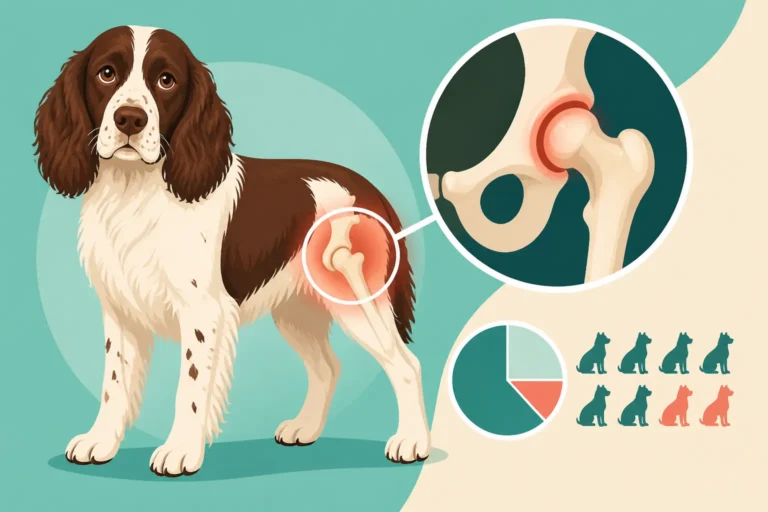
How Common PFK Deficiency Is in Springer Spaniels
Bringing a new English Springer Spaniel into your life is an incredibly exciting time, full of dreams of long walks, happy retrieves, and loyal companionship. However, the thought of your beloved pup facing a debilitating genetic condition like Phosphofructokinase (PFK) Deficiency can cast a shadow over that joy. This comprehensive guide will delve into how common PFK deficiency truly is in Springer Spaniels, offering realistic insights into its prevalence, the impact of genetic testing, and what it means for current and prospective owners.
Understanding PFK Deficiency in Springer Spaniels
The world of canine health can feel like a minefield when you start looking into all the potential genetic conditions, and PFK deficiency is one that often pops up for English Springer Spaniel owners. It's a scary-sounding term, but understanding what it actually means can go a long way in easing your worries or preparing you for responsible ownership.
What PFK Deficiency Actually Is
At its core, Phosphofructokinase (PFK) Deficiency is a metabolic disorder that affects a dog's red blood cells and muscle cells. Imagine your dog's body as a finely tuned engine, and PFK is a crucial spark plug in its energy production system. Specifically, it's an enzyme vital for a process called glycolysis, which is how cells convert glucose (sugar) into energy. When this enzyme isn't working correctly, or there isn't enough of it, those cells struggle to produce the energy they need.
For Springer Spaniels, this genetic hiccup primarily impacts two major systems. First, the red blood cells become fragile and prone to premature destruction, leading to anemia. Second, the muscles, particularly those used during intense exercise, can't generate enough energy, causing them to falter. This condition is inherited in an autosomal recessive pattern, meaning a dog must inherit two copies of the faulty gene (one from each parent) to be affected and show symptoms. If a dog inherits only one copy, they are a carrier and won't typically show signs, but they can pass the gene on.
The Specific Impact on Springer Spaniels
Given their boundless energy and working heritage, the symptoms of PFK deficiency can be particularly heartbreaking to witness in a Springer Spaniel. One of the most obvious signs is exercise intolerance. A dog that should be bounding through fields might suddenly slow down, become weak, or even collapse after a short burst of activity. This isn't just a matter of being out of shape; it's a profound inability for their muscles to sustain effort. You might notice your energetic companion becoming unusually lethargic or even reluctant to play or go for walks, which is completely out of character for the breed. If you're wondering what this can look like in action, a closer look at What PFK Deficiency Does to a Springer Spaniel can offer more detail.
Beyond muscle weakness, the breakdown of red blood cells leads to distinct symptoms. Owners often report dark, reddish-brown urine, a startling sight that indicates the presence of hemoglobin from destroyed red blood cells being flushed out. This is a clear indicator that something significant is happening internally, and you can learn more about this specific symptom by reading Why a PFK Springer Spaniel Passes Dark Urine. The anemia caused by red blood cell destruction can also manifest as pale gums, another sign that your dog isn't getting enough oxygen-rich blood. These episodes are often triggered by excitement, stress, or any form of strenuous exercise, which for a Springer Spaniel, could be as simple as an enthusiastic greeting at the door or a spirited game of fetch. Understanding What Triggers a PFK Episode in a Springer Spaniel is crucial for any owner.
The Prevalence of PFK Deficiency in the Breed
When you’re considering a Springer Spaniel, or already share your home with one, the question of how common these genetic conditions are is always top of mind. It’s natural to worry about the odds. The good news is that PFK deficiency, while certainly present in the English Springer Spaniel population, isn't as rampant as it once was, largely thanks to the incredible strides made in genetic testing.
Historical Context and Genetic Screening
Before widespread genetic testing became available, PFK deficiency was a more significant concern for Springer Spaniel owners and breeders. Without the ability to identify carriers, the gene could unknowingly be passed down through generations, leading to more affected puppies being born. This meant that families might invest their hearts and resources into a puppy only to discover later that their vibrant young dog had a debilitating condition. It was a heartbreaking situation for many.
The development of accurate DNA tests for PFK deficiency revolutionized the breed's health. These tests allow breeders to definitively determine if their breeding dogs are clear, carriers, or affected. This knowledge empowers responsible breeders to make informed decisions, ensuring they don't breed two carriers together, which is the only way an affected puppy can be produced. It’s a testament to the dedication of many breeders and veterinary geneticists who have worked tirelessly to improve the health of the breed. This kind of proactive testing really underscores why The DNA Test That Should Precede Every Springer Spaniel Purchase is so vital for future owners.
Current Incidence Rates
Today, the incidence of affected Springer Spaniels with PFK deficiency is thankfully quite low, especially among puppies from reputable breeders who utilize genetic screening. While the gene for PFK deficiency is still present in the overall English Springer Spaniel gene pool, responsible breeding practices have dramatically reduced the number of dogs that actually suffer from the condition.
Genetic testing companies like Paw Print Genetics have provided some insights into carrier rates. For instance, data indicates that the frequency of the deficient allele (the specific version of the gene that causes PFK deficiency) in English Springer Spaniels is estimated to be around 0.17, or 17%, meaning that approximately one in six Springer Spaniels could be a carrier of the gene. However, being a carrier is very different from being affected. A carrier dog typically lives a completely normal life, exhibiting no symptoms of the disease. They simply carry one copy of the gene, which they might pass on to their offspring. This is a crucial distinction, and understanding Whether a PFK Carrier Springer Spaniel Shows Signs can alleviate many fears. The goal for breeders is to ensure that while carrier dogs can still contribute to the gene pool to maintain genetic diversity, they are only bred to clear mates, guaranteeing no affected puppies will be produced.
Geographic and Line Specifics
While genetic conditions can sometimes be more concentrated in specific geographic regions or particular breeding lines, PFK deficiency in English Springer Spaniels is generally considered a breed-wide concern. This isn't something confined to a certain part of the country or exclusive to either show-bred or field-bred lines. Because the English Springer Spaniel is a relatively closed gene pool, a genetic mutation like this, once introduced, can spread throughout the breed.
However, the manifestation of symptoms might seem more prevalent in certain contexts. For example, a field-bred Springer Spaniel, inherently driven for intense activity and long days in the field, might have more opportunities for an undetected PFK deficiency to trigger an episode compared to a less active pet Springer. This doesn't mean field lines are more prone to carrying the gene, but rather that their lifestyle might reveal the condition more readily if an affected dog were inadvertently produced. The widespread adoption of DNA testing means that regardless of your dog's lineage or intended purpose, a responsible breeder will have screened their breeding stock.
Testing, Management, and Breeder Responsibility
Navigating the world of genetic health can feel overwhelming, but when it comes to PFK deficiency in English Springer Spaniels, there are clear paths forward for both current and prospective owners. Understanding the tools available and the responsibilities involved can make all the difference in ensuring a long, healthy life for your canine companion.
DNA Testing for PFK Deficiency
One of the greatest advancements in canine health is the accessibility and accuracy of DNA testing. For PFK deficiency, a simple, non-invasive DNA test can provide definitive answers. Typically, this involves a buccal swab – essentially, rubbing a sterile cotton swab inside your dog's cheek to collect saliva and epithelial cells. This sample is then sent to a specialized laboratory for analysis.
Several reputable laboratories offer PFK deficiency testing, either as a standalone test or as part of a comprehensive breed-specific health panel. Companies like Embark, Optimal Selection (powered by Wisdom Panel), and Paw Print Genetics are well-known for providing accurate results. These labs will classify your dog as "clear" (meaning they don't carry the gene), "carrier" (meaning they carry one copy but are not affected), or "affected" (meaning they have two copies and will likely develop symptoms). Knowing Whether a Springer Spaniel's Health Panel Covers Both Diseases or other conditions is a great question to ask when selecting a test. The beauty of these tests is that they only need to be done once in a dog's lifetime. For owners of rescue dogs or those unsure of their dog's background, Whether a Springer Spaniel Owner Should Test Their Own Dog is a valid concern, and often, it's a worthwhile investment for peace of mind and proactive health planning.
Managing an Affected Springer Spaniel
While the aim of responsible breeding is to prevent affected dogs from being born, sometimes, despite best efforts or in cases of unknown lineage, a Springer Spaniel may still be diagnosed with PFK deficiency. If you find yourself in this situation, it’s important to know that managing the condition focuses on minimizing triggers and supporting your dog's overall health.
Management primarily revolves around strict control of exercise and avoiding situations that lead to high excitement or stress. This means no strenuous runs, no intense games of fetch, and a calm environment. Dietary modifications, sometimes including a lower-fat diet, may also be recommended by your veterinarian to reduce the metabolic load. Regular veterinary check-ups are essential to monitor for anemia and other complications. It can be a challenging road, but with careful management, affected dogs can still lead fulfilling lives. If your dog is diagnosed, discussing options with your vet about Managing a Springer Spaniel With PFK Deficiency is critical. The financial aspect of managing a chronic condition can be significant, and this is where robust pet insurance can be a lifesaver. Companies like Healthy Paws offer comprehensive coverage that can help mitigate the costs of ongoing vet visits, diagnostic tests, and necessary medications, providing a financial safety net that allows you to focus on your dog's well-being. Understanding What Insuring a Springer Spaniel Runs and how it can cover unexpected health challenges is a smart step for any owner.
The Role of Responsible Breeding
Responsible breeding is the cornerstone of reducing genetic diseases like PFK deficiency. A key ethical standard for any reputable English Springer Spaniel breeder is to conduct PFK DNA testing on all breeding stock. The knowledge gained from these tests dictates breeding decisions. Breeders will never knowingly breed two carrier dogs together, as this carries a 25% chance of producing affected puppies in each litter. Instead, a carrier dog might be bred to a clear dog, ensuring that while some puppies might be carriers themselves, none will be affected by the disease. This practice helps maintain genetic diversity within the breed while effectively eliminating the birth of symptomatic dogs.
Transparency is also paramount. A responsible breeder will openly share the PFK test results for both parent dogs with prospective buyers, often providing copies of the official certificates. They will be happy to discuss their breeding philosophy and the health clearances they obtain, not just for PFK but for other conditions common in the breed, such as eye diseases and hip dysplasia. Asking about The Health Tests Both Springer Spaniel Parents Should Have is not just your right, it's your responsibility as a prospective owner. If a breeder is vague or unwilling to provide this information, it should be a red flag. Furthermore, ethically, Whether a PFK Springer Spaniel Should Be Bred is a clear no if they are affected, and carriers should only be bred to clear mates with careful consideration of the overall genetic health.
Here’s a quick overview of the PFK Deficiency statuses:
| Status | Genetic Makeup | Symptoms | Breeding Implications | Management |
|---|---|---|---|---|
| Clear | Two normal genes | None | Can be bred to any dog (clear, carrier, or affected) without producing affected pups. | None, other than routine care. |
| Carrier | One normal, one PFK gene | None | Should only be bred to a "Clear" dog to avoid producing affected offspring. | None typically required, as they do not show symptoms. |
| Affected | Two PFK genes | Symptoms (anemia, exercise intolerance, dark urine) | Should NOT be bred. | Requires lifelong management, avoiding triggers, dietary adjustments, and regular vet care. Pet insurance from providers like Healthy Paws can help manage What a Springer Spaniel's Vet Bills Look Like. |
Disclaimer
The information provided in this guide is intended for educational purposes only and should not be considered a substitute for professional veterinary advice. Always consult with a qualified veterinarian for any health concerns or before making any decisions about your pet's health or treatment.