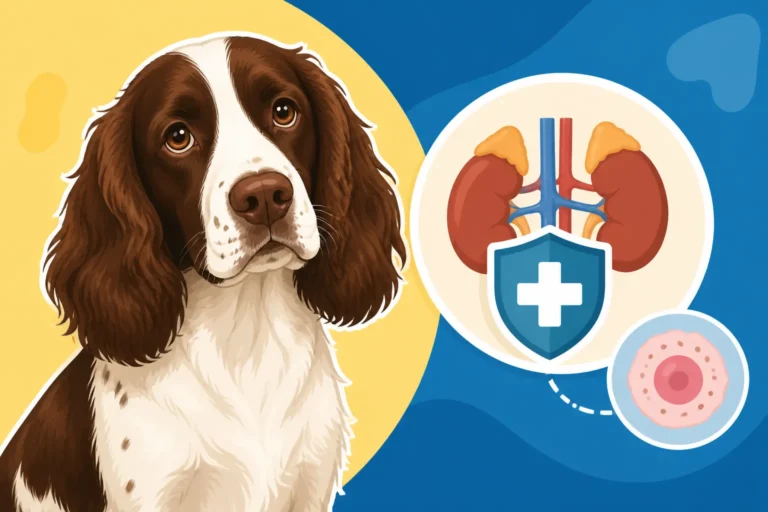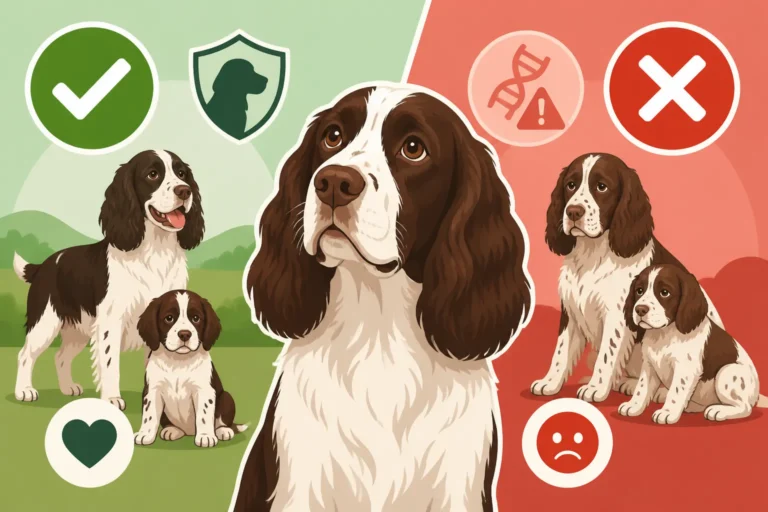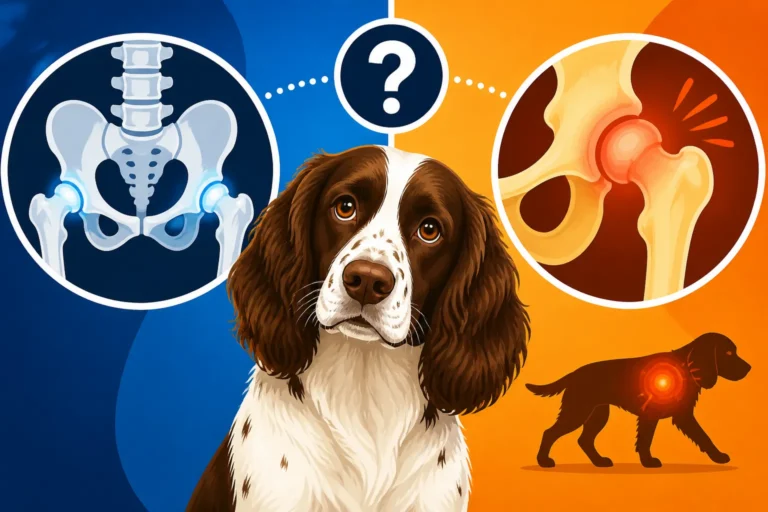
The DNA Test That Should Precede Every Springer Spaniel Purchase
Bringing a new English Springer Spaniel puppy into your home is an incredibly exciting time, filled with dreams of muddy paws, wagging tails, and countless adventures. However, without proper due diligence, that dream can quickly turn into a heartbreaking and financially draining nightmare if your beloved companion is struck down by a preventable genetic disease. This comprehensive guide is here to walk you through the absolutely essential DNA tests that must precede any Springer Spaniel purchase, ensuring you make an informed decision for a healthy, happy future together.
Understanding the Importance of Pre-Purchase DNA Testing
When you choose a Springer Spaniel, you're not just picking a cute face; you're investing in a member of your family who will share years of your life. It's a significant commitment, and unfortunately, some of the most devastating health issues in the breed are inherited, lurking unseen in their genetic code. These aren't just minor inconveniences; they can be profoundly debilitating, leading to a short, painful life for your dog and immense emotional and financial strain for you. This is precisely why pre-purchase DNA testing isn't just a "nice-to-have"; it's a fundamental pillar of responsible dog ownership and ethical breeding.
Protecting Your Investment and Your Heart
Let's be brutally honest for a moment: veterinary care for chronic or debilitating genetic diseases can be astronomical. Imagine discovering your energetic puppy, full of life one day, suddenly exhibiting neurological symptoms that rapidly worsen. The rounds of specialist visits, diagnostic tests, medications, and potentially even palliative care can quickly drain savings. Beyond the financial aspect, the emotional toll is even heavier. Watching your beloved dog suffer from a condition that could have been prevented with a simple test is a heartbreak no owner should have to endure. This isn't about being cynical; it's about being realistic and proactive. Knowing a puppy's genetic health status upfront can save you from years of worry, endless vet bills, and the profound sadness of losing a dog too soon to a preventable illness.
The Ethical Breeder's Commitment
A truly ethical and responsible Springer Spaniel breeder doesn't just breed dogs; they breed for health, temperament, and adherence to the breed standard. This commitment goes far beyond providing a clean environment and good nutrition. It means actively seeking out and eliminating genetic diseases from their lines through rigorous health testing of all breeding stock. They see DNA testing not as an optional extra, but as a non-negotiable part of their breeding program. They understand their responsibility to the breed and to every puppy they bring into the world. You'll find these breeders are transparent, eager to share results, and can explain what each test means, often discussing results from previous generations as well.
Key Genetic Diseases in Springer Spaniels Preventable by DNA Testing
While Springer Spaniels are generally a robust breed, like many purebreds, they are predisposed to certain inherited conditions. The good news is that advancements in veterinary genetics mean we can now screen for several of these with simple DNA tests. Knowing about these specific diseases is your first step in advocating for your future puppy.
Fucosidosis: A Degenerative Neurological Nightmare
Fucosidosis is a truly dreadful neurological disease that can strike English Springer Spaniels. It’s a lysosomal storage disease, meaning there’s a missing enzyme that leads to the accumulation of a specific sugar (fucose) in the body's cells, particularly in the brain and nervous system. This build-up causes progressive and irreversible damage. Imagine a dog that starts off vibrant and coordinated, slowly but surely losing its balance, hearing, and cognitive functions. It often begins subtly, with behavioral changes or a slight unsteadiness, but it progresses relentlessly.
The symptoms can be heartbreakingly diverse and severe, often appearing between 18 months and four years of age. You might notice your dog losing coordination, struggling with balance, experiencing changes in temperament, showing signs of deafness, or even having seizures. As the disease advances, dogs typically suffer from severe motor dysfunction, making it difficult for them to walk, eat, or even recognize their loved ones. Unfortunately, there is no cure, and it's a condition that often leads to a poor quality of life, necessitating euthanasia within weeks or months of symptoms becoming pronounced. This is why a DNA test for fucosidosis is not just recommended, it's absolutely vital. You can read more about how this disease progresses in Fucosidosis Kills a Springer Spaniel Within Weeks of the First Sign.
Phosphofructokinase PFK Deficiency: The Energy Drainer
Another significant genetic concern in Springer Spaniels is Phosphofructokinase (PFK) Deficiency, a condition that affects a dog's red blood cells and muscle function. PFK is an enzyme crucial for converting glucose into energy. When this enzyme is deficient, the red blood cells become fragile and break down prematurely, leading to anemia. Additionally, muscles struggle to produce energy, especially during intense activity or stress.
Dogs affected by PFK deficiency might appear normal until they engage in strenuous exercise, get overly excited, or are exposed to high temperatures. During or after these events, they can experience muscle weakness, cramping, and exercise intolerance. A tell-tale sign is often dark, red-brown urine (hemoglobinuria) due to the breakdown of red blood cells. In severe cases, they might collapse, and their gums might appear pale due to anemia. While a dog with PFK deficiency can live a relatively normal life with careful management and avoidance of triggers, it requires constant vigilance and can severely limit their natural Springer Spaniel zest for life, particularly if you envision them as a working dog or an active companion. Understanding PFK Deficiency and the Springer Spaniel That Collapses After Exercise is key to preventing this issue.
Progressive Retinal Atrophy PRA: Saving Sight
Progressive Retinal Atrophy (PRA) is a group of degenerative eye diseases that ultimately lead to blindness. In Springer Spaniels, there are specific forms of PRA that are inherited. The retina, located at the back of the eye, contains photoreceptor cells (rods and cones) that detect light and send signals to the brain. In PRA, these cells gradually degenerate, first affecting night vision, then progressing to complete blindness.
Symptoms often begin subtly, with dogs struggling to see in dim light or at night, becoming more hesitant in unfamiliar environments. As the disease advances, their daytime vision also deteriorates, until they are completely blind. This is a progressive condition, meaning it gets worse over time, and there is currently no cure. While dogs can often adapt surprisingly well to blindness in a familiar environment, it's a profound disability that impacts their quality of life. DNA tests can identify dogs at risk for specific types of PRA prevalent in the breed, allowing breeders to make informed decisions and prevent passing on this heartbreaking condition. Learning about Progressive Retinal Atrophy in a Springer Spaniel offers more detail.
How DNA Tests Work and What They Reveal
DNA testing for inherited diseases might sound intimidating, but in practice, it’s remarkably simple for owners and breeders. It’s a powerful tool that has revolutionized responsible breeding practices, moving us away from simply hoping for the best to actively planning for healthier generations. Understanding the underlying science and what the results actually mean is crucial for making informed decisions.
Decoding Genes: Carrier, Affected, and Clear Status Explained
When a DNA test is performed for a specific genetic disease, the results typically fall into one of three categories:
- Clear (or Normal): This means the dog has two copies of the normal gene and does not carry the mutation for the disease in question. A clear dog will not develop the disease and cannot pass the mutated gene on to its offspring. This is the ideal result for a breeding dog.
- Carrier: A carrier dog has one copy of the normal gene and one copy of the mutated gene. Carriers will not typically show symptoms of the disease themselves, but they can pass the mutated gene to their puppies. If a carrier is bred to another carrier, there's a 25% chance each puppy in the litter could be affected. Many reputable breeders will breed carriers to clear dogs to maintain genetic diversity, ensuring no affected puppies are produced. Understanding Whether a Carrier Springer Spaniel Is Affected is important.
- Affected: An affected dog has two copies of the mutated gene. This means the dog will likely develop the disease (if it's a dominant or recessive disease where two copies are needed, like Fucosidosis or PFK deficiency) and will pass the mutated gene to all of its offspring. Affected dogs should not be bred.
This simple genetic breakdown, often referred to as Mendelian inheritance, is the cornerstone of how these tests help eradicate diseases from breeding lines.
The Testing Process: From Swab to Results
Getting a DNA test for a dog is surprisingly straightforward. It typically involves a buccal swab, which is essentially rubbing a special cotton swab inside the dog's cheek to collect saliva and epithelial cells. This is a completely painless and non-invasive procedure that can often be done by the breeder or even the owner, sometimes with a vet's verification.
Once the sample is collected, it's sealed and sent to a specialized veterinary genetics laboratory. Labs like Embark or OptiGen (which offers a specific test for cord1 PRA) are leaders in this field. At the lab, the dog's DNA is extracted from the cells, and specific markers associated with known genetic mutations for conditions like Fucosidosis, PFK Deficiency, or PRA are analyzed. The results are then compiled into a report, usually delivered electronically, indicating whether the dog is clear, a carrier, or affected for each tested condition. The turnaround time can vary, but typically results are available within a few weeks. For more on specific tests, see The DNA Test That Finds Fucosidosis in a Springer Spaniel.
Interpreting Test Results: What the Paperwork Means for You
When you receive a DNA test report, it can look a bit like scientific jargon, but understanding the key components is vital. Each disease will typically have its own section, clearly stating the dog's status (Clear, Carrier, or Affected). Sometimes, a reputable lab will also include information about the mode of inheritance (e.g., autosomal recessive, which means two copies of the mutated gene are needed for the dog to be affected).
Crucially, when evaluating a potential puppy, you need to see the DNA test results for both parents. For example, if both parents are clear for Fucosidosis, then all their puppies will also be clear. If one parent is a carrier and the other is clear, then some puppies will be clear and some will be carriers, but none will be affected. If both parents are carriers, then you risk affected puppies. An ethical breeder will not only provide these results but will also be happy to sit down and explain them to you, demonstrating their commitment to transparency and health. Remember, a lack of documentation or a breeder who is vague about health testing is a significant red flag.
| Disease | Type of Test | Mode of Inheritance | Key Symptoms |
|---|---|---|---|
| Fucosidosis | DNA Blood/Swab | Autosomal Recessive | Progressive neurological decline, loss of coordination, dementia, deafness |
| PFK Deficiency | DNA Blood/Swab | Autosomal Recessive | Exercise intolerance, muscle cramps, dark urine, anemia |
| Progressive Retinal Atrophy (PRA cord1) | DNA Blood/Swab | Autosomal Recessive | Progressive loss of vision, starting with night blindness, leading to total blindness |
Finding and Verifying Reputable Breeders
Finding the right Springer Spaniel puppy goes hand-in-hand with finding the right breeder. A reputable breeder is your most reliable source for a healthy, well-socialized puppy. They are passionate about their breed and dedicated to producing sound, healthy dogs. This means they embrace health testing, not just as a recommendation, but as a mandatory part of their breeding program.
Asking the Right Questions
When you contact a breeder, don't be shy about asking direct questions about health testing. In fact, expect them to ask you plenty of questions too – a good breeder wants to ensure their puppies go to suitable homes. Here are some essential questions to pose:
- "Have the parents (sire and dam) been DNA tested for Fucosidosis, PFK Deficiency, and PRA?"
- "Can I see copies of the official test results for both parents?"
- "Are the parents' hips and elbows certified by OFA (Orthopedic Foundation for Animals) or PennHIP?" (We'll touch on these non-DNA tests later, but they're critical.)
- "Have the parents had their eyes examined by a board-certified veterinary ophthalmologist, and are the results registered with OFA Eye Certification Registry (formerly CERF)?"
- "What is your health guarantee, and what does it cover?"
A good breeder will not only readily provide this information but will likely have it organized and available for you, often on their website or in a puppy packet. They understand that you, as a responsible buyer, want to make an informed decision. For more information on what to expect, check out The Health Tests Both Springer Spaniel Parents Should Have.
The Value of Certified Health Clearances
Beyond just seeing "DNA tested," you want to verify that the results are legitimate and publicly accessible where appropriate. Organizations like the Orthopedic Foundation for Animals (OFA) maintain public databases for many health clearances, including DNA test results submitted by various labs, as well as hip, elbow, and eye certifications.
When a breeder tells you their dogs are "cleared," ask for their registered names and look them up on the OFA website. This allows you to independently confirm the results. Similarly, for eye certifications, breeders should have current reports from a veterinary ophthalmologist. For DNA tests, reputable labs like Embark or OptiGen provide official certificates that the breeder should share. If a breeder is only offering verbal assurances or generic statements, it's not enough. You need to see the actual, verifiable paperwork.
Red Flags to Watch Out For
Unfortunately, not all breeders operate with the same high ethical standards. Being aware of red flags can protect you from unknowingly supporting irresponsible breeding practices and potentially acquiring a puppy with serious health issues.
- No Health Testing: This is the biggest red flag. If a breeder says they don't do DNA tests because "their lines are clear" or "they've never had a problem," run, don't walk. These diseases can be carried silently for generations.
- Vague or Evasive Answers: If a breeder is unwilling to discuss health testing, changes the subject, or claims the tests are too expensive or unnecessary, it's a huge warning sign.
- "My Vet Said They're Healthy": A general vet check-up does not replace specific DNA and orthopedic screenings. While a vet can confirm a dog is currently healthy, they cannot see inherited genetic predispositions without specific tests.
- No Paperwork: If the breeder can't or won't provide official documentation for health tests, that's a problem. Verbal assurances mean nothing. For instance, Whether a Springer Spaniel Breeder Should Show Fucosidosis Results is a critical point of transparency.
- Too Many Litters/Puppies: Puppy mills and high-volume breeders often prioritize profit over health. They might have multiple breeds, always have puppies available, and rush you through the process without proper vetting.
- Inability to Meet Parents: A good breeder will want you to meet the puppy's mother (and sometimes the father if he lives on-site). This allows you to assess their temperament and living conditions.
- Unnaturally Low Price: While you want to avoid overpaying, extremely cheap puppies often come with hidden costs down the line in veterinary bills. Consider What a Springer Spaniel Puppy Costs in 2026 to understand typical pricing.
The Impact of DNA Testing on the Springer Spaniel Breed's Future
DNA testing isn't just about protecting an individual puppy; it's a powerful tool that, when widely adopted, can dramatically improve the overall health and genetic integrity of the entire English Springer Spaniel breed. Every responsible breeder who utilizes these tests contributes to a healthier future for generations to come.
Reducing the Incidence of Genetic Disorders
The primary and most obvious benefit of DNA testing is the reduction, and ultimately, the eradication of specific genetic diseases within the breed. By identifying carriers and affected dogs, breeders can make informed mating decisions. Mating a carrier to a clear dog ensures no affected puppies are born, effectively stopping the disease from appearing in that litter. Over successive generations, with widespread testing and careful breeding, the prevalence of these devastating conditions can significantly decrease. This means fewer dogs suffering from painful, debilitating, or fatal diseases, and fewer families experiencing the heartbreak and financial burden that comes with them. It's a testament to the power of scientific advancement in animal welfare.
Preserving Genetic Diversity
One concern often raised about aggressive health screening is the potential for narrowing the gene pool, especially if too many carriers are removed from breeding programs. However, responsible DNA testing, particularly for autosomal recessive conditions, allows breeders to manage this carefully. A carrier dog, which typically shows no symptoms, can still be a valuable part of a breeding program if bred to a "clear" mate. This way, the positive attributes (temperament, conformation, working ability) that the carrier possesses are not lost to the breed, while still ensuring no affected puppies are produced.
Reputable breeders understand the delicate balance between eliminating disease and maintaining a robust, diverse gene pool. They work to select mates that complement each other not just in appearance and temperament, but also in genetic health status, using DNA tests as a guide rather than a blunt instrument to simply eliminate entire lines.
Your Role as a Buyer: Driving Demand for Ethical Practices
As a prospective puppy owner, you hold significant power. By demanding to see comprehensive health clearances, including DNA test results, you directly support ethical breeders. When responsible buyers choose breeders who prioritize health testing, it creates a market demand that incentivizes others to follow suit. Conversely, if buyers overlook the importance of health testing, they inadvertently fuel the demand for puppies from irresponsible sources, perpetuating the cycle of genetic disease.
Think of it as casting your vote for the future health of the breed. Every time you ask for those test results and choose a puppy from fully tested parents, you're contributing to a collective effort that benefits every Springer Spaniel owner and, most importantly, every Springer Spaniel puppy for years to come.
Beyond DNA: Other Essential Health Screenings Before Purchase
While DNA tests are absolutely critical for specific genetic diseases, they are not the only health clearances you should expect from a reputable Springer Spaniel breeder. A holistic approach to health testing involves evaluating the physical structure and function of a dog, particularly for conditions that are complex or not yet fully understood at a genetic level.
Hip and Elbow Dysplasia Screening: Joint Health Considerations
Hip and elbow dysplasia are common orthopedic conditions in many medium to large breeds, including Springer Spaniels. These are developmental abnormalities of the hip and elbow joints, respectively, leading to malformation and often resulting in arthritis, pain, and lameness. While there's a genetic component, environmental factors can also play a role.
Breeders should have their breeding dogs evaluated by the Orthopedic Foundation for Animals (OFA) or through PennHIP. OFA assigns a rating to hips (Excellent, Good, Fair, Borderline, Mild, Moderate, Severe) and clears elbows as normal or dysplastic. PennHIP provides a quantitative measurement of hip laxity, which is a strong predictor of hip dysplasia. You should always ask to see these certificates for both parents, ensuring they have passing scores (e.g., OFA Good or Excellent hips, normal elbows). Understanding How Common Hip Dysplasia Is in Springer Spaniels emphasizes the importance of these screenings.
Eye Examinations CERF/OFA Eye: Comprehensive Ocular Health
Beyond PRA (for which there are DNA tests), Springer Spaniels can be susceptible to other eye conditions, some of which are not detectable by current DNA tests or may have different genetic markers. This is why annual eye examinations by a board-certified veterinary ophthalmologist are crucial for breeding dogs. These exams screen for a range of conditions, including cataracts, retinal dysplasia, entropion (inward-rolling eyelids), and glaucoma.
The results of these examinations should be registered with the OFA Eye Certification Registry (formerly CERF). This certification confirms that a specialist has examined the dog's eyes and found them to be free of significant inherited eye disease at the time of examination. Since some conditions can develop later in life, these clearances should be updated annually for breeding dogs. Asking for these current, annual eye certificates is just as important as asking for DNA results. For a deeper dive, check out The Four Eye Diseases a Springer Spaniel Breeder Screens For.
Cardiac and Thyroid Health: Broader Health Checks
While less commonly associated with the Springer Spaniel than some other breeds, responsible breeders will sometimes also screen their dogs for cardiac (heart) and thyroid conditions, especially if there is a history of these issues in their lines.
- Cardiac Health: This typically involves an examination by a board-certified veterinary cardiologist, who listens for murmurs or performs an echocardiogram (ultrasound of the heart) to detect congenital heart defects or other cardiac abnormalities. While rare, conditions like subvalvular aortic stenosis (SAS) can be inherited.
- Thyroid Health: Hypothyroidism, an underactive thyroid gland, can lead to a variety of symptoms including lethargy, weight gain, and skin problems. While often treatable, it's an inherited condition in some breeds. Breeders may perform thyroid panels to ensure their breeding stock has normal thyroid function, registering results with OFA.
These additional screenings demonstrate a breeder's comprehensive commitment to the health of their dogs, looking beyond the most common issues to ensure overall wellness.
What to Do If Your Prospective Puppy's Parents Aren't Tested
It can be a frustrating, even heartbreaking, situation when you find a puppy you've fallen in love with, only to discover that the breeder hasn't performed the necessary health tests on the parents. This is a moment where emotion can easily override good judgment, but it's crucial to pause and consider the implications seriously.
Evaluating the Risks
Choosing a puppy from untested parents is, plain and simple, a gamble. Without DNA test results, you have no way of knowing if the parents are carriers for devastating diseases like Fucosidosis, PFK Deficiency, or PRA. If both parents are untested, there's a real possibility that they could both be carriers, leading to a 25% chance for each puppy in the litter to be affected by these diseases. This isn't just a statistical abstract; it means you could bring home a puppy destined for a short, painful life or one that requires extensive, costly medical care.
Consider the potential scenario: you bring home an adorable puppy, only for it to start showing symptoms of Fucosidosis at 18 months. The emotional anguish of watching your dog decline, coupled with the inevitable vet bills for diagnosis and palliative care, is immense. Even if the puppy doesn't develop a serious genetic condition, the lack of hip, elbow, or eye clearances means you're still at risk for expensive orthopedic issues or blindness later in life. The initial "savings" on a cheaper, untested puppy can quickly be dwarfed by thousands of dollars in veterinary expenses. This is where pet insurance, such as through a provider like Healthy Paws, can be invaluable for unexpected illnesses, but it's always better to prevent known risks upfront.
Considering Alternative Options
If you encounter a breeder who hasn't done the essential health testing, the best course of action, however difficult, is almost always to walk away. It might be hard, especially if you've already visited the puppies, but prioritizing the long-term health and well-being of your future companion is paramount.
Instead, seek out breeders who are transparent, knowledgeable, and eager to share all health clearances. There are many truly dedicated and responsible English Springer Spaniel breeders out there who put the health of their dogs first. If finding a puppy immediately isn't feasible, consider waiting for a well-bred litter. Patience truly pays off in the long run. Alternatively, consider adopting from a reputable Springer Spaniel rescue organization. Many rescue groups perform health checks and sometimes even genetic testing on their dogs, and they can provide valuable insights into a dog's background and potential issues.
Taking Proactive Steps for Your Puppy
If, against advice, you find yourself in a situation where you've acquired a puppy from untested parents (perhaps through a rescue where parentage is unknown, or an unfortunate lapse in judgment), all is not lost, but you must be proactive.
First, get your puppy DNA tested for the known Springer Spaniel diseases as soon as possible. Labs like Embark offer comprehensive breed-specific panels that include Fucosidosis, PFK, and PRA. This will tell you if your puppy is clear, a carrier, or affected. If your puppy tests as affected for a serious condition, you can then prepare for the future, working with your veterinarian to understand the prognosis and management options. Additionally, establish a strong relationship with a veterinarian who is familiar with the breed. Discuss preventative care, keep up with regular check-ups, and be vigilant for any early signs of health issues. While you can't undo the lack of parental testing, you can equip yourself with knowledge and proactive care for your individual dog. Consider enrolling in pet insurance early, as a company like Healthy Paws can offer crucial financial support if unexpected health issues arise, provided they aren't pre-existing conditions.
The Lifelong Benefits of a Healthy, Tested Springer Spaniel
The effort and diligence put into finding a Springer Spaniel from health-tested parents pay dividends every single day of your dog's life. This isn't just about avoiding a catastrophe; it’s about embracing the joy and predictable companionship that a healthy dog provides.
Peace of Mind and Predictable Health
One of the greatest benefits of acquiring a puppy from extensively health-tested parents is the immense peace of mind it offers. Knowing that your dog is genetically clear of debilitating diseases like Fucosidosis or PFK deficiency means you can focus on training, adventures, and cuddles, rather than constantly worrying about the onset of a genetic illness. While no dog is guaranteed to be entirely free of health issues throughout their life – accidents happen, and common ailments can still arise – you've significantly stacked the odds in your favor against the most devastating preventable conditions. This allows for a more relaxed, confident approach to dog ownership, knowing you’ve done everything within your power to secure a healthy start for your furry friend.
Avoiding Costly Medical Treatments
As mentioned before, the financial cost of treating a chronic or severe genetic disease can be staggering. Diagnostic tests, specialist consultations, ongoing medications, surgeries, and palliative care can quickly accumulate into thousands, even tens of thousands, of dollars over a dog's lifetime. By choosing a puppy from health-tested lines, you dramatically reduce the likelihood of encountering these specific, often unavoidable, and expensive medical challenges.
Think of it as an upfront investment in preventative care. While a puppy from health-tested parents might have a slightly higher initial purchase price, this cost is often negligible compared to the potential veterinary bills for an affected dog. This smart decision allows you to allocate your budget towards high-quality food, training, fun accessories, and routine preventative care, ensuring your dog thrives without the constant shadow of a major genetic health crisis. It also means that if you choose to get pet insurance, like through Healthy Paws, it's more likely to cover unexpected illnesses or injuries that aren't tied to a pre-existing genetic condition.
A Fuller, Happier Life for Your Companion
Ultimately, the biggest beneficiary of responsible breeding and rigorous health testing is the dog itself. A Springer Spaniel free from the burden of inherited disease is free to live its life to the fullest. Imagine a dog that can run, play, hunt, and explore without the limitations of PFK deficiency-induced muscle weakness or the tragic decline of Fucosidosis. They can experience the world with clear vision, strong joints, and a sound mind.
This translates directly into a more joyful and active companion for you and your family. A healthy dog is typically a happier dog, eager to engage, learn, and bond. The choice to prioritize pre-purchase DNA testing is an act of profound love and responsibility, setting the stage for 12 to 14 years of shared happiness and adventure. It ensures that your Springer Spaniel, with its innate zest for life, can truly flourish and bring boundless joy to your home.
Disclaimer
Please remember that this article provides general information and recommendations. Always consult with a qualified veterinarian for personalized advice regarding your pet's health and specific medical conditions. The mention of any brand names is for informational context and not an endorsement. DNA tests are a powerful tool, but they do not guarantee a dog will never experience health issues, only that it is clear of the specific genetic diseases tested.