Whether a Springer Spaniel’s Coat Grows Back After a Shave
It's a common and understandable worry when you've had to shave your beloved Springer Spaniel, especially if it was due to severe matting or a mistaken belief that it would cool them down. You look at their once glorious, flowing coat, now reduced to a short fuzz, and a pang of anxiety hits: will it ever grow back the same? This comprehensive guide will walk you through everything you need to know about your Springer Spaniel's coat regrowth after a shave, what to expect, and how to encourage a healthy return to its natural glory.
Understanding the Springer Spaniel Coat: More Than Just Hair
Before we dive into what happens after a shave, it's crucial to understand what kind of coat your Springer Spaniel naturally possesses. They aren't like a Poodle with a single coat of constantly growing hair; they are a double-coated breed, and that makes all the difference. Their coat is a marvel of natural engineering, designed to protect them in various environments.
The Double-Coated Breed Dilemma
A Springer Spaniel's coat is made up of two distinct layers, each with its own job. There's the harsh, somewhat wiry outer coat or guard hairs, which are water-resistant and protect against thorns, brambles, and general roughhousing in the field. These guard hairs shed less frequently and give the dog its characteristic look. Beneath this, there's a softer, denser undercoat that acts as insulation, keeping them warm in winter and surprisingly, helping to keep them cool in summer by trapping air. This undercoat sheds more frequently and is responsible for all that lovely fluff you find around your house. Many people struggle with brushing through these two layers, leading to knots and mats, and sometimes the drastic decision to shave.
Why Their Coat is So Special (and Functional!)
Think about what a Springer Spaniel was bred to do: flush game from dense cover and retrieve it. Their coat is perfectly suited for this demanding job. The topcoat repels water, allowing them to swim and work in wet conditions without becoming waterlogged and chilled. It also acts as a shield against scratches and cuts from undergrowth. The undercoat, as mentioned, insulates them from both cold and heat. It's a common misconception that shaving a double-coated dog helps them cool down. In reality, you're removing their natural air conditioning system. The undercoat creates an insulating layer that protects their skin from direct sunlight and helps regulate their body temperature. This intricate system is why a healthy, well-maintained coat is so vital for their overall well-being. If you've ever wondered Whether a Springer Spaniel's Coat Is Waterproof, you'll appreciate how those guard hairs function.
The Impact of Shaving on a Springer Spaniel's Coat
Now, let's get to the heart of the matter: what really happens when you take clippers to a Springer Spaniel's double coat? It's not as simple as cutting your own hair and expecting it to grow back exactly the same. For a double-coated breed, shaving can have profound and sometimes lasting effects.
The Immediate Aftermath: The "Puppy Cut" Allure
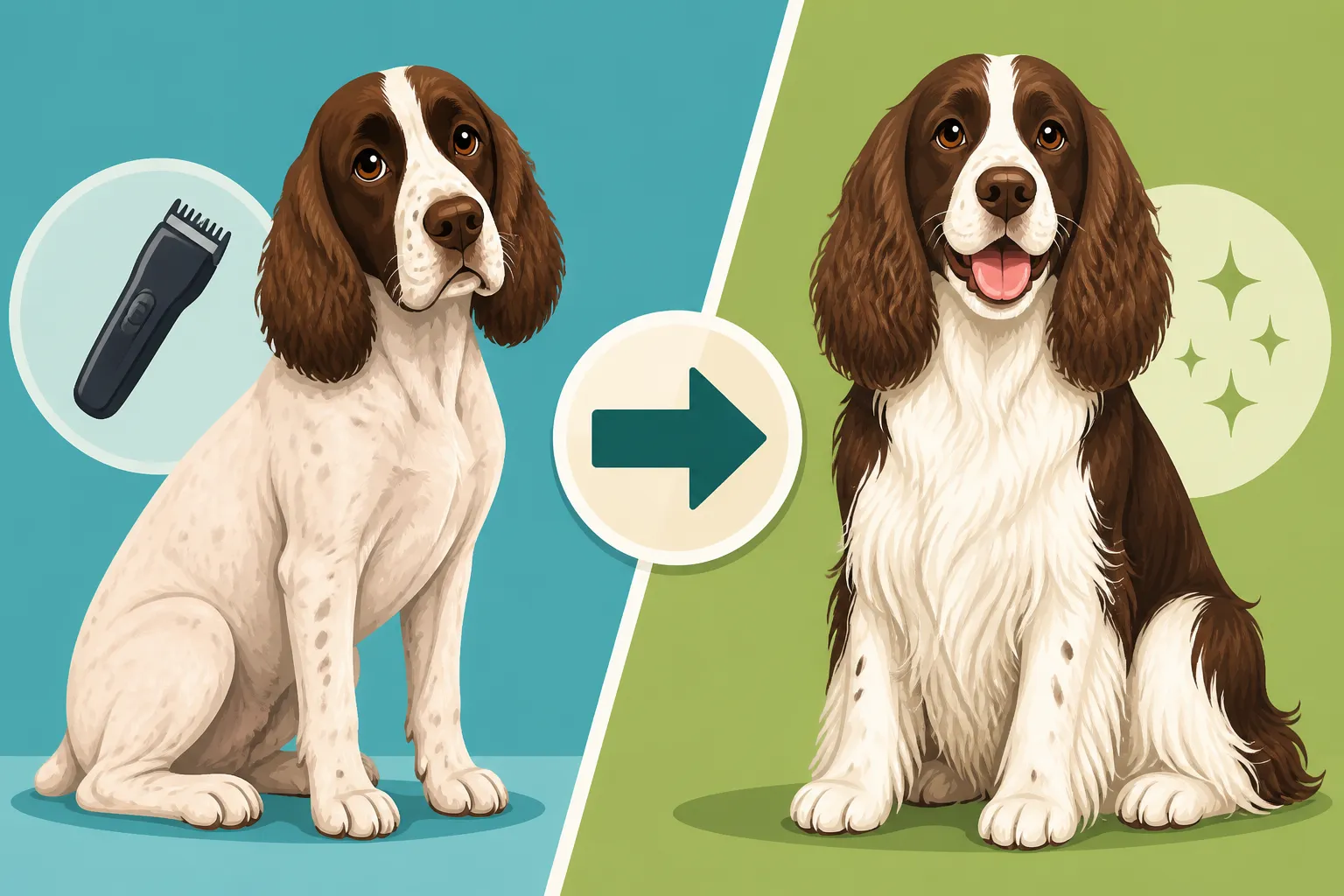
Initially, a shaved Springer Spaniel might look quite cute, almost like a giant puppy, and many owners refer to this look as a "puppy cut." For dogs suffering from severe matting, the relief is instant and undeniable. The mats, which can pull at the skin and cause discomfort, are gone. However, this immediate relief often comes at a cost to the coat's long-term health and appearance. The clippers cut through both the guard hairs and the undercoat indiscriminately. The hair will grow back, but the crucial question is how. When you look at Whether Shaving a Springer Spaniel Ruins the Coat, you quickly realize it's about more than just aesthetics.
When the Regrowth Goes Wrong: Coat Changes
The main issue with shaving a double-coated breed is that the softer undercoat tends to grow back much faster and thicker than the coarser guard hairs. This can lead to a phenomenon often called "coat change" or "clipper alopecia." Instead of the balanced two-layer system, you might end up with a coat that is predominantly soft, woolly, and dense undercoat.
Here's what can happen:
- Texture Change: The coat might feel much softer, almost like cotton, rather than the characteristic slightly coarse texture of the guard hairs.
- Color Change: Sometimes, the color can appear duller or lighter, as the deeper pigment often resides in the guard hairs, which are now overshadowed by the undercoat.
- Increased Matting: Ironically, a shaved coat can become more prone to matting because the soft, dense undercoat grows back without the protective, separating layer of guard hairs. It becomes a tangled mess much more easily, especially behind the ears, in the armpits, and on the feathering. This can lead to a vicious cycle of needing to shave again. You might find yourself grappling with Whether a Springer Spaniel Mats Behind the Ears or Whether a Springer Spaniel's Armpits Mat even more frequently than before.
- Patchy Growth: In some cases, especially with older dogs or those with underlying health issues, the coat may grow back unevenly or in patches, or in rare instances, not at all (true clipper alopecia).
Potential Health and Comfort Issues from Shaving
Beyond the aesthetic concerns, shaving can impact your Springer Spaniel's health and comfort:
- Loss of Insulation: As mentioned, their coat regulates temperature. Without it, they are more susceptible to overheating in the sun and getting chilled in cooler weather. They lose their natural protection.
- Sunburn: The skin underneath a shaved coat is suddenly exposed to harmful UV rays, making them prone to sunburn, especially if they have lighter pigmentation.
- Skin Irritation: The act of shaving itself can sometimes cause clipper burn, and the growing stubble can be itchy and uncomfortable for the dog.
- Increased Allergy Symptoms: If your Springer has skin allergies, shaving can make the skin more accessible to allergens and irritants, potentially exacerbating their symptoms. For a deeper dive, consider articles like Whether a Springer Spaniel's Skin Gets Oily as shaving won't solve underlying skin conditions.
Restoring a Shaved Springer Spaniel's Coat: A Long Journey
If your Springer Spaniel has been shaved, don't despair! While the coat may never return to its exact original state, especially its texture, with patience and consistent care, you can encourage a healthy regrowth and minimize the negative effects.
Patience and Gentle Care: The First Steps
The most important thing to remember is that coat restoration is a marathon, not a sprint. It can take many months, sometimes even over a year, for a double coat to recover significantly.
- Embrace the Grow-Out Phase: Resist the urge to re-shave as soon as it starts looking shaggy. This will only perpetuate the cycle. Let the coat grow.
- Protect Their Skin: While the coat is growing back, be extra vigilant about sun exposure. Limit time outdoors during peak sun hours, or consider a lightweight, breathable sun shirt if your dog is prone to sunburn. Keep them warm with appropriate clothing in cold weather.
- Regular, Gentle Brushing: As the coat starts to come in, regular brushing is paramount. Initially, use a soft brush to stimulate the skin and help remove any loose hairs. As it gets longer, transition to a slicker brush and a good undercoat rake or comb. The key is gentle, thorough brushing to prevent new mats from forming in the denser undercoat. Which Brush Suits a Springer Spaniel and Whether a Slicker Reaches a Springer Spaniel's Undercoat are great resources here.
Grooming Strategies for Coat Recovery
Working with a professional groomer who understands double coats and stripping techniques (not just shaving) can be incredibly beneficial.
- Professional Guidance: Seek out a groomer experienced with double-coated breeds. They can assess the coat's condition and recommend strategies like hand-stripping or specific de-shedding treatments to help the guard hairs re-establish dominance over the undercoat. Hand-stripping, when done correctly on a coat that is suitable, can encourage the growth of coarse guard hairs and maintain the natural texture.
- Deshedding Treatments: Regular deshedding at home or by a groomer can help remove the excess undercoat, allowing the guard hairs more space to grow. Tools like a Furminator or a good undercoat rake can be very effective.
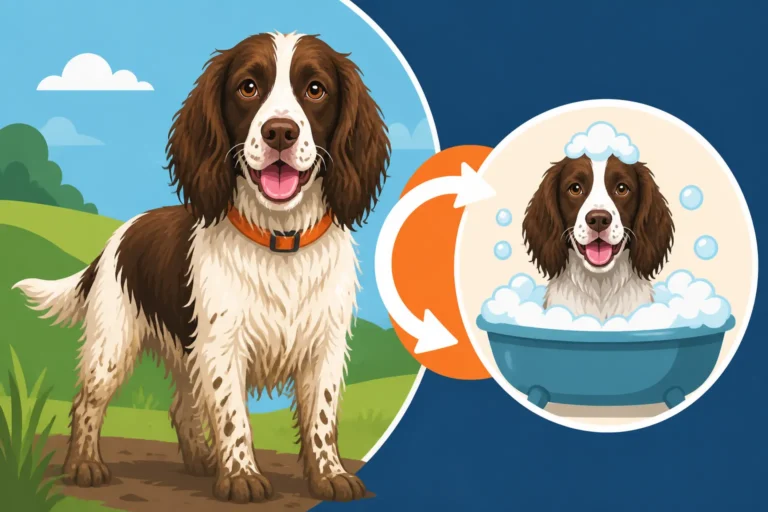
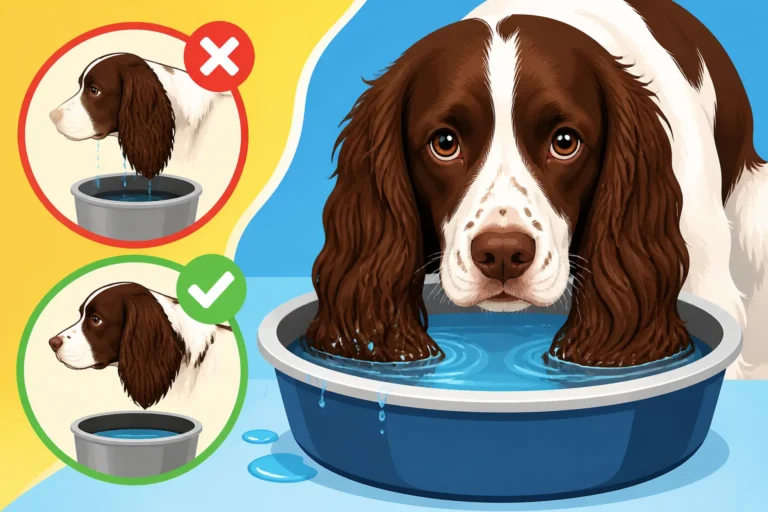
- Bathing and Conditioning: Use high-quality shampoos and conditioners designed for double coats. They can help maintain skin health and hydrate the growing hair. Always ensure the coat is thoroughly dried after bathing to prevent matting and skin issues. Brands like Chewy offer a wide array of specialized shampoos and conditioners that can aid in this process. Remember, a wet coat is a breeding ground for problems, so proper drying is essential, particularly if your Springer loves water. You can learn more about What a Springer Spaniel Needs a Drying Solution After Water.
Nutritional Support for Healthy Skin and Coat
A healthy coat starts from within. What your Springer Spaniel eats plays a significant role in the quality of their skin and hair.
- Balanced Diet: Ensure your dog is on a high-quality, nutritionally complete diet. Look for foods with healthy fats, like omega-3 and omega-6 fatty acids, which are crucial for skin and coat health. Brands like Ollie focus on fresh, balanced meals that can contribute to overall wellness, including a thriving coat.
- Supplements: Consider adding a fish oil supplement to their diet. Omega-3 fatty acids, often found in fish oil, are excellent for reducing inflammation, promoting healthy skin, and giving the coat a beautiful sheen. Always discuss supplements with your veterinarian first. For more on this, check out Whether Fish Oil Calms a Springer Spaniel's Skin.
- Hydration: Ensure your Springer Spaniel has constant access to fresh water. Proper hydration is vital for all bodily functions, including healthy hair growth.
Preventing the Need for Shaving: Smart Grooming Choices
The best way to deal with a shaved Springer Spaniel coat is to prevent the shave in the first place! With the right routine and understanding, you can keep their beautiful double coat in prime condition.
Regular Maintenance for a Healthy Coat
Consistency is key when it comes to grooming a Springer Spaniel. It's much easier to prevent mats than to deal with them once they've formed.
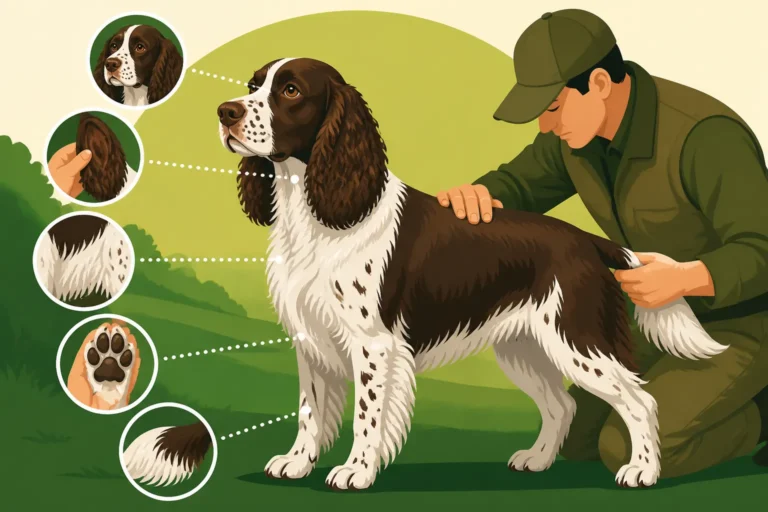
- Daily or Every Other Day Brushing: Dedicate time each day or every other day for a thorough brush-out. Focus on areas prone to matting: behind the ears, under the armpits, the chest, the belly, and the long feathering on their legs and tail. A good pin brush, slicker brush, and metal comb are your best friends. Even a field-bred Springer Spaniel, with its slightly less profuse coat, benefits from this.
- Feathering Care: The long feathering on a Springer Spaniel is gorgeous but a magnet for debris and mats. Keep it trimmed to a manageable length if your dog is active or spends time in brush. This is often an area where mats hide. You can find useful tips in Trimming a Springer Spaniel's Feathering.
- Ear Care: Those beautiful drop ears are prone to mats, especially where the ear leather meets the neck. Regular attention here is crucial.
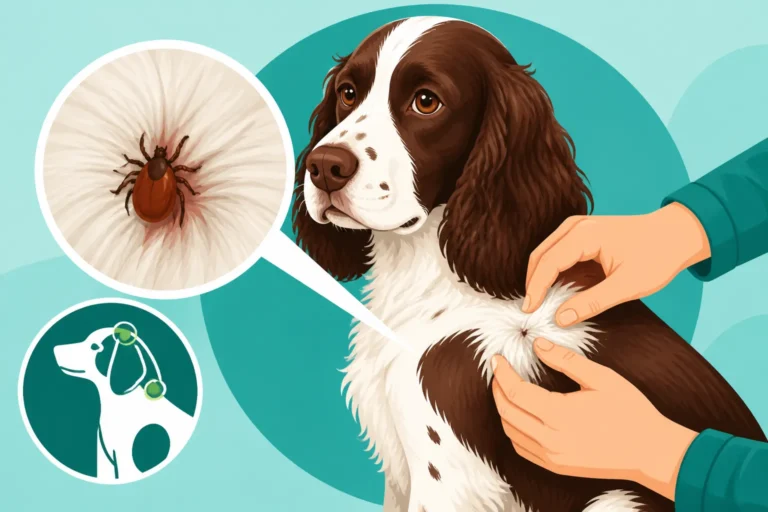
- Post-Outdoor Check: After every adventure, especially in wooded or grassy areas, do a quick check and brush-out to remove burrs, twigs, and any potential parasites. This prevents small tangles from becoming big mats.
Professional Grooming vs. DIY
While daily brushing can be a DIY task, many Springer Spaniel owners benefit from regular professional grooming appointments.
- Scheduled Professional Grooming: Even if you brush daily, a professional groomer can perform tasks like trimming feet, tidying feathering, and using specialized de-shedding tools that might be difficult to use at home. They can also spot skin issues or potential problems early. Depending on the coat and activity level, a professional groom every 6-8 weeks might be ideal. How Often a Show Springer Spaniel Needs Trimming can give you an idea of frequency.
- Learning from Your Groomer: Don't be afraid to ask your groomer for tips on how to properly brush and maintain your specific dog's coat at home. They can often show you techniques and recommend tools.
Addressing Matting Without the Clippers
If you do encounter mats, avoid the clippers if at all possible for the sake of the coat's health.
- Detangling Sprays and Combs: For minor mats, use a detangling spray generously and carefully work through the mat with your fingers, then a wide-toothed comb, followed by a finer comb. Always hold the hair closest to the skin to avoid pulling.
- Mat Splitters: For slightly more stubborn mats, a mat splitter tool can be effective, but use it with extreme caution to avoid cutting the dog's skin.
- When to Seek Professional Help: If mats are extensive or tight against the skin, it's always best to take your dog to a professional groomer. They have the expertise and tools to remove mats with minimal discomfort and damage to the coat. Sometimes, a "dematting" service can save the coat. However, if mats are severe and widespread, a shave might be the only humane option, as covered in Whether a Matted Springer Spaniel Has to Be Shaved. In such cases, discuss with your groomer how to best manage the regrowth. You can find these tools and supplies easily on platforms like Amazon.
With dedication and the right approach, your Springer Spaniel's coat can regain much of its beauty and function, even after a shave. It's a testament to their resilience and your commitment as an owner.
Disclaimer
This article is for general informational purposes only and does not constitute professional advice. Laws, prices and regulations vary by location and change over time. Consult a qualified professional for guidance on your specific situation.