Whether a Matted Springer Spaniel Has to Be Shaved
It’s a heartbreaking moment for any Springer Spaniel parent: you run your hand over your dog's beautiful, flowing coat, only to discover a dense, unforgiving mat firmly entrenched against their skin. The immediate panic sets in – can this be brushed out? Will it hurt them? And then the dreaded question whispers in your mind: do they have to be shaved? This guide will tackle that tough reality head-on, helping you understand when shaving becomes unavoidable, what it means for your Springer's coat, and most importantly, how to prevent such a situation from ever happening again.
When Matting Crosses the Line: The Unavoidable Shave
Discovering mats is a common frustration, but there's a world of difference between a few tangles and severe matting. Understanding this distinction is key to knowing when you've reached a point of no return with brushing.
Defining Severe Matting: More Than Just Tangles
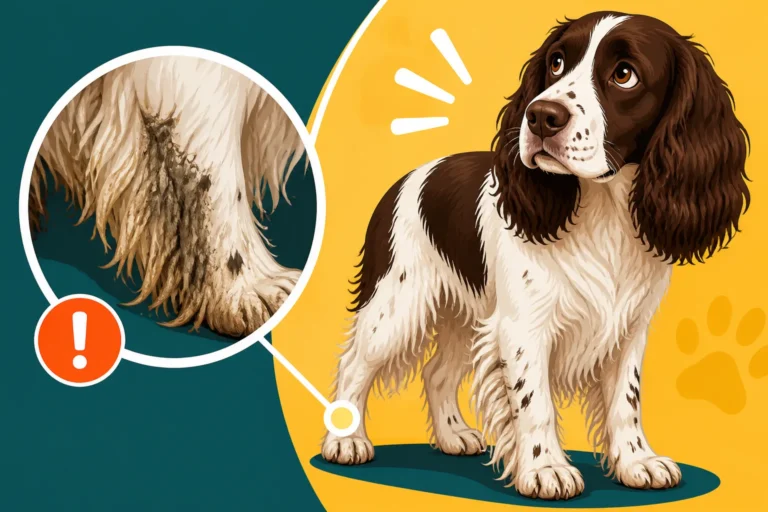
Think of a simple tangle as a knot in a single strand of hair. It might pull a little, but with a bit of conditioner and a gentle comb, it can usually be worked out. A mat, however, is a very different beast. Imagine multiple strands of hair, both the fine, soft undercoat and the coarser guard hairs, becoming so intertwined and tightly packed that they form a dense, felt-like mass. These aren't just surface knots; they often start deep, right against the skin.
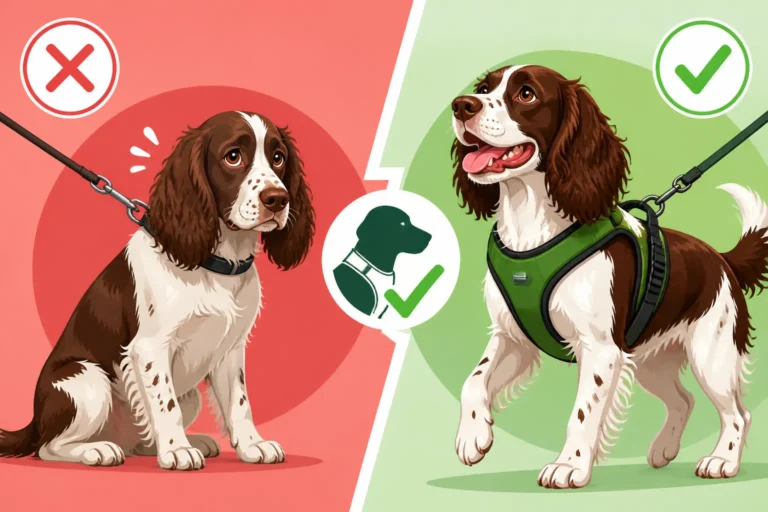
As a mat grows, it pulls on your Springer's delicate skin, causing constant discomfort and sometimes even pain. It's like having your hair pulled tightly for days on end. When you try to separate it, it feels solid and unyielding. You might even notice the skin beneath is red or irritated. This kind of matting is often exacerbated by moisture (think swimming or playing in the rain without thorough drying) and friction from collars, harnesses, or even just lying down. If you can't easily get a comb through the entire length of the hair from root to tip, you're likely dealing with more than just a tangle. These felted patches can quickly spread, especially in areas of high movement or moisture.
The Health Risks That Force the Clippers
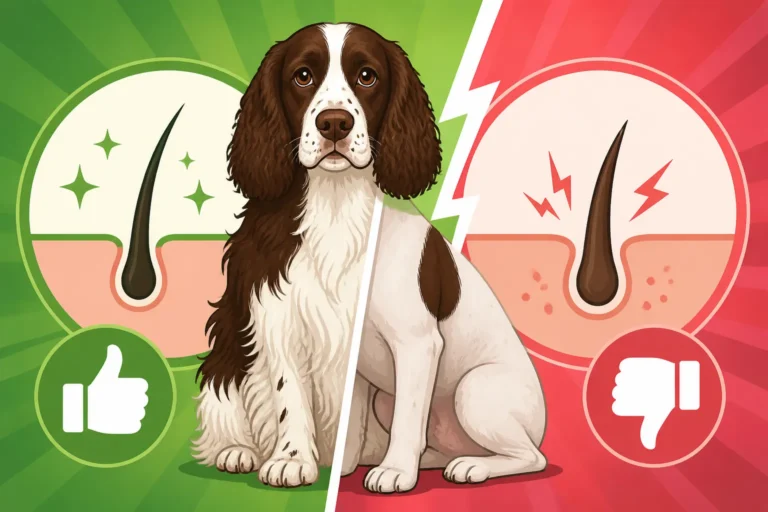
When matting becomes severe, it's not just an aesthetic issue; it rapidly escalates into a serious health concern for your Springer Spaniel. These dense mats act like a suffocating blanket, cutting off air circulation to the skin beneath. This lack of airflow, combined with any trapped moisture, creates a perfect breeding ground for bacteria and yeast. What starts as mild irritation can quickly turn into painful skin infections, hot spots, and even festering wounds hidden beneath the matted fur. You might not even know it's happening until the smell becomes noticeable or your dog starts excessively licking or chewing a particular area.
Beyond infections, severe mats can hide external parasites like fleas and ticks, making them incredibly difficult to detect and remove. Imagine a tick burrowed deep inside a solid mat, feeding on your dog's skin, while you remain completely unaware. Furthermore, mats restrict your dog's movement. Tight mats in the armpits or groin can make walking, running, or even lying down painful and difficult, leading to an altered gait that can strain joints and muscles. In extreme cases, mats can be so severe that they impede circulation to extremities, or even hide embedded foreign objects like burrs or grass awns that have worked their way deep into the skin, causing abscesses. At this stage, shaving isn't an option, it's a compassionate necessity to alleviate suffering and address underlying health issues.
The Unique Challenges of the Springer Spaniel Coat
Springer Spaniels are renowned for their beautiful coats, but this beauty comes with specific grooming demands. Understanding your dog's coat type is the first step in effective mat prevention.
Double Coat Dynamics: Why Springers are Matting Magnets
The English Springer Spaniel boasts a magnificent double coat, a feature that, while functional for their original purpose as gundogs, makes them particularly prone to matting. This coat consists of two distinct layers: a soft, dense, insulating undercoat and a coarser, water-resistant outer coat (or guard hairs). The undercoat provides warmth in cold weather and helps regulate body temperature, while the outer coat offers protection from the elements, sheds water, and repels dirt.
The problem arises when these two layers begin to intertwine and shed. The dead undercoat gets trapped within the outer coat, especially if not regularly brushed out. This trapped hair then forms dense tangles that quickly compact into mats. Add to this the Springer's abundant "feathering"—the longer hair on their ears, chest, belly, and legs—and you have a perfect storm for mat formation. This feathering is typically finer and softer than the body coat, making it even more susceptible to tangles and knots. While field-bred Springers generally have a slightly shorter, less profuse coat than their show-bred counterparts, both types are equally susceptible to matting if not meticulously cared for. The length and texture simply mean that mats might appear in different locations or at different rates.
Hotspots for Trouble: Where Mats Love to Hide
Due to the nature of their coat and their active lifestyles, certain areas on a Springer Spaniel are notorious matting zones. These are the spots you need to pay extra attention to during your grooming routine.
- Behind the Ears: This is probably the number one offender. The hair here is soft and fine, and the constant movement of the head and friction from collars often leads to mats forming quickly. These can become incredibly tight and painful, pulling on the delicate ear skin. You'll want to check Whether a Springer Spaniel Mats Behind the Ears frequently.
- Armpits (Axillary Region): Another high-friction area. Every time your Springer walks or runs, their front legs rub against their body, causing the hair in their armpits to tangle and mat. These are often hidden and can become very large before detection. Whether a Springer Spaniel's Armpits Mat is a common issue for many owners.
- Feathering (Legs and Belly): The long, silky hair on the back of their legs (known as "pants" or "trousers") and on their chest and belly is beautiful but incredibly prone to picking up debris and forming mats. Walking through brush, playing in mud, or even just daily movement can knot this hair. Regularly checking and brushing the feathering is crucial, as discussed in Whether a Springer Spaniel's Feathering Mats.
- Groin Area: Similar to the armpits, this area experiences a lot of friction and can become matted, especially in longer-coated Springers or those who spend a lot of time sitting.
- Under the Tail: While not as common for severe mats, this area can collect debris and become tangled, particularly in dogs with thicker tails.
These areas are often overlooked during a quick brush, allowing small tangles to progress into deeply felted mats that are incredibly difficult, if not impossible, to remove without resorting to clippers.
The Aftermath of a Shave: Coat Changes and Care
The decision to shave a matted Springer Spaniel is often met with relief from the dog's discomfort, but it also brings questions and concerns about the coat's future.
Understanding How the Coat Regrows
One of the biggest concerns for owners after a full shave is Whether Shaving a Springer Spaniel Ruins the Coat. It's a valid worry, born from observations that a shaved double coat sometimes grows back differently. The truth is, the coat will grow back, but it might not be identical to its original state, at least for a while.
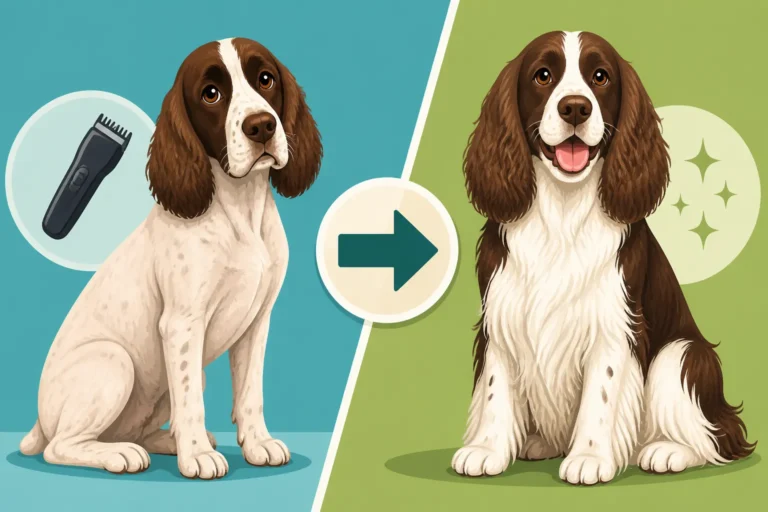
When a double coat is shaved, both the undercoat and the guard hairs are cut to the same length. However, the softer undercoat often grows back faster and denser than the coarser guard hairs. This can lead to a coat that feels softer, fluffier, and sometimes looks "woolly" or "cottony." Because the undercoat is now more dominant, the coat can paradoxically become more prone to matting in the future if a rigorous grooming routine isn't established immediately. The natural texture and lay of the coat might be altered, affecting its ability to shed water efficiently and provide natural insulation. While the coat isn't truly "ruined" in a permanent sense – it's still healthy hair – it might take several growth cycles (months, or even a year or more) for the guard hairs to catch up and for the coat to return to its original texture and balance. It's a temporary alteration, but one that requires understanding and proactive management. For more on this, you might find Whether a Springer Spaniel's Coat Grows Back After a Shave helpful.
Post-Shave Care and Prevention Protocol
A full shave due to severe matting offers a clean slate, and it's absolutely crucial to seize this opportunity to implement a robust post-shave care and prevention protocol. Immediately after the shave, your Springer's skin will be exposed, making it more vulnerable. Protect them from harsh sun (consider a lightweight shirt if they're spending time outdoors) and extreme cold.
Bathing after a shave should involve gentle, moisturizing shampoos and conditioners to soothe any skin irritation caused by the mats or the shaving process itself. Your veterinarian might even recommend a medicated shampoo if there were skin infections under the mats. Once the hair starts to grow back, and I mean as soon as you can feel stubble, you need to start a consistent, daily brushing routine. This isn't just about preventing future mats; it's about training the new coat to lie correctly and ensuring the undercoat and guard hairs grow in harmony.
Think of it as rehabilitating their coat. Even if the hair is only an inch long, running a soft slicker brush and a fine-toothed comb through it daily will prevent new tangles from forming and establish good habits for both you and your dog. This fresh start is your best chance to avoid another shave and maintain a healthy, comfortable coat for your Springer Spaniel.
Mastering Mat Prevention: Your Springer's Best Defense
The old adage holds true: prevention is always better than cure, especially when it comes to a Springer Spaniel's coat. A proactive approach to grooming will save you and your dog a lot of discomfort and distress.
Daily Brushing: Your Most Powerful Tool
Let's be clear: for a Springer Spaniel, brushing isn't a weekly chore; it's a daily ritual. This isn't just about aesthetics; it's about preventing pain, promoting skin health, and strengthening the bond with your dog. A good quality slicker brush is essential for removing loose undercoat and surface tangles from the body. You'll also need a sturdy metal comb with both wide and narrow teeth – this is your secret weapon for the feathering and for checking that you've truly brushed down to the skin. For persistent, smaller snags, a dematting comb can be helpful, but use it with extreme caution to avoid damaging the coat or skin.
When brushing, don't just skim the top of the coat. Work in sections, starting from the legs and belly, and gently parting the hair to brush from the skin outwards. Pay particular attention to those matting hotspots we discussed earlier. A routine of 15-20 minutes daily, done thoroughly, is far more effective than an hour-long session once a week trying to tackle already formed tangles. You can find excellent grooming tools from reputable online retailers like Chewy or Amazon, ensuring you have the right equipment for the job. Having the right tools makes the task easier and more effective. If you're wondering Which Brush Suits a Springer Spaniel, a good slicker and a metal comb are non-negotiable. And while it might seem like a lot of time, remember How Long Brushing a Springer Spaniel Takes is an investment in your dog's comfort and well-being.
Strategic Trimming and Lifestyle Management
While a full body shave is a last resort, strategic trimming is an excellent preventative measure for Springer Spaniels. This isn't about altering their breed-standard look, but about practical maintenance. Regular trims of the feathering on the legs, belly, and chest can significantly reduce the amount of hair available to mat. Many owners opt for a "puppy cut" or a tidier trim on their pet Springers, keeping the feathering shorter and more manageable. You can discuss Trimming a Springer Spaniel's Feathering with a professional groomer. Even a field-bred Springer, known for a slightly shorter coat, still benefits from tidying up these areas, especially if they are frequently working in dense cover.
Beyond trimming, managing your Springer's lifestyle impacts their coat health. After every outdoor adventure, especially if they've been in tall grass, woods, or water, perform a quick "pat down" and check. Remove any burrs, twigs, or leaves immediately before they can become embedded and start a mat. If your Springer loves water, ensure they are thoroughly towel-dried, particularly around their ears and under their belly, to prevent moisture-related mats and skin issues. Whether a Springer Spaniel Needs a Drying Solution After Water after swimming can be a game-changer. For Springers whose long ears constantly drag in their food or water bowls, a snood can be a lifesaver, keeping their ears dry and clean. Whether a Springer Spaniel Should Wear a Snood While Eating isn't just cute; it's practical grooming.
The Role of Diet and Professional Grooming
A healthy coat starts from the inside out. A high-quality diet rich in essential fatty acids, particularly Omega-3s, contributes to healthy skin and a strong, supple coat that is less prone to dryness, breakage, and consequently, matting. If your Springer Spaniel is on a diet lacking these vital nutrients, their coat may become dull, brittle, and more susceptible to tangles. Consider options that prioritize high-quality protein and healthy fats. Some premium food brands, like Ollie, focus on fresh, whole ingredients that can support overall health, including skin and coat condition. While not a magic bullet for existing mats, a good diet can make the coat healthier and more resilient in the long run. Learn more about how food influences coat health in Whether Fresh Food Changes a Springer Spaniel's Skin.
Finally, never underestimate the value of a professional groomer. Even if you're diligent with daily brushing, a skilled groomer can reach those tricky spots you might miss, ensure proper coat maintenance, and use specialized tools for thorough dematting before it becomes severe. They can also offer advice tailored to your Springer's specific coat type and lifestyle. Regular professional grooming appointments, perhaps every 6-8 weeks, can be the ultimate preventative measure, catching small issues before they escalate and saving you the heartbreak (and cost) of an unavoidable full shave.
Conclusion
Discovering that your beloved Springer Spaniel needs to be shaved due to severe matting is never an easy moment. It feels like a failure, and the decision can be emotionally charged. However, it's crucial to remember that sometimes, it's the most humane and necessary action to relieve pain and address potential health risks. What truly matters is what happens next. Use a shave as a clean slate, a powerful lesson, and a firm commitment to a proactive grooming routine. With daily brushing, strategic trimming, a healthy diet, and the occasional help from a professional groomer, you can ensure your Springer's coat remains beautiful, healthy, and tangle-free, allowing them to live their best, most comfortable life.
Disclaimer
This article is for general informational purposes only and does not constitute professional advice. Laws, prices and regulations vary by location and change over time. Consult a qualified professional for guidance on your specific situation.