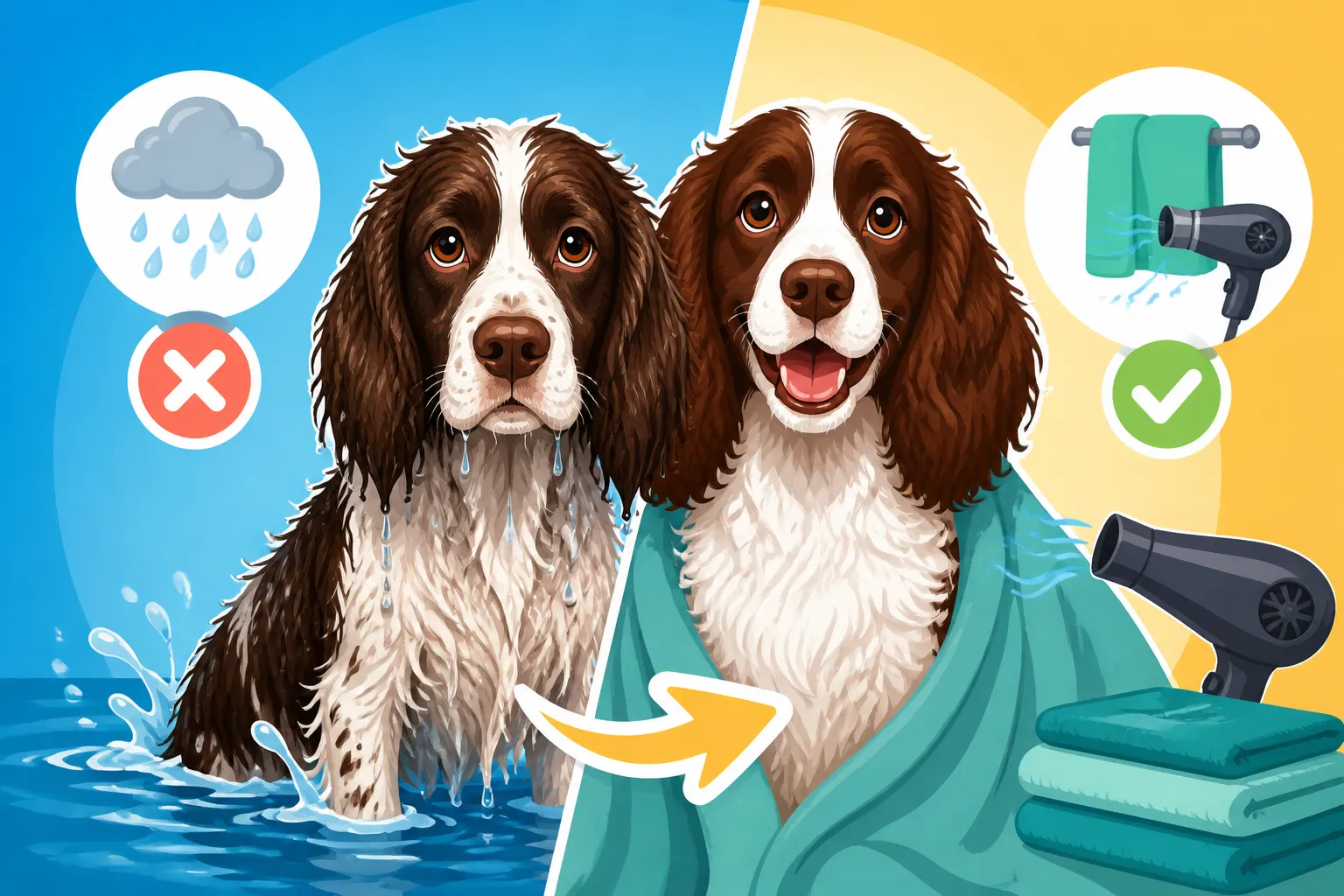
Whether a Springer Spaniel Needs a Drying Solution After Water
It’s a tale as old as time for Springer Spaniel owners: a happy splash in the creek, an enthusiastic roll in the dew-soaked grass, or even just a particularly humid day, and suddenly you’re on high alert for that tell-tale ear scratching. Those beautiful, floppy ears, which are such a hallmark of the breed, are also an open invitation for moisture to get trapped, leading to a host of uncomfortable, painful, and often recurrent ear infections. This guide is all about whether a Springer Spaniel needs a drying solution after water, diving deep into why it's not just a nice-to-have, but an essential part of keeping your beloved companion healthy and happy.
The Unique Vulnerability of Springer Spaniel Ears to Moisture
Many Springer Spaniel enthusiasts understand the heartbreak of persistent ear issues. It's a common lament, and it largely stems from the very structure that makes their ears so endearing.
Anatomy That Traps Trouble
When you look at a Springer Spaniel, their long, luxurious ears are undeniably charming, framing their intelligent faces perfectly. However, this same anatomical feature creates a challenge. These pendulous ear flaps, or "leathers," hang down, effectively covering the ear canal and restricting airflow. Imagine trying to air out a damp towel in a closed, warm cupboard – it's tough, right? That's essentially what happens inside your Springer's ear after any exposure to moisture. This creates a perpetually warm, dark, and humid environment – the absolute ideal breeding ground for yeast and bacteria to flourish. This is precisely why a Springer Spaniel's ears are never quite healthy if you're not diligent.
Unlike dogs with erect ears, where air can circulate freely and help any moisture evaporate naturally, a Springer's ear acts like a natural seal. Whether it's from swimming in a lake, a bath, a walk in the rain, or even just condensation from humid weather, water easily gets trapped deep within the ear canal. It doesn't just sit there innocently; it macerates the delicate skin lining the canal, making it more permeable and susceptible to irritation and inflammation. It's an ongoing battle against nature, and without intervention, that battle often results in discomfort for your dog.
The Cycle of Ear Infections and Discomfort
Once that moist environment takes hold, it’s usually only a matter of time before an infection sets in. The usual culprits are Malassezia yeast and various types of bacteria, which are naturally present but proliferate rapidly under these conditions. You might first notice your Springer shaking their head more than usual, scratching intently at their ears, or holding their head at an unusual tilt. These are classic signs a Springer Spaniel has an ear infection, and they demand immediate attention. The frustration for owners is real; it often feels like you just got one infection cleared up, and another is already brewing.
These infections are not just a minor nuisance; they can be incredibly painful and, if left untreated or if they become chronic, can lead to more serious health problems. Repeated inflammation can cause the ear canal to narrow and scar, making future infections even harder to treat. In severe cases, infections can spread to the middle or inner ear, leading to balance issues, hearing loss, or even facial paralysis. Constant head shaking due to irritation can even cause a painful aural hematoma, where blood vessels in the ear flap burst, requiring veterinary intervention, often surgery. The thought of "Whether a Springer Spaniel Needs Ear Surgery" is daunting, but for chronic, painful issues, it can be a reality.
The financial strain of recurrent ear infections also adds up quickly. Frequent veterinary visits, diagnostic tests like ear cytologies, and multiple rounds of prescription medications can become a significant expense over your dog's lifetime. Many owners find themselves grappling with the question of "What Chronic Ear Disease Costs a Springer Spaniel Owner" and quickly realize that preventative measures are an investment, not an optional extra. This is where having robust pet insurance, like a plan from Healthy Paws, can provide immense relief, helping to cover the costs of diagnostics and treatments for chronic conditions.
The Critical Role of Drying Solutions
Given the anatomical predispositions and the potential for chronic issues, a dedicated ear drying solution becomes not just useful, but a truly indispensable tool in your Springer Spaniel care arsenal.
Beyond Just Cleaning: Active Moisture Removal
While regular ear cleaning is crucial for removing wax and debris, a drying solution has a very specific and equally important job: actively removing moisture from the ear canal. These solutions are formulated with ingredients such as boric acid, acetic acid (vinegar-based), or isopropyl alcohol, all of which help to evaporate water, dry out the delicate skin, and often acidify the ear canal slightly. This acidic environment is less conducive to the growth of common ear infection pathogens like yeast and bacteria.
Think of it as a preventative strike against potential infections. A standard ear cleaner might wash away some gunk, but it doesn't necessarily leave the ear dry. For a Springer Spaniel who loves water, the question of "Whether Swimming Causes a Springer Spaniel's Ear Trouble" is often answered with a definitive "yes" if proper after-swim care isn't consistently applied. Simply letting your dog shake their head after a dip or wiping the visible outer ear is rarely enough to remove all the trapped water from deep within that curved, closed-off ear canal. A targeted drying solution ensures that those hard-to-reach areas are also addressed.
Using a drying solution after every water exposure – be it a swim, a bath, or a particularly wet walk – actively mitigates the risk. It's about breaking the cycle of moisture leading to infection. By eliminating the dampness, you deny those opportunistic microbes the perfect conditions to multiply, thereby supporting the natural health and resilience of your Springer's ears.
Choosing the Right Drying Solution and Application
The market is flooded with various ear care products, and picking the right drying solution can feel like a guessing game. Look for products specifically labeled as "ear drying solution," "antiseptic ear dryer," or those recommended by your veterinarian. Brands such as Zymox, Epi-Otic, and Oticetic are widely available and often vet-approved. Ingredients like witch hazel, salicylic acid, or aloe vera can also be beneficial for their drying and soothing properties. It's generally best to avoid solutions with strong perfumes or artificial dyes, as these can sometimes irritate sensitive ear canals. If your dog has a history of allergies or skin sensitivities, definitely consult your vet for a specific product recommendation.
Applying the solution correctly is crucial for its effectiveness. Start by gently holding your Springer's ear flap upright. Carefully squirt the recommended amount of the drying solution directly into the ear canal, filling it sufficiently. You should hear a squelching sound, indicating the liquid is reaching down into the canal. Then, gently but firmly massage the base of the ear for about 20-30 seconds. This action helps to break up any debris and distribute the solution throughout the canal. Finally, step back and allow your dog to shake their head vigorously – this is an important part of the process, as it helps to dislodge the solution and any loosened gunk. You can then gently wipe away any excess liquid and debris from the outer ear flap with a clean cotton ball or gauze pad. Avoid using cotton swabs (Q-tips) deep inside the ear canal, as these can push debris further in or even damage the eardrum.
The frequency of use largely depends on your Springer's lifestyle. For avid swimmers or working dogs who are frequently exposed to damp environments, using a drying solution after every water exposure is highly recommended. For pet Springers who might only get wet during baths or occasional rainy walks, using it then, perhaps with a routine ear inspection weekly, might suffice. Your veterinarian is always the best resource for tailoring a specific ear care regimen to your individual dog's needs, especially if they have a history of recurrent issues.
Holistic Ear Care Beyond Drying Solutions
While ear drying solutions are a powerful tool, they are most effective when integrated into a broader, holistic approach to your Springer Spaniel's ear health. It's about creating a comprehensive defense.
Regular Cleaning and Inspection Routines
Drying solutions handle the moisture, but good hygiene also requires consistent cleaning. Establishing a routine of regular ear inspections and cleaning is paramount for preventing issues before they escalate. Aim to check your Springer's ears at least once a week, even if they haven't been swimming. Look for any signs of redness, swelling, discharge (which can range from brown waxy buildup to yellow or green pus), or a foul odor. Catching these indicators early is key, and it helps answer the question of "How Often a Drop Eared Springer Spaniel Needs Cleaning."
When cleaning, always use a veterinarian-approved ear cleaner. These are formulated to be gentle on the delicate ear canal while effectively breaking down wax and debris. Lift the ear flap, apply the cleaner as directed (usually filling the canal), massage the base of the ear, and then allow your dog to shake their head. Finish by wiping the outer ear with a clean cotton ball. Avoid over-cleaning, which can sometimes irritate the ear and strip away its natural protective barriers. If you consistently find an excessive amount of wax or debris, or any of the infection signs mentioned above, it's time for a trip to the vet, even if you’ve been diligent with home care.
Grooming can also play a role in ear health. Many Springer Spaniels have hair that grows within the ear canal, which can further trap moisture and debris. While controversial, some owners and groomers opt for gentle plucking of this hair to improve airflow. This should only be done by an experienced groomer or veterinarian, as improper plucking can cause irritation and inflammation, counteracting its purpose. Discuss this option with your vet to see if it's suitable for your individual dog, especially if they have dense ear hair.
Environmental and Dietary Considerations
Sometimes, chronic ear issues in Springer Spaniels aren't just about water and lack of airflow; they can be symptoms of larger underlying health problems. Allergies are a hugely common culprit. Both environmental allergens (pollen, dust mites, mold) and food allergies can manifest as chronic inflammation, itching, and recurrent ear infections. If your Springer seems to be battling ear trouble constantly, even with diligent care, discussing allergy testing or an elimination diet trial with your veterinarian could be incredibly beneficial. Changing to a limited ingredient diet, or identifying and avoiding specific allergens, can often dramatically improve ear health.
Beyond allergies, consider your dog's living environment. During particularly humid seasons, or if your Springer spends a lot of time in damp outdoor conditions, vigilance is key. Ensure their bedding is always dry and clean. For working Springer Spaniels who spend hours in dense cover, always perform a thorough check for foreign bodies after each outing. Grass awns, burrs, or small twigs can easily work their way into the ear canal and cause severe irritation or infection. This post-hunt inspection should be a crucial part of your routine. You might also want to look into "Whether a Springer Spaniel Needs a Drying Solution After Water" as a core component of their field care.
Remember, the financial impact of managing allergies and chronic ear issues can be substantial. This is where a comprehensive pet insurance policy, like those offered by Healthy Paws, can really alleviate stress. It can help cover the costs of allergy diagnostics, specialized diets, and ongoing treatments for chronic ear conditions, ensuring your Springer receives the best possible care without you having to worry about breaking the bank.
When to Seek Professional Help
Even with the most meticulous home care regimen, there will be times when a professional veterinary opinion and intervention are absolutely necessary. Ignoring these signs can lead to more severe, entrenched problems.
Recognizing Persistent or Worsening Symptoms
It’s easy to feel like you should be able to handle "just another ear infection" at home, especially if you’ve dealt with them before. However, if your Springer Spaniel’s ear issues are recurring frequently despite consistent home care, or if you notice any of the following symptoms worsening, it's time to call the vet: intense pain when touching the ear, increased redness or swelling, a significant increase in discharge (especially if it’s yellow, green, or looks like coffee grounds), a strong, pungent odor, or if your dog seems lethargic or runs a fever. These signs can point to a more severe infection that requires prescription-strength medication.
Sometimes, what appears to be a straightforward ear infection can mask a deeper, more sinister problem. Foreign bodies lodged deep in the ear canal, polyps, tumors, or even certain endocrine disorders like hypothyroidism can all contribute to recurrent ear infections. Your veterinarian has specialized equipment, such as an otoscope, to thoroughly examine the ear canal beyond what you can see at home. They can also take samples for cytology or culture, which helps identify the specific type of bacteria or yeast involved, guiding the most effective treatment. Delaying a vet visit when these signs are present can lead to the infection becoming chronic, causing permanent damage, and potentially making treatment much more difficult and costly.
One specific concern for Springers with chronic ear irritation and head shaking is the development of an aural hematoma. This is a painful swelling on the ear flap caused by blood vessels rupturing, and it almost always requires surgical intervention to prevent disfigurement and alleviate pain. Early and aggressive treatment of the underlying ear infection is the best way to prevent such complications. This is another area where a good pet insurance plan from providers like Healthy Paws can be incredibly valuable, cushioning the financial blow of unexpected surgical procedures.
Understanding Diagnostic and Treatment Options
When you bring your Springer Spaniel to the vet for ear trouble, expect a comprehensive approach. The veterinarian will likely perform a thorough physical examination, focusing on the ears. This usually involves using an otoscope to visualize the ear canal and eardrum. They will often take a swab from the affected ear for microscopic examination (cytology) to identify yeast, bacteria, or ear mites. This diagnostic step is critical because using the wrong medication (e.g., an antibiotic for a yeast infection) will not only be ineffective but can also contribute to antibiotic resistance or worsen the problem.
Based on the diagnosis, treatment might involve a course of prescription ear drops or ointments, which typically contain a combination of antibiotics, antifungals, and anti-inflammatory medications. In more severe or widespread cases, oral antibiotics or anti-inflammatory drugs might also be prescribed. Your vet may also recommend a specific medicated ear cleaner to be used as part of the treatment protocol. It's absolutely crucial to follow your veterinarian's instructions precisely and to complete the entire course of medication, even if your Springer's ears appear to improve quickly. Stopping treatment prematurely is a common reason for infections to recur.
For the most stubborn or chronic cases, especially where the ear canal has become permanently narrowed or damaged due to repeated inflammation, your vet might recommend a referral to a veterinary dermatologist. In rare, severe instances, surgical options like a Total Ear Canal Ablation (TECA) might be considered. This is a major surgery that removes the entire diseased ear canal, and while it eliminates chronic pain and infection, it also results in permanent hearing loss in that ear. This stark reality underscores just how serious chronic ear disease can become and highlights the importance of proactive preventative care, including the consistent use of drying solutions and regular check-ups, to avoid such drastic measures.
Ear Care Checklist for Springer Spaniel Owners
To help you stay on top of your Springer's ear health, here's a quick reference checklist.
| Action | Purpose | Frequency & Notes |
|---|---|---|
| Daily Ear Inspection | Catch early signs of redness, discharge, odor, discomfort. | Daily, especially for active dogs or during humid weather. |
| Post-Water Drying | Remove trapped moisture, prevent microbial overgrowth. | Immediately after every swim, bath, or very wet walk using a drying solution. |
| Weekly Ear Cleaning | Remove wax and debris, maintain ear hygiene. | Weekly, using a vet-approved cleaner. More often if prone to wax buildup. |
| Grooming/Hair Trimming | Improve airflow in the ear canal (if needed). | As advised by vet/groomer; only gentle plucking by a professional if necessary. |
| Allergy Management | Address underlying causes of chronic inflammation. | Ongoing, in consultation with your vet if allergies are suspected. |
| Vet Check-ups | Professional assessment, early diagnosis, tailored advice. | Annually, or immediately if signs of infection persist or worsen. |
Disclaimer
As a friendly blogger, I share information based on my experience and research. However, I am not a veterinarian. This content is for informational purposes only and is not a substitute for professional veterinary advice, diagnosis, or treatment. Always consult your veterinarian for any health concerns or before making any decisions about your pet's health or medical care.