Whether a Puppy Cut Suits a Springer Spaniel
Many Springer Spaniel owners, especially those new to the breed, find themselves eyeing that adorable, uniformly short "puppy cut" they see on other breeds, wondering if it's the perfect solution for managing their Springer's sometimes unruly coat. It's a tempting thought, wishing for a simpler, lower-maintenance look, but the truth is, what works for one dog breed can be detrimental to another. This guide will dive deep into why a "puppy cut" might not be the best choice for your beloved Springer and explore more suitable grooming options that honor their unique double coat.
Understanding the Springer Spaniel Coat
Before we even think about cutting, it’s crucial to understand the very fabric of your Springer Spaniel – their coat. It’s not just a single layer of fur; it's a sophisticated system designed for a specific purpose, whether they're flushing game in the field or charming judges in the show ring.
The Double Coat – Function and Structure
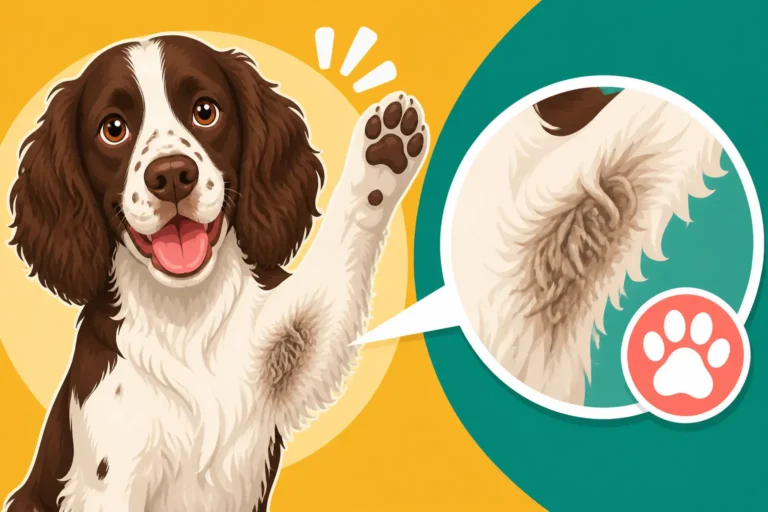
Springer Spaniels, like many sporting breeds, boast a double coat. This means they have two distinct layers of hair, each with its own job. The outer coat, often called guard hairs, is typically longer, coarser, and water-repellent. Its primary role is to protect the dog from external elements like rain, snow, thorns, and harsh sunlight. Think of it as a natural raincoat and armor.
Beneath this protective outer layer lies the undercoat. This is usually shorter, softer, and much denser, composed of fine, woolly hairs. Its main function is insulation – keeping your Springer warm in winter and surprisingly, cool in summer by trapping air. This incredible natural system helps regulate their body temperature in varying climates and conditions. When you consider the wild places a Springer Spaniel was bred to work, often in thick brush and cold water, you can appreciate the genius of this design. It’s a coat built for resilience and protection, not just for looks.
Field vs. Show Coat Differences
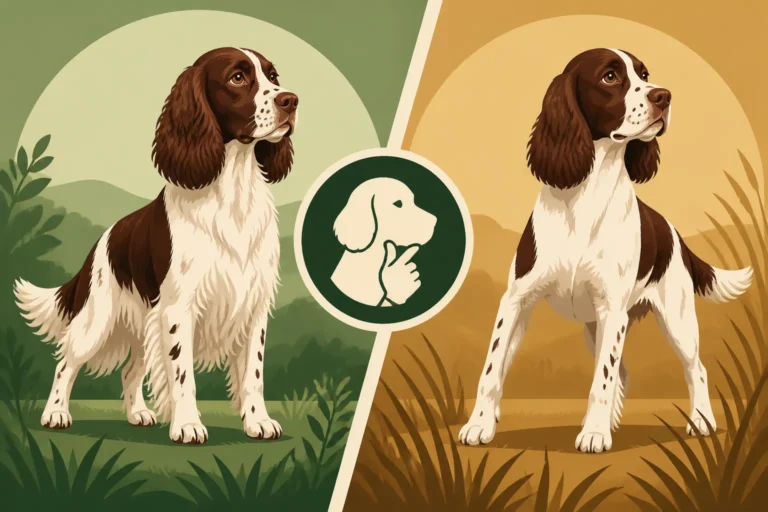
It's no secret that there are two distinct types of English Springer Spaniels: the field-bred and the show-bred. While both possess that characteristic double coat, there are noticeable differences in its presentation and texture, which naturally influence grooming needs. You might want to read more about Two Breeds Registered as One: the Field and Show Springer Spaniel.
Field-bred Springers tend to have a shorter, coarser, and generally less abundant coat. Their feathering – the longer hair on their legs, chest, and belly – is usually minimal, designed for practicality. This type of coat is bred for efficiency in dense cover, minimizing snagging on brambles and collecting fewer burrs. It’s a wash-and-wear coat, focused on function over elaborate aesthetics. They're built for action, and their coat reflects that, often requiring less extensive trimming but still benefiting from regular brushing to prevent matting and remove debris. For a deeper dive, check out How a Field Bred Springer Spaniel Differs in Drive.
Show-bred Springers, on the other hand, are often bred for a more profuse, silkier, and longer coat, with much more substantial feathering. This luxurious coat is part of their breed standard in the show ring and requires significant grooming to maintain its pristine appearance. The feathering can become quite long and fine, creating a magnificent silhouette but also becoming a magnet for dirt, debris, and tangles. Owners of show Springers know the struggle of keeping that beautiful coat free of mats and looking its best. The aesthetic goal for a show Springer is often a flowing, elegant look that still retains the breed's working heritage in its overall shape. Maintaining this coat often means dedicated time for brushing and specific trimming techniques. We cover more about this in The Feathering a Show Springer Spaniel Drags Through Everything.
Regardless of type, the underlying double-coat structure remains, meaning any grooming approach needs to respect this fundamental aspect to maintain their health and comfort.
What a "Puppy Cut" Truly Means for a Springer
The term "puppy cut" often conjures images of an evenly short, fluffy, and low-maintenance coat. It’s incredibly popular for many breeds, especially those with continuously growing hair like Poodles or Shih Tzus. However, applying this style to a double-coated breed like a Springer Spaniel can lead to unintended, and sometimes uncomfortable, consequences.
The Aesthetic Appeal and Misconceptions
The appeal of a "puppy cut" for a Springer is understandable. Owners envision a dog that's cooler in summer, easier to clean after muddy romps, and simpler to brush. They might have a Springer with incredibly thick feathering that drags through everything, making them dream of a shorter, cleaner look. It’s a natural inclination to seek convenience and comfort for your pet.
However, the misconception here is that all dog coats behave the same way. What looks cute and functional on a Poodle (which has a single coat of hair, more akin to human hair) does not translate well to a Springer Spaniel's double coat. When you shave down a double-coated breed, you're not just giving them a haircut; you're fundamentally altering the structure and function of their natural protective system. This often leads to issues that are the exact opposite of what the owner intended.
The Impact of Clipping a Double Coat
Clipping or shaving a Springer Spaniel's double coat can lead to several problems, some of which are long-lasting. It’s not just about a temporary change in appearance.
First and foremost, you disrupt the natural insulation system. In summer, that dense undercoat helps keep your dog cool by trapping air and preventing direct sunlight from hitting the skin. When you shave it off, you expose their skin to harmful UV rays, increasing the risk of sunburn and even skin cancer. In winter, the absence of the insulating undercoat leaves them vulnerable to the cold, requiring sweaters or coats that they wouldn't normally need. People sometimes think shaving helps their dog stay cooler, but for a double-coated breed, it actually impairs their ability to regulate their temperature.
Secondly, shaving can permanently damage the coat. What often happens is that the softer, woollier undercoat grows back faster and thicker than the coarser guard hairs. This results in a coat that feels like cotton, is prone to matting even more quickly than before, and loses its natural water-repellent properties. This phenomenon, often called "coat blow," means the new coat is less functional and harder to maintain. It can feel disheartening to see your Springer's beautiful coat return with a completely different, often undesirable, texture. You might find that Whether Shaving a Springer Spaniel Ruins the Coat is a common concern among owners.
Finally, there's the risk of skin irritation and issues. When the coat is shaved too short, it can irritate the hair follicles, sometimes leading to razor burn or post-clipping alopecia, where patches of hair simply don't grow back. The skin itself, now exposed, is more susceptible to environmental irritants, allergies, and infections. This is particularly true for Springers who love to explore and get into everything. Their skin, normally protected, is now vulnerable. This is why it’s so important to understand The Skin Under a Springer Spaniel's Coat before making drastic grooming decisions.
Alternatives to a Full "Puppy Cut"
While a uniform "puppy cut" might not be ideal for your Springer Spaniel, that doesn't mean you're stuck with an unmanageable coat. There are plenty of smart, practical grooming strategies that can keep your Springer comfortable, clean, and looking great without compromising their natural coat integrity.
Strategic Trimming for Management
Instead of shaving, think "trimming." This involves using thinning shears and straight shears to selectively shorten and neaten certain areas, rather than removing the entire coat with clippers. The goal is to make your Springer more comfortable and hygienic while preserving their protective double coat.
Here are some key areas for strategic trimming:
- Sanitary Trim: This is a must for any Springer, especially those with longer feathering. Trimming the hair around the anus and genitals keeps these areas clean and prevents unpleasant messes. This makes daily hygiene much easier for both you and your dog.
- Paw Pad Trim: The hair between your Springer’s paw pads can grow quite long, accumulating dirt, burrs, and ice balls, and even reducing traction. Keeping this hair trimmed flush with the pads is essential for comfort and preventing lameness. You don't want your Springer limping because of a mat between their toes!
- Feathering Tidy-Up: The long hair on the chest, belly, and legs (the "feathering") is often the biggest culprit for collecting debris and matting. Instead of shaving it off, a skilled groomer can use thinning shears to reduce the volume and length of this feathering, making it less prone to tangles and easier to brush. This creates a neat appearance without sacrificing the protective outer coat. It’s about maintenance, not removal. You might be interested in learning Trimming a Springer Spaniel's Feathering.
- Ear Maintenance: Springer Spaniels are notorious for ear issues, and long hair around the ear canal can exacerbate this by trapping moisture and reducing air circulation. Carefully trimming the hair around the ear opening and underneath the ear flap can help improve ventilation and reduce the risk of infections. However, be cautious not to pluck too much hair from inside the canal unless directed by a vet, as this can sometimes cause irritation. More on this in Why a Springer Spaniel's Ears Are Never Quite Healthy.
- Neck and Chest: Some owners like to have the hair on the neck and chest slightly tidied up to create a cleaner line, especially for show-bred Springers, or simply to make a collar more comfortable. This is usually done with thinning shears to blend naturally.
A professional groomer specializing in sporting breeds understands these techniques and can offer a tailored approach that suits your dog's coat type and your lifestyle. They can create a neat, functional look that avoids the pitfalls of a full shave.
Regular Grooming Practices
Beyond trimming, consistent daily and weekly grooming is paramount for a Springer Spaniel, whether field or show type. This is your first line of defense against mats and skin issues.
- Brushing, Brushing, Brushing: Regular brushing is non-negotiable. For show-bred Springers with their profuse coats, daily brushing might be necessary, focusing on areas prone to matting like behind the ears, armpits, and feathering. For field-bred Springers, a good brush-down a few times a week, and always after an outing in the field, is essential. A slicker brush, followed by a comb, is a great combination to get through both layers of the double coat. Pay attention to Which Brush Suits a Springer Spaniel for your dog's specific coat type. Investing in quality tools from places like Chewy or Amazon can make a huge difference in effectiveness and comfort for your dog.
- De-shedding: During seasonal coat blows, a de-shedding tool can be incredibly helpful in removing loose undercoat without cutting the guard hairs. This helps prevent mats and keeps your dog more comfortable, improving air circulation through the coat.
- Bathing: Springers love to get dirty, and regular bathing is part of their care. Use a dog-specific shampoo and conditioner. For working dogs or those prone to rolling in things, a good rinse after every outdoor adventure and a proper bath when needed can keep their coat healthy and smelling fresh. Ensure you rinse thoroughly to avoid skin irritation from shampoo residue. Also, make sure to dry their ears properly to prevent issues like described in Why a Springer Spaniel's Ear Traps Moisture.
- Coat Conditioners: For Springers with finer feathering that tangles easily, a leave-in conditioner or detangling spray can be a lifesaver, making brushing sessions much smoother and more pleasant for both of you. You can find many options on Amazon or Chewy.
By focusing on these preventative and strategic grooming methods, you can maintain your Springer Spaniel's coat in excellent condition, ensuring they are comfortable, healthy, and looking their best, all without resorting to a potentially damaging "puppy cut."
Making the Best Decision for Your Springer's Coat
Choosing the right grooming approach for your Springer Spaniel is a balance between aesthetic preferences, the dog's comfort, and maintaining the natural integrity of their coat. It's a decision that requires a bit of knowledge and sometimes, a little professional guidance.
Consulting a Professional Groomer
When in doubt, always seek advice from a professional groomer, especially one experienced with sporting breeds like Springer Spaniels. A good groomer understands the nuances of different coat types and can assess your individual dog's needs. They can:
- Evaluate Coat Health: A groomer can look at your Springer's specific coat texture, density, and condition. Is it coarse or silky? Is the undercoat particularly thick? Are there any existing skin issues or mats? This assessment helps them recommend the best strategy.
- Recommend Appropriate Techniques: Instead of a "puppy cut," they might suggest hand-stripping (for certain coat types, though less common for Springers than some other terriers), specific thinning techniques, or targeted trimming to achieve a tidy, manageable look without clipping the entire double coat. They can teach you how to maintain the coat between visits and suggest tools, perhaps available at Chewy, that will work best for your dog's coat.
- Provide Hands-On Expertise: Groomers have the tools and skills to safely and effectively trim delicate areas like paws, ears, and sanitary regions. They can also demonstrate how to properly brush to get down to the skin and prevent matting.
- Discuss Your Lifestyle: Be honest about how much time you have for grooming. If you're an avid hunter whose Springer is constantly in the field, their grooming needs will differ significantly from a show Springer who primarily lives indoors and requires meticulous presentation. The groomer can help you find a happy medium.
Balancing Aesthetics, Health, and Lifestyle
Ultimately, the best grooming plan for your Springer Spaniel strikes a balance between what you want them to look like, what keeps them healthy and comfortable, and what fits into your daily life.
Consider these points:
- Health First: Prioritize your dog's health and comfort above all. A compromised coat can lead to skin issues, overheating, or being too cold. Their natural coat is their first line of defense against the elements.
- Type of Springer: Remember the difference between field and show coats. A field-bred Springer will generally require less intensive trimming but consistent brushing to remove burrs and debris. A show-bred Springer will demand more attention to maintain their longer feathering and keep it free of mats. This can impact the overall [What a Show Springer Spaniel Costs to Keep].
- Your Lifestyle: If your Springer is a companion dog who enjoys walks in the park and cuddles on the couch, your grooming needs will be different from a working dog who spends hours in heavy cover. A slightly shorter, tidier trim might be perfectly acceptable for a pet Springer, as long as it respects the double coat.
- The Long-Term View: Understand that once a double coat is shaved, it can take a long time to grow back, and it might not grow back with the same texture or quality. This is why it's a decision that shouldn't be taken lightly.
Instead of thinking of a "puppy cut" as a uniform shave, perhaps envision a "functional trim" or a "sporting trim" that tidies up the necessary areas while preserving the integrity of your Springer’s magnificent coat. This approach allows your Springer to remain comfortable and protected, ready for whatever adventure comes next, whether it’s a sprint through the tall grass or a cozy evening by the fire.
| Feature | "Puppy Cut" (Full Shave) | Recommended Springer Spaniel Grooming (Trimming) |
|---|---|---|
| Coat Structure | Disrupts natural double coat | Preserves natural double coat |
| Insulation | Impaired; risk of overheating/chilling | Maintained; natural temperature regulation |
| Protection | Reduced; increased risk of sunburn, skin irritation | Enhanced; protection from elements and debris |
| Matting Risk | Can increase matting of undercoat on regrowth | Reduced through regular brushing and strategic thinning |
| Coat Texture | Can change permanently (softer, woollier, cotton-like) | Maintains natural texture and quality |
| Appearance | Uniformly short, often fluffy | Tidy, natural-looking, highlights breed characteristics |
| Maintenance | Seems low, but can lead to more problems | Regular brushing, targeted trimming; ongoing effort |
| Tools Used | Clippers primarily | Thinning shears, straight shears, slicker brushes, combs |
| Professional Input | Often done by general groomers; specialized knowledge crucial | Best by groomers experienced with double-coated sporting breeds |
For more insights into managing your Springer's coat, consider articles like How Often a Show Springer Spaniel Needs Trimming or How Often a Field Springer Spaniel Needs Brushing.
Disclaimer
This article is for general informational purposes only and does not constitute professional advice. Laws, prices and regulations vary by location and change over time. Consult a qualified professional for guidance on your specific situation.