Whether a Slicker Reaches a Springer Spaniel’s Undercoat
Dealing with a Springer Spaniel's magnificent coat can feel like a never-ending battle against shedding, mats, and that persistent fluff that seems to get everywhere. Many of us wonder if the tools we're using are truly up to the task, especially when it comes to getting past that lovely, long topcoat to the dense undercoat beneath. This guide is here to shed some light on whether your trusty slicker brush is truly reaching your Springer's undercoat and how to use it most effectively to keep their coat healthy and your home a little less hairy.
Understanding Your Springer Spaniel's Double Coat
Before we dive into brushes, it's essential to understand the unique architecture of your Springer Spaniel's coat. They're built for work, for plunging into cold water, and for pushing through thick undergrowth, and their coat is perfectly designed for it. This design, while beautiful and functional, also presents specific grooming challenges.
The Anatomy of a Springer Spaniel's Coat
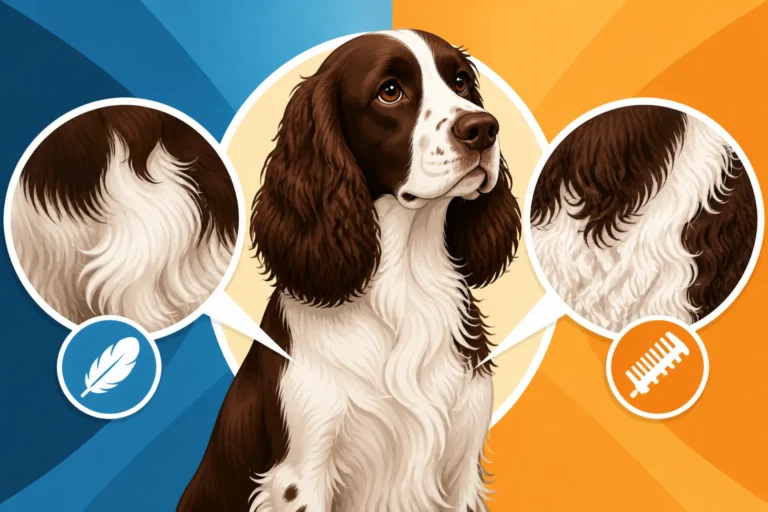
Your Springer Spaniel isn't just sporting one layer of hair; they have what's known as a double coat. Imagine it as a perfectly tailored winter jacket with a cozy lining. The outer layer, or "topcoat," consists of longer, coarser guard hairs. These hairs are often somewhat water-resistant, protecting your dog from rain, snow, and brambles while they're out working or enjoying a romp in the park. They also give your Springer that characteristic silky, flowing look, especially on their ears, legs, and belly, which we often refer to as "feathering."
Beneath this protective topcoat lies the "undercoat." This is a dense, soft, and much finer layer of hair that acts as insulation. In colder weather, it keeps them warm, and surprisingly, it also helps to regulate their body temperature in warmer climates by providing a buffer against the heat. The undercoat is the primary culprit behind the bulk of the shedding we experience as Springer owners. If this dense underlayer isn't properly managed, it can quickly become matted, trap moisture, and lead to skin issues.
This dual-layer system is brilliant for the dog's comfort and protection but can be a real headache for us humans trying to keep it tidy. The guard hairs can lay over and hide the tangled undercoat, making it difficult to spot problems until they're quite severe. Knowing that these two distinct layers exist is the first step toward understanding how to groom them effectively.
The Shedding Cycle and Its Challenges
All dogs shed, but a double-coated breed like the Springer Spaniel takes it to another level, particularly during seasonal changes. You'll likely notice a significant increase in shedding twice a year, typically in spring as they "blow" their winter coat to prepare for warmer weather, and again in the fall as they shed their lighter summer coat to grow in a denser one. During these periods, you might feel like your entire house is slowly being redecorated in dog hair.
Beyond these major seasonal events, Springer Spaniels also experience a certain amount of year-round shedding. This is just a natural turnover of hair, much like humans shed their own hair daily. The challenge for owners is that this constant shedding, combined with the dense undercoat, means that loose, dead hair can easily become trapped within the existing coat. When this happens, it forms mats and tangles, especially in areas with longer feathering or where friction occurs, like behind the ears, under the armpits, and on the belly. Whether a Springer Spaniel Mats Behind the Ears and Whether a Springer Spaniel's Armpits Mat are common concerns for a reason!
The frustration isn't just aesthetic; trapped hair and mats can pull on the skin, causing discomfort or even pain for your dog. They can also prevent air circulation, leading to skin irritations, hot spots, or even infections if moisture gets trapped. That's why consistent grooming isn't just about tidiness; it's a vital part of your Springer's overall health and well-being. Getting ahead of the shedding and preventing mats is far easier than trying to tackle them once they've set in.
The Slicker Brush: What It Is and How It Works
So, you're standing there, slicker brush in hand, staring at your beautiful, fluffy Springer. The big question is: can this tool actually do the job? Let's break down the slicker brush and how to use it to effectively manage that double coat.
Design and Functionality of a Slicker Brush
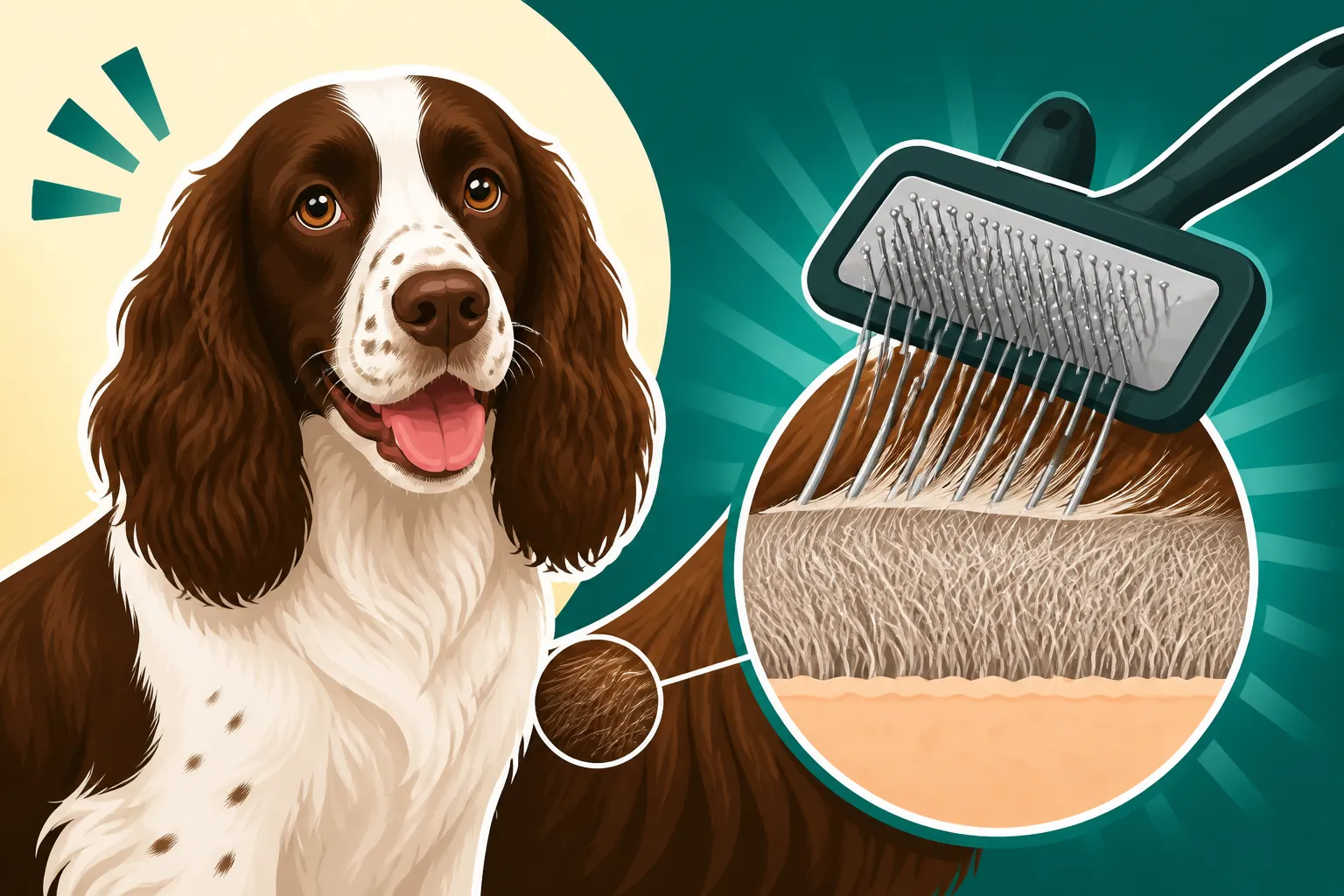
A slicker brush is easily recognizable by its dense bed of fine, short wire pins, which are typically bent at a slight angle. These pins are usually set on a flat or curved surface, often rubber, which provides some flexibility. The magic of the slicker brush lies in its design: those numerous, closely spaced pins are specifically engineered to penetrate deep into a dog's coat, past the top layer of guard hairs, to reach the underlying undercoat.
When used correctly, the bent pins gently catch and pull out loose, dead undercoat hairs that would otherwise remain trapped. It also works wonders on smaller tangles and nascent mats, separating the hairs without causing excessive breakage or pulling on the skin. For a Springer Spaniel, with their combination of long, silky feathering and dense undercoat, a slicker brush is an absolutely indispensable tool in the grooming kit. It's not just for surface fluff; it is designed to get to that undercoat, helping to remove the bulk of shedding hair and preventing mats from forming. The key is in how you use it, which we'll get to next. Which Brush Suits a Springer Spaniel is a question many owners ask, and the slicker brush often comes out on top for general use.
Effective Techniques for Using a Slicker Brush
Simply raking a slicker brush over your Springer's coat isn't going to cut it, and it might even cause discomfort. To truly reach the undercoat and be effective, you need a technique called "line brushing" or "layering." Imagine dividing your dog's body into sections, almost like preparing for a haircut.
Start at the bottom of a leg or flank, and gently brush a small section of hair upwards or outwards, against the natural lay of the coat. Then, carefully brush down or forward with the slicker, going stroke by stroke, working your way through that small section. The goal is to see the skin as you brush, ensuring the pins are truly penetrating the entire depth of the coat. Once that small line is brushed, you move up or back slightly, revealing a new "line" of unbrushed hair, and repeat the process. This systematic approach ensures that you're not just gliding over the topcoat but actively getting into the undercoat. Pay extra attention to common matting areas like the armpits, behind the ears, and the feathering on the legs and belly, where The Feathering a Show Springer Spaniel Drags Through Everything can pick up all sorts of debris.
It's crucial to use light, gentle strokes. Never press down hard, as the fine wire pins can cause "brush burn" on your dog's skin, which is painful and can lead to irritation or infection. Always brush in the direction of hair growth after lifting the hair, and be patient. This isn't a race! For a full grooming session, especially during heavy shedding, this method can take How Long Brushing a Springer Spaniel Takes, but it's worth the effort. By dedicating the time and using the right technique, your slicker brush will absolutely be able to reach and remove that pesky undercoat.
Limitations and When to Reach for Other Tools
While the slicker brush is a powerhouse for daily grooming and managing mild shedding, it's not a magical cure-all for every coat situation your Springer Spaniel might encounter. There are times when its capabilities are simply outmatched, and you'll need to bring in the reinforcements.
When a Slicker Brush Isn't Enough
The slicker brush is excellent for preventing mats and removing loose undercoat when it's still relatively free-flowing. However, if your Springer Spaniel has developed heavy, compacted mats, particularly tight ones close to the skin, a slicker brush alone won't be sufficient – and trying to force it through could be painful for your dog. Those fine wire pins can snag and pull, causing discomfort, skin irritation, or even breaking the skin.
In cases of severe matting, specialized dematting tools, a mat splitter, or even professional grooming might be necessary. Attempting to de-mat a heavily matted dog at home without the right tools and technique can be distressing for both you and your Springer. Think of it like trying to untangle a knotted fishing line with just your fingers – sometimes you need a specific tool to avoid making it worse. For significant undercoat removal during heavy seasonal shedding, an undercoat rake or a de-shedding blade (like those from FURminator, readily available on Chewy or Amazon) often proves more effective than a slicker brush alone. These tools are designed to pull out large quantities of dead undercoat with less effort, making the job quicker and more efficient.
Complementary Grooming Tools for the Springer Spaniel
To truly conquer your Springer's coat, a diverse toolkit is your best friend. A slicker brush is a fantastic foundation, but you'll want to add a few other specialized items to tackle specific tasks.
An undercoat rake is invaluable, especially during shedding season. These tools have longer, widely spaced teeth that are designed to reach deep into the undercoat and pull out loose, dead hair without damaging the topcoat. They are much more efficient than a slicker for removing large quantities of shedding undercoat and are excellent for dogs with very dense coats. For example, during their spring coat blow, an undercoat rake can remove piles of hair that a slicker might just skim over.
A pin brush is another useful addition. This brush has longer, widely spaced pins, often with rounded tips, which are great for longer feathering and for gently working through the topcoat without pulling. It's fantastic for finishing, fluffing, and getting through delicate areas where you don't want the intense action of a slicker brush. Think of it for tidying up those beautiful long ear fringes or the tail.
Finally, a good metal comb with both wide and fine teeth is crucial. Use the wide-toothed side to gently tease apart smaller tangles and to check your work after brushing. The fine-toothed side is excellent for delicate areas like the face and paws, and for removing any remaining debris. It's your ultimate "checking" tool to ensure no hidden mats remain. Building a comprehensive kit from a trusted retailer like Amazon or Chewy will ensure you have the right tool for every grooming need. Having these tools ensures you're prepared for Two Coats, Two Routines: Field and Show Springer Spaniel Grooming regardless of whether you have a field-bred or show-bred Springer.
| Tool Name | Primary Use | Best For | When to Use |
|---|---|---|---|
| Slicker Brush | Removing loose undercoat, small tangles, general daily brushing | All coat types, light to moderate shedding, preventing mats | Daily or every other day |
| Undercoat Rake | Deep penetration, removing large amounts of shedding undercoat | Dense double coats, heavy seasonal shedding, severe undercoat buildup | Weekly during shedding season, monthly off-season |
| Pin Brush | Detangling topcoat, fluffing feathering, general comfort brushing | Long-haired areas (ears, legs, tail), finishing touches | Daily, especially on feathering |
| Metal Comb | Checking for mats, teasing out small tangles, delicate areas | All coat types, post-brushing check, face, paws, ears | After brushing, as needed for tangles |
| Dematting Tool | Cutting through stubborn, tight mats (use with extreme caution) | Severe, compacted mats that cannot be brushed out | Only when absolutely necessary for matted areas |
| De-shedding Tool | Specifically designed to reduce shedding by removing dead undercoat | Heavy shedding breeds, seasonal coat blows | Weekly during heavy shedding periods, monthly otherwise |
Establishing a Comprehensive Grooming Routine
Consistent grooming is key to maintaining your Springer Spaniel's health and happiness. It's not just about aesthetics; it's about comfort, hygiene, and preventing potentially painful skin issues. A well-established routine makes the process less stressful for everyone involved.
Daily Maintenance vs. Seasonal Deep Dives
For a Springer Spaniel, a truly effective grooming routine isn't a "one size fits all" approach. You need a two-tiered strategy: consistent daily maintenance and more intensive seasonal deep dives.
Daily or Every-Other-Day Maintenance: Even if your Springer isn't shedding heavily, a quick 5-10 minute session with a slicker brush or pin brush is incredibly beneficial. This daily touch-up helps to remove any surface debris, prevents small tangles from escalating into major mats, and keeps the topcoat looking tidy. It's also a fantastic bonding opportunity for you and your dog. During these quick sessions, focus on areas prone to matting: behind the ears, the armpits, the feathering on their legs and belly. Think of it as preventative care; it's much easier to brush out a few loose hairs now than to tackle a dense mat later. This also gives you a chance to check The Skin Under a Springer Spaniel's Coat for any redness or bumps.
Seasonal Deep Dives: Twice a year, usually in spring and fall, your Springer Spaniel will "blow" their coat, meaning they're shedding profusely to adjust to the changing temperatures. This is when you need to switch into high gear. During these periods, you might need to dedicate 30-60 minutes, several times a week, to a more thorough grooming session. This is the prime time to bring out the undercoat rake and de-shedding tools, in addition to your slicker brush. The goal is to remove as much dead undercoat as possible, which will significantly reduce the amount of hair floating around your house How Much a Springer Spaniel Sheds Into a House and prevent massive mats from forming. These longer sessions are crucial for keeping their insulation system healthy and preventing skin problems caused by trapped moisture and debris. Be patient, take breaks, and make it a positive experience with plenty of praise and treats.
Products and Tips for a Healthy Coat
Beyond just brushing, a few other elements contribute to a truly healthy, gleaming Springer Spaniel coat. What you put into your dog, and what you put on them, makes a significant difference.
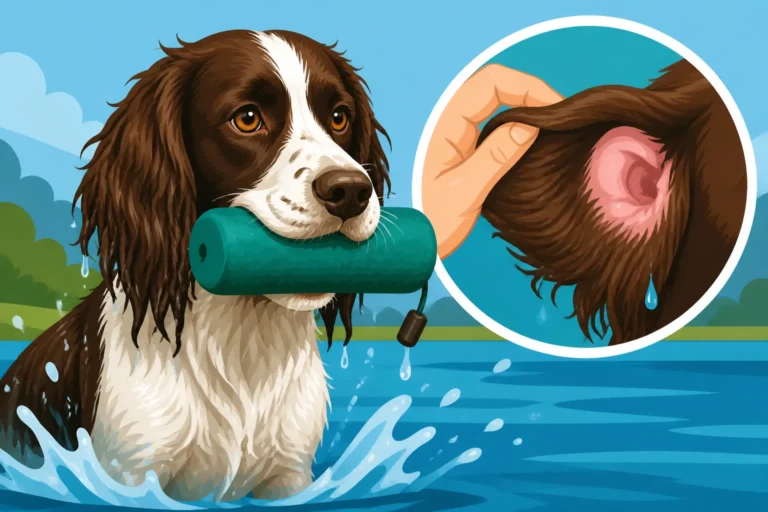
First, shampoo and conditioner choices are important. Look for products specifically formulated for double coats or those designed to help with shedding. A good quality shampoo will clean thoroughly without stripping natural oils, while a conditioner can help to moisturize the coat, making it easier to brush and reducing static. Always ensure you rinse thoroughly; any shampoo or conditioner residue left in the coat can irritate the skin and even cause a dull appearance. After a bath, towel dry vigorously, and consider using a dog-specific forced-air dryer (not a human hairdryer, which can be too hot) to ensure the undercoat is completely dry. This is especially vital after swimming, as Water Work and What It Does to a Springer Spaniel's Ears can also impact the coat if not dried properly.
Second, nutrition plays a huge role. A high-quality diet rich in essential fatty acids (like Omega-3 and Omega-6) can dramatically improve coat health, making it shinier, stronger, and potentially reducing excessive shedding. Some owners find that incorporating fresh food options, like those from Ollie, can lead to noticeable improvements in their dog's skin and coat condition. If you're struggling with persistent dry skin, dull coat, or excessive shedding, discuss your dog's diet with your veterinarian. They might recommend specific supplements or a change in food.
Finally, consistent preventative care includes checking for external parasites like fleas and ticks, especially if your Springer spends a lot of time outdoors. Regular checks after walks, particularly in areas where Burrs, Ticks and Grass Awns in a Working Springer Spaniel are common, are a must. Also, don't underestimate the importance of regular veterinary check-ups. Sometimes, underlying health issues like allergies or thyroid problems can manifest as a poor coat condition or excessive shedding. Your vet can rule out these concerns and provide targeted advice. By combining the right tools, techniques, and holistic care, you'll ensure your Springer Spaniel's coat is not just beautiful, but truly healthy.
Disclaimer
This article is for general informational purposes only and does not constitute professional advice. Laws, prices and regulations vary by location and change over time. Consult a qualified professional for guidance on your specific situation.