Whether a Springer Spaniel’s Skin Gets Oily
It's incredibly frustrating when you notice your beloved English Springer Spaniel has a greasy coat or a distinct, somewhat yeasty odor, and you just can't seem to get rid of it. Many owners assume it's just "dog smell" or a sign they haven't bathed their pup enough, but often, oily skin points to underlying issues that need attention. This guide will walk you through why your Springer Spaniel's skin might be getting oily, what common culprits are at play, and practical, empathetic steps you can take to help your furry friend feel more comfortable and smell better.
The Unique Nature of Springer Spaniel Skin and Coat
Springer Spaniels are glorious dogs, isn't that right? Their beautiful, dense double coats and their signature long, flopping ears are part of their charm. But these very characteristics, which make them so beloved and perfectly suited for working in the field, can also unfortunately predispose them to certain skin and coat challenges, including oiliness. It’s not just about looks; it’s about understanding their specific needs.
Why Springer Spaniels are Prone to Skin Issues
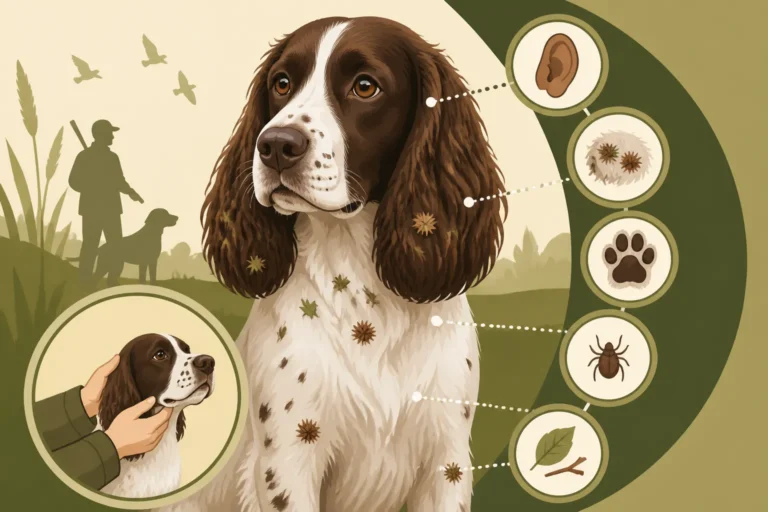
Think about a Springer doing what they love best: plunging through thick cover, splashing in murky ponds, or quartering through dew-laden fields. Their dense undercoat provides insulation, while the longer, coarser outer coat offers protection from the elements. This fantastic coat, however, can also trap moisture and debris against the skin. When moisture lingers, or when the skin can't "breathe" properly due to a thick coat, it creates an ideal environment for problems to brew. Add to that their delightful, pendulous ears, which are wonderful for scenting but also excellent at trapping humidity and foreign bodies. It’s a perfect storm for skin issues to start. We often focus on the coat itself, but understanding The Skin Under a Springer Spaniel's Coat is crucial, as that's where the oil production truly begins.
The very traits we admire – their vigor, their love for water, their long flowing hair – are exactly what can contribute to skin challenges. If your Springer is constantly active, swimming, or getting into dense brush, their skin is constantly exposed to moisture, allergens, and potential irritants. This can lead to the skin overcompensating, either by drying out or, more commonly, by becoming excessively oily in an attempt to protect itself. It's not a flaw in your dog; it's a consequence of their design and lifestyle.
The Role of Sebum and Skin Barrier Function
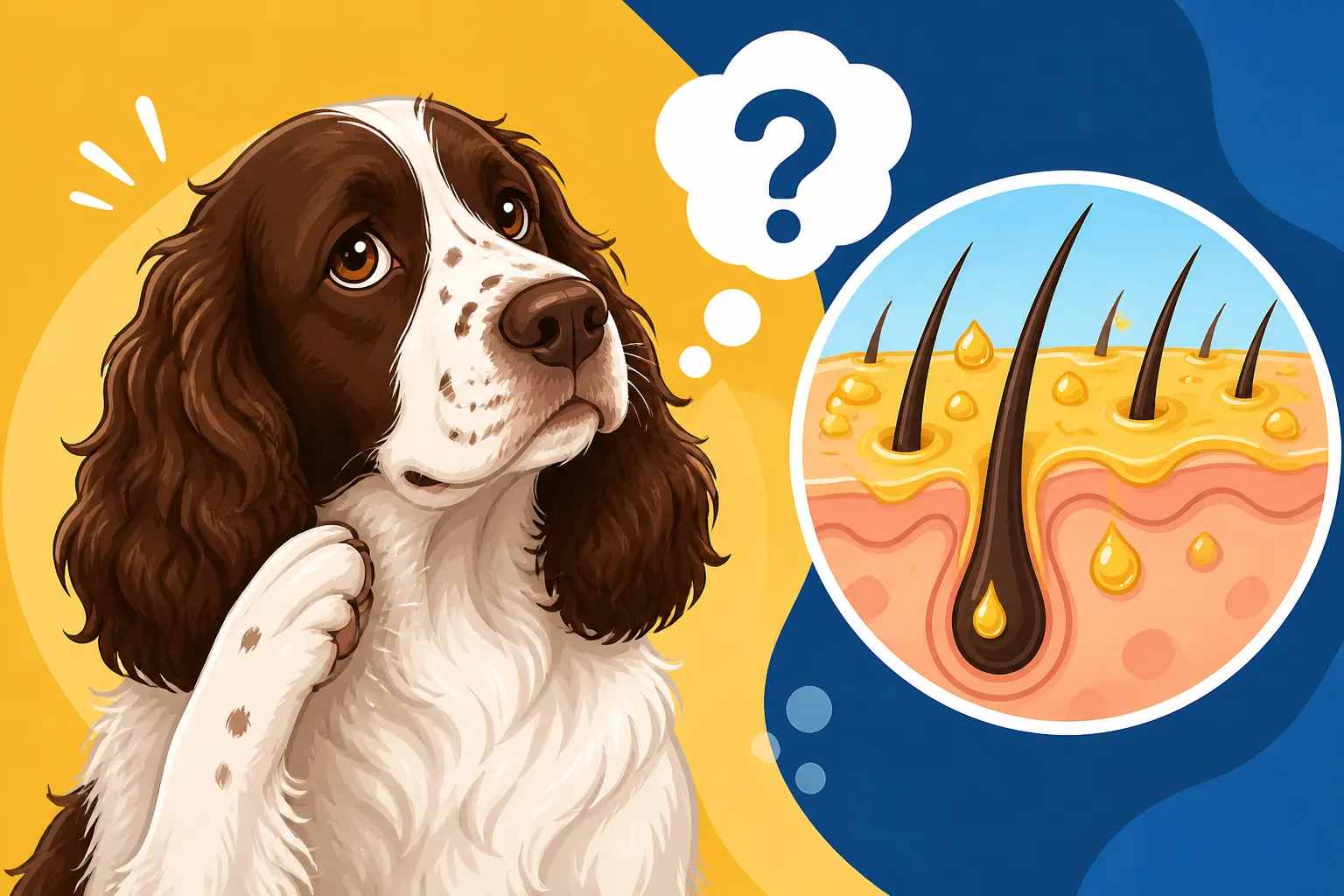
Our dogs' skin, much like our own, relies on a delicate balance to stay healthy. Sebum is a naturally occurring oily, waxy substance produced by the sebaceous glands in the skin. Its job is crucial: it helps to moisturize the skin, keep the coat shiny and waterproof, and form a protective barrier against bacteria and fungi. In a healthy dog, sebum production is regulated, providing just enough lubrication without becoming excessive.
However, when this natural balance is disrupted, problems arise. If the skin's barrier function is compromised – perhaps due to allergies, nutritional deficiencies, or environmental stressors – the sebaceous glands might go into overdrive, producing too much sebum. This excessive oiliness, known as seborrhea oleosa, can lead to a greasy feel, a dull or clumpy coat, and that tell-tale "doggy odor." It can also make the skin more susceptible to secondary infections, as bacteria and yeast thrive in an oily, moist environment. Understanding this underlying biological process is the first step toward finding effective solutions for your Springer.
Common Causes Behind Oily Springer Spaniel Skin
It’s easy to feel overwhelmed when your Springer’s skin starts acting up. You might try different shampoos, brush more often, and still, that greasy feeling and peculiar smell persist. It’s not your fault, and it’s rarely as simple as just needing a bath. Often, there's a deeper reason for the skin's overproduction of oil, and identifying it is key to effective management. Let's dig into some of the most common culprits.
Environmental Allergies and Irritants
Just like people, dogs can suffer from environmental allergies, and for many Springer Spaniels, these allergies manifest as skin problems, often leading to increased oiliness. Things like pollen from trees, grasses, and weeds, dust mites hiding in your home, or even mold spores can trigger an allergic reaction. When your dog encounters these allergens, their immune system overreacts, causing inflammation in the skin. This inflammation can stimulate the sebaceous glands to produce more oil as the skin tries to protect itself, leading to that greasy feeling and often intense itchiness.
You might notice your Springer scratching, licking their paws obsessively, or rubbing their face more than usual. The skin can become red, inflamed, and sometimes develop hot spots or secondary infections due to the constant irritation and moisture. This is especially true for working Springers who spend a lot of time outdoors; exposure to various plants can be a constant battle. Grass Allergy in a Working Springer Spaniel is a very real challenge, and the irritation can quickly lead to an overproduction of sebum. If you notice your dog constantly licking, particularly their paws, this could be a major clue, as discussed in Why a Springer Spaniel Licks Its Paws Raw. It’s a cycle: allergens trigger itch, itch leads to licking/scratching, which further irritates the skin and can ramp up oil production.
Living with an allergic Springer can feel like a constant battle, trying to pinpoint the invisible enemy. But knowing that environmental factors play a huge role helps you focus your efforts. Managing these irritants often involves a multi-pronged approach, including bathing, medication, and reducing exposure where possible.
Food Sensitivities and Diet
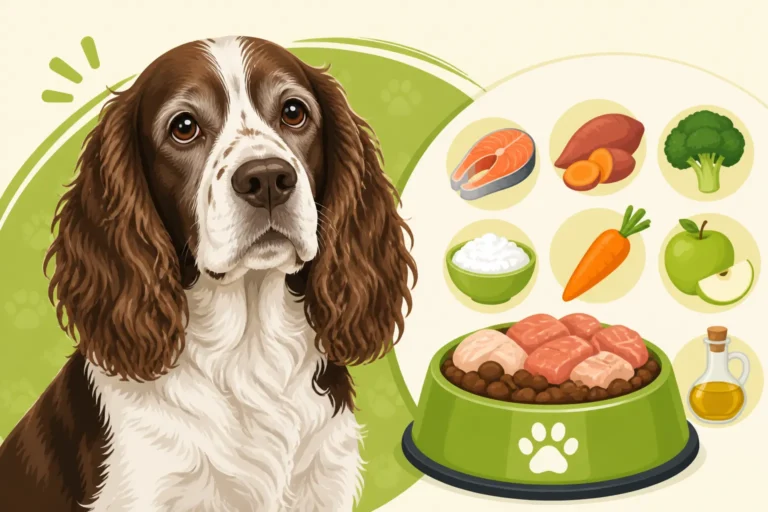
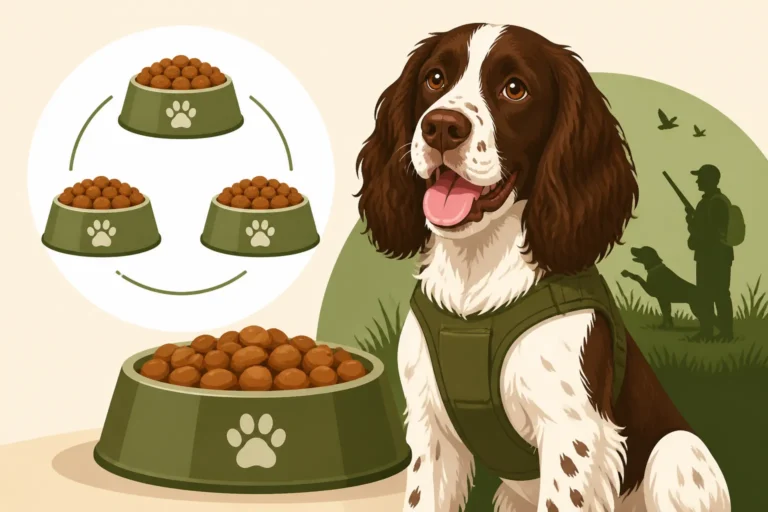
What goes into your Springer Spaniel's bowl can have a profound impact on their skin health. Just like environmental allergens, certain ingredients in their diet can trigger an inflammatory response that manifests as skin issues, including excessive oil production. Common culprits often include proteins like chicken, beef, dairy, or sometimes even grains, though grain sensitivity is less common than protein allergies. When a dog is sensitive to a food ingredient, their immune system treats it as a threat, leading to inflammation that can disrupt the skin's natural barrier and cause the sebaceous glands to churn out more sebum.
Identifying a food sensitivity can be a painstaking process. It usually involves a strict elimination diet, where your dog eats a novel protein (one they've never had before) or a hydrolyzed protein diet for several weeks, then slowly reintroduces potential allergens one by one. It’s not fun, and it takes dedication, but it’s often the most reliable way to figure out the dietary trigger. Many owners find success exploring limited ingredient diets or specialized formulas available from reputable pet supply retailers like Chewy, or even considering fresh food options such as those offered by Ollie, which can often be tailored to avoid common allergens. This process of elimination is often the best way to determine Telling a Food Itch From a Pollen Itch in a Springer Spaniel, as the symptoms can look very similar externally.
A change in diet isn't a quick fix; it takes time for the skin to heal and the body to rebalance. But for dogs with food sensitivities, finding the right diet can be transformative, not just for their skin and coat but for their overall well-being. Always consult with your vet before making drastic dietary changes, especially for an elimination diet, to ensure your dog is still getting all the nutrients they need.
Bacterial or Yeast Infections
An oily, greasy coat creates a wonderfully hospitable environment for opportunistic microorganisms like bacteria and yeast. When your Springer's skin barrier is compromised, either by allergies, excessive moisture, or another underlying issue, these organisms can overgrow and lead to secondary infections. These infections often exacerbate the oiliness and are frequently accompanied by a very distinct, often unpleasant, pungent odor that many owners describe as smelling like corn chips or stale bread for yeast, or a more generally foul smell for bacteria.
Common culprits include Malassezia yeast and various staphylococcal bacteria. You might notice not only the greasiness but also redness, flakiness, hair loss, and intense itching in affected areas. These infections can be particularly prevalent in skin folds, paw pads, and of course, those lovely, floppy ears. If your Springer is shaking their head a lot or scratching their ears, it's definitely worth checking them, as Signs a Springer Spaniel's Ear Has Gone Wrong can often indicate a yeast or bacterial overgrowth that contributes to overall skin oiliness. The ears are essentially skin folds that trap moisture and warmth, making them prime real estate for these microbes.
Treating these infections typically involves a combination of topical therapies, such as medicated shampoos or wipes, and sometimes oral medications like antibiotics or antifungals, prescribed by your veterinarian. Simply bathing with a regular shampoo won't cut it if an infection has taken hold, as it won't address the root cause of the microbial imbalance. It’s important to treat these secondary infections diligently, as they can significantly worsen your dog’s discomfort and the greasiness of their coat.
Hormonal Imbalances and Other Medical Conditions
While less common than allergies or infections, certain systemic medical conditions and hormonal imbalances can also contribute to oily skin in Springer Spaniels. These conditions disrupt the body's normal processes, which can, in turn, affect skin health and sebum production. It's why a persistent skin issue, especially one that doesn't respond to typical treatments, always warrants a thorough veterinary workup.
One notable condition is hypothyroidism, where the thyroid gland doesn't produce enough thyroid hormone. This hormone plays a vital role in regulating metabolism and skin health. Dogs with hypothyroidism often develop a dry, brittle coat, but sometimes the skin can become greasy and flaky, accompanied by hair loss, particularly on the flanks and tail. Other signs of hypothyroidism, such as lethargy, weight gain, and a dull mental state, might also be present. If you suspect your Springer has this, knowing Signs a Springer Spaniel's Thyroid Has Failed can prompt you to seek veterinary attention for diagnostic testing.
Less frequently, conditions like Cushing's disease (hyperadrenocorticism), which involves an overproduction of cortisol, can also lead to skin thinning, hair loss, and sometimes an oily, flaky skin. These conditions are usually diagnosed through blood tests and require specific medical management. While these are not the first things a vet will consider for oily skin, they are important to rule out, especially if other symptoms are present or if the skin problem is chronic and unresponsive to more common treatments.
Practical Solutions for Managing Oily Skin
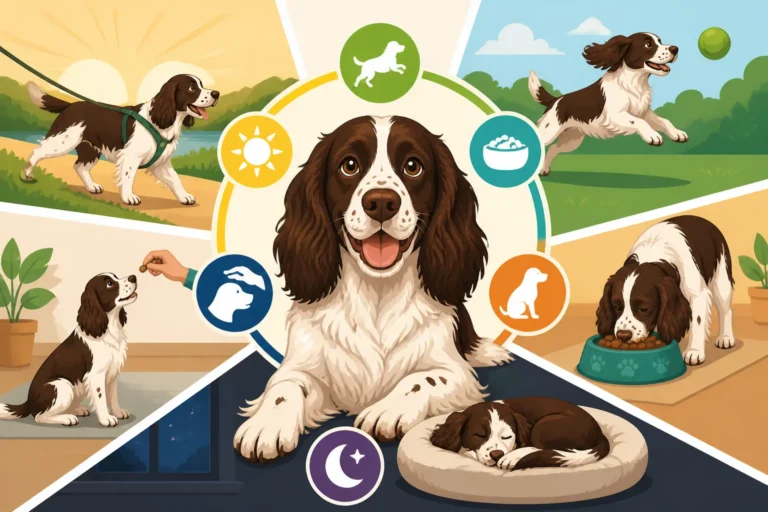
Dealing with oily skin on your Springer Spaniel can feel like a never-ending battle, but the good news is there are many practical steps you can take. It’s often about a holistic approach, combining good grooming with dietary considerations and environmental management, always under the guidance of your veterinarian. Don't get discouraged; consistency is key.
Grooming Strategies
Regular and appropriate grooming is absolutely essential for managing oily skin in a Springer Spaniel. It's not just about aesthetics; it's about therapeutic care. The dense coat can easily trap oils, dirt, and allergens, exacerbating the problem.
- Bathing Frequency: For a Springer with oily skin, regular bathing with the right shampoo is crucial. Depending on the severity and underlying cause, your vet might recommend bathing once or twice a week initially, then tapering off as the skin improves. It sounds like a lot, especially for a dog that likes to get dirty, but it's about managing the condition. How Often a Working Springer Spaniel Needs Washing will depend heavily on their activity level and skin health.
- Choosing the Right Shampoo: This is not the time for generic "dog smell" shampoos. You'll likely need a medicated shampoo. Your vet might recommend one containing ingredients like benzoyl peroxide, selenium sulfide, or salicylic acid, which help to degrease the skin, exfoliate, and have antimicrobial properties. These can really make a difference. Always let the shampoo sit on the coat for the recommended contact time (usually 5-10 minutes) before rinsing thoroughly. Finding Which Shampoo Suits a Springer Spaniel's Oily Coat might take a bit of trial and error, but your vet can guide you. After a medicated bath, a good conditioner can help replenish moisture to prevent the skin from over-drying and triggering more oil production.
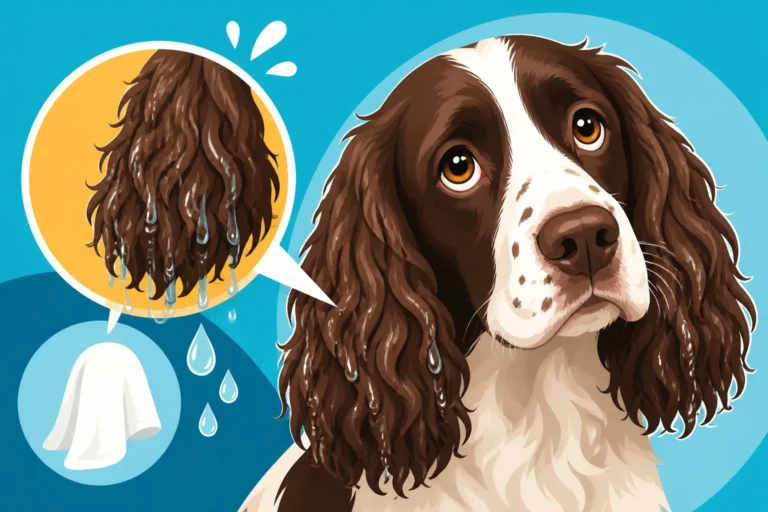
- Proper Drying: After bathing, ensuring your Springer's dense coat is completely dry is paramount. Lingering moisture, especially in the undercoat and under those long ears, creates a breeding ground for yeast and bacteria, which will only worsen oiliness and odor. Use absorbent towels and a forced-air pet dryer if possible. If your dog isn't keen on dryers, gradually introduce it with treats and positive reinforcement. Ensure the air isn't too hot, and focus on drying right down to the skin.
Dietary Adjustments and Supplements
As we discussed, diet plays a significant role in skin health. Adjusting your Springer's food and adding certain supplements can make a huge difference in managing oily skin.
- Novel Protein or Hydrolyzed Diets: If food sensitivities are suspected, an elimination diet is the gold standard. This typically involves feeding a veterinary-prescribed hydrolyzed protein diet or a novel protein diet (e.g., duck, venison, rabbit – proteins your dog has likely never encountered) for 8-12 weeks. During this time, absolutely no other treats, table scraps, or flavored medications are allowed. After the elimination period, individual ingredients are slowly reintroduced to identify the culprit. You can often find a wide array of specialized diets on platforms like Chewy, or explore fresh-food options such as Ollie, which can be customized. This is directly related to Running an Elimination Diet on a Springer Spaniel.
- Omega-3 Fatty Acids: Supplementing with high-quality omega-3 fatty acids, like those found in fish oil (EPA and DHA), can be incredibly beneficial for skin health. These powerful anti-inflammatory compounds can help reduce skin irritation, strengthen the skin barrier, and regulate sebum production. Always choose a reputable brand and consult your vet for the correct dosage based on your dog's weight and condition. You can often find these supplements on Amazon or Chewy.
- Probiotics: A healthy gut often translates to healthy skin. Introducing a good canine-specific probiotic can help balance the gut microbiome, which in turn can reduce systemic inflammation and support overall immune function, indirectly benefiting skin health.
Environmental Management
Reducing exposure to environmental allergens and maintaining a clean living space can go a long way in managing your Springer Spaniel's oily skin, especially if allergies are a contributing factor.
- Minimize Allergen Exposure: If pollen is a trigger, try to walk your dog in the early morning or late evening when pollen counts are lower. Wipe your dog down with a damp cloth or pet wipe after outdoor excursions to remove pollen and other irritants from their coat and paws. Regular vacuuming, dusting, and washing bedding in hot water can help reduce dust mites and dander in the home. Using HEPA air filters can also improve indoor air quality.
- Control Humidity: Both excessively dry and excessively humid environments can impact skin health. In dry climates, a humidifier might help prevent skin from becoming too dry and overproducing oil. In humid climates, a dehumidifier can help prevent the proliferation of yeast and bacteria that thrive in moisture.
- Regular Cleaning of Bedding and Toys: Your Springer’s bed, blankets, and fabric toys can harbor allergens, dirt, and oils. Wash them frequently to keep them clean and reduce the build-up of irritants.
| Potential Cause | Common Symptoms | Management Strategies |
|---|---|---|
| Environmental Allergies | Itchiness (paws, ears, belly), redness, inflammation, seasonal flare-ups | Wiping down, frequent bathing, allergen reduction, vet-prescribed meds |
| Food Sensitivities | Non-seasonal itchiness, gastrointestinal upset, chronic ear infections | Elimination diet, novel protein foods (e.g., Ollie), vet guidance |
| Bacterial/Yeast Inf. | Strong "corn chip" or foul odor, redness, scaling, hair loss, intense itch | Medicated shampoos, topical treatments, oral antibiotics/antifungals |
| Hormonal Imbalances | Lethargy, weight changes, hair loss, dull coat, skin thickening | Veterinary diagnosis (blood tests), specific hormone therapy |
| Poor Grooming | Matted coat, debris, trapped moisture, overall greasiness | Regular brushing, appropriate bathing, thorough drying |
When to Seek Veterinary Help
While many cases of oily skin can be managed with diligent home care, it's crucial to know when to bring in the professionals. Your veterinarian is your best partner in diagnosing and treating persistent or worsening skin issues. Don't hesitate to reach out if you're unsure or if your efforts at home aren't yielding results.
Recognizing Serious Symptoms
Sometimes, oily skin is just the tip of a much larger iceberg. If you notice any of these signs alongside the greasiness, it's definitely time to schedule a vet visit:
- Persistent Odor: If that greasy, yeasty, or foul smell doesn't improve with regular bathing or seems to get worse.
- Excessive Itching, Licking, or Chewing: If your Springer is constantly scratching, licking their paws raw, or chewing at their skin, causing redness, scabs, or hot spots.
- Hair Loss or Thinning Coat: Patches of hair loss, a generally thinning coat, or changes in coat texture can indicate an underlying medical problem.
- Skin Changes: Redness, inflammation, scaling, crusting, pustules, or any open sores on the skin.
- Behavioral Changes: Lethargy, decreased appetite, or any other noticeable changes in your dog's usual demeanor, which could hint at a systemic issue.
- Ear Problems: Frequent ear infections, head shaking, or discharge from the ears often go hand-in-hand with generalized skin issues in Springers.
- Lack of Improvement: If you've been diligently following grooming and dietary suggestions for a few weeks and see no improvement, or if the condition seems to be worsening.
Ignoring these symptoms can lead to more severe discomfort for your dog, more entrenched infections, and potentially more complicated and expensive treatments down the line.
Diagnostic Tests and Treatments
When you bring your Springer to the vet for oily skin, they'll start with a thorough physical examination and discuss your dog's history, diet, and lifestyle. Based on their findings, they might recommend several diagnostic tests to pinpoint the exact cause:
- Skin Cytology: This simple test involves taking a swab or impression of the affected skin to look for yeast, bacteria, or inflammatory cells under a microscope. It's often the first step in identifying secondary infections.
- Skin Scrapes: If parasites like mites are suspected, a skin scrape might be performed to collect samples for microscopic examination.
- Fungal Culture: To rule out ringworm, a fungal culture might be necessary.
- Blood Work: Complete blood count (CBC) and biochemistry panels can help assess overall health, organ function, and rule out systemic illnesses like hypothyroidism. Thyroid panels are particularly important if hormonal issues are suspected, which ties back to Signs a Springer Spaniel's Thyroid Has Failed.
- Allergy Testing: If environmental allergies are suspected, your vet might recommend intradermal skin testing (done by a veterinary dermatologist) or blood tests to identify specific allergens.
- Elimination Diet: As mentioned earlier, a strict elimination diet is often prescribed to diagnose food sensitivities.
Once a diagnosis is made, your vet will tailor a treatment plan. This might include:
- Medicated Shampoos and Topicals: Specific shampoos, mousses, or wipes containing antifungal, antibacterial, or degreasing ingredients.
- Oral Medications: Antibiotics for bacterial infections, antifungals for yeast infections, or anti-inflammatory drugs to control itching and inflammation. For severe allergies, medications like Apoquel or Cytopoint might be prescribed to manage the itch cycle, as discussed in Apoquel for a Springer Spaniel's Itch.
- Hormone Replacement: For conditions like hypothyroidism, daily oral medication to replace the missing hormone.
- Dietary Management: Prescription diets for allergies or specific nutritional needs.
- Referral to a Dermatologist: For complex or stubborn cases, your vet might recommend a referral to a board-certified veterinary dermatologist. This specialist has advanced training and equipment to handle intricate skin conditions, and it's important to understand What a Dermatology Referral Costs a Springer Spaniel Owner if this becomes necessary.
Remember, patience and consistent communication with your vet are key. Treating oily skin and its underlying causes can sometimes be a marathon, not a sprint, but with the right approach, your Springer Spaniel can find relief and get back to being their happy, healthy, and less greasy self!
Disclaimer
This article is for general informational purposes only and does not constitute professional advice. Laws, prices and regulations vary by location and change over time. Consult a qualified professional for guidance on your specific situation.