Whether a Springer Spaniel Mats Behind the Ears
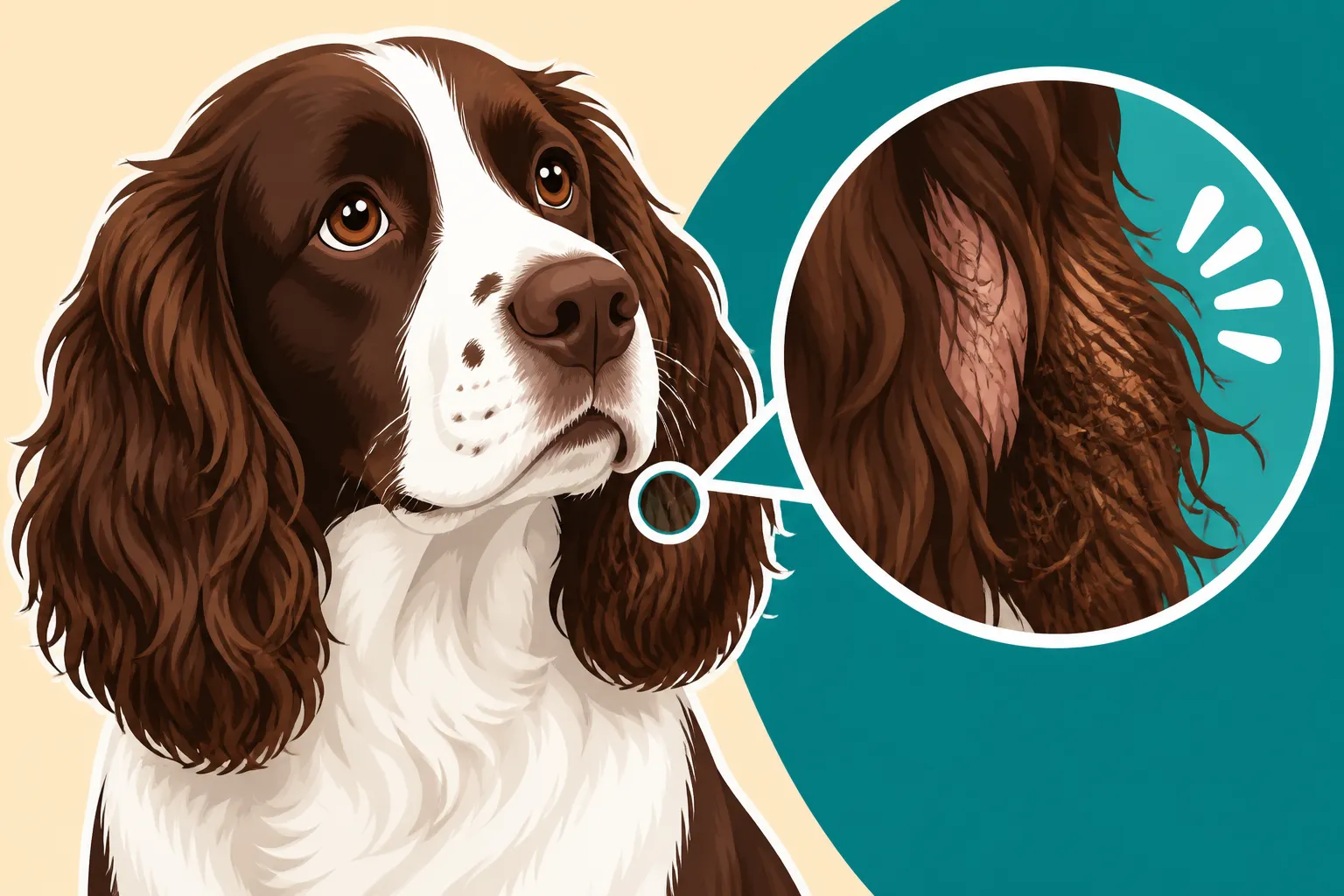
If you're a Springer Spaniel owner, you know the frustration: you think you've given your beloved companion a good brush-out, only to run your fingers behind their ears a day later and hit a solid, felted lump. This insidious matting behind the ears is a common battle for us Springer parents, often forming quickly and stubbornly in what seems like the blink of an eye. This guide will delve deep into why this particular spot is such a magnet for tangles, how to prevent those knots from forming, and what to do when they inevitably appear.
The Anatomy of a Matting Trap: Why Behind the Ears?
The area behind a Springer Spaniel's ears is, unfortunately, one of the most susceptible spots for matting, and it's not just bad luck. It's a combination of their unique coat characteristics, the ear's structure, and their everyday movements that creates a perfect storm for knots to form. Understanding these factors is the first step in combating the problem.
First, let's talk about the coat itself. Springer Spaniels boast a beautiful, medium-length double coat. This means they have a soft, dense undercoat for insulation and a coarser, water-repellent outer coat. While this dual-layer system is fantastic for keeping them warm and dry in the field, it's also a prime recipe for tangles. The finer undercoat is particularly prone to clinging to itself and to shed hair, while the longer guard hairs can easily wrap around these clumps, forming a tight, dense mat. Think of it like a natural felt factory, especially when moisture or friction is added to the mix.
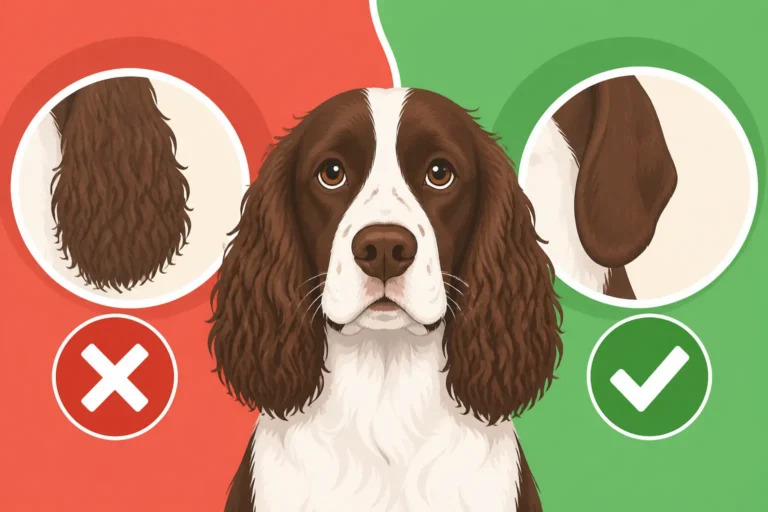
Then there's the ear leather itself. Springer Spaniels have those gorgeous, long, pendulous ears that are often covered in soft, flowing feathering. While undeniably charming, these ears are constantly moving – flapping during walks, shaking off water, or simply shifting as your dog listens to the enticing rustle of leaves or the distant sound of a treat bag. This constant movement creates friction against the hair on the neck and behind the ear base, causing individual hairs to rub together, tangle, and knot. When your Springer shakes their head vigorously, that action alone can spin loose hairs into a tight knot faster than you'd believe. It's not just the feathering on the ears that's the issue; it's the hair on the body behind the ear that mats, often involving the longer hairs that meet at that junction.
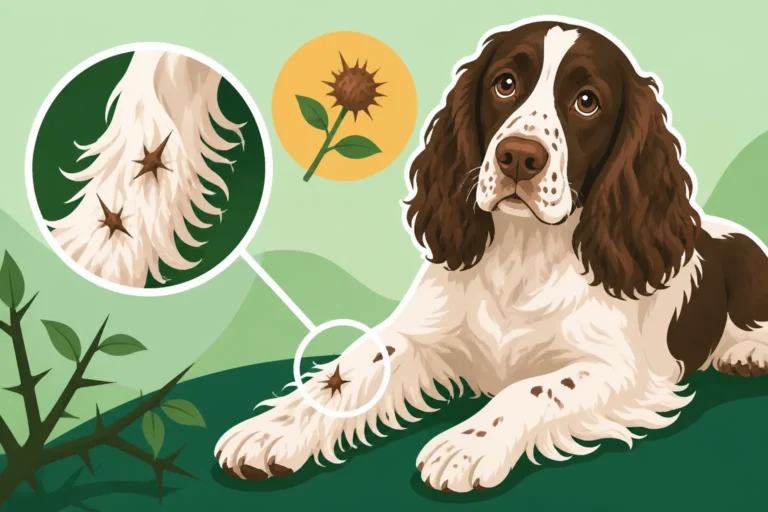
Consider a typical scenario: your Springer, full of youthful exuberance, dashes through tall grass, rolls in a pile of leaves, or even just wrestles playfully with another dog. All of these activities introduce foreign debris into the coat, which then gets trapped. Bits of leaves, burrs, tiny twigs, or even just dust can become anchors around which hairs twist and bind. If that hair is already a little oily or damp – perhaps from a quick dip in a pond or even just slobber from a chew toy – the matting process accelerates significantly. The long feathering around the ears, being right at the dog's head level, is often the first to pick up these unwanted hitchhikers, which then work their way to the dense, prone-to-matting area behind the ear. Whether a Springer Spaniel's Feathering Mats is a related concern, but the area right behind the ear is a unique challenge due to the head movement.
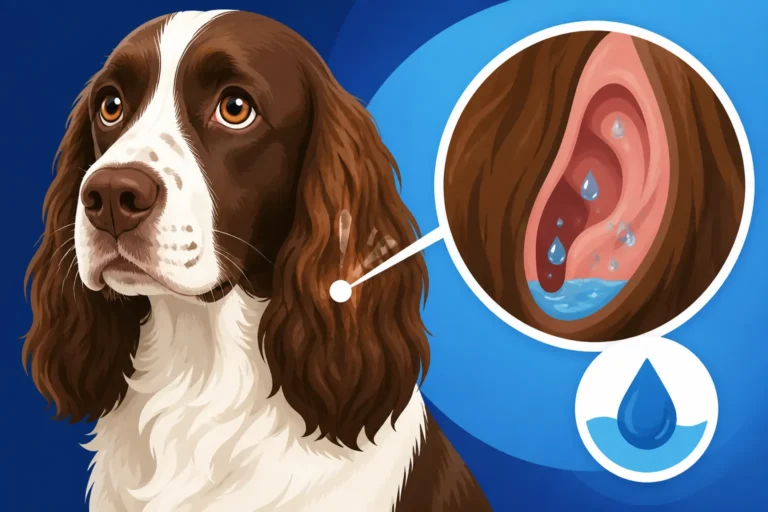
Another contributing factor is moisture. Springer Spaniels love water – it’s in their nature! But water, particularly when not thoroughly dried, is a mat's best friend. When the coat gets wet, the hairs clump together. As the water evaporates, the hairs can dry in this clumped state, effectively setting the mat. If your Springer comes in from a swim and shakes off, those ear hairs, now wet and tangled, are then pressed against the neck. As they air-dry, often without proper brushing, they can form tight mats that are incredibly difficult to remove. This is why paying special attention to Drying a Springer Spaniel's Ears After Swimming is so crucial. Even humidity in the air can contribute to the undercoat clumping and beginning the matting process in this vulnerable spot.
Finally, the lack of regular, thorough brushing often seals the deal. Because the area behind the ears isn't always immediately visible, it can be easily overlooked during a quick brush-out session. You might be focused on the top of the head, the back, or the glorious tail feathering, forgetting to lift those ears and get right into the dense hair at the base. Shedding hair, which would normally fall out, instead gets trapped within the existing coat, acting as a binding agent that transforms small tangles into impenetrable mats. It's a classic case of out of sight, out of mind, until it becomes a painful problem for your dog.
Your Daily Defense: Preventing Mats Before They Start
When it comes to the relentless battle against ear mats on your Springer Spaniel, prevention truly is worth a pound of cure – or, in this case, a whole lot less stress for both you and your dog. Establishing a consistent and effective grooming routine is paramount, focusing specifically on those notorious matting hot spots.
The cornerstone of mat prevention is daily brushing, especially in high-friction areas like behind the ears. I know, "daily" sounds like a chore, but even five to ten minutes focused on key areas can make a world of difference. For a Springer, this isn't just a cosmetic exercise; it's vital for their comfort and skin health. Start by making it a positive experience – lots of praise, gentle strokes, and perhaps even a high-value treat. Lift your dog's ear gently and use a slicker brush, followed by a metal comb, to work through the hair at the base of the ear and down the neck. The slicker brush helps remove loose undercoat and surface tangles, but it's the comb that will truly tell you if you've gotten all the way to the skin. If the comb glides through, you're doing great! If it snags, you need to go back with your slicker brush and work those smaller tangles out. Brushing (How Often a Field Springer Spaniel Needs Brushing) is definitely more frequent for areas like this.
Choosing the right tools is also critical. A good quality slicker brush, a wide-toothed metal comb, and a finer-toothed comb are indispensable. Many owners find a detangling spray to be an absolute game-changer. These sprays lubricate the hair, making it easier for brushes and combs to glide through without causing discomfort or breaking the hair, which can actually lead to more tangles. Brands like Furminator or Cowboy Magic offer popular detangling solutions you can easily find on sites like Chewy or Amazon. Apply a light mist before you start brushing, focusing on the area behind the ears. This helps immensely in loosening any budding tangles and making the brushing process smoother for your dog. Consider investing in quality tools, as cheap brushes can be ineffective or even scratch your dog's skin. You can often find a good selection of Which Brush Suits a Springer Spaniel by researching online.
Beyond daily brushing, consider proactive measures for specific situations. If your Springer is a water dog, as many are, thorough drying after swims is a non-negotiable step. Don't just let them air dry; gently towel-dry the feathering and the hair behind the ears, then use a low-heat hairdryer if your dog tolerates it. This ensures the coat dries straight and minimizes clumping. For some dedicated water dogs, a thin snood or ear wrap worn after swimming can help keep wet hair contained until it can be properly dried and brushed. Even a simple bandana tied loosely can sometimes offer a little protection. You might also want to look into Whether a Springer Spaniel Should Wear a Snood While Eating to prevent food and water from matting ear feathering.
For Springers who love to explore dense cover or rough terrain, a protective vest or even trimming some of the longer feathering in those prone areas can significantly reduce the amount of debris that gets tangled in their coat. While we love the classic Springer look, sometimes practicality has to win, especially if your dog spends a lot of time in the field. Talk to a professional groomer about a practical trim that still maintains the breed's aesthetic but cuts down on mats. Regular bathing, with a good quality shampoo and conditioner, also helps keep the coat clean and manageable, reducing the likelihood of mats forming around dirt and oils.
| Grooming Tool | Primary Use | Tips for Behind the Ears |
|---|---|---|
| Slicker Brush | Removing loose undercoat, light tangles | Use short, gentle strokes, lifting the ear. Work small sections at a time. |
| Metal Comb | Detecting and working out small mats, finishing | Always follow the slicker. Ensure it glides smoothly to the skin. Fine-toothed for details. |
| Detangling Spray | Lubricating hair, preventing breakage | Mist lightly over the area before brushing. Helps knots loosen. |
| Blunt-Tipped Scissors | Carefully cutting small, flat mats (last resort) | ONLY for small, flat mats on the surface. Point blades away from skin. Extreme caution. |
| Thinning Shears | Reducing bulk in dense areas | Can be used by experienced owners/groomers to thin the undercoat in mat-prone spots. |
| Clippers (Small blade) | Shaving out severe mats | For heavily matted areas. Best left to a professional to avoid razor burn or injury. |
Investing in specific products can also help. Some dog owners swear by leave-in conditioners or coat conditioning sprays that are formulated to keep hair smooth and reduce friction. These are widely available, including from online retailers like Chewy and Amazon. While not a magic bullet, they can provide an extra layer of protection, especially for dogs with particularly dense or fine undercoats that seem to tangle at the mere thought of it. Remember, consistency is key. A little effort every day goes a long way in keeping your Springer Spaniel comfortable and mat-free.
When Mats Happen: Gentle Removal and Professional Help
Despite our best efforts, sometimes mats still sneak in. A quick roll in a particularly sticky patch of burrs, an overlooked spot during a busy week, or just the sheer density of a Springer's coat can lead to those dreaded felted clumps behind the ears. When you find one, your first instinct might be to pull or cut, but patience and the right technique are essential to avoid causing pain or injury to your dog.
First, assess the mat. Is it small and relatively loose, or is it a tight, dense clump pressed close to the skin? For small, surface-level tangles, you might be able to work them out yourself. Gather your tools: a detangling spray (essential!), a slicker brush, a metal comb, and perhaps some blunt-tipped scissors or thinning shears. Start by liberally spraying the mat with detangling solution. Really saturate it. Let it sit for a minute or two to penetrate the hair. This is where a good quality detangler, easily found on Chewy or Amazon, makes a huge difference.
Once the spray has had a moment to work, use your fingers to try and gently pull the mat apart into smaller sections. Don't pull on the skin; hold the hair at the base of the mat close to the skin with one hand to minimize tugging and discomfort. With the other hand, use the very tips of your slicker brush or the wide teeth of your comb to gently pick at the outer edges of the mat. Work slowly, one strand at a time, moving from the ends of the hair towards the skin. It’s like trying to untangle a stubbornly knotted shoelace – slow, steady, and careful. If you encounter significant resistance, add more detangler. This process can be tedious, but it's crucial for preserving your dog's coat and comfort.
For slightly larger or more stubborn mats, you might consider using a mat splitter tool or thinning shears. A mat splitter has a guarded blade designed to slice through the mat without cutting the dog's skin. Thinning shears can be used to carefully cut into the mat, parallel to the body, creating small channels that allow you to then comb it out in smaller pieces. However, these tools require extreme caution. The skin of a dog, especially behind the ears, is delicate and can be easily nicked or cut. If you're not confident in your ability to use these tools safely, it's always better to err on the side of caution.
When is it time to call in the professionals? Honestly, if a mat is tight, large, or close to the skin, don't hesitate to contact a professional groomer or your veterinarian. A matted area can pull on the skin, causing pain, irritation, and even skin infections. Sometimes, attempting to remove a severe mat at home can be more traumatic for the dog and result in injury. Groomers have specialized tools, techniques, and experience in safely removing even the most stubborn mats, often with less stress and pain for your dog. They can use clippers with a very short blade to carefully shave under the mat, getting it off cleanly and safely. What a Matted Springer Spaniel Has to Be Shaved can delve into this further.
It's important to understand that if a mat is very severe, shaving might be the only humane option. While we all love the look of a flowing Springer coat, a dog's comfort and health must come first. A professional groomer will assess the situation and recommend the best course of action. They can also provide valuable advice on preventing future mats, demonstrate proper brushing techniques, and suggest products tailored to your dog's specific coat type. Don't be embarrassed if your dog needs to be shaved; it happens to the best of us, and a fresh start can be a huge relief for your Springer. Regular appointments, even just for mat check-ups or preventative thinning, can save you a lot of headache in the long run.
Disclaimer
This article is for general informational purposes only and does not constitute professional advice. Laws, prices and regulations vary by location and change over time. Consult a qualified professional for guidance on your specific situation.