Whether Shaving a Springer Spaniel Ruins the Coat
Many Springer Spaniel owners have found themselves staring at their beautiful dog, perhaps after a particularly muddy romp or a frustrating struggle with mats, and seriously contemplating just buzzing it all off. It's a natural thought when you're faced with a coat that seems determined to collect every burr, shed profusely, or just feel overwhelmingly thick in the summer heat. This guide is going to dive deep into whether shaving your beloved Springer Spaniel's coat truly "ruins" it, and what alternatives you have to keep them comfortable and looking their best.
The Temptation to Shave a Springer Spaniel's Coat
Let's be honest, the thought of a quick, clean shave is incredibly appealing sometimes, especially for those of us navigating the challenges of a Springer Spaniel's magnificent, yet demanding, double coat. You're not alone in feeling this way; it's a common struggle for many owners.
Dealing with Matting and Tangles
One of the biggest drivers behind the "should I shave?" question is often a severely matted coat. You know the drill: your Springer has romped through a field, swam in a pond, or just enjoyed a particularly enthusiastic scratching session, and suddenly, what was once flowing feathering is a solid, felted mass. It happens so quickly, especially in areas like behind the ears, under the legs, and on the belly. Trying to painstakingly de-mat these sections can be a battle of wills, causing discomfort for your dog and immense frustration for you. At a certain point, when the mats are too tight or too widespread, shaving seems like the only humane option to relieve the dog and start fresh. It’s not a choice made lightly, but out of necessity and a desire for your dog's comfort.
Misconceptions About Cooling a Dog
Another powerful motivator for shaving comes from a well-intentioned, but often misguided, belief: that shaving helps your Springer Spaniel stay cooler in the summer. We see our dogs panting in the heat, maybe struggling a bit on walks, and our human instinct is to lighten their load, thinking less fur means less heat. It makes logical sense to us. However, a dog's coat, especially a double coat like a Springer's, isn't just a sweater; it's a complex thermal regulator. Removing it completely can actually do more harm than good when it comes to temperature control, as we'll explore further. This is a crucial point because we're all just trying to do what's best for our furry family members, and sometimes our intuition about their coats can lead us astray.
The Allure of a "Low-Maintenance" Cut
Then there's the undeniable appeal of convenience. Imagine a world where burrs don't stick, mud rinses off effortlessly, and daily brushing isn't a mandatory chore. For busy families, active individuals, or even those just overwhelmed by the sheer volume of Springer Spaniel hair around the house, a short, shaven coat promises a significant reduction in grooming time and effort. How Much a Springer Spaniel Sheds Into a House is a common concern, and shaving might seem like a permanent solution to managing shedding, although it often isn't the case. The idea of skipping professional grooming appointments or lengthy home sessions, particularly if your Springer isn't a fan of being brushed, can be very tempting. It’s about seeking simplicity in a breed that, while wonderful, definitely demands attention to its coat.
What Actually Happens When You Shave a Springer Spaniel
While the impulse to shave might stem from good intentions or sheer exasperation, understanding the unique structure of a Springer Spaniel's coat reveals why it's generally not recommended. It's not just about aesthetics; it's about the very function of their fur.
The Double Coat Dilemma
A Springer Spaniel, whether it's a field-bred marvel or a show-ring stunner, possesses a double coat. This isn't just two layers of hair; it's a sophisticated system designed for protection and temperature regulation. You have the soft, dense undercoat, which acts as insulation, trapping air to keep them warm in winter and cool in summer. Then there are the coarser, longer guard hairs, which lie over the undercoat. These guard hairs are waterproof, dirt-resistant, and protect against UV rays, thorns, and insect bites.
When you shave a double-coated breed like a Springer Spaniel, you often cut through both layers indiscriminately. The guard hairs are removed, but the undercoat, which grows faster and is denser, tends to take over. This disrupts the natural growth cycle and balance, fundamentally changing how the coat functions. It's like removing the perfectly designed roofing and insulation of a house and replacing it with just a dense, fluffy blanket – it might feel soft, but it won't protect in the same way.
Impact on Coat Health and Texture
This disruption leads to several significant issues. Firstly, the texture of the coat can change dramatically. The soft, fluffy undercoat, no longer held in check by the coarser guard hairs, might grow back thicker and softer than before, sometimes feeling almost cotton-like. This new texture is often more prone to matting and tangling, creating the very problem you were trying to solve in the first place! It can become a vicious cycle where the coat grows back poorly, leading to more shaving, and further damage. Whether a Springer Spaniel's Coat Grows Back After a Shave is a question many owners ponder, and while it does grow back, it may not be the same.
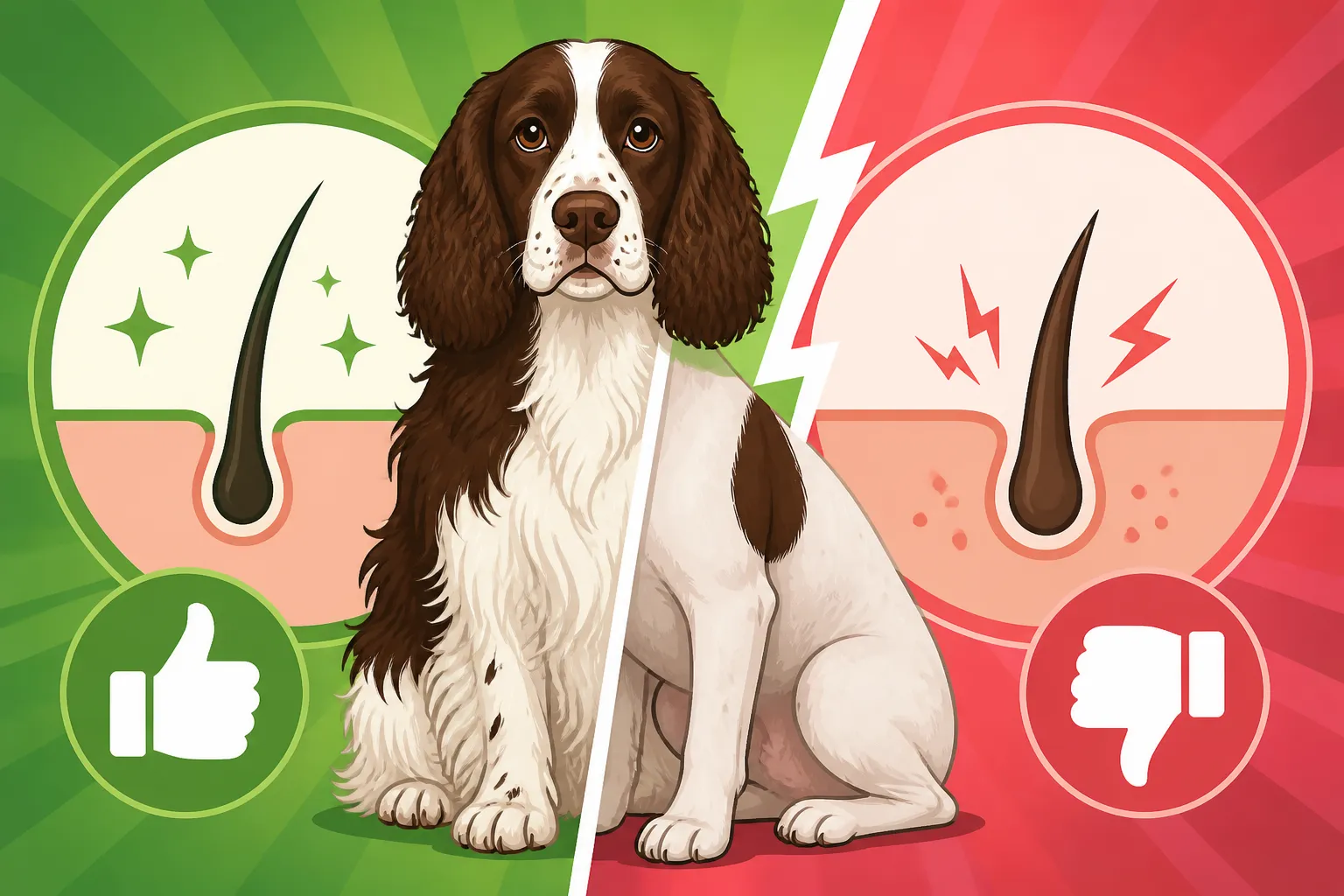
Secondly, the coat can lose its natural luster and vibrant color. The guard hairs are responsible for much of the coat's shine and depth of color. Without them, the duller undercoat can give your Springer a faded, less defined appearance. Moreover, the regrowth can be patchy or uneven, with some areas growing faster or thicker than others, leading to an inconsistent look that can be quite noticeable and difficult to rectify. It's a long road back, if a full recovery is even possible, to the original coat health and appearance.
Compromising Natural Protection
Beyond aesthetics, shaving compromises your Springer's natural defenses. That thick, beautiful coat isn't just for show; it's vital for their well-being in various environments.
- Temperature Regulation: We touched on this earlier. The double coat insulates both ways. In summer, it traps a layer of cool air next to the skin, protecting them from direct sunlight and heat. Without this, their skin is directly exposed, making them more susceptible to sunburn and overheating. In winter, the insulation is, of course, critical for warmth. Stripping this away leaves them vulnerable to both extremes.
- Sunburn Risk: Just like us, dogs can get sunburned, especially if their skin isn't accustomed to direct sun exposure. Shaving removes their natural UV protection, increasing their risk of uncomfortable, and potentially dangerous, sunburn, particularly on lighter-pigmented skin.
- Environmental Protection: That outer layer of guard hairs provides a physical barrier against burrs, thorns, insect bites, and minor scrapes. The Feathering a Show Springer Spaniel Drags Through Everything might be a pain to clean, but it also protects. Shaving leaves their skin exposed and more susceptible to these irritants, potentially leading to skin infections or discomfort. Imagine walking through tall grass with no pants on – that's a bit what it's like for a shaved Springer.
Alternatives to Shaving: Proper Coat Care for Springers
So, if shaving isn't the answer, what can you do to manage that glorious, yet often challenging, Springer Spaniel coat? The key lies in understanding and implementing consistent, appropriate grooming practices. It's truly a partnership between you and your dog, and sometimes a professional groomer.
Regular Brushing and Dematting
This is the cornerstone of good Springer Spaniel coat care. Consistent brushing prevents mats from forming in the first place and removes loose undercoat, which is often the biggest culprit for shedding and heat retention. Aim for at least 2-3 times a week, and ideally daily during heavy shedding seasons or if your dog is particularly active in brushy areas.
- Tools Matter: You'll want a good pin brush to work through the longer feathering and a slicker brush for removing loose undercoat. A metal comb with both wide and fine teeth is essential for checking for mats, especially behind the ears, armpits, and groin. For really dense undercoats, an undercoat rake can be a game-changer. Which Brush Suits a Springer Spaniel will depend on the coat type and condition.
- Technique is Key: Always brush in layers, getting right down to the skin. Start with a pin brush, then follow with a slicker, and finally comb through to ensure no tangles remain. If you encounter a small mat, gently work it out with your fingers and the comb, or use a mat splitter if necessary, being very careful not to pull on the skin. Never try to brush through a large, tight mat as it will cause pain and discomfort. If a mat is too severe, a professional groomer can often shave just that mat out, rather than the entire dog. Whether a Matted Springer Spaniel Has to Be Be Shaved is a good question to discuss with your groomer.
Strategic Trimming for Function and Comfort
This is where professional grooming really shines, or where a savvy owner can learn specific techniques. Trimming is not shaving the entire dog. Instead, it involves shortening specific areas of the coat to improve hygiene, reduce matting potential, and maintain a tidy appearance, all while preserving the integrity of the double coat.
- Feathering: The long feathering on the legs, belly, and tail are prime candidates for trimming. Shortening these areas can drastically reduce the amount of mud, burrs, and debris they pick up. Trimming a Springer Spaniel's Feathering can make a huge difference in daily maintenance.
- Ears: Springer Spaniel ears are notoriously prone to matting and infections. Keeping the hair shorter around the ear canal and on the underside of the ear leather can improve air circulation and prevent moisture buildup.
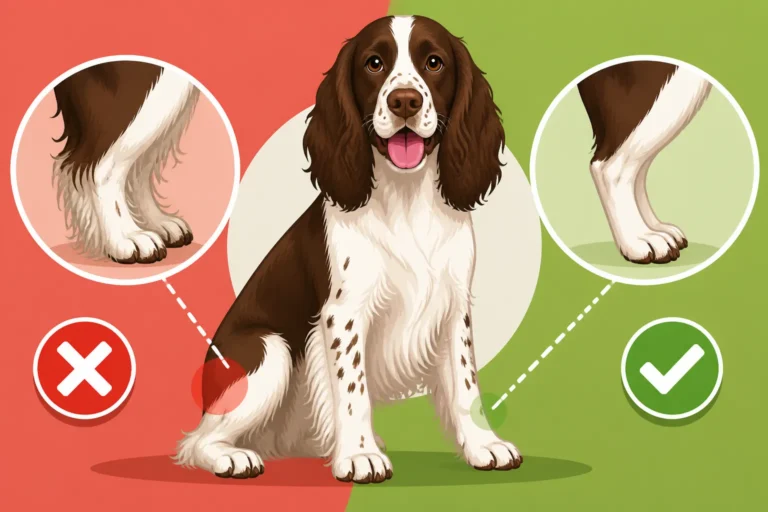
- Feet: Trimming the hair between the paw pads and around the feet prevents dirt and debris from accumulating, reducing the risk of discomfort or infections. This also helps with traction.
- Hygiene Clips: A "sanitary clip" around the rear end can prevent fecal matter from sticking to the fur, making cleanup much easier.
- Professional Expertise: A professional groomer understands the Springer Spaniel coat and can perform these strategic trims while maintaining the breed's natural lines and coat health. How Often a Show Springer Spaniel Needs Trimming gives an idea of frequency. They can also use thinning shears to reduce bulk in dense areas without cutting the guard hairs completely short.
Managing Heat and Allergies Without a Shave
Instead of shaving, focus on proactive measures to keep your Springer comfortable, especially in warm weather or if they suffer from skin issues.
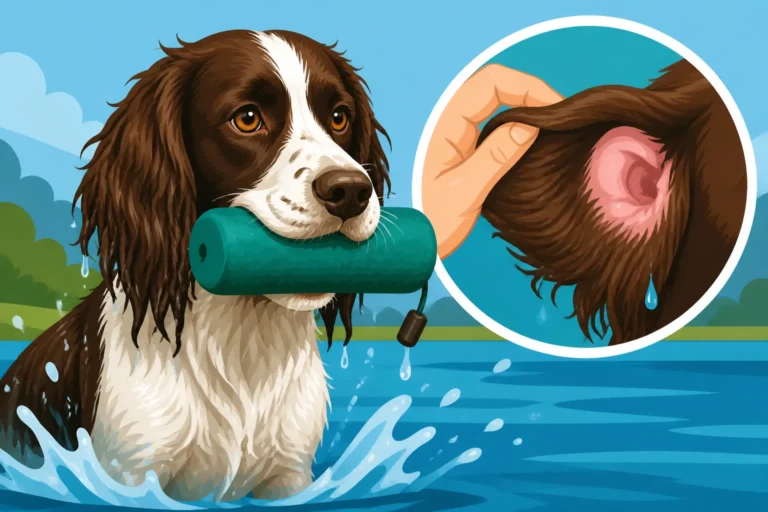
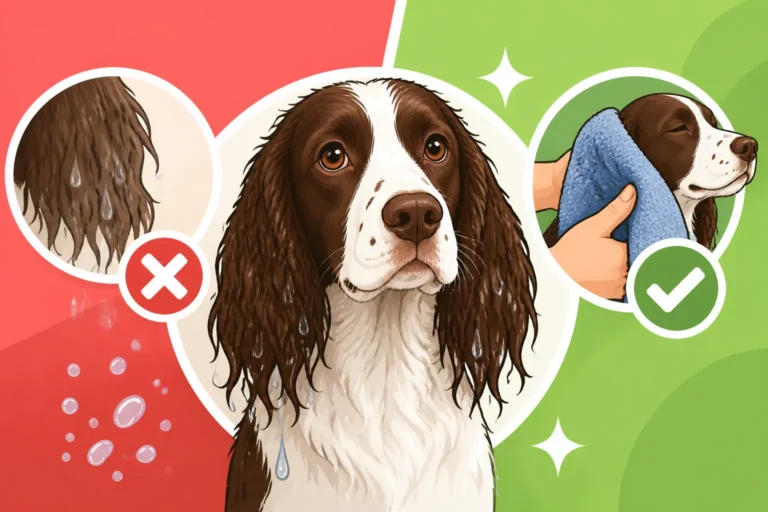
- Cooling Strategies: Provide plenty of fresh water, offer shaded rest areas, and schedule walks during cooler parts of the day. Cooling vests, elevated dog beds, and even a kiddie pool can provide relief. Regular swimming can be wonderful exercise, but remember to dry their ears thoroughly afterwards! Whether a Springer Spaniel Needs a Drying Solution After Water is a definite yes.
- Regular Bathing: Bathing helps remove dirt, allergens, and loose hair, which can improve skin health and overall comfort. Use a good quality dog shampoo that is appropriate for their skin type. Follow with a conditioner to help with detangling.
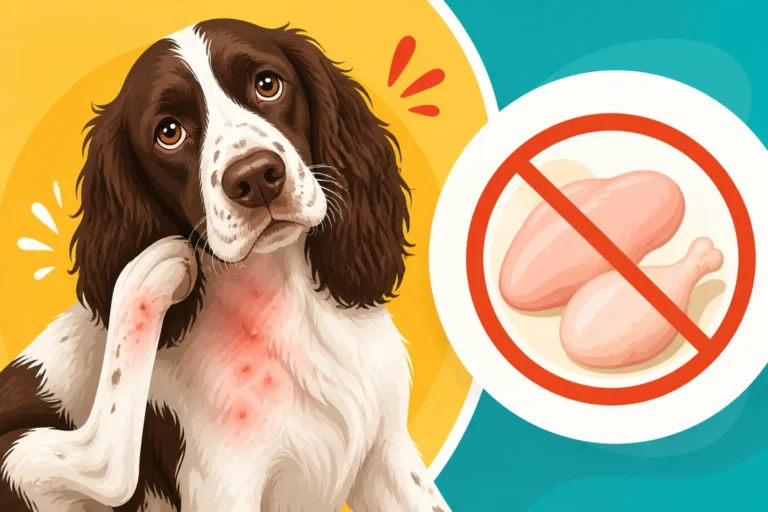
- Allergy Management: If your Springer is scratching excessively or develops skin irritations, don't assume shaving will help. It might even exacerbate the problem by exposing sensitive skin. Instead, consult your veterinarian to identify and manage potential allergies or skin conditions. Whether a Springer Spaniel Gets Skin Allergies is quite common, and addressing the root cause is far more effective than just removing the hair. Diet changes, supplements, or prescribed medications might be necessary. Brands like Ollie for fresh food or Chewy and Amazon for specialized shampoos and supplements can offer solutions, but always consult your vet first.
- Preventive Measures: Use appropriate flea and tick prevention, and always check your dog thoroughly after outdoor adventures for burrs, ticks, or thorns.
Long-Term Implications and Breeder Perspectives
The decision to shave a Springer Spaniel's coat has repercussions that can extend far beyond a single season, and it's a topic that often sparks passionate discussion among breed enthusiasts and ethical breeders.
Irreversible Changes and Regret
While a Springer Spaniel's hair will grow back, as mentioned before, the quality and texture of that regrowth are often compromised. Many owners who have shaved their Springers out of exasperation or misunderstanding later report a coat that is thicker, softer, duller, and far more prone to matting than before. This phenomenon is often referred to as "clipper alopecia" or "coat change." The beautiful, silky, weather-resistant coat you once cherished might never return to its original glory. The guard hairs, which have a longer growth cycle, can be permanently stunted or altered, allowing the undercoat to dominate. This can lead to a coarse, cottony texture that actually traps heat and moisture, negating the very purpose of the initial shave.
Imagine investing years in your dog's health and appearance, only to find that a decision made in haste or based on misinformation leads to a permanent alteration of their defining characteristic. This can lead to a great deal of owner regret, wishing they had explored alternatives or sought professional advice sooner. It's a testament to how crucial proper coat care is for this breed.
The Breeder's View on Shaving
Ethical Springer Spaniel breeders, whether they focus on field or show lines, almost universally advise against shaving the entire coat. Their concerns stem from a deep understanding of the breed standard, coat genetics, and the functional purpose of the double coat.
- Breed Standard: For show breeders, maintaining the correct coat type is paramount. The breed standard describes a medium-length double coat that provides protection. Shaving directly contradicts this, and a dog with a shaved coat would be completely out of contention in the show ring. Success in the ring often depends on perfect presentation.
- Health and Function: Field breeders also value the coat for its protective qualities. A proper coat shields a working Springer from harsh weather, dense cover, and injuries while hunting. A damaged coat means a less effective and more vulnerable working dog. Two Coats, Two Routines: Field and Show Springer Spaniel Grooming highlights the differences in coat management but underscores the importance of both.
- Education and Prevention: Breeders often emphasize the importance of early and consistent grooming education for new puppy owners. They understand that coat care can be daunting, but believe that with the right tools and techniques, shaving can almost always be avoided, except in extreme medical necessity. They want their puppies to thrive throughout their lives, and that includes maintaining a healthy coat.
The consensus among those who truly understand the English Springer Spaniel is clear: while tempting, shaving the coat is rarely the best solution and can lead to significant, long-lasting issues. Investing time in proper grooming, seeking professional guidance, and understanding your dog's coat needs are far more beneficial in the long run.
| Aspect | Shaving (Full Body) | Proper Grooming (Trimming, Brushing) |
|---|---|---|
| Initial Appearance | Very short, often patchy, can look unfinished | Tidy, natural, highlights breed lines |
| Coat Texture Regrowth | Often becomes softer, thicker, cotton-like, prone to matting | Maintains natural texture, healthy guard hairs |
| Protection | Significantly reduced (sunburn, insects, debris, temperature) | Maintains natural insulation and protection |
| Matting Risk | Initially gone, but can increase long-term due to texture change | Minimized with regular care |
| Shedding | Appears reduced initially, but undercoat still sheds; can be worse upon regrowth | Managed by removing loose undercoat regularly |
| Skin Health | Increased risk of irritation, sunburn, hot spots | Promotes healthy skin and circulation |
| Maintenance Effort | Low initially, but higher long-term due to coat damage | Consistent, regular effort, but preventable issues |
| Breeder/Pro Recommendation | Generally discouraged (unless medical necessity) | Highly recommended and essential for breed care |
Disclaimer
This article is for general informational purposes only and does not constitute professional advice. Laws, prices and regulations vary by location and change over time. Consult a qualified professional for guidance on your specific situation.