Which Springer Spaniel Lines Carry Fucosidosis
It’s truly disheartening to think about bringing a beautiful English Springer Spaniel puppy into your home, only to later discover they’re suffering from a devastating inherited disease. For many prospective owners, the worry of genetic health conditions, especially one as serious as Fucosidosis, casts a shadow over the excitement of a new family member. This guide aims to shed light on which Springer Spaniel lines have historically carried Fucosidosis and, more importantly, how dedicated breeders and modern science have worked to almost eradicate this challenging disease, helping you make informed decisions about your future companion.
Understanding Fucosidosis in Springer Spaniels
Fucosidosis is a truly heartbreaking neurodegenerative lysosomal storage disease that specifically affects English Springer Spaniels. It’s a condition that strikes at the very core of a dog's health, progressively deteriorating their nervous system and ultimately leading to a severely diminished quality of life. The thought of a once-vibrant dog succumbing to such an illness is enough to make any owner feel helpless and frustrated, especially when it could have been prevented.
What Fucosidosis Does to a Springer Spaniel
When a Springer Spaniel is affected by Fucosidosis, it's like a slow, cruel unraveling of their bodily functions. The disease causes a deficiency in an enzyme called alpha-L-fucosidase, which is critical for breaking down certain complex sugars in the body's cells. Without this enzyme functioning correctly, these undigested sugars accumulate, primarily in the brain and other organs, leading to irreversible damage.
Initially, you might notice subtle changes. Your lively, intelligent Springer might start to seem a bit clumsy, perhaps struggling with coordination that was once second nature. This isn't just a minor issue; it's a sign of neurological decline. Over time, these symptoms worsen dramatically. Affected dogs often develop tremors, struggle with balance, and may even have difficulty walking or standing. Their behavior can change too, becoming disoriented or confused, which is particularly distressing for owners who cherish their dog's keen intelligence and loving nature. To understand the full scope of this illness, you might want to delve into What Fucosidosis Does to a Springer Spaniel.
The Age Fucosidosis Appears in a Springer Spaniel
One of the crueler aspects of Fucosidosis is its delayed onset. It’s not something that typically manifests in tiny puppies, which can make early detection without genetic testing incredibly difficult. Most affected Springer Spaniels begin to show signs of the disease between 18 months and four years of age, though some cases might appear slightly earlier or later.
This age range is particularly challenging because it's when dogs are usually in their prime—full of energy, well-trained, and deeply bonded with their families. Imagine the devastation of seeing your young, energetic Springer, who just months ago was chasing pheasants or retrieving toys with boundless enthusiasm, suddenly starting to falter. It highlights why understanding the genetic background is so crucial, long before any physical symptoms emerge. You can learn more about this timeline in The Age Fucosidosis Appears in a Springer Spaniel.
Why a Fucosidosis Springer Spaniel Behaves Strangely First
The early behavioral changes in a Fucosidosis-affected Springer Spaniel can be incredibly perplexing for owners, often mistaken for other issues entirely. Before the overt physical symptoms like ataxia (lack of coordination) become apparent, many dogs exhibit subtle alterations in their temperament or cognitive function. They might become unusually anxious, withdrawn, or even show periods of confusion.
It’s not uncommon for owners to initially attribute these changes to stress, boredom, or even misbehavior. A dog that suddenly forgets commands, seems disoriented in familiar surroundings, or displays uncharacteristic fear might be battling the early stages of this disease. This behavioral shift is a direct result of the accumulating toxic substances affecting their brain, altering their normal neurological processes. It's a stark reminder that sometimes, what appears to be a training issue or a "mood" is actually a symptom of a deeper, more serious underlying health problem. Delving into Why a Fucosidosis Springer Spaniel Behaves Strangely First can offer more insights into these distressing early indicators.
The Genetic Roots of Fucosidosis
Understanding Fucosidosis truly starts with grasping its genetic basis. This isn't a disease caused by environmental factors or poor diet; it's hardwired into a dog's DNA, passed down through generations. For breeders and owners alike, this means the key to prevention lies in careful selection and robust genetic screening.
Autosomal Recessive Inheritance Explained
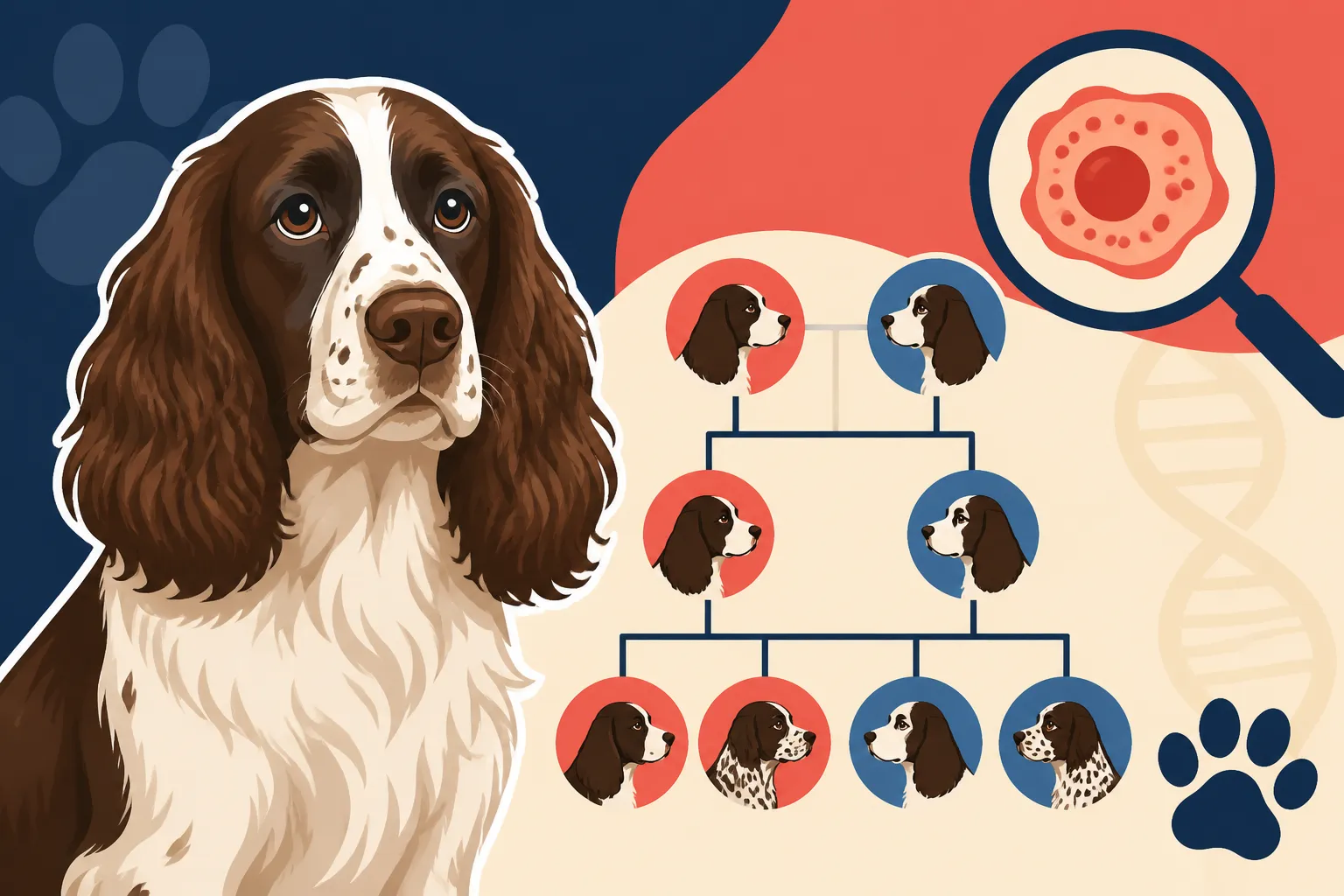
Fucosidosis is inherited in what's called an autosomal recessive pattern. This might sound like a mouthful of scientific jargon, but it's a relatively straightforward concept that's vital for any Springer Spaniel enthusiast to understand. In simple terms, for a dog to actually suffer from Fucosidosis, they must inherit two copies of the defective gene—one from each parent.
If a dog inherits only one copy of the defective gene and one normal copy, they won't develop the disease themselves. Instead, they become a "carrier." Carriers are completely healthy and show no signs of the illness, but they can still pass that single defective gene on to their offspring. This is why Fucosidosis can hide in lines for generations, suddenly reappearing when two unsuspecting carriers are bred together. It's a classic genetic lottery, but one we now have the tools to influence positively.
The Fuc-1 Gene Mutation
The specific culprit behind Fucosidosis in English Springer Spaniels is a mutation in the FUCA1 gene. Researchers identified this particular gene and the exact mutation responsible, which was a monumental breakthrough in controlling the disease. Before this discovery, breeders were essentially fumbling in the dark, trying to avoid affected puppies without knowing why some pairings produced sick dogs while others didn't.
The identification of the FUCA1 gene mutation meant that a precise DNA test could be developed. This transformed Fucosidosis from a mysterious and devastating condition that could suddenly emerge, to a manageable one that could be systematically screened for. It allowed breeders to definitively identify not just affected dogs, but also healthy carriers, thereby taking the guesswork out of breeding decisions. This is truly the foundation of modern, responsible Springer Spaniel breeding practices.
Whether Both Springer Spaniel Parents Must Be Carriers
Given the autosomal recessive nature of Fucosidosis, the answer is a resounding yes: for a Springer Spaniel puppy to be affected by Fucosidosis, both of its parents must be carriers or affected themselves. This is a critical point that sometimes gets misunderstood, leading to unnecessary worry or, conversely, a false sense of security.
Here’s how it breaks down:
- Clear x Clear: All puppies will be clear. No risk.
- Clear x Carrier: On average, 50% of puppies will be clear, and 50% will be carriers. None will be affected.
- Carrier x Carrier: This is where the risk lies. On average, 25% of puppies will be clear, 50% will be carriers, and 25% will be affected.
- Affected x Clear: All puppies will be carriers. None affected.
- Affected x Carrier: On average, 50% will be affected, 50% will be carriers.
- Affected x Affected: All puppies will be affected.
This genetic math clearly illustrates why testing both parents is non-negotiable for responsible breeding. If you're considering a puppy, asking about the Fucosidosis status of both parents is absolutely essential. You can learn more about this specific inheritance pattern in Whether Both Springer Spaniel Parents Must Be Carriers.
Identifying Carrier Lines and Geographical Spread
For a long time, Fucosidosis was a whispered fear among Springer Spaniel owners and breeders. Without the genetic test, identifying carrier lines was a heartbreaking process of elimination, often only discovered after affected puppies were born. Thankfully, we've come a long way, but understanding the historical context and how carrier lines were identified is crucial for appreciating current progress.
Historical Hotbeds: Which Geographical Regions or Types Were Historically More Affected
Fucosidosis was first definitively identified as a significant genetic issue in English Springer Spaniels predominantly in Great Britain and Australia during the 1970s and 80s. These were the regions where the disease was initially recognized, studied, and where efforts to combat it began. The prevalence was higher in certain British show lines due to popular sire syndrome and the relatively closed gene pools often found in dedicated breeding programs, inadvertently concentrating the defective gene.
It's important to understand that this doesn't mean all British or Australian lines were affected, nor does it imply that American lines were immune. Genetics travels with dogs. However, the concentrated efforts in the UK and Australia led to significant research and the eventual development of the DNA test. While the initial "hotbeds" were geographical, the underlying issue was specific lineages within those regions that had a higher incidence of carriers. Thanks to proactive breeders and widespread testing, the geographic concentration has diffused significantly over time, with the gene now being much rarer globally. For more information on specific origins, consider reading Whether Australian Springer Spaniel Lines Carry It or Whether British Show Springer Spaniels Carry Fucosidosis.
Breeder Transparency and Pedigree Research
Today, the landscape is very different thanks to widespread DNA testing. However, the onus is still on prospective owners to do their due diligence and for breeders to maintain utmost transparency. A reputable breeder won't just tell you their dogs are "clear"; they'll show you the verifiable results from a certified laboratory. This is paramount.
When researching a breeder or considering a puppy, ask for copies of the Fucosidosis DNA test results for both parents. These results should ideally come from an independent lab and clearly state whether the dogs are "Clear," "Carrier," or "Affected." Furthermore, researching pedigrees can give you a deeper understanding of the dog's lineage. Many national breed clubs, such as the English Springer Spaniel Field Trial Association (ESSFTA) in the US or The Kennel Club (KC) in the UK, maintain health databases or recommend specific health checks that help maintain breed health standards. A responsible breeder will be proud to share this information and explain their health testing protocols, demonstrating their commitment to producing healthy puppies.
How Common Fucosidosis Is in Springer Spaniels
Thankfully, due to decades of diligent genetic testing and responsible breeding practices, the incidence of Fucosidosis in English Springer Spaniels has dramatically decreased. It is now considered a relatively rare disease, particularly in countries where DNA testing is widespread and mandatory for breeding animals. This is a monumental success story for veterinary genetics and dedicated breeders.
However, "rare" doesn't mean "non-existent." The Fucosidosis gene can still lurk in untested lines or in areas where testing is not routinely practiced. It serves as a constant reminder that while progress has been made, vigilance is still required. Choosing a puppy from health-tested parents is the best way to ensure you're not inadvertently bringing a carrier or, worse, an affected dog into your home. The dramatic reduction in cases is a testament to the power of genetic screening and shared knowledge within the breed community. You can explore How Common Fucosidosis Is in Springer Spaniels for more data.
The Importance of Genetic Testing
Genetic testing has revolutionized canine health, and for diseases like Fucosidosis, it's nothing short of a lifesaver. It empowers breeders to make informed decisions, preventing the suffering of affected puppies and giving prospective owners peace of mind. Without it, we'd still be in the dark, hoping for the best but often facing the worst.
The DNA Test That Finds Fucosidosis in a Springer Spaniel
The Fucosidosis DNA test is a simple, non-invasive procedure that has had a profound impact on the breed. It typically involves collecting a cheek swab or a blood sample from the dog. The sample is then sent to a specialized veterinary genetics laboratory for analysis. What the lab looks for is that specific mutation in the FUCA1 gene.
The beauty of this test is its accuracy and simplicity. It can definitively determine if a dog is genetically clear (meaning they don't carry the mutation), a carrier (meaning they carry one copy but won't develop the disease), or affected (meaning they carry two copies and will develop the disease). This critical piece of information allows breeders to make responsible pairing choices, ensuring that no affected puppies are ever born. For comprehensive details on the test, check out The DNA Test That Finds Fucosidosis in a Springer Spaniel and The DNA Test That Should Precede Every Springer Spaniel Purchase.
Which Lab Runs the Springer Spaniel Fucosidosis Test
Several reputable veterinary genetics laboratories worldwide offer the Fucosidosis DNA test for English Springer Spaniels. These labs are typically highly specialized and accredited, ensuring the accuracy and reliability of their results. Some of the well-known providers include:
- OFA (Orthopedic Foundation for Animals) via Partner Labs: While OFA primarily certifies orthopedic health, they often list or recommend laboratories that perform genetic testing for various conditions, including Fucosidosis. They maintain a public database where test results can be verified.
- Embark Veterinary: A popular choice for comprehensive genetic screening, Embark includes Fucosidosis in its extensive panel of breed-specific tests. Their results are usually easy to understand and publicly verifiable if the owner chooses.
- Animal Health Trust (AHT) or Labs Associated with The Kennel Club (UK): Historically, AHT in the UK was a leader in developing many of these tests. While AHT has faced changes, other UK-based labs continue to provide reliable testing.
- Wisdom Panel: Another widely used genetic testing service that includes Fucosidosis as part of its breed-specific health screenings.
When choosing a lab, breeders often consider the comprehensiveness of the panel offered, the reputation of the lab, and the ease with which results can be submitted to public databases like OFA or shared with prospective puppy buyers. Always ensure the lab is recognized and offers a test specific to English Springer Spaniel Fucosidosis.
Whether a Springer Spaniel Breeder Should Show Fucosidosis Results
Absolutely, a reputable Springer Spaniel breeder should always be transparent and willing to show you the Fucosidosis test results for both the dam (mother) and sire (father) of any litter. This isn't just good practice; it's a non-negotiable expectation for responsible breeding today. Any breeder who is hesitant, makes excuses, or claims they "know" their dogs are clear without verifiable paperwork should raise a significant red flag.
The results should clearly indicate that both parents are "Clear" of the Fucosidosis mutation, or at the very least, if one parent is a "Carrier," the other must be "Clear." This ensures that no affected puppies will be produced. A breeder's willingness to provide these documents, often readily available on their website or presented proactively, demonstrates their commitment to the health and well-being of their puppies and the integrity of the breed. It allows you to verify that they are adhering to ethical breeding standards.
Navigating the Breeding Landscape with Fucosidosis in Mind
For breeders, navigating the complexities of Fucosidosis, even with the advent of genetic testing, requires a deep commitment to the breed and ethical decision-making. For prospective owners, it means understanding these decisions and ensuring you support breeders who prioritize health above all else.
Whether a Carrier Springer Spaniel Can Be Bred
This is a really important question that often sparks debate, but from a scientific and ethical standpoint, the answer is nuanced: yes, a Fucosidosis carrier Springer Spaniel can be bred, but only under very specific, controlled conditions. The key is to never breed a carrier to another carrier, or a carrier to an affected dog.
A carrier dog is perfectly healthy and lives a normal life. By breeding a carrier to a genetically clear dog, all puppies will either be clear or carriers themselves, but none will be affected by the disease. This strategy is sometimes employed to retain valuable traits (temperament, working ability, conformation) from a carrier dog's line while gradually reducing the presence of the defective gene in future generations. However, any puppies produced from such a mating must also be tested for Fucosidosis, and any carriers among them should be bred with the same strict protocol. This responsible management ensures the gene is not eliminated too quickly, potentially narrowing the gene pool, but is instead carefully managed out over time. Learn more by reading Whether a Carrier Springer Spaniel Can Be Bred.
Whether Fucosidosis Has Been Bred Out of Springer Spaniels
Thanks to widespread DNA testing and the dedication of responsible breeders worldwide, Fucosidosis has been largely bred out of the vast majority of English Springer Spaniel lines, particularly those within established kennel club registries and reputable breeding programs. This is a testament to the power of genetic science and cooperative efforts. It's a fantastic success story in canine health.
However, it's crucial to understand that "bred out" doesn't mean the gene has vanished entirely from every single Springer Spaniel on the planet. There might still be isolated pockets of untested lines or dogs in regions without strict breeding regulations where the gene could persist. This is why continued vigilance and mandatory testing remain essential. The gene pool is large, and occasionally a carrier might still appear, but the severe impact and widespread prevalence seen decades ago are now thankfully a thing of the past. The breed community has done an incredible job.
The Health Tests Both Springer Spaniel Parents Should Have
Beyond Fucosidosis, responsible Springer Spaniel breeders should conduct a comprehensive battery of health tests to ensure they are producing the healthiest puppies possible. This holistic approach to health goes far beyond a single genetic disease and considers the breed's overall well-being. Thinking about the long-term health of your companion, it's wise to consider pet insurance from providers like Healthy Paws to help cover unexpected health issues, but preventative testing is always the first line of defense.
Here’s a table outlining the essential health clearances:
| Health Test Category | Specific Conditions Tested For | OFA/CHIC Recommendation | Why It's Important |
|---|---|---|---|
| Genetic Tests | Fucosidosis | Required for CHIC | Prevents fatal neurodegenerative disease. |
| PFK Deficiency | Required for CHIC | Prevents exercise-induced collapse and anemia. (See: PFK Deficiency and the Springer Spaniel That Collapses After Exercise) | |
| PRA (Progressive Retinal Atrophy) | Recommended | Identifies dogs prone to inherited blindness. | |
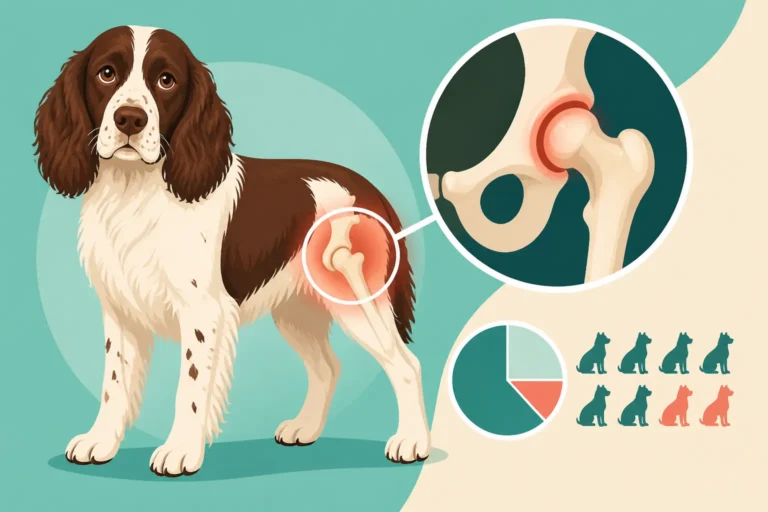
| Orthopedic Tests | Hip Dysplasia | Required for CHIC | Screens for malformation of the hip joint, reducing risk of arthritis and lameness. (See: Hip Dysplasia in a Springer Spaniel) |
| Elbow Dysplasia | Required for CHIC | Screens for developmental abnormalities in the elbow joint. | |
| Eye Examinations | Progressive Retinal Atrophy (PRA), Retinal Dysplasia, Glaucoma, Entropion, Ectropion | Required for CHIC annually by board-certified ophthalmologist | Screens for a range of inherited eye diseases that can lead to vision loss or pain. (See: The Four Eye Diseases a Springer Spaniel Breeder Screens For) |
| Cardiac Evaluation | Congenital Heart Disease | Recommended | Screens for inherited heart conditions that can affect health and lifespan. |
| Thyroid Function | Hypothyroidism | Recommended | Screens for an underactive thyroid, which can cause skin issues, weight gain, and lethargy. (See: Whether a Springer Spaniel Gets Hypothyroidism) |
A breeder participating in the OFA's Canine Health Information Center (CHIC) program is a strong indicator of their commitment. CHIC certification means a dog has had all the recommended health screenings for their breed and the results are publicly available. This level of transparency is exactly what you should be looking for. When all these tests are performed diligently, it significantly improves the chances of your Springer Spaniel living a long, healthy, and happy life, potentially reaching The Twelve to Fourteen Years a Springer Spaniel Lives.
Making Responsible Choices for Your Springer Spaniel
The journey of bringing a Springer Spaniel into your life should be filled with joy and excitement, not anxiety about preventable diseases. By understanding Fucosidosis and the tools available to combat it, you are empowered to make choices that support the health and longevity of your future companion. It’s about being proactive and aligning yourself with breeders who share that same unwavering commitment.
Why Responsible Breeding Matters More Than Ever
In an age where information is readily available, there's simply no excuse for ignoring genetic health testing. Responsible breeding isn't just about producing beautiful dogs; it's about safeguarding the future of the breed. Breeders who invest in comprehensive health screenings, including DNA tests for Fucosidosis and other known genetic conditions, are doing their part to eradicate these diseases and ensure that each generation of Springer Spaniels is healthier than the last. They understand the profound impact a serious illness can have on a family and are actively working to prevent that heartache.
Conversely, backyard breeders or those who prioritize profit over health can unwittingly perpetuate these problems. Their lack of testing, often coupled with a disregard for breed standards and genetic diversity, poses a significant risk. When you choose a puppy from a responsible breeder, you're not just buying a dog; you're investing in a legacy of health and ethical practices, and helping to secure the breed's future.
The Role of Pet Insurance in Managing Health Risks
While preventative health testing is absolutely crucial for avoiding known genetic diseases like Fucosidosis, life with a spirited Springer Spaniel can still throw unexpected health challenges your way. Accidents happen, and even the most well-bred dogs can develop illnesses not covered by genetic screening. This is where a reliable pet insurance plan, such as those offered by Healthy Paws, can provide an invaluable safety net.
Imagine your adventurous Springer stepping on something sharp in the field, or developing an ear infection – a common issue for the breed, as discussed in Why a Springer Spaniel's Ears Are Never Quite Healthy. These unexpected veterinary visits can add up quickly. Having pet insurance can help soften the financial blow of emergency care, surgeries, or ongoing treatments for conditions that aren't genetically screened for. It allows you to make decisions based on what's best for your dog's health, rather than being solely driven by cost. While no insurance plan covers pre-existing conditions, being prepared for future health needs is a smart move for any dog owner.
What to Ask Your Breeder About Fucosidosis and Other Health Clearances
When you're speaking with a prospective breeder, don't be shy about asking direct, specific questions about their health testing protocols. A good breeder will welcome your questions and be eager to share information. Here's a checklist of what to ask:
- "Can I see the Fucosidosis DNA test results for both the dam and sire?"
- "Are the parents, and their lineage, cleared for PFK Deficiency?"
- "What are the OFA (Orthopedic Foundation for Animals) hip and elbow scores for both parents, and can I see the certificates?"
- "Do you have current eye certifications (CERF or OFA Eye) from a board-certified veterinary ophthalmologist for both parents?"
- "What other health screenings do you perform for your breeding dogs?"
- "How do you ensure the health and genetic diversity of your lines?"
Don't just take their word for it. Reputable breeders will have these documents readily available, often with registration numbers that allow you to verify them independently through databases like the OFA. This thorough inquiry isn't being intrusive; it's being a responsible future owner, dedicated to giving your Springer Spaniel the best possible start in life. It's about protecting your investment in love and companionship, and ensuring your dog has the best chance at a full, healthy life.
Disclaimer
This article is for general informational purposes only and does not constitute professional advice. Laws, prices and regulations vary by location and change over time. Consult a qualified professional for guidance on your specific situation.