Whether Both Springer Spaniel Parents Must Be Carriers
It's incredibly frustrating, isn't it? You're doing your homework, dreaming of bringing home a bouncy English Springer Spaniel puppy, but a tiny seed of worry keeps nagging at you: what about inherited diseases? You hear terms like "carrier" and "affected," and suddenly, all that excitement gets mixed with a healthy dose of anxiety. It feels like navigating a minefield when all you want is a healthy companion. This guide is here to unravel the complexities of genetic inheritance in Springer Spaniels, specifically addressing whether both parents must be carriers for their puppies to be affected, helping you understand the genetic reality behind these common concerns.
Understanding Autosomal Recessive Inheritance in Springer Spaniels
When we talk about most serious genetic diseases in Springer Spaniels, like Fucosidosis or PFK Deficiency, we're usually dealing with what's called autosomal recessive inheritance. This scientific-sounding term simply means that a puppy needs to inherit two copies of the "bad" gene—one from each parent—to actually suffer from the disease. It’s not as complicated as it sounds once you break it down. Understanding this fundamental principle is key to comprehending why some puppies develop debilitating conditions while others in the same litter remain perfectly healthy, even if their parents carry the gene.
What "Carrier" Truly Means
Let's clear up a common misconception right away: a "carrier" dog is not a sick dog. A carrier simply possesses one copy of the gene for a particular disease and one normal, healthy copy. Because the normal gene is dominant, it effectively "masks" the presence of the recessive, disease-causing gene. Think of it like a perfectly healthy human who might carry a gene for cystic fibrosis; they don't have the disease themselves, but they can pass that gene on to their children. For a Springer Spaniel, this means a carrier lives a completely normal, symptom-free life. They run, play, hunt, and cuddle just like any other dog. Their health isn't impacted, but their genetic makeup holds a piece of information that needs to be considered in breeding.
For example, a Springer Spaniel that is a carrier for Fucosidosis will not develop the neurological symptoms associated with the disease. However, if this carrier dog is bred to another carrier, the risk significantly increases for their offspring. This is precisely why reputable breeders emphasize genetic testing. They need to know if their dogs are carriers, not because the dogs themselves are ill, but because of the potential impact on future generations. Understanding this distinction can bring a lot of peace of mind about the health of a carrier dog, while simultaneously highlighting the importance of responsible breeding practices.
The Role of Each Parent's Genes
In the world of genetics, each parent contributes one half of their genetic blueprint to their offspring. For any given gene, a puppy gets one copy from its mother and one from its father. In autosomal recessive diseases, we label the normal gene as 'N' and the disease-causing recessive gene as 'n'. A dog can be one of three types:
- Clear (NN): Has two normal copies of the gene. Will not get the disease and cannot pass the disease gene on.
- Carrier (Nn): Has one normal and one disease-causing gene. Will not get the disease but can pass the disease gene on.
- Affected (nn): Has two disease-causing genes. Will develop the disease.
The specific combination of genes from both parents determines the genetic status of each puppy in a litter. It's a bit like a genetic lottery, but with predictable odds. When breeders talk about The DNA Test That Should Precede Every Springer Spaniel Purchase, they're talking about identifying these 'N' and 'n' copies in their breeding dogs to make informed decisions. Without this knowledge, breeding becomes a gamble, and the consequences for the puppies and their future families can be devastating. This is why a simple DNA test offers such powerful insight, helping to predict and prevent inherited conditions before they even begin.
Examples of Recessive Conditions
In the English Springer Spaniel breed, two particularly well-known and serious autosomal recessive conditions are Fucosidosis and PFK Deficiency. Fucosidosis is a devastating neurological disorder that leads to progressive degeneration of the brain and nervous system. Puppies born with Fucosidosis often appear normal at first, but symptoms like loss of balance, deafness, and changes in temperament typically begin to appear between 18 months and four years of age, often leading to euthanasia. You can learn more about What Fucosidosis Does to a Springer Spaniel in detail.
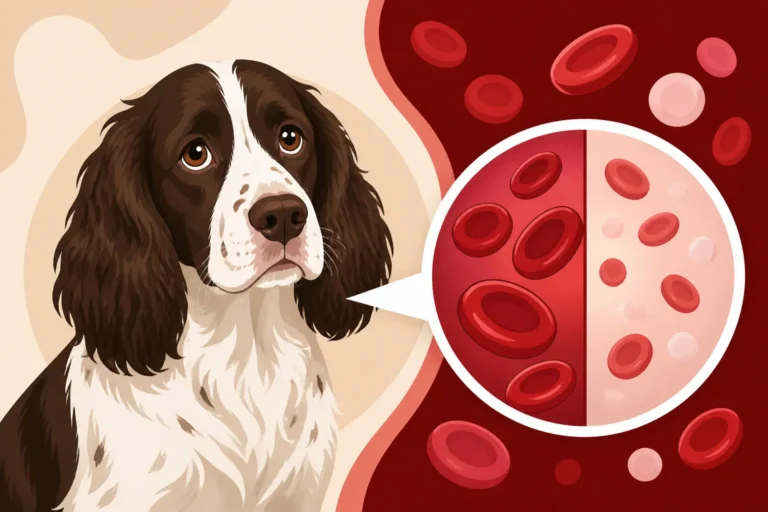
Another significant condition is PFK Deficiency, or Phosphofructokinase Deficiency. This affects a dog's red blood cells and muscle function. Dogs with PFK Deficiency can experience episodes of muscle cramping, weakness, and dark urine, especially after strenuous exercise, excitement, or exposure to heat. These dogs can collapse and become severely anemic during an episode. Understanding What PFK Deficiency Does to a Springer Spaniel truly highlights the impact of these genetic conditions. Both Fucosidosis and PFK Deficiency are prime examples of why knowing the carrier status of both parents is so critically important to ensure healthy puppies and prevent heartache for new owners.
The Genetic Possibilities: When Puppies Are Affected (and When They Aren't)
Now, let's get to the heart of your question: does it take two carriers to create an affected puppy? The answer is a resounding "yes" for autosomal recessive conditions. But understanding the full spectrum of possibilities when different genetic statuses are paired together is crucial for any prospective Springer Spaniel owner, and for ethical breeders. It's not always about if a puppy will be affected, but also about the chances of them being carriers themselves, which is equally important for future generations.
When One Parent is a Carrier, and One is Clear
Imagine you have a breeding pair where one Springer Spaniel is "Clear" (NN) and the other is a "Carrier" (Nn). This is often a deliberately chosen pairing by responsible breeders who want to keep valuable genetics in their lines without producing affected puppies. In this scenario, every puppy will inherit a normal gene (N) from the "clear" parent. From the "carrier" parent, each puppy has a 50% chance of inheriting the normal gene (N) and a 50% chance of inheriting the disease gene (n).
The outcome? Statistically, 50% of the puppies will be "Clear" (NN) and 50% will be "Carriers" (Nn). Crucially, none of the puppies will be "Affected" (nn). They cannot be, because there's no way for a puppy to inherit two copies of the 'n' gene if one parent only has 'N' genes to give. This pairing is often considered a safe and ethical way to continue a bloodline that might carry a desirable trait alongside a recessive disease gene, as long as all puppies are tested to identify the carriers. You can read more about Whether a Carrier Springer Spaniel Is Affected and why they live normal lives.
When Both Parents are Carriers
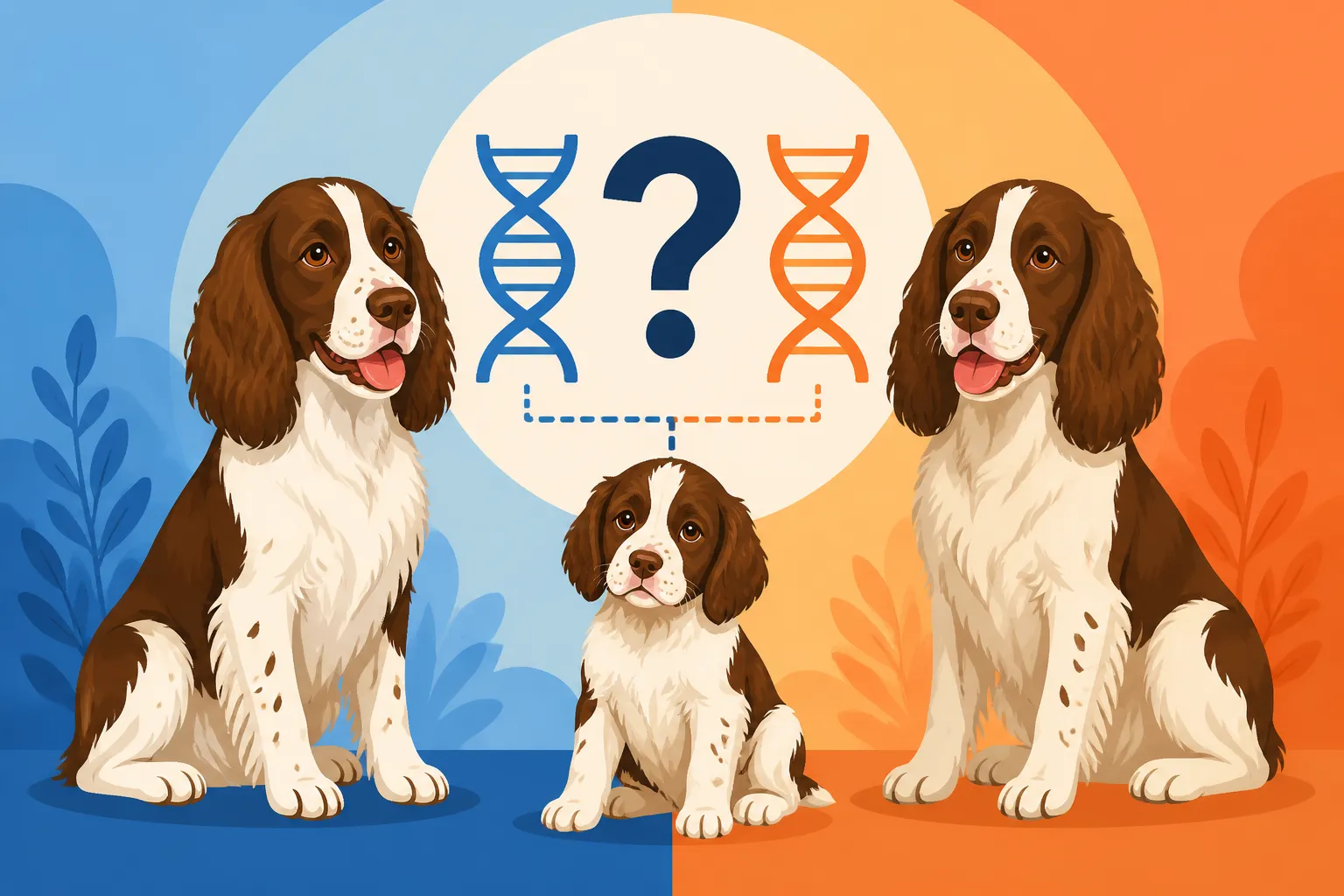
This is the scenario where the risks become real, and it's the specific concern your question addresses. If both the mother and the father are "Carriers" (Nn) for the same autosomal recessive genetic disease, then things get tricky. Each parent has a 50% chance of passing on the normal gene (N) and a 50% chance of passing on the disease gene (n) to each puppy.
When you combine these probabilities, the outcome for the litter is:
- 25% chance of being "Affected" (nn): These puppies will inherit the disease gene from both parents and will develop the condition. This is the unfortunate reality that responsible breeders strive to avoid at all costs. For diseases like Fucosidosis, this can mean a tragically short life.
- 50% chance of being "Carrier" (Nn): These puppies will inherit one normal gene and one disease gene. They will not be affected by the disease themselves but will carry the gene and could pass it on if bred irresponsibly.
- 25% chance of being "Clear" (NN): These puppies will inherit a normal gene from both parents and will be completely free of the disease gene.
So, to answer your core question directly: yes, for an autosomal recessive disease, both Springer Spaniel parents must be carriers (or one affected and one carrier/affected) for their puppies to have a chance of being affected. This is why testing is paramount. No ethical breeder would knowingly breed two carriers together, as it inevitably puts puppies at risk. It’s an unacceptable gamble with a puppy's life and a future owner's heart.
When One Parent is Affected
While responsible breeders would never intentionally breed an affected dog (nn), it's important to understand the genetic implications if such a situation were to occur, perhaps due to ignorance or a rescued dog with an unknown history. If an "Affected" (nn) Springer Spaniel is bred, it must pass on one 'n' gene to every single one of its offspring.
Let's look at the pairings:
- Affected (nn) x Clear (NN): All puppies will be "Carriers" (Nn). They won't be affected, but every single one will carry the disease gene.
- Affected (nn) x Carrier (Nn): There's a 50% chance of puppies being "Affected" (nn) and a 50% chance of them being "Carriers" (Nn). Again, a very high risk of producing affected puppies.
- Affected (nn) x Affected (nn): All puppies will be "Affected" (nn). This is a 100% certainty that every puppy will suffer from the disease.
These scenarios clearly illustrate why breeding an affected dog is highly unethical. Even breeding a clear dog to an affected dog results in an entire litter of carriers, continuing the presence of the disease gene in the gene pool. The financial and emotional toll of caring for an affected puppy can also be immense; many owners find themselves facing significant vet bills, which is why considering options like pet insurance from providers like Healthy Paws can be a sensible choice, even with the best breeding practices.
The Importance of DNA Testing and Responsible Breeding
Given the complexities and potential heartbreaks of genetic diseases, it becomes abundantly clear that DNA testing isn't just a good idea—it's an absolute necessity for anyone involved in breeding Springer Spaniels. For prospective puppy owners, understanding and demanding proof of these tests is your first line of defense in bringing home a healthy, happy companion. This isn't just about avoiding a sick puppy; it's about supporting ethical practices that strengthen the breed as a whole.
Why Pre-Breeding Testing is Non-Negotiable
For any reputable Springer Spaniel breeder, conducting genetic DNA tests on their breeding stock before any litter is conceived is non-negotiable. These tests are widely available and relatively inexpensive compared to the emotional and financial cost of caring for a genetically affected dog. Labs like Embark Veterinary, Optimal Selection (now part of Wisdom Panel), and others offer comprehensive panels that include screening for Fucosidosis and PFK Deficiency, among many other conditions relevant to the breed. You can even find specific information on Which Lab Runs the Springer Spaniel Fucosidosis Test.
A breeder who confidently provides proof that their dogs are tested and explains the results is a breeder you can trust. They're not just trying to make a sale; they're demonstrating a commitment to the health and welfare of their puppies and the integrity of the breed. If a breeder hedges or can't provide clear, verifiable results for both parents, it should be a significant red flag. This transparency is key to preventing conditions like Fucosidosis from being passed down, ensuring a better future for the entire breed.
How to Interpret Test Results
When a breeder presents you with DNA test results, you should be looking for clear documentation from a reputable laboratory for both the sire (father) and the dam (mother). The results will typically state whether the dog is "Clear," "Carrier," or "Affected" for each specific disease tested.
- Ideally, you want to see "Clear" for both parents for any autosomal recessive disease. This guarantees that none of the puppies will be affected or carriers for that specific condition.
- A "Clear" x "Carrier" pairing is acceptable, as discussed, because it produces no affected puppies. However, the breeder should advise you that puppies from this litter should ideally be tested before being bred themselves to identify the carriers.
- Any pairing that includes two carriers, or an affected dog, for an autosomal recessive disease should be avoided.
Don't be afraid to ask questions. A good breeder will be happy to explain the results and their breeding philosophy in detail. They understand that you're making a significant investment, both emotionally and financially, and they want you to feel confident in your choice. This due diligence on your part is a critical step in protecting your future puppy and yourself.
The Ethical Dilemma of Breeding Carriers
While breeding two carriers together is unequivocally irresponsible, the breeding of a single carrier dog (paired with a clear mate) presents an ethical gray area that many responsible breeders navigate carefully. Sometimes, a carrier dog might possess exceptional qualities—outstanding temperament, strong working ability, or a particularly desirable conformation—that breeders feel are valuable to maintain in the gene pool. In such cases, a breeder might choose to breed a carrier, but only to a dog that has tested clear for the same condition. This ensures no affected puppies are produced.
The ethical responsibility then shifts to the breeder to test all puppies from such a litter and ensure that any puppies sold as breeding stock are identified as carriers (or clear) and that their future mates are also tested as clear. The goal is to slowly breed out the undesirable gene while preserving the positive traits. This requires meticulous record-keeping and a strong commitment to health testing throughout generations. It’s a delicate balance, and it emphasizes that even when everything is done "right," unexpected health issues can still arise. This is where comprehensive pet insurance like Healthy Paws can provide a vital safety net, covering unexpected veterinary costs, regardless of how carefully a dog was bred.
Final Thoughts on Genetic Health
Bringing a Springer Spaniel into your life is a joyful adventure, but it comes with the responsibility of understanding their unique health considerations. When it comes to autosomal recessive diseases, the science is clear: both parents must contribute a copy of the disease gene for a puppy to be affected. This means that if you're considering a puppy, demanding comprehensive genetic health clearances for both parents is not just prudent, it's essential.
Choosing a reputable breeder who conducts these tests and is transparent about their results is the single most important step you can take to minimize the risk of inheriting a serious genetic condition. Educate yourself, ask tough questions, and don't settle for anything less than verifiable proof. Your future furry family member deserves a healthy start, and your peace of mind is invaluable.
| Parent 1 Genetic Status | Parent 2 Genetic Status | Chance of Clear Puppies (NN) | Chance of Carrier Puppies (Nn) | Chance of Affected Puppies (nn) |
|---|---|---|---|---|
| Clear (NN) | Clear (NN) | 100% | 0% | 0% |
| Clear (NN) | Carrier (Nn) | 50% | 50% | 0% |
| Carrier (Nn) | Carrier (Nn) | 25% | 50% | 25% |
| Clear (NN) | Affected (nn) | 0% | 100% | 0% |
| Carrier (Nn) | Affected (nn) | 0% | 50% | 50% |
| Affected (nn) | Affected (nn) | 0% | 0% | 100% |
Disclaimer
The information provided in this article is for educational and informational purposes only and does not constitute veterinary advice. Always consult with a qualified veterinarian for any health concerns or before making any decisions about your pet's health or treatment.