Whether a Carrier Springer Spaniel Can Be Bred
Discovering that your beloved Springer Spaniel carries a gene for a genetic disease can be a truly unnerving moment, especially if you're considering breeding. The immediate fear is often that you've somehow failed, or that your dog's potential as a parent is now completely ruined. Rest assured, being a carrier doesn't automatically mean an end to their breeding future; it simply means you need to approach breeding with knowledge, responsibility, and a clear understanding of genetics to protect the health of future puppies. This guide will walk you through what it truly means for a Springer Spaniel to be a carrier and the responsible steps you can take if you choose to breed them.
Understanding "Carrier" Status in Springer Spaniels
When a DNA test comes back revealing your Springer Spaniel is a "carrier," it's natural to feel a pang of worry. But what does that label actually signify, and why is it so important in the world of dog breeding?
What Being a Carrier Actually Means
To put it simply, a "carrier" is an animal that carries one copy of a specific gene mutation for a genetic disease but does not exhibit any symptoms of the disease itself. Think of it like a puzzle: for most of the genetic conditions we test for in Springer Spaniels, a dog needs two copies of the faulty gene – one from each parent – to actually develop the disease. A carrier only has one piece of that faulty puzzle. They are perfectly healthy, live normal lives, and show no signs of the condition they carry. Their own health and vitality are not impacted by this single gene. However, they can pass that single faulty gene on to their offspring, and that's where the careful planning comes into play. It's an invisible genetic footprint that requires careful consideration in a breeding program.
Common Genetic Conditions in Springer Spaniels
English Springer Spaniels, like many purebred dogs, are predisposed to certain inherited conditions that have become more prevalent due to historical breeding practices. Understanding these is key to responsible breeding.
One of the most well-known is Fucosidosis. This is a devastating neurodegenerative disorder that impacts the brain and nervous system, leading to a progressive decline in coordination, balance, and cognitive function. Puppies might appear normal for the first few months, but symptoms typically begin to emerge around 18 months, tragically worsening over a relatively short period, often leading to a terminal diagnosis by two or three years of age. Knowing what Fucosidosis does to a Springer Spaniel is vital for any breeder. Another significant concern is PFK Deficiency, or phosphofructokinase deficiency. Dogs affected by PFK Deficiency have difficulty metabolizing glucose for energy, leading to exercise intolerance, muscle weakness, and often dark urine after strenuous activity due to red blood cell breakdown. While not always fatal, it significantly impacts a dog's quality of life and ability to work or exercise normally. You can learn more about this condition and why a PFK Springer Spaniel passes dark urine in other resources. There are DNA tests available for both of these serious conditions, and they form a crucial part of any responsible health panel.
The Ethical and Practical Considerations of Breeding a Carrier
So, you have a healthy, wonderful Springer Spaniel who happens to be a carrier for a genetic condition. Now what? The decision to breed them involves navigating both ethical responsibilities to the breed and practical steps to ensure puppy health.
The Risks to Offspring: When Not to Breed
This is the non-negotiable rule. Under no circumstances should you breed two carrier dogs together for the same recessive genetic condition. To do so is to knowingly gamble with the health and lifespan of every single puppy in that litter. When two carriers are bred, the genetic odds dictate that approximately 25% of the puppies will inherit two copies of the faulty gene and will therefore be affected by the disease. Another 50% will be carriers themselves, and only 25% will be completely clear. Producing a litter where one in four puppies is destined to suffer from a debilitating or fatal illness is a scenario every responsible breeder must strive to avoid. It’s a profound moral responsibility to ensure that no puppy from your program is born with such a predictable and tragic fate. This is precisely why thorough health testing for both parents should precede every Springer Spaniel purchase.
Mitigating Risks: Breeding a Carrier Responsibly
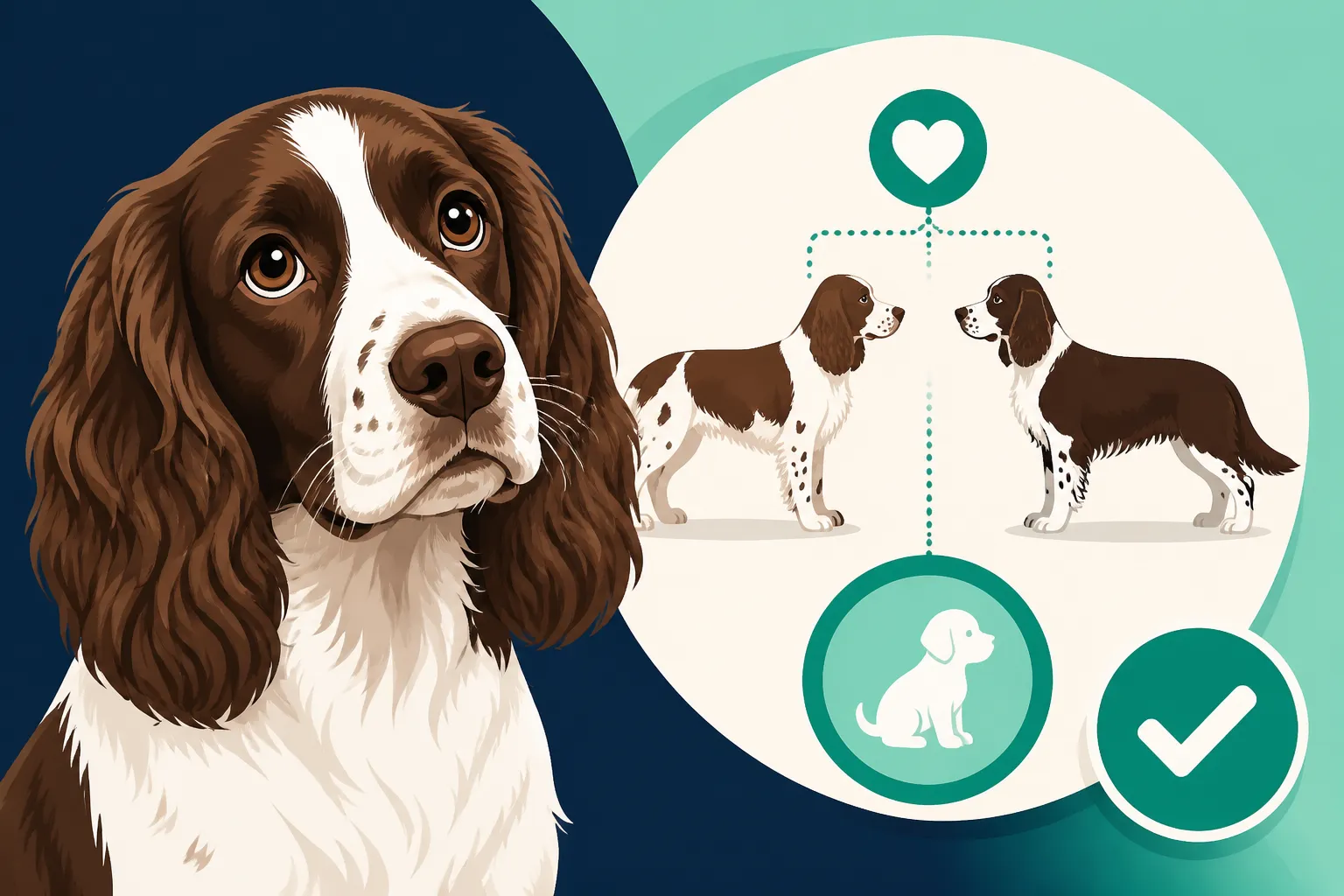
The good news is that breeding a carrier can be done responsibly, and it is often encouraged to maintain genetic diversity within the breed. The key is strategic pairing. A carrier Springer Spaniel should only be bred to a mate that has been DNA tested and confirmed as "clear" (meaning they do not carry any copies of the specific faulty gene in question).
When you breed a carrier to a clear dog, the outcomes are dramatically different and ethically sound. Statistically, 50% of the puppies in the litter will inherit one copy of the faulty gene, making them carriers like their parent. The other 50% will inherit two normal copies and will be completely clear. Crucially, none of the puppies will inherit two faulty copies, meaning none will be affected by the disease. This allows you to responsibly continue valuable bloodlines that might otherwise be lost if all carriers were removed from the gene pool. However, this strategy absolutely requires that every single puppy in that litter be DNA tested before being placed in a new home. This ensures that new owners are fully aware of their puppy's carrier or clear status and can make informed decisions should they choose to breed in the future. Transparency with puppy buyers is paramount, as is providing them with all genetic test results.
The Role of DNA Testing in Breeding Decisions
DNA testing isn't just a suggestion; it's a foundational pillar of modern, ethical dog breeding, especially for breeds like the English Springer Spaniel. Knowing the genetic status of both prospective parents for relevant inherited diseases is the only way to make informed breeding decisions and prevent the birth of affected puppies. For Fucosidosis, specific DNA tests are readily available from reputable laboratories. Similarly, comprehensive tests can identify carriers of PFK Deficiency.
You, as a potential owner or breeder, can often order these tests directly, though many breeders will already have a full health panel done. Labs like Embark and Wisdom Panel offer comprehensive genetic screening, often including these breed-specific diseases. The cost of such tests, like what the Springer Spaniel PFK test costs or what the Springer Spaniel Fucosidosis test costs, is a small investment when considering the potential heartbreak and financial burden of an affected dog. A responsible breeder will readily share these results and ideally include them in the puppy's health guarantee. This proactive approach not only protects individual puppies but contributes to the overall health and integrity of the breed.
The Long-Term Impact on the Breed's Gene Pool
While the immediate concern is always the health of the puppies, responsible breeding also requires looking at the bigger picture: the long-term health and diversity of the entire English Springer Spaniel breed.
Why Eliminating Carriers Entirely Isn't Always the Best Strategy
It might seem logical to simply remove all carrier dogs from a breeding program to eradicate a genetic disease once and for all. However, this can be a short-sighted and potentially damaging strategy. Many carrier dogs possess other incredibly valuable traits: excellent temperament, superb conformation that meets breed standards, outstanding working drive, robust health in other areas, or even simply a unique genetic lineage that is becoming rare. If we were to remove every single carrier, we would drastically shrink the available gene pool, leading to what's known as a "genetic bottleneck."
A reduced gene pool means less genetic diversity, which, ironically, can make the breed more susceptible to other genetic diseases in the future that we might not even be testing for yet. It can also lead to issues like reduced fertility, weaker immune systems, or a general decline in the very traits that make the English Springer Spaniel such a beloved and capable breed. Breeders are grappling with issues like the seventy year gene pool divide inside one Springer Spaniel breed, and removing all carriers would only exacerbate such problems. Therefore, carefully managed breeding of carriers with clear mates is a crucial tool in maintaining genetic diversity while still ensuring no affected puppies are born. It's about finding that delicate balance between eliminating disease and preserving the vitality of the breed as a whole.
Educating Prospective Puppy Owners
Transparency and education are your best friends when selling puppies from a litter that includes carriers. A reputable breeder will always provide complete documentation of both parents' health screenings, including their carrier status, and the results of each puppy's individual DNA tests. For example, if a puppy is identified as a carrier for Fucosidosis, the breeder should explain in clear, non-alarming terms what this means for the puppy (it will not develop the disease) and what it means if the new owner ever considers breeding (they must only breed to a clear mate).
This conversation isn't meant to scare a buyer, but to empower them with knowledge. Some breeders even include clauses in their contracts about breeding responsibilities for carrier puppies, requiring future testing or specific pairings. This ensures that the chain of responsible breeding continues. A puppy buyer should never feel surprised by their dog's genetic status. Providing a clear understanding upfront builds trust and helps ensure that generations down the line, these genetic conditions are managed effectively, and that the health of the English Springer Spaniel breed is prioritized.
Real-World Scenarios and Decision-Making
Navigating the breeding world with a carrier Springer Spaniel can feel daunting, but it's a common situation for many dedicated breeders. Let's look at how these decisions often play out.
The Experienced Breeder's Approach
An experienced breeder who has spent years developing a specific line often understands the value of each dog's unique contribution to the breed, even if they are a carrier. Imagine a scenario where a proven stud dog consistently produces offspring with exceptional temperament, conformation, and working ability – perhaps he's a champion in the field or the show ring – but then tests positive as a carrier for PFK Deficiency. An experienced breeder wouldn't automatically discard him from their program. Instead, they would carefully select a mate that is unequivocally clear for PFK Deficiency (and all other tested conditions).
They know the genetic outcomes: half the puppies will be carriers, half will be clear. Their commitment then shifts to meticulous record-keeping and mandatory DNA testing for every puppy from that litter before it leaves for its new home. They might even have a long waitlist for their puppies, and a dedicated buyer, understanding the full genetic picture and the quality of the line, will still be eager to acquire a clear or carrier puppy, provided all the necessary precautions are taken. This careful, selective breeding ensures that the valuable traits of the carrier parent are preserved in the gene pool, without risking the health of future generations. It’s about being pragmatic and prioritizing the overall strength of the breed.
The New Breeder's Dilemma
For someone just starting their journey in breeding Springer Spaniels, discovering that their potential foundation dog is a carrier can feel like a devastating blow. The initial reaction might be panic, wondering if they've made a mistake or if their dreams of contributing to the breed are over before they've truly begun. It's a common and understandable frustration.
In this situation, the absolute best thing a new breeder can do is seek mentorship from experienced, ethical breeders and consult with a veterinary geneticist. They can offer invaluable guidance on managing a carrier in a breeding program. They'll explain that a carrier isn't a "flawed" dog but a valuable one that simply requires careful mate selection. This might involve additional testing, a slightly longer search for a suitable clear mate, and a commitment to educating prospective puppy buyers. Organizations like the English Springer Spaniel Field Trial Association or the English Springer Spaniel Club of America can connect new breeders with mentors who have navigated these exact waters. The key is not to give up, but to gain knowledge and approach breeding with integrity and a deep understanding of genetics. Many excellent dogs, now champions and beloved companions, trace back to a responsibly bred carrier.
| Breeding Pair (for one recessive gene) | Offspring: Affected | Offspring: Carrier | Offspring: Clear | Notes |
|---|---|---|---|---|
| Clear x Clear | 0% | 0% | 100% | All puppies are clear. No risk of disease or carriers. |
| Clear x Carrier | 0% | 50% | 50% | No affected puppies. Half are carriers. Requires puppy testing. |
| Carrier x Carrier | 25% | 50% | 25% | NEVER recommended. Produces affected puppies. |
| Clear x Affected | 0% | 100% | 0% | All puppies are carriers. Should be avoided if possible. |
| Carrier x Affected | 50% | 50% | 0% | NEVER recommended. Produces affected puppies. |
| Affected x Affected | 100% | 0% | 0% | NEVER recommended. All puppies are affected. |
This table illustrates the approximate statistical probabilities for offspring when considering a single autosomal recessive genetic condition.
Disclaimer
The information provided in this guide is for general educational purposes only and should not be considered a substitute for professional veterinary advice, genetic counseling, or consultation with experienced dog breeders. Always consult with a qualified veterinarian or a certified canine geneticist for personalized advice regarding your specific Springer Spaniel and breeding program.