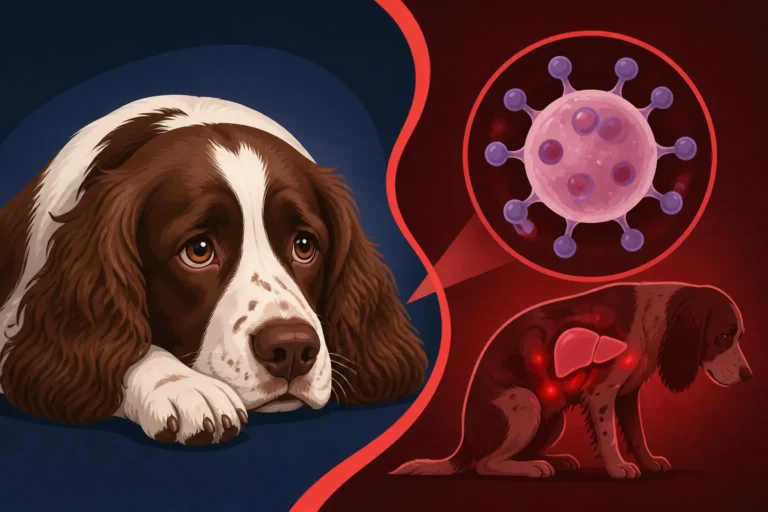
The Age Fucosidosis Appears in a Springer Spaniel
Discovering that your beloved English Springer Spaniel is showing unusual signs can be incredibly distressing, especially when you suspect something serious might be at play. The uncertainty and fear surrounding a genetic disorder like Fucosidosis are immense, and understanding when and how this heartbreaking condition typically manifests is crucial for every Springer owner. This comprehensive guide aims to shed light on the typical age of onset for Fucosidosis in Springer Spaniels, detail the early warning signs, and explain the progression of this devastating disease, offering insights to help you recognize and navigate this challenging journey.
Understanding Fucosidosis: A Genetic Burden for Springer Spaniels
Fucosidosis is one of those words no dog owner ever wants to hear. It's a cruel, inherited metabolic disorder that primarily affects English Springer Spaniels, and it's particularly insidious because its symptoms don't immediately declare themselves in puppyhood. Instead, it lurks, waiting to manifest when your dog is often already a cherished member of your family, stealing away their vibrant personality and physical abilities.
What Fucosidosis Actually Is
At its core, Fucosidosis is a lysosomal storage disease. Think of lysosomes as the "recycling centers" within your dog's cells. They contain enzymes that break down waste products. In a Springer Spaniel with Fucosidosis, there's a deficiency in an enzyme called alpha-L-fucosidase. Without enough of this enzyme, a specific sugar compound (fucoside) can't be broken down properly. Instead, it accumulates in cells throughout the body, particularly in the brain, spinal cord, and other vital organs. This buildup disrupts normal cell function, leading to progressive neurological damage and, eventually, a cascade of severe health problems. It’s a relentless disease that slowly but surely erodes the dog's bodily functions.
The impact of this cellular dysfunction is widespread, affecting almost every system in the body, but it's the neurological signs that are often the most heartbreaking and noticeable. It's not just a physical ailment; it attacks the very essence of your dog's spirit and intelligence. Understanding exactly What Fucosidosis Does to a Springer Spaniel can help owners prepare for the difficult road ahead.
The Genetic Basis for the Disease
Fucosidosis is an autosomal recessive genetic disorder. This means a dog must inherit two copies of the defective gene – one from each parent – to develop the disease. If a dog inherits only one copy, they are considered a "carrier" and will not show symptoms themselves, but they can pass the gene on to their offspring. This recessive inheritance pattern is precisely why the disease can persist silently in breeding lines for generations, only to appear unexpectedly when two carriers are bred together. It highlights the critical importance of responsible breeding practices and genetic screening.
For breeders, this genetic lottery is a serious responsibility. It's why initiatives like genetic testing are so vital in preventing the spread of such conditions. Knowing Whether Both Springer Spaniel Parents Must Be Carriers to produce an affected puppy is key for making informed breeding decisions. Without genetic testing, even seemingly healthy parents could be unknowingly contributing to the problem.
The Crucial Window: Typical Onset Age and Early Warning Signs
One of the most frustrating aspects of Fucosidosis is that it doesn't typically appear in tiny puppies, offering a false sense of security. Instead, symptoms usually begin to show when the dog is past its most boisterous puppy stage, often between 18 months and 4 years of age. This period can feel particularly cruel, as it’s a time when your Springer is usually at the peak of its energy, intelligence, and bond with your family.
The Crucial Window of Symptom Development
While the average onset is around 18 months to 4 years, it's important to understand that this isn't a hard-and-fast rule. Some Springer Spaniels might show very subtle signs as early as 12 months, while others might not present noticeable symptoms until they are closer to five or six years old. This variability makes early diagnosis challenging without genetic testing. It's not like a puppy illness where symptoms are glaringly obvious from the start. Instead, it's a gradual, creeping decline that can easily be mistaken for other, less serious issues initially, or even just attributed to a "quirk" of your dog's personality.
The heartbreak of this timing is profound. You've invested so much love, time, and training into your companion, only for a devastating genetic condition to begin its cruel work. It underscores the importance of being vigilant and recognizing even slight deviations from your dog's normal behavior.
Subtle Behavioral Changes to Watch For
The initial signs of Fucosidosis are often subtle and can be easy to miss or misinterpret. Owners might notice their normally energetic and intelligent Springer Spaniel starting to seem a bit "off." This could manifest as a gradual loss of learned behaviors; maybe they start forgetting commands they once knew perfectly, or their house training seems to regress. They might appear disoriented or confused in familiar surroundings, sometimes bumping into objects. You might notice changes in their temperament, perhaps becoming unusually anxious, withdrawn, or even showing uncharacteristic aggression or irritability. It's these kinds of behavioral shifts that often serve as the first, unsettling clues.
These early behavioral changes can be incredibly confusing and distressing. You might wonder if you've done something wrong in their training, or if they're just entering a "stubborn" phase. But in reality, it's the disease subtly taking hold of their neurological functions. For instance, a Springer Spaniel known for its keen focus during training might suddenly struggle to concentrate, easily distracted or simply "spacing out" during tasks. This initial period is often characterized by owners thinking, "Why a Fucosidosis Springer Spaniel Behaves Strangely First."
Physical Manifestations as the Disease Progresses
Beyond behavioral changes, physical symptoms will inevitably start to emerge as the disease progresses, becoming increasingly noticeable and debilitating. One of the earliest and most common physical signs is a loss of coordination or ataxia. Your dog might seem wobbly, stumble more often, or have difficulty navigating stairs or jumping into the car. Their gait might become uncoordinated, with a high-stepping or exaggerated movement, particularly in their hind limbs.
You might also observe tremors, especially when they are at rest or when attempting a focused movement. Some dogs develop nystagmus, an involuntary, repetitive eye movement. Their ears might twitch or they might have trouble holding their head steady. These motor control issues are a direct result of the fucoside buildup in the brain and spinal cord, slowly impairing the communication pathways that control movement.
Additionally, some affected Springers may develop dry, flaky skin, often accompanied by hair loss, which can be an unusual symptom for a neurological disorder but is indicative of the systemic nature of Fucosidosis. Observing Whether a Fucosidosis Springer Spaniel Loses Coordination is a critical step in identifying the disease.
The Relentless March: Progression of Fucosidosis Symptoms
Once Fucosidosis begins to manifest, its progression is unfortunately relentless and irreversible. The symptoms, initially subtle, will steadily worsen, impacting virtually all aspects of your Springer Spaniel's life. It's a cruel process that often leaves owners feeling helpless as they watch their vibrant companion slowly decline.
Neurological Deterioration and Coordination Loss
The neurological symptoms are undoubtedly the most heartbreaking aspect of Fucosidosis. As the fucosides continue to accumulate in the brain, the damage becomes more severe and widespread. The initial mild incoordination will progress to severe ataxia, making it extremely difficult for your dog to walk, stand, or even maintain balance. They may start to fall frequently, especially on uneven surfaces, and their once graceful movements will become clumsy and uncontrolled. Simple tasks like eating or drinking can become a struggle.
Furthermore, cognitive function continues to deteriorate. The confusion and disorientation become more pronounced. Your dog might lose awareness of their surroundings, struggle to recognize family members, or become completely unresponsive. They might pace aimlessly, get stuck in corners, or seem utterly lost even in their own home. This loss of mental capacity is incredibly difficult to witness, as it steals away the personality and companionship you cherish.
Sensory Impairment: Sight and Hearing
Beyond motor and cognitive issues, Fucosidosis also frequently impacts sensory functions. Many Springer Spaniels with the disease experience a progressive loss of hearing. What starts as a slight delay in response to sounds can become complete deafness, further isolating them from their environment and loved ones. This sensory decline can be incredibly frustrating for both dog and owner, as communication becomes increasingly challenging.
Vision can also be affected, though perhaps less commonly or as severely as hearing. Dogs might develop cataracts or retinal degeneration, leading to impaired sight or even blindness. Imagine your once keen hunting dog, relying heavily on its nose and eyes, suddenly struggling with both. The combination of declining coordination, cognitive function, and sensory impairment creates a profoundly disabling condition. The question of Whether a Fucosidosis Springer Spaniel Goes Deaf is a heartbreaking reality for many owners.
The Overall Decline in Quality of Life
As the disease progresses into its later stages, a Springer Spaniel's quality of life rapidly diminishes. They lose the ability to perform basic bodily functions independently. Eating, drinking, and toileting become significant challenges, requiring constant assistance from their owners. Muscle wasting can occur due to lack of mobility, further exacerbating their weakness. The once vibrant, eager-to-please Springer Spaniel becomes a shadow of its former self, often requiring round-the-clock care.
The emotional and physical toll on both the dog and the family is immense. Owners are often faced with agonizing decisions about their dog's comfort and well-being. This phase of the disease is a profound testament to the devastating impact of Fucosidosis, making it clear why this is a terminal condition. The rapid and devastating nature of the disease is why people ask, How Fast Fucosidosis Takes a Springer Spaniel.
Diagnosis and Genetic Testing for Fucosidosis
Given the progressive and devastating nature of Fucosidosis, accurate and timely diagnosis is paramount. While clinical signs offer crucial clues, definitive confirmation relies on genetic testing. This allows owners and breeders to understand the status of their dogs and make informed decisions.
Clinical Signs vs. Definitive Testing
When a Springer Spaniel starts exhibiting the behavioral and physical symptoms described above, a veterinarian will typically begin by ruling out other common neurological conditions. This might involve a thorough physical examination, neurological assessment, blood tests, and potentially advanced imaging like an MRI. However, these diagnostics, while important for general health and eliminating other causes, cannot definitively diagnose Fucosidosis. The clinical signs are merely indicators, a collection of symptoms that point towards a problem, but they don't confirm the specific genetic defect.
The challenge here is that many neurological conditions can have overlapping symptoms, especially in their early stages. Without a definitive test, an owner could spend considerable time and money pursuing other diagnoses, while the underlying cause remains unaddressed. This is where genetic testing becomes indispensable for an accurate and timely diagnosis, saving both emotional and financial stress in the long run.
The DNA Test That Finds Fucosidosis in a Springer Spaniel
Thankfully, a highly accurate DNA test is available to identify Fucosidosis. This test is a simple buccal swab (a swab from inside the dog's cheek) or a blood sample, which is then sent to a specialized veterinary genetics laboratory. The test specifically looks for the mutation in the FUCA1 gene responsible for the disease. This genetic test can identify affected dogs, carriers, and clear dogs with 100% accuracy. It's the gold standard for diagnosis and a critical tool for responsible breeders.
Several reputable labs offer this test, including those in the United States and the UK. For American owners and breeders, the Orthopedic Foundation for Animals (OFA) maintains a public database of Fucosidosis test results, promoting transparency and helping owners verify the health status of a dog's lineage. This transparency is vital, as it allows potential puppy buyers to check if The DNA Test That Should Precede Every Springer Spaniel Purchase has indeed been done. Reputable breeders should readily provide these results.
When considering genetic testing, it's worth noting that some labs, such as those affiliated with university veterinary schools or companies like Embark, offer comprehensive panels that screen for multiple genetic conditions common in Springer Spaniels, including Fucosidosis. These panels can be a cost-effective way to get a full genetic health picture. Be sure to check Which Lab Runs the Springer Spaniel Fucosidosis Test to ensure you use a reputable and accurate service.
Understanding Test Results: Affected, Carrier, or Clear
The results of a Fucosidosis DNA test will typically categorize a dog into one of three classifications:
- Clear/Normal: The dog has two normal copies of the gene and cannot develop Fucosidosis or pass the defective gene to its offspring.
- Carrier: The dog has one normal copy and one defective copy of the gene. These dogs will not develop Fucosidosis themselves, but they can pass the defective gene to approximately 50% of their offspring. Carriers are perfectly healthy.
- Affected: The dog has two copies of the defective gene and will develop Fucosidosis.
Understanding these results is crucial for both current dog owners and prospective puppy buyers. For an affected dog, the diagnosis provides clarity, albeit painful, and allows for informed decisions regarding their care. For breeders, these results are essential for making ethical breeding choices, ensuring that no affected puppies are produced and working towards eliminating the gene from their lines. It's important to remember that Whether a Carrier Springer Spaniel Can Be Bred is a nuanced question, often requiring careful planning with a clear-tested mate.
Managing a Springer Spaniel with Fucosidosis: Support and Compassion
Once a Fucosidosis diagnosis is confirmed, owners are often left reeling, grappling with the heartbreaking reality that there is no cure or effective treatment for this progressive disease. The focus then shifts entirely to providing the best possible quality of life for their beloved companion through supportive care and making compassionate decisions.
Supportive Care and Comfort Measures
Because Fucosidosis is a relentlessly progressive disease, management centers around alleviating symptoms and maximizing comfort. This can involve a multi-faceted approach, tailored to the individual dog's needs as the disease advances. For instance, as coordination worsens, owners might need to implement measures to prevent falls and injuries, such as using ramps, providing non-slip mats, or restricting access to stairs. A supportive harness can aid in mobility.
Dietary adjustments might be necessary as chewing and swallowing become difficult; soft, easily digestible foods can help. Keeping a dog hydrated is also crucial. For sensory impairments, creating a safe, familiar environment is key. If hearing is lost, visual cues and vibrations become important for communication. If sight deteriorates, maintaining consistent furniture placement and routines helps your dog navigate their world more easily. Regular, gentle exercise appropriate for their reduced mobility can help maintain muscle mass and circulation for as long as possible.
The costs associated with supportive care can add up quickly, from specialized diets and mobility aids to regular veterinary check-ups to manage secondary issues. Having pet insurance, like a plan from Healthy Paws, can certainly help alleviate some of the financial burden during such a challenging time, ensuring you can focus on your dog's comfort without added stress about vet bills.
Navigating Difficult Decisions
As Fucosidosis progresses, there comes a point when the dog's quality of life significantly deteriorates, and difficult decisions become inevitable. This is arguably the most painful part of the journey for any owner. It's about recognizing when the "good days" are far outweighed by the "bad days," and when the suffering outweighs any joy the dog might still experience. This often involves close consultation with your veterinarian, who can help assess pain levels, neurological decline, and overall well-being.
Factors to consider include the dog's ability to eat and drink independently, control bladder and bowel functions, move without significant pain or distress, and engage with the family in any meaningful way. There's no right or wrong answer, and every family's journey is unique. The decision to euthanize is one made out of immense love and compassion, to prevent further suffering for a cherished family member. This is the ultimate, heartbreaking question many owners face: Whether a Fucosidosis Springer Spaniel Is Euthanized.
The Emotional Toll on Owners
Living with and losing a dog to Fucosidosis takes an immense emotional toll on owners and families. The slow, progressive nature of the disease means you watch your vibrant, intelligent companion gradually fade away, piece by piece. This can lead to anticipatory grief, a prolonged period of sadness and anxiety as you witness the decline. It's a journey filled with heartbreak, frustration, and often, guilt, as you question if you're doing enough or if you're making the right choices.
Seeking support from veterinary professionals, grief counselors, or online communities for owners of dogs with chronic or terminal illnesses can be invaluable. It's important to remember that it's okay to grieve, to feel overwhelmed, and to seek help. The bond with a Springer Spaniel is incredibly strong, and the loss of such a loyal and loving companion to a devastating disease like Fucosidosis leaves a profound void. Financial planning, possibly through pet insurance like Healthy Paws, can also ease one type of burden, allowing families to focus more on emotional support and less on the overwhelming costs.
Why Early Detection Matters So Much
While there is no cure for Fucosidosis, early detection, primarily through genetic testing, holds significant importance. It empowers breeders to make responsible choices and allows owners to prepare themselves and their families for the challenging road ahead.
Informing Breeding Decisions
For dedicated English Springer Spaniel breeders, genetic testing for Fucosidosis is not just recommended; it’s an absolute ethical imperative. By routinely testing all breeding stock, breeders can identify carriers and avoid mating two carriers together, thereby preventing the birth of affected puppies. This proactive approach is the only way to effectively reduce and ultimately eradicate the Fucosidosis gene from breeding lines. Without such diligence, innocent puppies continue to suffer, and unsuspecting families face immense heartache.
Responsible breeders understand that their role extends beyond producing beautiful or talented dogs; it includes safeguarding the health and future of the breed. Making genetic health test results public, often through organizations like the OFA, is a hallmark of ethical breeding practices, allowing prospective buyers to verify the health of the lines they are considering.
Preparing for the Future
For individuals who discover their puppy is affected or for families facing a diagnosis in their adult Springer Spaniel, early detection, even without a cure, offers a critical window for preparation. Knowing what lies ahead allows families to plan for the dog's progressive needs, adapting their home environment, scheduling veterinary consultations, and mentally bracing themselves for the emotional challenges. This foresight can lead to a more supportive and comfortable experience for the dog, minimizing sudden shocks and maximizing the time spent focusing on their well-being.
This preparation also extends to financial planning. The ongoing costs of managing a dog with a progressive neurological disease can be substantial, covering everything from specialized veterinary care and medications to mobility aids and potentially even home modifications. Services like pet insurance from Healthy Paws can be a real lifeline here, helping to cover unexpected and ongoing medical expenses, allowing owners to prioritize care over cost. Being prepared for these challenges can significantly ease the burden during an already difficult time.
The Impact on a Family
The diagnosis of Fucosidosis impacts not just the dog, but the entire family unit. Early detection allows for open communication within the family, especially if there are children involved, helping them understand what is happening to their beloved pet and preparing them for the eventual loss. It allows for intentional decisions about how to spend the remaining time, creating cherished memories and providing comfort. This awareness fosters a compassionate environment, where the dog's declining health is understood and met with patience and love, rather than confusion or frustration.
Ultimately, early detection, though it cannot change the outcome of Fucosidosis, offers the invaluable gift of informed decision-making and preparation. It allows for a more compassionate journey, both for the affected Springer Spaniel and for the heartbroken family who loves them.
| Stage of Fucosidosis | Typical Age of Onset | Key Symptoms | Management Focus |
|---|---|---|---|
| Early Stage | 18 months – 4 years | Subtle behavioral changes, mild incoordination, tremors, occasional disorientation, learning difficulties. | Observation, genetic testing, ruling out other conditions, maintaining routines. |
| Middle Stage | 3 – 6 years | Moderate ataxia, increased confusion, noticeable sensory loss (hearing/sight), difficulty with stairs/jumps, personality changes. | Supportive care (mobility aids, adapted feeding), environmental adjustments, symptom management. |
| Late Stage | 5 – 7+ years | Severe neurological impairment, inability to walk, profound cognitive decline, incontinence, significant loss of sensory function, complete dependency. | Maximize comfort, palliative care, careful quality of life assessment, compassionate decision-making. |
This table provides a generalized timeline; individual dogs may vary. The progressive nature of the disease means symptoms can overlap between stages.
Disclaimer
This article is for general informational purposes only and does not constitute professional advice. Laws, prices and regulations vary by location and change over time. Consult a qualified professional for guidance on your specific situation.