Whether a Springer Spaniel Gets Hypothyroidism
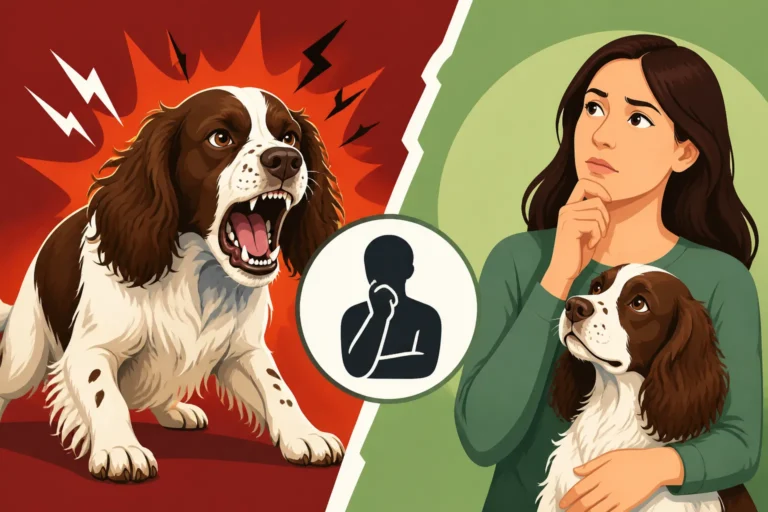
It's incredibly frustrating when your beloved Springer Spaniel starts acting 'off' – maybe they're gaining weight despite no change in food, their beautiful coat looks dull, or they just seem to have lost their spark. You might wonder if it's just old age creeping in, or if there's something deeper going on. One condition often on the minds of concerned Springer Spaniel owners is hypothyroidism, a sneaky metabolic disorder that can truly impact your dog's quality of life. This guide will dive deep into understanding what hypothyroidism is, why our Springers are particularly susceptible, how to spot the signs, and what you can do to manage it effectively.
Understanding Canine Hypothyroidism: More Than Just a Slow Metabolism
When your dog's internal systems aren't running as they should, it can feel like a mystery, especially when the symptoms are vague or seem to mimic other issues. Hypothyroidism is one such condition, often subtly creeping in and affecting almost every aspect of your Springer Spaniel's well-being. It’s essentially a metabolic slowdown, but the implications run much deeper than just a sluggish feeling.
The Thyroid Gland's Crucial Role in Your Dog's Body
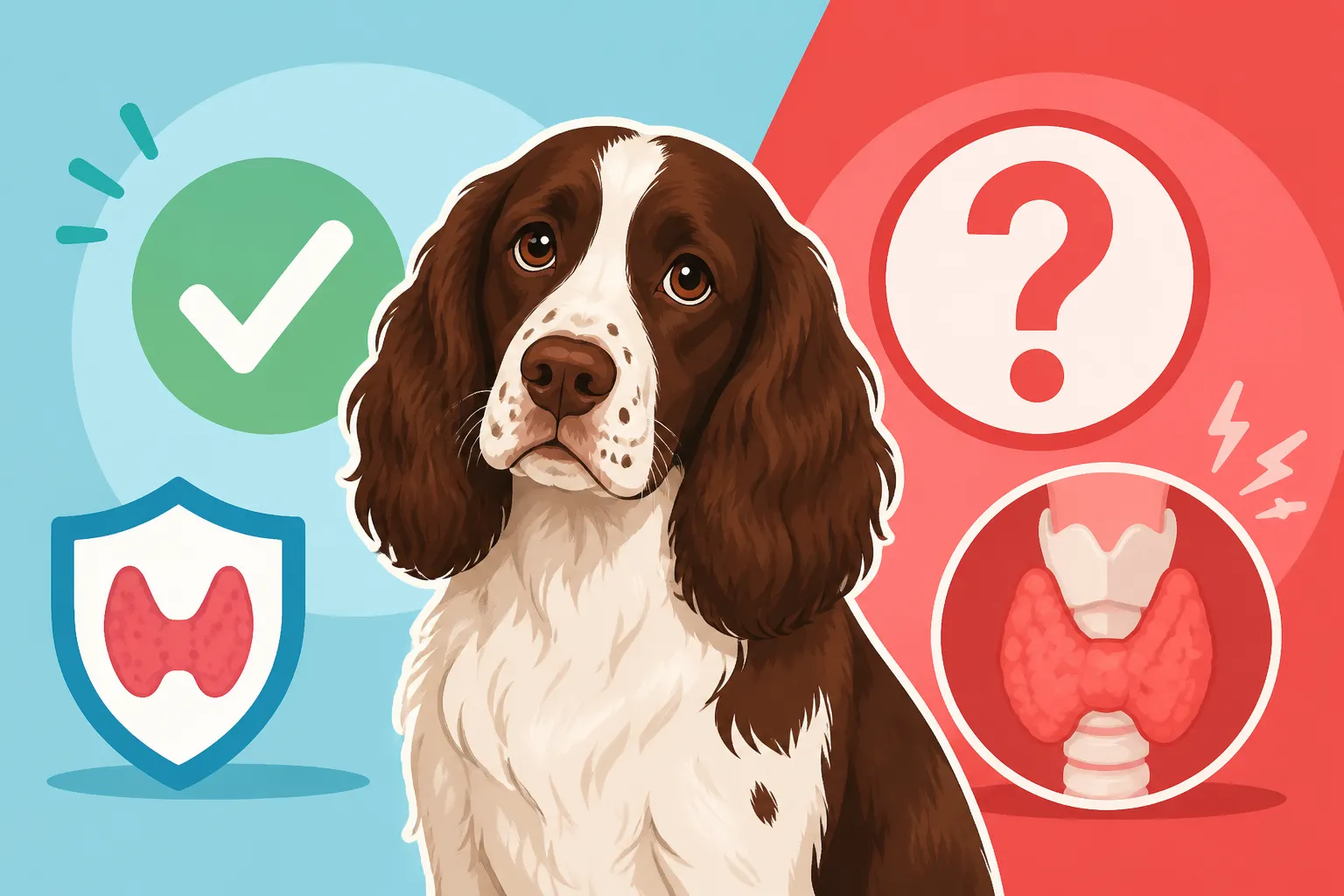
Imagine a tiny, butterfly-shaped gland located in your dog's neck, just below the larynx. This is the thyroid gland, and despite its small size, it wields immense power over your dog’s entire body. The thyroid is responsible for producing two main hormones, thyroxine (T4) and triiodothyronine (T3), which are absolutely critical for regulating metabolism. Think of these hormones as the body's master control switches for energy production and consumption.
These hormones influence nearly every cell, tissue, and organ in your Springer Spaniel. They dictate how quickly your dog burns calories, how efficiently its heart beats, how its skin and coat are maintained, and even how its brain functions. When the thyroid gland isn't producing enough of these vital hormones, the entire system begins to decelerate. It's like a car trying to run on an almost empty tank, sputtering and struggling to perform its basic functions. A healthy thyroid is the cornerstone of a vibrant, energetic dog.
Differentiating Primary and Secondary Hypothyroidism
When a veterinarian talks about hypothyroidism, they're generally referring to two main types: primary and secondary. Understanding the distinction is important for diagnosis and treatment, although primary hypothyroidism is by far the most common form we see in dogs, especially in breeds like our Springer Spaniels.
Primary hypothyroidism accounts for about 95% of all canine cases. In this scenario, the problem lies directly with the thyroid gland itself. For some reason, the gland is unable to produce sufficient amounts of T3 and T4 hormones. This is often due to an autoimmune disease, where the body's own immune system mistakenly attacks and destroys the thyroid tissue over time. Less commonly, it can be due to idiopathic atrophy, meaning the gland simply wastes away for unknown reasons, or even certain congenital defects, though these are rare.
Secondary hypothyroidism, on the other hand, is much rarer. In these cases, the thyroid gland itself is perfectly healthy, but it's not receiving the correct signals from the pituitary gland in the brain. The pituitary gland produces Thyroid Stimulating Hormone (TSH), which tells the thyroid to get to work. If the pituitary isn't producing enough TSH, the thyroid remains underactive. Because primary hypothyroidism is so prevalent and relevant to breed-specific predispositions, our focus here will primarily be on understanding and managing this more common form.
How an Underactive Thyroid Impacts Overall Health
When a Springer Spaniel's thyroid gland is underperforming, the consequences aren't confined to one area; they ripple throughout the entire body. Because thyroid hormones are essential for the metabolic function of every single cell, a deficiency means that cellular processes slow down across the board. This isn't just about feeling a bit tired; it’s a systemic slowdown that can affect organ function, energy levels, and even mental acuity.
Initially, these changes can be so subtle that they're easily dismissed as normal aging or a temporary dip in spirits. Over time, however, the cumulative effect of reduced metabolic activity becomes undeniable. Your dog’s body simply can’t generate energy or repair itself as efficiently. This can lead to a host of seemingly unrelated issues, from skin problems and coat changes to weight gain and lethargy. It’s a classic example of how one small gland can have such a profound and widespread impact on a dog’s overall health and vitality, making it crucial for owners to be aware of the signs.
Why Springer Spaniels Are on the Hypothyroidism Watch List
It’s always disheartening to learn that a breed you love is prone to certain health issues. Unfortunately, Springer Spaniels, while wonderful companions and working dogs, do have a known predisposition to hypothyroidism. This isn't to say every Springer Spaniel will develop it, but rather that the breed, as a whole, carries a higher genetic risk than many others. Knowing this allows us as owners to be more vigilant and proactive.
The Genetic Link and Breed Predisposition
Many breeds of dogs have an elevated risk for developing hypothyroidism, and the English Springer Spaniel is certainly among them. This increased susceptibility isn't random; it's rooted in genetics. While it's not typically a simple single-gene inheritance, research has shown that a polygenic (multiple genes) component plays a significant role in determining which individuals are more likely to develop the condition. Certain lines within the Springer Spaniel breed may have a higher incidence, suggesting that the genetic risk can be concentrated.
It’s important to understand that a genetic predisposition doesn’t mean your Springer Spaniel will get hypothyroidism. Instead, it means they are simply more likely to develop it compared to a breed with no known genetic link. This knowledge empowers owners to be more observant for early signs and ensures that responsible breeders take steps to screen their breeding stock, aiming to reduce the prevalence of this condition in future generations. For prospective owners, looking into The DNA Test That Should Precede Every Springer Spaniel Purchase can provide a broader understanding of breed-specific health screenings.
Autoimmune Thyroiditis: The Primary Cause in Springers
For most Springer Spaniels diagnosed with primary hypothyroidism, the underlying culprit is a condition called autoimmune thyroiditis. This is a fascinating, yet frustrating, example of the body's own defense system turning against itself. Normally, a dog's immune system is a sophisticated network designed to identify and destroy foreign invaders like bacteria and viruses, keeping your dog healthy. In the case of autoimmune thyroiditis, this system malfunctions.
Instead of recognizing the thyroid gland as a normal, healthy part of the body, the immune system mistakenly identifies it as a threat. It then launches an attack, producing antibodies that gradually destroy the thyroid tissue. This process can take months, or even years, to fully manifest. As more and more of the thyroid gland is damaged, its ability to produce essential T3 and T4 hormones diminishes, eventually leading to hypothyroidism. This slow, progressive destruction is why the symptoms often appear gradually, sometimes making them hard to pinpoint in the early stages. This falls under the broader umbrella of conditions like Whether a Springer Spaniel Gets Autoimmune Disease, highlighting a vulnerability in the breed's immune system.
Other Factors That Might Play a Role
While genetics and autoimmune thyroiditis are the biggest players in Springer Spaniel hypothyroidism, other factors can sometimes contribute to the development or manifestation of the disease. Age is a significant one; while hypothyroidism can technically occur at any age, it's most commonly diagnosed in middle-aged to older dogs, typically between four and ten years old. As our Springers get older, their systems can become a little less robust, and chronic conditions are more likely to surface.
Some studies have also suggested a slight predisposition in female dogs, though this isn't a universally strong finding. Environmental factors are often discussed in relation to chronic diseases, but for canine hypothyroidism, their direct causal link is less clear. While a healthy diet and avoidance of excessive toxins are always good practices for overall well-being, there's no strong evidence to suggest specific environmental triggers definitively cause hypothyroidism in genetically predisposed dogs. However, certain medications, like glucocorticoids (steroids), can temporarily suppress thyroid hormone levels, which can sometimes complicate diagnosis.
Spotting the Subtle (and Not-So-Subtle) Signs in Your Springer
One of the biggest challenges with hypothyroidism is that its symptoms are incredibly varied and often mimic other conditions. It can be easy to dismiss early signs as normal aging or just a "bad day." However, because Springer Spaniels are a breed at higher risk, knowing what to look for and being proactive with your vet is crucial. You know your dog better than anyone, so pay close attention to any changes, no matter how small they seem.
Coat and Skin Changes That Raise a Red Flag
Changes in your Springer Spaniel's coat and skin are often among the first, and most telling, signs of hypothyroidism. Their once vibrant, glossy coat might start to look dull, dry, and brittle. You might notice excessive shedding, even outside of seasonal shedding periods, and the hair that does grow back could be thin and sparse. A classic symptom often described is a "rat tail" or "bare tail," where the hair on the top of the tail thins dramatically, sometimes even becoming completely bald. Bilateral hair loss, particularly on the flanks, chest, and neck, without any itching or redness, is also a strong indicator.
Beyond hair loss, the skin itself can undergo significant changes. It might become thickened, especially on the face, giving your Springer a somewhat tragic or puffy expression. The skin can also become greasy or scaly, which creates a prime environment for secondary bacterial or yeast infections. You might notice a musty odor or increased itching if these infections take hold, adding another layer of discomfort for your dog. If you're observing thinning hair, especially symmetrical patterns, it’s definitely worth investigating, as detailed in articles like Whether a Springer Spaniel's Coat Thins With Thyroid Disease.
Behavioral Shifts and a Drop in Energy
Beyond physical manifestations, hypothyroidism can profoundly affect your Springer Spaniel's demeanor and energy levels. Many owners report that their dog "just isn't herself." A previously energetic, playful Springer might become noticeably more lethargic, sleeping more and showing a reduced interest in walks, games, or even their favorite activities. They might become reluctant to play or exercise, preferring to simply lie around. This isn't just a sign of an aging dog; it's a genuine lack of metabolic drive.
You might also observe a certain mental dullness or even a change in personality. Some hypothyroid dogs appear less alert, slower to respond, or even seem a bit confused. In rare cases, and these are often distressing, some dogs might exhibit increased anxiety, irritability, or even aggression, which is a stark contrast to the typically friendly Springer Spaniel temperament. They may also seek out warm places more often, as their body struggles to regulate its temperature. These behavioral shifts are important to note, and understanding Whether Thyroid Disease Changes a Springer Spaniel's Temperament can help you recognize these less obvious symptoms.
Weight Gain and Other Physical Indicators
One of the most commonly recognized signs of hypothyroidism is unexplained weight gain, even if your Springer Spaniel's diet and exercise routine haven't changed. Because the metabolism slows down so drastically, calories are burned less efficiently, leading to fat accumulation. This can be particularly frustrating for owners who are already careful about portion control and regular activity.
Beyond weight gain, you might notice a general lack of stamina or exercise intolerance. Your Springer might tire more quickly on walks, struggle with stairs, or simply seem weaker. Stiffness or an unwillingness to jump can also be subtle indicators. Less common, but still possible in severe, untreated cases, are neurological signs like seizures, facial nerve paralysis, or issues with balance. These are often alarming and require immediate veterinary attention. Additionally, a slowed heart rate (bradycardia) can sometimes be detected during a veterinary examination. Observing Signs a Springer Spaniel's Thyroid Has Failed is crucial for early intervention.
The Diagnostic Journey: Getting a Clear Answer
Getting a definitive diagnosis of hypothyroidism can sometimes feel like navigating a maze. The symptoms are broad, and several factors can influence thyroid test results, leading to initial confusion and frustration for owners. It's not always as simple as running a single blood test and getting a clear "yes" or "no" answer, which can be incredibly stressful when you just want to help your furry friend.
The Challenges of Accurate Thyroid Testing
The tricky part about diagnosing hypothyroidism is that a low total T4 level, which is often the first test run, doesn't automatically mean your dog has an underactive thyroid. Many non-thyroidal illnesses can cause a temporary drop in thyroid hormones, a phenomenon known as "euthyroid sick syndrome." Conditions like kidney disease, liver disease, chronic infections, or even severe stress can all impact thyroid readings, making it difficult to differentiate true hypothyroidism from other health issues.
Furthermore, certain medications, most notably steroids (glucocorticoids) and some non-steroidal anti-inflammatory drugs (NSAIDs), can also suppress thyroid hormone levels. If your Springer Spaniel is on any of these medications, it's vital to inform your vet, as it will affect the interpretation of the results. This complexity means that a holistic approach, considering all symptoms, your dog's overall health, and its medical history, is absolutely essential before jumping to conclusions. This is why pet insurance, such as Healthy Paws, can be incredibly beneficial, helping to cover the costs of multiple diagnostic tests that might be needed to get a clear picture.
Understanding the Key Thyroid Hormone Tests
To cut through the complexity, veterinarians rely on a panel of specific tests to get a comprehensive view of your Springer Spaniel's thyroid function. These tests measure different aspects of thyroid hormone production and regulation.
- Total T4 (TT4): This is often the initial screening test. It measures the total amount of thyroxine (T4) in the blood, both bound to proteins and unbound. A low TT4 can suggest hypothyroidism, but as mentioned, it can also be influenced by other illnesses or medications. A normal TT4 usually rules out hypothyroidism.
- Free T4 (fT4): This test measures only the unbound, biologically active T4. It's generally considered more specific than TT4 because it's less affected by non-thyroidal illnesses and drugs. Free T4 by equilibrium dialysis (fT4 ED) is the gold standard method for this test, and a consistently low fT4 ED is a strong indicator of hypothyroidism.
- TSH (Thyroid Stimulating Hormone): TSH is produced by the pituitary gland and signals the thyroid to produce T4 and T3. In primary hypothyroidism, the thyroid isn't responding, so the pituitary gland tries harder, leading to a high TSH level. Therefore, a combination of low fT4 and high TSH is a very strong indicator of primary hypothyroidism.
- Thyroglobulin Autoantibodies (TgAA): This test specifically looks for antibodies that attack the thyroid gland. A positive TgAA result confirms that the hypothyroidism is caused by autoimmune thyroiditis, which is common in Springer Spaniels. This is a crucial test for understanding the underlying pathology.
Combining these results provides the clearest diagnostic picture. Many vets send these samples to specialized veterinary diagnostic labs, like the Michigan State University Diagnostic Center for Population and Animal Health (MSU DCPAH), which are renowned for their expertise in canine thyroid testing and interpretation.
The Importance of Comprehensive Panels and Repeat Testing
Given the nuances of thyroid diagnostics, a comprehensive thyroid panel is almost always recommended for Springer Spaniels with suspected hypothyroidism. Relying on just one test, especially TT4 alone, can lead to misdiagnosis or unnecessary treatment. A full panel typically includes TT4, fT4 (by ED), TSH, and TgAA, offering a complete hormonal profile and indicating the presence of an autoimmune attack.
Sometimes, even with a comprehensive panel, results can be borderline, or perhaps there's an underlying illness affecting the readings. In such cases, your veterinarian might recommend repeat testing after a few weeks or months, or after resolving any concurrent illnesses. This might involve re-evaluating the symptoms and seeing if they persist or worsen. It’s also important to ensure your dog hasn't had any medications that could skew the results for a period before retesting. The financial aspect of multiple tests and vet visits can add up quickly, which is why having comprehensive pet insurance from a provider like Healthy Paws can be incredibly helpful, allowing you to prioritize your dog's health without undue financial stress. Understanding What a Springer Spaniel's Vet Bills Look Like can give you an idea of the costs involved in such diagnostic journeys.
Here’s a quick overview of the key thyroid tests and what they mean:
| Test Name | What it Measures | What a Low Result May Mean | What a High Result May Mean | Significance for Primary Hypothyroidism |
|---|---|---|---|---|
| Total T4 (TT4) | Total thyroxine (both bound and unbound) | Suggests possible hypothyroidism, other illness, or medication influence | Hyperthyroidism (rare in dogs); sometimes seen with supplements | Good initial screening, but not definitive on its own |
| Free T4 (fT4) (by Equilibrium Dialysis) | Unbound, biologically active thyroxine | Strong indicator of true hypothyroidism | Very rare in dogs | More specific, less influenced by non-thyroidal factors |
| TSH (Thyroid Stimulating Hormone) | Hormone from the pituitary gland that stimulates the thyroid | Pituitary not stimulating thyroid (rare secondary hypo) | Thyroid isn't responding adequately to stimulation (primary hypo) | Crucial for confirming primary hypothyroidism |
| Thyroglobulin Autoantibodies (TgAA) | Antibodies targeting the thyroid gland's own proteins | Not applicable (antibodies are either present or not) | Autoimmune attack on the thyroid is occurring (positive) | Confirms autoimmune thyroiditis as the cause |
Managing Hypothyroidism: A Lifetime Commitment
Receiving a diagnosis of hypothyroidism for your Springer Spaniel can feel daunting, but the good news is that it’s a very manageable condition. While it is a lifelong commitment, the treatment is generally straightforward and highly effective. The key to success lies in consistent medication and regular monitoring, allowing your beloved companion to return to a full, energetic life.
Lifelong Medication and Dosage Adjustments
Once hypothyroidism is diagnosed, treatment involves daily oral administration of synthetic thyroid hormone, typically levothyroxine. This medication replaces the hormones your Springer Spaniel's body is no longer producing in sufficient quantities. It's a remarkably effective and generally inexpensive treatment that brings profound relief and improved health.
Your veterinarian will start your dog on a specific dose, usually once or twice daily. The crucial aspect here is consistency: giving the medication at roughly the same time each day is important for maintaining stable hormone levels. It's often recommended to give the levothyroxine separate from meals, or at least a few hours before or after food, as some food components (like calcium or soy) can interfere with absorption. Follow your vet's specific instructions closely. Over time, based on follow-up blood tests, the dosage may need to be adjusted to find the optimal level for your individual Springer Spaniel.
Monitoring Progress and Long-Term Care
Treating hypothyroidism isn't a "set it and forget it" situation; it requires ongoing monitoring to ensure the medication is working effectively and that your Springer Spaniel is receiving the correct dose. After starting treatment, your vet will typically recommend blood re-checks every 6-8 weeks. These checks measure the T4 levels in your dog's blood a few hours after they've taken their medication, to see if the levels are within the desired therapeutic range. This helps the vet fine-tune the dosage.
Once your Springer Spaniel's thyroid levels are stable and their symptoms have significantly improved, the frequency of blood tests can usually be reduced to every 6-12 months. Beyond blood tests, you'll be monitoring your dog at home for improvements in their energy, coat quality, weight, and overall demeanor. While energy levels might bounce back within a few weeks, changes in coat quality can take several months to fully manifest as new hair grows in. These regular vet visits and diagnostic tests are a necessary part of long-term care, and investing in comprehensive pet insurance, such as Healthy Paws, can significantly alleviate the financial strain of these ongoing medical expenses, allowing you to focus on your dog's health without added worry. This is especially pertinent for older Springer Spaniels, for whom managing chronic conditions becomes a bigger part of Caring for a Springer Spaniel Past Nine.
Prognosis and Quality of Life with Treatment
The excellent news for Springer Spaniel owners facing a hypothyroidism diagnosis is that the prognosis with proper treatment is overwhelmingly positive. Once on the correct dosage of levothyroxine, most dogs experience a dramatic improvement in their symptoms. Their energy levels typically return to normal, their coat regains its luster, skin problems resolve, and any weight gain can be managed more effectively. Your once sluggish or dull Springer Spaniel can bounce back to being their happy, active self.
It's important to remember that hypothyroidism is a condition that is managed, not cured. Your Springer Spaniel will need to be on daily medication for the rest of their life. However, this lifelong commitment is a small price to pay for a healthy, happy dog. With consistent medication and regular veterinary check-ups, a hypothyroid Springer Spaniel can live a full, active life, enjoying all the adventures and companionship they were meant for. The key is diligence and a strong partnership with your veterinary team.
Breeding Responsibly and Minimizing Risk
As devoted Springer Spaniel owners, we all want to ensure the health and longevity of our beloved companions and the breed as a whole. When it comes to conditions like hypothyroidism, which has a known genetic component in Springers, responsible breeding practices play a paramount role. Beyond genetics, there are also steps we can take in daily care to support overall thyroid health.
The Role of Health Testing in Breeding Programs
For a breed like the Springer Spaniel, where hypothyroidism is a concern, responsible breeders are absolutely critical in minimizing its prevalence. Ethical breeders go above and beyond to ensure the health of their breeding stock, and this includes comprehensive thyroid testing. They will typically have their breeding dogs undergo annual thyroid panels, which include not only the T4 and TSH levels but also the Thyroglobulin Autoantibodies (TgAA) test. A positive TgAA result indicates an autoimmune attack on the thyroid, even if the dog is not yet clinically hypothyroid, marking them as a potential carrier or affected individual who should not be bred.
By testing their breeding dogs, responsible breeders can identify affected animals and make informed decisions to remove them from their breeding programs. While the genetics of polygenic conditions like autoimmune thyroiditis can be complex, consistently breeding only healthy, clear individuals can significantly reduce the incidence of the disease in future generations. This is just one crucial aspect of The Health Tests Both Springer Spaniel Parents Should Have, which are vital for ensuring the overall well-being of a litter. For anyone considering purchasing a Springer Spaniel puppy, asking about the thyroid health of the parents and the breeder's history with the disease is a non-negotiable step. In fact, it's part of the broader discussion about The DNA Test That Should Precede Every Springer Spaniel Purchase, ensuring you bring home the healthiest puppy possible.
Diet, Lifestyle, and Supporting Thyroid Health
While diet and lifestyle aren't direct causes or cures for genetically predisposed hypothyroidism, they certainly play a role in supporting overall health and potentially influencing how well a dog’s body functions. A high-quality, balanced diet provides the essential nutrients your Springer Spaniel needs to maintain all bodily systems, including endocrine glands like the thyroid. Avoiding highly processed foods and opting for reputable commercial diets or carefully balanced fresh food options is generally a good approach.
One thing to be mindful of is excessive iodine, which can, in rare cases, exacerbate thyroid issues. However, most commercial dog foods are formulated with appropriate iodine levels, so this is rarely a concern unless you are feeding unconventional diets or adding supplements without veterinary guidance. Maintaining a healthy weight through appropriate diet and regular, vigorous exercise is also paramount, especially for Springer Spaniels already prone to weight gain due to a sluggish metabolism. An overweight dog, even without hypothyroidism, faces a myriad of health risks, and an affected dog will find weight management even more challenging. Always consult your vet before adding any supplements, as some can interfere with thyroid function or medication.
Early Detection for the Best Outcomes
You, as your Springer Spaniel's primary caregiver, are often the first line of defense against health issues. Being observant and attentive to subtle changes in your dog’s behavior, energy, coat, or body condition is absolutely critical for conditions like hypothyroidism. You know your dog’s quirks and normal routines better than anyone, so if something just feels "off," don't hesitate to investigate further.
Regular veterinary check-ups, especially as your Springer Spaniel approaches middle age and senior years, are paramount. Your vet can often spot changes that might be missed at home and can recommend routine screenings if your dog is in a high-risk group. If you suspect your Springer might be showing signs of hypothyroidism, discussing your concerns with your veterinarian promptly can lead to early diagnosis and treatment. Catching the condition early can prevent more severe symptoms from developing and ensures a quicker, more effective response to medication, allowing your dog to regain their zest for life sooner. While managing a chronic condition can be worrying, knowing you have a reliable pet insurance plan like Healthy Paws can provide immense peace of mind.
Disclaimer
The information provided in this article is for educational purposes only and is not intended to be a substitute for professional veterinary advice, diagnosis, or treatment. Always seek the advice of your veterinarian or other qualified health provider with any questions you may have regarding a medical condition.