Whether a Springer Spaniel Gets Immune Mediated Anemia
It's incredibly frightening when your beloved Springer Spaniel suddenly starts acting "off," losing their spark, or just seems inexplicably tired. Even more unsettling is when these vague symptoms point to a complex condition where their own body is attacking itself. This guide aims to shed light on Immune-Mediated Anemia (IMA) in Springer Spaniels, helping you understand this challenging diagnosis, recognize its signs, and navigate the path to treatment and long-term care.
Understanding Immune-Mediated Anemia in Springer Spaniels
Immune-Mediated Anemia, often shortened to IMA or IMHA (Immune-Mediated Hemolytic Anemia), is one of those conditions that can send shivers down any dog owner's spine. It's not just a run-of-the-mill sniffle; it's a serious autoimmune disease where your dog's own immune system, which is supposed to protect them, mistakenly targets and destroys their red blood cells. Imagine your dog's body essentially fighting itself – it's a terrifying concept, and sadly, our active, happy Springer Spaniels are sometimes caught in its crosshairs.
What Exactly Is Immune-Mediated Anemia (IMA)?
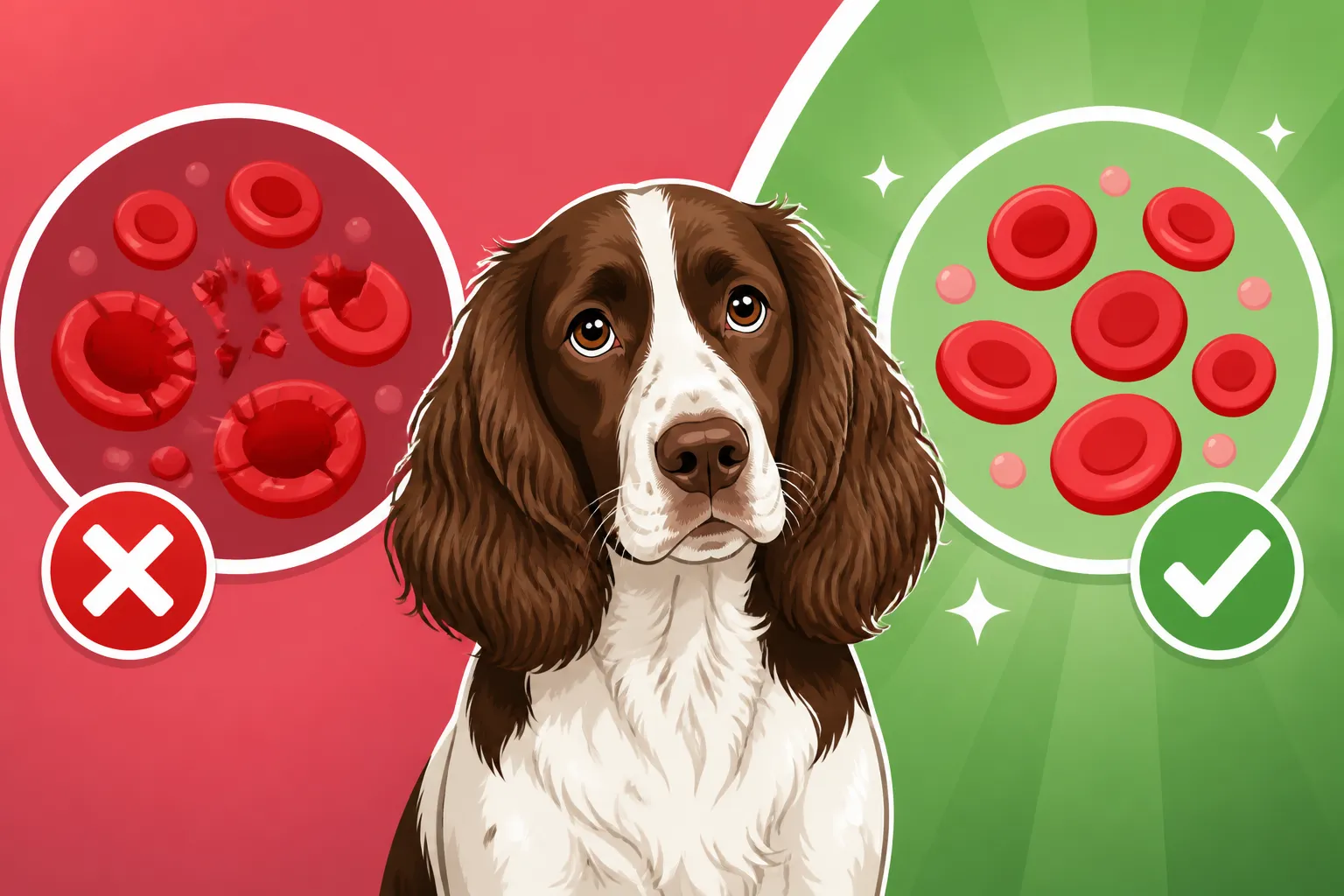
At its core, IMA means that the immune system, for reasons not always clear, identifies healthy red blood cells as foreign invaders. Think of it like a friendly fire incident within your dog's bloodstream. These red blood cells are absolutely vital; they carry oxygen from the lungs to every tissue and organ in the body. When they're destroyed prematurely, your dog becomes anemic, meaning their body isn't getting enough oxygen. This can lead to a cascade of serious health issues because all bodily functions depend on a steady supply of oxygen.
The destruction process can happen rapidly, either directly in the bloodstream (intravascular hemolysis) or, more commonly, when the red blood cells are flagged by antibodies and then filtered out and destroyed by organs like the spleen and liver (extravascular hemolysis). This is where the "hemolytic" part of IMHA comes in – "hemo" meaning blood, and "lysis" meaning breakdown. The body tries to produce more red blood cells to compensate, but it often can't keep up with the rate of destruction, leading to a critical shortage. It's a dire situation that requires immediate and aggressive veterinary intervention.
Why Springer Spaniels? The Breed Predisposition
While any dog can theoretically develop IMA, certain breeds, including our spirited English Springer Spaniels, appear to have a genetic predisposition. This means that for some reason, they're simply more likely to develop the condition than other breeds. It's heartbreaking to think that a trait passed down through generations could lead to such a serious illness, but it’s a reality we must acknowledge.
Researchers believe there might be specific genetic markers or immune system quirks within these breeds that make them more susceptible to developing autoimmune diseases. It's not always a straightforward genetic link that you can test for like The DNA Test That Should Precede Every Springer Spaniel Purchase, but rather a heightened general risk. Other breeds like Cocker Spaniels, Poodles, and Old English Sheepdogs also frequently appear on the list of predisposed breeds. While not every Springer Spaniel will get IMA, knowing this breed tendency allows you, as a vigilant owner, to be more aware of potential symptoms and seek veterinary care promptly. It's part of understanding the unique health landscape of our beloved Springers, and why a thorough health history from a reputable breeder is so important.
Recognizing the Subtle (and Not-So-Subtle) Signs of IMA
Detecting Immune-Mediated Anemia in its early stages can be tricky because the initial signs often mimic other, less severe illnesses. However, given the serious nature of IMA, being able to spot these early clues is paramount. You know your Springer best, so trust your gut if something feels off, even if you can't quite put your finger on it.
Early Warning Signals Every Owner Should Know
One of the most common early indicators of IMA is a noticeable change in your dog's energy levels. Your usually boisterous Springer, who loves to quarter your yard and retrieve endlessly, might suddenly seem lethargic, unwilling to play, or tire out much faster than usual during walks. They might be slower to greet you, less enthusiastic about food, or spend more time sleeping. This isn't just "getting older" fatigue; it's a profound weakness caused by their body lacking oxygen.
Another crucial sign to look for is pale gums. Healthy dog gums are typically a vibrant pink, but with anemia, they might appear very light pink, almost white. This is often accompanied by pale inner eyelids (if you gently pull them down) and sometimes pale skin around the belly. While not always easy to spot, especially in dogs with heavily pigmented gums, it's a strong indicator that their red blood cell count is low. Other subtle signs can include increased panting or a faster heart rate, even when resting, as their body struggles to get enough oxygen. If your dog, who normally bolts for the ball, now just watches it roll, or if their usual bright pink gums have faded, it's time for an urgent vet visit.
More Advanced Symptoms and When to Seek Emergency Care
As IMA progresses, the symptoms become far more alarming and often necessitate emergency veterinary care. One serious sign is jaundice, which indicates liver involvement due to the breakdown of red blood cells. You might notice a yellowing tint to their gums, the whites of their eyes, or even their skin. This is caused by an excess of bilirubin, a byproduct of red blood cell destruction. Another concerning symptom is dark urine, which can appear orange, brown, or even red. This is another indicator of excessive bilirubin or hemoglobin being passed through the kidneys, much like when a PFK dog passes dark urine during an episode (Why a PFK Springer Spaniel Passes Dark Urine).
In severe cases, your Springer might collapse, struggle to breathe, or experience seizures due to extreme oxygen deprivation. Their heart rate may be very high, and their pulse weak. If you see any of these advanced symptoms—especially sudden weakness, collapse, yellowing skin/eyes, or dark urine—do not delay. IMA can be rapidly fatal, and immediate veterinary attention, often including blood transfusions, is critical for survival. This is a situation where every minute counts, and getting to an emergency vet could literally save your dog's life.
The Diagnostic Journey: Unraveling the Mystery
When your Springer Spaniel presents with symptoms suggestive of anemia, your vet embarks on a thorough diagnostic journey. It’s not simply a matter of confirming anemia, but understanding its root cause. Because IMA is an autoimmune disease, it falls under the broader umbrella of conditions like Whether a Springer Spaniel Gets Autoimmune Disease, which can be notoriously complex to diagnose and manage.
Initial Veterinary Consultation and Blood Work
Your first step will be a detailed conversation with your veterinarian about your Springer's history, recent changes in behavior, appetite, and any medications they might be on. This is followed by a comprehensive physical examination. The vet will pay close attention to the color of your dog's gums, check for jaundice, listen to their heart and lungs, and palpate their abdomen. This initial assessment helps narrow down potential issues.
The cornerstone of diagnosing IMA, however, is blood work. A complete blood count (CBC) is essential. This test will reveal a significantly low red blood cell count, hematocrit, and hemoglobin, confirming anemia. Critically, the CBC might also show characteristic changes in the red blood cells themselves, such as spherocytes—small, dense, spherical red blood cells that are a hallmark of immune-mediated destruction. A reticulocyte count (which measures immature red blood cells) will also indicate if the body is trying to regenerate red blood cells, which is usually the case in IMA (regenerative anemia). Further tests, like a Coombs test (which detects antibodies attached to red blood cells), can help confirm the immune-mediated nature of the anemia. It’s a series of puzzle pieces that your vet carefully puts together.
Ruling Out Other Causes and Confirmatory Tests
Confirming IMA isn't just about identifying the destruction of red blood cells; it's also crucial to determine if it's primary IMA (where the immune system attacks red blood cells without an identifiable trigger) or secondary IMA (where another underlying condition triggers the immune response). This distinction is vital because secondary IMA requires treating the root cause as well. Your vet will want to rule out things like infections (bacterial, viral, tick-borne diseases like Lyme or ehrlichiosis), certain medications, exposure to toxins, and even cancers that can trigger a secondary immune response.
This might involve further diagnostics such as urinalysis, tick panels, thyroid tests (to rule out Whether a Springer Spaniel Gets Hypothyroidism), and imaging like X-rays or ultrasound of the chest and abdomen. In some complex cases, a bone marrow biopsy might be recommended to assess red blood cell production. The goal is to ensure that no stone is left unturned, providing the most accurate diagnosis so that the treatment plan can be precisely tailored to your Springer Spaniel's specific situation. This comprehensive approach ensures that you're not just treating symptoms, but addressing the full picture of your dog's health.
Treatment and Management: A Long-Term Commitment
Receiving an IMA diagnosis for your Springer Spaniel can feel overwhelming, but with prompt and appropriate treatment, many dogs can lead fulfilling lives. However, it's a journey that often requires significant commitment and vigilance from pet parents.
Immediate Stabilization and Immunosuppressive Therapy
When a Springer Spaniel is diagnosed with severe IMA, the immediate priority is stabilization. If the anemia is critical, a blood transfusion might be necessary to rapidly increase the red blood cell count and provide much-needed oxygen to vital organs. This can buy time while the primary treatment begins to take effect.
The cornerstone of IMA treatment is immunosuppressive therapy. Corticosteroids, most commonly Prednisone, are the first line of defense. These powerful drugs work by suppressing the immune system, preventing it from attacking red blood cells. The dosage is typically high initially and then gradually tapered down as the dog responds. It’s crucial to follow your vet's instructions precisely regarding medication dosage and schedule, as abrupt changes can trigger a relapse. While effective, corticosteroids come with side effects, including increased thirst, urination, appetite, and panting. For some dogs, or in cases where steroids alone aren't enough, other immunosuppressive medications like Azathioprine, Cyclosporine, or Mycophenolate might be added to the regimen. These can help to further suppress the immune system and sometimes allow for a lower steroid dose, mitigating some of the side effects. This multi-pronged approach helps tackle the immune system's overreaction from several angles.
Monitoring, Relapses, and Long-Term Care
Once treatment begins, vigilant monitoring is non-negotiable. Your Springer Spaniel will require frequent veterinary check-ups and blood tests to monitor their red blood cell count, assess medication effectiveness, and watch for potential side effects. The goal is to get the red blood cell count back to a healthy range and then gradually reduce the medication to the lowest effective dose. This tapering process can take many months, and sometimes, a small maintenance dose of medication is needed indefinitely.
Relapses are a real possibility with IMA, which can be incredibly disheartening for owners who have dedicated so much to their dog's recovery. Signs of relapse will mirror the initial symptoms: lethargy, pale gums, and weakness. It's essential to remain observant and report any concerns to your vet immediately. Long-term care involves not just medication, but also managing side effects and ensuring a good quality of life. Owners often find comfort in knowing that pet insurance providers like Healthy Paws can help significantly with the ongoing costs of these frequent vet visits, blood work, and expensive medications, making the long-term management more financially feasible. With diligent care, many Springers with IMA can enjoy a good quality of life and potentially reach their The Twelve to Fourteen Years a Springer Spaniel Lives.
Living with a Springer Spaniel Diagnosed with IMA
A diagnosis of Immune-Mediated Anemia brings with it a whole new set of considerations for you and your Springer Spaniel. It's not just about medication; it's about adjusting your daily routine, budgeting for ongoing care, and providing unwavering emotional support.
The Emotional and Financial Realities
Let's be honest: living with a dog diagnosed with IMA is emotionally taxing. There's the initial fear, the anxiety of potential relapses, and the constant worry that you might miss a subtle symptom. It can feel like walking on eggshells, always scrutinizing every subtle change in your dog's behavior or physical appearance. This emotional toll is very real, and it's okay to seek support from your vet or fellow pet owners who have faced similar challenges.
Then there's the financial reality. The diagnostic tests alone, from multiple blood panels to imaging, can quickly add up. Once diagnosed, the ongoing cost of medications—especially the immunosuppressants—and frequent follow-up vet visits for blood monitoring can be substantial. Emergency visits or transfusions can run into thousands of dollars. This is precisely why many dedicated Springer Spaniel owners opt for pet insurance early on. Companies like Healthy Paws can be a lifesaver, covering a significant portion of these recurring and unexpected veterinary expenses. Knowing that you have financial backing can ease some of the burden and allow you to focus on your dog's health without the added stress of crushing vet bills, which can easily look like What a Springer Spaniel's Vet Bills Look Like.
Supporting Your Dog Through Treatment and Beyond
Your role in your Springer Spaniel's recovery and ongoing health is crucial. Strict adherence to the medication schedule is paramount—never adjust doses or stop medication without veterinary guidance. Keep all follow-up appointments and blood tests, as these provide vital information about how your dog is responding to treatment.
Beyond medication, creating a low-stress environment for your dog can be highly beneficial. Stress can sometimes exacerbate immune responses. Maintain a consistent routine, provide comfortable resting spots, and ensure they have access to fresh water at all times (especially if on steroids, which increase thirst). Monitor their appetite and watch for any changes in their stool or urine. Exercise might need to be modified, particularly during periods of anemia, to prevent overexertion. While your Springer loves to run, they might need shorter, gentler walks initially. As they improve, you can gradually increase activity under your vet's guidance. Being proactive, observant, and dedicated to their care will give your Springer Spaniel the best chance at managing IMA and maintaining a good quality of life for years to come.
| Symptom Category | Early Signs | Advanced/Urgent Signs | When to Seek Vet Care |
|---|---|---|---|
| Energy & Activity | Lethargy, reduced stamina, less enthusiasm | Collapse, extreme weakness, inability to stand/walk | If lethargy persists or worsens over 24-48 hours |
| Mucous Membranes | Pale pink gums, pale inner eyelids | White gums, yellow gums (jaundice) | Immediately if gums are white or yellow |
| Respiration | Increased panting at rest, slight breathlessness | Rapid, labored breathing, difficulty catching breath | Urgently if breathing is significantly abnormal at rest |
| Urination/Stool | No obvious early changes | Dark urine (orange, brown, red), changes in stool | Immediately if urine is dark or discolored |
| Appetite | Slight decrease in appetite | Anorexia (complete refusal to eat), vomiting | If refusing food for more than 12-24 hours |
| Other | Mild weakness | Jaundice (yellow skin/eyes), seizures, fever | Immediately for any signs of jaundice, collapse, or seizures |
Disclaimer
The information provided in this article is for general educational purposes only and is not a substitute for professional veterinary advice. Always consult with a qualified veterinarian for any health concerns or before making any decisions related to your pet's care.