Whether Diet Changes a Springer Spaniel’s Ear Infections
If you're a Springer Spaniel owner, you know the frustrating, often smelly, and downright persistent battle with ear infections. It feels like you just clear one up, and another one starts brewing, leaving you wondering if there's anything you're missing. Among the many things we try, changing diet often comes up as a potential game-changer. This guide will dive deep into whether your Springer Spaniel's diet can truly influence those recurrent ear infections and what steps you can take to explore this connection.
Understanding Why Springer Spaniels Get Ear Infections
Before we even talk about food, it’s crucial to grasp why our beloved Springer Spaniels seem to be magnets for ear trouble. It’s not just bad luck; there are several factors at play that make them uniquely susceptible.
The Anatomy of a Springer Spaniel's Ear
Let's be real, a Springer Spaniel's floppy, feathered ears are undeniably adorable, but they're also a perfect storm for harboring moisture and bacteria. Unlike dogs with prick ears, where air can circulate freely, a Springer's ear leather hangs down, effectively sealing off the ear canal. This creates a warm, dark, and humid environment—an absolute paradise for yeast and bacteria to multiply. Add to that the copious hair inside their ear canals, and you've got a recipe for trouble. This anatomical predisposition is a huge reason why these dogs often experience chronic ear issues, regardless of other factors.
Common Environmental and Anatomical Factors
Beyond the basic droopy ear, several other elements can contribute to your Springer’s ongoing ear woes. Swimming, a favorite pastime for many Springers, introduces water and often debris into the ear canal, which then struggles to dry out. Even a walk through tall grass can introduce foreign bodies like grass awns that can migrate deep into the ear, causing severe irritation and infection. On top of that, allergies—environmental or food-related—are a huge driver of inflammation in the ear, making it itch, swell, and produce more wax, which then sets the stage for secondary infections. It's a vicious cycle that can feel endless for both you and your dog. You can learn more about why these ears are never quite healthy in our detailed article, "Why a Springer Spaniel's Ears Are Never Quite Healthy".
The Role of Underlying Allergies
It’s often said that "the ear is just the tip of the iceberg" when it comes to recurrent infections, and that couldn't be truer for Springers. Many ear infections aren't just isolated issues; they're often a symptom of an underlying allergic condition. When your dog has allergies, their immune system overreacts to certain substances, leading to inflammation not just on their skin, but often deep within their ear canals. This inflammation can cause excessive wax production, swelling, and itchiness, creating the perfect breeding ground for opportunistic bacteria and yeast. This is why you'll often hear veterinarians talk about a "flare" rather than just a simple infection, suggesting a broader systemic issue. If you're wondering how often your furry friend gets them, check out our guide on "How Often a Springer Spaniel Gets Ear Infections".
How Diet Could Impact Ear Health
Now, let's get to the heart of the matter: can diet actually make a difference? The answer, while not a universal "yes" for every dog, is a resounding "absolutely, in many cases!" especially when allergies are involved.
Food Allergies and Sensitivities
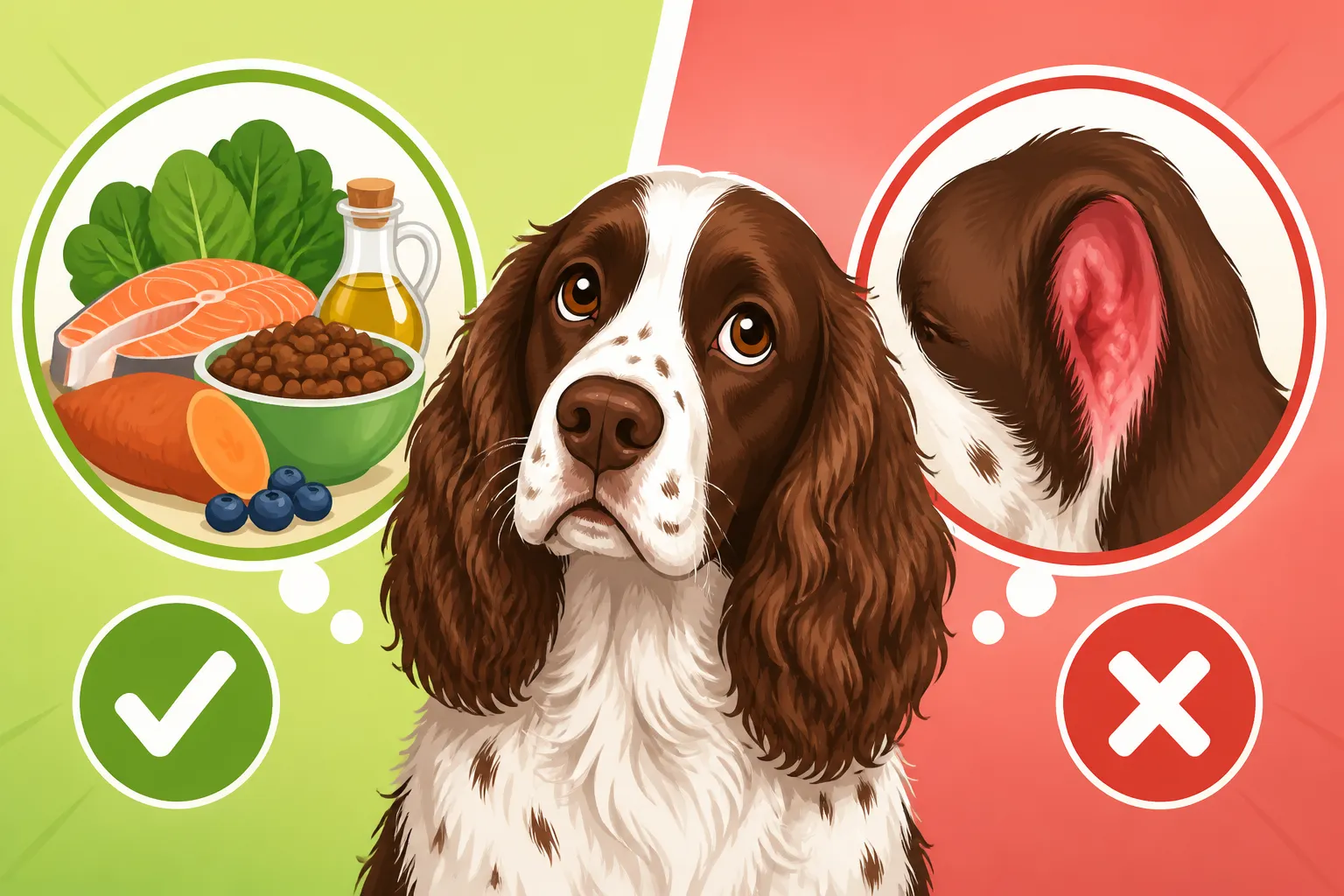
For some Springer Spaniels, the root cause of their itchy, inflamed ears is a food allergy or sensitivity. Unlike environmental allergies that might cause seasonal flare-ups, food allergies can trigger symptoms year-round. Common culprits include proteins like chicken, beef, dairy, wheat, and soy. When a dog is allergic to an ingredient, their immune system reacts to it as a threat, leading to inflammation throughout the body, including the skin and ears. This isn't just a mild intolerance; it can manifest as intense itching, redness, recurring infections, and even gastrointestinal upset. Identifying and removing these trigger foods can often lead to a dramatic improvement in ear health, sometimes even resolving chronic issues that seemed untreatable.
The Gut-Skin Connection
You might wonder how what goes into your dog's stomach can affect their ears. Well, it's all about the gut-skin axis! A healthy gut plays a critical role in a robust immune system. When the gut microbiome is out of balance—perhaps due to poor diet, antibiotics, or stress—it can lead to a phenomenon called "leaky gut," where toxins and undigested food particles can pass through the gut lining and trigger systemic inflammation. This inflammation can then manifest as skin issues, including those stubborn ear infections. A diet that supports a healthy gut, rich in prebiotics and probiotics, can strengthen the gut barrier and reduce overall inflammation, potentially leading to healthier skin and ears. While the connection isn't always immediately obvious, supporting your dog's digestive health is a proactive step toward managing various inflammatory conditions.
Nutritional Support for Immune Health
Beyond avoiding allergens, certain nutrients can actively support your Springer Spaniel's immune system and skin barrier, making them less susceptible to infections.
Omega-3 Fatty Acids
These essential fatty acids, particularly EPA and DHA found in fish oil, are powerful anti-inflammatories. They can help reduce the chronic inflammation that makes ears prone to infection, strengthen the skin barrier, and even improve the coat's health. Many veterinarians recommend high-quality fish oil supplements for dogs with skin and ear issues. Just make sure to choose a reputable brand that tests for purity.
Antioxidants
Vitamins C and E, along with other antioxidants, help combat oxidative stress in the body, which can contribute to inflammation and immune dysfunction. Including foods rich in these nutrients, or a quality supplement, can bolster your dog's natural defenses.
Zinc
Zinc is crucial for skin health and immune function. A deficiency can lead to poor wound healing and increased susceptibility to infections. Quality dog foods typically contain adequate zinc, but supplementation might be considered under veterinary guidance for specific cases.
For pet parents looking into insurance, it's worth noting that if you're exploring these dietary changes due to chronic issues, a provider like Healthy Paws might cover diagnostic tests for underlying allergies, which can be a huge relief financially. They can help manage the financial strain of ongoing treatments and specialized diets.
Practical Steps for Exploring Dietary Changes
So, you suspect diet might be playing a role in your Springer's ear infections. What do you do now? It's not as simple as just grabbing a new bag of kibble off the shelf. A methodical approach, ideally guided by your vet, is key.
Consulting Your Veterinarian First
This is perhaps the most critical step. Before you make any drastic changes to your Springer Spaniel's diet, have a thorough discussion with your veterinarian. They can help rule out other causes for recurrent ear infections, such as polyps, foreign bodies, or anatomical abnormalities that require medical or surgical intervention. They can also perform an ear cytology to identify the specific type of infection (yeast, bacteria, or both) and prescribe appropriate medication to clear the acute infection. This ensures you're treating the current problem while simultaneously investigating the underlying cause. Your vet can also advise you on how allergies drive a Springer Spaniel's ear disease, which is often the biggest piece of the puzzle.
The Elimination Diet Process
If food allergies are suspected, an elimination diet is the gold standard for diagnosis. This isn't just switching brands; it's a carefully controlled feeding trial that can take 8-12 weeks.
- Select a Novel Protein or Hydrolyzed Protein Diet: Your vet will recommend a specific therapeutic diet. A "novel protein" diet contains a protein source your dog has never eaten before (like venison, duck, rabbit, or kangaroo) and a carbohydrate source they haven't had (like sweet potato or pea). A "hydrolyzed protein" diet uses proteins that have been broken down into such small components that the immune system doesn't recognize them as allergens. Brands like Royal Canin, Purina Pro Plan Veterinary Diets, and Hill's Prescription Diet offer excellent options.
- Strict Adherence: This is where the discipline comes in! For the duration of the diet, your dog can eat absolutely nothing else. No treats, no table scraps, no flavored medications, not even flavored toothpaste, unless it's explicitly approved as part of the elimination diet. Even tiny amounts of the offending allergen can trigger symptoms and ruin the trial. This can be challenging, especially for a clever Springer Spaniel who loves to steal socks and snacks!
- Monitor Symptoms: Keep a detailed journal of your dog's ear health, itching, and any other symptoms. Look for improvements as the weeks go by.
- Reintroduction (The "Challenge"): If symptoms improve dramatically on the elimination diet, your vet may suggest a "challenge" phase. This involves reintroducing single, common allergens (like chicken, then beef, then dairy) one at a time, for about a week each, to see if symptoms return. If an ingredient causes a flare-up, you've found your culprit! This step is crucial, as it provides definitive proof of a food allergy. Keep in mind that a Springer Spaniel food trial might cost more than typical kibble, but it's an investment in their long-term health. Our article, "Running an Elimination Diet on a Springer Spaniel", offers a deeper dive into this process.
Choosing the Right Food After an Elimination Diet
Once you've identified your Springer Spaniel's food sensitivities (or ruled them out), you can make informed decisions about their long-term diet.
- Avoid Known Allergens: If the challenge phase identifies specific allergens (e.g., chicken or beef), choose a commercial diet that explicitly excludes those ingredients. Read labels carefully, as many pet foods contain hidden proteins or by-products.
- Limited Ingredient Diets (LIDs): These diets are formulated with a reduced number of ingredients, making it easier to avoid potential allergens. They typically feature one novel protein and one carbohydrate source. Brands like Natural Balance or Merrick Limited Ingredient Diet are popular choices.
- High-Quality, Balanced Nutrition: Regardless of allergens, always prioritize high-quality, nutritionally balanced food appropriate for your Springer Spaniel's life stage and activity level. Look for whole food ingredients, good sources of omega fatty acids, and no artificial colors, flavors, or preservatives.
- Consider Hydrolyzed Diets for Life: For some dogs with severe, multiple allergies or highly sensitive guts, staying on a veterinary hydrolyzed protein diet long-term might be the best solution. These diets are specifically designed to be highly digestible and non-allergenic.
It’s always a good idea to discuss any new food with your vet, especially if your Springer Spaniel has a history of health issues. And don't forget, if you're making these efforts to manage a chronic condition, a pet insurance provider like Healthy Paws can be a valuable partner in covering ongoing veterinary care, medications, and even prescription diets if they're deemed medically necessary. This can really lighten the load when dealing with persistent health challenges.
When Diet Alone Isn't the Answer
While diet can be a powerful tool in managing ear infections, it's not always the sole solution. Sometimes, despite your best dietary efforts, those stubborn infections keep coming back.
Persistent Infections and Further Diagnostics
If you've diligently pursued dietary changes and still face recurrent ear infections, it's time to dig deeper with your veterinarian or a veterinary dermatologist. Persistent infections often indicate an underlying issue that diet alone cannot fix.
- Advanced Imaging: Your vet might recommend imaging techniques like CT scans or MRI to visualize the deeper structures of the ear canal and middle ear. This can reveal hidden polyps, tumors, or chronic changes that are difficult to see with an otoscope.
- Biopsies: In some cases, tissue samples from the ear canal may be needed to diagnose specific conditions, such as immune-mediated diseases or certain types of cancer.
- Allergy Testing: If food allergies have been ruled out, environmental allergies (atopy) are a very common cause of ear infections. Your vet may suggest intradermal skin testing or blood tests to identify specific environmental allergens, such as pollen, dust mites, or molds. This can then lead to immunotherapy (allergy shots or drops) to desensitize your dog to these triggers. You can also explore "The Allergens Behind a Springer Spaniel's Itch".
- Bacterial Culture and Sensitivity: For infections that don't respond to standard antibiotics, a culture and sensitivity test can identify the exact bacteria present and determine which antibiotics will be most effective against them. This helps avoid using ineffective treatments and contributes to responsible antibiotic stewardship.
These further diagnostics can seem daunting, and the costs can add up quickly. This is precisely where having robust pet insurance like Healthy Paws can be a lifesaver, helping to cover a significant portion of these specialist consultations, tests, and advanced treatments.
The Importance of Consistent Ear Care
Even with the perfect diet and management of underlying allergies, consistent, proactive ear care is non-negotiable for a Springer Spaniel. Their ear anatomy demands it.
- Regular Cleaning: Depending on your dog's individual needs, regular ear cleaning (weekly to bi-weekly) with a vet-approved cleaner can help remove wax, debris, and prevent moisture buildup. Your vet can show you the correct technique to avoid damaging the ear.
- Drying After Water Exposure: If your Springer loves to swim or gets wet during baths, thoroughly drying their ears afterward is crucial. Using a soft towel and even a drying solution can make a big difference. Our guide "Drying a Springer Spaniel's Ears After Swimming" has more tips on this.
- Hair Management: Discuss with your vet or groomer whether plucking hair from inside the ear canal is beneficial for your specific dog. For some, it improves air circulation, while for others, it can cause irritation.
- Routine Checks: Make it a habit to inspect your Springer's ears daily or every few days. Look for redness, swelling, discharge, or any unusual odor. Early detection of a budding infection can prevent it from becoming severe.
Long-Term Management and Support
Living with a Springer Spaniel prone to ear infections is a marathon, not a sprint. It requires ongoing vigilance and a multi-faceted approach.
- Medication Adherence: If your dog is prescribed medication for allergies or chronic conditions, ensure you administer it exactly as directed, even if symptoms improve. Stopping early can lead to relapses.
- Supplements: Continue with any beneficial supplements like omega-3 fatty acids that support skin and immune health, as recommended by your vet.
- Environmental Control: If environmental allergies are identified, take steps to reduce exposure to those allergens. This might mean frequent dusting, air purifiers, or avoiding certain times of year or specific locations during walks.
- Regular Vet Check-ups: Regular veterinary visits, even when your dog seems fine, are important for monitoring ear health and adjusting management plans as needed. Catching problems early is always easier and less costly than treating advanced infections.
- Consider a Specialist: For truly intractable cases, don't hesitate to seek a referral to a board-certified veterinary dermatologist. These specialists have advanced training and tools to tackle the most challenging skin and ear conditions.
By combining careful dietary management, consistent ear hygiene, and a proactive approach to underlying causes, you can significantly improve your Springer Spaniel's quality of life and reduce the frequency and severity of those frustrating ear infections. It’s a commitment, but one that your happy, comfortable companion will certainly appreciate.
Disclaimer
This article is for general informational purposes only and does not constitute professional advice. Laws, prices and regulations vary by location and change over time. Consult a qualified professional for guidance on your specific situation.