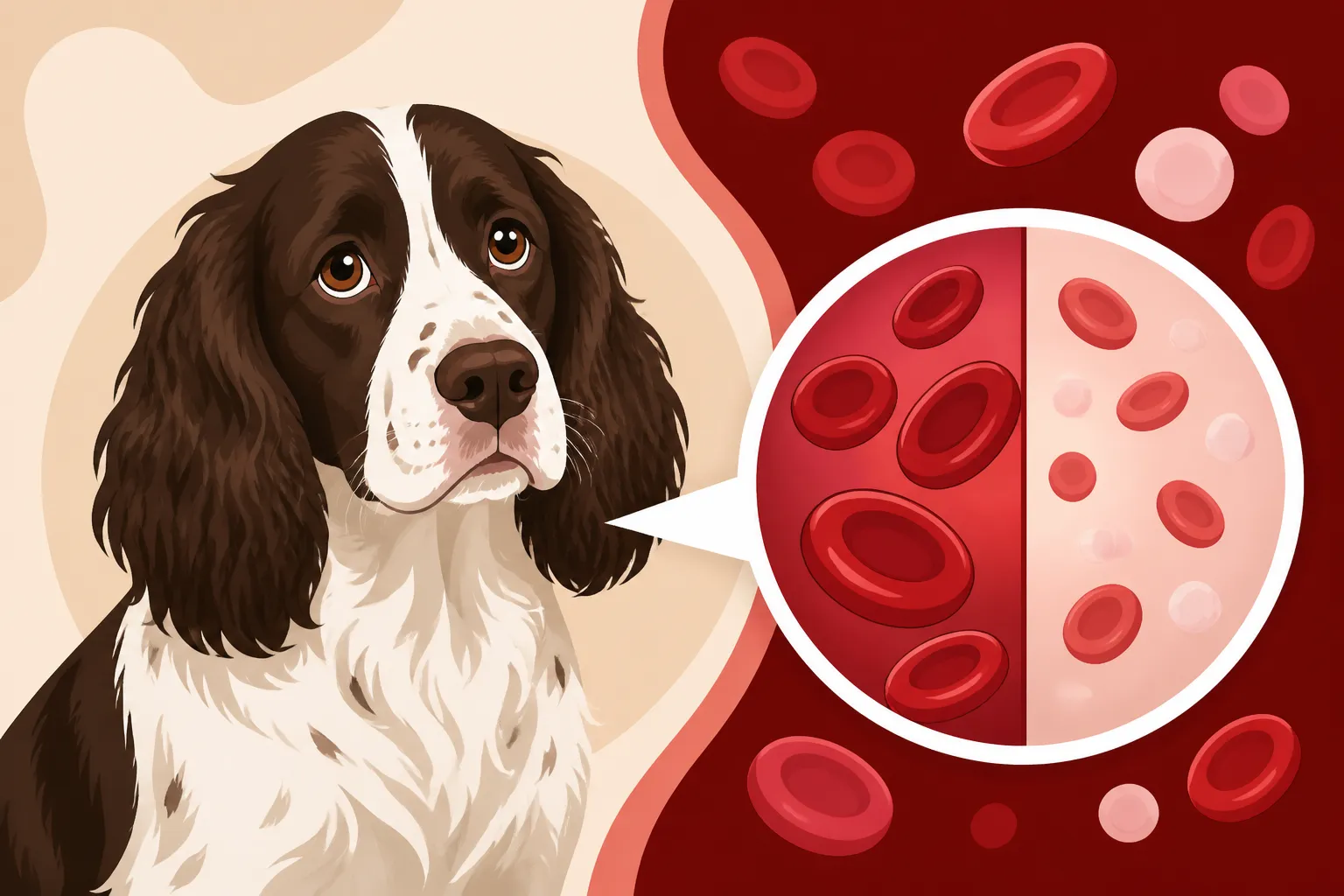
Whether a PFK Springer Spaniel Becomes Anemic
It’s a truly frightening moment when you realize your beloved English Springer Spaniel isn’t just tired, but genuinely unwell, and the thought of a serious genetic condition like PFK deficiency looms large. One of the most common and distressing concerns for owners facing this diagnosis is whether their dog will become anemic, leading to a cascade of other health issues. This comprehensive guide will walk you through the intricate relationship between PFK deficiency and anemia, helping you understand the signs, proactive management strategies, and how to best support your furry family member.
Understanding PFK Deficiency in Springer Spaniels
Glycogen storage disease type VII, commonly known as phosphofructokinase (PFK) deficiency, is a genetic disorder that predominantly affects Springer Spaniels, among other breeds. It’s a condition that can throw a real curveball into your dog’s health, impacting their ability to produce energy, especially in their red blood cells and muscle tissue. It’s not just a fancy scientific term; it describes a fundamental problem that can severely compromise your dog's vitality.
What PFK Deficiency Means for Your Dog's Red Blood Cells
At the heart of PFK deficiency is a missing or malfunctioning enzyme called phosphofructokinase. This enzyme is absolutely critical for one of the body's most fundamental processes: breaking down glucose (sugar) into energy. Think of glucose as the main fuel source, and PFK as a crucial spark plug in the engine that converts that fuel into power. Without a properly functioning spark plug, the engine sputters. In the case of PFK deficiency, it means that cells, particularly red blood cells, can't properly metabolize glucose.
Red blood cells are like tiny, tireless delivery trucks, responsible for carrying oxygen from the lungs to every tissue and organ in your dog’s body. They need a constant supply of energy to maintain their shape, flexibility, and overall integrity as they navigate through narrow capillaries. When the PFK enzyme is deficient, these red blood cells can't generate enough energy. They become fragile, rigid, and more susceptible to damage under normal physiological stress, like when your dog is active or excited. This cellular fragility is the direct precursor to the development of anemia.
The Mechanics of Hemolytic Anemia in PFK-Affected Dogs
Because the red blood cells of a PFK-deficient Springer Spaniel are so delicate and energy-starved, they are prone to premature destruction. This process is called hemolysis, and it’s essentially the bursting or breaking open of red blood cells. Normally, red blood cells have a lifespan of about 100-120 days, but in dogs with PFK deficiency, they might only last a fraction of that time.
When these fragile red blood cells burst, they release hemoglobin, the oxygen-carrying protein, into the bloodstream. The body's natural response is to try and clear this free hemoglobin, but the sheer volume can overwhelm the system. More critically, the rapid destruction of red blood cells means the body can't produce new ones fast enough to replace them. This imbalance—destruction outpacing production—is the definition of hemolytic anemia. Your dog's blood simply doesn't have enough healthy red blood cells to deliver the oxygen it needs to function properly, leading to weakness, lethargy, and a host of other concerning symptoms. This is why it’s so vital to understand What PFK Deficiency Does to a Springer Spaniel.
Recognizing the Signs of Anemia in a PFK Springer Spaniel
Catching the signs of anemia early can make a huge difference in managing your PFK-affected Springer Spaniel’s health. It requires a keen eye and a good understanding of what’s normal for your dog, especially because some early symptoms can be quite subtle.
Early Warning Signs and Subtle Changes
One of the first things you might notice is a general reduction in your dog's usual exuberance. Springer Spaniels are known for their boundless energy, so a noticeable decrease in their willingness to play, go for walks, or engage in their favorite activities should raise a red flag. They might seem more fatigued than usual, resting more frequently or taking longer to recover after even light exercise. This isn’t just a dog getting older; it's a dog whose body is struggling to get enough oxygen.
A critical physical sign to look for is pale mucous membranes. Gently lift your dog’s lips to check their gums; they should be a healthy bubblegum pink. If they appear noticeably paler, whitish, or even grayish, this is a strong indicator of anemia. You can also check the inner eyelids and tongue for similar paleness. Another subtle sign can be an increased heart rate or rapid breathing, even when your dog is at rest. Their body is working harder to compensate for the lack of oxygen-carrying red blood cells, which manifests as increased cardiovascular effort. Knowing your dog's baseline activity level and physical appearance is key to noticing these changes.
The Distinctive Dark Urine: A Key Indicator
While pale gums and lethargy are common signs of many types of anemia, PFK deficiency has a particularly distinctive symptom that points directly to red blood cell destruction: dark, reddish-brown urine. This isn’t just slightly off-color urine; it often resembles a dark cola or strong tea. This phenomenon is known as hemoglobinuria, and it occurs when the free hemoglobin released from the bursting red blood cells is filtered by the kidneys and excreted in the urine.
This dark urine is a critical indicator because it confirms that red blood cells are actively being destroyed in the bloodstream. It's different from blood in the urine (hematuria), which usually appears bright red and indicates bleeding in the urinary tract. Hemoglobinuria directly points to intravascular hemolysis, which is precisely what happens during a PFK episode. If you ever see your Springer Spaniel pass dark urine, it’s an urgent signal that they are experiencing an acute hemolytic crisis, and immediate veterinary attention is needed. This is a topic we delve into more deeply in Why a PFK Springer Spaniel Passes Dark Urine.
Here's a quick reference table for recognizing anemia signs:
| Symptom Category | Normal Observation (Healthy Springer) | Anemia Observation (PFK-Affected Springer) | What It Means |
|---|---|---|---|
| Energy Level | Eager for play, walks; recovers quickly | Lethargic, tires easily, prolonged recovery | Lack of oxygen delivery to muscles and organs |
| Gums/Mucous Memb. | Bright, healthy bubblegum pink | Pale, whitish, or grayish | Insufficient red blood cells to color tissues |
| Breathing/Heart | Calm, regular breathing; normal heart rate | Rapid breathing, increased heart rate at rest | Body compensating for low oxygen |
| Urine Color | Clear, yellow | Dark reddish-brown (cola-colored) | Hemoglobin released from destroyed red blood cells |
| Appetite | Enthusiastic eater | Decreased interest in food, picky | General malaise, internal discomfort |
Managing Anemia and PFK Deficiency Proactively
Living with a PFK-deficient Springer Spaniel means being vigilant and proactive in their care. While there’s no cure for PFK deficiency, thoughtful management can significantly improve their quality of life and help mitigate the effects of anemia.
Veterinary Diagnosis and Monitoring
The first step, if you suspect PFK deficiency or anemia, is a thorough veterinary examination. Your vet will likely perform a complete blood count (CBC) to assess the number and health of your dog's red blood cells, as well as a packed cell volume (PCV) to determine the percentage of red blood cells in their blood. These tests will confirm the presence and severity of anemia. Beyond that, genetic testing is crucial for a definitive diagnosis of PFK deficiency. There are specific DNA tests available that can identify whether your dog carries the PFK gene mutation or is affected by the disease. This is a key part of The Health Tests Both Springer Spaniel Parents Should Have if you’re considering breeding, or even just adopting.
Regular check-ups are paramount for monitoring your dog's condition, especially during periods of increased risk or if symptoms appear. Your vet can advise on the frequency of blood work and other diagnostics. In severe cases of acute hemolytic crisis, where anemia becomes life-threatening, your Springer Spaniel may require emergency supportive care, including intravenous fluids, oxygen therapy, and potentially even a blood transfusion. This is a serious situation, which we discuss further in Whether a PFK Springer Spaniel Needs a Transfusion. Having robust pet insurance, like a plan from Healthy Paws, can be incredibly helpful in covering these unexpected and often expensive emergency treatments.
Lifestyle Adjustments and Supportive Care
The cornerstone of managing PFK deficiency and preventing anemia lies in minimizing the triggers that can precipitate a hemolytic crisis. We've talked about What Triggers a PFK Episode in a Springer Spaniel before, and it often boils down to strenuous exercise, excessive excitement, and exposure to heat. These factors increase metabolic demand and stress on red blood cells, making them more prone to destruction. Therefore, adjusting your dog's daily routine is crucial.
- Controlled Exercise: Instead of long, intense runs or highly stimulating games, opt for shorter, gentler walks. Avoid playing fetch to exhaustion. The goal is consistent, moderate activity without overdoing it.
- Stress Reduction: Try to keep your home environment calm and predictable. Loud noises, unfamiliar situations, or prolonged separation anxiety can trigger excitement and stress.
- Temperature Management: On hot days, limit outdoor time to early mornings or late evenings. Ensure your dog always has access to shade and fresh, cool water. Never leave a PFK-affected dog in a hot car, even for a few minutes.
- Dietary Support: While diet won't cure PFK, a high-quality, easily digestible diet can support overall health. Some vets might recommend supplements that support red blood cell health or provide antioxidant benefits, though these should always be discussed with your vet first.
Remember, the aim is to strike a balance where your Springer Spaniel can enjoy life without pushing their fragile system too hard. This delicate balancing act is central to Managing a Springer Spaniel With PFK Deficiency.
Breeding Responsibly to Prevent PFK
Beyond individual dog management, responsible breeding plays a critical role in reducing the incidence of PFK deficiency. Since it’s an inherited genetic condition, breeders have a moral and ethical obligation to test their breeding stock for the PFK gene mutation. Only dogs that are clear of the mutation, or at most, carriers that are bred responsibly with clear mates, should be used for breeding.
It's important to understand that a carrier Springer Spaniel, while possessing one copy of the mutated gene, typically does not show clinical signs of the disease themselves. This is covered in Whether a Carrier Springer Spaniel Shows Signs. However, if two carriers are bred together, their offspring have a 25% chance of being affected, a 50% chance of being carriers, and a 25% chance of being clear. By consistently screening breeding dogs, reputable breeders can ensure they are not producing affected puppies, thereby slowly but surely working to eliminate PFK deficiency from the breed. Always ask breeders for proof of PFK testing for both parent dogs before committing to a puppy.
Living a Full Life with a PFK Springer Spaniel
Discovering your Springer Spaniel has PFK deficiency, and that anemia is a significant risk, can be overwhelming. But it doesn't mean a life devoid of joy or connection. Many dogs with PFK deficiency, with careful management and a dedicated owner, can still live remarkably fulfilling lives.
Understanding Lifespan Expectations
It's natural to wonder about your dog's future, especially their lifespan, when facing a chronic condition like PFK deficiency. While severe, unmanaged PFK deficiency can unfortunately lead to a shortened lifespan due to repeated hemolytic crises and severe anemia, proactive and vigilant management can make a significant difference. Many affected dogs, with the right care, can live into their middle years, sometimes even approaching the lower end of the breed's typical The Twelve to Fourteen Years a Springer Spaniel Lives.
The key is preventing those severe episodes of red blood cell destruction. By carefully managing their exercise, excitement levels, and environmental stressors, you can significantly reduce the frequency and severity of hemolytic events. While the condition itself cannot be cured, the symptoms and their impact on daily life can be managed effectively. It truly is about prioritizing quality of life, making every day comfortable and joyful for your companion.
Ongoing Support and Quality of Life
Providing ongoing support for a PFK Springer Spaniel goes beyond just medical care; it's about creating an environment where they can thrive despite their limitations. This means maintaining a close relationship with your veterinarian, who can help you tailor a health plan as your dog ages and their needs potentially change. Regular blood work will help monitor their anemia and overall health, allowing for early intervention if things start to trend downwards.
Adapting your activities to your dog's energy levels is crucial. Instead of demanding they keep up with your previous expectations, learn to read their cues and celebrate their capabilities. Perhaps shorter, sniff-heavy walks replace strenuous hikes, or gentle play sessions become the norm rather than high-intensity games. Providing a calm, predictable home environment reduces stress, which is a known trigger for PFK episodes.
Finally, remember that managing a dog with a chronic condition can be emotionally taxing for owners. Don’t hesitate to seek support from fellow Springer Spaniel owners, online communities, or even your vet, who can connect you with resources. Having a trusted pet insurance provider like Healthy Paws can also alleviate some of the financial stress associated with ongoing veterinary care, allowing you to focus more on your dog's well-being. With love, dedication, and careful management, your PFK-affected Springer Spaniel can absolutely be a cherished and happy member of your family.
Disclaimer
Please note that this article is intended for informational purposes only and does not constitute veterinary advice. Always consult with a qualified veterinarian for any health concerns or before making any decisions about your pet's medical care.