Whether Retinal Dysplasia Blinds a Springer Spaniel
It's incredibly unsettling to hear that your beloved Springer Spaniel might be facing an eye condition, especially one that could impact their vision. The thought of them struggling to navigate their world, no longer bounding through fields or finding their favorite toys with ease, is a worry every dog parent dreads. This comprehensive guide aims to clear up the confusion around retinal dysplasia, exploring its various forms, how it affects your Springer Spaniel's eyesight, and what you can do to support them.
Understanding Retinal Dysplasia in Springer Spaniels
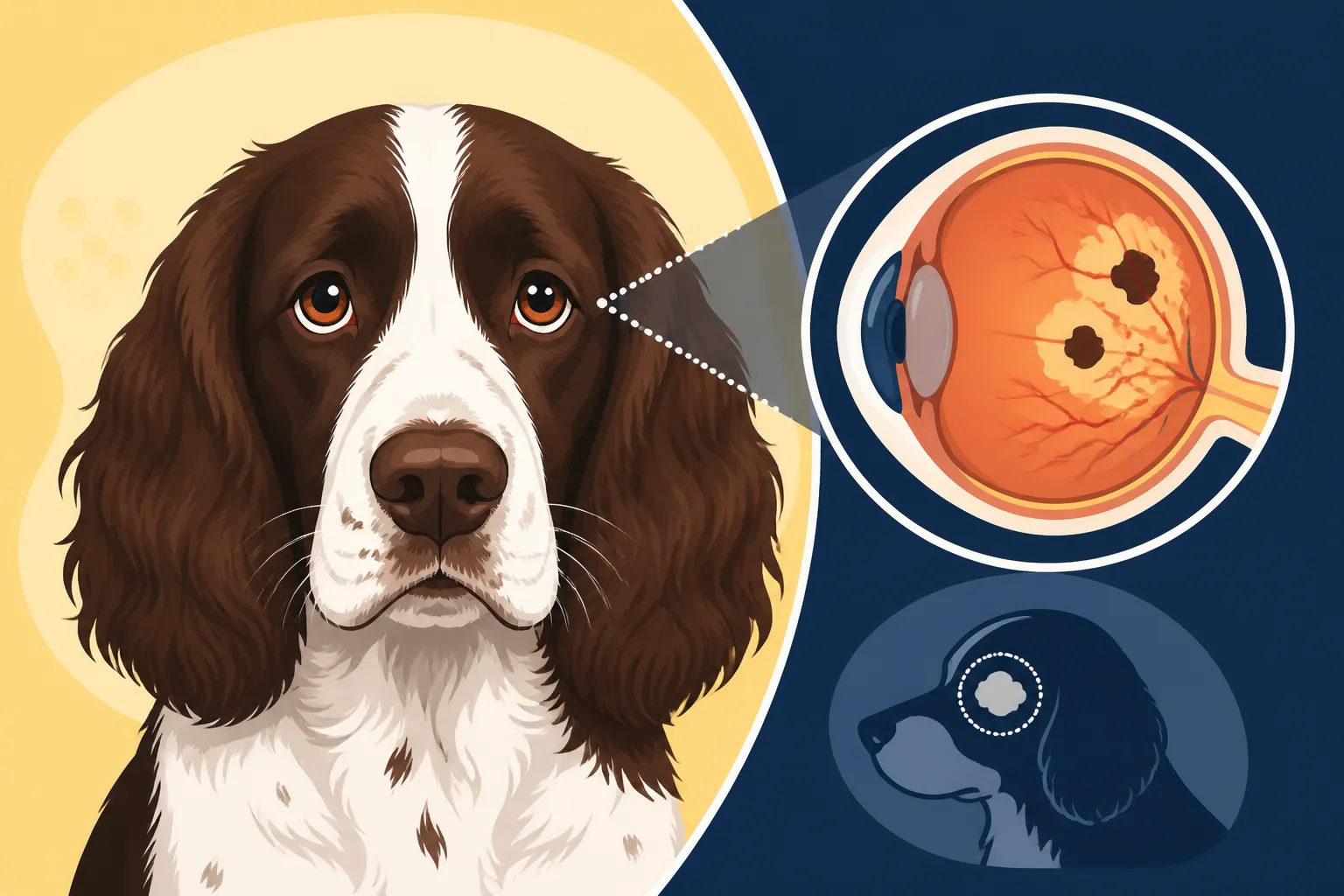
When we talk about retinal dysplasia, it's not a single, uniform condition, but rather a group of developmental abnormalities affecting the retina, which is the crucial light-sensitive tissue at the back of your dog's eye. Think of the retina as the film in an old camera or the sensor in a digital one – it's responsible for capturing images and sending them to the brain to be processed into sight. If this "film" doesn't form correctly during development, vision can be compromised to varying degrees.
What Exactly Is Retinal Dysplasia?
Retinal dysplasia occurs when the cells in the retina don't develop and differentiate properly during a puppy's fetal development. Instead of forming a smooth, uniform layer, parts of the retina might fold, clump, or even detach. This faulty architecture disrupts the normal pathway of light signals, leading to blurry vision, blind spots, or, in severe cases, complete blindness. For a breed as active and engaged with their environment as the English Springer Spaniel, any vision impairment can significantly alter their quality of life. Owners often wonder about the severity, and if they will experience Whether a Springer Spaniel Goes Fully Blind From PRA.
There are typically three main classifications of retinal dysplasia, ranging in severity: folds, geographic lesions, and retinal detachment. These classifications describe the specific ways in which the retina has failed to develop normally. It's not always obvious to the naked eye, and often requires specialized examination by a veterinary ophthalmologist to properly diagnose and categorize the extent of the condition in your individual Springer Spaniel.
The Different Forms and Their Genetic Roots
The most common and often least severe form is retinal folds. These are small, irregular folds or creases in the retina. Imagine a crumpled piece of paper – that's somewhat akin to what these folds look like microscopically. Often, these folds are so minor that they don't impact vision at all, and many dogs live their entire lives with retinal folds without their owners ever knowing, unless an eye exam is performed for other reasons. They might be unilateral (one eye) or bilateral (both eyes).
Geographic retinal dysplasia is a more serious manifestation. Here, the retinal tissue is not only folded but also thinned or disorganized over larger areas, creating irregular "geographic" patterns. This form can lead to significant blind spots and reduced vision. Dogs with geographic retinal dysplasia may struggle with navigating in unfamiliar environments, might bump into objects, or show hesitation in low light. This is a progressive concern for many Springer Spaniel enthusiasts, as they want to ensure their dogs have the best possible eyesight for their active lifestyles.
The most severe form is retinal detachment. In this scenario, the retina completely or partially separates from the underlying layer that provides it with blood and nutrients. This separation essentially "disconnects" the retina from its life support, leading to profound vision loss or complete blindness in the affected eye. For a Springer Spaniel, losing sight, even in one eye, can be a major adjustment, although dogs are remarkably adaptable. The genetic component is strong in Springer Spaniels, and breeders dedicated to the breed will screen for this and The Four Eye Diseases a Springer Spaniel Breeder Screens For.
The English Springer Spaniel has a known genetic predisposition to retinal dysplasia. It's often inherited in an autosomal recessive pattern, meaning a puppy must inherit two copies of the affected gene (one from each parent) to develop the more severe forms. This is why responsible breeders meticulously screen their breeding stock using specialized eye exams performed by certified veterinary ophthalmologists. Understanding this genetic link is crucial for preventing the spread of the condition and ensuring healthier future generations of Springers.
The Severity Spectrum: From Minor Folds to Blindness
It's natural to panic when you first hear "retinal dysplasia," but it's really important to remember that the impact on your Springer Spaniel's vision can vary dramatically. It's not an automatic sentence to blindness. The spectrum is wide, and your dog's quality of life depends heavily on which form of retinal dysplasia they have, and to what extent it has progressed.
Retinal Folds: Often Little to No Visual Impact
For many Springer Spaniels, retinal folds are the mildest form of this condition. These are small, localized areas where the retinal layers haven't quite aligned perfectly during development. They appear as faint streaks or folds on the retina when viewed through an ophthalmoscope. It’s akin to having a slight crease in a photograph – the image is still there, largely intact, and you can easily make out what's happening.
In the vast majority of cases, retinal folds do not cause any noticeable vision impairment. Your dog will likely see perfectly fine, chasing squirrels, retrieving dummies, and navigating your home with no issues. They won't bump into furniture or show any signs of disorientation. In fact, many dogs with only retinal folds are diagnosed incidentally during routine eye screenings or examinations for unrelated issues. This is why it's so important for breeders to perform thorough eye exams on their dogs before breeding, as even these mild forms indicate the presence of the genetic trait. It is a critical part of The DNA Test That Should Precede Every Springer Spaniel Purchase.
It's not uncommon for these minor folds to even resolve themselves somewhat as a puppy grows, though the underlying genetic predisposition remains. So, while it's a condition to be aware of, especially for breeding purposes, if your Springer Spaniel is diagnosed with only retinal folds, you can generally breathe a sigh of relief regarding their day-to-day vision. They'll probably be just as goofy and energetic as ever.
Geographic Retinal Dysplasia and Progressive Vision Loss
Geographic retinal dysplasia represents a more significant developmental abnormality than simple folds. Here, the malformation involves larger, irregular areas of the retina, often with thinning, rosetting (abnormal clumping of retinal cells), or cystic changes. These larger, more disorganized patches can severely distort the visual image received by the brain.
Dogs with geographic retinal dysplasia may experience varying degrees of vision impairment. They might have blind spots, reduced visual acuity, especially in dim light, or difficulty with depth perception. Imagine looking through a window with parts of it smudged or distorted – you can still see out, but the clarity and completeness of the picture are compromised. This can manifest as clumsiness, particularly when going up or down stairs, or hesitance in unfamiliar places. For a high-drive Springer, this can be frustrating.
While geographic retinal dysplasia is not always immediately blinding, it can be progressive in some cases, meaning the vision loss may worsen over time. This makes regular follow-up eye examinations crucial for monitoring the condition and making any necessary adjustments to their environment or routine. It’s important to understand the subtle differences between this and Retinal Dysplasia in a Springer Spaniel more broadly. Knowing the exact form helps set realistic expectations for your dog's future vision and allows you to prepare for any eventual adaptations they might need, such as careful leash walking or keeping their home environment consistent.
Retinal Detachment: The Path to Blindness
Retinal detachment is the most severe and impactful form of retinal dysplasia. In this condition, the retina completely or partially separates from the choroid, the underlying layer of blood vessels that nourishes it. This separation is devastating because it cuts off the retina's blood supply, leading to the rapid death of photoreceptor cells (rods and cones) and irreversible vision loss. Without prompt blood supply, the retina cannot function.
When a full retinal detachment occurs, the affected eye becomes blind. If both eyes experience detachment, the dog will be completely blind. This can happen quite suddenly, or it can be a gradual process if only partial detachments occur first. A dog experiencing retinal detachment might suddenly appear disoriented, bump into objects repeatedly, or show signs of anxiety and confusion. They might also develop secondary issues like Whether a Springer Spaniel Gets Cataracts due to the trauma to the eye.
While there are surgical options for reattaching the retina in some cases of trauma-induced detachment, for cases stemming from retinal dysplasia, surgery is often not successful due to the underlying abnormal tissue. The focus then shifts to supportive care and helping your Springer Spaniel adapt to their new reality. This is undoubtedly the most heartbreaking outcome of retinal dysplasia, but even blind dogs can live full, happy lives with the right care and commitment from their owners. It is important to emphasize that retinal detachment due to dysplasia is much less common than the milder forms, but its potential severity is why screening is so critical.
| Type of Retinal Dysplasia | Description | Visual Impact (Typical) | Progression |
|---|---|---|---|
| Retinal Folds | Small, irregular creases or wrinkles in the retina. | Usually none; dog's vision is typically normal. | Non-progressive |
| Geographic RD | Larger, disorganized areas of retinal thinning/clumping. | Mild to moderate vision impairment, blind spots, reduced acuity. | Potentially progressive |
| Retinal Detachment | Retina separates from underlying supportive tissue. | Severe vision loss or complete blindness in affected eye(s). | Immediate blindness (if complete) |
Diagnosing Retinal Dysplasia and Managing the Prognosis
Discovering your Springer Spaniel has retinal dysplasia can feel overwhelming, but an accurate diagnosis is the first crucial step. Understanding the specific type and severity of the condition will help you work with your veterinary team to formulate the best plan for your dog's present and future. Early detection, especially for breeding animals, is vital to controlling its prevalence in the breed.
The Diagnostic Process: What to Expect at the Vet
The primary method for diagnosing retinal dysplasia is a thorough eye examination performed by a veterinary ophthalmologist. This isn't just a quick peek; it's a detailed assessment. First, the vet will likely dilate your Springer Spaniel's pupils using eye drops. This allows for a much better view of the retina at the back of the eye. Then, they will use an ophthalmoscope, a specialized instrument, to meticulously examine the retina for any abnormalities like folds, geographic lesions, or signs of detachment. This is the cornerstone of diagnosis. It's often recommended for all Springer Spaniels to have Whether a Springer Spaniel Needs a Yearly Eye Exam if they are active or part of a breeding program.
In some cases, especially if vision loss is apparent but the cause isn't clear from the initial exam, further tests might be recommended. An electroretinogram (ERG) measures the electrical activity of the retina in response to light, much like an EKG measures heart activity. This test can assess the overall function of the retina and help differentiate retinal dysplasia from other conditions causing vision problems, such as Progressive Retinal Atrophy (PRA). An ocular ultrasound might also be used to visualize the retina if cataracts or other opacities prevent a clear view. While not always common for mild retinal folds, for any significant vision concern, these additional diagnostics provide a comprehensive picture. For new puppies, it is important to check Whether a Springer Spaniel Puppy's Eyes Are Checked at Eight Weeks.
For Springers intended for breeding, genetic testing is increasingly available for some forms of inherited eye diseases, though specifically for all types of retinal dysplasia, direct DNA tests are not universally available. However, breeders should ensure that both parents have current eye certifications from organizations like the Orthopedic Foundation for Animals (OFA) or the American College of Veterinary Ophthalmologists (ACVO) indicating they are free of detectable eye disease. This proactive approach, including comprehensive health screenings like The Health Tests Both Springer Spaniel Parents Should Have, is crucial for minimizing the risk of passing on genetic conditions.
Long-Term Prognosis and Breeding Considerations
The long-term prognosis for a Springer Spaniel with retinal dysplasia varies significantly based on the type and severity. If your dog is diagnosed with only retinal folds, the prognosis for normal vision is excellent, and they will likely never experience vision problems from this condition. However, it's still an important piece of information to have, especially if you were considering breeding them. Dogs with even mild retinal folds should generally not be bred, as they carry the genetic predisposition that could lead to more severe forms in their offspring.
For dogs with geographic retinal dysplasia, the prognosis is guarded. They may live with some level of vision impairment, and it's possible for the condition to worsen over time. Regular follow-up exams will be necessary to monitor any changes. These dogs will need careful management to ensure their safety and quality of life, which might involve keeping their environment consistent and safe. Breeding dogs with geographic retinal dysplasia is highly discouraged due to the increased risk of producing offspring with severe vision problems or blindness. Organizations like Healthy Paws often recommend covering routine preventative care in their pet insurance plans, which includes eye exams that can catch these conditions early.
In cases of retinal detachment, the prognosis for vision in the affected eye(s) is poor. Once detached, the retina's cells die rapidly, leading to permanent blindness. While heartbreaking, many blind Springer Spaniels adapt remarkably well to their condition, relying on their other heightened senses like smell and hearing. The focus then shifts entirely to providing a safe, consistent, and loving environment that helps them thrive. For breeders, any dog with retinal detachment, regardless of its cause, should be immediately removed from any breeding program to prevent passing on such devastating conditions. The financial implications of diagnosing and managing conditions like retinal dysplasia can be significant, making a comprehensive pet insurance plan from providers like Healthy Paws a wise investment for any Springer Spaniel owner.
Living with a Springer Spaniel Affected by Retinal Dysplasia
Even if your Springer Spaniel receives a diagnosis of retinal dysplasia that impacts their vision, it's far from the end of the world for them. Dogs are incredibly resilient and adaptable, and with your help, they can continue to live a fulfilling and happy life. The key is to understand their limitations and create an environment that supports their remaining senses.
Adapting the Home Environment for Visual Impairment
If your Springer Spaniel has significant vision impairment or becomes completely blind due to retinal dysplasia, adapting your home environment is paramount to their safety and confidence. Dogs thrive on routine and predictability, and this becomes even more crucial for a visually impaired dog. Try to keep furniture and their food and water bowls in consistent locations. Avoid rearranging things frequently, as this can disorient them and lead to bumps and frustrations. Blocking off stairs or swimming pools with gates can prevent dangerous falls.
Creating clear pathways and minimizing clutter will help your Springer navigate more easily. You might consider placing different textured mats at the entrance to rooms or before stairs to give them tactile cues about their surroundings. Some owners find "scent trails" helpful, using specific essential oils (safe for dogs) in different areas to help their dog orient themselves. Remember, their sense of smell is incredibly powerful, and a consistent scent profile can be a fantastic guide. This proactive approach helps your dog to continue to flourish, even when dealing with issues like Whether a Blind Springer Spaniel Copes at Home.
For outdoor excursions, always keep your visually impaired Springer Spaniel on a leash. Even in a familiar backyard, unexpected obstacles or sounds can cause confusion. If they enjoy playing, consider toys that make noise, like squeaky balls or crinkly plush toys, so they can locate them by sound. Positive reinforcement and consistent communication, using verbal cues and familiar sounds, will be your best tools in helping them adjust and feel secure. This kind of dedicated care is often supported by pet insurance plans like those offered by Healthy Paws, which can help alleviate some of the financial burden of ongoing specialized care and adaptive equipment.
Ongoing Veterinary Care and Supportive Measures
Even if retinal dysplasia is diagnosed as non-progressive or your dog has adapted well to vision loss, ongoing veterinary care remains important. Regular check-ups with your general veterinarian, and periodic follow-ups with a veterinary ophthalmologist, are crucial to monitor for any secondary complications or other age-related eye issues. The last thing you want is for a different, treatable condition to go unnoticed simply because you assumed all eye problems were due to the known dysplasia.
While there is no direct treatment to "cure" retinal dysplasia, supportive care can involve managing any associated pain or discomfort if secondary issues develop. For example, if retinal detachment leads to inflammation or glaucoma (though this is less common with dysplasia-induced detachment), medication might be needed. Your vet can guide you on the best course of action. For general eye health, ensure their diet is rich in antioxidants and omega-3 fatty acids, which can support overall ocular health, even if it won't reverse dysplasia.
It's also important to remember the emotional and mental well-being of your Springer Spaniel. A dog experiencing vision loss can become anxious or depressed. Engaging them with scent work, puzzle toys that don't rely on sight, and plenty of interactive play using sound cues can keep their minds sharp and spirits high. Loving reassurance and a consistent routine will be their anchor. As they age, their needs might change, leading you to explore specific considerations for Caring for a Springer Spaniel Past Nine. Many pet insurance companies, including Healthy Paws, recognize the importance of ongoing care for chronic conditions, providing coverage that can significantly ease the financial strain over your dog's lifetime, especially when considering What Insuring a Springer Spaniel Costs Monthly.
Disclaimer
This article is intended for informational purposes only and does not constitute veterinary advice. Always consult with a qualified veterinary professional for any health concerns or before making any decisions about your pet's health or treatment.