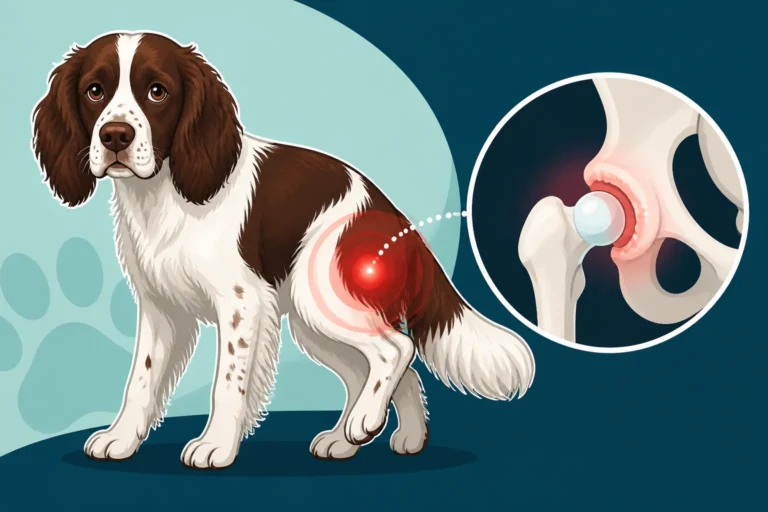
Lumps Worth Checking on a Springer Spaniel
Discovering a lump or bump on your beloved English Springer Spaniel can send any dog owner into an immediate spiral of worry and anxiety. It’s that moment your hand, while stroking their soft coat, hits something unexpected, and your mind races through every worst-case scenario. This guide is here to walk you through the common types of lumps Springers can develop, what to look for, and when to seek veterinary attention, offering clear, empathetic, and practical advice to ease your mind and help you care for your furry friend.
The Initial Discovery: What to Do When You Find a Lump
That sudden, unsettling feeling of finding something new on your dog – whether it's a soft little bump, a firm knot, or something entirely different – is completely normal. Most of us immediately jump to the most frightening conclusions, envisioning complex surgeries and dire prognoses. But before you let your imagination run wild, take a deep breath. Many lumps and bumps on dogs, even on active breeds like Springer Spaniels, turn out to be benign. The key is to approach the situation calmly and systematically.
Panic is Natural, but Observation is Key
It’s easy to feel overwhelmed, especially when you consider how close you are to your dog. They’re part of the family, and their health is paramount. When you first notice a lump, resist the urge to immediately probe or squeeze it vigorously, which can cause discomfort or even spread certain types of cells if it's something more serious. Instead, focus on observation. Note its exact location – is it on a limb, on their chest, under their ear, or on their abdomen? Pay attention to its size and shape. Is it perfectly round, or more irregular? How does it feel to the touch? Is it soft and squishy, or hard and fixed? Can you move it under the skin, or does it seem attached to deeper tissue? These initial observations are invaluable, not just for your peace of mind, but for your veterinarian as well.
Consider when you first noticed it. Has it appeared suddenly, or has it been growing slowly over weeks or months? Has its size changed rapidly? A lump that grows quickly might be more concerning than one that has remained stable for a long time. Also, observe your Springer Spaniel's behavior. Are they bothered by it? Do they lick, chew, or scratch the area excessively? Is there any redness, heat, or discharge associated with it? A lump that's causing irritation or pain clearly warrants more urgent attention. This initial, calm assessment helps you categorize the urgency and provides crucial details when you inevitably contact your vet.
Gathering Information for Your Vet
When you call your veterinarian, they’re going to ask a lot of questions. Having the answers ready will not only save time but also help them understand the situation better and advise you on the next steps. It's often helpful to keep a small notebook or use your phone to log your observations. Note the date you first found the lump, its location, its estimated size (you can use common objects for comparison, like a pea, a marble, or a grape, or even use a small ruler if you're comfortable), and how it feels. A good description might be "a soft, movable, pea-sized lump on her right flank, just behind the last rib."
Beyond the physical description, think about your Springer's overall health. Has there been any change in appetite, energy levels, drinking habits, or bathroom routine? Have they experienced any recent trauma, like a bump or scrape? Sometimes, what appears to be a lump is actually a reaction to an insect bite, a thorn, or a minor injury. Your vet will appreciate all this detail, as it helps them narrow down the possibilities. Don't hesitate to take a clear photo of the lump from different angles if it's in a visible spot; sometimes a picture really is worth a thousand words for a quick initial assessment.
Common Types of Lumps on Springer Spaniels
While the word "lump" often triggers fear, it’s important to remember that many types of growths are benign. Springer Spaniels, like many active breeds, can be prone to various skin conditions and lumps as they age or due to their lifestyle. Understanding the common culprits can provide some perspective, though self-diagnosis is never recommended.
Fatty Lumps: Lipomas
Lipomas are probably one of the most common types of lumps you'll encounter on a mature Springer Spaniel. These are benign (non-cancerous) fatty tumors that typically feel soft, movable, and somewhat "squishy" under the skin, almost like a small bag of jelly. They often appear on the chest, abdomen, or limbs, and can vary greatly in size, from tiny marbles to large, noticeable masses. They usually don't bother the dog at all, unless they grow in an awkward spot where they interfere with movement, like in an armpit, or become so large that they drag or press on nerves.
It's common for older dogs to develop multiple lipomas over time. While they are usually harmless, their appearance can be alarming, and sometimes they can be mistaken for more serious growths. Vets will often confirm a lipoma through a fine needle aspirate (FNA), where a small sample of cells is drawn out with a needle and examined under a microscope. This quick, minimally invasive procedure can often put your mind at ease. Rarely, a lipoma might infiltrate muscle tissue, making surgical removal more complex, but generally, if they aren't causing problems, they're often left alone.
Sebaceous Cysts and Follicular Tumors
Imagine a blocked pore on your skin, but on your dog. That's essentially what a sebaceous cyst is. These occur when a sebaceous gland, which produces oily sebum, becomes clogged, leading to a build-up of material under the skin. They can feel firm or slightly soft, and sometimes, if they rupture, they can exude a white, pasty, or cottage cheese-like substance. These cysts are generally benign, though they can become inflamed or infected, especially if your Springer Spaniel repeatedly licks or scratches at them. If infected, they might become painful, red, and swollen.
Follicular tumors, such as basal cell tumors or trichoepitheliomas, are also benign skin growths that originate from hair follicles. They can look similar to sebaceous cysts or even warts. Basal cell tumors are quite common and usually appear as firm, well-defined nodules that may be hairless or ulcerated. Trichoepitheliomas can be solitary or multiple, often appearing as firm, dome-shaped nodules. While they are typically non-cancerous, their appearance can be unsettling, and they can sometimes be surgically removed if they are growing rapidly, bothering the dog, or becoming infected. Your vet might recommend a biopsy if the appearance is unusual or if the lump is growing quickly to definitively rule out anything more serious.
Warts and Skin Tags
Just like people, dogs can get warts and skin tags. Warts, or papillomas, are caused by a virus and often appear as small, cauliflower-like growths, especially in younger dogs or around the mouth. They typically resolve on their own, but if they are numerous, growing rapidly, or causing discomfort, a vet might recommend removal. Skin tags, on the other hand, are benign fibrous growths that are usually small, soft, and hang off the skin. They are often found in areas where there's friction, like in the armpits or groin. They pose no health risk but can sometimes get snagged or irritated.
These benign growths are generally easy for a vet to identify, and often no treatment is needed unless they are in a location where they are prone to irritation or injury. For instance, a skin tag near the eye might cause irritation, or a wart that gets repeatedly bitten might need removal. If you notice a sudden eruption of many warts, especially in an older Springer Spaniel, it's always worth a vet visit to ensure there isn't an underlying immune system issue at play.
Mast Cell Tumors: The Great Mimic
Now, here's where vigilance truly matters. Mast cell tumors are one of the most common malignant (cancerous) skin tumors in dogs, and they are particularly notorious for being "the great mimicker." This means they can look and feel like almost anything. They might be a small, red, itchy bump that looks like an insect bite, a soft fatty lump, or a firm, well-defined mass. Their appearance can change over time, sometimes seemingly shrinking and then growing again, a phenomenon known as Darier's sign. This makes them incredibly tricky to identify without veterinary intervention.
Springer Spaniels, while not as highly predisposed as some other breeds like Boxers or Golden Retrievers, can still develop these tumors. Because of their unpredictable nature and potential for rapid growth and spread, any new lump that behaves strangely, changes rapidly, or seems to bother your dog, should be checked out promptly. Early detection is absolutely critical for mast cell tumors, as it significantly impacts the prognosis and treatment success. Your vet will likely recommend a fine needle aspirate for any suspicious lump to check for the characteristic mast cells. You can learn more about specific canine cancers, including these, by researching Which Cancers Springer Spaniels Get.
Other Concerning Lumps
Beyond mast cell tumors, there are other types of lumps that can be more concerning.
- Histiocytomas: These are typically benign, fast-growing skin tumors that are common in young dogs, often appearing as a dome-shaped, hairless, red bump. They usually regress spontaneously within a few months, but can be alarming due to their rapid growth.
- Melanomas: While some melanomas are benign, malignant melanomas are aggressive and often appear as dark, pigmented masses, though they can sometimes be non-pigmented. They are commonly found in the mouth, on the paw pads, or around the nails, but can also appear on the skin.
- Squamous Cell Carcinomas: These are malignant tumors often associated with sun exposure, appearing as raised, firm, sometimes ulcerated lesions. While less common on heavily coated Springers, they can occur, especially on sparsely haired areas.
- Lymphoma: While often appearing in lymph nodes, lymphoma can also manifest as skin lesions or subcutaneous masses. If you feel swollen lymph nodes, especially under the jaw, in the armpit, or behind the knee, this is a serious concern that requires immediate veterinary attention. Information about Whether a Springer Spaniel Gets Lymphoma can be very helpful.
The most important takeaway here is that you cannot tell a benign lump from a malignant one just by looking or feeling it. It requires professional diagnostic tools.
When to Worry and What Your Vet Will Do
It's a common dilemma: do you rush to the vet for every little bump, or do you wait and see? The answer often lies in observing changes and understanding the diagnostic process. Being proactive rather than reactive is always the best approach when it comes to your Springer's health.
The "Wait and See" vs. Immediate Action Dilemma
For most new lumps, a visit to the vet within a week or two is a good rule of thumb. However, some signs warrant more immediate attention. If a lump appears suddenly and grows very quickly, if it's hot, painful, red, or oozing, if it's making your Springer Spaniel uncomfortable (e.g., they’re constantly licking or chewing it), or if it’s located in a sensitive area like near an eye or in a joint, it’s best to get it checked sooner rather than later. Any lump that appears to be causing systemic illness, such as lethargy, loss of appetite, or fever, is an emergency.
If your Springer is an older dog, say past the age where The Age a Springer Spaniel Counts as a Senior kicks in, new lumps might be more common, but they also carry a slightly higher risk of being malignant. For these senior companions, every new lump should probably err on the side of caution and get examined. A helpful way to track lumps at home is to draw a simple diagram of your dog and mark the location, size, and date of discovery for each lump. This way, you can easily monitor changes and discuss them with your vet.
Diagnostic Tools: From FNA to Biopsy
When you take your Springer Spaniel to the vet with a lump, the first step is usually a thorough physical examination. The vet will palpate the lump, assess its texture, mobility, and any associated discomfort. Based on this, they'll decide on the best diagnostic approach.
The most common initial diagnostic test is a Fine Needle Aspirate (FNA). This involves using a small needle, similar to one used for vaccinations, to collect a sample of cells from the lump. The cells are then spread on a slide and examined under a microscope by your vet or sent to a veterinary pathologist. An FNA is generally quick, minimally invasive, and often doesn't even require sedation. It can often differentiate between a benign fatty lump (lipoma), a cyst, or a more concerning mass like a mast cell tumor. However, FNAs aren't always definitive, especially for certain types of tumors that don't exfoliate cells well or if the sample isn't representative.
If the FNA is inconclusive or suggests a more serious issue, the next step is often a biopsy. A biopsy involves surgically removing a small piece of the lump (incisional biopsy) or the entire lump (excisional biopsy) for histopathological examination by a specialist. This provides a more definitive diagnosis, including the type of tumor, its grade (how aggressive it is), and whether the margins are clear if it was removed. A biopsy often requires sedation or general anesthesia, and it’s a more involved procedure, but it provides the most accurate information for determining prognosis and treatment.
Treatment Options for Different Lumps
Treatment for lumps varies widely depending on the diagnosis.
- Observation: For many benign lumps like small lipomas or certain skin tags that aren't causing any problems, the vet might recommend a "watch and wait" approach, monitoring for changes in size or character.
- Surgical Removal: This is the most common treatment for problematic or cancerous lumps. For benign lumps that are large, interfere with movement, or repeatedly get irritated, surgical removal provides relief. For malignant tumors, surgery aims to remove the entire mass with wide, clear margins to prevent recurrence. This is especially true for tumors like mast cell tumors, where complete removal is crucial.
- Medication: In some cases, such as an infected sebaceous cyst, antibiotics might be prescribed. For certain types of cancerous lumps, like some forms of lymphoma, chemotherapy or radiation therapy may be recommended, either alone or in conjunction with surgery. Newer treatments, like targeted therapies or electrochemotherapy, are also becoming more available for specific tumor types.
Understanding the potential costs associated with these diagnostics and treatments is also important. A simple FNA might cost around $100-$300, while a surgical biopsy and removal of a mass could range from $500 to several thousand dollars, especially if specialized surgery or follow-up treatments are needed. Having pet insurance, like a plan from Healthy Paws, can be a huge relief in these situations, helping to cover a significant portion of unexpected veterinary expenses. For more on managing these costs, you might find articles like What a Springer Spaniel's Vet Bills Look Like or Setting Money Aside for a Springer Spaniel's Vet Bills useful.
Preventing Lumps and Ongoing Vigilance
While you can't prevent every lump, there's a lot you can do to stay on top of your Springer Spaniel's health and ensure any issues are caught early. Regular checks and a healthy lifestyle are your best tools.
Regular Home Checks are Crucial
One of the most powerful tools you have as a dog owner is your own hands. Make a habit of performing a thorough "lump check" on your Springer Spaniel at least once a month, and certainly after every bath or grooming session. This is more than just a quick pat. It involves running your hands slowly and systematically over every inch of their body, from the tip of their nose to the end of their tail. Pay close attention to areas where lumps are common, such as the chest, abdomen, flanks, limbs, and especially in the "armpits" and groin. Don't forget their ear flaps, between their toes, and under their chin where lymph nodes are located.
When you perform these checks, gently feel for anything new or unusual. Notice changes in existing lumps. Is one you've been monitoring suddenly larger, firmer, or redder? These regular checks allow you to establish a baseline for what’s normal for your dog, so you’re more likely to spot anything out of the ordinary quickly. The sooner you find something, the sooner your vet can investigate, and in the case of something serious, early detection can make all the difference. This routine becomes part of their overall The Daily Routine a Springer Spaniel Actually Needs for good health.
The Role of Diet and Lifestyle
While there's no magic diet or supplement that guarantees your Springer Spaniel will never get a lump, a healthy lifestyle certainly plays a role in overall wellness and potentially in preventing certain conditions. A balanced, high-quality diet provides essential nutrients that support a robust immune system. Maintaining a healthy weight is also crucial, as obesity can exacerbate many health issues and even make it harder to feel small lumps under excess fat. Regular, appropriate exercise, which Springers absolutely thrive on, contributes to overall health and can help keep their immune system functioning optimally.
Beyond diet and exercise, minimizing exposure to environmental toxins where possible and ensuring good parasite control can also contribute to a healthier skin and immune system. While the exact causes of many cancers are complex and often genetic, promoting overall health can't hurt. For instance, if your Springer Spaniel is prone to Whether a Springer Spaniel Gets Skin Allergies, managing these proactively can reduce skin inflammation, which in turn might reduce the risk of secondary skin issues or even certain types of growths.
Insurance and Managing the Cost
Let's be realistic: vet care can be expensive, especially when unexpected health issues like suspicious lumps arise. Diagnostics, surgery, and potential ongoing treatments can quickly add up, creating a significant financial burden. This is where pet insurance can be a real lifeline. Companies like Healthy Paws offer comprehensive plans that can cover accidents and illnesses, including the diagnosis and treatment of many types of lumps and cancers. Having a policy in place before any lumps are discovered means you won't have to make difficult decisions based solely on cost.
When considering pet insurance, it’s important to research different plans and understand what they cover, deductibles, and reimbursement rates. Some plans may not cover pre-existing conditions, so getting coverage when your Springer is young and healthy is often the smartest financial move. While it's an added monthly expense, the peace of mind knowing that you can afford the best care for your furry family member if they develop a serious lump or other illness is truly invaluable. It’s definitely worth looking into What Insuring a Springer Spaniel Runs and how it can help offset unexpected costs.
| Lump Type | Typical Appearance/Feel | Common Location | Typical Prognosis | When to See Vet |
|---|---|---|---|---|
| Lipoma | Soft, movable, squishy, often fatty | Trunk, limbs | Benign | If rapidly growing, bothering dog, or uncertain |
| Sebaceous Cyst | Firm or soft, dome-shaped, may rupture with pasty discharge | Head, neck, trunk | Benign, can get infected | If red, painful, infected, or rupturing often |
| Wart (Papilloma) | Cauliflower-like, raised, often pink/flesh-colored | Mouth, eyelids, paws | Benign, often self-resolves | If rapidly multiplying, bleeding, or causing pain |
| Skin Tag | Small, soft, often hanging off skin | Armpits, groin, eyelids | Benign | If getting snagged, irritated, or bleeding |
| Histiocytoma | Dome-shaped, hairless, red, fast-growing | Head, ears, limbs | Benign, often self-regress | To confirm diagnosis, if not regressing as expected |
| Mast Cell Tumor | "Great Mimic": can look like anything; variable in size/feel | Any location | Potentially malignant | Immediately for any suspicious or changing lump |
| Melanoma | Pigmented (dark) or non-pigmented; firm or soft | Mouth, paw pads, nail beds, skin | Can be benign or malignant | Immediately for any new pigmented lump or growth |
| Lymphoma (cutaneous) | Varied; can be red, scaly patches, nodules, or plaques | Anywhere on skin | Malignant (serious) | Immediately for suspicious skin lesions or swollen lymph nodes |
Disclaimer
The information provided in this guide is for general educational purposes only and is not a substitute for professional veterinary advice. Always consult with a qualified veterinarian for any health concerns or before making any decisions related to your Springer Spaniel's care.