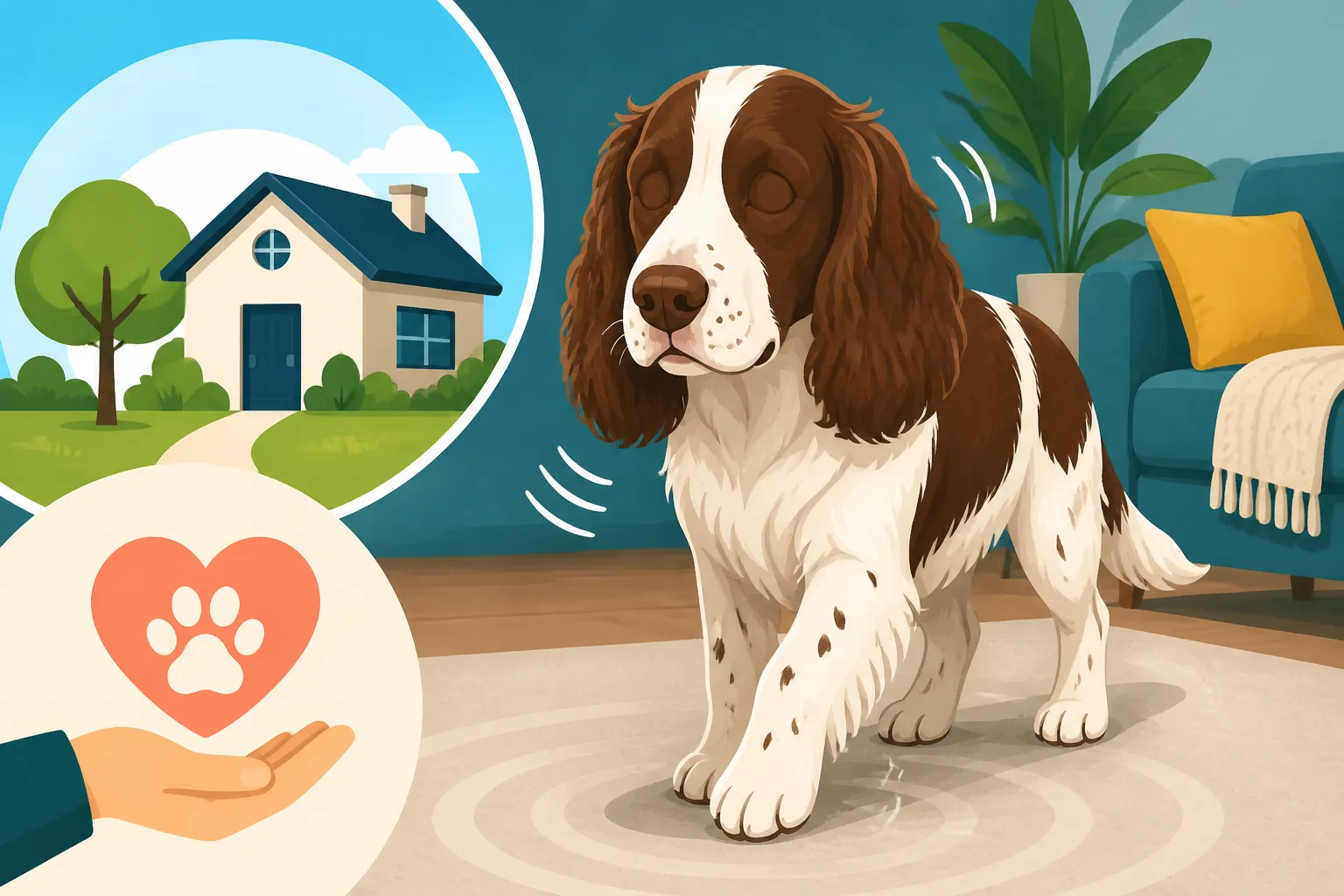
Whether a Blind Springer Spaniel Copes at Home
It’s truly heart-wrenching to watch your energetic, curious English Springer Spaniel start to bump into furniture or hesitate on familiar stairs. The fear that they won't have a good quality of life if they lose their sight is a common, valid concern for many owners. This guide aims to reassure you and equip you with practical strategies, proving that a blind Springer Spaniel can indeed cope remarkably well at home, living a full and joyful life with your support and understanding.
Understanding Canine Blindness in Springer Spaniels
When our beloved Springers start showing signs of vision impairment, it can feel overwhelming. It’s important to remember that vision loss, while significant, is often a gradual process for dogs, allowing them time to adapt. Knowing what to look for and the underlying causes can help you prepare and support your furry friend.
Common Causes of Blindness in Springer Spaniels
Several eye conditions can lead to partial or complete blindness in English Springer Spaniels. One of the most devastating is primary glaucoma, which can cause sudden and painful vision loss, often leading to a Springer Spaniel that loses an eye if not treated aggressively. This condition is hereditary and involves increased pressure within the eye. Owners might notice a cloudy appearance to the eye, redness, or the dog pawing at its face.
Another significant concern is progressive retinal atrophy (PRA), a group of degenerative diseases that affect the retina. With PRA, the cells in the retina slowly deteriorate, leading to night blindness first, and then eventually full blindness. This process can take months or even years, giving your Springer Spaniel more time to adjust. Then there are cataracts, which cause the lens of the eye to become opaque, blocking light. While cataracts can sometimes be surgically removed, if left untreated or if the dog isn't a candidate for surgery, they can lead to complete blindness. Often, these conditions become more prevalent as your Springer Spaniel enters its senior years, making regular veterinary eye checks increasingly important.
Recognizing the Signs of Vision Loss
Detecting vision loss early can be tricky because dogs are incredibly skilled at compensating, especially in familiar environments. Initially, you might notice subtle changes: your Springer might hesitate before jumping off a couch, be slower to react to toys thrown in dimly lit rooms, or become a bit clumsier on walks, particularly at dusk. They might start relying more on their nose, sniffing the ground more intently than usual, or sticking closer to your side.
As the condition progresses, the signs become more obvious. Bumping into furniture, walls, or doorframes in your home is a clear indicator. You might also notice them being startled easily by unexpected touches, as they can't see you approaching. Navigating stairs or different floor levels can become a challenge, and they might become reluctant to explore new places. It's crucial not to mistake these behaviors for sudden aggression or disobedience, but rather to recognize them as potential signs that their vision is declining, prompting a visit to your veterinarian for a thorough eye examination.
The Remarkable Adaptability of Blind Springer Spaniels
It’s truly incredible how resilient dogs, especially intelligent breeds like Springer Spaniels, can be when faced with blindness. While losing their sight is a profound change, it doesn't mean their quality of life has to diminish. They have a remarkable ability to adapt, leveraging their other powerful senses to navigate their world.
Relying on Other Senses
A Springer Spaniel's nose is legendary. Their sense of smell is hundreds of thousands of times more sensitive than a human's, and when vision is gone, this superpower kicks into overdrive. They create detailed "scent maps" of their environment, recognizing familiar smells of furniture, walls, and even the subtle scents you leave behind. This allows them to move with surprising confidence through their home, much like we might use a mental map to walk through our house in the dark.
Their hearing also becomes incredibly acute. They can pinpoint the direction of your voice, the crinkle of a treat bag, or the sound of their favorite toy hitting the floor. Coupled with their innate intelligence and deep desire to please their humans, Springers learn quickly to respond to verbal cues and consistent routines. They truly live in the present, adapting to their new reality with a spirit that often inspires us to do the same.
The Importance of a Stable Environment
One of the most powerful tools in helping a blind Springer Spaniel cope at home is maintaining a consistent and stable environment. Imagine trying to navigate a familiar room with your eyes closed – you can do it because you know where everything is. Your blind Springer does the same, building a detailed mental map of your home based on touch, sound, and smell.
This means resisting the urge to frequently rearrange furniture or leave obstacles in unexpected places. Every change forces them to relearn their map, which can be disorienting and stressful. If you absolutely must move something, do it slowly and deliberately, guiding your dog around the new layout until they become accustomed to it. A predictable home gives them the confidence to move freely, reducing anxiety and preventing accidents.
Practical Strategies for Supporting a Blind Springer Spaniel at Home
While their natural adaptability is impressive, our blind Springer Spaniels still need our proactive support to thrive. Creating a safe haven and adapting our interactions can make all the difference in their daily lives.
Creating a Safe and Predictable Environment
The first step is to "dog-proof" your home, much like you would for a puppy, but with a blind dog's unique needs in mind. Start by walking through your home at their level, looking for potential hazards. Pad sharp corners on tables and furniture with foam or rubber guards. Use baby gates to block off stairs or areas that might be dangerous, like kitchens during cooking or rooms with many fragile items. Keeping pathways clear of clutter is paramount; even a misplaced shoe can become a tripping hazard.
For areas with different floor textures or transitions, consider using scent markers (like a drop of essential oil on a cotton ball under a rug, away from where they might chew it) or different textured mats to signal changes in terrain. Make sure their food and water bowls, bed, and favorite resting spots remain in the same, easily accessible locations. Non-slip rugs on slick floors can prevent slips and build confidence, especially for older dogs who might also be dealing with arthritis or other mobility issues. Remember, a safe environment is one where they can explore without fear of injury, allowing them to feel secure and independent.
Navigational Aids and Training Adaptations
Beyond physical modifications to the home, there are several tools and training techniques that can significantly aid your blind Springer. "Halo" vests, like those from Muffin's Halo, provide a bumper around their head that gently bumps into objects before their face does, giving them an early warning. While they may look a bit odd, these can dramatically increase a dog's confidence in navigating new or challenging spaces.
Verbal cues become incredibly important. Teach specific commands like "step up," "step down," "wait," "stop," "left," and "right." Use a consistent tone and reward them heavily for responding. For a breed so accustomed to whistle work, adapting some of these cues for navigation can be incredibly effective. A single pip might mean "wait," while a series of pips could indicate a clear path forward. You can even use different pitched whistles for different directions. Continue with obedience training, but adapt it to rely solely on voice and touch. Engaging their brilliant minds with scent games and puzzle toys will also help keep them mentally stimulated and happy. Many pet owners find that a robust pet insurance plan, like those offered by Healthy Paws, helps cover the costs of these specialized aids or any unexpected veterinary care related to their vision loss.
Maintaining Routine and Emotional Support
Consistency in routine is a blind Springer Spaniel's best friend. Stick to a predictable schedule for feeding, potty breaks, walks, and playtime. This predictability helps them build a sense of security and reduces anxiety. They will learn when to expect what, which allows them to mentally prepare and navigate their day more smoothly.
Your emotional state plays a huge role. Dogs are incredibly attuned to our feelings. If you are anxious or sad about their blindness, they will pick up on that and become anxious themselves. Project confidence, calm, and happiness. Speak to them often, using a cheerful, reassuring voice. Pet them frequently, making sure to announce your presence with your voice or a gentle touch before you reach out, so you don't startle them. Remember, they are still the same loving, joyful Springer Spaniel; they just perceive the world a little differently. Your unconditional love and patience are their greatest guides. Having financial preparedness for potential ongoing care or unexpected issues can ease your mind; many dog parents find that Healthy Paws offers comprehensive coverage for their furry family members.
Addressing Common Concerns and Challenges
Even with the best intentions and preparations, living with a blind Springer Spaniel will present some unique challenges. It’s natural to worry, but knowing how to anticipate and address these concerns can make the journey smoother for both of you.
Outdoor Adventures and Safety
While your Springer Spaniel is blind, their love for adventure and the outdoors hasn't diminished. Walks are still vital for physical and mental exercise, but they require extra precautions. Always keep your blind Springer on a leash, preferably a longer one (6-10 feet) in familiar, safe areas like a quiet park, but a standard 4-6 foot leash on sidewalks or busier paths. Stick to familiar routes initially, allowing them to map out the scents and sounds. Narrate your walks, telling them about upcoming curbs, steps, or turns: "Big step down here," "Tree coming up on your right." This verbal guidance is invaluable.
For backyard time, ensure your yard is securely fenced and free of hazards like sharp objects, low-hanging branches, or toxic plants. Regularly check the perimeter for any gaps. Supervise them closely, especially at first, until you’re confident they’ve memorized the layout. If your Springer still loves to hike, choose well-trodden, familiar trails, and keep them on a harness with a leash, guiding them every step of the way. While it might seem daunting, many blind Springer Spaniels continue to enjoy their beloved outdoor activities with their human companions.
Interaction with Other Pets and People
Introducing a blind Springer Spaniel to new dogs or people requires careful management. They can't see an approaching paw or hand, making them more prone to being startled, which can lead to fear-based reactions. When new people visit, ask them to speak softly before approaching and allow your Springer to sniff their hand before attempting to pet them. Explain to guests that your dog can't see and needs a gentle introduction.
If you have other pets, especially other dogs, ensure their interactions are supervised. Your other dog might need to learn how to approach gently, perhaps nudging with their nose rather than a sudden pounce. Provide separate feeding areas to prevent competition they can't see. For families with children, teaching kids how to interact gently and predictably with their blind furry friend is paramount. A Springer Spaniel in a House With Children already requires clear rules and boundaries, and with a blind dog, these become even more critical for safety and comfort. Always ensure your blind Springer has a safe, quiet space they can retreat to if they feel overwhelmed.
The Emotional Toll on Owners
It's completely normal for owners to feel a deep sense of grief, sadness, and even guilt when their Springer Spaniel goes blind. You might mourn the loss of certain activities you shared, or worry constantly about their safety and happiness. It’s an emotional journey, and acknowledging these feelings is an important part of the process. You might find yourself checking on them constantly, or overcompensating in ways that might inadvertently hinder their independence.
Remember that dogs live in the moment. While their world has changed, they adapt with incredible resilience. They don't dwell on what they've lost in the same way humans do. Your role is to be their steady, loving guide, celebrating every small victory and providing a safe, predictable, and enriched life. Focus on what they can do, and delight in their ability to continue enjoying life through their other senses. Many owners find that once they adjust their own expectations and embrace their dog's new way of experiencing the world, the bond they share actually deepens. Companies like Healthy Paws, for instance, offer not just financial support but also resources that can help navigate these challenging times, emphasizing the holistic care of your pet.
Here's a quick summary of how you can best support your blind Springer Spaniel at home:
| Aspect | Key Considerations | Practical Tips |
|---|---|---|
| Home Environment | Safety and predictability are paramount. | Keep furniture in place, pad sharp corners, use baby gates for stairs/hazardous areas. |
| Navigation Aids | Assist natural compensation with tools and training. | Use halo vests, scent markers, distinct verbal cues ("stop," "step up"). |
| Routine & Support | Consistency provides security; your attitude matters. | Maintain strict feeding/walking schedules, speak calmly, announce your presence. |
| Outdoor Safety | Prevent injury while allowing exercise and exploration. | Always use a leash, stick to familiar paths, narrate your surroundings. |
| Social Interactions | Prevent startling; foster gentle introductions. | Announce visitors, supervise interactions with other pets/children, create safe zones. |
| Mental Stimulation | Engage their powerful non-visual senses. | Introduce scent games, puzzle toys, and continue positive reinforcement training. |
Disclaimer
The information provided in this article is for general informational purposes only and is not a substitute for professional veterinary advice. Always consult with a qualified veterinarian or veterinary specialist for any health concerns or before making any decisions about your pet's health or treatment plan.