Whether a Springer Spaniel Gets Cataracts
It's incredibly disheartening and often quite alarming to notice a subtle cloudiness or change in your beloved Springer Spaniel's eyes. You might find yourself staring intently, wondering if it's just the light, or perhaps something more serious beginning to dim their bright, intelligent gaze. This guide is here to shed light on cataracts in Springer Spaniels, helping you understand what they are, how to spot them, and what steps you can take to manage this common eye condition.
Understanding Cataracts in Springer Spaniels
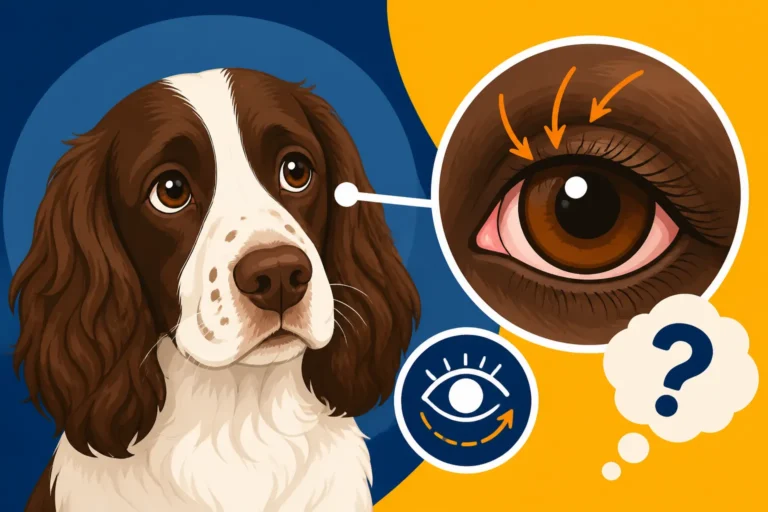
When we talk about cataracts, we're referring to an opacity or clouding of the eye's natural lens. Think of it like looking through a window that's gradually frosting over, making it harder and harder to see clearly. For our furry companions, this clouding can range from a tiny, almost imperceptible speck to a dense, milky white or bluish-grey film that completely obstructs vision. Unlike a temporary fog, a cataract is a permanent change to the lens protein.
What Exactly Are Cataracts and How Do They Form?
The lens of your Springer Spaniel’s eye, much like ours, is normally transparent. Its job is to focus light onto the retina at the back of the eye, allowing for clear vision. Cataracts develop when the proteins within this lens start to clump together. This clumping scatters the light rather than letting it pass through clearly, leading to blurry vision and, eventually, significant sight loss. The process can be slow and progressive, taking months or even years to fully develop, or it can appear quite suddenly, particularly if caused by injury or certain underlying health conditions.
It's natural to feel a pang of worry when you first notice this. You might start asking yourself, "Is my dog in pain?" or "Will they go completely blind?" The good news is that cataracts themselves are not usually painful, although the secondary conditions they can lead to, like glaucoma or inflammation, certainly can be. The vision loss is the primary concern, impacting your Springer's ability to navigate their world, fetch a bumper, or even just find their food bowl with ease.
Distinguishing Cataracts from Nuclear Sclerosis
Before you panic, it's really important to understand that not all cloudiness in an older Springer Spaniel's eyes is a cataract. A very common, age-related change called nuclear sclerosis (sometimes also called lenticular sclerosis) can often be mistaken for cataracts. Nuclear sclerosis appears as a bluish-grey haze deep within the lens, but it doesn't significantly impair vision. It's more like a slight stiffening or compaction of the lens fibers.
The key difference lies in the vision impact. Dogs with nuclear sclerosis can usually see perfectly well, even if their eyes look cloudy to you. They can track toys, avoid obstacles, and don't show signs of visual impairment. A dog with cataracts, however, will experience varying degrees of vision loss, depending on the severity and location of the cataract. Only a veterinary ophthalmologist can truly differentiate between the two with certainty, using specialized equipment to examine the internal structures of the eye. Don't try to self-diagnose based on appearances alone; a professional opinion is always best.
Why Springer Spaniels Are Prone to Cataracts
While any dog can develop cataracts, some breeds, including our beloved Springer Spaniels, do have a higher genetic predisposition or are more susceptible due to other health factors. Understanding these predispositions can help you be a more vigilant owner and work with your vet for early detection.
Genetic and Inherited Predispositions
Inherited cataracts are a significant concern in Springer Spaniels. These can manifest at various ages, from very early onset (congenital or juvenile cataracts, sometimes seen in puppies as young as a few weeks or months) to later-onset forms that develop in adulthood. Responsible breeders go to great lengths to screen their breeding stock for inherited eye diseases, but even with careful planning, these conditions can sometimes pop up.
If you're considering a Springer Spaniel puppy, asking about the eye health of the parents and their lineage is crucial. You'll want to inquire if the parents have had their eyes certified by a veterinary ophthalmologist through organizations like the Canine Eye Registration Foundation (CERF), now often managed by the Orthopedic Foundation for Animals (OFA) Eye Certification Registry. This annual screening helps identify a range of ocular conditions, including cataracts, that might have a genetic component. Learn more about The DNA Test That Should Precede Every Springer Spaniel Purchase to ensure you're making an informed choice about your new family member.
Age-Related Cataracts and Other Causes
Just like humans, Springer Spaniels can develop age-related cataracts, often called senile cataracts. These typically appear in middle to senior years, sometimes starting as early as 6 or 7, and certainly becoming more common as your Springer moves into their later years, beyond the age of nine. These usually progress slowly, allowing your dog to adapt to gradual vision changes. However, if your older Springer Spaniel seems to be bumping into things more, or hesitant on stairs, it's worth a vet visit to check their eyes.
Beyond genetics and age, other conditions can also trigger cataract formation. Diabetes mellitus is a very common culprit; in fact, cataracts can often be the first sign an owner notices that leads to a diabetes diagnosis. Trauma to the eye, certain nutritional deficiencies (though less common with modern commercial dog foods), or even inflammation within the eye (uveitis) can also lead to cataracts. It’s important to remember that cataracts are sometimes a symptom of a deeper systemic issue, which makes veterinary examination essential.
Recognizing the Signs and Getting a Diagnosis
Spotting cataracts early can make a real difference in managing the condition and planning for your Springer Spaniel's future. It's easy to miss subtle changes, especially in an active dog, but a keen eye and regular check-ups are your best defense.
What to Look For: Early Warning Signs
The most obvious sign of a cataract is a visible cloudiness in your Springer Spaniel's eye, often appearing as a milky white or grey film behind the pupil. Initially, you might only see a small spot, or a hazy ring. This cloudiness might be more noticeable in certain lighting conditions, perhaps when your dog is looking towards a bright light.
However, visible changes in the eye are not always the first indication. You might notice behavioral changes related to vision loss before you see any clouding. Your Springer Spaniel might start to be more hesitant, especially in dimly lit environments or when navigating unfamiliar places. They might bump into furniture, misjudge jumps, or have trouble catching toys. Their once confident stride might become more tentative. If they’re a working dog, you might observe a decrease in their ability to track game or retrieve. Any changes in their playful spirit or their ability to move around confidently should prompt a closer look at their eyes.
It’s worth noting that if you notice sudden redness, squinting, or pawing at the eye along with cloudiness, this could indicate pain or an emergency like Primary Glaucoma and the Springer Spaniel That Loses an Eye, which requires immediate veterinary attention.
The Importance of Veterinary Eye Examinations
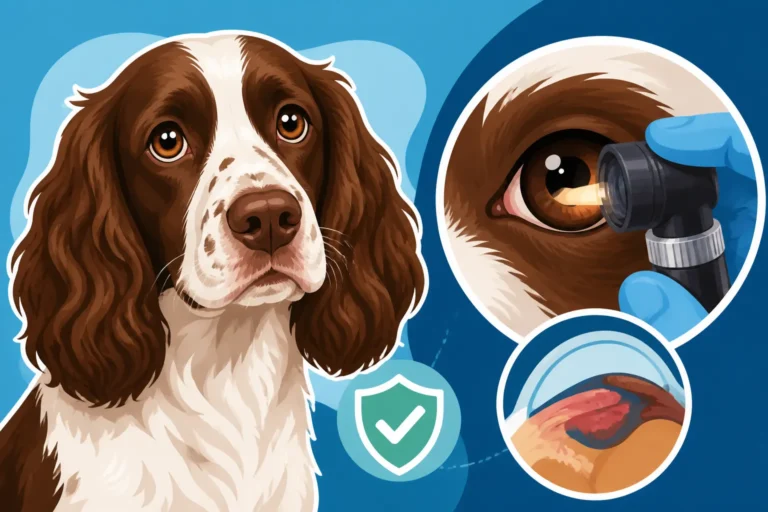
As soon as you suspect any change in your Springer Spaniel's eyes or vision, don't hesitate to contact your veterinarian. They are your first line of defense. During a general check-up, your vet will perform a basic eye exam, often using an ophthalmoscope to look into the eye. They can usually distinguish between nuclear sclerosis and more advanced cataracts.
However, for a definitive diagnosis and to understand the full extent of the cataract, a referral to a veterinary ophthalmologist is highly recommended. These specialists have advanced equipment, like slit lamps, to examine the lens in great detail. They can determine the size, location, and maturity of the cataract, and assess if other eye conditions are present. This specialist exam is crucial if surgery is being considered, as it will also involve tests to assess retinal function, which is vital for a successful outcome. Remember that Whether a Springer Spaniel Needs a Yearly Eye Exam is a really good idea, especially as they get older, to catch these things early.
| Cataract Severity | Appearance of Eye | Impact on Vision | Recommended Action |
|---|---|---|---|
| Incipient | Small, localized spots; less than 15% of lens affected. | Minimal to no noticeable impact. | Monitor closely, yearly vet check. |
| Immature | Cloudiness affecting more of the lens (15-99%), but some clear areas remain. | Mild to moderate vision impairment, especially in dim light. | Consult vet ophthalmologist for evaluation and options. |
| Mature | Lens is completely opaque, milky white/grey. | Significant to complete blindness in affected eye. | Consult vet ophthalmologist for surgical consideration. |
| Hypermature | Lens begins to shrink and liquefy, may appear shrunken or have a wrinkled capsule. | Can lead to painful complications like inflammation or glaucoma. | Urgent vet ophthalmologist evaluation, potential surgery or medical management. |
Treatment Options and Living with a Cataract-Affected Springer Spaniel
Finding out your beloved companion has cataracts can be a heavy burden. You might feel overwhelmed by the possibilities, from surgery to managing progressive blindness. Rest assured, there are paths forward, and many Springer Spaniels live full, happy lives even with vision impairment.
Surgical Intervention: When It’s an Option
For many owners, the first question is always, "Can it be fixed?" The answer, happily, is often yes! The most effective treatment for cataracts that significantly impair vision is surgical removal. This procedure, called phacoemulsification, is very similar to cataract surgery in humans. A tiny incision is made, and a specialized ultrasonic probe is used to break up and remove the cloudy lens material. In most cases, an artificial intraocular lens (IOL) is then implanted to restore proper vision.
However, surgery isn't for every dog. It's typically recommended for dogs whose cataracts are causing significant vision loss and whose overall health makes them good anesthetic candidates. The decision to pursue surgery involves careful consideration of the risks, benefits, and costs. Post-operative care is also quite intensive, requiring strict medication regimens and activity restrictions for several weeks. Dealing with specialist vet bills, especially for something like cataract surgery, can be a major financial strain. Many owners find peace of mind with a robust pet insurance policy, and providers like Healthy Paws are often recommended for their comprehensive coverage. It’s certainly worth looking into pet insurance, like plans from Healthy Paws, early in your dog's life, especially with a breed prone to specific health issues.
Managing Life with Impaired Vision
If surgery isn't an option, or if the cataracts are not severe enough to warrant it, adapting your home and routine can dramatically improve your Springer Spaniel's quality of life. Dogs are incredibly resilient and can adapt remarkably well to vision loss, relying more heavily on their other senses – their incredible nose and keen hearing.
Here are a few tips to help your visually impaired Springer Spaniel:
- Maintain Consistency: Keep furniture in the same place. Don't rearrange rooms without first guiding your dog through the new layout. Consistency provides a mental map they can rely on.
- Establish Verbal Cues: Use clear verbal commands for steps ("step up," "step down"), obstacles ("wait," "careful"), and directions ("left," "right"). Reward them generously for responding.
- Scent Marking: You can use essential oils (safely diluted and applied to objects, not directly on your dog) or different textured mats to mark important areas like their food bowl, bed, or the doggy door.
- Safety First: Block off stairs if they're a hazard, cover sharp corners, and always supervise your dog outdoors, especially near roads or water. Consider a harness and a shorter leash for walks.
- Enrichment: Focus on games that use their nose and ears, like scent work, hide-and-seek with treats, or toys that make noise. This helps keep them mentally stimulated and happy. Many owners find that even Whether a Blind Springer Spaniel Copes at Home is a question answered with a resounding "yes" once appropriate adjustments are made.
Remember that patience and empathy are key. Your Springer Spaniel isn't being stubborn; they are adapting to a new way of perceiving the world.
Prevention and Long-Term Eye Health
While we can't completely prevent all cataracts, especially those with a strong genetic link or age-related onset, there are proactive steps you can take to support your Springer Spaniel's overall eye health and potentially reduce risks.
The Role of Responsible Breeding
For inherited cataracts, the most powerful preventative measure lies with responsible breeding practices. Reputable breeders are committed to screening their breeding stock for a range of genetic health conditions, including those affecting the eyes. This typically involves annual eye examinations by board-certified veterinary ophthalmologists, often coordinated through organizations like OFA. Breeders will receive a certification that indicates the eye health status of their dogs.
When looking for a puppy, always ask to see these health clearances for both parents. Don't be shy about inquiring about the eye health history of the wider lineage. A good breeder will be transparent and proud to share this information. This diligence helps to reduce the incidence of inherited cataracts in future generations of Springer Spaniels. It’s important to research not just for eye conditions, but for other common issues like PFK Deficiency and the Springer Spaniel That Collapses After Exercise or Hip Dysplasia in a Springer Spaniel.
Regular Check-Ups and Lifestyle Choices
Even if your Springer Spaniel comes from a well-screened lineage, regular veterinary check-ups are paramount. Your general veterinarian can perform routine eye examinations during annual wellness visits. They might notice subtle changes before you do, or detect other underlying health issues, like diabetes, that can lead to cataracts. Early detection of diabetes, for instance, can help manage the condition and potentially slow the progression of cataracts.
Beyond vet visits, a healthy lifestyle plays a supporting role. A balanced diet appropriate for your dog's age and activity level, consistent exercise, and maintaining a healthy weight contribute to overall well-being, which indirectly supports eye health. While there's no magic bullet supplement proven to prevent cataracts, some veterinarians might discuss antioxidants or other supplements for general eye health, particularly as your Springer Spaniel ages. Always consult your vet before introducing any new supplements. Regular check-ups are part of Caring for a Springer Spaniel Past Nine, when many age-related issues begin to surface, including those affecting their sight.
It’s easy to focus on just their eyes, but remember that a healthy Springer Spaniel is one whose entire system is cared for. From their The Twelve to Fourteen Years a Springer Spaniel Lives to their robust activity levels, their overall health is interconnected. Keeping an eye on their general health, including their diet and activity, can have widespread benefits.
Proactive Eye Monitoring at Home
As an owner, you are your Springer Spaniel’s best advocate. Make it a habit to routinely examine your dog's eyes at home. Look for any cloudiness, redness, discharge, or changes in pupil size. Pay attention to how they navigate their environment, especially in different lighting conditions. Are they bumping into things they usually avoid? Hesitant on familiar paths?
Shine a small flashlight indirectly into their eyes and observe the reflection; a healthy eye should appear clear. If you notice anything unusual, even if it seems minor, it's always best to err on the side of caution and consult your veterinarian. Early intervention or detection of any eye issue, whether it's cataracts, Progressive Retinal Atrophy in a Springer Spaniel, or another of The Four Eye Diseases a Springer Spaniel Breeder Screens For, is always better for your dog's long-term comfort and vision.
Disclaimer
The information provided in this guide is for general educational purposes only and should not be considered a substitute for professional veterinary advice. Always consult with a qualified veterinarian or veterinary ophthalmologist for any health concerns or before making any decisions about your pet's medical care.