Whether a Springer Spaniel Loses Both Eyes to Glaucoma
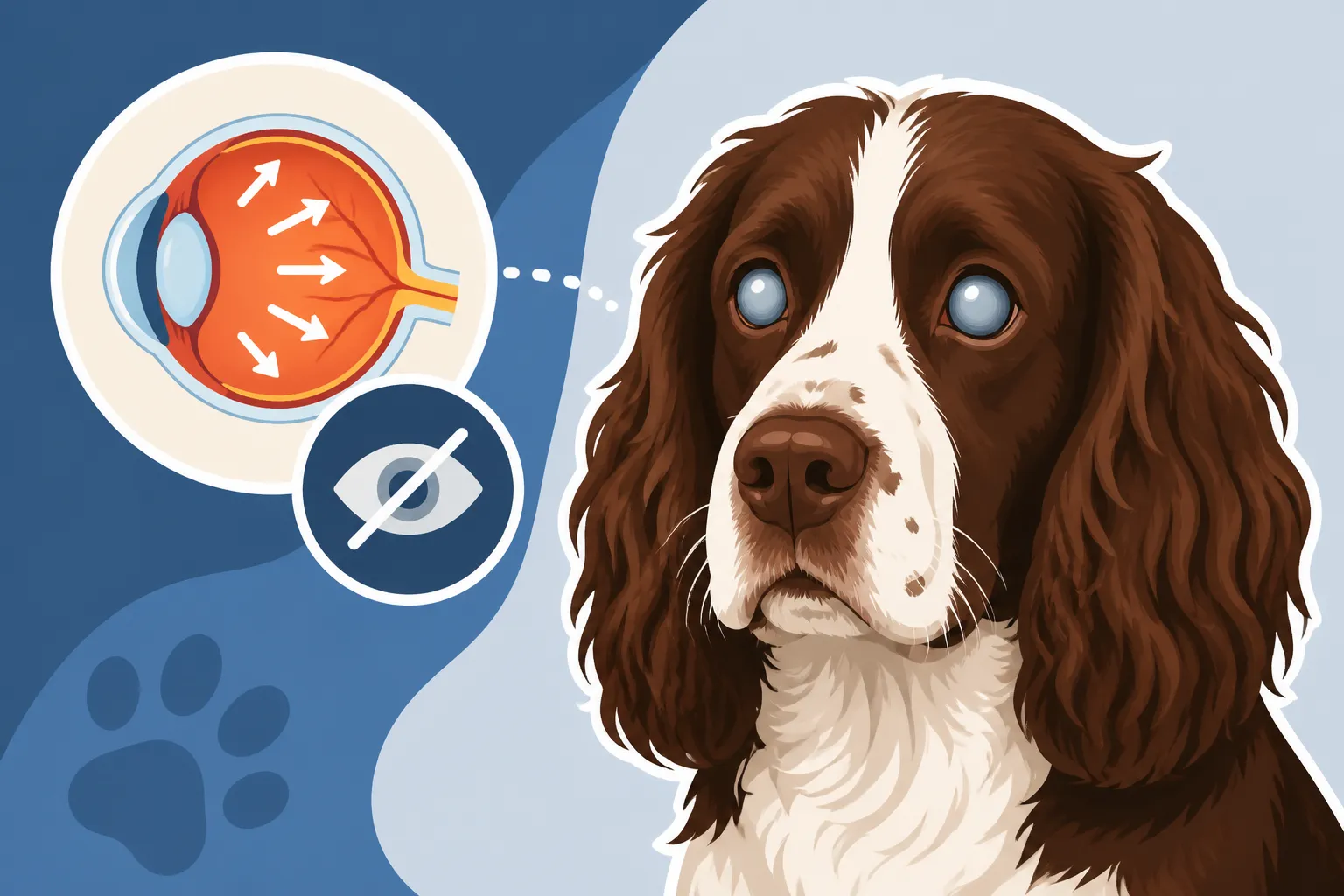
It's absolutely heart-wrenching to imagine your beloved English Springer Spaniel losing their sight, and the thought of them going completely blind in both eyes is a fear that can keep any loving owner up at night. Unfortunately, for Springer Spaniels, the devastating reality of glaucoma often means that if one eye is affected, the other is at a very high risk, leading to total blindness. This guide will walk you through why this happens, what to look for, and how best to manage this challenging condition to preserve your dog's quality of life.
The Harsh Reality of Primary Glaucoma in Springer Spaniels
Glaucoma isn't just one condition; it's a group of eye diseases that damage the optic nerve, often due to abnormally high pressure inside the eye. For English Springer Spaniels, the most common form is primary glaucoma, which is inherited. Unlike secondary glaucoma, which arises from another eye problem like an injury or tumor, primary glaucoma strikes seemingly out of nowhere, and its genetic roots make it a particularly insidious threat to bilateral vision. When one eye is diagnosed, it's often a ticking clock for the other.
Understanding Primary Glaucoma's Mechanism
Imagine your dog's eye as a tiny, perfectly balanced ecosystem. There's a constant production and drainage of a clear fluid called aqueous humor. This fluid nourishes the eye and maintains its shape. In primary glaucoma, the drainage angle—the area where this fluid exits the eye—is malformed or dysfunctional. It's like having a clogged drain in a sink where the faucet keeps running. The fluid builds up, and the pressure inside the eye skyrockets. This intense pressure then crushes the delicate optic nerve, which transmits visual information from the eye to the brain, leading to irreversible blindness. For a more detailed look at the mechanics, you might find How Primary Glaucoma Blinds a Springer Spaniel helpful.
Why Both Eyes are at Risk
The cruel irony of primary glaucoma in Springer Spaniels is its bilateral nature. Because it's a genetic condition, both eyes carry the predisposition. Even if symptoms first appear in only one eye, it's highly probable that the other eye will develop glaucoma eventually, often within months to a couple of years. It’s not a matter of if, but when. This makes initial diagnosis a race against time not just for the affected eye, but also for implementing preventative measures to delay or mitigate the onset in the 'normal' eye. This genetic vulnerability is why breeders should always screen for such conditions before breeding.
The Speed of Onset
One of the most terrifying aspects of glaucoma is its lightning-fast progression. Unlike some other chronic conditions, a Springer Spaniel can go from seemingly normal vision to complete blindness in the affected eye within 24 to 72 hours if the pressure isn't controlled. This acute onset is incredibly painful for the dog and stressful for the owner, demanding immediate veterinary intervention. Whether a Springer Spaniel's Glaucoma Comes On Suddenly is a common concern among owners precisely because of this rapid progression.
Recognizing the Signs and Acting Fast
Given the rapid nature of glaucoma, recognizing the subtle early signs and acting with extreme urgency is paramount. You can't afford to wait and see; every hour can literally mean the difference between retaining some sight or losing it forever.
Subtle Early Indicators
It can be tough, especially for first-time owners, to spot the initial signs. Your Springer Spaniel is a stoic breed and might not overtly show pain until it's severe. Look for these subtle changes:
- Squinting or holding an eye partially closed: This indicates discomfort.
- Rubbing at the eye: They might try to relieve the pressure or itchiness.
- Redness in the white of the eye: The blood vessels can become engorged.
- A cloudy or bluish appearance to the cornea: This haze is caused by fluid retention.
- A dilated pupil that doesn't constrict in light: The pupil may be fixed and unresponsive.
- Appearing hesitant or clumsy: They might bump into furniture or be reluctant to jump, especially if peripheral vision is affected.
- Less interested in playing or usual activities: This can be a general sign of pain or discomfort.
You know your dog best, and any deviation from their normal behavior, especially concerning their eyes, warrants immediate attention. Remember, Whether a Springer Spaniel's Glaucoma Is Painful is not a question; it absolutely is.
The Critical Window for Intervention
Once you suspect glaucoma, you have a very narrow window to act. Get to an emergency veterinary ophthalmologist immediately. We’re talking about hours, not days. The goal of emergency treatment is to reduce the intraocular pressure as quickly and safely as possible to prevent irreversible damage to the optic nerve. Delaying can lead to permanent blindness in that eye.
Diagnostic Tools
When you rush your Springer to the vet, they'll use specific tools to diagnose glaucoma:
- Tonometry: This is the primary diagnostic tool, measuring the pressure inside the eye. A small probe gently touches the surface of the eye (after numbing drops), and a reading is taken. Normal eye pressure for dogs is typically between 10-25 mmHg. Readings significantly higher than that are a red flag for glaucoma.
- Gonioscopy: This specialized examination uses a contact lens placed on the eye to visualize the drainage angle. It helps the vet determine if the glaucoma is primary (due to a structural issue with the drainage angle) or secondary. This is an essential step in understanding the long-term prognosis and risks to the other eye. For more information, check out Why a Springer Spaniel Needs a Gonioscopy.
- Ophthalmoscopy: The vet will examine the optic nerve and retina for any signs of damage.
Managing Bilateral Glaucoma and Preserving Quality of Life
The diagnosis of glaucoma, especially bilateral, is a heavy blow. However, with prompt, consistent management, you can still ensure your Springer Spaniel lives a full and happy life, even if vision is compromised. The focus shifts to pain management, preserving any remaining sight, and adapting their environment.
Treatment Approaches for Acute Glaucoma
Initial treatment for acute glaucoma often involves a combination of medications designed to rapidly lower intraocular pressure. These may include:
- Topical eye drops: Medications like dorzolamide, timolol, or latanoprost are often prescribed to decrease fluid production or increase drainage. These need to be administered frequently, sometimes every few hours, especially in an acute crisis.
- Oral medications: Diuretics like methazolamide or painkillers may also be used to supplement the eye drops and manage discomfort.
In some severe cases, especially if medical management isn't effective quickly enough, emergency surgical intervention might be considered to relieve pressure. However, these surgeries (like laser cyclophotocoagulation or shunt placement) are not always successful in preserving long-term vision and often carry risks.
When Enucleation Becomes Necessary
This is perhaps the hardest conversation any Springer Spaniel owner faces. If the eye becomes irreversibly blind, intensely painful, and unresponsive to medication, the most humane option is often enucleation—surgical removal of the eye. While it sounds drastic, it provides immediate and permanent relief from chronic pain. If both eyes become blind and painful, bilateral enucleation might be recommended. This decision is always agonizing, but remember your dog's comfort and well-being come first.
Dealing with the financial aspect of such intense, ongoing veterinary care can be overwhelming. This is where pet insurance providers like Healthy Paws can truly make a difference, helping to cover a significant portion of the costs for diagnostics, medications, and potential surgeries, easing the burden during an already stressful time.
Adapting to Blindness
While losing sight is devastating, dogs are incredibly resilient and adapt remarkably well to blindness, especially in their familiar home environment. Their other senses—smell, hearing, and touch—become heightened, helping them navigate.
Here are some tips for supporting a blind Springer Spaniel:
- Maintain consistency: Don't rearrange furniture. Keep food and water bowls, beds, and toys in the same spots.
- Scent marking: Use distinct scents (e.g., essential oils diluted in water, safe air fresheners) for different rooms or obstacles to help them orient themselves.
- Voice cues: Use clear verbal commands for steps, turns, and approaching objects.
- Safe spaces: Pad sharp corners of furniture, block off stairs if necessary, and supervise them closely outdoors, especially in unfamiliar areas.
- Harness over collar: A harness gives you better control and reduces pressure on their neck.
- Enrichment: Focus on toys that engage their sense of smell and hearing, like puzzle toys with treats or squeaky balls.
- Emotional support: Your calm demeanor and consistent affection will reassure them more than anything. They’ll still be your happy, tail-wagging Springer, just seeing the world differently.
Remember, a blind dog can still enjoy walks, play in a secure yard, and cuddle on the couch. Their bond with you remains unbreakable.
Prevention and Proactive Care
While primary glaucoma is genetic and can't be entirely prevented if the predisposition exists, proactive measures can help with early detection and management, potentially delaying or reducing the severity of impact on both eyes.
The Role of Genetic Screening
Since primary glaucoma in Springer Spaniels is often inherited, responsible breeding practices are the first line of defense. Reputable breeders will conduct genetic screenings for known eye conditions and other heritable diseases. It's crucial that both parents are screened and cleared before breeding. For a prospective puppy owner, asking for these health clearances is non-negotiable. This isn't just about glaucoma; it includes The Four Eye Diseases a Springer Spaniel Breeder Screens For, ensuring the healthiest possible start for your puppy. Knowing your puppy's lineage and the health history of its parents can offer invaluable insight into potential future health concerns. Ideally, a comprehensive genetic health panel, like The DNA Test That Should Precede Every Springer Spaniel Purchase, would provide peace of mind.
Regular Ophthalmic Exams
If your Springer Spaniel has a family history of glaucoma, or if one eye has already been diagnosed, regular check-ups with a veterinary ophthalmologist are vital. These specialized vets can perform routine tonometry to monitor eye pressure in the unaffected eye. Early detection in the second eye can allow for the immediate initiation of preventative eye drops, which might delay the onset or reduce the severity of the disease.
Consider scheduling these checks twice a year, or as recommended by your vet, especially if your dog is middle-aged, as glaucoma often presents in Springers between the ages of 3 and 7, though it can appear earlier or later. These check-ups are an investment in your dog's vision and overall comfort.
Considering Insurance
The costs associated with diagnosing and treating glaucoma can quickly become substantial, especially when managing both eyes. Emergency vet visits, specialist consultations, ongoing medications, and potential surgeries can add up to thousands of dollars. Having pet insurance can provide a much-needed financial safety net. A reputable provider like Healthy Paws offers comprehensive accident and illness plans that can cover these unexpected and significant veterinary expenses. They can provide peace of mind, allowing you to make treatment decisions based on what's best for your Springer Spaniel, rather than being limited by cost. When researching pet insurance, it's wise to consider plans that offer strong coverage for chronic conditions and specialist care, as glaucoma often requires lifelong management. The financial security provided by a good insurance policy can truly alleviate stress during difficult times.
Disclaimer
This article is for general informational purposes only and does not constitute professional advice. Laws, prices and regulations vary by location and change over time. Consult a qualified professional for guidance on your specific situation.