Whether a Springer Spaniel Needs a Yearly Eye Exam
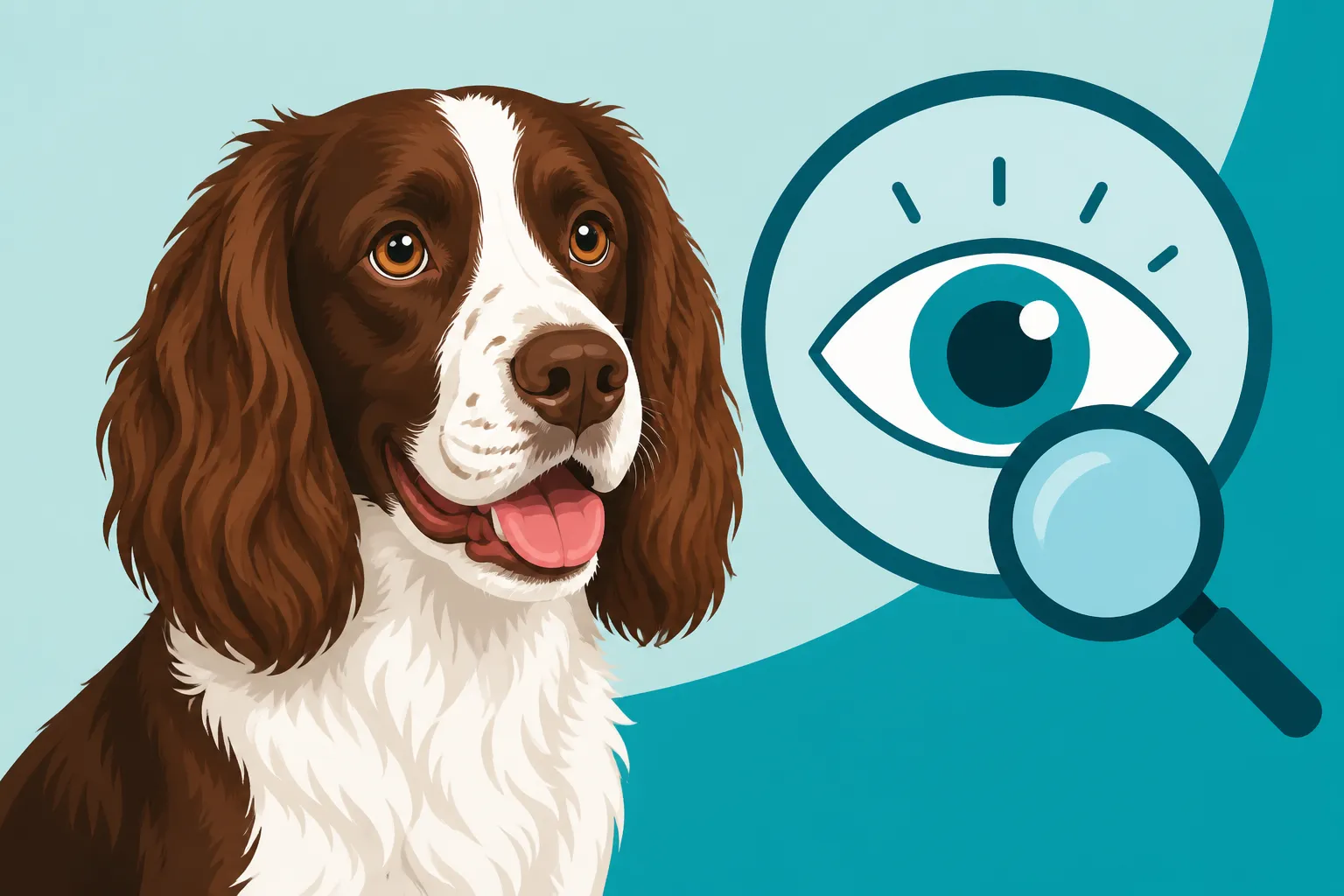
It’s a common dilemma for Springer Spaniel owners: your energetic companion seems perfectly fine, bounding through life with bright, curious eyes, so do they really need to go through the stress and expense of a yearly eye exam? Many of us wonder if it’s just another recommendation that feels optional, especially when our dogs appear perfectly healthy. But for our beloved Springers, regular eye checks are far more important than you might realize, potentially saving their sight and preventing unimaginable pain. This guide will walk you through why these annual visits are absolutely crucial for your Springer Spaniel's long-term well-being.
The Unique Eye Challenges Springer Spaniels Face
As beautiful and spirited as our English Springer Spaniels are, they come with a genetic blueprint that unfortunately predisposes them to a range of eye conditions. It’s not just about what they might pick up in the field; it’s about what’s embedded in their very lineage. Understanding these inherent vulnerabilities is the first step toward appreciating why proactive eye care isn't a luxury, but a necessity.
Genetic Predisposition to Eye Conditions
Springer Spaniels, like many purebred dogs, carry a higher risk for several inherited eye diseases that can range from mild irritation to devastating blindness. These aren't random occurrences; they're often passed down through generations. Conditions like Progressive Retinal Atrophy (PRA) are particularly insidious, as they often start subtly, leading to gradual vision loss that can be easy to miss in its early stages. Imagine your dog slowly losing their ability to see the ball you throw, or navigating familiar surroundings with increasing difficulty—it’s heartbreaking to consider, but early detection can often help you manage and adapt. You can learn more about The Age a Springer Spaniel's PRA Shows Up and how it progresses.
Beyond PRA, we also frequently see Retinal Dysplasia in a Springer Spaniel, a condition where the retina develops abnormally. This can cause anything from small, non-progressive folds that don't affect vision much, to widespread detachment leading to blindness. Then there’s Entropion in a Springer Spaniel, where the eyelid rolls inward, causing eyelashes to rub against the cornea. This is incredibly uncomfortable, painful, and can lead to corneal ulcers if left untreated. And perhaps most concerning is Primary Glaucoma, a condition characterized by increased pressure within the eye, which can be acutely painful and lead to rapid, irreversible blindness. For a deeper dive, consider reviewing The Four Eye Diseases a Springer Spaniel Breeder Screens For before bringing a puppy home; it’s an essential part of responsible ownership.
This genetic susceptibility is precisely why responsible breeders conduct extensive health screenings on their breeding stock. They aim to minimize the risk of passing these conditions to puppies, but no screening is 100% foolproof, and some conditions can develop even in dogs from well-vetted lines. This is also why we advocate for comprehensive DNA testing before purchase, to understand your puppy’s genetic makeup. You can explore The DNA Test That Should Precede Every Springer Spaniel Purchase for more details on preventative measures. Even with the best breeding practices, a watchful eye and regular professional checks remain paramount throughout your Springer's life.
Lifestyle Factors Impacting Eye Health
It's not just genetics at play; the very nature of a Springer Spaniel – their boundless energy, their love for exploring, and their unique physical characteristics – can significantly impact their eye health. These dogs were bred to work cover, flush game, and retrieve, meaning they spend a lot of time with their noses to the ground and their heads in dense vegetation.
Think about a typical romp through the woods or a field: your Springer is diving through tall grasses, pushing past thorny bushes, and stirring up all sorts of debris. Each of these adventures presents opportunities for foreign objects like seeds, burrs, dirt, or even small sticks to get into their eyes. These aren't just minor irritations; they can scratch the cornea, introduce bacteria, and lead to painful infections or ulcers. Even a seemingly innocent run through a patch of weeds can result in a pesky grass awn embedding itself in the delicate tissues around the eye, which often requires veterinary intervention to remove.
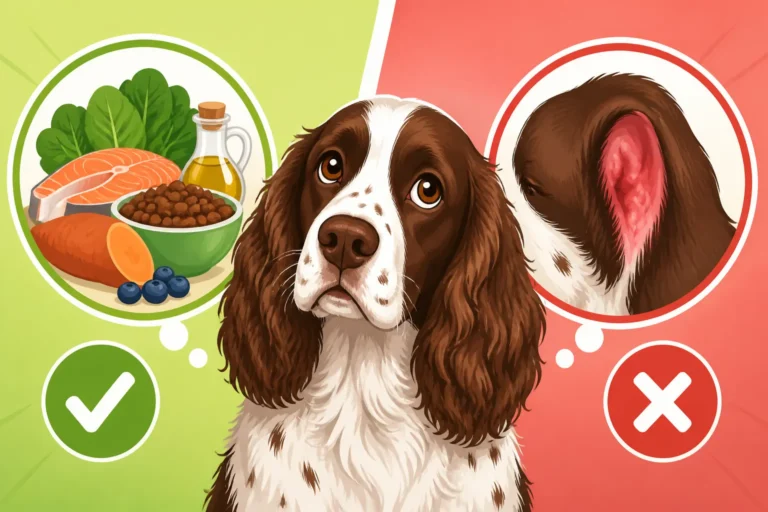
Adding to this vulnerability is their signature long, floppy ear leather. While undeniably charming, these ears can inadvertently contribute to eye problems. They can swing forward, collecting dirt, moisture, and even grass seeds, which can then be transferred to the eyes during head shaking or grooming. The ears can also create a warmer, more humid microclimate around the face, which some experts believe can exacerbate certain eye irritations or make them more prone to infection. It’s a delicate balance, where their defining features, combined with their active lifestyle, make their eyes a prime target for trouble.
What a Yearly Eye Exam Entails and Why It's Critical
So, you understand the risks. Now, let’s talk about what actually happens during an eye exam and why it’s not just a cursory glance. A thorough yearly eye exam goes far beyond a quick peek and is specifically designed to catch the subtle early signs of problems that would be invisible to the untrained eye, making it an indispensable part of your Springer's preventative care.
Beyond the Basic Vet Check
While your general veterinarian will always perform a basic eye check during your dog's annual wellness visit, a dedicated eye exam, especially with a board-certified veterinary ophthalmologist, delves much deeper. This specialist examination involves a series of sophisticated tests and observations designed to assess every component of your Springer's ocular health. They don't just look at the eye; they look into it, and around it, with specialized tools.
One of the first things an ophthalmologist will do is a thorough ophthalmoscopy, using a special magnifying instrument to examine the retina, optic nerve, and other structures at the back of the eye. They'll be looking for any abnormalities, changes in blood vessels, or early signs of conditions like PRA or retinal dysplasia. Another crucial part of the exam is tonometry, which measures the pressure inside the eye. This test is absolutely vital for detecting glaucoma, a condition that, as mentioned, can cause blindness very quickly if not caught and treated. For Springers, who are prone to Primary Glaucoma, this pressure check is non-negotiable. If you've ever heard of Why a Springer Spaniel Needs a Gonioscopy, this is where that comes in: it’s a specific procedure to evaluate the drainage angle of the eye, which is critical for assessing glaucoma risk.
Catching these issues early is key. For example, if a veterinarian identifies early signs of glaucoma through tonometry, they can initiate treatment with medicated eye drops to reduce pressure, potentially saving your Springer's sight. In the case of entropion, surgical correction might be recommended to prevent ongoing pain and damage to the cornea. Without these specialized, regular checks, these conditions can advance unnoticed until they become severely painful, dramatically impair vision, or lead to irreversible damage.
The Benefit of Regular Screening for Prevention and Management
The real value of yearly eye exams lies in their ability to detect problems long before they become emergencies or cause significant suffering. Think of it like a regular check-up for yourself – it’s about proactive health management, not just reactive treatment when something goes terribly wrong. For a Springer Spaniel, whose entire world revolves around what they can see, smell, and chase, maintaining good vision is paramount to their quality of life.
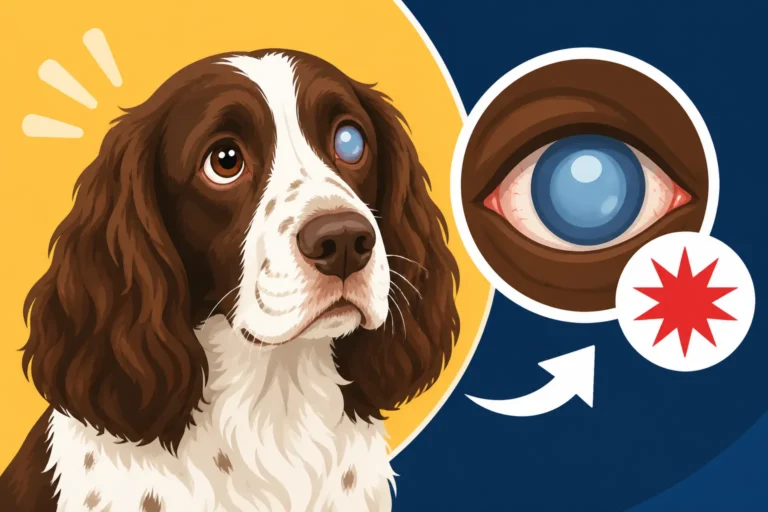
Consider the scenario of a Springer developing Primary Glaucoma. This condition can come on Whether a Springer Spaniel's Glaucoma Comes On Suddenly and intensely painful. If you wait until your dog is squinting, rubbing their eye, or showing obvious signs of distress, the damage might already be irreversible. A yearly screening, however, increases the chances of catching the elevated eye pressure when it’s still manageable, allowing for interventions that could preserve vision, or at least alleviate pain and slow the progression of the disease. This is particularly relevant when discussing conditions like Primary Glaucoma and the Springer Spaniel That Loses an Eye, where early intervention can make all the difference.
Beyond specific diseases, these regular screenings allow your vet or ophthalmologist to establish a baseline of your dog's eye health. Any subtle changes from year to year, even seemingly minor ones, can be quickly identified and investigated. This continuous monitoring is invaluable for managing chronic conditions, tracking the effectiveness of treatments, and adjusting care plans as needed. It also offers peace of mind, knowing that you're doing everything you can to protect those beautiful, expressive eyes that connect you so deeply with your furry family member. As your Springer enters their golden years, eye health becomes even more critical, and a consistent history of exams will greatly aid in Caring for a Springer Spaniel Past Nine.
| Eye Condition | Common Signs to Watch For (At Home) | What a Yearly Exam Detects | Potential Impact Without Regular Exams |
|---|---|---|---|
| Progressive Retinal Atrophy (PRA) | Night blindness, clumsiness in low light, dilated pupils | Early retinal degeneration, subtle vision loss | Irreversible blindness |
| Primary Glaucoma | Squinting, rubbing eye, redness, cloudy cornea, dilated pupil | Elevated intraocular pressure (IOP), drainage angle abnormalities (via gonioscopy) | Acute pain, rapid and irreversible blindness |
| Entropion | Tearing, squinting, discharge, pawing at eye | Inward-rolled eyelid, corneal irritation/ulcers | Chronic pain, corneal scarring, vision impairment |
| Retinal Dysplasia | May be asymptomatic or show varied vision impairment | Retinal folds, geographic lesions, or detachment | Partial to complete blindness, depending on severity |
| Cataracts | Cloudy lens, vision loss (often gradual) | Opacities in the lens structure | Progressive vision loss, potential for inflammation |
Deciding When and Where to Get Your Springer's Eyes Checked
Now that we've covered the why, let's talk about the how. It's not just about getting "an" eye exam, but getting the right kind of eye exam, from the right professional, and understanding the practical aspects of making it happen for your Springer.
The Importance of a Certified Veterinary Ophthalmologist
While your primary care veterinarian is excellent for general health, when it comes to specific organ systems like the eyes, there's a definite advantage to consulting a specialist. A board-certified veterinary ophthalmologist has undergone extensive additional training, often several years beyond veterinary school, focusing exclusively on ocular diseases and surgery. They possess specialized equipment and a depth of knowledge that allows them to diagnose subtle conditions that a general vet might miss, and to offer advanced treatment options.
These specialists are highly skilled in conducting procedures like gonioscopy, interpreting complex imaging, and performing delicate eye surgeries. When your Springer's sight is on the line, having an expert who sees countless eye cases every week is invaluable. They are also often the ones who perform official OFA Eye Certifications, ensuring that breeding dogs meet health standards. For serious or potentially blinding conditions, or if your regular vet suspects something beyond their scope, a referral to a veterinary ophthalmologist is always the best course of action. They can provide the most accurate diagnosis and the most effective treatment plan, tailored to your Springer's specific needs.
What to Expect in Terms of Cost and Logistics
Let's be realistic: specialized veterinary care comes with a price tag. A routine eye exam with a board-certified ophthalmologist can cost anywhere from $150 to $300, sometimes more depending on your location and whether additional diagnostics (like specific blood tests or imaging) are required. If a more involved procedure like a gonioscopy is needed, the price will naturally increase. It's a significant investment, but one that is often dwarfed by the cost of emergency treatments for untreated conditions or the emotional toll of dealing with preventable vision loss. For comparison, you can research What a Springer Spaniel Eye Exam Costs in more detail.
When you factor in these specialized costs, along with routine vet visits and potential unexpected illnesses, the financial commitment of owning a Springer Spaniel can add up quickly. This is where pet insurance can be a real lifeline. Companies like Healthy Paws offer comprehensive plans that can cover a significant portion of specialist visits, diagnostics, and treatments for unexpected illnesses and accidents, including many eye conditions (provided they aren't pre-existing when you enroll). Understanding What Insuring a Springer Spaniel Runs can help you budget for these possibilities. Having pet insurance can allow you to make medical decisions based on what’s best for your Springer, rather than what you can afford out-of-pocket, providing immense peace of mind.
Booking an appointment with a specialist often requires a referral from your primary vet and can sometimes involve a waiting period, so it’s wise to plan ahead for these annual checks rather than waiting until there's an urgent problem. Also, be prepared for a longer appointment than a typical vet visit, as ophthalmologists take their time with thorough examinations and discussions.
Beyond the Exam: Daily Eye Care and Red Flags to Watch For
While professional eye exams are non-negotiable, your role in your Springer Spaniel's eye health extends to daily observations and basic care. You are your dog's first line of defense, and knowing what to look for can prompt timely veterinary attention, potentially preventing minor issues from escalating into major problems.
Simple At-Home Eye Checks for Springer Owners
Integrating a quick eye check into your daily routine is easy and can be incredibly effective. Just like you check their floppy ears for signs of How Often a Springer Spaniel Gets Ear Infections, their eyes deserve a moment of your attention. When you're petting your Springer, take a moment to gently lift their head and look closely at their eyes. You're looking for anything out of the ordinary. Is there any excessive tearing or discharge? A small amount of clear discharge can be normal, especially in the mornings, but anything thick, colored (yellow, green), or persistent is a red flag. Are the whites of their eyes clear, or do you notice any redness or bloodshot appearance?
Observe the size of their pupils; are they symmetrical? Does one look larger or smaller than the other? Notice if they're squinting, blinking excessively, or pawing at their eyes. These are all signs of discomfort or pain. Also, check for cloudiness in the lens (which could indicate cataracts) or any noticeable changes in the surface of the eye, like a bluish haze. Finally, ensure the hair around their eyes isn't irritating them. If you see any foreign debris, try to gently wipe it away with a clean, damp cloth or a sterile saline solution made for eyes. Always use separate cloths for each eye to prevent cross-contamination if there's an infection. These simple daily habits can make you incredibly attuned to your Springer's normal eye appearance, making it easier to spot a problem.
When to Seek Immediate Veterinary Attention
While some minor irritations might resolve on their own, there are specific symptoms that warrant immediate veterinary attention. Do not delay seeking professional help if you notice any of these more severe signs, as time can be critical in preventing permanent damage or blindness.
If your Springer Spaniel suddenly loses vision – perhaps bumping into furniture in a familiar room, or seeming disoriented – that's an emergency. Sudden blindness can be a symptom of acute glaucoma or retinal detachment, both of which require urgent treatment to potentially save their sight. Severe pain, indicated by constant squinting, rubbing, or holding an eye completely shut, also demands immediate attention. Swelling around the eye or eyelid, a bulging appearance of the eyeball, or any noticeable injury to the eye itself (like a laceration or puncture wound) should bypass waiting and head straight to the emergency vet. Persistent or worsening discharge, especially if it's thick, colored, and accompanied by redness or pain, also indicates a serious infection or inflammation that needs prompt diagnosis and treatment. Remember, your Springer cannot tell you in words how much pain they're in, so recognizing these urgent signs is a critical part of being a responsible owner.
Disclaimer
This article is intended for informational purposes only and does not constitute veterinary advice. Always consult with a qualified veterinarian or a board-certified veterinary ophthalmologist for any health concerns or before making any decisions about your pet's medical care.