Whether a Field Springer Spaniel’s Coat Is Coarser
It's a common point of confusion for so many prospective Springer Spaniel owners: you hear talk of "field bred" and "show bred" dogs, and you start to wonder if they're even the same breed. One of the biggest areas people ask about is the coat. Does a field Springer Spaniel really have a coarser coat, and what does that even mean for day-to-day life with your energetic companion? This guide will dive deep into the distinctive characteristics of the field-bred Springer Spaniel's coat, explaining why it's different, what to expect, and how to care for it.
The Design Philosophy Behind the Field Coat
When we talk about a field-bred Springer Spaniel, we're talking about a dog purpose-built for work. Their entire genetic makeup, from their boundless energy to their keen nose and, yes, their coat, is optimized for spending long hours in various types of cover, often in challenging weather. This isn't just about looking rugged; it's about survival and efficiency in their job.
Built for the Bush, Not the Bench
Imagine your Springer Spaniel crashing through thick brambles, tall grass, and dense undergrowth, flushing game for a hunter. This isn't a walk in the park; it's a demanding job that requires serious protection. A show-bred Springer's flowing, silky coat, while beautiful in the ring, would be an absolute nightmare in such conditions. It would snag, tear, mat instantly, and offer little defense against the elements. The field coat, on the other hand, is nature's armor. It's designed to repel water, shed debris, and provide a protective barrier against the scratches and scrapes that come with navigating dense cover. You want a dog that can emerge from a thicket, shake off most of the mud and burrs, and keep going without needing a full grooming session every ten minutes.
This functional design means that aesthetics, while still considered for breed standards, take a backseat to practicality. Breeders of field Springers prioritize traits that make a dog effective in the field, and coat texture is a huge part of that. A coat that is too fine, too long, or too soft is simply a liability for a working dog. It's truly a marvel of natural selection, guided by generations of dedicated breeders focused on performance.
The Natural Advantage of a Harder Coat
So, what exactly is the "advantage" of a coarser coat? Primarily, it's about weather resistance and durability. Think of a raincoat – you want something that water beads off, not soaks into. A coarser outer coat on a field Springer acts much in the same way. The individual hairs are typically thicker and more resilient, providing a natural barrier against rain, snow, and dew. This helps keep the dog's skin drier and warmer, which is crucial when they're working in damp or cold conditions for extended periods.
Beyond water repellency, the harder texture also helps with shedding dirt and debris. Mud, for instance, tends to dry and fall off more easily from a coarser coat than it would from a fine, silky one that can trap particles within its delicate strands. This means less time spent cleaning your dog after a long day out and about, and more time enjoying their company. It's a testament to how form follows function in these incredible animals, ensuring they're always ready for their next adventure.
Understanding the Texture of a Field Coat
When people hear "coarser," they sometimes jump to conclusions, imagining a coat that feels like a wire brush or even harsh to the touch. That's usually not the case with a well-bred field Springer Spaniel. It's more about resilience and density than outright rough texture.
Defining "Coarse" in a Canine Context
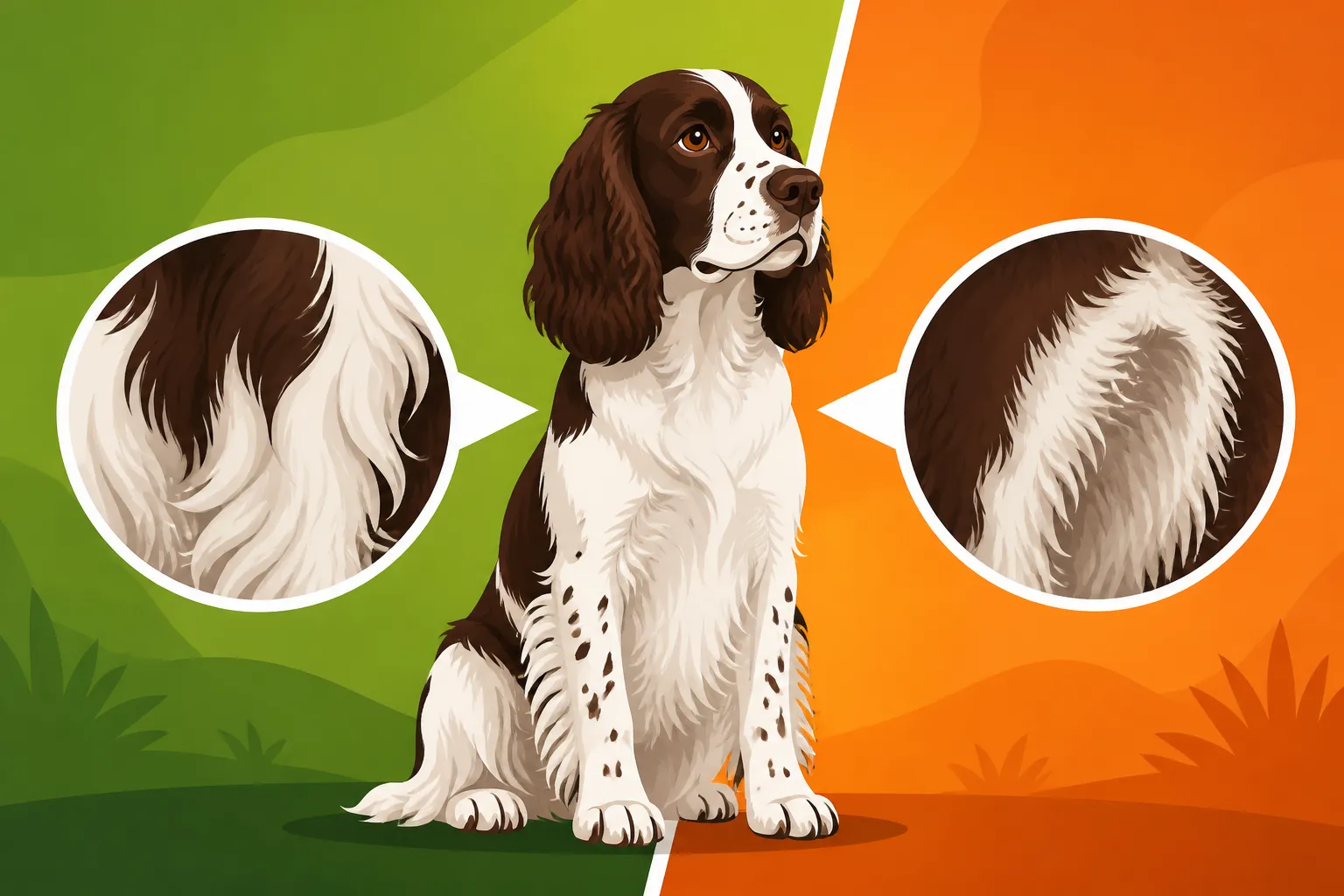
For a field Springer, "coarse" means robust, dense, and protective, rather than soft and flowing. The individual hairs of the outer coat tend to be thicker and have a somewhat wiry or stiff feel, particularly along the back and sides. It's not the plush, cottony softness you might find on some companion breeds, nor is it the fine, silky texture of a show-line Springer's feathering. Instead, it feels substantial and springy, designed to withstand the elements and provide a barrier.
If you run your hand over the back of a field Springer, you'll feel a definite texture, a slight resistance, rather than a smooth slide. This texture is precisely what gives the coat its protective qualities. It helps create a natural "loft" that traps air for insulation and prevents moisture from penetrating down to the skin. It’s a coat built for purpose, for diving into icy water or pushing through thorny bushes, offering both insulation and defense.
The Double Coat Dynamics
Like many working breeds, a field Springer Spaniel possesses a double coat, which is absolutely essential for its function. This means they have two distinct layers of fur, each serving a vital role in their protection and comfort.
The outer coat, often referred to as the guard hairs, is what we primarily discuss when we talk about the "coarser" texture. These hairs are longer, stronger, and, yes, typically have a more robust feel. Their primary job is to provide protection from external elements: rain, snow, thorns, and UV radiation. They're designed to be water-repellent and durable, acting as the first line of defense. Because of their texture, they resist matting much better than softer, finer hairs, allowing debris to fall away more easily.
Beneath this protective outer layer lies the undercoat. This layer is much softer, denser, and typically shorter, often described as downy or woolly. The undercoat's main function is insulation, keeping the dog warm in cold weather and helping to regulate body temperature in warmer conditions. It traps a layer of air close to the dog's body, which acts as a fantastic insulator. While the undercoat itself is not coarse, its density and presence beneath the guard hairs contribute to the overall resilience and protective qualities of the field Springer's coat. Both layers work in harmony, making the field coat a highly efficient and effective piece of natural equipment.
Grooming Implications of a Coarser Field Coat
Many owners assume that a coarser coat means less grooming. While it's true that the demands differ from a show coat, "less grooming" isn't the whole picture. It's more about a different kind of grooming, focused on practicality and maintaining function.
Easier Maintenance, But Not No Maintenance
It's a common myth that a field Springer Spaniel is completely wash-and-wear because their coat isn't as long or silky as their show-bred cousins. While you might not need to worry about the elaborate styling and extensive feathering that a show Springer requires, "easier" is a relative term. A field coat is definitely more forgiving when it comes to matting and tangles compared to a heavy, flowing show coat, but it still requires consistent attention, especially if your dog is actively working or spending a lot of time outdoors.
The coarser texture and dense undercoat mean that weekly brushing is still crucial to remove loose hair, distribute natural oils, and check for any unwelcome hitchhikers like ticks or burrs. Without regular brushing, even a field coat can develop mats, particularly behind the ears, in the armpits, and along the belly, where friction is high. Think of it as preventative maintenance; a few minutes of brushing a few times a week can save you hours of de-matting later on. Products like a good quality slicker brush and a sturdy metal comb, readily available on Chewy or Amazon, are your best friends here. You still need to manage shedding, and a de-shedding tool can be incredibly helpful for that dense undercoat. How Often a Field Springer Spaniel Needs Brushing is a good resource to dive deeper into this routine.
Dealing with Debris: The Field Springer's Daily Grind
One of the biggest realities of owning a field Springer is dealing with what they bring back from their adventures. Their coat is designed to protect them from the environment, but that doesn't mean it doesn't collect bits of the environment. Burrs, twigs, seeds, mud, and general woodland grime are all part of the package.
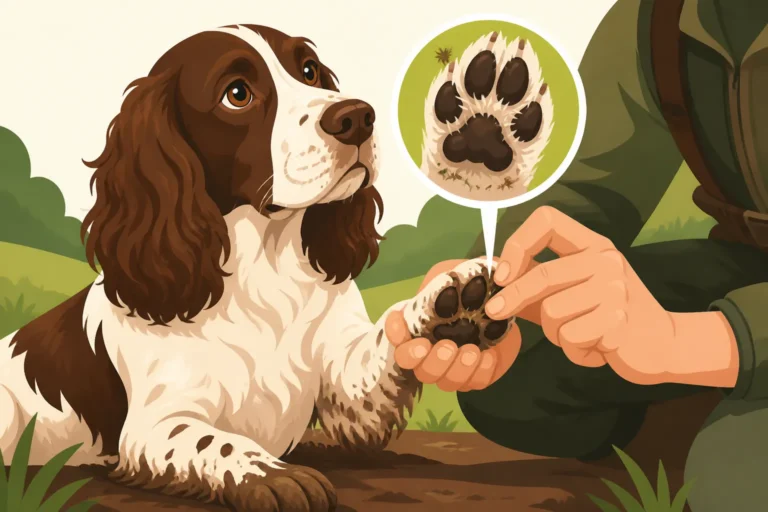
The coarser texture does help shed much of this, but it’s not magic. After every outing, especially one through dense cover, you'll need to perform a thorough "debris check." This means systematically running your hands and a comb through their entire coat, paying close attention to the feathering on their legs and belly, behind their ears, and between their toes. Those little, tenacious burrs can burrow deep and cause irritation or even painful mats if left unchecked. A good stiff brush can knock off dried mud and loose debris, while a fine-toothed comb is invaluable for teasing out those stubborn burrs. Keeping a small towel and a spray bottle of water mixed with a little conditioner near the door can make quick clean-ups much easier. For more detailed advice, check out Burrs, Ticks and Grass Awns in a Working Springer Spaniel. This regular inspection is not just about keeping your house clean; it’s vital for your dog’s comfort and skin health, preventing hot spots or skin irritations that can quickly escalate.
Field Coat vs. Show Coat: A Comparison
The difference between a field-bred and a show-bred Springer Spaniel's coat is one of the most visible distinctions between the two types. It's not just a matter of preference; it reflects profoundly different breeding priorities and lifestyles.
A Tale of Two Textures
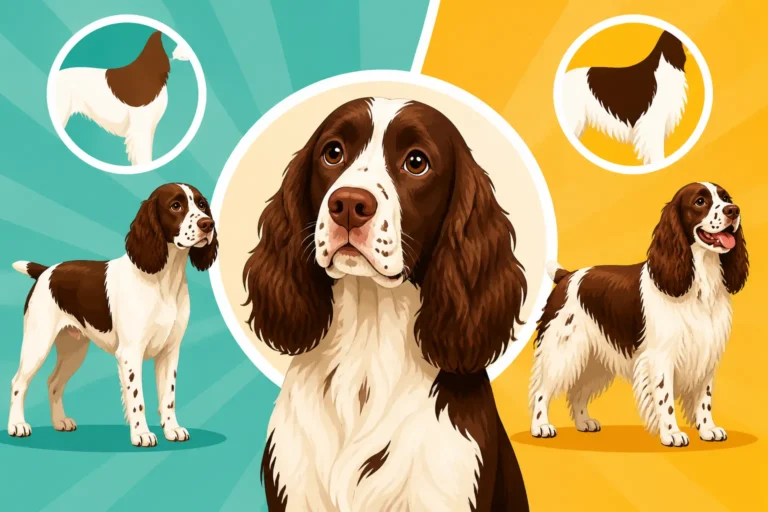
Let's get down to the nitty-gritty of texture. A show Springer's coat is often described as luxurious, soft, silky, and flowing. They tend to have longer feathering on their ears, legs, chest, and tail, which is meticulously groomed to create a very specific, elegant silhouette in the show ring. The texture is designed to be aesthetically pleasing, with a fine, glossy quality that drapes beautifully. This soft, fine hair, while stunning, can be a magnet for mats and requires significant grooming effort to maintain its pristine condition.
The field Springer, by contrast, possesses a coat that is all about resilience and practicality. While it still has feathering, it is generally much shorter, denser, and coarser. The overall body coat is harder, thicker, and less prone to tangling. It feels substantial and protective, offering a barrier against the elements and rough terrain. When you pet a field Springer, you'll notice that the hair is springier and less prone to lying flat against the body, helping to shed water and debris more effectively. You won't find the same dramatic length or silky sheen as on a show dog; instead, you'll find a coat that screams "ready for action." For a deeper dive, consider reading How a Show Springer Spaniel's Coat Differs.
Practical vs. Aesthetic: The Breeding Divide
The fundamental reason for these coat differences lies in the divergent breeding philosophies for each type. For show breeders, the goal is to produce dogs that conform to the breed standard's aesthetic ideals, excelling in the conformation ring. This means emphasizing traits like a beautifully sculpted head, elegant movement, and, of course, a luxurious, well-furnished coat that can be expertly trimmed and presented. Every aspect is judged on how it contributes to the overall "look" of the Springer Spaniel according to the standard.
Field breeders, on the other hand, prioritize working ability above all else. Their breeding choices are geared towards producing dogs with exceptional drive, intelligence, stamina, and physical attributes that make them outstanding hunting partners. This includes a coat that provides maximum protection and minimal hindrance in the field. A longer, finer coat would quickly become matted, heavy with water, and collect too much debris, impairing the dog's ability to work effectively. Thus, the coarser, denser, and shorter coat of the field Springer is a direct result of generations of selection for practical, functional traits. It’s a classic example of how Two Breeds Registered as One: the Field and Show Springer Spaniel have developed distinctly different appearances and requirements, despite sharing a common lineage.
Here's a quick comparison of the two coat types:
| Feature | Field Springer Spaniel Coat | Show Springer Spaniel Coat |
|---|---|---|
| Primary Goal | Protection, function, weather resistance | Aesthetic appeal, conformity to standard |
| Texture | Coarser, denser, more resilient, stiffer | Softer, silkier, flowing, finer |
| Length | Generally shorter overall | Longer feathering, often heavily furnished |
| Feathering | Shorter, less profuse, functional | Long, abundant, elegant, requires trimming |
| Mating Tendency | Less prone to severe matting | Highly prone to matting, especially feathering |
| Water Repellency | Excellent, sheds water effectively | Good, but long feathering can become waterlogged |
| Dirt/Debris | Tends to shed off more easily | Prone to collecting and retaining debris |
| Grooming Effort | Regular brushing, debris removal, practical trims | Extensive daily grooming, professional trimming |
As you can see, the choice between a field or show Springer Spaniel often comes down to lifestyle and what you envision for your dog. Both are wonderful companions, but their coats, and the care they require, are distinctly different, reflecting their unique purposes. Understanding these differences, whether through resources like What a Field Bred Springer Spaniel Puppy Costs or The Field Bred Springer Spaniel Costs Less and Asks More, is key to making an informed decision about which type of Springer is the best fit for your home and routine.
Living with a Coarser Field Coat
Embracing a field-bred Springer Spaniel means appreciating their rugged good looks and understanding that their coat is part of their functional charm. It’s a coat built for life, not just for looks.
Practical Grooming for the Active Dog
While the field coat demands less intricate styling, it certainly doesn't mean you can ignore it. Your grooming routine will be dictated by your dog's activity level. If your Springer is out in the fields, woods, or water regularly, a quick daily brush-down becomes part of the routine. This helps to dislodge loose hair, prevent any potential matting, and, most importantly, allows you to check for ticks, cuts, or any foreign objects that might have become embedded. After the Hunt: Checking a Springer Spaniel Over Nose to Tail is a critical article for anyone with a working dog.
For general upkeep, you'll want a good quality slicker brush to get through the denser topcoat and a metal comb for the feathering and any areas prone to tangles. Regular bathing, perhaps once a month or as needed after particularly muddy adventures, with a good dog shampoo will help keep their coat healthy and smelling fresh. Remember, while the coat is designed to be tough, skin underneath can still be sensitive. Always use dog-specific products. While you may not need a professional groomer as often as with a show Springer, learning some basic trimming techniques for hygiene around the feet and ears will be a big help. Trimming a Springer Spaniel's Feathering offers some great tips.
The Trade-offs: What You Gain and What You Still Manage
The trade-off for a field Springer's coarser, more functional coat is undeniably less fuss with elaborate trimming and significant mat prevention compared to a show dog. You gain a dog whose coat is naturally better equipped to handle the rigors of an active outdoor life. It dries faster, sheds much of the mud and debris, and offers excellent protection from scrapes and weather. You also generally find less heavy feathering to contend with, especially on the legs and belly, meaning fewer burrs clinging on for dear life. Whether a Field Springer Spaniel Has Less Feathering explores this distinction further.
However, you're not entirely off the hook. That dense, double coat still sheds, and you'll find plenty of hair around your home, especially during seasonal changes. While the coarser outer coat resists mats, the soft undercoat can still pack down and tangle if not brushed regularly. And despite its protective qualities, your working Springer can still snag their coat, get burrs, or pick up ticks, necessitating diligent post-adventure checks. The field coat is a testament to purposeful breeding, providing a resilient and efficient covering for a dog built to work and thrive in challenging environments. It's a coat you'll learn to appreciate for its rugged beauty and functionality, a perfect complement to the spirited, hardworking dog beneath it.
Disclaimer
This article is for general informational purposes only and does not constitute professional advice. Laws, prices and regulations vary by location and change over time. Consult a qualified professional for guidance on your specific situation.