Burrs, Ticks and Grass Awns in a Working Springer Spaniel
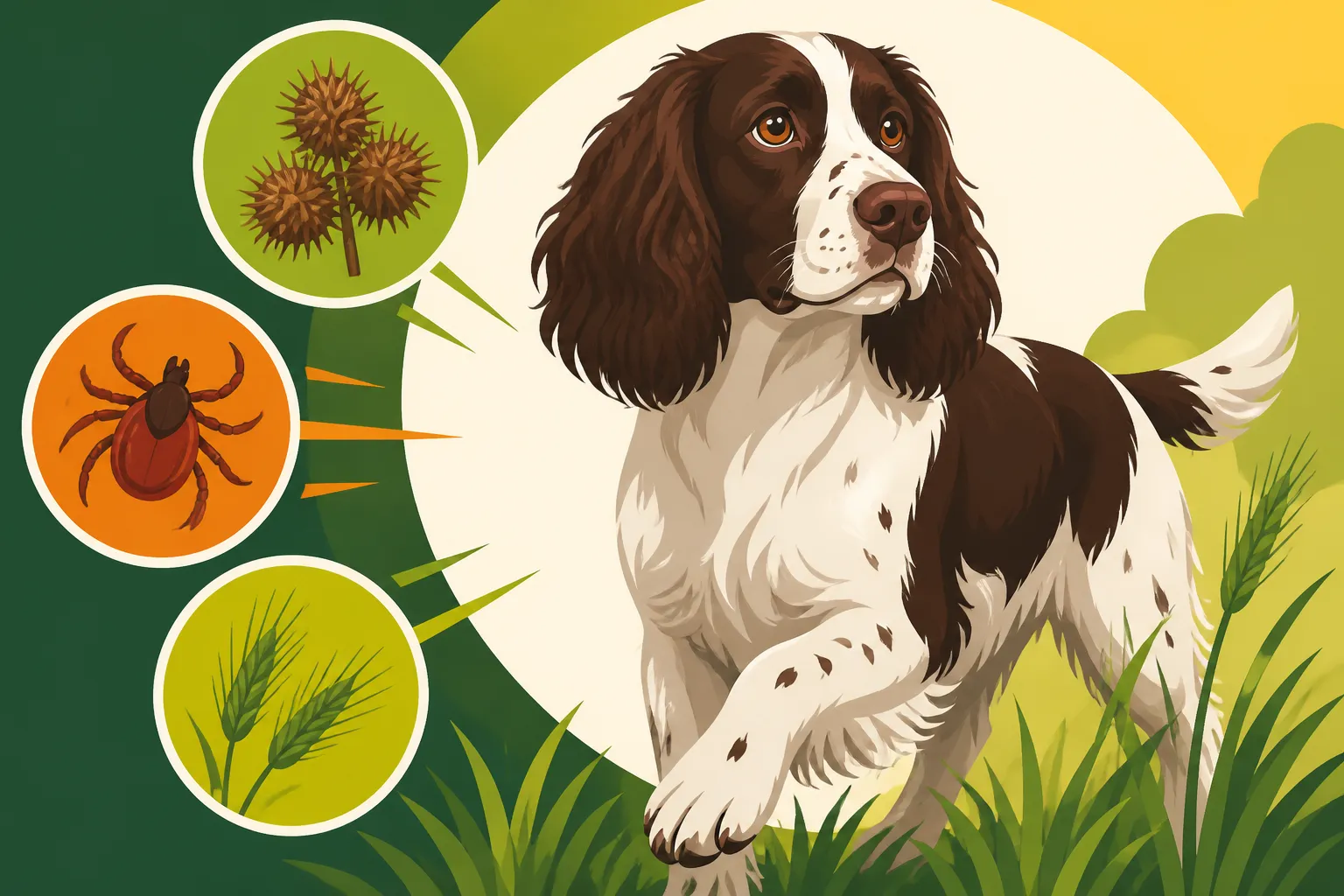
If you've ever owned a working English Springer Spaniel, you know that bringing them home from a day in the field often means bringing a piece of the field with them. Burrs, ticks, and insidious grass awns are more than just an annoyance; they can lead to serious health problems. This guide will walk you through understanding these common hazards, how to effectively remove them, and proactive steps to protect your adventurous companion.
Understanding the Working Springer Spaniel's Predisposition
It’s no secret that English Springer Spaniels, especially those bred for working lines, are built for the field. Their enthusiasm, drive, and physical characteristics, while perfect for their job, also make them magnets for all sorts of outdoor hitchhikers. This isn't a fault in the dog; it's simply the nature of their design and purpose, and something every dedicated owner learns to manage.
The Double Coat and Feathering as a Trap
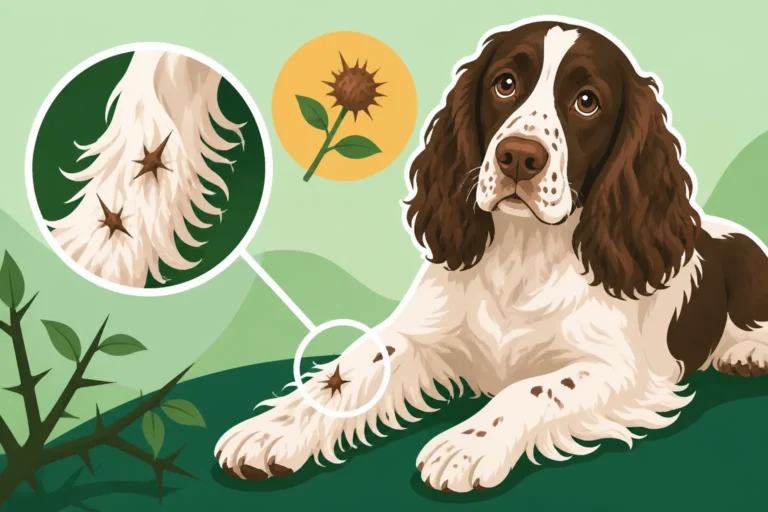
The quintessential Springer Spaniel coat is a thing of beauty, soft and protective, but it's also a highly efficient net for plant debris and parasites. Their double coat consists of a dense, insulating undercoat and a longer, water-repellent outer coat. This combination is fantastic for keeping them warm and dry in various weather conditions, but it's also a burr's best friend. Those longer "feathers" on their legs, belly, chest, and especially their ears and tail, are like nature's Velcro, eagerly grabbing onto anything they brush past. A working Springer isn't just romping through an open field; they're plunging into thick brush, tall grasses, and dense cover. Each stride through that environment means their feathering is sweeping up seeds, thorns, and burrs, often embedding them deep within the soft hair where they can be incredibly difficult to spot until they've become a matted mess or caused irritation. Even fine dirt can become entrapped, which, while not a direct hazard, adds to the grooming challenge.
How Their Working Style Increases Exposure
Working Springers aren't just pretty dogs; they're athletes designed for a specific job: flushing game. This means they don't just walk through cover; they power through it, quartering back and forth with incredible speed and determination. This relentless movement, often through dense, thorny, or seed-laden environments, dramatically increases their exposure to burrs, ticks, and grass awns. A Springer will dive headfirst into thickets that would give other breeds pause, not caring if it means collecting a dozen new "decorations" on their coat. Their low-to-the-ground, nose-to-the-ground style of hunting also means their ears, chest, and belly are constantly making contact with potentially hazardous vegetation. They're bred to ignore minor discomfort in pursuit of a scent, which means they might not even give a second thought to a prickly burr or a crawling tick until it's firmly entrenched or has started to cause more significant irritation. You can read more about What Quartering Means in a Springer Spaniel. This innate drive, while admirable, necessitates a vigilant post-hunt routine from their owners.
Natural Curiosity and Unseen Dangers
Beyond their physical traits and working style, the Springer Spaniel's inquisitive nature also plays a significant role in their encounter rate with outdoor hazards. They are intelligent, highly scent-driven dogs who love to explore every nook and cranny. A fallen log, a dense clump of weeds, or a patch of long grass might seem innocuous to us, but to a Springer, it's an invitation to investigate. They'll push their noses into every interesting scent, often leading them right into prime hiding spots for ticks or patches of particularly irritating grass seeds. This isn't just during a formal hunt; a casual walk through a local park with untended edges can yield a bounty of burrs. They sniff, they root, and they tunnel, immersing themselves fully in their environment, which, unfortunately, comes with the territory of picking up all sorts of natural hitchhikers. It's this beautiful, curious spirit that makes them such wonderful companions and working partners, but it also means we, as their owners, need to be extra diligent in protecting them from the unseen dangers their adventures might bring.
The Insidious Threat of Grass Awns (Foxtails/Grass Seeds)
Grass awns, often called foxtails or grass seeds, are perhaps one of the most concerning natural hazards for a working Springer Spaniel. Unlike burrs or ticks that often stay on the surface of the coat, grass awns have a unique, barbed structure that allows them to migrate into the body, causing serious internal damage and infection. They are a silent, painful threat that can escalate rapidly if not addressed.
What Makes Grass Awns So Dangerous
Imagine a tiny, sharp arrow covered in microscopic barbs. That's essentially a grass awn. These dried seed heads from certain types of grasses are designed by nature to burrow into the soil, but unfortunately, they are just as good at burrowing into skin, ear canals, nostrils, and even between paw pads. Once they penetrate, their barbed structure prevents them from backing out. Each movement the dog makes, each muscle contraction, can push the awn further inward. They carry bacteria and can cause severe inflammation and infection as they travel through soft tissues, sometimes reaching vital organs. They don't dissolve or break down inside the body, meaning they'll continue to migrate and cause damage until physically removed. This migratory ability is what makes them so insidious; a tiny seed picked up on a paw pad could, over days or weeks, work its way up a leg, causing pain, swelling, and a deep-seated abscess that is incredibly difficult to locate and extract. It’s a problem that can truly stress both dog and owner.
Common Entry Points and Their Symptoms
Working Springers, with their low-slung ears, deep chest, and constantly active paws, are prime candidates for grass awn infiltration. The most common entry points include:
- Ears: Awns can easily enter the ear canal, especially in drop-eared breeds like Springers. Symptoms might include sudden head shaking, pawing at the ear, tilting the head, whining, or discharge. If left untreated, they can rupture the eardrum or cause severe inner ear infections.
- Paws: The spaces between a Springer's paw pads are perfect hiding spots. An awn can puncture the skin, leading to swelling, limping, excessive licking of the paw, and the formation of abscesses. You may notice your dog favoring a leg or refusing to put weight down.
- Nose: Sniffing and rooting through grasses can lead an awn right up the nostril. This usually results in violent sneezing fits, pawing at the nose, nasal discharge (sometimes bloody), and general discomfort.
- Eyes: While less common, awns can lodge under eyelids, causing irritation, redness, excessive tearing, squinting, and pawing at the eye.
- Skin: Anywhere on the body, especially in areas with thinner skin or where the coat is less dense, an awn can burrow in, creating a small bump or wound that quickly becomes a draining tract as the awn travels deeper. This can be particularly difficult to spot under thick feathering.
- Mouth/Throat: If ingested, an awn can lodge in the gums, tonsils, or even travel down the throat, causing coughing, difficulty swallowing, or gagging.
It's absolutely crucial to remember that symptoms can be subtle at first and progress over time as the awn migrates. Don't dismiss persistent head shaking or a slight limp as just minor irritation. You can learn more about What to Check on a Springer Spaniel After a Day in Cover to stay vigilant.
Emergency Measures and Veterinary Intervention
If you suspect your Springer has a grass awn, especially if it's in a sensitive area like the ear canal, nostril, or eye, consider it an emergency. While you can sometimes see and gently remove a freshly lodged awn from the surface of the fur or between paw pads (using tweezers, never pulling if it feels stuck), any deeper penetration requires professional help.
What to do:
- Immediate Inspection: After any walk in grassy areas, conduct a thorough "burr and awn check," paying extra attention to ears, paws, and under the armpits. How to Find a Grass Awn on a Springer Spaniel details this process.
- Don't Probe: If you can't easily see and remove it, do not attempt to dig for it with tweezers or other tools. You risk pushing it deeper or causing further damage.
- Contact Your Vet: Explain your suspicion to your veterinarian promptly. They have specialized tools (like otoscopes for ears, or endoscopes) and the expertise to safely locate and remove these tricky foreign bodies. Often, sedation or even general anesthesia is required for a thorough examination and extraction, especially if the awn has burrowed deep.
- Monitor for Infection: After removal, your vet will likely prescribe antibiotics and anti-inflammatories to manage any infection or swelling. Continue to monitor the area for signs of recurrence or complications.
The cost of a vet visit for an embedded awn can vary widely depending on how deep it is, the location, and whether sedation or surgery is required. It can range from a simple office visit and quick removal to thousands of dollars if extensive surgery is needed to locate a migrating awn. This is why prevention and prompt action are so incredibly important for your dog’s health and your peace of mind.
Dealing with Burrs: More Than Just a Nuisance
Burrs might seem like a minor annoyance compared to grass awns or ticks, but anyone who owns a feathered breed like a Springer Spaniel knows they can quickly become a serious problem. They knot, they pull, and if left unattended, they can cause painful matting and even skin irritation or sores. Getting them out without damaging your dog's beautiful coat requires patience and the right technique.
Types of Burrs and Where They Hide
The world of burrs is varied, but they all share one common trait: their ability to cling. You'll encounter different types depending on your region and the local vegetation. Some common culprits include:
- Cockleburs: These are large, tough, and often covered in hook-like spines. They cling fiercely and are notorious for forming massive tangles in long fur.
- Beggar's Lice (Tick Trefoil): These are smaller, flatter, and often come in clusters. They have fine, Velcro-like hooks that make them incredibly sticky and prone to embedding deep into the undercoat.
- Sandburrs: Found in sandy areas, these are round and spiky, feeling like tiny, hard sea urchins. They can be particularly painful if they prick the skin.
For a Springer, burrs are almost always found in their luxurious feathering. Think:
- Ears: The long, soft ear leather and its fringes are a prime target, especially if your dog pushes through brush with their head down.
- Legs and Paws: The long hair on the back of their front and hind legs, and the hair between their paw pads, is constantly sweeping the ground.
- Belly and Chest: When a Springer crawls through thick cover, their underside is exposed, collecting burrs with ease.
- Tail: The feathered tail, often wagging and brushing against vegetation, is another common collection point.
A single burr might not be much, but a handful can quickly felt into a solid, painful mat if ignored. Early detection is key, which means a thorough inspection after every outing.
Gentle and Effective Removal Techniques
Removing burrs isn't just about pulling them out; it's about doing it without causing pain or damaging the coat. A hasty approach can lead to broken hair, skin irritation, or a dog that dreads grooming time.
Here's a step-by-step approach:
- Gather Your Tools: You'll need a good quality comb (metal, wide-toothed initially, then finer), a slicker brush, a pair of blunt-nosed scissors (for emergencies, not general use), cornstarch or detangling spray, and plenty of patience and treats. You can find many of these grooming essentials on sites like Chewy or Amazon.
- Isolate the Area: Gently part the fur around the burr to expose the mat. If there are multiple burrs, work on one at a time.
- Apply Detangler/Cornstarch: Lightly spray the burr and surrounding mat with a dog-safe detangling spray, or sprinkle a generous amount of cornstarch or baby powder onto it. This helps lubricate the hair and makes the burr slide out more easily.
- Work from the Outside In: Start by gently teasing apart the edges of the mat with your fingers. Use the wide-toothed comb to slowly work at the burr, picking at the outer edges of the burr-matted hair. Don't try to comb through the burr directly.
- Break Up the Burrs: For tough burrs, you can sometimes carefully crush them with pliers or even your fingers if they're brittle. This breaks them into smaller pieces that are easier to remove.
- Comb, Don't Pull: Once you've loosened the burr, use your comb in short, gentle strokes, working from the tip of the hair towards the skin. Always hold the hair at the base with one hand to minimize pulling on the skin.
- Scissors as a Last Resort: If a burr is hopelessly matted and causing severe discomfort, and all other methods fail, carefully use blunt-nosed scissors to cut away from the skin, severing the mat from the rest of the coat. This should be a last resort, as it leaves a bald spot, but sometimes it's the kindest option.
- Brush Thoroughly: After all burrs are removed, brush the entire area with a slicker brush to ensure no small pieces remain and to smooth out the coat. Reward your Springer generously for their cooperation!
Preventing Burrs in Feathered Areas
Prevention is always better than cure, especially when it comes to burrs. Proactive measures can significantly reduce the amount of time you spend detangling.
- Pre-Field Conditioning Spray: Before heading out, spray your Springer's feathering with a detangling or conditioning spray. Some owners even use a light coat of a dog-safe leave-in conditioner. This creates a slicker surface that makes it harder for burrs to stick and easier to remove if they do.
- Protective Gear: For serious working dogs, consider a protective vest, especially for their chest and belly. While these may not cover all feathering, they can protect the most vulnerable areas. You can also look into specialized leg wraps for the areas most prone to burr collection. Whether a Springer Spaniel Needs a Vest in Heavy Cover is a good read on this.
- Strategic Trimming: While you never want to shave a Springer's beautiful coat, strategically trimming the feathering on their legs, belly, and under their ears can help. A groomer can do a "field clip" that keeps the coat functional and manageable without sacrificing its protective qualities. Trimming the hair between paw pads is also essential, not only for burrs but also for traction. You can find thinning shears for this purpose on Amazon or Chewy.
- Regular Brushing: A quick, thorough brush-down immediately after every walk or hunt is your best defense. This catches burrs before they have a chance to work their way deeper or form large mats. Keep a brush and comb handy in your vehicle if you're traveling to a hunting spot. How Often a Field Springer Spaniel Needs Brushing delves into this more.
By combining these strategies, you can greatly reduce the burr burden on your hardworking Springer Spaniel, ensuring their comfort and keeping their coat in top condition.
Ticks: The Tiny Hitchhikers and Their Big Risks
Ticks are more than just creepy crawlies; they are vectors for serious diseases that can affect both your Springer Spaniel and, in some cases, you. For a working dog that spends significant time in tall grasses, woodlands, and brush, tick exposure is a constant threat. Understanding how to identify, remove, and prevent ticks is a non-negotiable part of responsible Springer Spaniel ownership.
Identifying Different Tick Species and Their Preferred Spots
There are several species of ticks, and while their appearance can vary slightly, they all share the characteristic of being arachnids that feed on blood. Common types include deer ticks (responsible for Lyme disease), dog ticks, lone star ticks, and American dog ticks. They can range in size from a poppy seed to a small grape when engorged with blood.
Ticks don't just land anywhere; they have preferred areas on a dog where they like to attach because these spots are often warm, protected, and have thinner skin. For a Springer Spaniel, these include:
- Ears: Inside the ear flap and around the edges, as well as behind the ears. The floppy nature of Springer ears creates a perfect, sheltered environment.
- Head and Face: Around the eyes, on the eyelids, and under the chin.
- Neck and Collar Area: Ticks often hide here, especially under a dog's collar where it's dark and warm.
- Armpits and Groin: These warm, moist areas with less fur are prime feeding spots.
- Between Toes: Ticks can burrow down into the fur between the paw pads.
- Tail Base: Another hidden, dense area that's hard for a dog to scratch.
When performing your post-field check, remember that a tick can be very small, especially before it's engorged. You might feel a tiny bump that feels like a skin tag or a small scab. Use your fingertips to systematically feel over your dog's entire body, paying extra attention to these high-risk zones.
Safe Tick Removal: Tools and Techniques
Finding a tick can be alarming, but safe and swift removal is critical to reduce the risk of disease transmission. The goal is to remove the entire tick, including its head, without crushing its body, which could release more pathogens.
Here's how to do it:
- Gather Your Supplies: You'll need fine-tipped tweezers or a specialized tick removal tool (many brands make these, often available at pet stores or on Amazon), antiseptic wipes or rubbing alcohol, and gloves. Having a small jar with rubbing alcohol to drop the tick into for disposal is also a good idea.
- Position Your Dog: Calm your Springer and get them into a comfortable position. If they're wiggly, a second person to gently hold them can be helpful.
- Part the Fur: Gently part the fur around the tick so you can clearly see its body where it's attached to the skin.
- Grasp the Tick: Using your tweezers or tick tool, grasp the tick as close to your dog's skin as possible, without squeezing the tick's body. If using tweezers, aim to get the tips under the tick's head.
- Pull Straight Up: Pull steadily and slowly straight upward, with even pressure. Do not twist or jerk the tick, as this can cause the head to break off and remain embedded in the skin. The tick should release its grip.
- Inspect the Site: Once the tick is removed, examine the bite area to ensure the entire tick, including the head, has come out. There might be a small red mark or bump, which is normal.
- Disinfect and Dispose: Clean the bite area on your dog with an antiseptic wipe or rubbing alcohol. Place the removed tick into the jar of rubbing alcohol to kill it and then dispose of it. Never crush a tick with your bare fingers.
- Wash Your Hands: Always wash your hands thoroughly with soap and water after handling ticks or the removal tools.
If you can't remove the entire tick or if the area becomes swollen, red, or infected, contact your veterinarian.
Understanding Tick-Borne Diseases and Prevention
Ticks can transmit a variety of serious diseases, including Lyme disease, Anaplasmosis, Ehrlichiosis, Rocky Mountain Spotted Fever, and Babesiosis. Symptoms can range from lameness and joint pain (common with Lyme) to fever, lethargy, loss of appetite, and anemia, often appearing days or even weeks after the bite. Early detection and treatment are crucial.
Prevention is paramount:
- Tick Preventatives: This is your first line of defense. There are many highly effective options available, including oral medications (like those available from your vet, or sometimes through Chewy with a prescription), topical spot-ons, and collars. Discuss the best option for your Springer with your veterinarian, considering their lifestyle and local tick prevalence. Whether a Field Bred Springer Spaniel Needs More Parasite Cover can help guide your discussion.
- Environmental Control: Keep your yard mowed short, especially around wooded edges or tall grassy areas. Ticks thrive in dense vegetation.
- Regular Checks: Even with preventatives, a daily thorough tick check after every outdoor excursion, especially in known tick habitats, is essential. No preventative is 100% effective, and early removal minimizes disease transmission.
- Vaccinations: In areas where Lyme disease is prevalent, your veterinarian may recommend the Lyme vaccine. Discuss this with them to see if it's appropriate for your Springer.
By being vigilant with prevention and quick with removal, you can significantly protect your energetic Springer Spaniel from the dangers of tick-borne illnesses, ensuring they can continue to enjoy their outdoor adventures safely.
Post-Field Check: The Essential Routine for Every Working Springer
For a working Springer Spaniel, the "work" doesn't stop when they're done flushing birds or retrieving dummies. For the owner, it simply transitions to a critical post-field check. This routine is absolutely essential for their health and comfort, acting as your primary defense against burrs, grass awns, and ticks. Skipping it can lead to painful matting, serious infections, or debilitating illnesses that could have been easily avoided.
Nose-to-Tail Inspection: A Systematic Approach
A haphazard check just won't cut it. You need a systematic, nose-to-tail approach to ensure you don't miss anything. Make this a ritual after every outing, whether it's a full day in the field or just a spirited walk through a brushy park.
- Start with the Head: Gently examine your Springer's face. Check around their eyes for any irritation, squinting, or foreign objects. Feel under their chin and around their muzzle. Pay very close attention to their ears – both the outside leather and inside the ear canal. The Springer Spaniel Ear That Never Fully Dries describes their propensity for ear issues, making this area even more critical. Lift the ear flap, look for redness, discharge, or any foreign bodies like grass awns or ticks. Feel behind the ears for bumps.
- Move to the Neck and Chest: Run your hands slowly over their neck, feeling for any bumps (ticks or hidden burrs) or skin irritation. Check under their collar. Then move to their chest, parting the hair to look and feel for anything lodged in the dense fur.
- Check the Body and Underbelly: Systematically run your hands over their back, sides, and belly. Feel for any lumps, bumps, or areas of tenderness. For the underbelly, carefully lift their legs to expose the armpit areas and groin, which are common hiding spots for ticks.
- Thorough Leg and Paw Examination: This is one of the most critical areas.
- Legs: Run your hands down each leg, feeling through the long feathering for burrs, thorns, or any signs of puncture wounds.
- Paws: Pick up each paw. Carefully inspect between each toe and pad for grass awns, embedded debris, cuts, or ticks. Spread the toes wide to get a good look. Press gently on the pads to check for tenderness.
- Finish with the Tail: Don't forget their magnificent tail! Run your hands through the feathering from base to tip, looking and feeling for burrs or other hitchhikers.
Make this routine a positive experience with praise and treats, especially if your Springer is tired. This teaches them to tolerate and even enjoy the attention, making future checks easier.
Focusing on High-Risk Areas
While a nose-to-tail check is important, certain areas are almost guaranteed to collect more unwanted guests due to the Springer Spaniel's anatomy and working style. Giving these areas extra scrutiny will save you a lot of trouble.
- Ears (Inside and Out): As mentioned, the floppy ears are a haven for foreign objects and ticks. Ticks love the sheltered warmth, and grass awns can easily slip into the ear canal, causing profound discomfort and potential damage.
- Paw Pads and Between Toes: Constantly interacting with the ground, these areas are prime targets for grass awns, thorns, and burrs. If a dog starts licking their paw excessively after a walk, always suspect something lodged between the pads.
- Feathering on Legs, Belly, and Tail: The long, flowing hair is a natural trap. Burrs and seeds will cling here with tenacity. These areas also tend to mat quickly if debris is left in place.
- Armpits and Groin: These warm, moist, and relatively thin-skinned areas are tick favorites. Always part the hair deeply and feel carefully.
- Nose and Muzzle: For Springers who love to root and sniff, checking the nostrils for grass awns (especially if they've been sneezing or pawing at their face) is a must.
By focusing your attention on these high-risk areas during your systematic check, you dramatically increase your chances of finding and addressing problems before they escalate. It takes a bit more time, but the payoff in preventing discomfort and costly vet bills is immeasurable. What a Springer Spaniel Owner Spends on Ear Care in a Decade will definitely put the cost of prevention into perspective.
Essential Tools for Your Post-Hunt Kit
Having the right tools readily available can make your post-field check much more efficient and effective. Assemble a dedicated kit to keep in your grooming area or even in your vehicle for immediate checks after a trip to the field.
Here’s what your essential post-hunt kit should include:
- Good Lighting: A headlamp or a bright handheld flashlight is invaluable for spotting hidden ticks or small grass awns, especially if your Springer has a dark coat or you're checking in less-than-ideal lighting.
- Fine-tipped Tweezers / Tick Removal Tool: Absolutely essential for safe and complete tick removal.
- Wide-toothed Comb and Slicker Brush: For gently working out burrs and general detangling. A metal comb with both wide and fine teeth is perfect for tackling different types of mats and debris.
- Blunt-nosed Scissors: For carefully cutting out severely matted burrs as a last resort. Remember to always cut away from the skin.
- Detangling Spray or Cornstarch: To help lubricate hair and make burr removal easier.
- Antiseptic Wipes/Rubbing Alcohol: For disinfecting tick bite sites and any small scrapes.
- Small Jar with Alcohol: For safe disposal of ticks.
- Dog-Safe Ear Cleaner: Even if you don't find an awn, a good ear cleaning after water work or heavy cover can help prevent infections. Which Ear Cleaner Suits a Springer Spaniel for more specifics.
- Paw Balm: To soothe and protect paw pads, especially after rough terrain.
- Treats! Your Springer deserves a reward for enduring their inspection!
Having this kit prepared means you're ready to tackle almost any small issue on the spot, preventing minor inconveniences from becoming major problems. What a Springer Spaniel's Working Vest and Kit Cost might be useful for other field-related expenses.
Protective Gear and Prevention Strategies
While diligent post-field checks are crucial, an ounce of prevention is worth a pound of cure, especially with working Springer Spaniels. Proactively protecting your dog from burrs, ticks, and grass awns can significantly reduce their exposure and keep them more comfortable and healthier in the long run. There are several strategies you can employ, from physical barriers to chemical deterrents and smart grooming choices.
Protective Vests and Their Benefits
For working Springers that regularly brave dense cover, briars, and thorny bushes, a protective vest is not just a nice-to-have; it can be an absolute game-changer. These vests act as a physical barrier, shielding vulnerable areas of your dog's body from direct contact with irritating or harmful vegetation.
- Shielding the Chest and Underbelly: These are often the first areas to collect burrs and suffer scrapes when a Springer pushes through thick brush. A good vest covers these regions, preventing snags, cuts, and the deep embedding of burrs and grass awns.
- Protecting from Punctures: Some vests are made from durable, thorn-resistant materials that can prevent punctures from sharp sticks, stubble, or even the accidental brush of another dog's teeth during a retrieve.
- Tick Deterrent (Indirect): While not tick-proof, a vest reduces the surface area where ticks can easily latch onto the skin. Ticks often climb from the ground up, and a vest creates a smoother, less accessible surface for them to grab onto.
- Visibility: Many working vests come in bright, high-visibility colors like orange or yellow. This isn't directly related to burr or tick prevention, but it's a significant safety benefit in the field, helping hunters keep track of their dogs.
- Water Protection: Some vests offer a degree of water resistance or insulation, which can be beneficial in cold, wet conditions.
When choosing a vest, look for one that fits snugly but allows for full range of motion. It should be comfortable and not chafe. Brands like Avery, Cabela's, and Browning offer various types of dog vests specifically designed for hunting dogs. While they don't cover all the feathering, they protect the primary contact points, especially the sensitive chest and underbelly.
Grooming for Prevention: Clipping vs. Stripping
How you groom your Springer Spaniel can have a huge impact on their susceptibility to collecting field debris. It’s a balance between maintaining their natural protection and making their coat more manageable.
- Strategic Clipping for Working Dogs: While the show ring prefers a full, natural coat, a working Springer benefits from strategic trimming. The goal isn't to shave them bald, but to shorten the feathering in high-collection areas.
- Belly and Leg Feathering: Trimming the long hair on the underside of the belly and on the back of the legs to a shorter, more practical length (e.g., 1-2 inches) prevents burrs and grass awns from getting deeply matted. This also helps with mud and water management.
- Ear Fringe: The long fringe on a Springer's ears is beautiful but a burr magnet. Keeping this trimmed can significantly reduce burr collection and make it easier to inspect the ear canal.
- Paw Pads: Trimming the hair flush with the paw pads is essential. Long hair here collects debris, traps moisture, and reduces traction. You can find clippers and thinning shears designed for this purpose on Amazon or Chewy.
- Hand Stripping (Less Common for Burrs): Hand stripping is a technique used on some breeds to maintain a harsh, wiry coat by plucking out dead hair. While Springers aren't typically hand-stripped like a wirehaired breed, maintaining a healthy, correctly textured coat through regular brushing and deshedding helps prevent matting where burrs can take hold. A healthy, well-maintained coat is less prone to tangles.
- Brushing and Dematting: Regular, thorough brushing, especially with a slicker brush and a metal comb, is crucial. This not only removes loose hair but also helps to identify and remove any small burrs or seeds before they become major problems. Which Brush Suits a Springer Spaniel can help you select the right tools.
Remember, the aim is functionality for a working dog. A professional groomer experienced with sporting breeds can provide a "field trim" that keeps your Springer looking good while minimizing field hazards.
Topical and Oral Preventatives for Parasites
Beyond physical barriers and grooming, modern veterinary medicine offers highly effective solutions for preventing tick infestations. These come in two main forms: topical and oral.
- Oral Medications: These are often chewable tablets given monthly or quarterly. They work systemically, meaning the active ingredient circulates in your dog's bloodstream. When a tick bites your dog, it ingests the medication and dies. This is highly effective at killing ticks and often fleas too.
- Topical Spot-Ons: These liquid medications are applied to a small area of skin, usually between the shoulder blades, and work by spreading across the skin's surface. They repel and/or kill ticks on contact. They typically last for about a month.
- Medicated Collars: Some collars release active ingredients that repel or kill ticks for several months. These can be a good option for dogs who may not tolerate oral medication or for owners who prefer not to apply a topical.
Key Considerations:
- Consult Your Vet: Always discuss tick preventative options with your veterinarian. They will recommend the best product based on your dog's age, weight, health status, and the specific tick species prevalent in your region. Different products target different parasites, so choosing the right one is crucial.
- Year-Round Protection: Ticks can be active even in colder months, so year-round prevention is often recommended, especially for working dogs.
- Combined Approach: Preventatives are highly effective, but no method is 100% foolproof. Combining a good preventative with regular physical checks, protective gear, and smart grooming practices provides the most comprehensive defense. Whether a Springer Spaniel Needs a Performance Formula talks about overall care, but parasite control is a fundamental part of keeping a working dog healthy.
By employing these layered prevention strategies, you empower your Springer Spaniel to do what they love most – work in the field – with significantly reduced risks from burrs, ticks, and grass awns.
When to Seek Veterinary Help
Even with the most diligent checks and preventative measures, issues can arise. Knowing when a situation has gone beyond home care and requires professional veterinary attention is crucial for your Springer Spaniel's health and well-being. Delaying veterinary care can turn a minor problem into a serious, painful, and costly one.
Recognizing Signs of Serious Issues
Sometimes, a simple burr or a tick bite can lead to complications. It's vital to recognize the red flags that indicate a deeper problem.
- Persistent Lameness or Swelling: If your Springer is limping, refusing to bear weight, or has noticeable swelling in a paw or leg that doesn't resolve within a day, especially after finding a small puncture wound or tick bite, it could indicate an embedded grass awn, a deep infection, or even a sprain or fracture. A grass awn abscess can be incredibly painful and grow quickly.
- Excessive Licking, Chewing, or Pawing: While a dog will naturally lick a minor irritation, obsessive licking or chewing at a specific spot, especially if it leads to raw skin, hair loss, or a foul odor, suggests something more serious. It could be a deeply embedded foreign body, a severe allergic reaction to a bite, or a hot spot.
- Head Shaking, Ear Discharge, or Pain: Any persistent head shaking, pawing at the ear, tilting of the head, or an unpleasant smell or discharge from the ear canal (especially after an outing in tall grass or water) warrants immediate veterinary attention. This is a classic sign of a foreign body (like a grass awn) in the ear, or a severe ear infection. Signs a Springer Spaniel Has an Ear Infection provides more details.
- Systemic Illness Symptoms: If your Springer develops lethargy, loss of appetite, fever, changes in urination or defecation, muscle weakness, or joint pain days or weeks after a tick bite, these are classic symptoms of tick-borne diseases. Do not wait; seek vet care immediately.
- Visible Abscess or Draining Tract: If you see a swollen, painful lump on your dog's body that feels soft, warm, or is draining pus, it's an abscess. This almost always indicates an infection, potentially from a deeply embedded foreign body like a grass awn or a severe bite, and requires veterinary drainage and antibiotics.
- Respiratory Distress or Persistent Coughing/Sneezing: If your Springer is continuously sneezing violently, pawing at their nose, or develops a persistent cough after being in the field, it could mean a grass awn has entered their nasal passages or throat.
These signs are your dog's way of telling you that something is seriously wrong and they need help beyond what you can provide at home.
The Importance of Prompt Action
Time is of the essence when dealing with many of these issues. A delay in veterinary care can have significant consequences:
- Grass Awn Migration: The longer a grass awn remains embedded, the further it can migrate within the body, making it incredibly difficult to locate and remove. What might have been a simple, quick removal with sedation could turn into extensive, invasive surgery if the awn travels deep into the chest or abdomen. This drastically increases pain, recovery time, and cost.
- Infection Spread: Untreated infections from embedded foreign bodies or severe bites can spread, leading to cellulitis, sepsis, or even osteomyelitis (bone infection), which are serious and potentially life-threatening conditions.
- Disease Progression: For tick-borne diseases, early diagnosis and treatment with antibiotics lead to much better outcomes. Delaying treatment can allow the disease to progress, potentially causing chronic issues, organ damage, or more severe clinical signs that are harder to reverse.
- Increased Pain and Discomfort: Your dog is in pain or discomfort when these issues arise. Prompt veterinary intervention alleviates their suffering, allowing them to recover faster and get back to being their happy, energetic selves.
Trust your instincts. If something feels "off" with your Springer, or if you're unsure about a lump, a limp, or an odd behavior, a quick call or visit to your veterinarian is always the safest course of action. It's better to be overly cautious than to regret waiting. What an Emergency Vet Visit Costs for a Springer Spaniel can give you an idea of why prevention and prompt action are financially smart, too.
Long-Term Consequences of Unattended Hazards
The effects of unaddressed burrs, ticks, or grass awns can extend far beyond immediate discomfort. Ignoring these hazards can lead to chronic health problems for your Springer Spaniel.
- Chronic Ear Problems: Repeated grass awns in the ear canal can cause chronic irritation, scarring, and predispose your Springer to recurrent bacterial or yeast infections, potentially leading to hearing loss or the need for expensive, invasive ear surgery. Whether a Springer Spaniel Needs Ear Surgery offers more insight.
- Skin Issues and Scarring: Deeply embedded burrs or migrating grass awns can cause severe localized infections, abscesses, and draining tracts that leave permanent scarring or chronic fistulas. Constant licking due to irritation can lead to hot spots, which are painful and difficult to heal.
- Joint and Muscle Damage: Untreated tick-borne diseases like Lyme disease can cause chronic lameness, arthritis, and joint pain, significantly impacting your Springer's quality of life and ability to work or exercise comfortably.
- Organ Damage: In severe cases, some tick-borne diseases can affect internal organs like the kidneys, heart, or neurological system, leading to life-long management or even fatal outcomes.
- Behavioral Changes: A dog in chronic pain or discomfort may exhibit behavioral changes, such as increased irritability, aggression (due to pain), reluctance to be touched, or depression.
It's a stark reminder that what starts as a small "field decoration" or a tiny bite can blossom into a much larger, more serious health crisis. By being vigilant, informed, and proactive, you can ensure your beloved Springer Spaniel enjoys a long, healthy, and adventure-filled life, free from the insidious dangers of the field.
| Hazard | Appearance | Common Hiding Spots | Immediate Action | When to See a Vet | Long-Term Risks (if untreated) |
|---|---|---|---|---|---|
| Burrs | Spiky, round, or flat seed pods with hooks | Feathering (ears, legs, belly, tail) | Gentle detangling, cornstarch, wide-toothed comb | If causing skin irritation, matting, or pain | Severe matting, skin sores, hair loss |
| Grass Awns | Small, barbed, spear-like seed heads | Ears, paw pads, nostrils, eyes, skin | Immediate, careful removal if visible and loose | Always if embedded, head shaking, limping, sneezing, discharge | Internal abscesses, organ migration, severe infection, hearing loss |
| Ticks | Small arachnids, swell when engorged | Ears, head, neck, armpits, groin, between toes | Safe removal with tweezers/tick tool, disinfect bite | If tick parts remain, bite site infected, or systemic illness symptoms appear | Tick-borne diseases (Lyme, Anaplasmosis, etc.), chronic pain, organ damage |
Disclaimer
This article is for general informational purposes only and does not constitute professional advice. Laws, prices and regulations vary by location and change over time. Consult a qualified professional for guidance on your specific situation.