Whether a Springer Spaniel Should Be Rinsed After a Lake
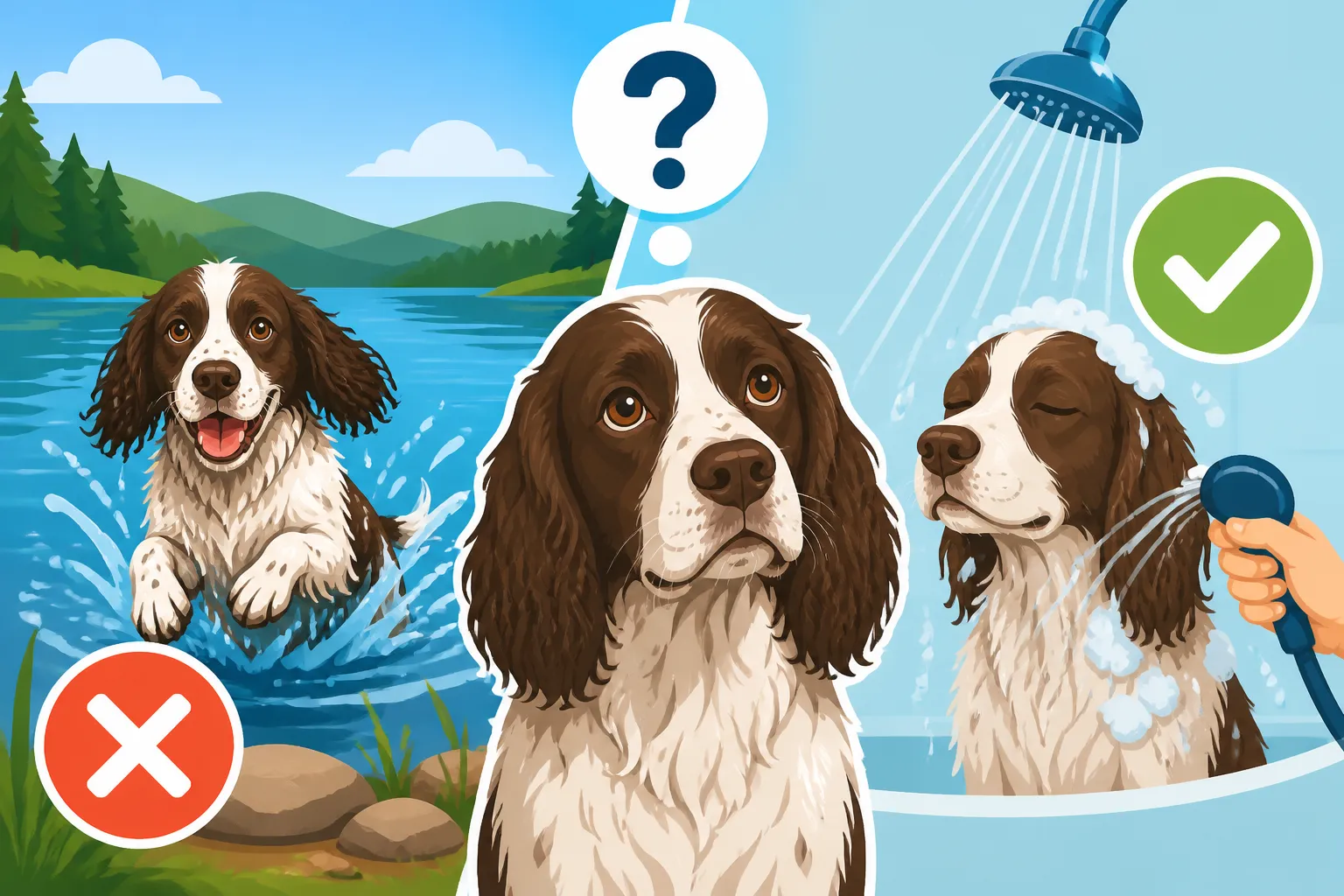
Oh, the sheer joy of watching a Springer Spaniel launch themselves into a shimmering lake, ears flying, tail wagging like a metronome gone wild! It’s one of life’s great pleasures, isn’t it? But as soon as that soaking wet, happy dog emerges, shaking water everywhere, a tiny worry often niggles at the back of our minds: do I really need to rinse them off again? It feels like extra work when they're already wet, but skipping this simple step can lead to some truly miserable problems for your beloved companion. This guide will walk you through why a post-lake rinse is more important than you might think for a Springer, and how to make it a routine that keeps them healthy and happy.
The Allure and Risks of Lake Swimming for Your Springer Spaniel
There’s something about a Springer Spaniel and water that just fits. They’re bred to work in the field, often through boggy terrain and retrieving from ponds, so it’s no surprise that a lake or river often calls to their very soul. But while their enthusiasm is infectious, we, as their guardians, need to be mindful of the less-than-sparkling realities lurking beneath the surface.
Why Springers Love the Water and Why That's a Good Thing
It’s truly a sight to behold, isn’t it? That boundless energy, that pure, unadulterated bliss as they hit the water. For a Springer Spaniel, swimming and splashing isn't just fun; it's an incredibly satisfying physical and mental workout. Their powerful legs are perfectly designed for propulsion, and their dense, water-repellent coats offer a surprising amount of insulation. It's a fantastic way for them to burn off steam, especially for those high-drive field-bred Springers who seem to have an endless reserve of energy. Seeing them so happy, so utterly in their element, is its own reward, and it strengthens that incredible bond we share. It taps into their natural instincts, providing enrichment that a simple walk around the block just can't quite replicate. They are, after all, sporting dogs through and through, and water work is often a huge part of their heritage.
The Hidden Hazards Lurking in Lake Water
Now, for the less romantic side of things. While that lake might look pristine, especially on a sunny day, it can be a veritable soup of unseen threats. We’re talking about everything from microscopic bacteria like leptospirosis, which can lead to severe illness, to various parasites that would love nothing more than to hitch a ride on your dog. Then there's the dreaded blue-green algae. This isn't just an unpleasant green scum; certain types produce toxins that can be incredibly dangerous, even fatal, if ingested. Lakes are also often home to unseen debris, fertilizers and pesticides from runoff, or even just general pollutants that aren't good for sensitive skin.
Imagine your Springer, after a vigorous swim, shaking off and then meticulously grooming themselves, as dogs are wont to do. Every lick is potentially introducing these nasty bits directly into their system. It’s a frustrating reality that something so joyful can carry such risks, but being aware is the first step to mitigation. We don't want to deny them the fun, but we do need to be smart about it.
The Springer Spaniel's Unique Vulnerabilities
Our Springers are gorgeous, clever, and endlessly enthusiastic, but those very traits – their beautiful long ears and their glorious double coats – also make them particularly susceptible to issues when they spend time in the water. It’s a bit of a Catch-22, enjoying their natural inclinations while knowing we need to take extra care.
The Challenge of the Drop Ears
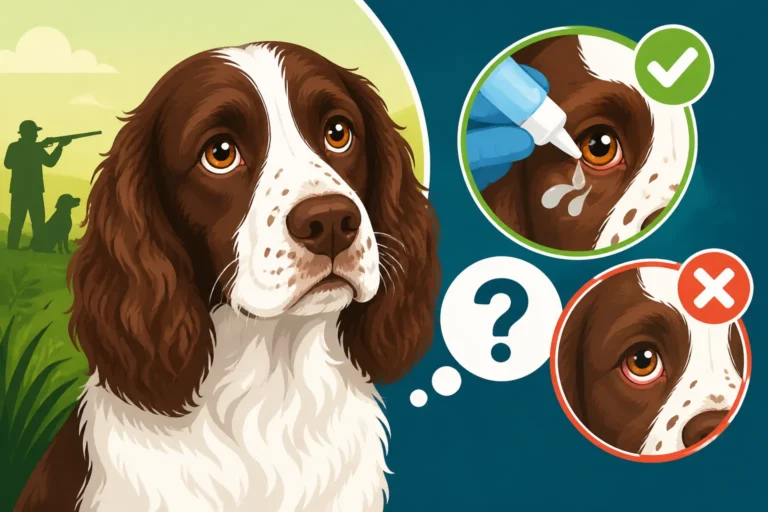
This is probably the biggest offender when it comes to post-swim problems. Those long, pendulous ears, so characteristic and charming on a Springer, are also a perfect incubator for trouble. When your Springer dives into a lake, water inevitably gets trapped deep inside the ear canal. Unlike prick-eared breeds where air can circulate freely, a Springer’s ear flap seals in that moisture. This creates a warm, dark, and damp environment – the absolute ideal breeding ground for bacteria and yeast to multiply.
It's a recipe for recurrent ear infections, a frustration many Springer owners know all too well. One minute your dog is happy, the next they're shaking their head constantly, scratching at their ears, and you're making another trip to the vet. It’s a cycle we desperately want to break. For a deeper dive into this, check out Why a Springer Spaniel's Ear Traps Moisture. Preventing these infections often starts the moment they exit the water.
The Double Coat Dilemma
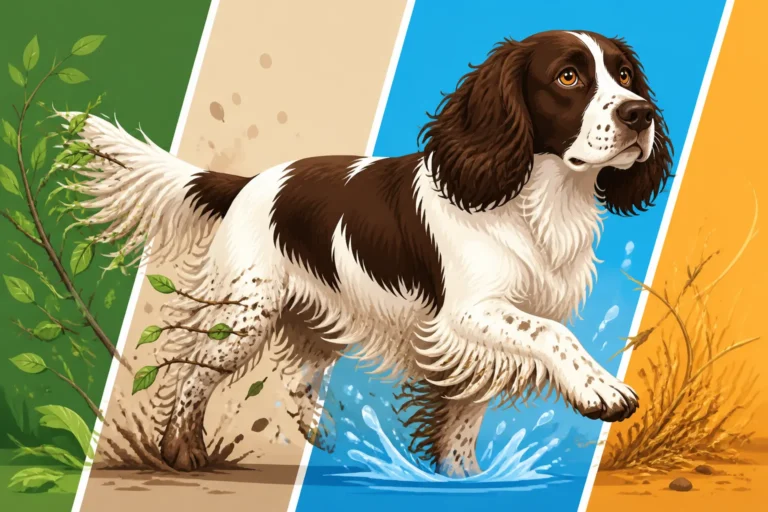
A Springer Spaniel's coat is truly a marvel of natural engineering. It's dense, water-repellent, and designed to protect them from the elements, whether they're busting through thorny cover or plunging into icy water. But this fantastic coat also has a downside when it comes to lake swimming. The dense undercoat and longer, silken feathering on their legs, belly, and chest can become an absolute magnet for everything in the water.
Think about it: mud, tiny bits of pond weed, algae, sand, twigs, and all sorts of other organic matter can get deeply embedded in that double coat. If left to dry naturally, these particles can cause matting, especially in the feathering, leading to uncomfortable tugging on the skin. More importantly, this trapped debris and moisture against the skin can lead to irritation, hot spots, and other dermatological woes. It’s like wearing a damp, dirty sweater that slowly starts to chafe and itch. For those with show-bred Springers, whose coats are often even more profuse, the issue of The Feathering a Show Springer Spaniel Drags Through Everything is particularly relevant.
Why a Post-Lake Rinse Isn't Just "Nice to Have"
Given their unique physiology and the potential hazards in natural water bodies, a thorough rinse after a swim isn't just a nicety; it's a critical part of preventive care for your Springer Spaniel. It’s about being proactive rather than reactive, saving yourself (and your dog!) a lot of discomfort and potentially costly vet visits down the line.
Preventing Pesky Ear Infections
This is, arguably, the number one reason to rinse your Springer after a lake swim. Even if you religiously dry their ears, a quick rinse with clean water, especially around the ear flaps and outer canal, helps flush out any lingering bacteria, yeast, or environmental contaminants that might have made their way in. Think of it as hitting the reset button on their ear hygiene.
Following up the rinse with a good quality, vet-approved ear cleaner is even better, as these solutions are designed to dry the ear canal and alter the pH, making it a less hospitable environment for pathogens. This dual approach—rinsing away the gross stuff and then using a drying agent—significantly reduces the chances of those painful, itchy ear infections that Springers are so prone to. If you want to know more about keeping those ears pristine, check out How Often a Drop Eared Springer Spaniel Needs Cleaning.
Safeguarding Skin Health and Coat Condition
Beyond the ears, a good rinse is vital for the overall health of your Springer’s skin and coat. All those microscopic irritants and larger bits of debris that get trapped in their double coat? A rinse helps to wash them away before they can cause problems. If you've ever seen a Springer with a hot spot, you know how quickly they can escalate from a small irritation to a raw, weeping wound. Often, these start with something trapped in the fur irritating the skin.
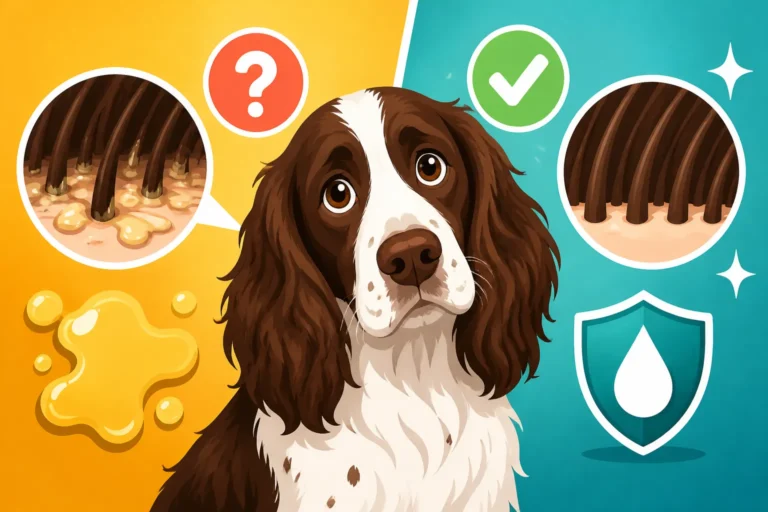
By rinsing, you’re removing potential allergens, chemicals, and irritating organic matter. This keeps the skin clean and reduces the likelihood of itchy rashes or dermatitis developing. Furthermore, removing mud and debris helps prevent matting. Mats are not just unsightly; they pull on the skin, can hide parasites, and make grooming incredibly uncomfortable for your dog. A quick rinse helps keep that magnificent coat healthy, free-flowing, and comfortable. For more on keeping their coat clean, especially after adventurous outings, consider Whether a Springer Spaniel's Coat Holds Mud.
Your Step-by-Step Guide to a Proper Post-Lake Rinse
Okay, so we've established why it's important. Now, let's talk about the how. Don’t worry, it doesn’t have to be a full-blown bath every time, but a systematic approach will make it much more effective and less of a chore for both you and your Springer.
Gathering Your Rinsing Arsenal
Before you even get your Springer wet (again!), make sure you have everything you need within arm's reach. This prevents you from having to run around while your dog stands dripping or tries to make a break for it!
Here's what you'll want to have on hand:
- A source of clean, lukewarm water: This could be a hose with a sprayer attachment (ensure the water isn't too cold or too hot!), a portable dog shower, or even just buckets of warm water if you're out in the sticks.
- Mild, dog-specific shampoo (optional): For a quick rinse, plain water is usually fine, but if your dog was particularly muddy or swam in stagnant water, a gentle shampoo can provide a deeper clean. You can find excellent options for sensitive skin on platforms like Chewy or Amazon.
- Several absorbent towels: Springers are masters of the "shake-off," so be prepared! Microfiber dog towels work wonders.
- Ear cleaner solution: A vet-approved drying ear cleaner is essential.
- Cotton balls or squares: For gentle ear cleaning.
- Treats: Always, always, always have treats on hand to make the experience positive!
- A leash or tether: To keep your enthusiastic Springer somewhat contained during the rinse.
Think about where you’ll do this. A dedicated dog washing station in your yard, a wash tub, or even just a concrete patio can work. The goal is to minimize mess inside your home while ensuring you have space to move around your dog.
The Rinsing Process: Head to Tail
Now that you’re ready, let's get that Springer squeaky clean!
- Start with lukewarm water: Never use cold water, especially if your dog has been swimming for a while; it can be a shock to their system. Gently wet their entire coat, starting from their neck and working your way back. Use a sprayer on a gentle setting if possible to help penetrate that dense undercoat.
- Focus on problem areas: Pay special attention to their legs, belly, and feathering – these are the areas most likely to collect mud, debris, and contaminants. Really work the water through the fur to dislodge anything trapped. If you’re using shampoo, apply a small amount, lather gently, and then rinse thoroughly until no suds remain. Remember, leaving shampoo residue can actually cause skin irritation, so rinse, rinse, rinse! For a comprehensive guide on bathing, including shampoo choices, see Which Shampoo Suits a Springer Spaniel's Oily Coat.
- Don’t forget the tail: Their glorious plume of a tail also gets wet and can collect debris. Give it a good rinse.
- A quick head rinse (carefully): You don't want water directly in their eyes or ears. Use your hands to gently wet the fur around their face and muzzle, avoiding direct spraying. A damp cloth can be used for a gentle wipe around the eyes.
- Towel dry: Once thoroughly rinsed, let your Springer shake (away from you, if possible!). Then, use your absorbent towels to blot and rub their coat dry as much as you can. Pay extra attention to the feathering and undercoat, as these take the longest to dry. You're aiming to get them damp, not soaking wet.
Don't Forget the Ears and the Feet!
These are the two critical areas that, if neglected, lead to the most common post-swim woes.
For the Ears:
After the rinse and initial towel dry, grab your ear cleaner. Gently lift your Springer's ear flap. Squirt the recommended amount of cleaner into the ear canal (don't be shy, you need to get it in there!). Gently massage the base of the ear for 20-30 seconds – you should hear a squishy sound. This helps the cleaner break up any wax and dislodge debris. Then, stand back and let your dog shake their head; this brings up all the loosened gunk. Finally, use a cotton ball or square to wipe out the visible parts of the ear canal and the underside of the ear flap. Never use cotton swabs inside the ear canal, as this can push debris deeper or even damage the eardrum. The goal is to clean and dry the canal. This step is so important that it's worth reading up on Drying a Springer Spaniel's Ears After Swimming.
For the Feet:
Your Springer’s paws are constantly in contact with the ground and water, making them vulnerable. After a lake swim, mud, sand, and tiny burrs can get trapped between their paw pads. Give each paw a thorough inspection and rinse. Spread their toes apart gently and check for any debris. Towel dry them well, especially between the pads, as trapped moisture here can lead to yeast infections or irritation. If your Springer often works in rough terrain, learning What to Check on a Springer Spaniel After a Day in Cover will be invaluable.
When Just a Rinse Isn't Enough
While a good rinse and ear cleaning go a long way, sometimes, despite our best efforts, issues can arise. It’s important to be vigilant and know when it’s time to call in the professionals.
Signs of Trouble to Watch For
After any water activity, keep a close eye on your Springer for the next few days. Early detection can prevent minor issues from becoming major problems.
Ear trouble signs:
- Excessive head shaking or scratching at the ears: This is often the first giveaway.
- Redness or swelling: Check the inside of the ear flap and the visible part of the canal.
- Foul odor: A yeasty or otherwise unpleasant smell coming from the ears.
- Discharge: Yellow, brown, or black gunk in the ears.
- Pain: Your dog flinching or crying when you touch their ears.
- Reluctance to open their mouth wide: Pain in the ears can sometimes make chewing uncomfortable.
These are all clear indicators that your Springer might have an ear infection. For more detailed information on identifying problems, refer to Signs a Springer Spaniel Has an Ear Infection.
Skin and coat issues:
- Constant licking or chewing at certain spots: This could indicate an itch or irritation.
- Red, inflamed skin, especially in damp areas like armpits or groin.
- Hot spots: A rapidly spreading, moist, red lesion. These can develop very quickly.
- Dull or greasy coat, or excessive shedding.
- Any new lumps, bumps, or scabs.
Paw problems:
- Limping or favoring a paw.
- Excessive licking of the paws.
- Swelling, redness, or discharge between the paw pads.
Consulting Your Vet and Professional Groomers
If you notice any of the concerning signs listed above, don't hesitate: call your veterinarian. Ear infections, skin irritations, and paw issues rarely resolve on their own and often require medication to clear up effectively. Your vet can properly diagnose the problem, prescribe the right treatment (antibiotics, antifungals, anti-inflammatories), and ensure your dog gets relief quickly. Trying to self-diagnose and treat can often make things worse.
Professional groomers can also be an invaluable resource, especially for show-bred Springers or those with very dense coats. They are experts at coat maintenance, preventing mats, and identifying early skin issues that you might miss. They have specialized tools and knowledge to thoroughly dry and care for your Springer’s coat, particularly the long feathering, which can be prone to tangles and trapping debris. Regular professional grooming, combined with your at-home care, forms a robust defense against coat and skin problems. They can also offer advice on specific products or techniques suitable for your dog's coat type.
Product Recommendations for a Happy, Healthy Water Dog
Having the right tools in your toolkit makes all the difference when it comes to keeping your water-loving Springer Spaniel comfortable and clean. Investing in good quality products isn't just a luxury; it's a smart move for preventive care.
Shampoos and Conditioners
When it comes to bathing your Springer, especially after a dip in the lake, you want products that are effective but gentle. Their skin can be sensitive, and harsh chemicals can strip natural oils, leading to dryness or irritation.
Look for:
- Hypoallergenic or sensitive skin formulas: These often contain ingredients like oatmeal, aloe vera, or tea tree oil, which are soothing. Brands like Earthbath or Burt's Bees often offer good options.
- Mild, pH-balanced formulas: Products specifically designed for dogs ensure the pH is right for their skin, preventing irritation.
- Deodorizing shampoos: If your Springer has a habit of finding smelly things in the lake, a good deodorizing shampoo can be a lifesaver.
- Conditioners (optional but recommended): A light conditioner can help detangle the feathering and keep the coat soft, making it less prone to matting.
You can often find a wide variety of these products, including trusted brands, on online retailers like Chewy or through Amazon. Always read reviews and, if in doubt, ask your vet for a recommendation, especially if your Springer has known skin sensitivities.
Ear Cleaners and Drying Solutions
This is where you really don’t want to cut corners. A good quality ear cleaner and drying solution is a non-negotiable for a Springer Spaniel.
- Veterinary-approved formulas: These are typically formulated to be gentle yet effective, often containing antiseptic or antifungal agents to prevent infections, alongside drying agents. Look for ingredients like boric acid, salicylic acid, or witch hazel.
- Drying solutions: Some cleaners are primarily for drying, which is crucial after swimming. Many popular brands offer specific "drying ear cleaners" or "post-swim ear solutions."
- Avoid alcohol-heavy solutions: While they dry quickly, they can be irritating to sensitive ear canals.
Again, your vet is the best source for a specific brand recommendation, as they know your dog's history. Products are readily available at most pet supply stores and online at Chewy. Having these on hand for immediate use after any water exposure is key to preventing those recurring ear infections.
Towels and Drying Aids
Getting your Springer mostly dry is important, and not just for your furniture!
- Microfiber dog towels: These are incredibly absorbent and dry much faster than standard bath towels. They can soak up a huge amount of water.
- Absorbent robes/coats: Some owners find dog drying robes or coats helpful, especially for dogs with a lot of feathering. They can wear these for a short period to absorb excess moisture.
- Forced air dryers (optional, but a game-changer): While an investment, a good quality forced air dryer (not a human hairdryer, which gets too hot) can quickly and thoroughly dry your Springer's coat down to the skin, preventing matting and ensuring no moisture is trapped. This is especially useful for those with dense coats or if you're dealing with The Springer Spaniel Ear That Never Fully Dries.
These practical items, often available on Amazon, can turn the post-swim routine from a soggy struggle into a much more efficient and effective process, contributing significantly to your Springer’s overall health and comfort.
Comparison: Rinsing vs. Not Rinsing After Lake Swimming
To summarize the key points, let's look at the direct comparison between diligently rinsing your Springer Spaniel after a lake swim and letting them air dry naturally.
| Feature | Rinsing After Lake Swim | Not Rinsing After Lake Swim |
|---|---|---|
| Ear Health | Flushes contaminants, aids drying, prevents infections. | Traps moisture, bacteria/yeast thrive, high risk of infections. |
| Skin Health | Removes irritants (algae, chemicals, debris), prevents hot spots & dermatitis. | Irritants sit on skin, causing itchiness, inflammation, & potential hot spots. |
| Coat Condition | Prevents matting, keeps coat clean and free of debris. | Trapped debris, mud, and contaminants lead to matting, dullness, & odor. |
| Odor | Reduces "wet dog" smell, washes away lake odors. | Stronger, lingering "wet dog" or lake odor. |
| Parasite Risk | Helps wash away external parasites or larvae. | Parasites may remain on coat, increasing risk of infestation. |
| Comfort | More comfortable for the dog, less itching & skin irritation. | Potential discomfort from irritated skin and matted fur. |
| Effort Required | Moderate extra effort for rinse and ear care. | Less immediate effort, but higher risk of vet visits & discomfort. |
| Long-Term Cost | Lower long-term vet bills from preventive care. | Potentially higher vet bills for treating chronic ear/skin issues. |
Disclaimer
This article is for general informational purposes only and does not constitute professional advice. Laws, prices and regulations vary by location and change over time. Consult a qualified professional for guidance on your specific situation.